





Advanced Whey Proteins
(0 Results)
Looking to take your workout to a whole new level? Our Advanced Whey Proteins are designed to help you achieve your fitness goals by providing high-quality protein to support muscle recovery and growth. Packed with essential amino acids, our whey proteins are perfect for fueling your body before or after a workout. Whether you're looking to build lean muscle, recover faster, or simply boost your protein intake, our range of advanced whey proteins has got you covered. With delicious flavors and easy mixability, reaching your fitness goals has never been tastier or more convenient.


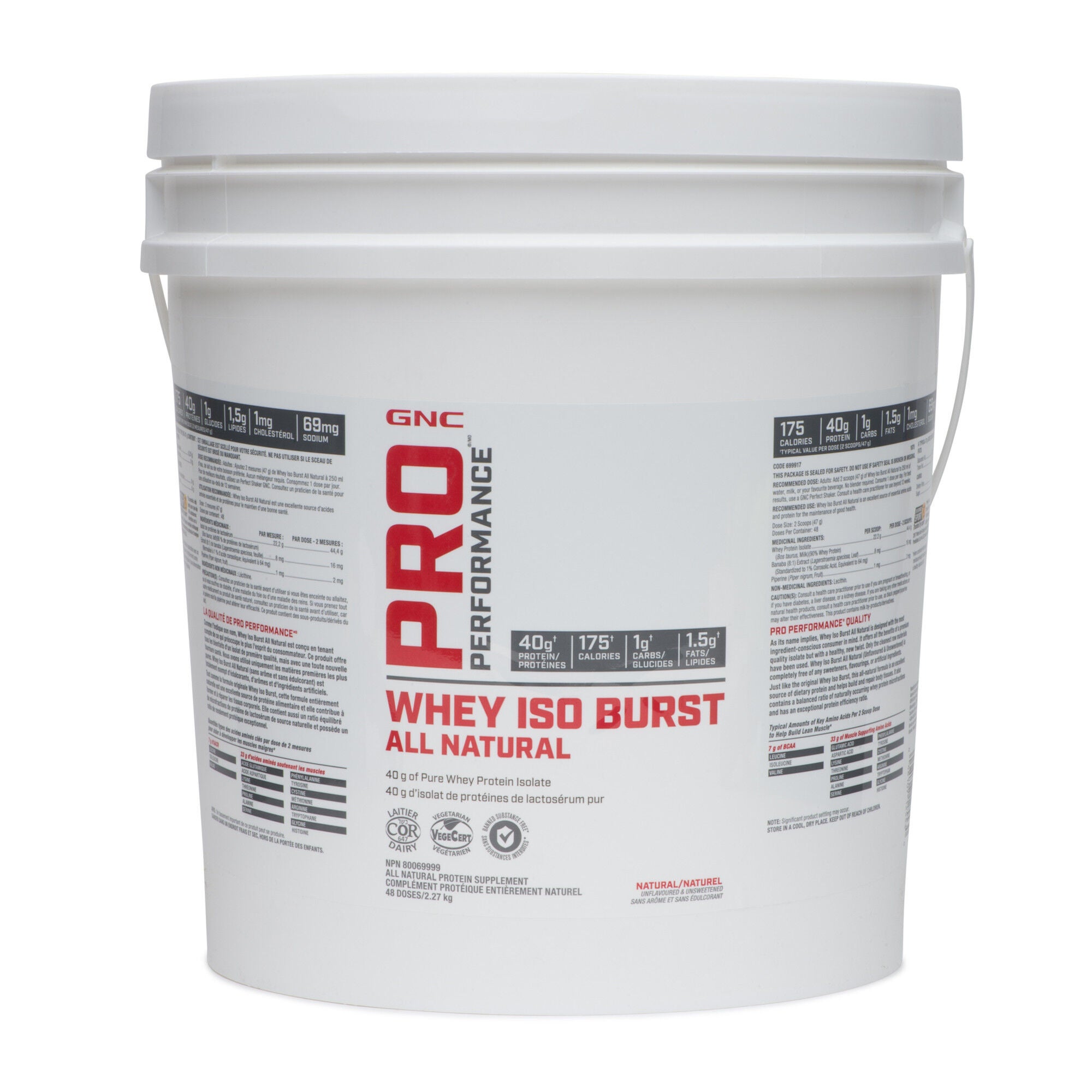
Advanced whey proteins bring together milk-derived protein ingredients and a range of formulation choices for everyday shakes, workout routines, and food preparation. The term describes a category rather than a single standardized recipe: one formula might center on whey protein isolate, while another combines whey protein concentrate and isolate with additional protein sources. Some multi-source blends also include milk protein concentrate, micellar casein, or egg white protein, making the ingredient list an important distinction between whey-only powders and broader protein blends. Whey concentrate and whey isolate come from milk, but their processing and composition differ. Isolate typically undergoes additional filtration to reduce nonprotein components, while concentrate retains varying amounts of milk carbohydrates and fat. The finished powder’s nutrition depends on the entire formula, not simply the protein named on the front of the container. Flavor ingredients, sweeteners, thickeners, and other additions also contribute to the serving’s composition. Protein grams per serving, serving size, calories, carbohydrates, fat, and added sugars offer useful context when comparing advanced whey protein powders. A larger scoop does not necessarily mean a more concentrated protein formula, and powders with similar names may have different serving instructions. The grams of powder in a serving and the grams of protein in that serving are separate measurements, a distinction that matters when comparing containers. Some serving directions call for more than one scoop, so the scoop itself is not a reliable basis for comparison. Whey contains amino acids, including leucine, and may support muscle maintenance alongside resistance exercise and an appropriate eating pattern. Its role in a routine depends on the person’s food choices, activity, and preferences rather than the word “advanced” alone. For someone who already enjoys protein-rich meals, a powder might offer another format for certain occasions. For someone whose schedule includes an early training session or a packed afternoon, it could provide a practical way to include protein without preparing another cooked dish. These differences make ingredient composition and intended use more informative than category language by itself.
Flavor, texture, and preparation are central to how an advanced whey protein powder fits into daily life. Familiar options such as chocolate and vanilla sit alongside dessert-inspired flavor profiles, with sweetness, aroma, and mouthfeel varying by formula. A powder mixed with water may taste lighter than the same serving prepared with milk, while a plant-based beverage could introduce its own sweetness and texture. The liquid amount matters, too: a smaller amount may produce a thicker shake, and a larger amount might create a thinner drink. Shaker bottles suit simple mixtures, while a blender accommodates ingredients such as oats, fruit, yogurt, or nut butter. A chocolate-flavored powder might pair with banana and peanut butter for a substantial smoothie, while vanilla could work with berries or stirred into yogurt. Those additions change the nutrition of the finished serving, so the powder’s label describes only part of the final recipe. Advanced whey protein blends also have uses beyond a drink, including oatmeal, pancake batter, and other homemade foods. Results depend on the recipe because protein powder behaves differently from flour, and replacing a large portion of a recipe’s dry ingredients may create a dense or dry texture. Small amounts in familiar recipes could offer a more manageable starting point than a direct substitution. In warm oatmeal, a powder mixed separately with a little liquid before stirring may produce a smoother consistency than powder added directly to a thick bowl. Mixing directions on the package remain relevant because different formulas call for different liquid amounts and preparation methods. Everyday care is straightforward: containers belong in the storage conditions described on the label, with lids closed securely and scoops kept clean and dry. Moisture introduced through a damp utensil may cause clumping. A tightly closed container also limits exposure to kitchen odors. Package dates, storage directions, and the condition of the powder provide context for ongoing use, while a prepared shake has different handling needs from a dry powder and follows the storage guidance for its ingredients.
The best fit within advanced whey proteins often comes down to a few practical distinctions rather than an elaborate routine. A person carrying a shaker to the gym might prefer a formula that mixes with water and has a flavor enjoyable on its own. Someone preparing breakfast at home might favor a powder that works in a blender with familiar foods. Recreational lifters, team-sport participants, and active adults may consider these powders as one option within their broader food choices, without every person needing the same serving size or protein blend. A whey-only formula and a blend containing casein or egg white protein are different compositions, even when their flavors sound similar. Milk is part of whey’s origin, and multi-source formulas may introduce additional allergens, including egg or soy, depending on the ingredients. The ingredient list and allergen statement matter more than assumptions based on a flavor name or a short front-label description. Sweetener preferences, the presence of added sugars, and the use of gums or emulsifiers are other distinctions shoppers may weigh. Some people enjoy a dessert-like shake after training; others prefer a milder flavor that does not dominate a breakfast bowl. Neither preference requires a complicated preparation process. The broader Sport and Performance Protein Powder category offers context for considering whey alongside other protein formats, with protein source, nutrition information, and intended preparation remaining useful points of comparison. For repeated use, container size also relates to storage space and how often a powder features in the routine, rather than serving as a measure of suitability on its own. A compact kitchen shelf, a shared pantry, or a work bag each creates different practical needs. Ultimately, an advanced whey protein powder might suit a routine when its ingredients, flavor, serving directions, and preparation style align with the way someone actually eats and trains. Familiar meals, enjoyable flavors, and manageable preparation give this category its everyday context.
Best Sellers


Related Pages



Top Collections
- Joint Mobility Supplement Packs
- Daily Collagen Supplements | Top Brands & Deals | GNC
- GLP 1 Support For Adults
- Zinc Supplements | Top Brands at Great Prices | GNC
- Supplements For Yoga Joint Flexibility
- Supplements For Balance
- Capsule Supplements For Energy And Stamina
- Adult Mobility Supplements
- Chronic Fatigue Supplements
- Vitamins For Hair Loss