





Turmeric Supplements For Healthy Aging
(0 Results)
Turmeric supplements for healthy aging could be a supportive addition to your wellness routine as you look for ways to maintain vitality through the years. Known for its roots in traditional wellness practices, turmeric may offer a natural approach to helping you feel your best at every stage of life. Explore options that might fit your lifestyle and discover how turmeric supplements for healthy aging could complement your daily regimen.
-
-

-

-

-

-
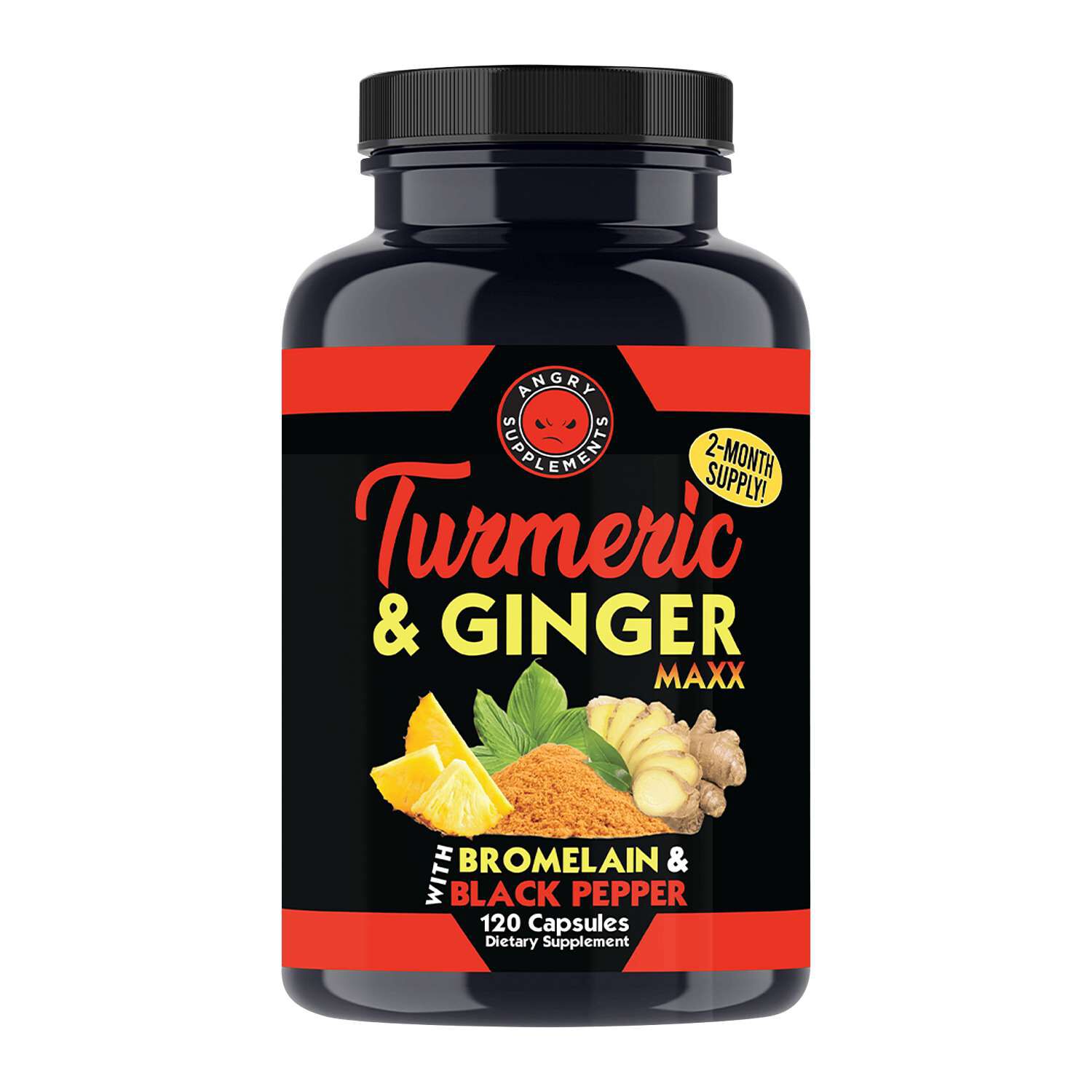 Angry Supplements1$24.99
 -


Turmeric supplements for healthy aging bring a familiar botanical into a format designed for an adult supplement routine. Turmeric comes from the underground stem, or rhizome, of Curcuma longa, a plant in the ginger family. Its warm golden color is associated with curcuminoids, a group of naturally occurring compounds that includes curcumin. Although turmeric and curcumin often appear together on supplement labels, the terms are not interchangeable: turmeric refers to the botanical material, while curcumin is one of its constituents. That distinction matters when comparing whole-root powders, concentrated extracts, and formulas that combine the two. A bottle labeled with an amount of turmeric root is not necessarily comparable to one labeled with the same amount of a standardized extract. For adults exploring turmeric as part of a healthy-aging routine, these ingredient details offer a more useful starting point than the color of a capsule or the size of a number on the front panel. Healthy aging is a broad personal priority, often reflected in everyday choices such as varied meals, enjoyable movement, restful evenings, and time with friends and family. A supplement belongs within that larger picture rather than standing in for it. The appeal of this category is also practical: some shoppers enjoy turmeric in soups or roasted vegetables but prefer a measured supplement format for their established routine. Culinary turmeric and concentrated supplements serve different purposes, and a spoonful of seasoning is not a direct equivalent to a labeled supplement serving. Someone who organizes a weekly pill case may focus on capsule count and dimensions, while someone who dislikes swallowing capsules may be more interested in a chewable or powder format. The most relevant comparison is therefore not simply turmeric versus curcumin, but the ingredient form, serving information, and everyday usability of the formula as a whole. Those details help distinguish products that otherwise look similar at a glance.
The Supplement Facts panel provides the clearest view of what a turmeric formula contains. Serving size deserves attention before the milligram amount, because the amount shown may represent two or more capsules rather than one. Next comes the ingredient description: turmeric root powder, turmeric extract, curcuminoids, and curcumin identify different aspects of the formula. When an extract is standardized, the label specifies a defined proportion of a particular constituent or group of constituents. For example, a stated curcuminoid percentage describes the composition of that extract, not the entire capsule, and does not by itself establish that one formula is a better fit than another. Some labels list root powder and extract separately, making it especially important to read the individual entries instead of treating every milligram as equivalent. Other formulas pair turmeric with black pepper extract, often identified by its constituent piperine, or use a lipid-based delivery format. These approaches may influence absorption, but the presence of an added ingredient does not establish a particular outcome or make unlike formulations directly comparable. A larger serving amount alone is not a reliable basis for judging suitability. For a related view of this botanical category, Turmeric Curcumin Supplements For Wellness offers another way to explore the relationship between turmeric, curcumin, and everyday supplement preferences. Beyond the featured botanical, the other ingredients section identifies capsule shells, oils, sweeteners, flavorings, and ingredients used to give a product its shape or texture. Shoppers with dietary preferences may look for a plant-derived capsule shell rather than gelatin, while those considering softgels can compare the listed oils and shell materials. Chewable formats call for attention to flavor, texture, and sugar content. Powder formats bring different considerations, including the stated serving measure and whether the label describes mixing directions. Botanical blends also merit a closer look because they introduce ingredients beyond turmeric. A short ingredient list may appeal to someone who prefers a straightforward formula, while another shopper may already have a specific blend preference. Neither approach replaces the need to understand the serving and the full ingredient list.
Practical fit becomes more noticeable once a supplement joins the rhythm of an ordinary day. Capsule dimensions, the number of units per serving, and the container closure can matter as much to the shopping decision as the botanical description. Someone packing for a weekend visit may prefer a compact container with a clearly readable label; someone keeping supplements in a kitchen cabinet may care more about an easy-to-grip bottle and enough space to read the directions without turning it repeatedly. A powder requires measuring and a suitable mixing vessel, whereas a capsule has a predetermined amount in each unit. Turmeric’s strong golden pigment can leave marks on fabrics and porous surfaces, making tidy handling particularly relevant for loose powders. Original packaging keeps the ingredient information, directions, lot information, and date markings together. Storage requirements vary by formulation, so the container’s instructions are more useful than a general assumption that every supplement belongs in the same place. Heat, moisture, and direct light are practical considerations, especially in a steamy bathroom or near a kitchen window. A securely closed container and a dry storage area, when consistent with the label, may help preserve product quality during regular use. Packaging condition matters, too: an intact inner seal, legible printing, and clear date information are useful details to check. During the cooler months, when routines may shift between home, travel, and family gatherings, a format that matches established habits can be easier to organize. For an adult shopping for themselves, the strongest preferences may be familiar ones—a capsule material they already choose, a manageable serving count, or a formula without extra botanicals. Supplement preferences are personal enough that gift purchases are best grounded in a recipient’s expressed interest and exact preferences rather than assumptions about age. Whether the focus is a simpler ingredient profile or a different delivery format, comparing turmeric supplements for healthy aging comes down to understanding what is in the container, how the serving is described, and how the product fits into an existing routine.

