

Urinary Tract Supplements For Summer Wellness
(0 Results)
Urinary tract supplements for summer wellness could be a convenient addition to your seasonal routine, especially when warmer weather means more outdoor activities and travel plans. Staying hydrated and supporting overall well-being may be top priorities as temperatures rise, and these supplements might offer an extra boost for those looking to maintain their health goals all summer long. Explore options designed to fit seamlessly into your daily regimen and help you make the most of the sunny season ahead.
-
-

-

-

-

-
 Angry Supplements$13.99
 -
-

-


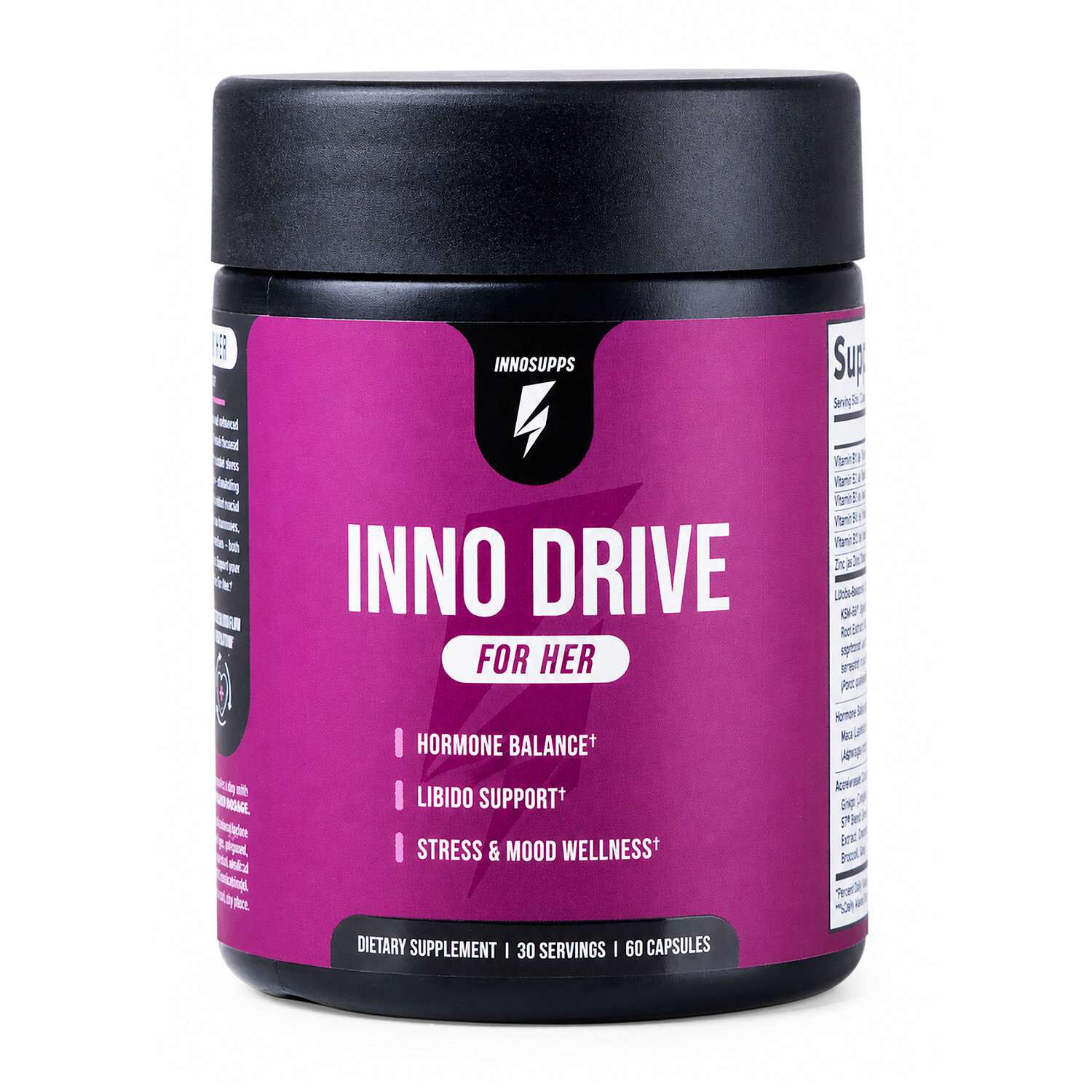
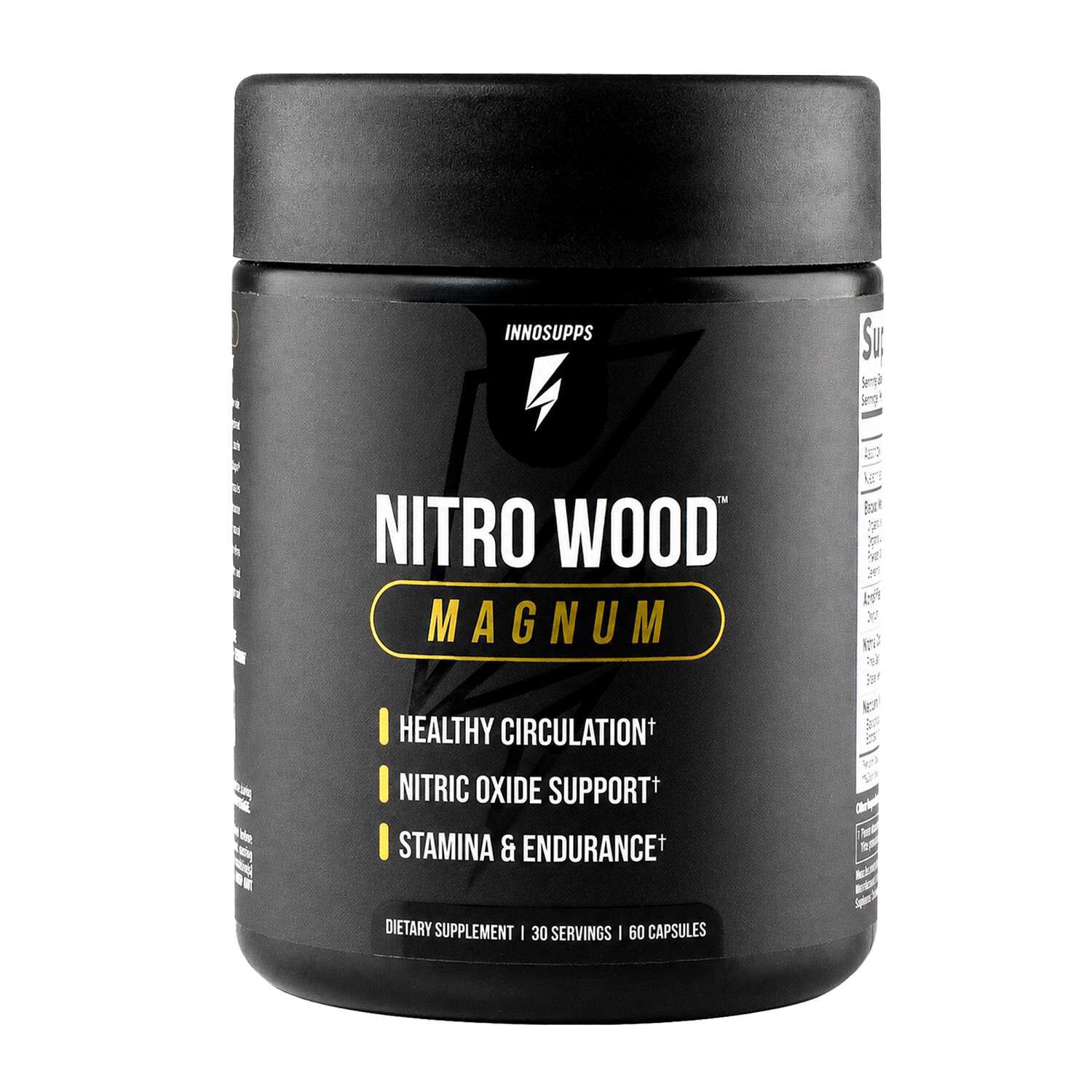
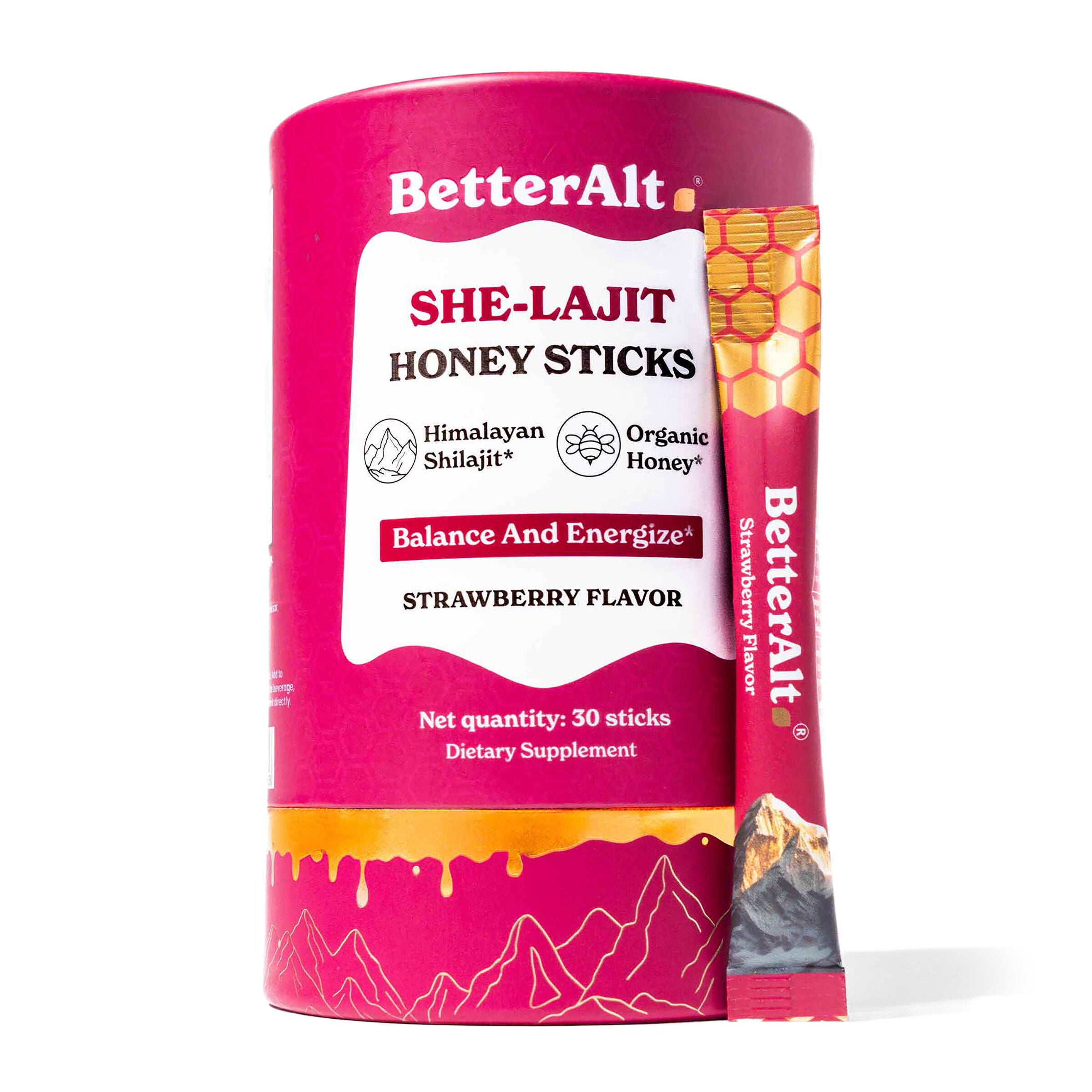
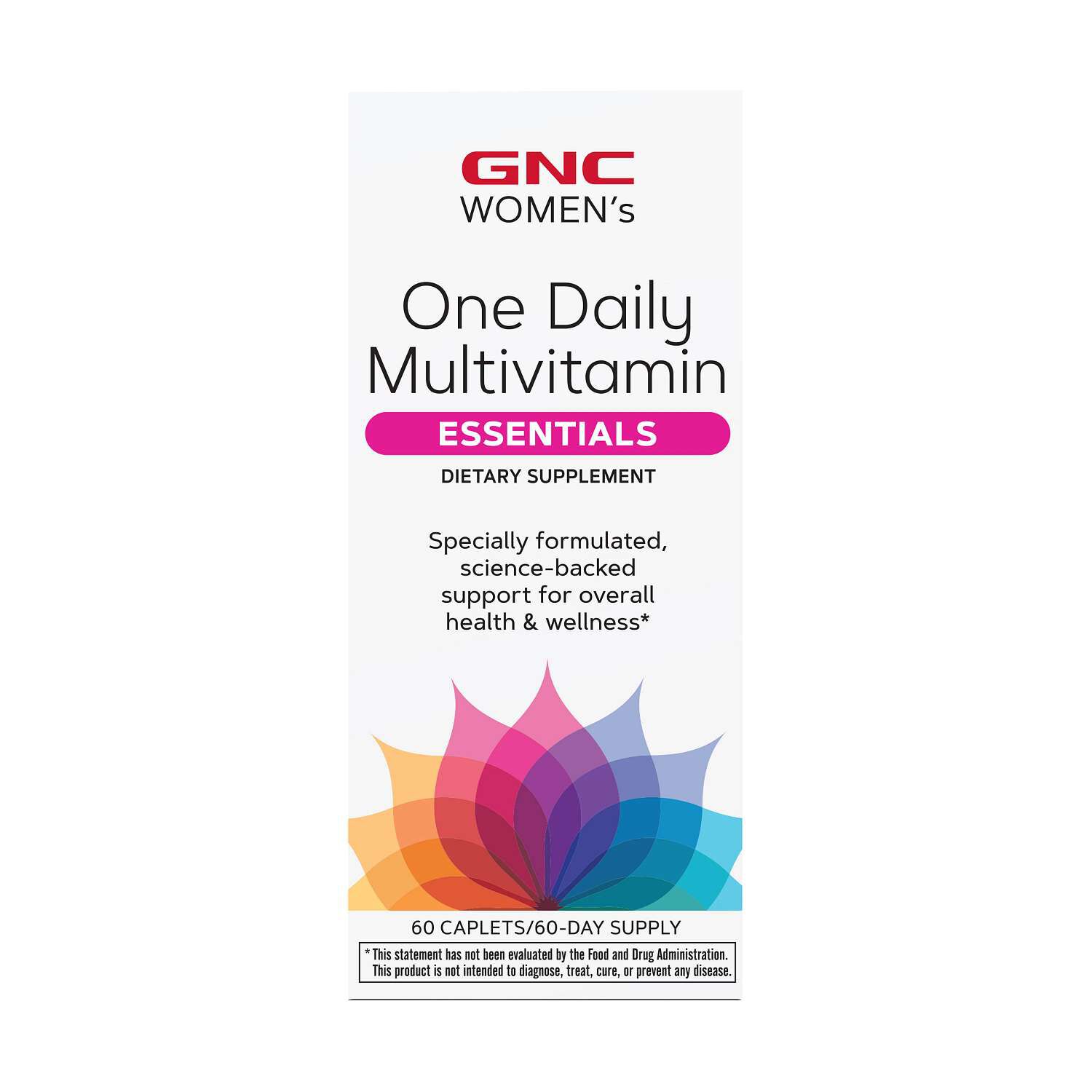
Urinary tract supplements for summer wellness bring together ingredient choices and formats for adults who want to include this category in a broader personal wellness routine. Summer plans often involve a different rhythm from everyday life: a long drive to a lakeside rental, an afternoon outside, or several nights away from a familiar kitchen and bathroom. Those settings give practical details such as serving size, packaging, and storage directions extra importance. Supplements in this category may feature cranberry, D-mannose, probiotics, vitamin C, or combinations of these ingredients. Cranberry formulas use fruit-derived ingredients, sometimes as a powder and sometimes as an extract. Some labels also identify proanthocyanidins, often abbreviated as PACs, which are naturally occurring compounds found in cranberries. The amount of cranberry extract and the amount of PACs describe different things, so the wording beside each quantity matters when comparing labels. D-mannose is a simple sugar found naturally in some fruits and sold in supplement formats such as capsules and powders. Probiotic formulas contain live microorganisms and may list their genus, species, and strain, along with storage information. Vitamin C appears in some combination formulas as an additional nutrient. These ingredients are not interchangeable, and their presence alone does not establish how a finished formula will perform. A single-ingredient supplement offers a different label profile from a blend with several components, even when both sit within the same shopping category. For shoppers comparing urinary wellness supplements, the most useful distinctions are often concrete: which ingredients are included, how much is listed per serving, what form the supplement takes, and what directions accompany it. A familiar ingredient name is a starting point for comparison rather than a reason to overlook the rest of the label. This category may complement an established wellness routine, but summer travel does not by itself call for a new supplement or a different serving amount.
Format deserves attention because the way a supplement is packaged and taken becomes part of its intended use. Capsules and tablets come with a stated number per serving; a serving may involve more than one piece. Capsule dimensions and tablet shape also vary, making personal preferences worth considering alongside the ingredient list. Powders introduce a different set of details, including the measured serving, mixing directions, flavor, and any equipment needed for preparation. A powder intended to be mixed into a beverage has different practical requirements from a capsule stored in its original bottle. Gummies and chewables have their own serving instructions, textures, sweeteners, and added ingredients. Flavored formats may appeal to some adults, while others prefer a capsule without a flavored component. Neither preference says anything about the suitability of the ingredient amounts. The Supplement Facts panel and other ingredient list provide a more useful basis for comparison than format alone. Beyond the featured ingredients, formulas may include capsule materials, binding ingredients, colors, flavors, or sweeteners. Capsule shells can be made with gelatin or plant-derived materials, and shoppers with dietary preferences can look for explicit labeling rather than assuming that every capsule uses the same material. Allergen statements are another relevant part of the package. For combination formulas, the quantity of each listed component matters, particularly when comparing a short ingredient list with a longer blend. A larger number on the front of a bottle may refer to a different measurement than the one used on another label. Package count also differs from serving count: a bottle containing several dozen capsules does not necessarily provide that many servings. Adults browsing for their own summer routines may find these distinctions more meaningful than broad descriptions on the front panel. For a wider look at the category beyond a seasonal setting, Urinary Tract Supplements for Urinary Wellness offers a related place to explore ingredient and format choices with the same attention to label details.
Summer use also puts storage and packaging into focus. A supplement bottle belongs in the conditions described on its label, not wherever space happens to remain in a beach tote or car trunk. Parked vehicles, direct sunlight, damp bags, and containers left beside a pool can present conditions quite different from ordinary indoor storage. A tightly closed lid and readable original label are practical features worth preserving throughout a trip. Some probiotic formulas have refrigeration requirements, while others have different labeled storage conditions; the presence of probiotics alone does not settle that question. Gummies, powders, capsules, and tablets can also have different instructions for exposure to heat or moisture. Product care is therefore less about finding one travel method for every supplement and more about matching the package to its stated requirements. For a weekend at a cabin, that might mean checking whether there is a suitable indoor storage spot before choosing what to pack. For a longer trip, it might mean comparing the number of labeled servings with the length of the stay, while keeping the directions accessible. Individually packaged servings, where offered within a supplement format, have their own preparation and disposal considerations. A resealable container has different needs, including enough room to open it, measure a serving if required, and close it securely. Packaging durability matters in these ordinary moments: an intact bottle and a closure that functions as intended are more useful than a container chosen only for its compact size. Expiration dates and package condition deserve the same attention for travel as they do at home. Urinary tract supplements are dietary supplements, not summer beverages or substitutes for everyday meals and drinking water. Their place in a shopping decision rests on intended use, ingredient transparency, personal preferences, and the directions for the particular formula. Whether the setting is a quiet porch at a vacation rental or a familiar countertop between outings, a thoughtful comparison centers on those lasting details rather than the destination.