





Urinary Tract Supplements For Winter Wellness
(0 Results)
Urinary tract supplements for winter wellness may offer support for your seasonal routine, especially during colder months when maintaining overall well-being is top of mind. These supplements are designed with ingredients that could help you prioritize self-care as temperatures drop. Explore a variety of options that may fit into your daily regimen and discover how urinary tract supplements for winter wellness might complement your lifestyle throughout the season.
-

-

-

-

-

-

-
 Angry Supplements$13.99
-
$56.99
-
 $36.99


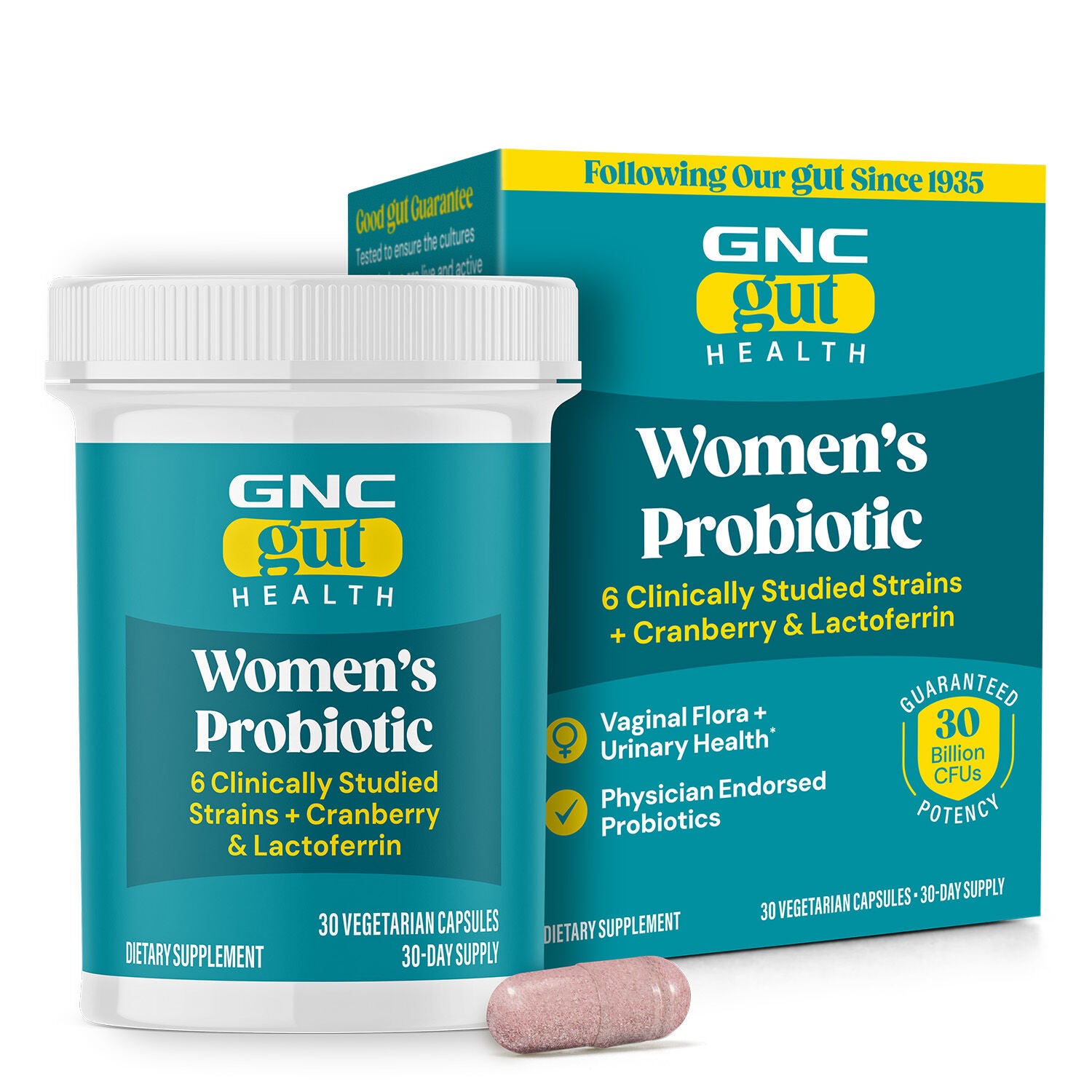
Urinary tract supplements for winter wellness bring a focused category of dietary supplements into a season often filled with packed workdays, indoor gatherings, and overnight travel. For adults who include supplements in their personal routines, useful distinctions include what each formula contains, how much is listed per serving, and which format fits everyday preferences. Common ingredients in this category include cranberry, D-mannose, and selected probiotic cultures, offered individually or in blends. These supplements may complement an established wellness routine, but a winter theme does not mean every formula has a special seasonal composition. Cranberry supplements can contain fruit powder, juice-derived ingredients, or concentrated extracts, and those descriptions are not interchangeable. Some labels identify proanthocyanidins, often abbreviated as PACs, while others list only the amount of cranberry material. An extract amount and a PAC amount describe different aspects of a formula, so matching units and serving sizes makes comparisons more meaningful. A fruit-equivalent number is also different from the measured amount of extract in a serving. D-mannose is a simple sugar found naturally in some fruits and is also used as a supplement ingredient. It may appear in capsules, powders, or combination formulas; its presence alone does not describe the rest of the ingredient list. Probiotic formulas introduce another set of details, including named organisms, strain identifiers, and colony-forming units, commonly abbreviated as CFUs. These details distinguish formulations without making every option interchangeable. Some blends also include vitamins, minerals, or botanical ingredients, adding information to review beyond the ingredient named on the front. Vitamin C and vitamin D, for example, are separate nutrients with their own listed amounts and serving information. A clear comparison starts with the Supplement Facts panel and the full ingredient list, rather than the size of the bottle or a prominent number on its front label.
Format is another practical consideration when browsing urinary tract supplements. Capsules and tablets may suit adults who prefer measured portions without preparing a drink, while powders may appeal to those who prefer a mixable format. Powder labels describe the serving measurement and preparation directions, including any specified liquid quantity. Unflavored does not necessarily mean tasteless, and flavored options can differ in sweetness, aroma, and texture. Gummies and chewables provide other textures and flavors, although a serving may include more than one piece. Likewise, one capsule is not always one serving. Comparing the amount per serving, the number of units per serving, and the servings per container gives a more accurate picture of how a format fits a routine. Capsule-shell materials, sweeteners, colors, flavorings, and other ingredients also matter to shoppers with particular dietary preferences. A plant-derived capsule shell describes the shell itself, while dietary suitability depends on the entire formula and its labeling. Allergen statements and clearly stated dietary attributes provide additional information without requiring assumptions based on appearance. Packaging deserves attention, too, especially when winter plans involve a suitcase, a gym bag, or a long drive. A clearly labeled container may be easier to organize than loose capsules tucked into an unmarked pouch. Storage directions vary, and certain probiotic formulas have specific temperature requirements. A bathroom shelf, a spot beside a radiator, and a parked car can present very different conditions, making the package directions more useful than a familiar storage habit. Closure instructions, moisture precautions, and the printed date are also part of caring for a supplement after purchase. For powdered formats, the included measuring tool and directions matter more than the size of a household spoon. These small details make product comparisons more concrete: the same featured ingredient can appear in formats with different serving quantities, preparation steps, storage needs, and packaging designs.
Winter routines provide a relatable setting for these choices without changing the importance of the label. A person heading from an early commute to a full day at a desk may prefer a format with little preparation, while someone packing for a cabin stay may place more emphasis on storage instructions and clearly marked servings. At home, a kitchen cabinet away from heat and moisture may be a suitable location when consistent with package directions; a visible household reminder could help keep a supplement routine organized without leaving containers within children’s reach. A water bottle beside a laptop, a warm beverage at breakfast, and regular meals are familiar parts of many winter days, and supplements may fit alongside those habits rather than replace them. The practical details often determine whether a format feels manageable: a powder requires the preparation described on its label, a chewable has a particular flavor and texture, and a capsule has its own serving directions. Combination formulas deserve the same attention as single-ingredient options, especially when several supplements share vitamins, minerals, or botanical ingredients. Reading each ingredient panel side by side makes repeated ingredients easier to identify and keeps comparisons grounded in the actual contents. Shoppers interested in viewing the category beyond its seasonal setting can explore Urinary Tract Supplements for Urinary Wellness for a broader perspective on formats and ingredient combinations. Within a winter-focused selection, the most meaningful differences remain straightforward: clearly identified ingredients, understandable serving information, suitable packaging, and preparation or storage requirements that match everyday circumstances. A cranberry extract capsule, a D-mannose powder, and a probiotic blend represent different formulation approaches, not interchangeable versions of the same supplement. Keeping those distinctions in view makes the category easier to navigate, whether the routine involves quiet mornings at home, busy office days, or travel with carefully packed toiletries and clearly labeled containers.
- Q: What are urinary tract supplements and how do they fit into winter wellness?
A: Urinary tract supplements are dietary products that may include ingredients like cranberry, D-mannose, vitamin C, and probiotics. During winter, they could be part of a seasonal wellness routine alongside everyday habits such as drinking water. - Q: Which ingredients are commonly found in urinary tract supplements for winter?
A: Common ingredients include cranberry extract, D-mannose, vitamin C, and probiotics. These ingredients may help support a daily wellness routine when used as directed. - Q: Can urinary tract supplements be taken alongside other winter wellness products?
A: Urinary tract supplements may be incorporated into a broader winter wellness routine that could include multivitamins, immune support formulas, and hydration products. Always follow the recommended usage instructions on each supplement, and consider asking a qualified health professional if you have questions about combining products. - Q: How should I incorporate urinary tract supplements into my daily routine during colder months?
A: Follow the recommended usage instructions on the product label, which may vary by formula. Taking them with water and using them consistently as directed could make them easier to include in your winter routine. - Q: What everyday habits can complement urinary tract supplements in winter?
A: Drinking water and eating a balanced diet with fruits and vegetables may help round out your seasonal wellness routine.
Best Sellers



Related Pages


Top Collections
- Joint Mobility Supplement Packs
- Daily Collagen Supplements | Top Brands & Deals | GNC
- Supplements For Yoga Joint Flexibility
- Zinc Supplements | Top Brands at Great Prices | GNC
- Supplements For Balance
- Capsule Supplements For Energy And Stamina
- Chronic Fatigue Supplements
- Adult Mobility Supplements
- Vitamins For Hair Loss
- Blood Pressure Support Supplements