





Vanilla Blends
(0 Results)
Indulge in the rich and creamy world of vanilla blends, where each product offers a delightful fusion of flavor and nutrition. Explore a range of options that could complement your lifestyle, whether you're looking to add a touch of sweetness to your morning smoothie or seeking a versatile ingredient for your favorite recipes. Vanilla blends might provide a delicious way to support your wellness journey with their potential benefits and irresistible taste. Discover how these blends can fit seamlessly into your routine, offering both satisfaction and nourishment.
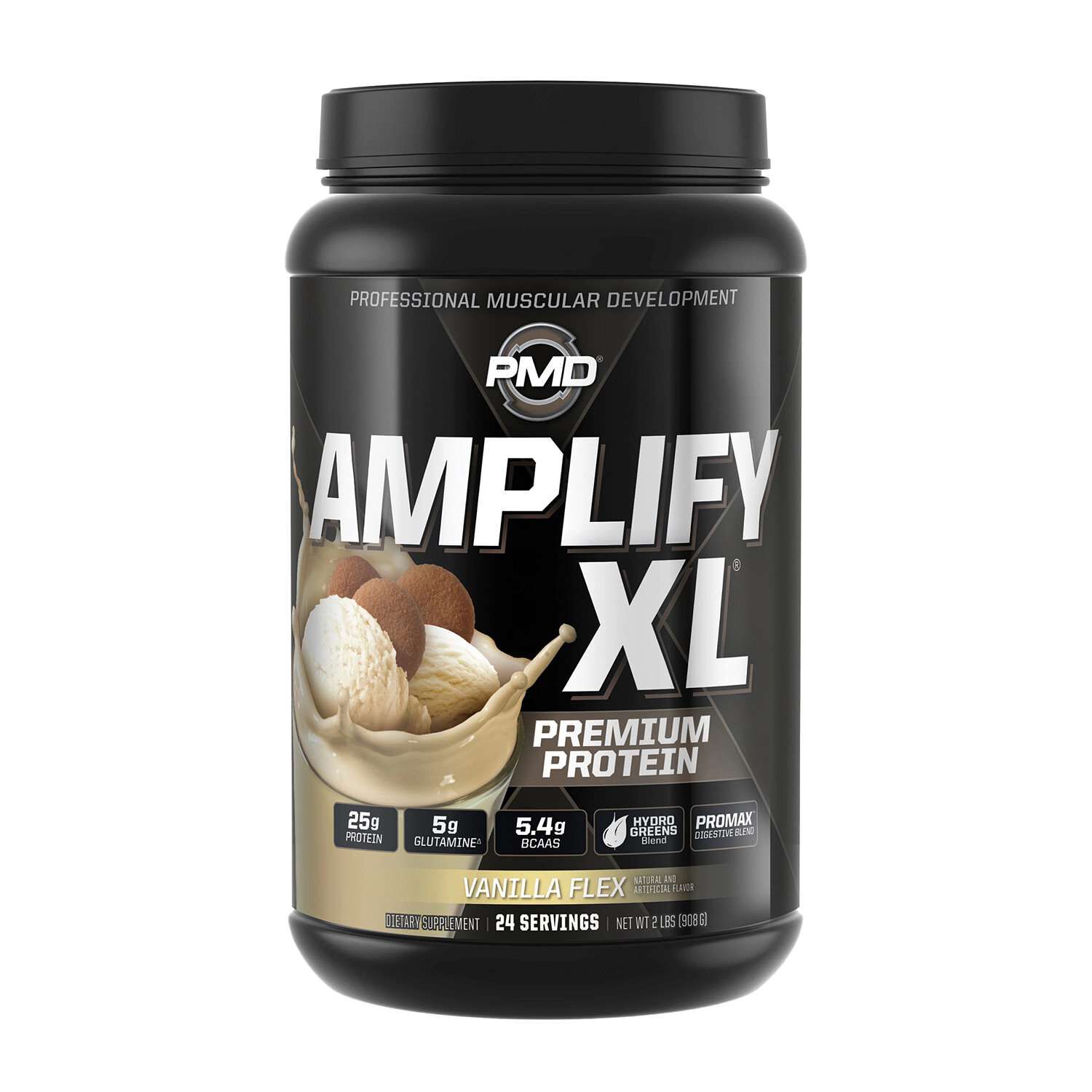
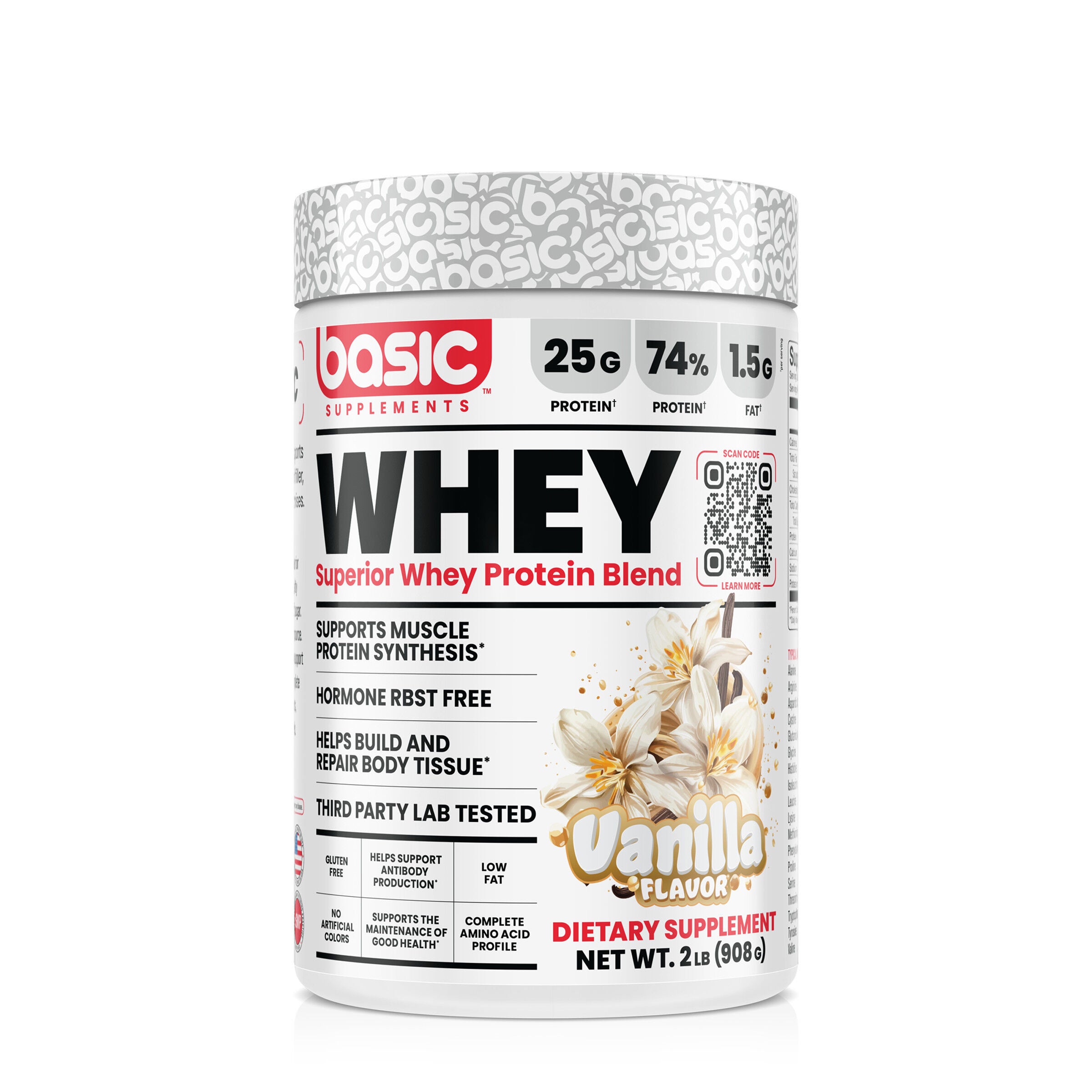


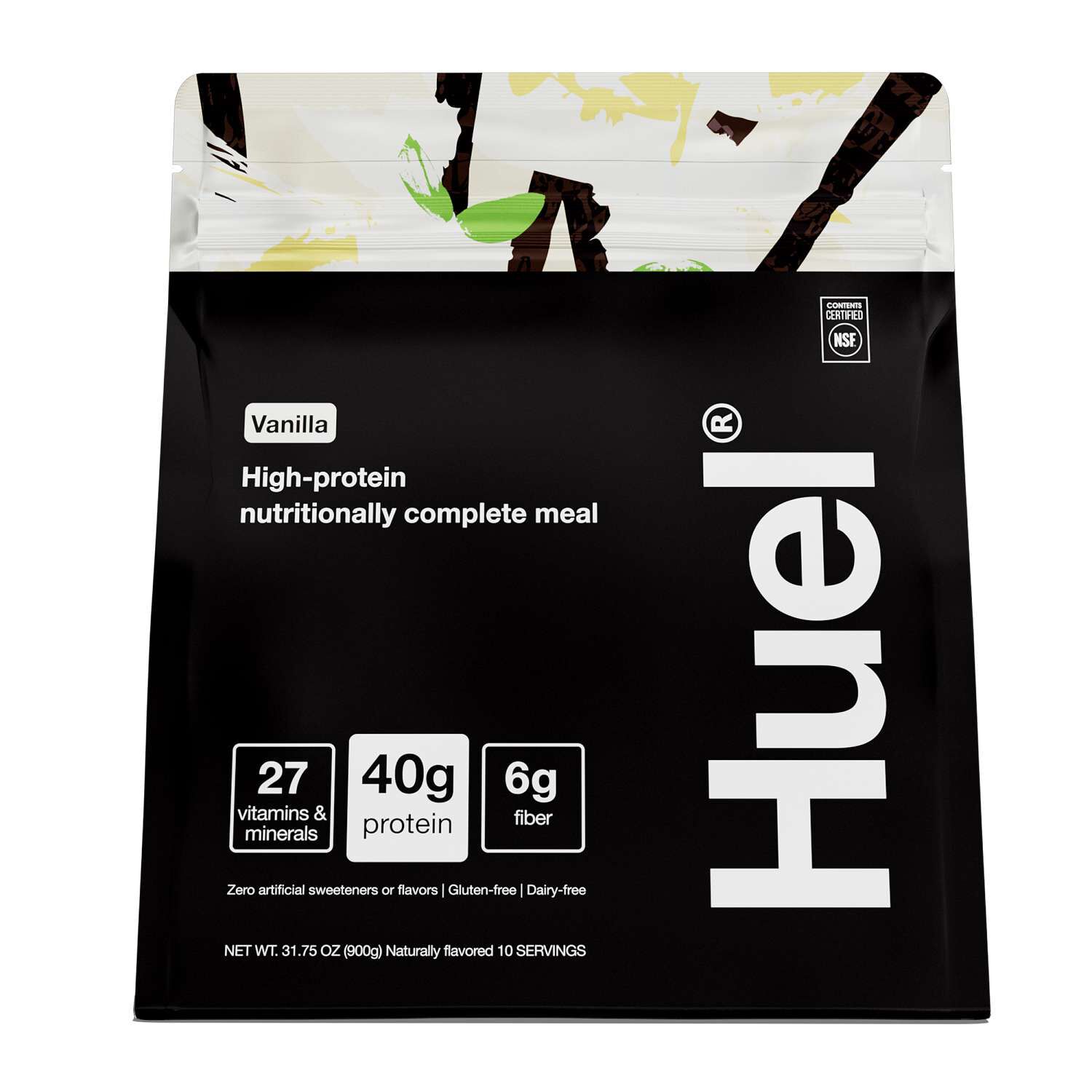


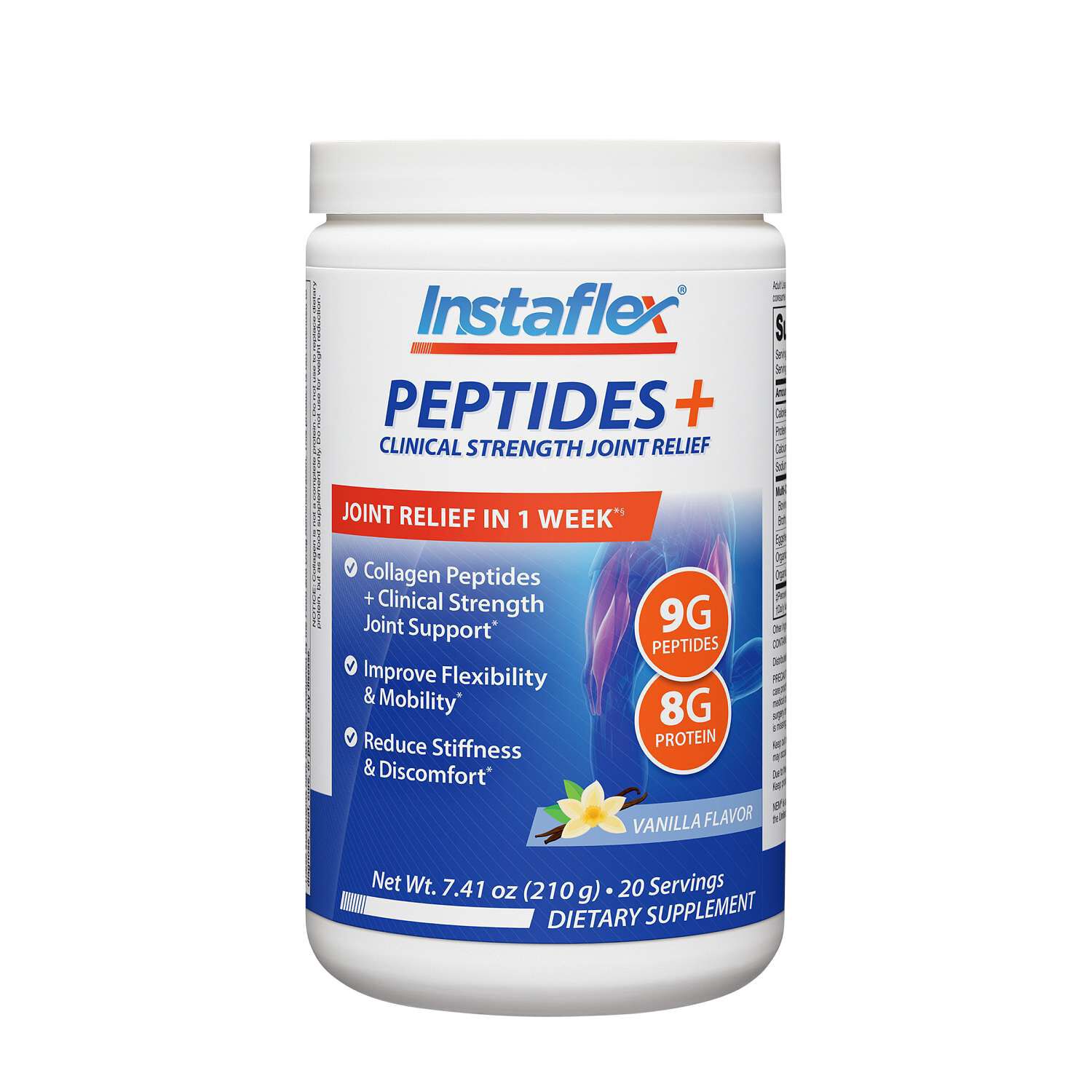
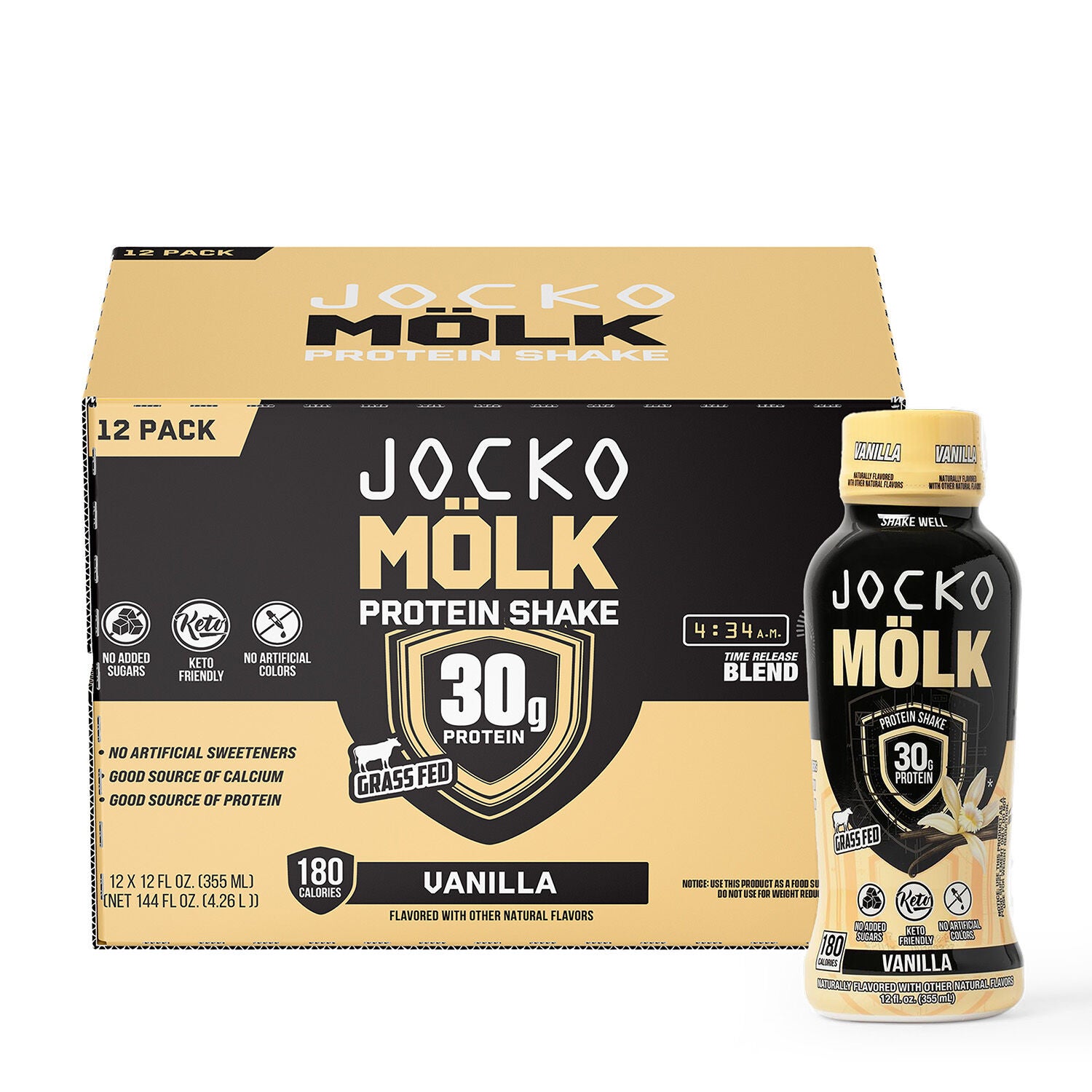

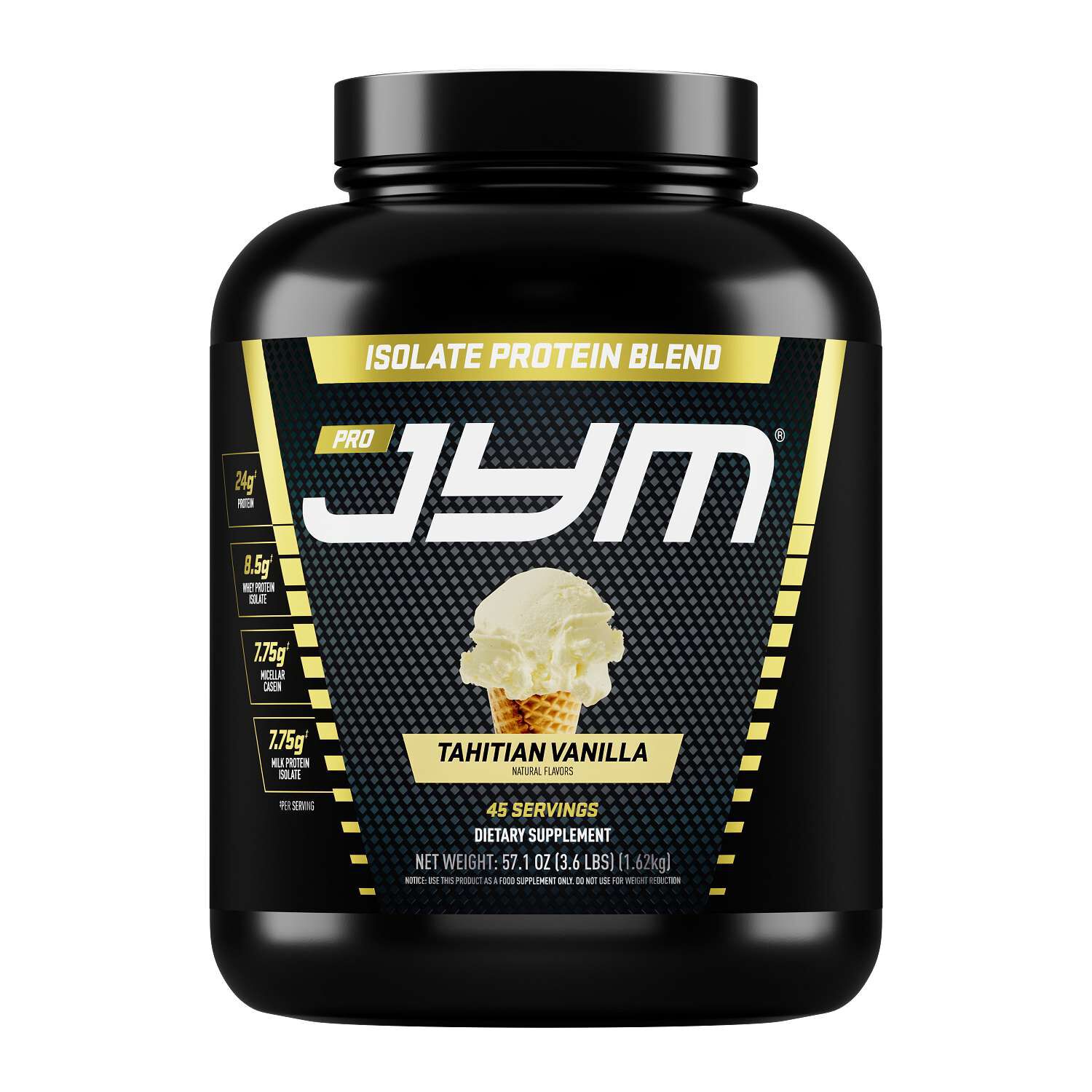
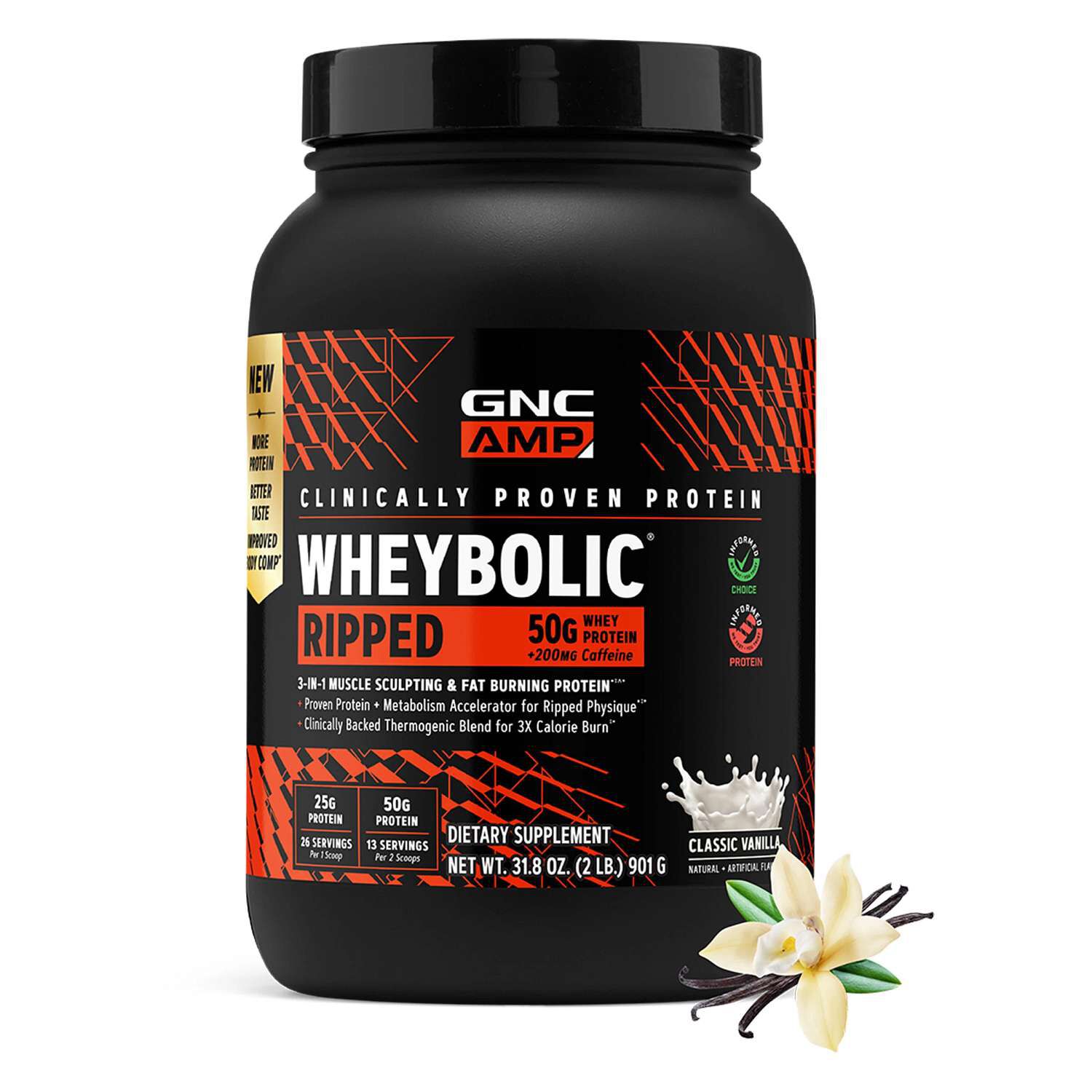


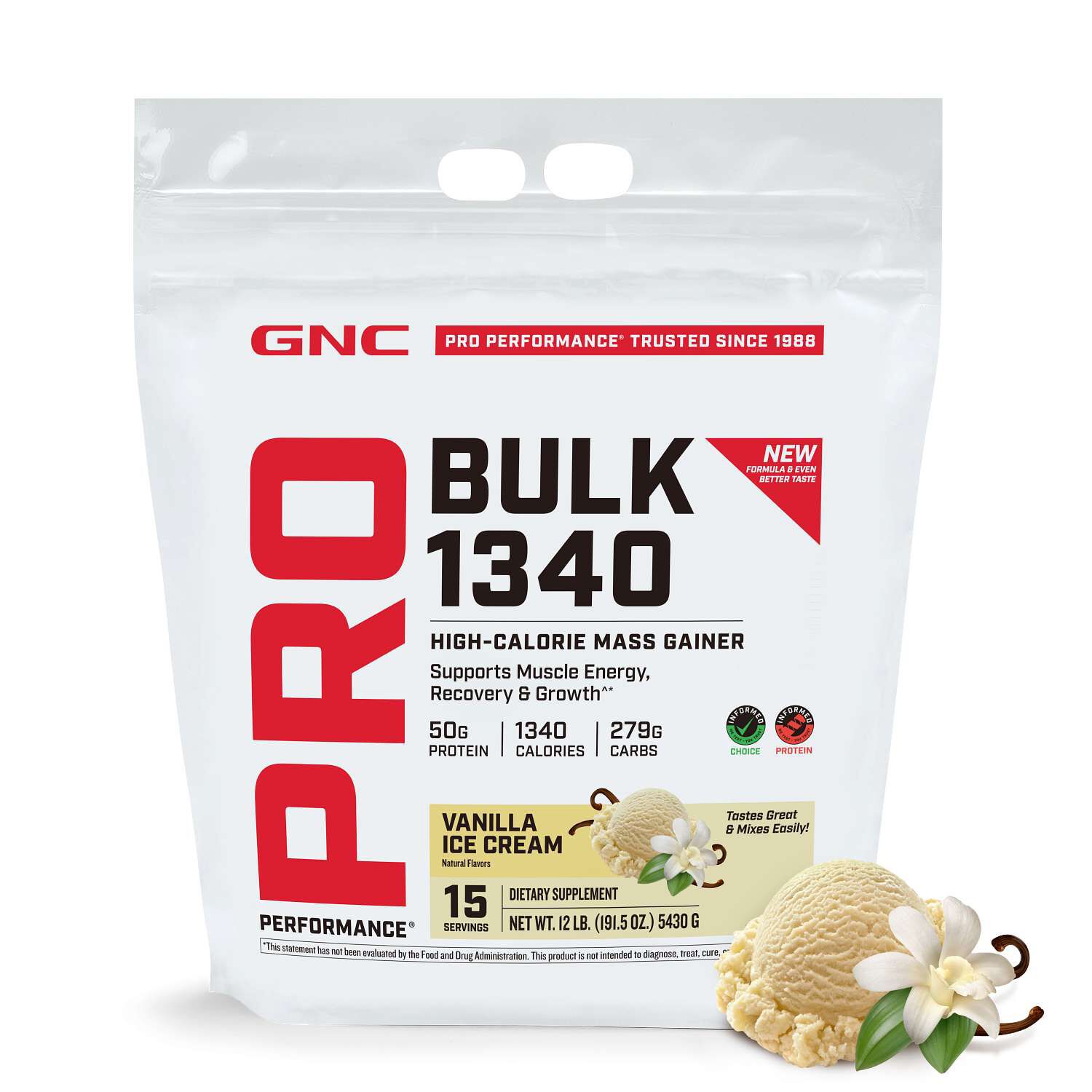
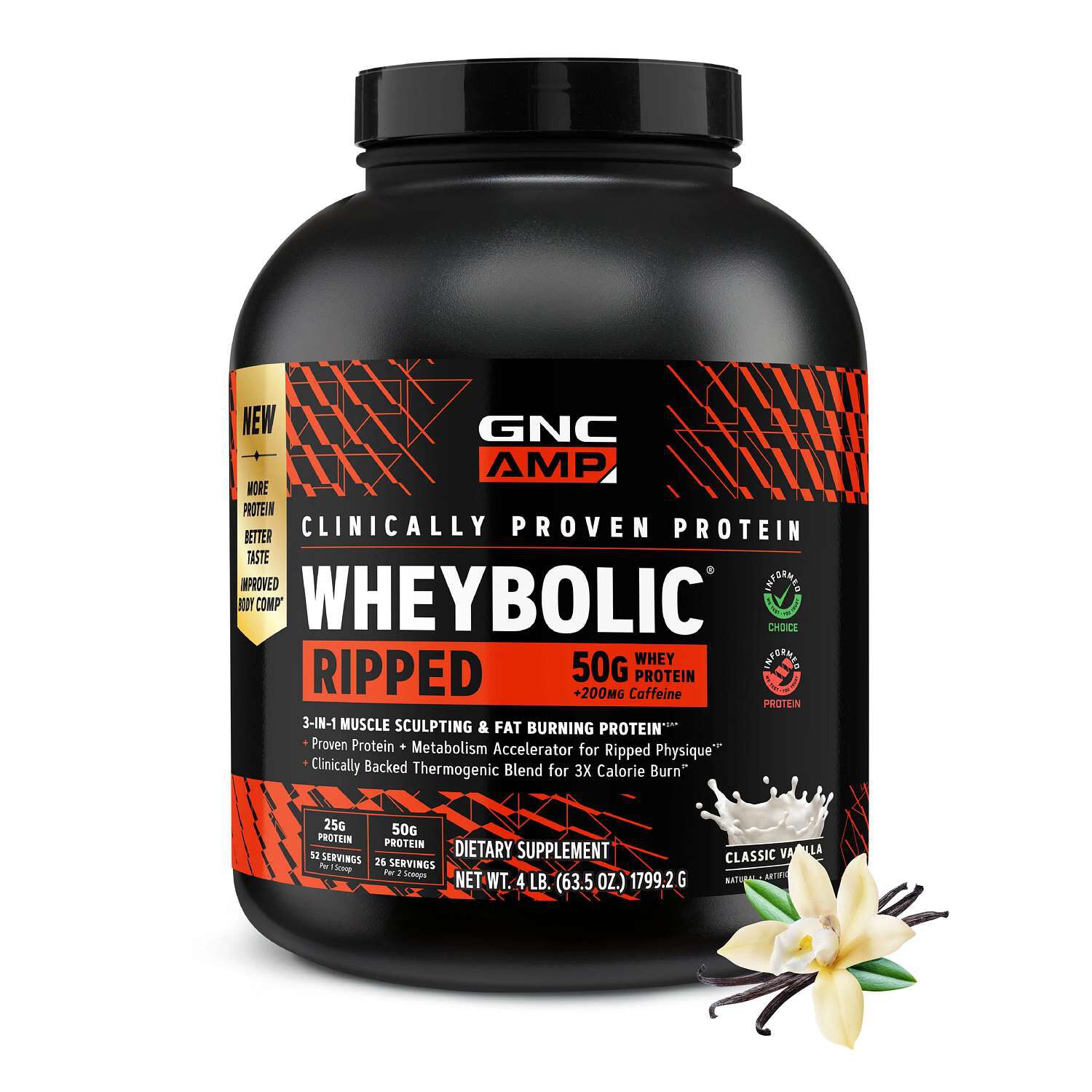


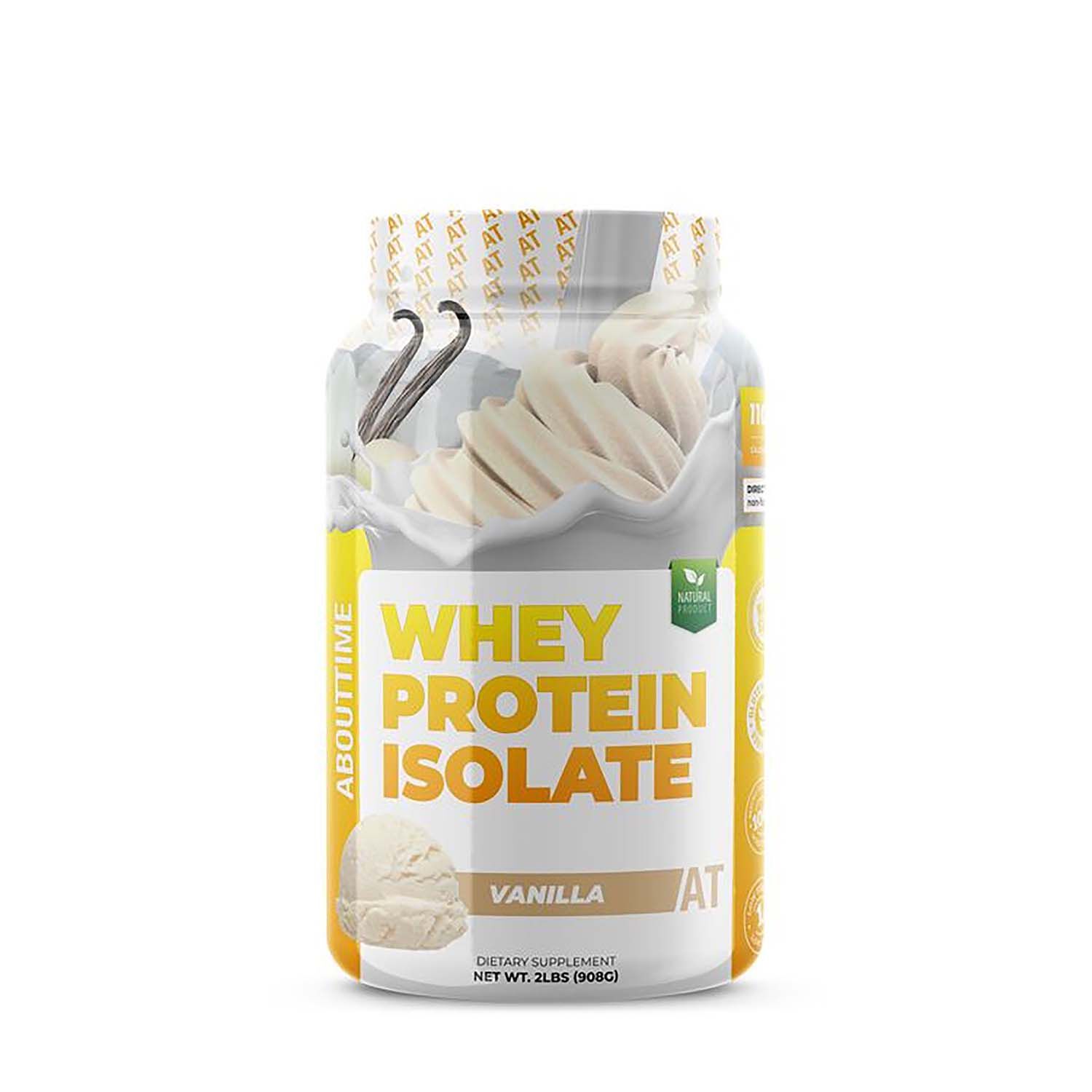
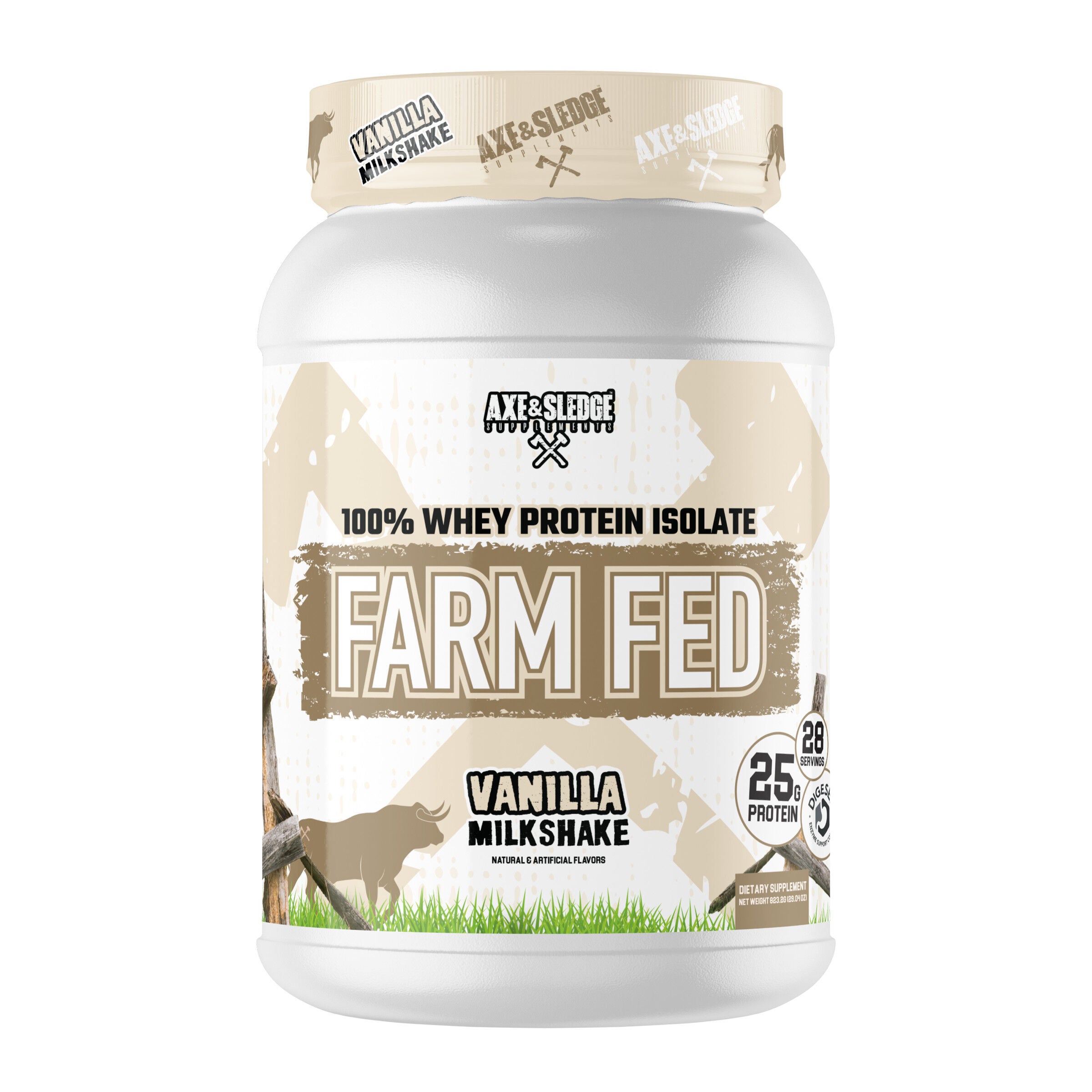
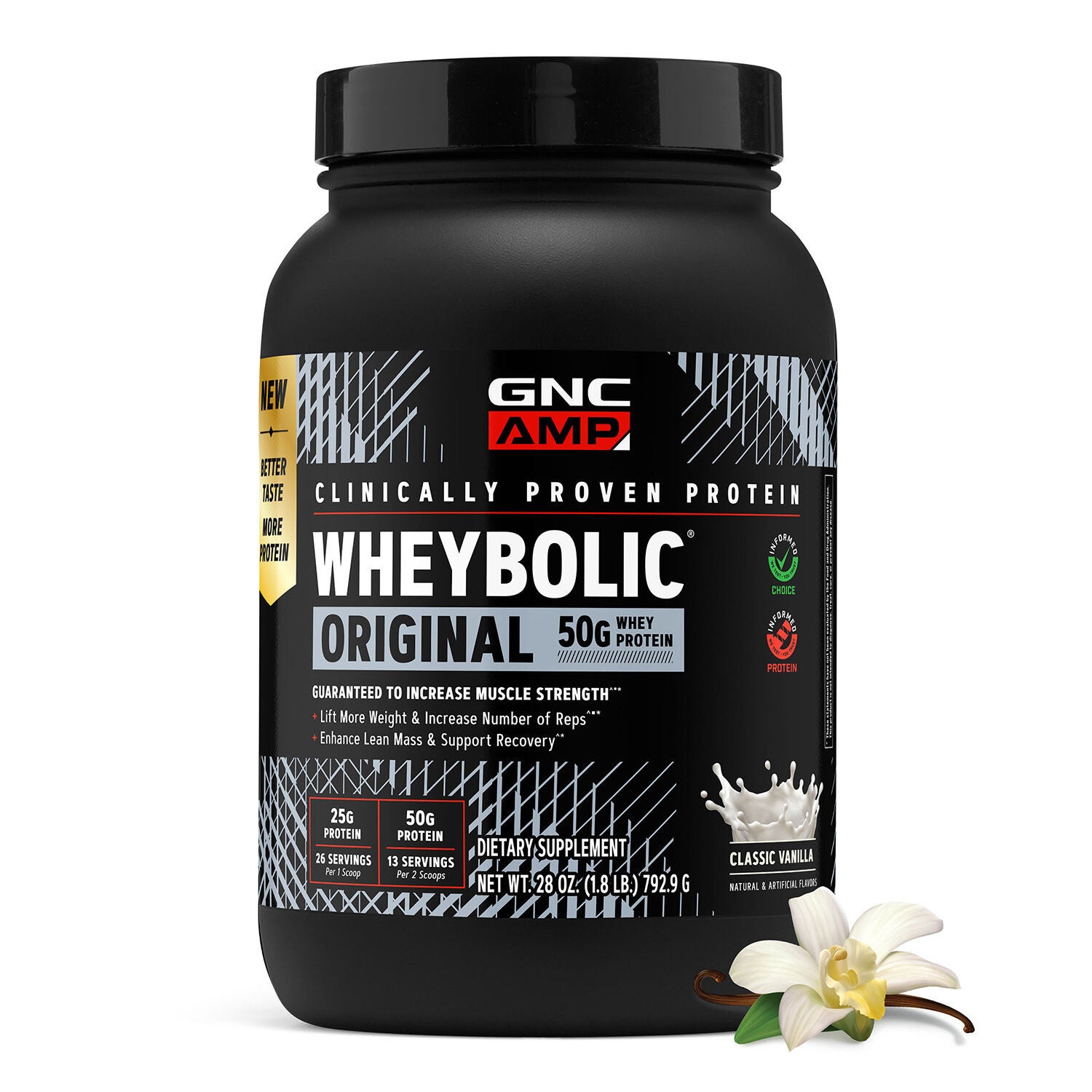
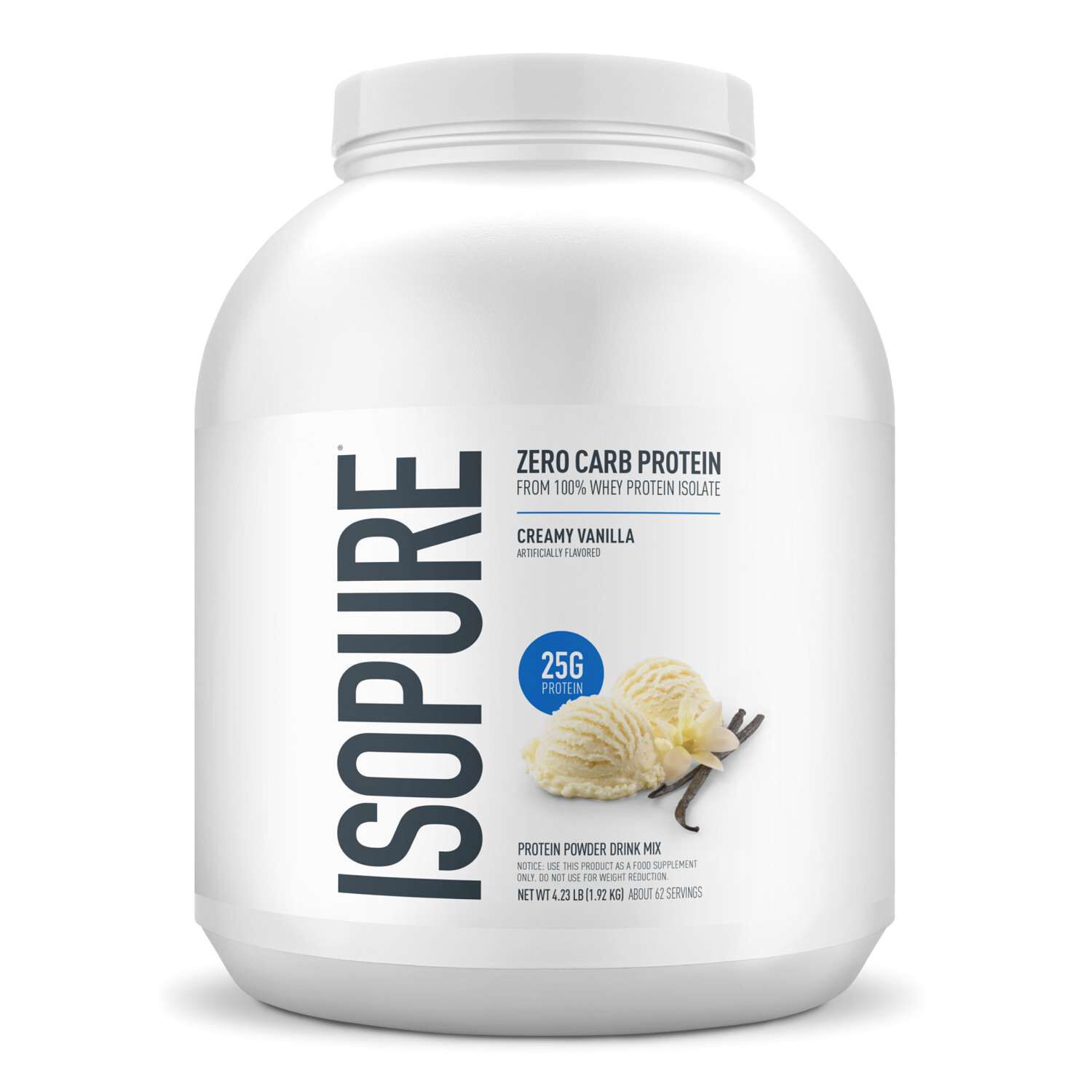
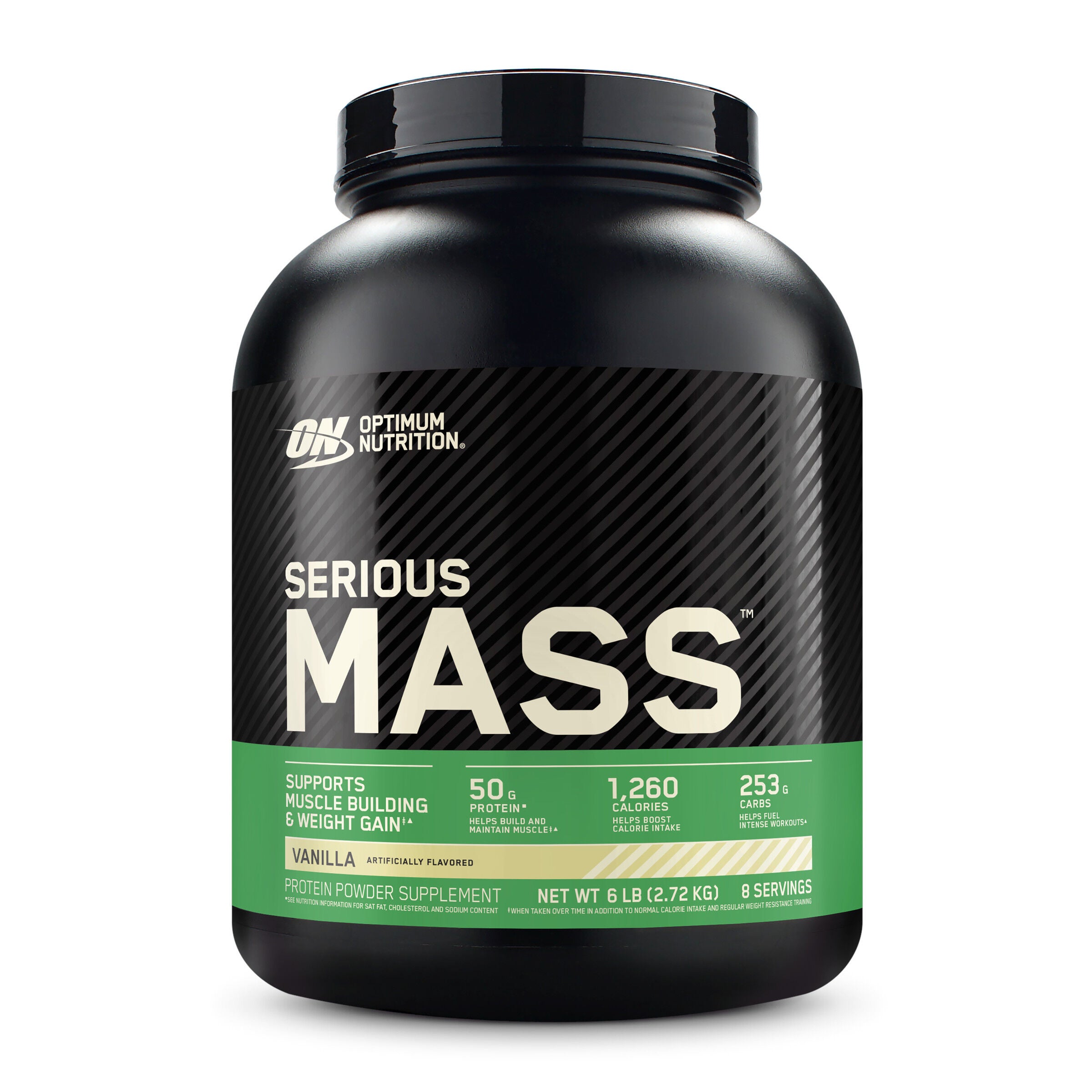
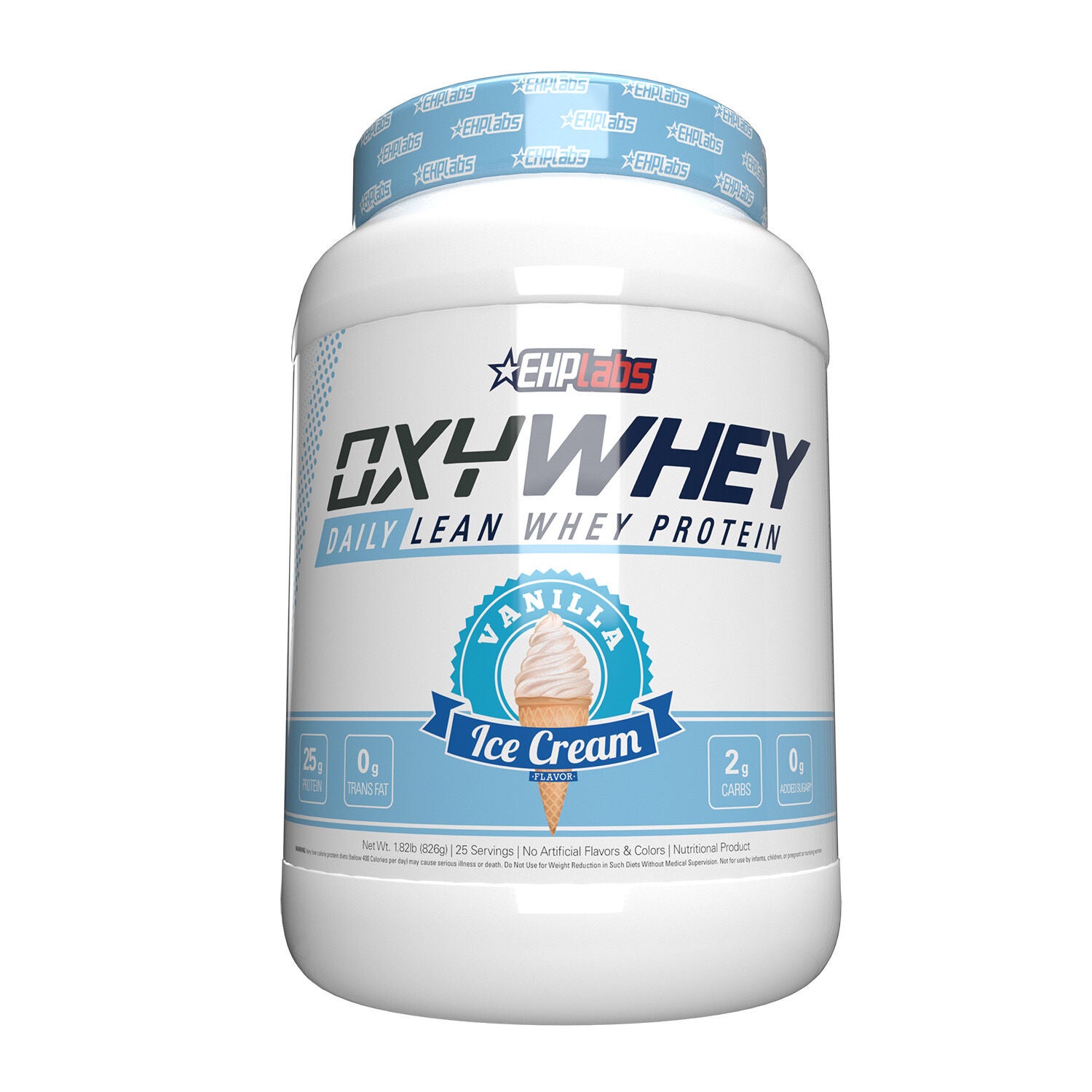
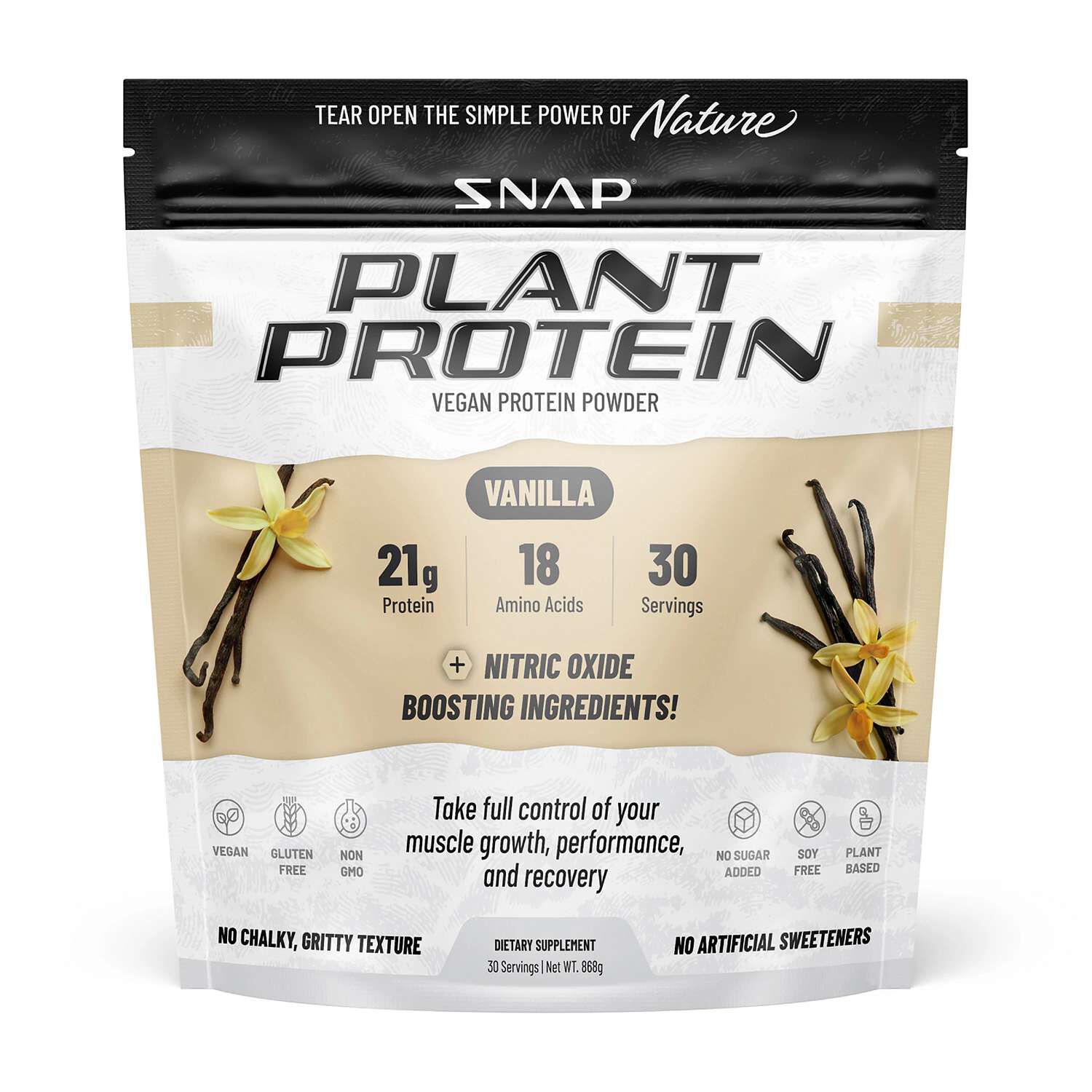
Vanilla blends bring vanilla flavor together with other ingredients in a formula made for a particular use. In nutrition products, the term commonly describes vanilla-flavored protein powders, shake mixes, and powdered supplements rather than a bottle of vanilla flavoring for baking. A culinary vanilla blend may combine vanilla extract with vanillin or other flavorings; a vanilla nutrition blend contains a broader ingredient base, with vanilla as part of its flavor profile. The distinction matters because these categories have different serving sizes, preparation directions, and purposes. A protein blend, for example, combines protein sources, while a flavor blend refers to the ingredients responsible for taste and aroma. Both descriptions can appear on the same label without meaning the same thing. Vanilla itself has a familiar, rounded character, often described as creamy, softly floral, or reminiscent of custard, although the finished taste depends on the formula. Some blends lean toward a milkshake-style sweetness, while others have a lighter vanilla note alongside the flavor of dairy or plant ingredients. Sweetness and vanilla intensity are separate qualities: a strongly scented blend is not necessarily the sweetest option. For shoppers browsing Vanilla Flavored Supplements, those distinctions offer useful context beyond the flavor name alone. Vanilla also sits comfortably beside many familiar foods, from banana and strawberry to oats, cocoa, and cinnamon. That flexibility may suit someone who likes a consistent base but prefers a different combination from day to day. A plain vanilla shake, a berry smoothie, and a spoonful stirred into yogurt are distinct uses, and not every formula is intended for all three. The package description and preparation directions establish what a blend is designed to do. Vanilla flavor does not, by itself, identify the protein source, indicate the amount of sugar, or establish suitability for a particular eating preference.
The ingredient base is one of the most meaningful differences among vanilla blends. Dairy-based protein formulas can contain whey, casein, or a combination, while plant-based formulas can use sources such as pea, rice, or soy. The word “blend” does not specify which ingredients are present or their proportions, so the ingredient list provides more detail than the front label. It also distinguishes a mixture of protein sources from a formula containing just one protein source and several flavoring ingredients. Beyond the protein base, labels may list sweeteners, oils, fibers, thickeners, and ingredients included to help the powder mix with liquid. These components contribute to the identity of the formula, and preferences vary: one shopper may enjoy a thick, dessert-style drink, while another prefers a lighter consistency alongside breakfast. Texture can be as important as flavor when a shake is part of a familiar routine. A vanilla blend may feel smooth and creamy in milk yet seem thinner in water, and plant-based beverages bring their own flavor and body. The amount of liquid, mixing method, and additions also influence the finished serving. Package directions provide the intended starting ratio rather than leaving the scoop-to-liquid relationship to guesswork. Nutrition Facts or Supplement Facts panels, as applicable, allow comparisons of serving size, protein, carbohydrates, sugars, fats, and other listed nutrients. Comparing the same measure matters because scoops and suggested portions differ among formulas. Ingredient and allergen statements are especially relevant for households that avoid particular foods; a vanilla flavor name says nothing about whether a formula contains milk or soy. The source of the vanilla flavor is another separate consideration. Descriptions such as natural flavor or artificial flavor refer to flavoring ingredients, not the entire nutritional composition. Neither a vanilla bean image nor a creamy-looking serving photograph substitutes for the information on the label. Together, the ingredient list, nutrition information, and directions give a clearer picture of how a blend fits the foods and beverages someone already enjoys.
Everyday use often comes down to preparation habits as much as ingredients. Someone mixing a drink at a desk may prefer a formula with directions suited to a shaker bottle, while a household that regularly makes smoothies may be comfortable with a blender and additional ingredients. A bottle needs enough room for both the suggested liquid and the powder, plus space for mixing; a tightly packed container leaves little room for movement. In a blender, vanilla may provide a mellow backdrop for tart berries, cocoa, or nut butter, though each addition changes the taste, consistency, and nutritional composition of the serving. For spoonable foods, a powder intended for that use may bring a different texture to yogurt or overnight oats than it does to a drink. Baking is a separate application: a nutrition powder is not an interchangeable substitute for vanilla extract, flour, or other recipe ingredients. Recipes developed for the type of powder being used offer more practical context than a simple scoop-for-scoop substitution. Keeping the flavor recognizable can also matter to someone who enjoys vanilla on its own; adding several strongly flavored ingredients may make its subtler notes less noticeable. Storage and handling deserve similar attention, especially when a container will be opened repeatedly. Package instructions establish the appropriate storage conditions, and a securely closed lid and clean, dry scoop help keep moisture out of the powder. Date markings and directions after opening are more useful than assumptions based on the appearance of the container. Prepared shakes have different handling needs from dry powder, particularly when mixed with milk or other perishable ingredients, so the relevant package directions still apply after mixing. Container size also has a practical side beyond the number of servings: it affects cupboard space, portability, and how easily the package fits into a daily routine. Vanilla blends may appeal to regular shake drinkers, smoothie enthusiasts, and shoppers who prefer a familiar flavor rather than a strongly fruity or chocolate-forward base. The most relevant differences remain tangible ones: what is in the formula, how it is intended to be prepared, and whether its sweetness, texture, and serving format match the way it will be used.
Best Sellers


Related Pages



Top Collections
- Top Rated Collagen | Shop Customer Favorites | GNC
- Cortisol Supplements
- Vitamins For Hair Loss
- NAD+ Supplement Tablets
- Peptide Supplements
- Best Brand of Magnesium Glycinate
- Vitamins That Help Support Weight Gain
- Protein Powders For Muscle Growth Support
- Spirulina Tablets
- Peptide Supplements for Muscle Growth