





Vegan Antioxidant Capsules
(0 Results)
Vegan antioxidant capsules offer a convenient way to support your wellness goals while aligning with a plant-based lifestyle. These supplements are crafted to fit seamlessly into vegan routines, featuring ingredients sourced from plants and free from animal-derived components. Whether you’re looking to incorporate more antioxidants into your daily regimen or seeking options that match your dietary preferences, vegan antioxidant capsules may be a great addition to your routine. Explore a variety of formulas designed to suit different needs and lifestyles.
-

-

-
-
-

-

-

-
-
-

-

-

-

-
-

-

-
-
-

-
 57$54.99
-

-
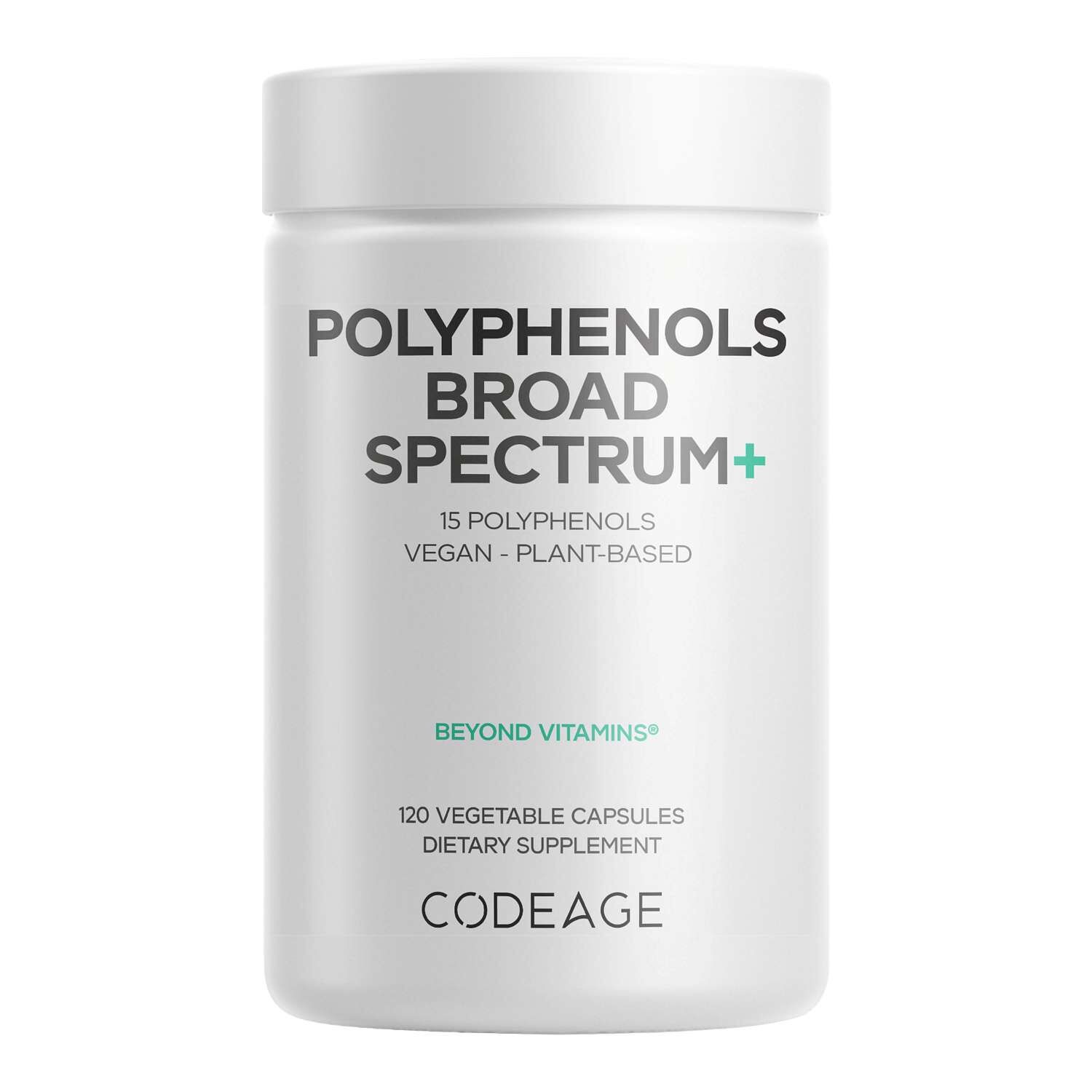
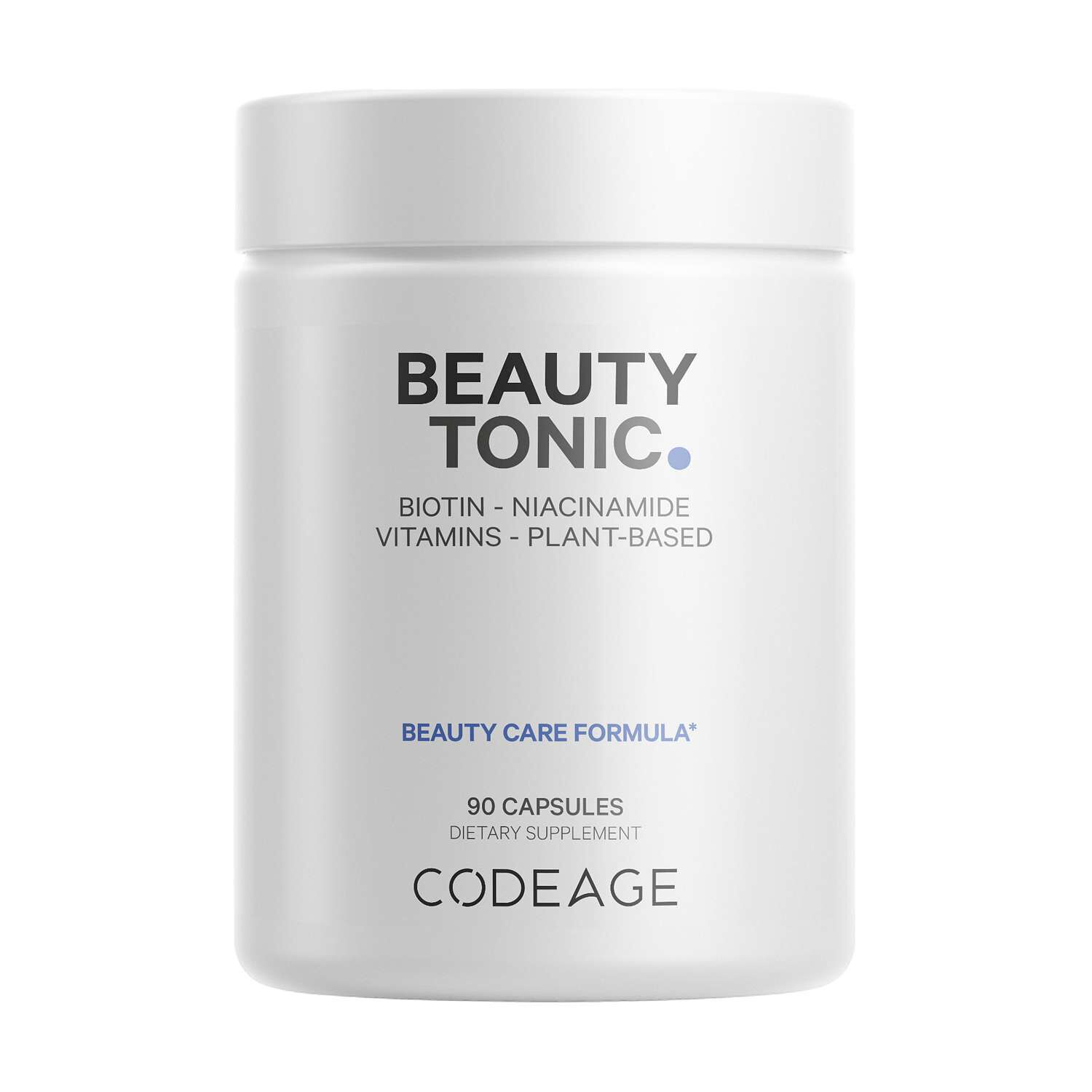

Vegan antioxidant capsules are dietary supplements made with non-animal capsule materials and ingredients selected for vegan formulations. Ingredients in this category include vitamin C, vitamin E, and botanical extracts containing polyphenols, a broad group of compounds found in fruits, leaves, seeds, and other plant tissues. Some formulas center on one nutrient or botanical, while others combine several sources in a single serving. The word antioxidant does not identify one uniform formula, so two bottles with similar descriptions can have quite different ingredient profiles. Capsule construction is an important distinction: hypromellose, also called hydroxypropyl methylcellulose or HPMC, is a cellulose-derived shell material, while pullulan is a polysaccharide produced through fermentation. Both are alternatives to animal-derived gelatin. However, a non-animal shell alone does not establish that every ingredient inside it meets vegan preferences. The contents, carriers, and other ingredients matter as well, particularly when a formula contains nutrients that can come from different sources. A clear vegan designation offers useful context alongside the full ingredient list. Capsules may appeal to adults who follow a vegan eating pattern, people who prefer supplements without gelatin, or shoppers looking for a format without a flavored chew or drink mix. The capsule format also separates the enclosed powder from direct contact with the tongue, although capsule dimensions and surface texture vary. A fruit or vegetable name on a label describes an ingredient source, not necessarily the same composition found in a serving of that food. Extracts may concentrate selected compounds, while isolated nutrients represent a narrower ingredient profile. These distinctions make the actual formula more informative than fruit imagery or broad front-label wording. Vegan antioxidant capsules belong within the dietary supplement category rather than taking the place of varied meals, and their composition deserves the same attention as their plant-focused positioning. For shoppers comparing several formulas, the most useful starting point is what each serving contains, how those ingredients are described, and whether the whole formulation aligns with personal dietary preferences.
The Supplement Facts panel provides a more precise basis for comparison than the name on the front of the bottle. Serving size comes first because an amount listed per serving may represent one capsule, two capsules, or another quantity. A bottle’s capsule count and its number of servings are therefore different measurements. When a serving consists of two capsules, the amount listed for that serving is not the amount in each individual capsule. Units matter, too: nutrients and extracts may be listed in milligrams or micrograms, and a larger printed number does not automatically describe a larger comparable amount. Botanical labeling adds another layer of detail. The plant name, plant part, extract amount, and any stated standardization describe different aspects of the ingredient. Grape seed and grape skin, for example, identify different source materials even though both come from grapes. An extract ratio generally describes the relationship between starting material and finished extract, while a stated polyphenol percentage describes the proportion of a measured group of compounds. Those details are not interchangeable, and neither replaces the amount per serving. In blended formulas, a named mixture may list one combined weight rather than separate amounts for every component, which can make direct ingredient-by-ingredient comparisons less straightforward. The other ingredients list supplies information that the Supplement Facts panel may not, including shell components, flow agents, carriers, and coloring ingredients. A short ingredient list is one preference, but the role and source of each component provide more context than list length alone. Vegan labeling also does not answer every dietary question. Soy ingredients, other declared allergens, caffeine content in certain tea-based extracts, and separate certification statements remain distinct considerations. Someone who already uses a multivitamin may also want a clear picture of ingredients appearing across both labels. A single-ingredient formula and a multi-botanical blend offer different compositions, not an automatic ranking of one above the other. Clear labeling allows shoppers to compare those differences without treating concentration, capsule count, or the length of a botanical list as a stand-in for suitability.
Everyday fit includes the physical format, package design, intended use, and storage requirements, not just the featured ingredient. Capsule size can differ even among formulas with similar serving amounts because powders vary in density and shells come in several dimensions. Product descriptions or package images may provide size information, while label directions establish how the manufacturer intends the capsules to be used. A preference for one capsule per serving is different from a preference for fewer ingredients, and those priorities do not always point to the same formula. For an adult who packs a lunch and takes supplements along, a clearly labeled container may be more practical than an unmarked pouch. For someone organizing several dietary supplements at home, readable serving information and a legible expiration date are useful packaging details. Storage deserves attention because capsule shells and enclosed powders have material characteristics of their own. The original container, a securely closed lid, protection from moisture and direct sunlight, and any package-specific instructions are relevant to maintaining the product’s condition. A humid bathroom shelf or an open container near a kitchen sink introduces different conditions than a dry cupboard. Packaging details such as an inner seal or an included moisture-control packet should be handled according to the label rather than discarded or repurposed without checking. Shoppers interested in comparing another plant-focused category can also explore Vegan Vegetable Extract Capsules, where the same distinctions between source material, extract composition, capsule construction, and serving size remain relevant. The categories may overlap in botanical ingredients, but their names alone do not establish equivalent formulas. A thoughtful comparison brings the details together: a documented vegan formulation, clearly described ingredients, understandable serving information, and packaging suited to the intended setting. That approach keeps attention on what is actually in the container and how it fits a person’s preferences, rather than relying on broad category language to make the decision.
Best Sellers
-
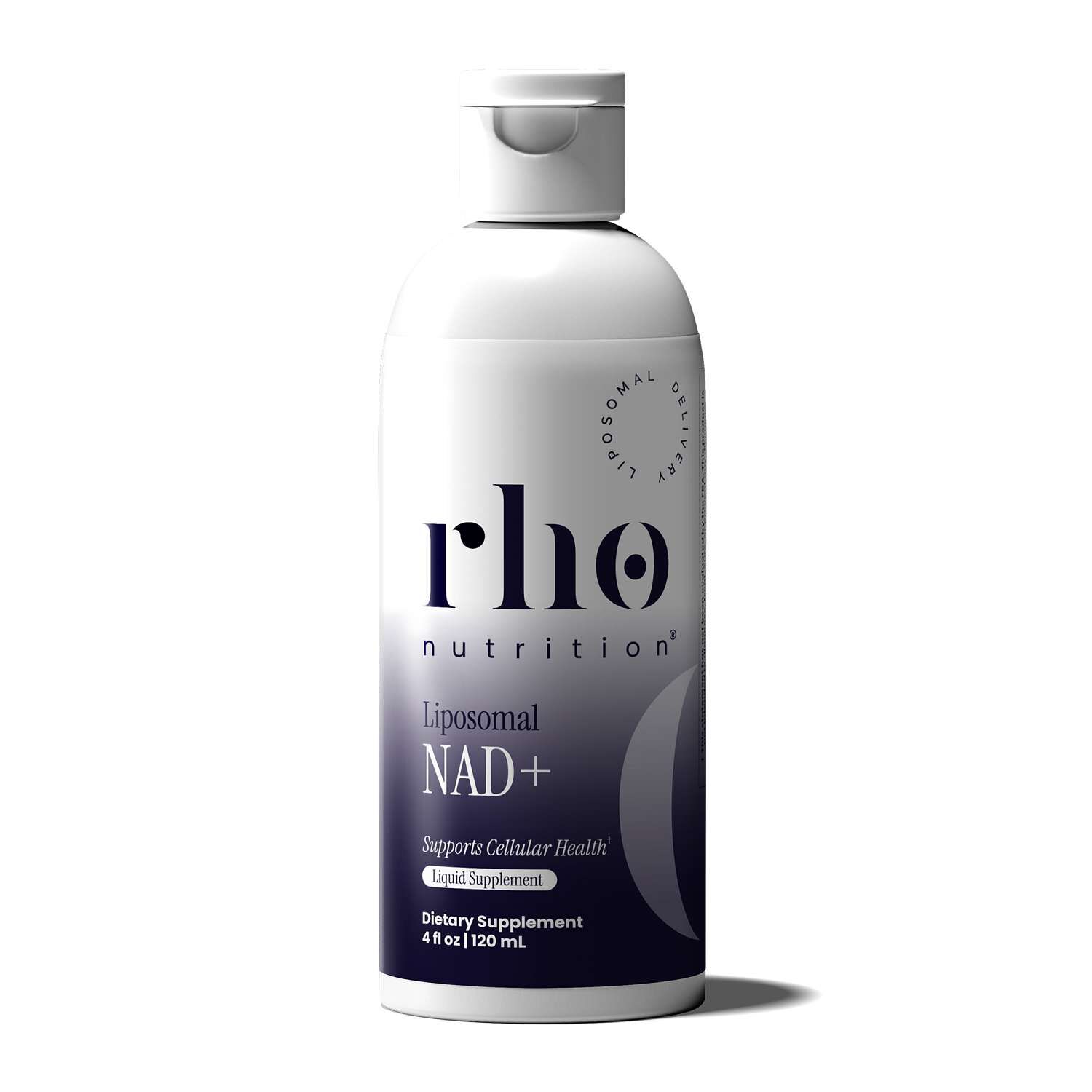 Rho Nutrition
-
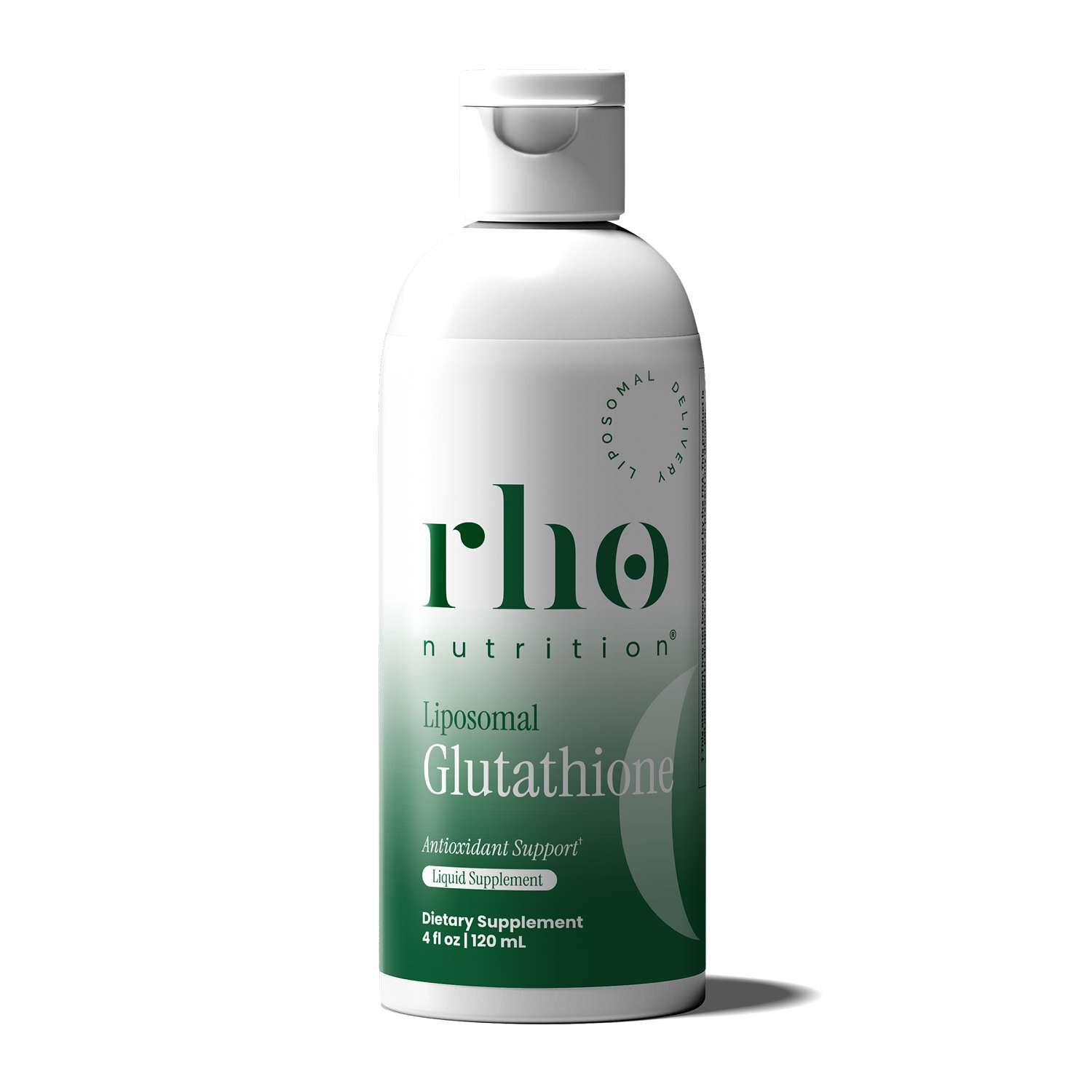 Rho Nutrition
-
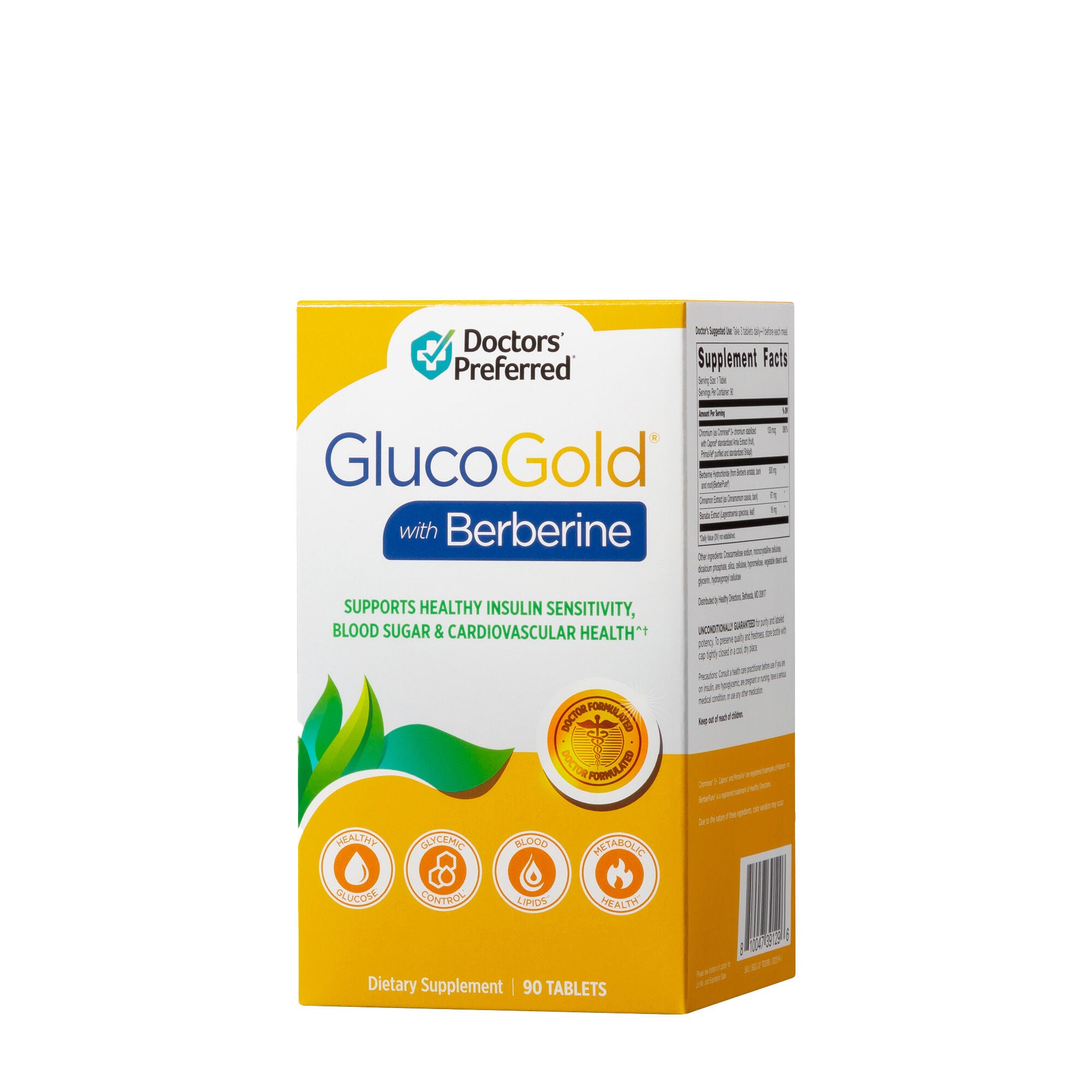 Doctors' Preferred
Related Pages


Top Collections
- Top Rated Collagen | Shop Customer Favorites | GNC
- Cortisol Supplements
- Vitamins For Hair Loss
- NAD+ Supplement Tablets
- Peptide Supplements
- Best Brand of Magnesium Glycinate
- Vitamins That Help Support Weight Gain
- Protein Powders For Muscle Growth Support
- Spirulina Tablets
- Peptide Supplements for Muscle Growth