Vegan Brain Health Capsules
(0 Results)
Vegan brain health capsules offer a plant-based option for those looking to support their wellness routines. These capsules are crafted with vegan-friendly ingredients and designed for individuals who prefer to avoid animal-derived components. Explore a variety of vegan brain health capsules that may fit seamlessly into your daily regimen, supporting your lifestyle goals while aligning with your dietary choices.
-
-
-
-

-
-

-
-

-

-
-
-

-
 1$19.99
 -

-

-
 $24.99
 -
 $59.99
 -
 $36.99
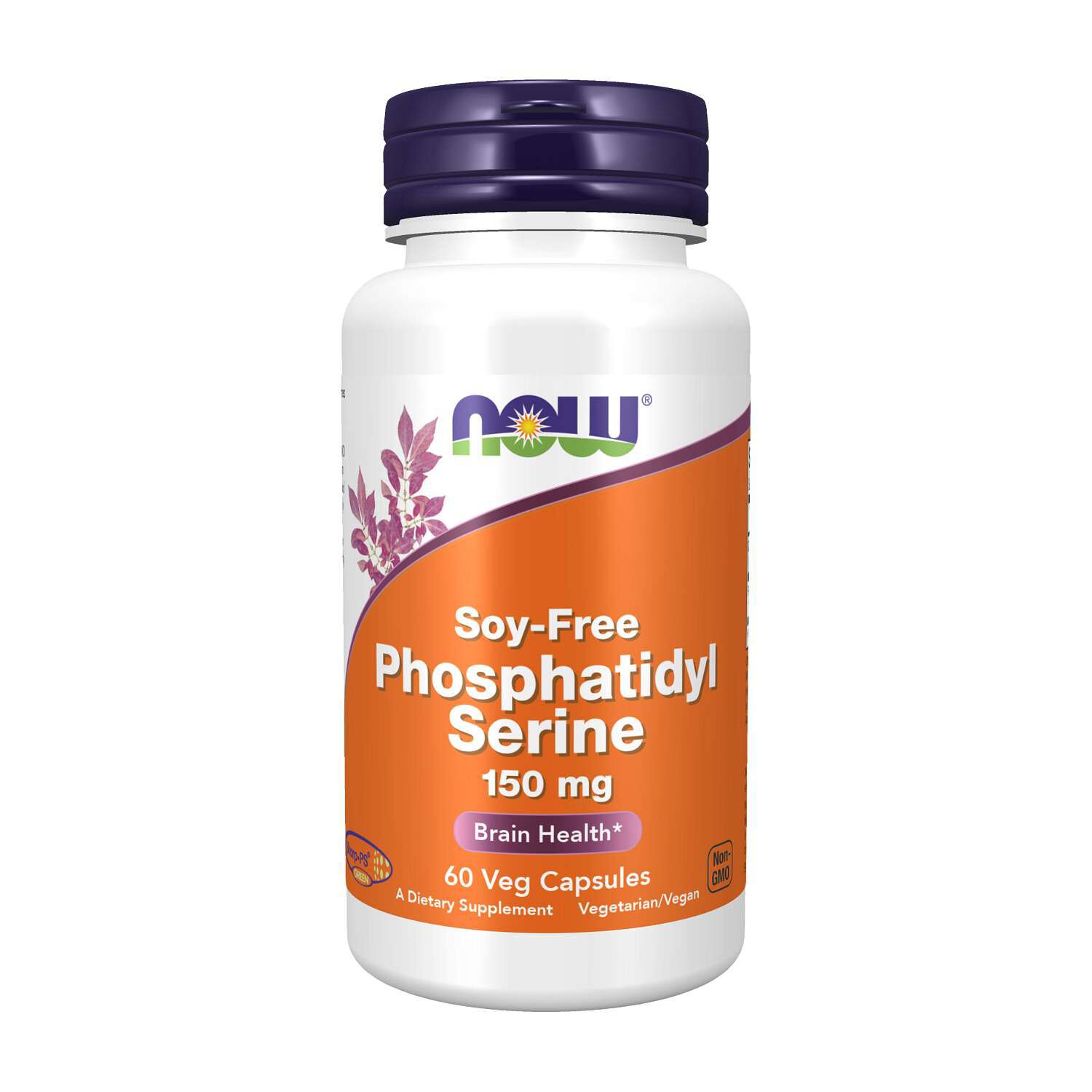
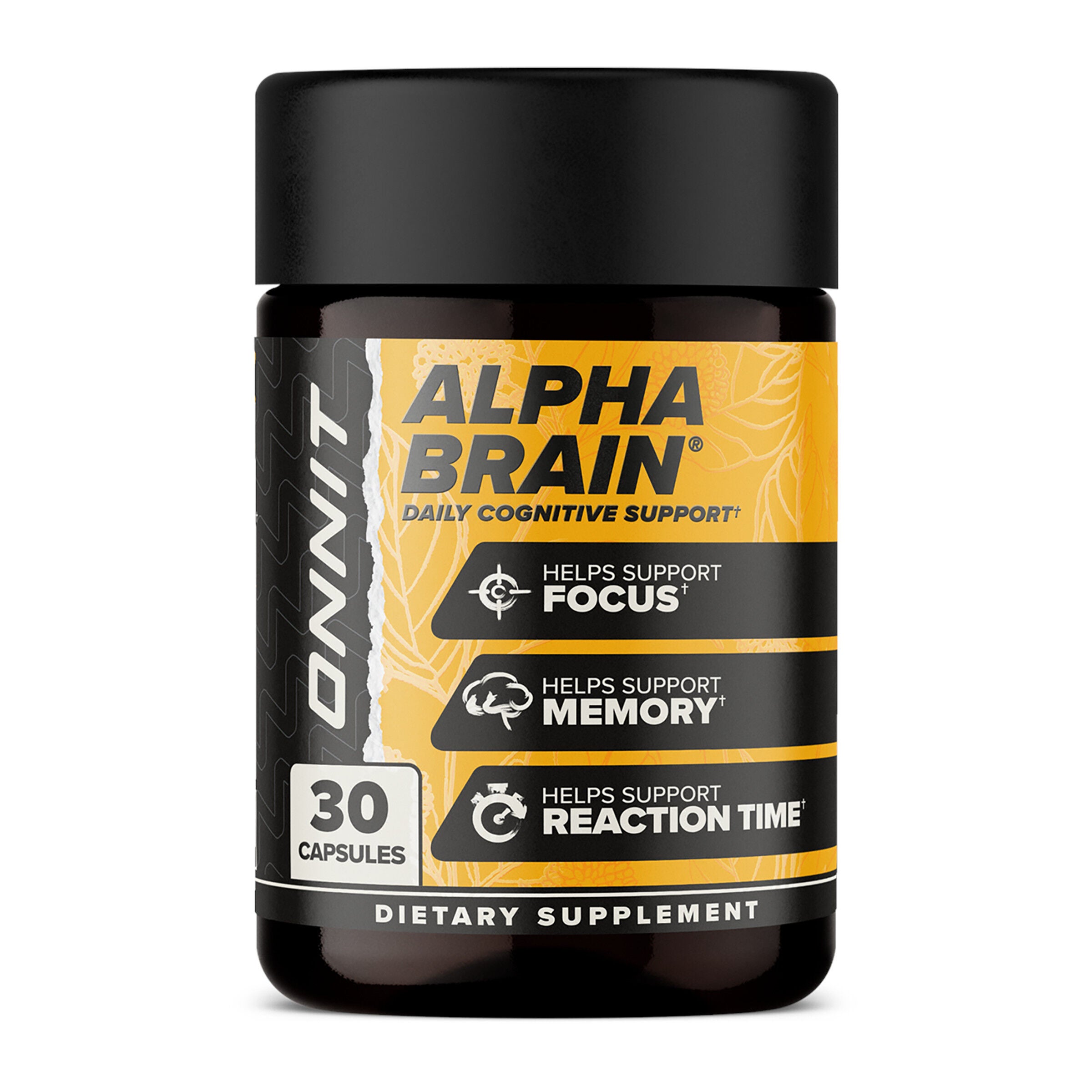
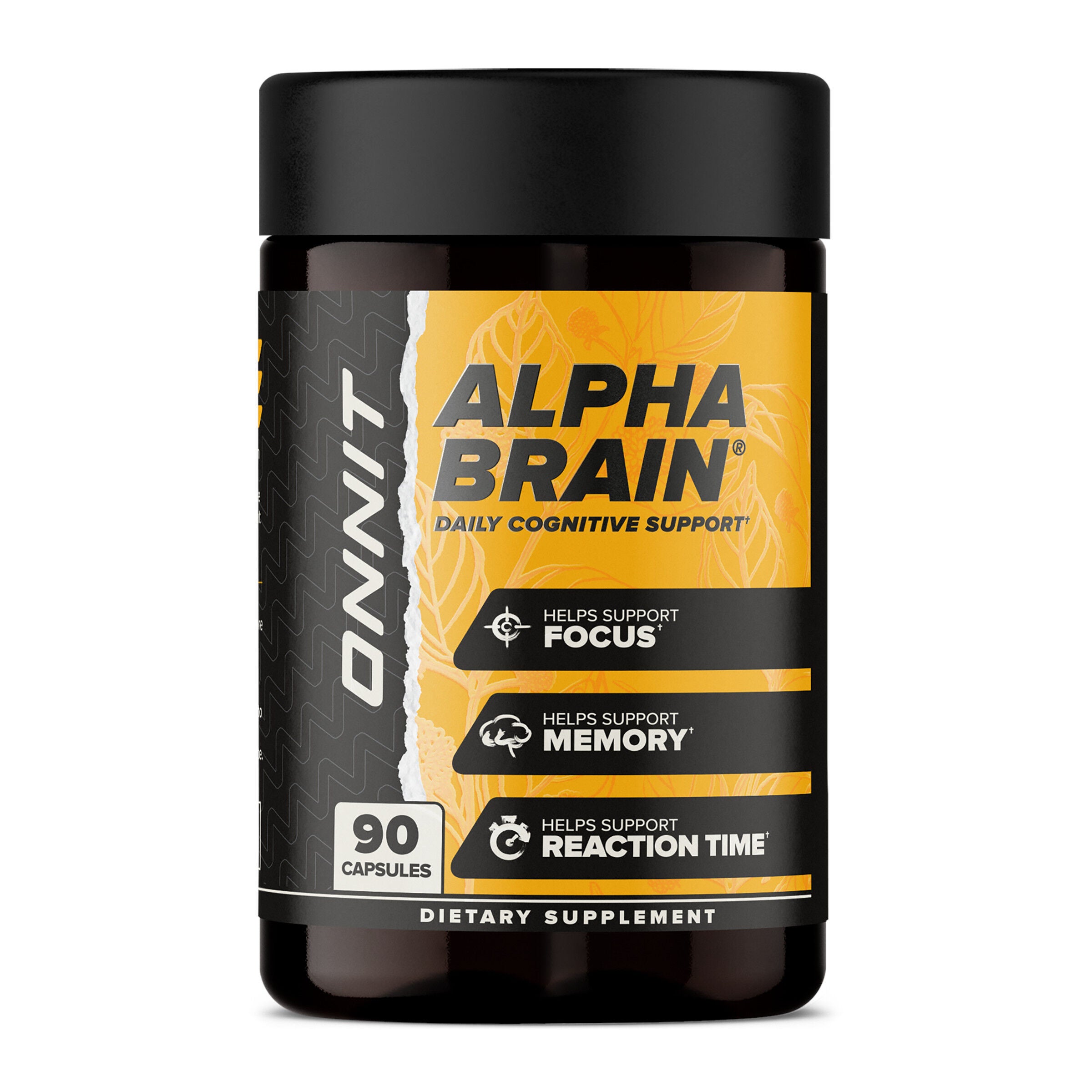
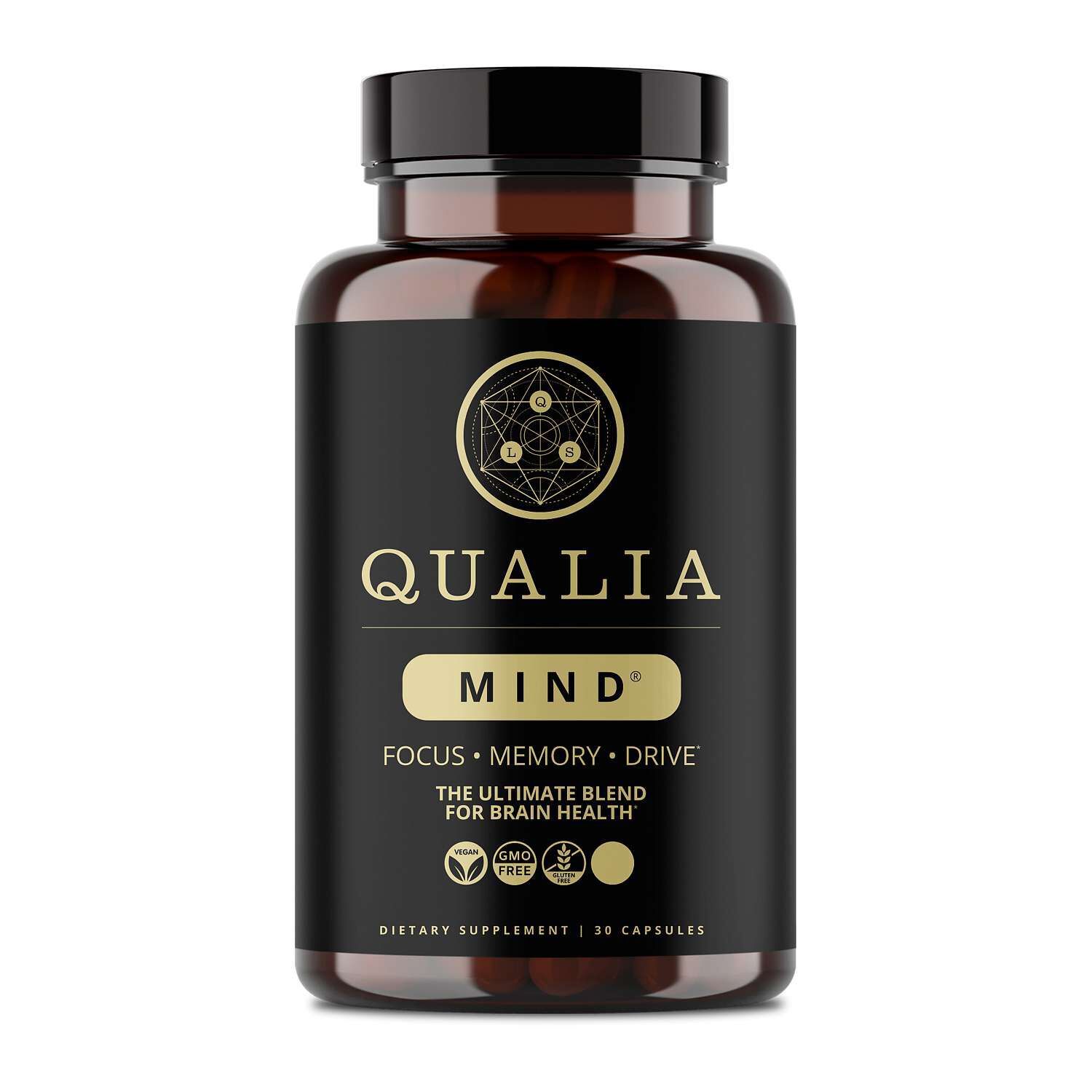
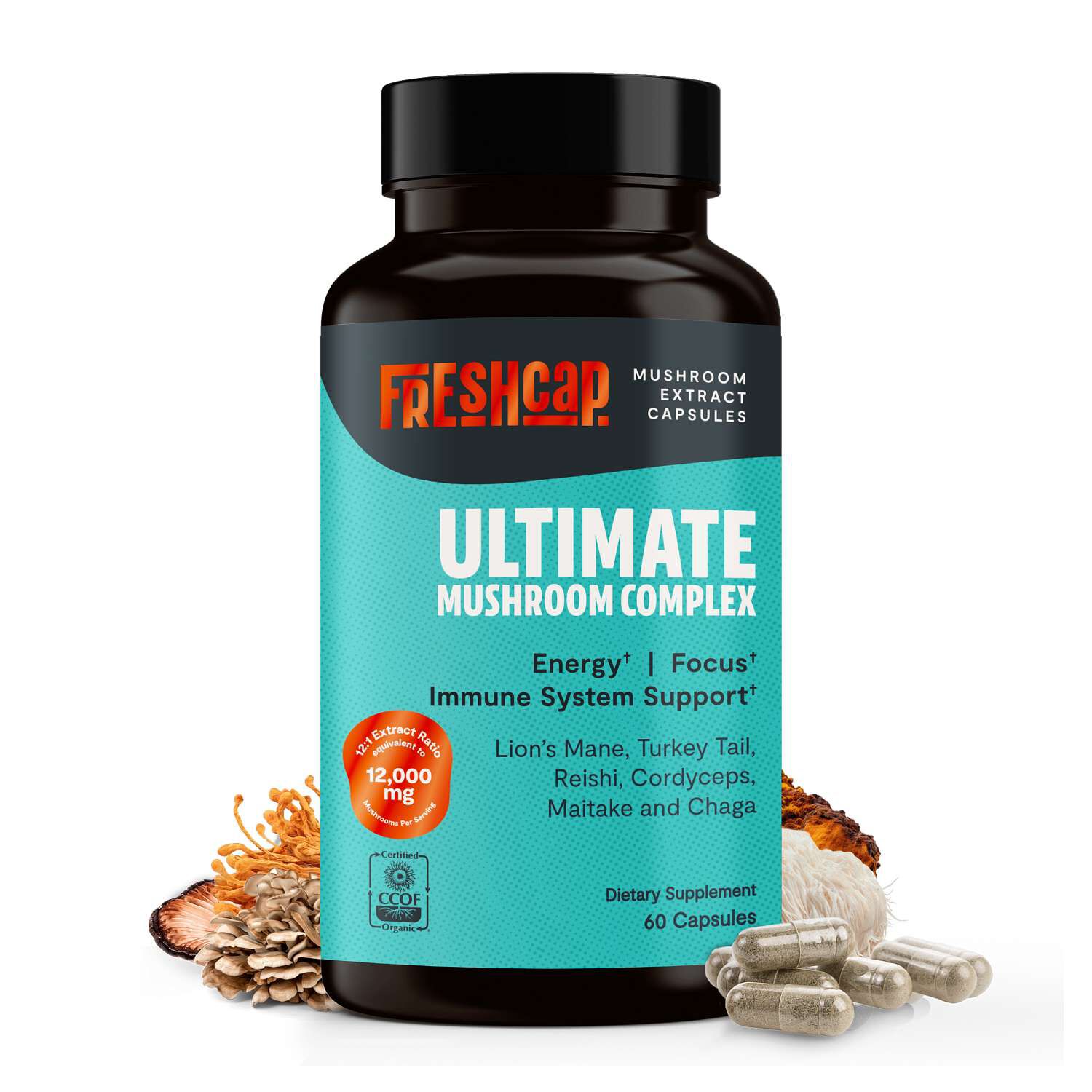
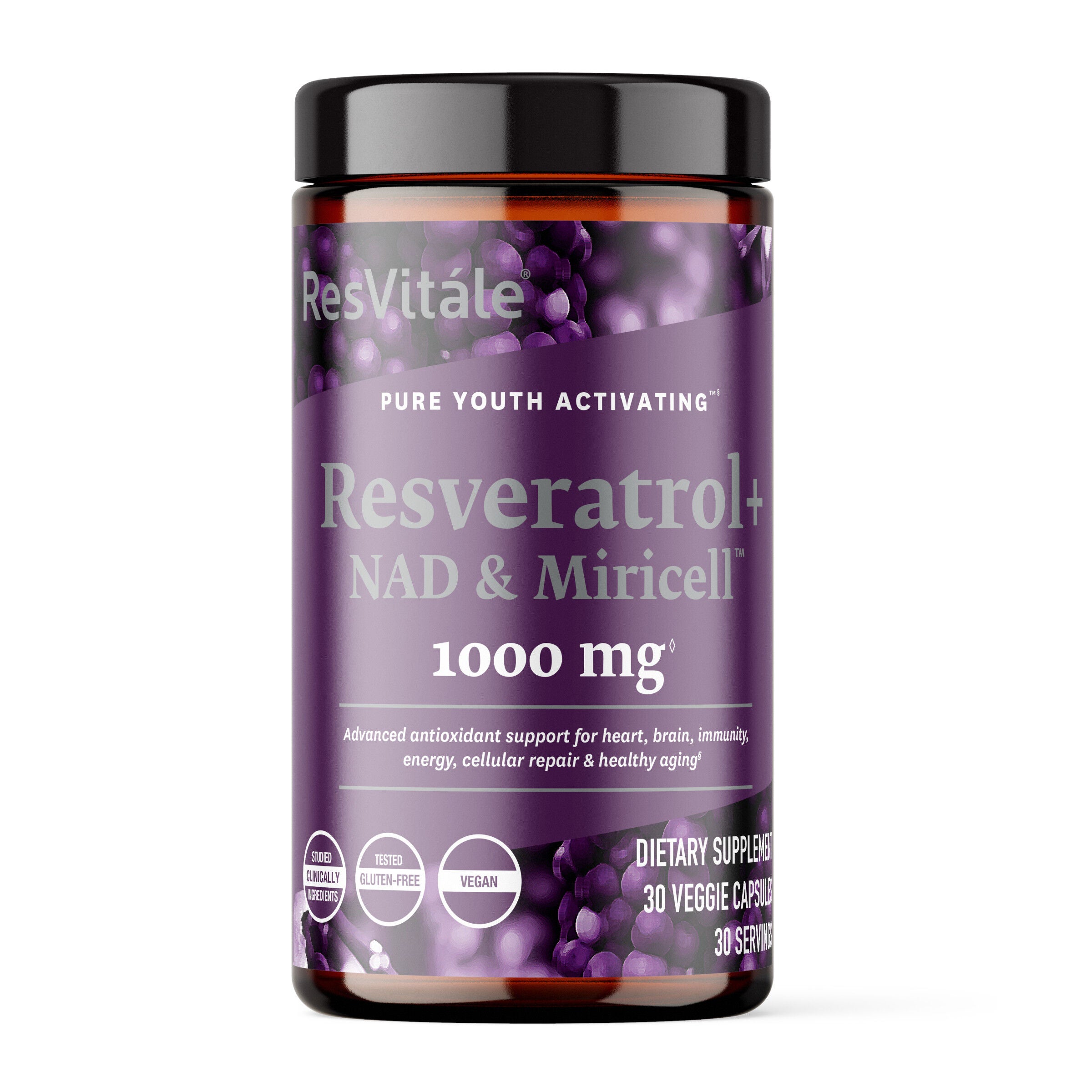
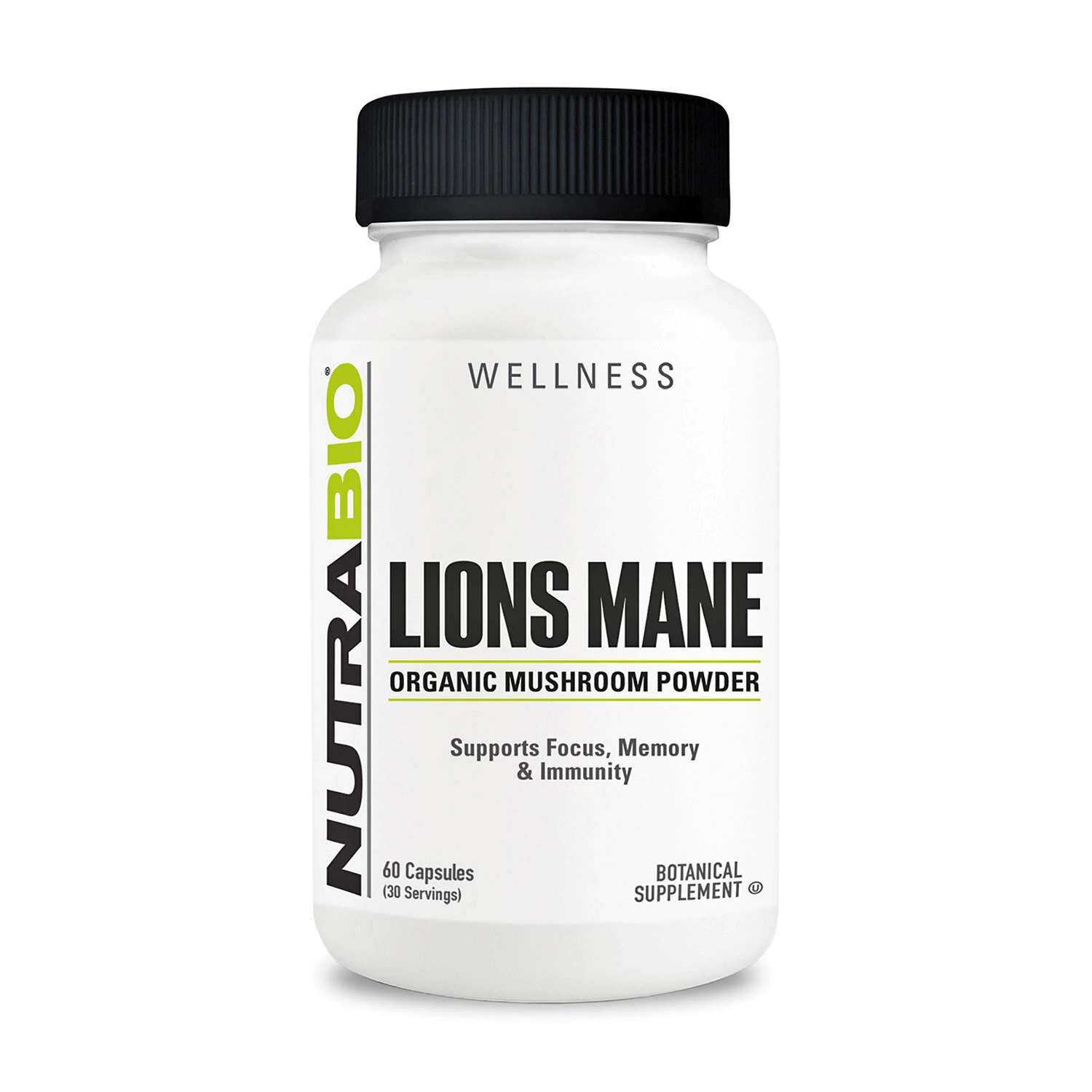
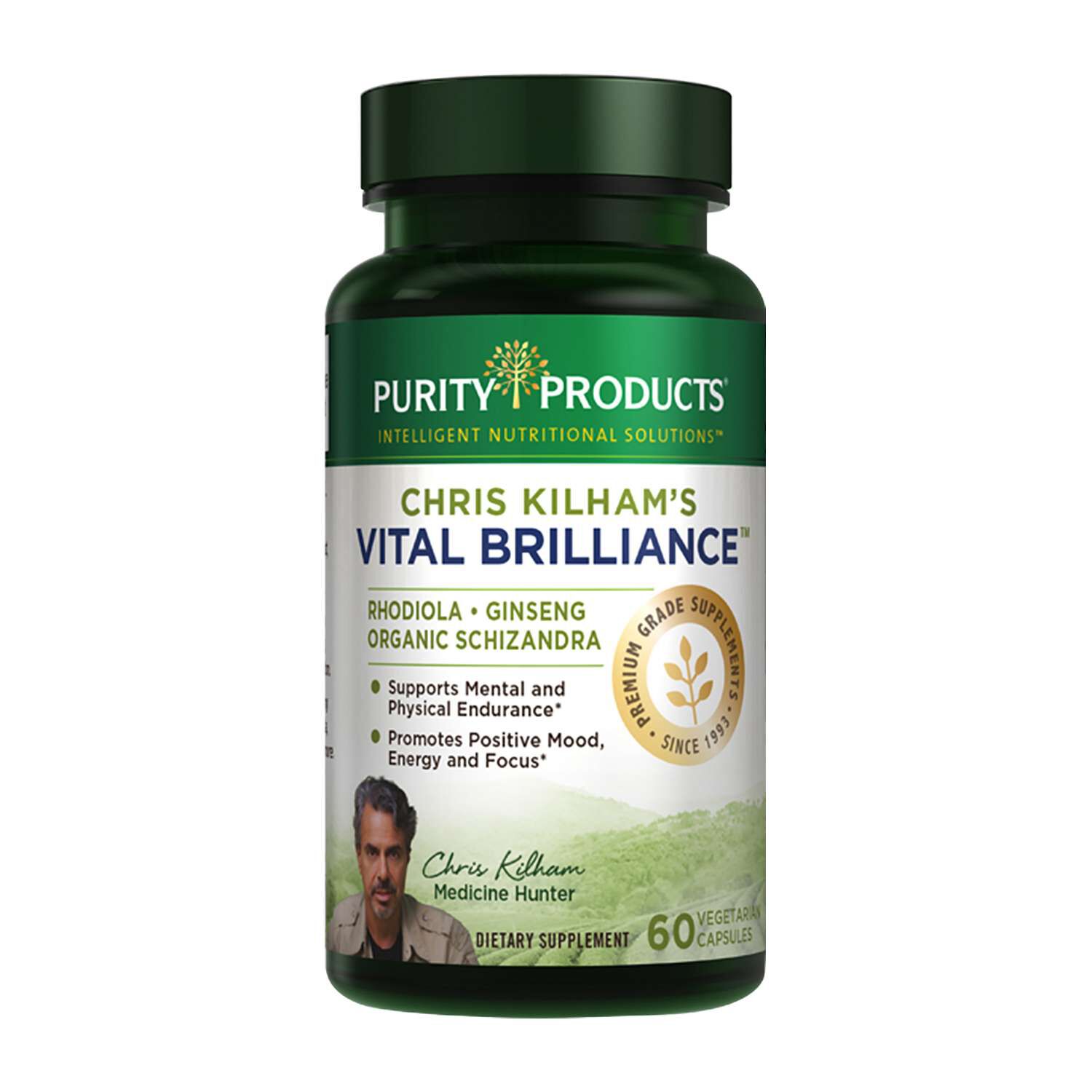
Vegan brain health capsules are dietary supplements formulated without animal-derived ingredients for adults interested in memory, concentration, and everyday cognitive wellness. The category can include vitamins, minerals, algae-derived oils, mushroom ingredients, and botanical extracts, with the combination varying by formula. For someone following a vegan eating pattern, the ingredient source matters as much as the nutrient name: an omega-3 ingredient derived from algae is different from one sourced from fish, and a vegetable-based capsule shell is different from animal-derived gelatin. Algal omega-3 formulas may list DHA, EPA, or both, so those abbreviations provide a more specific description than the phrase “omega-3” alone. Vitamin B12 may appear by itself or alongside other B vitamins, while magnesium may be included in formulas containing several nutrients. Lion’s mane is another ingredient associated with this category, although mushroom powders and mushroom extracts are not interchangeable descriptions. A label that identifies the mushroom species, the portion used, and the amount per serving gives a clearer picture of the contents. Some formulas center on a single ingredient; others bring together several ingredients within one serving. That distinction is useful for shoppers who already have a multivitamin or another supplement in their daily routine and want to understand where ingredient lists overlap. Vegan brain health capsules are not defined by one universal recipe, and the word “vegan” describes ingredient sourcing rather than a particular strength, serving size, or expected result. The category is relevant to shoppers balancing plant-based preferences with an interest in cognitive wellness, whether their day involves focused desk work, reading, studying, or keeping track of a busy household schedule. Those everyday settings explain the interest in the category without making any particular outcome certain. The most informative descriptions connect the formula’s stated purpose with its actual ingredients, rather than relying on broad language about mental performance.
The capsule itself is an important part of a vegan formula’s construction. Shells may be made from plant-derived cellulose or fermentation-derived pullulan, while the contents can include powders, extracts, oils, and ingredients used to keep the formulation consistent. A vegan designation should apply to the whole formulation, not just its most prominent ingredient. Capsule materials, coatings, colors, and carriers therefore belong in the same consideration as the vitamins or botanicals named on the front of the bottle. A vegetarian description does not necessarily communicate the same sourcing requirements as a vegan description, and a mushroom-based formula is not automatically vegan simply because mushrooms are its main ingredient. Recognizable certification marks can provide additional sourcing context when present, with the meaning depending on the organization and its stated criteria. The Supplement Facts panel adds another layer of detail by showing serving size and the amount of each listed dietary ingredient. A serving of two capsules is different from a serving of one, even when the bottles look similar at a glance. Likewise, a prominently displayed blend amount may not reveal the individual quantity of every ingredient within that blend. For algae-derived omega-3s, the amounts of DHA and EPA are more informative than the weight of the oil alone. For botanical and mushroom extracts, details such as extract ratios or standardized constituents describe how the ingredient is presented, but do not establish that one formula will produce a better result than another. Capsule dimensions and the number used per serving also affect the practical fit of a routine. Someone who prefers smaller capsules may approach the category differently from someone comfortable with a larger format. Ingredient and allergen statements matter for shoppers with dietary restrictions beyond vegan sourcing, including those avoiding soy or wheat. Straightforward labeling makes these distinctions easier to see, allowing comparisons to rest on the formulation, serving format, and documented sourcing rather than on the name of the category alone.
Vegan capsules may fit a supplement routine for shoppers who prefer a contained serving rather than measuring powder or mixing a drink. There is no scoop to keep track of, and the bottle’s directions identify the suggested use for that particular formulation. A person organizing breakfast before a commute may value a format that stays alongside other daily supplements, while someone working at a desk may prefer a clearly labeled bottle that is easy to distinguish from similar containers. Practical suitability includes storage as well as serving format. Capsule shells and their contents can be sensitive to moisture, so the original container, its closure, and any stated storage directions are relevant to product care. A kitchen counter near steam, a damp bathroom cabinet, or a bottle left uncapped can be a less suitable setting than the conditions specified on the label. An expiration date and intact packaging offer useful reference points when assessing a bottle, and keeping the label with the capsules preserves access to the ingredient list and serving information. Bottle quantity is most meaningful alongside serving size: the capsule count alone does not show how many labeled servings a container provides. Clear lot information and accessible details about manufacturing or third-party testing can also contribute to a more informed comparison, although the scope of any testing deserves attention. An ingredient identity check, for example, answers a different question from a review of nutrient amounts. These details help make the category tangible without treating every vegan formula as equivalent. Cognitive wellness is a broader personal interest than any single capsule format, and shoppers may approach it alongside varied meals, regular sleep routines, and an organized daily schedule. For browsing centered more specifically on memory, Vegan Memory Supplements provides a related selection to explore. Across either category, ingredient transparency, vegan sourcing, capsule construction, and serving instructions provide the clearest basis for understanding how a formula could fit individual preferences.