Vegan Fat And Carb Metabolism Supplements
(0 Results)
Vegan fat and carb metabolism supplements offer a plant-based approach for those looking to support their wellness journey. These supplements are designed for individuals following a vegan lifestyle who want options that align with their dietary preferences. Browse a variety of formulas that may fit seamlessly into your daily routine, supporting your active goals while keeping your values in mind. Whether you’re seeking new ways to complement your nutrition or looking to diversify your supplement regimen, vegan fat and carb metabolism supplements could be an ideal addition.
-

-
-
-
-

-
-

-

-

-

-
-

-
-

-
 Portions Master$49.99
 -
 Portions Master$49.99
 -
 Basic Supplements$29.99
 -
 Basic Supplements$29.99
 -
 Purity Products$49.99
 -
 $44.99
 -

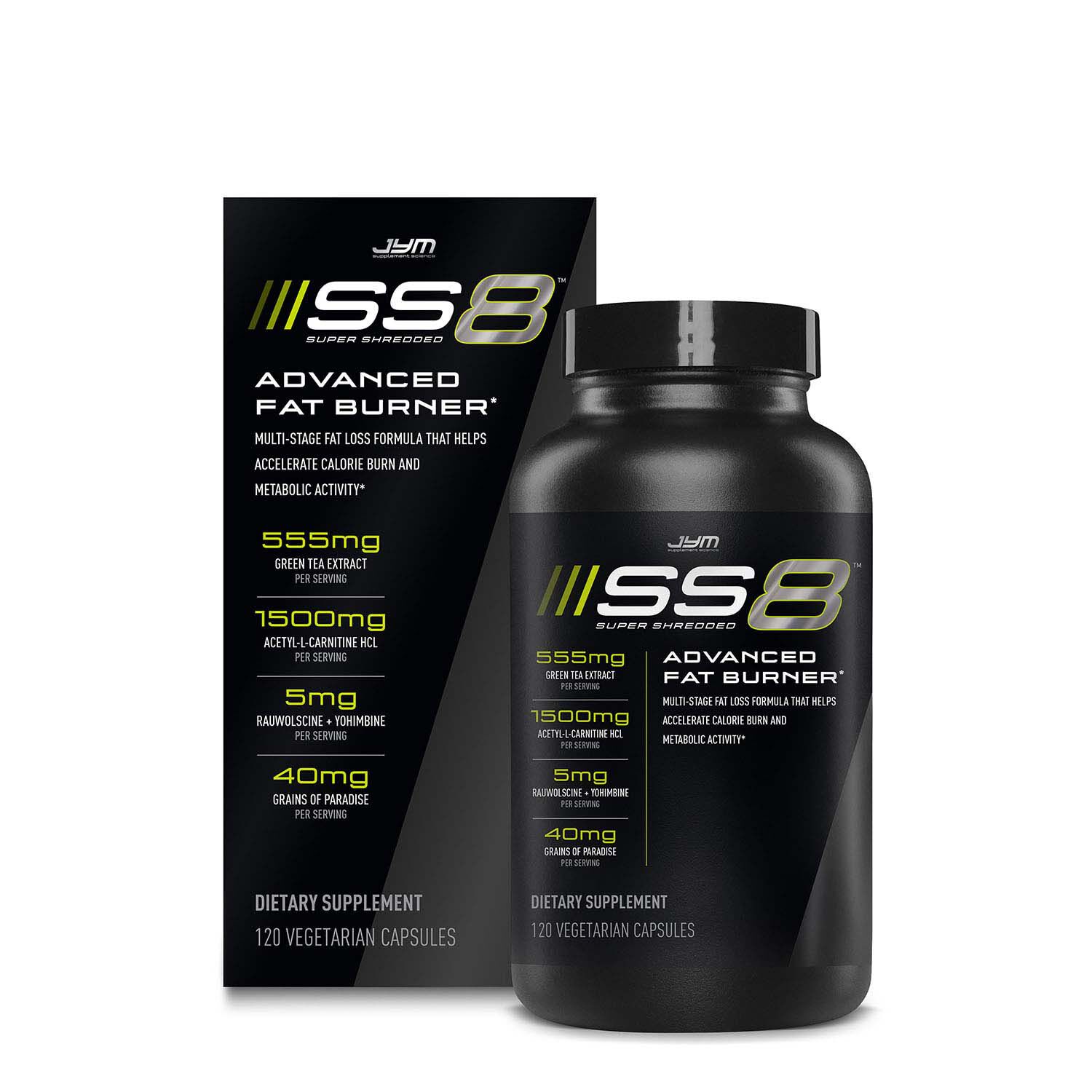

Vegan fat and carb metabolism supplements are dietary supplements formulated without animal-derived ingredients and intended for shoppers interested in nutrition related to how the body uses fats and carbohydrates. This category brings together several approaches rather than a single ingredient or formula. Depending on the label, a supplement may contain botanical extracts, minerals, amino acid compounds, or a combination of these ingredients. Green tea extract, white kidney bean extract, chromium, cinnamon, and L-carnitine are names shoppers may encounter when comparing metabolism-focused formulas. Their presence does not make two supplements interchangeable: ingredient amounts, extract specifications, serving sizes, and supporting ingredients can differ considerably. Green tea extract comes from tea leaves, while white kidney bean extract comes from a legume; chromium is a mineral, and cinnamon is a botanical ingredient. L-carnitine appears in both vegan and nonvegan supplements, so its name alone does not establish the suitability of a finished formula for a vegan lifestyle. The broader nutrition context matters, too. Metabolism includes the processes through which the body converts food into energy and uses nutrients for everyday functions. Fat and carbohydrates both have a place in that picture, whether a meal includes oatmeal with almond butter, a rice bowl with tofu, or lentil soup alongside whole-grain bread. Supplements in this category may complement a nutrition routine, but the category name does not establish a particular outcome, and an ingredient list cannot predict an individual experience. For shoppers following a vegan eating pattern, the distinction between ingredient purpose and ingredient origin is especially useful. A formula can be marketed around metabolism without meeting vegan preferences, just as a vegan designation says nothing by itself about the formula’s intended use. Reading those details together provides a clearer picture than relying on a prominent phrase on the front of a bottle. It also keeps the focus on what a supplement actually contains rather than assumptions about what “fat and carb” means.
When comparing vegan metabolism supplements, the full label offers more useful detail than the format alone. Vegan suitability extends beyond the featured ingredients to the capsule shell, coatings, flavorings, colors, and other components. A vegetable cellulose capsule may suit vegan preferences, while a gelatin capsule does not; gummies can use pectin rather than gelatin, but the remaining ingredients still matter. A plant-based description on one ingredient is not the same as a vegan designation for the entire formula. Explicit labeling or relevant third-party certification can help clarify that distinction, although different certifications address different characteristics. The Supplement Facts panel adds another layer of context by listing serving size and ingredient amounts. One serving might mean more than one capsule, scoop, or gummy, so comparing equal serving amounts is more informative than comparing the number of pieces in a container. Botanical extracts deserve a close look because an extract is not identical to the same amount of a whole herb or food ingredient. If a label identifies an extract ratio or a standardized constituent, that information helps describe the ingredient more precisely; it does not, on its own, establish a better fit. Caffeine content is another practical consideration for formulas containing tea-derived ingredients, especially for someone whose day already includes coffee or tea. Format then becomes a matter of everyday preference. Capsules and tablets involve little preparation, while powders require measuring and mixing as directed. Powder texture, flavor, and the specified mixing liquid can matter to someone who prefers a drink with breakfast. Gummies offer a chewable format, with sweeteners, serving size, and storage directions worth comparing. An unflavored powder is not necessarily tasteless, and a capsule is not necessarily a one-per-day serving. These small distinctions become meaningful in familiar settings: a crowded kitchen counter before work, a shared office break room, or a travel bag packed for a weekend away. The most useful comparison connects clearly stated label details with the way a supplement would actually fit into those settings.
Intended use is another helpful way to distinguish formulas within vegan fat and carb metabolism supplements. Some labels emphasize a particular botanical, while others combine ingredients around a broader metabolism theme. Neither approach is automatically a better match for every shopper. Someone committed to avoiding animal-derived ingredients may place the greatest emphasis on vegan verification, while someone maintaining a carefully organized supplement routine may prioritize ingredient transparency and straightforward serving directions. Shoppers exploring adjacent categories can also compare Vegan Weight Support Supplements for a broader view of vegan formulas organized around related goals, while keeping the purpose of each individual label in mind. Across these categories, supplements are an addition to an eating pattern, not a substitute for meals or a reason to treat carbohydrate-containing foods as something to avoid. Beans, fruit, grains, nuts, and seeds contribute different nutrients and textures to vegan meals, from a warm breakfast bowl to a crisp vegetable wrap. A practical shopping decision leaves room for that variety rather than organizing every meal around a supplement. Care and storage are similarly grounded in everyday details. Follow the package directions for use and storage, retain the original container and labeling, and check the printed date before use. A tightly closed container in the location specified on the label is a more suitable choice than a bottle left beside a steaming kettle or inside a parked car. Powders need the measuring and handling approach described on their packaging, and chewable formats may have particular temperature or moisture considerations. During the cooler months, a supplement routine may share counter space with hot drinks, meal-prep containers, and packed lunches; keeping packaging readable and contents properly stored makes those routines easier to organize. Ingredient lists, serving directions, vegan labeling, and format are tangible details worth returning to. Together, they offer a more grounded basis for choosing among metabolism-focused supplements than dramatic language or assumptions about any single ingredient.