





Vegan Glycine Supplements
(0 Results)
Vegan glycine supplements offer a convenient way to support your wellness goals while aligning with a plant-based lifestyle. These supplements are designed for those seeking alternatives that do not contain animal-derived ingredients. Explore a variety of vegan glycine supplements that may fit seamlessly into your daily routine and help you stay committed to your dietary preferences.
-
-

-

-
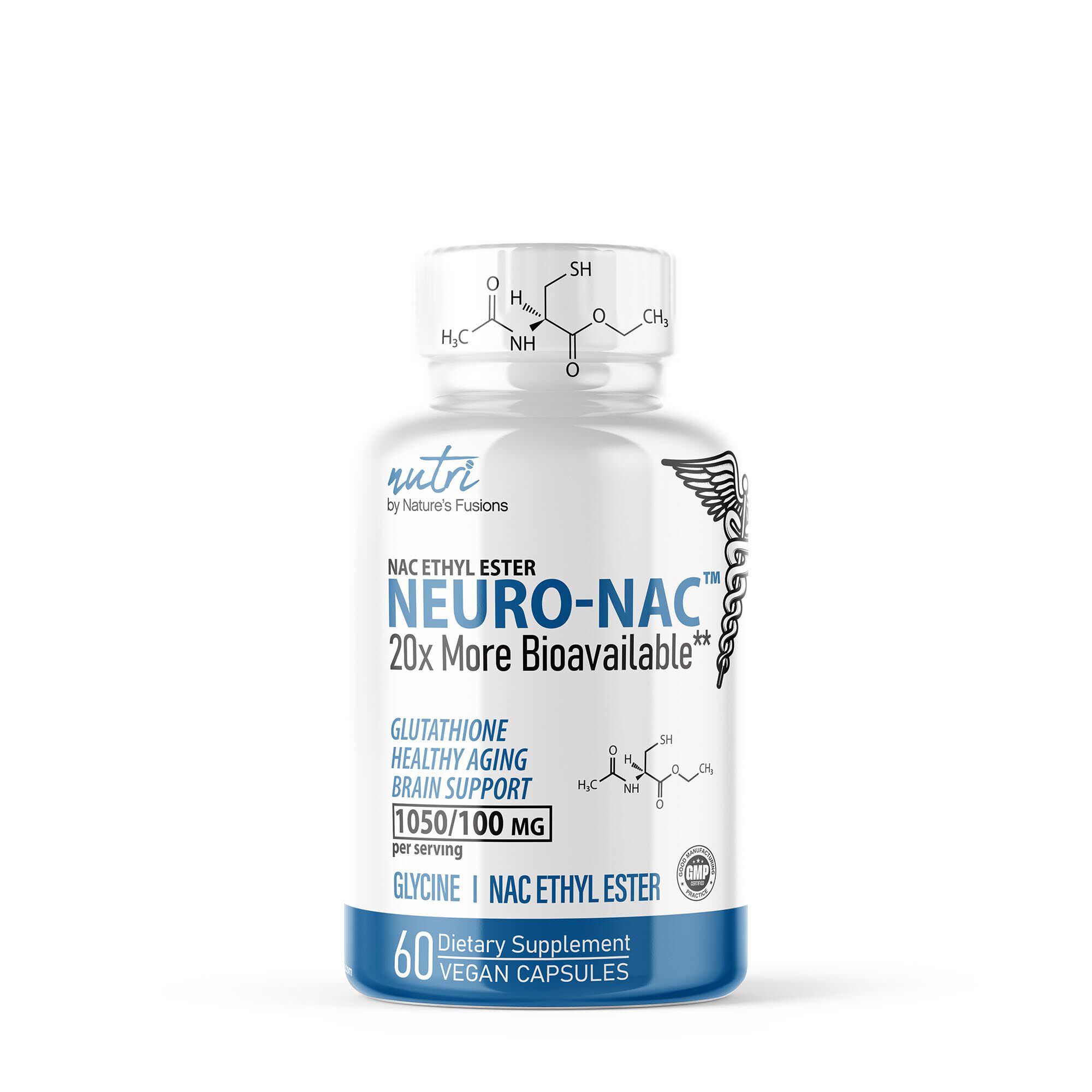
 Nature's Fusions$39.99
Vegan glycine supplements contain the amino acid glycine in formulas made without animal-derived ingredients. Glycine used in supplements can be manufactured through non-animal processes, but its name alone does not establish whether a finished formula is vegan. The source of the amino acid, the capsule material, and any additional ingredients all matter. Glycine is an amino acid that occurs naturally in proteins, and the human body also makes it. Plant foods, including beans, soy foods, seeds, and nuts, contain glycine as part of their protein content, so it is not exclusive to animal foods. A vegan designation describes how a supplement is sourced and formulated; it does not indicate an individual’s nutritional requirements. For shoppers following a plant-based lifestyle, the distinction between the ingredient and the finished formula is particularly relevant. A powder containing only glycine has a different ingredient profile from a capsule containing glycine, a capsule shell, and other formulation ingredients. Likewise, a vegetarian capsule does not necessarily establish that every ingredient in the finished supplement meets vegan preferences. Cellulose-based shells are common alternatives to animal-derived gelatin, while powders have no capsule shell to consider. Explicit vegan labeling and clear ingredient disclosures offer more useful information than assumptions based on a formula’s appearance or its amino acid name. When sourcing details are provided, a description of non-animal manufacturing adds context beyond the front label. Manufacturing origin and finished-formula composition are separate details, and both are relevant to a vegan selection. Glycine also appears in discussions of collagen because it is one of the amino acids found in collagen proteins. However, a single-ingredient glycine supplement is not the same thing as collagen, and the two categories have different compositions. For someone looking specifically for vegan glycine, the clearest match is a formula that identifies glycine, states its amount per serving, and provides a straightforward explanation of its vegan status. Simple labeling makes it easier to understand exactly what belongs in an everyday supplement routine.
Powders and capsules offer distinct experiences, even when the named amino acid is the same. Glycine has a naturally sweet taste, which is relevant when considering an unflavored powder. Unflavored does not necessarily mean tasteless; it generally indicates that no flavoring has been added. A powder mixed into a beverage according to its directions may be noticeable in plain water and less noticeable alongside other flavors, although the finished taste depends on the formula and the drink. For someone who already prepares a morning smoothie, a measured powder may fit naturally into that preparation step. Someone who prefers a supplement without a mixing step may find a capsule format more convenient. Capsule dimensions, the number of capsules in a labeled serving, and the amount of glycine in that serving are practical comparison points. A serving can consist of more than one capsule, so the amount printed prominently on a label deserves a closer look alongside the Supplement Facts panel. Powder labels also distinguish between the weight of a serving and the amount of glycine it contains, particularly when a formula includes other ingredients. Grams and milligrams express different units of weight: one gram equals 1,000 milligrams. Understanding that relationship makes comparisons easier without treating a larger number as a reason to select a particular formula. The labeled serving directions remain the reference for intended use. A scoop is a measuring tool supplied for a particular powder, not a universal measure shared by every supplement container. Ingredient lists add another layer of detail, identifying sweeteners, flavors, capsule components, and ingredients used during manufacturing. Shoppers who prefer a single-amino-acid formula often focus on a short, clearly explained ingredient list, while those considering a blend have additional ingredients to review. Neither format determines whether a supplement is vegan by itself. A plain-looking powder still needs sourcing information, and a plant-based capsule still needs a review of its contents. The most useful comparison brings format, serving information, and ingredient transparency together rather than relying on one front-label statement.
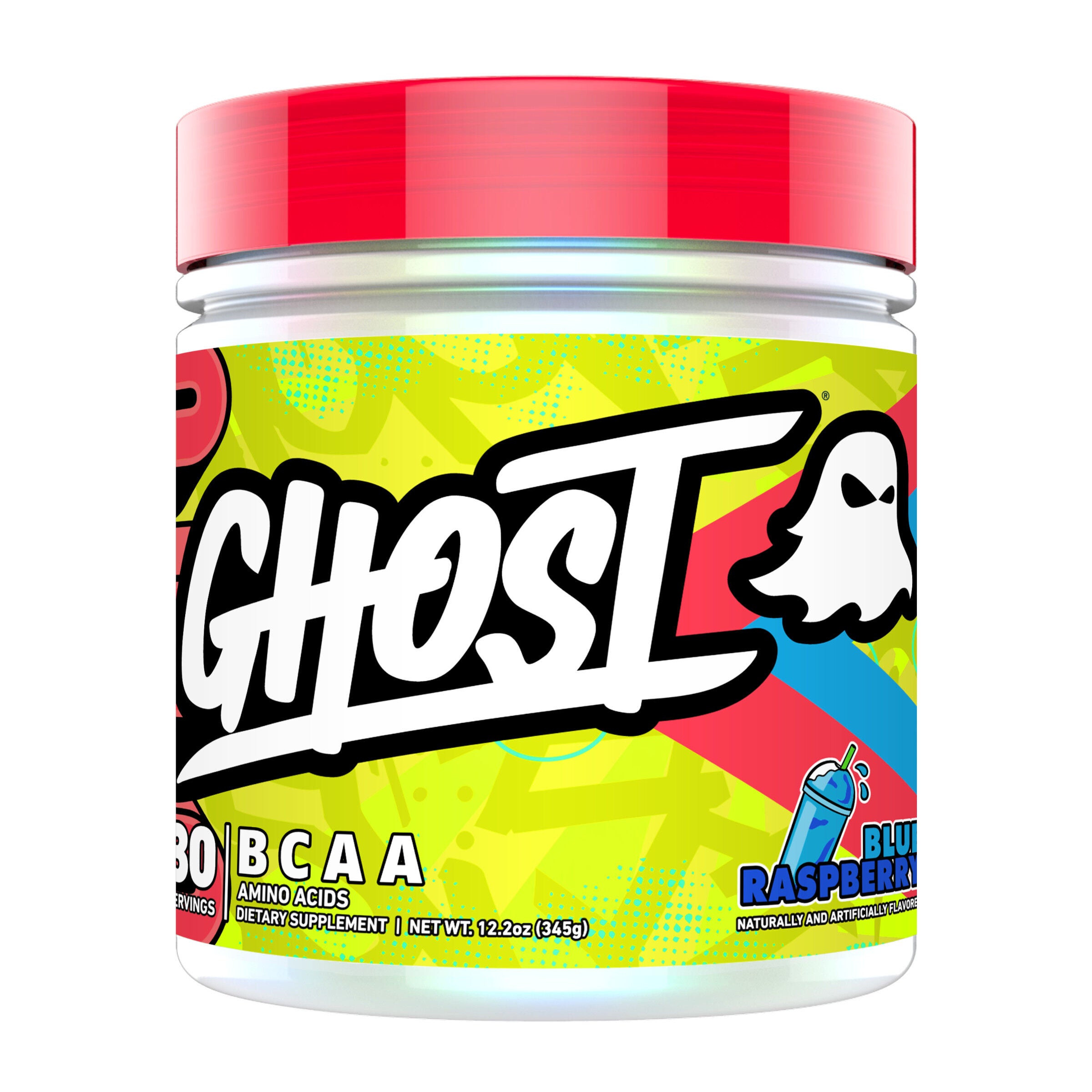
Daily habits also shape which vegan glycine format feels practical. A powder container belongs comfortably in a kitchen cupboard where a clean, dry measuring utensil and a suitable beverage are close at hand. Capsules remove the mixing step and may fit more easily into a routine organized around labeled servings. Packaging details matter in both cases: a lid that closes securely, readable directions, and a container that is comfortable to handle are worth considering alongside the formula itself. Powders need protection from moisture, so a cupboard away from sink splashes and cooking steam is a more practical setting than an open spot beside the stove. Storage directions on the package take priority, and keeping supplements in their original containers preserves access to ingredient details, serving instructions, and date information. For travel or time away from home, intact packaging also keeps those details connected to the contents. Someone sharing a kitchen with other supplement users may particularly appreciate clear labels and a designated storage spot. Beyond everyday handling, quality information can include documented manufacturing practices and independent testing. A vegan certification concerns animal-derived ingredients and sourcing standards; testing for ingredient identity or contaminants addresses different questions. The specific scope of a certification or testing statement matters more than a badge viewed on its own. Similar care applies when comparing glycine with other amino acid categories. Shoppers exploring Vegan BCAA Supplements will encounter leucine, isoleucine, and valine, a different group of amino acids from glycine. A shared vegan designation does not make those formulas identical in composition or intended use. For a focused glycine selection, the useful details remain consistent: a clearly identified amino acid source, a vegan finished formula, an understandable serving amount, and a format that suits the way it will be used. Those concrete distinctions give the category meaning beyond a broad plant-based label and make it easier to compare formulas on their actual characteristics.
Best Sellers

Related Pages

Top Collections
- Chronic Fatigue Supplements
- Vitamins For Hair Loss
- Capsule Supplements For Energy And Stamina
- Supplements For Yoga Joint Flexibility
- Zinc Supplements For Men
- Best Brand of Magnesium Glycinate
- Cortisol Supplements
- Supplements For Energy And Wellness
- Joint Mobility Supplement Packs
- Peptide Supplements