Vegan Jelly Vitamins
(0 Results)
Vegan jelly vitamins offer a convenient and enjoyable way to support your wellness routine while aligning with plant-based values. With a variety of formulas and flavors, these tasty supplements may fit seamlessly into daily life for those seeking animal-free options. Whether you’re looking to complement your diet or explore new ways to prioritize your well-being, vegan jelly vitamins could be a flavorful addition to your supplement regimen.
-

-

-
-

-
-

-

-
-

-

-

-
 $14.99
 -
 $17.99
 -
 $18.99
 -
 $15.99
 -
 $15.99


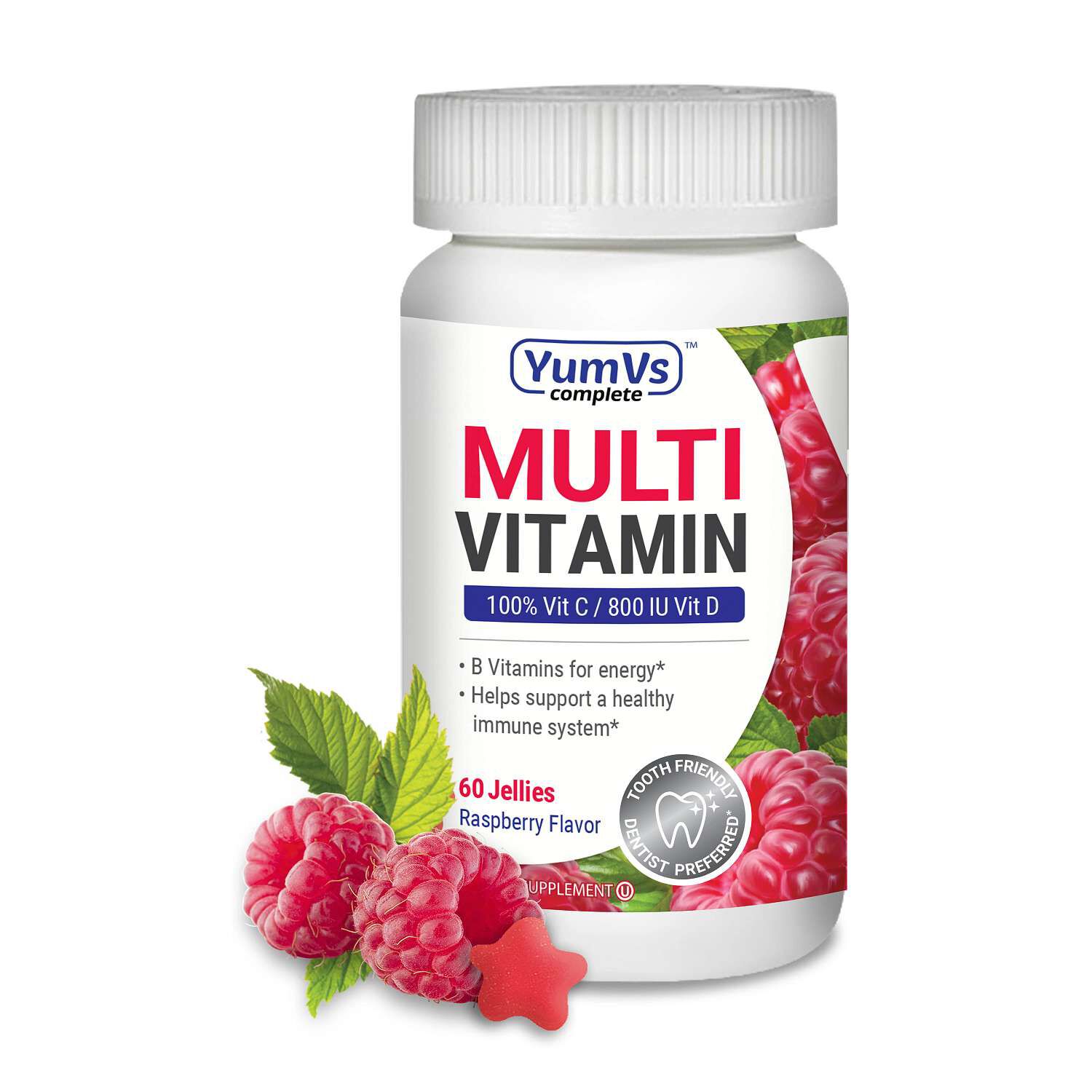
Vegan jelly vitamins are chewable dietary supplements made without animal-derived ingredients, with a soft, fruit-flavored format often described as a gummy. Their jelly texture commonly comes from pectin, a soluble fiber found in fruits such as apples and citrus, rather than gelatin, which comes from animal collagen. Some formulas use other plant-based gelling ingredients, so the ingredient list provides a more precise picture than the word “jelly” alone. For shoppers who follow a vegan lifestyle or prefer plant-based ingredients, the distinction extends beyond the chewy base. Nutrient sources, colors, flavorings, and surface coatings all contribute to whether a formula meets vegan preferences. Beeswax and carmine, for example, are animal-derived ingredients that can appear in confectionery-style formats, while plant waxes and fruit or vegetable concentrates serve different roles in some vegan recipes. A vegan statement or recognized certification offers useful context alongside the full label. These supplements come in broad multivitamin formulas and more focused nutrient combinations, giving the category a range of intended uses without making every formula interchangeable. Vitamin B12, vitamin D, and combinations of vitamins and minerals are common points of comparison, but the actual contents depend on the formulation. Not every vegan gummy contains iron, and not every multivitamin includes the same nutrients or amounts. The jelly format is primarily a difference in how a supplement is presented: a flavored chew rather than a capsule or tablet. It does not, by itself, establish the nutritional scope of the formula. For someone building a plant-based routine, vegan jelly vitamins may offer an approachable option when taste and texture matter as much as ingredient sourcing. A bottle’s front label introduces the formula, while the Supplement Facts panel and ingredient list explain what each serving contains. That combination of plant-based composition, nutrient information, and chewable texture defines the category more clearly than fruit imagery or candy-like shapes. The most meaningful distinctions are found in the details, from the gelling agent to the source of an individual vitamin.
The sensory details of vegan gummy vitamins deserve attention because two fruit-flavored formulas can feel quite different. Pectin-based gummies often have a tender bite, but firmness, chewiness, and surface finish vary with the recipe. Some have a smooth exterior; others have a light sugar coating. Berry, citrus, and mixed-fruit flavors describe a taste profile, not necessarily the amount of fruit in the formula or the origin of every flavoring ingredient. Sweeteners also vary, with recipes that use sugars, sugar alcohols, or other sweetening ingredients. The Supplement Facts panel shows sugars and added sugars where applicable, while the ingredient list identifies the ingredients behind the sweetness. These details matter to shoppers with particular flavor preferences or ingredient restrictions, especially when a supplement is intended to become part of a familiar routine. Vegan status is separate from organic certification and from statements about other dietary preferences. Likewise, a plant-based recipe does not automatically address concerns about allergens; ingredient disclosures and manufacturing statements remain distinct pieces of information. Nutrient sourcing is another useful distinction. Vitamin D3, for instance, can come from lichen or from lanolin, an animal-derived material, so the nutrient name alone does not establish that a formula is vegan. A clearly identified vegan source makes that difference easier to understand. Serving size deserves the same attention as ingredient origin. A serving may consist of more than one gummy, and the amounts listed in the Supplement Facts panel generally refer to that serving rather than to a single piece. A bottle with many gummies therefore does not necessarily contain the same number of servings. Comparing serving counts, nutrient amounts, and ingredient lists side by side gives a clearer view than comparing bottle size or gummy shape. An adult multivitamin and a formula labeled for children also have different intended audiences, even when their colors and flavors look similar. Age labeling and directions help distinguish those formats without relying on appearance.
Daily fit involves practical details as well as formulation. Vegan jelly vitamins may appeal to adults who prefer a chewable supplement, people reviewing the animal-derived ingredients in their household routines, or shoppers who enjoy a fruit-flavored format rather than an unflavored tablet. A small bottle stored in its designated place at home presents a different practical consideration from a container carried in a work bag: closure, packaging, and the label’s storage directions matter in both settings. Gummies are sensitive to moisture and storage conditions, and their texture can change when packaging is left open or handled carelessly. The original container keeps the ingredient list, directions, serving information, and date markings together. A securely closed lid and storage consistent with the label are relevant to maintaining the product’s intended condition. Since jelly vitamins can resemble candy, their identity as supplements also matters in shared spaces; packaging should remain clearly identifiable and out of children’s reach. For a household with several supplement routines, distinguishing containers by their labeled audience and formulation is more useful than sorting them by flavor alone. Portability is another consideration, but a chewy format is not automatically the best match for every setting or preference. Those who prefer a format without a fruit flavor or jelly texture may also consider Vegan Capsule Vitamins when comparing plant-based supplement formats. Capsules and gummies differ in their outer materials, ingredient combinations, serving sizes, and sensory experience, so a shared nutrient name does not make two formulas equivalent. Within the jelly category, a straightforward comparison centers on the vegan designation, the nutrients listed per serving, the sweetening ingredients, the texture, and the intended age group. Someone who likes a soft citrus chew may favor a different format from someone who prefers a firmer berry gummy, even with similar label priorities. Those everyday preferences sit alongside the more technical details of nutrient sourcing and formulation. Together, they give vegan jelly vitamins their character: plant-based ingredients presented in a flavored, chewable form, with label details that distinguish each type.