





Vegan Nootropic Blends For Adults
(0 Results)
Vegan nootropic blends for adults offer a plant-based approach to supporting your wellness journey. These carefully crafted formulas may fit seamlessly into a variety of lifestyles and preferences, providing options for those looking to explore vegan-friendly choices. Whether you’re seeking new ways to enhance your daily routine or interested in discovering innovative blends, vegan nootropic blends for adults could be an exciting addition to your supplement regimen.
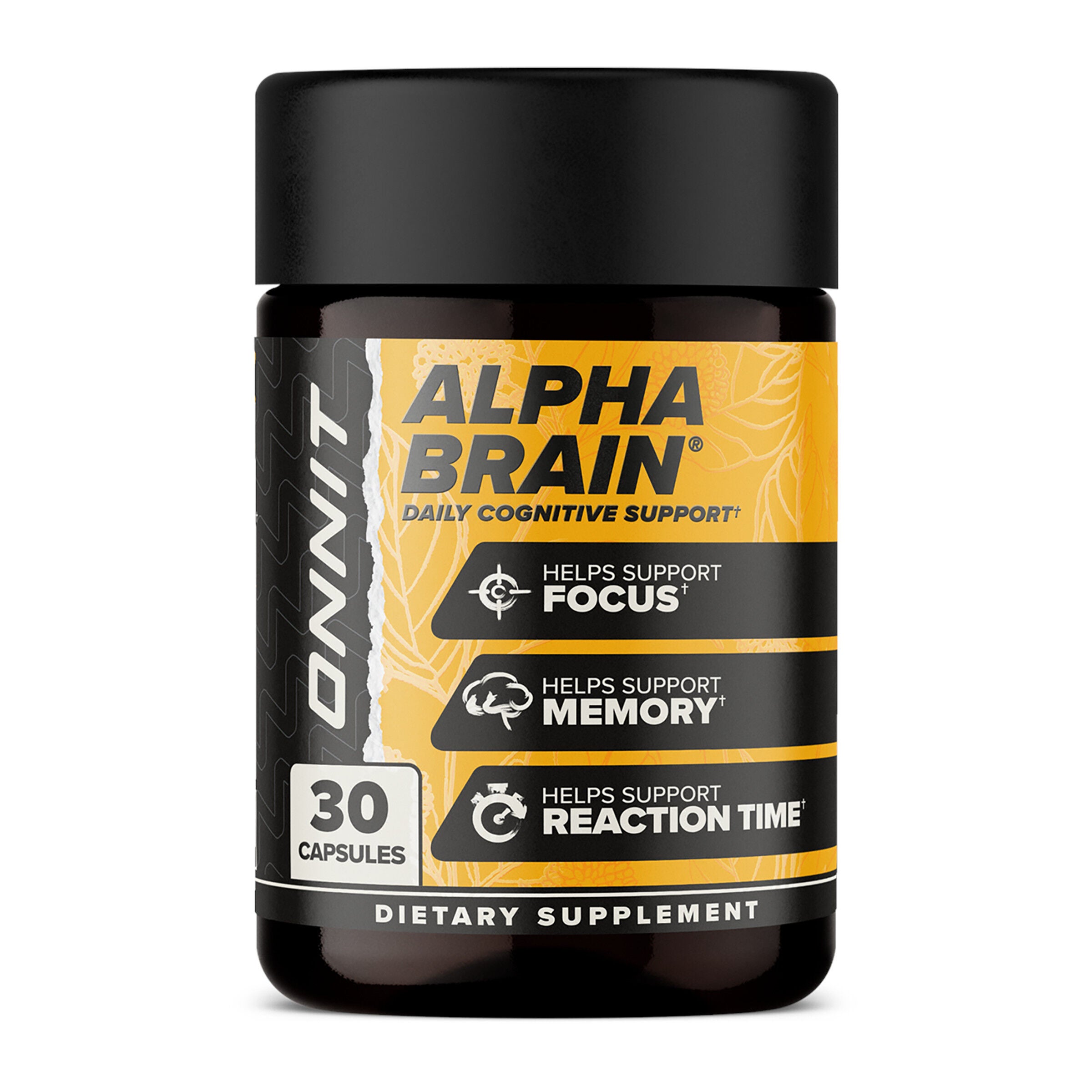
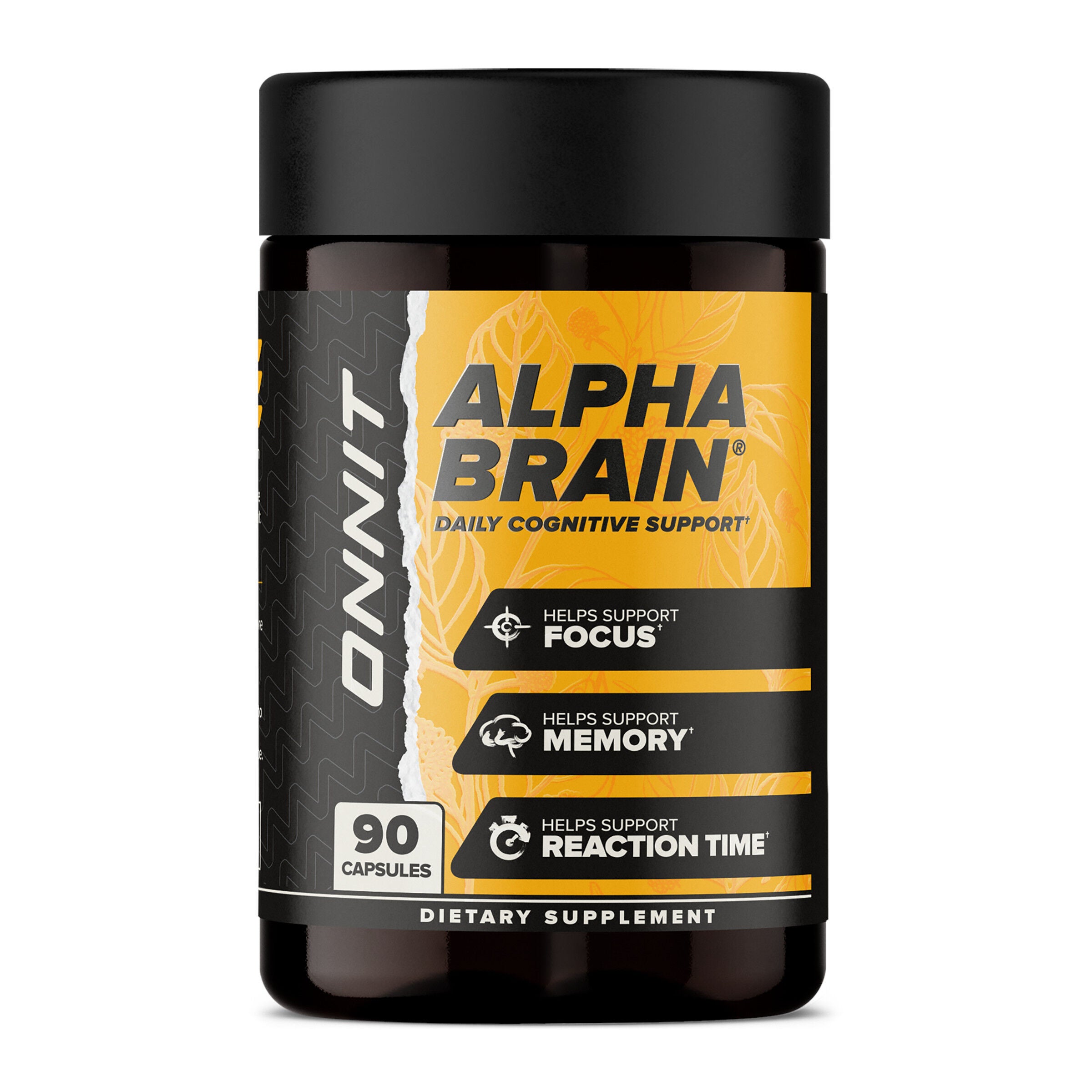
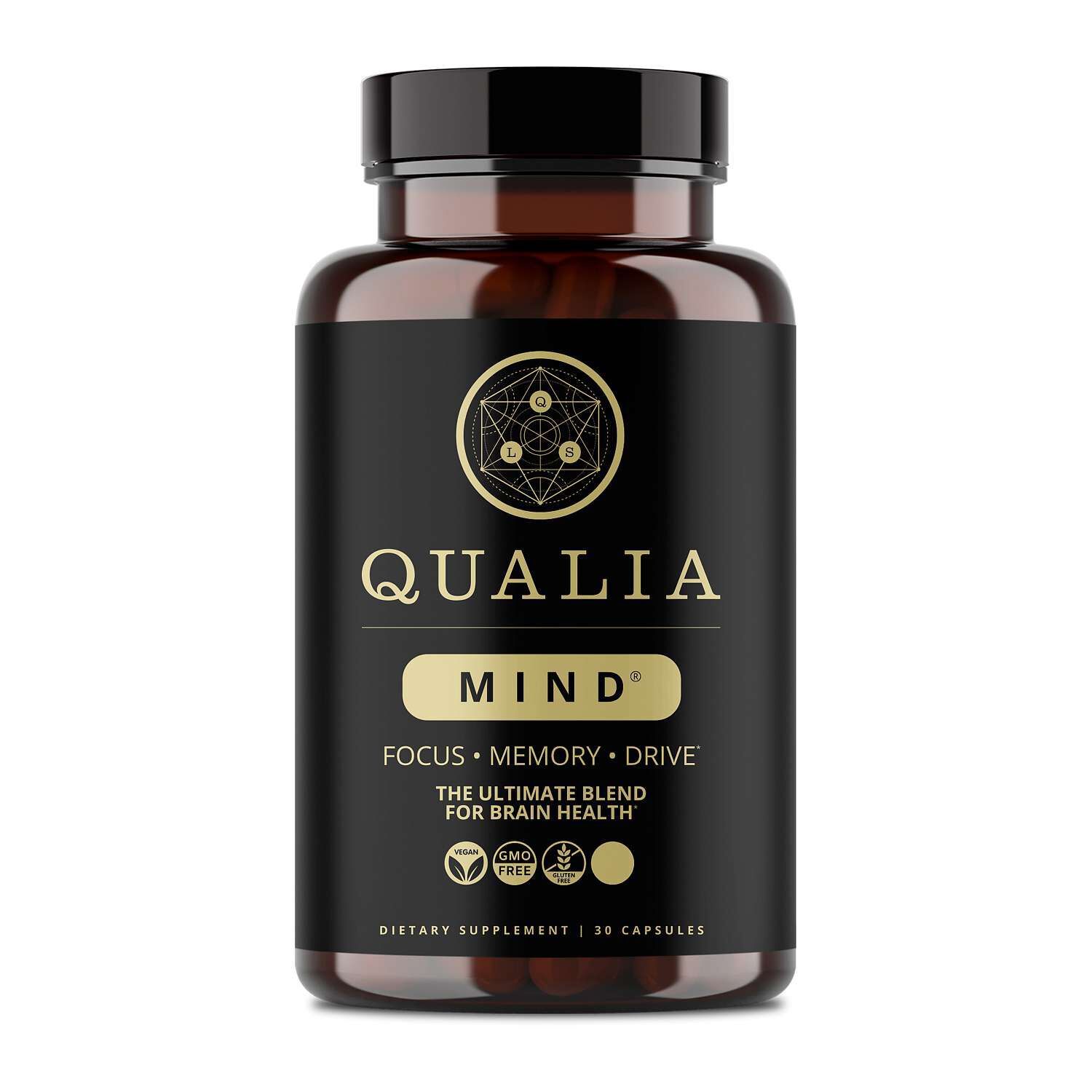
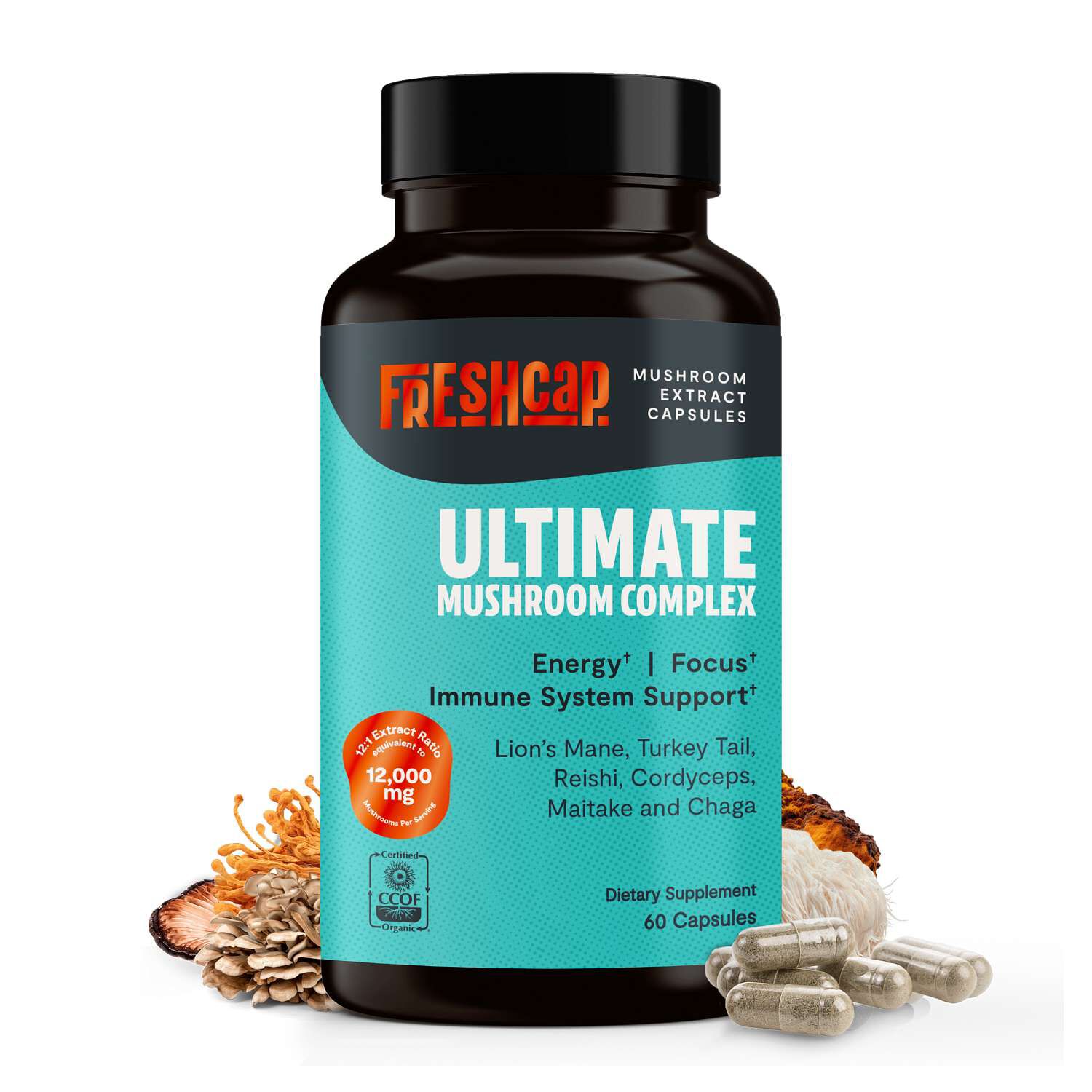


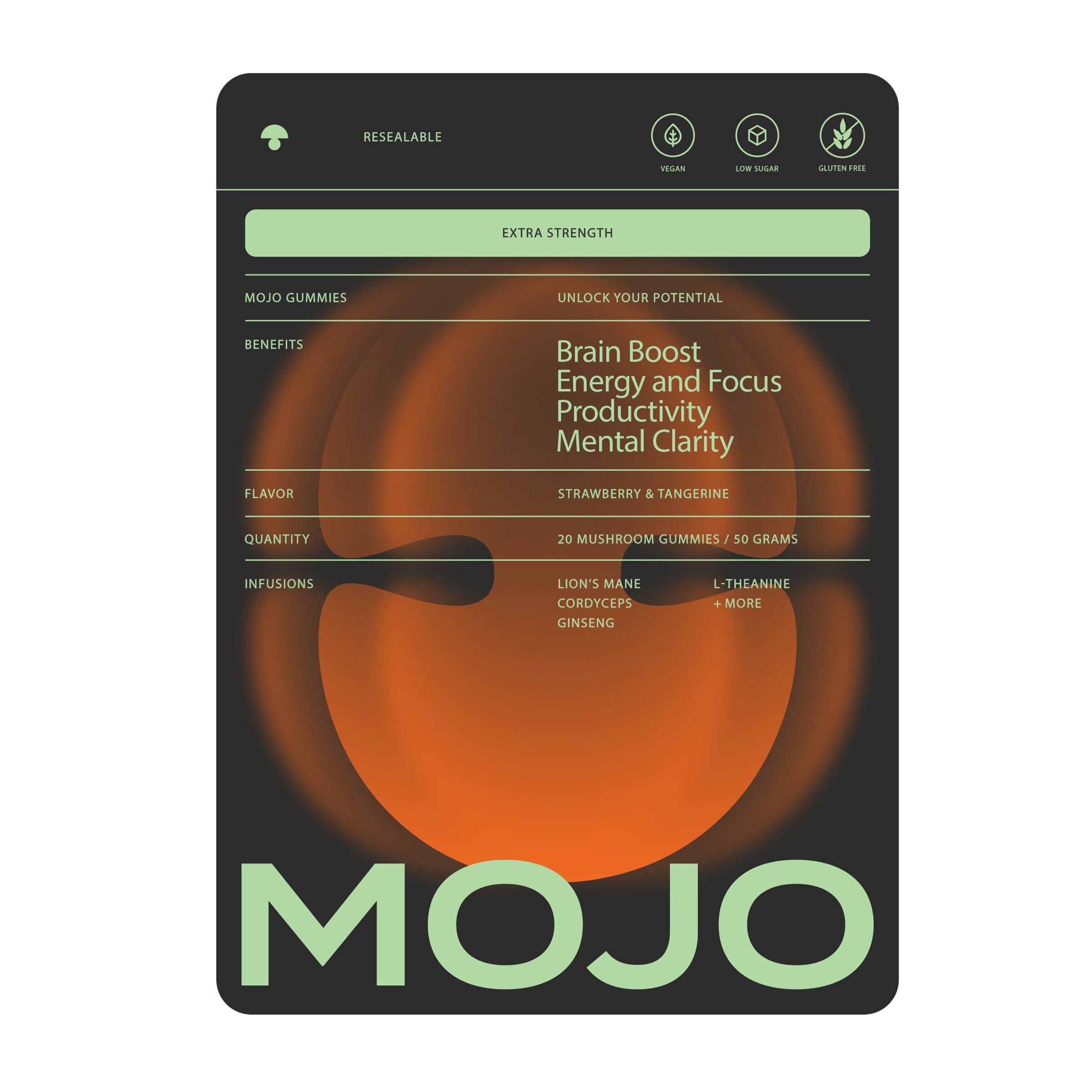
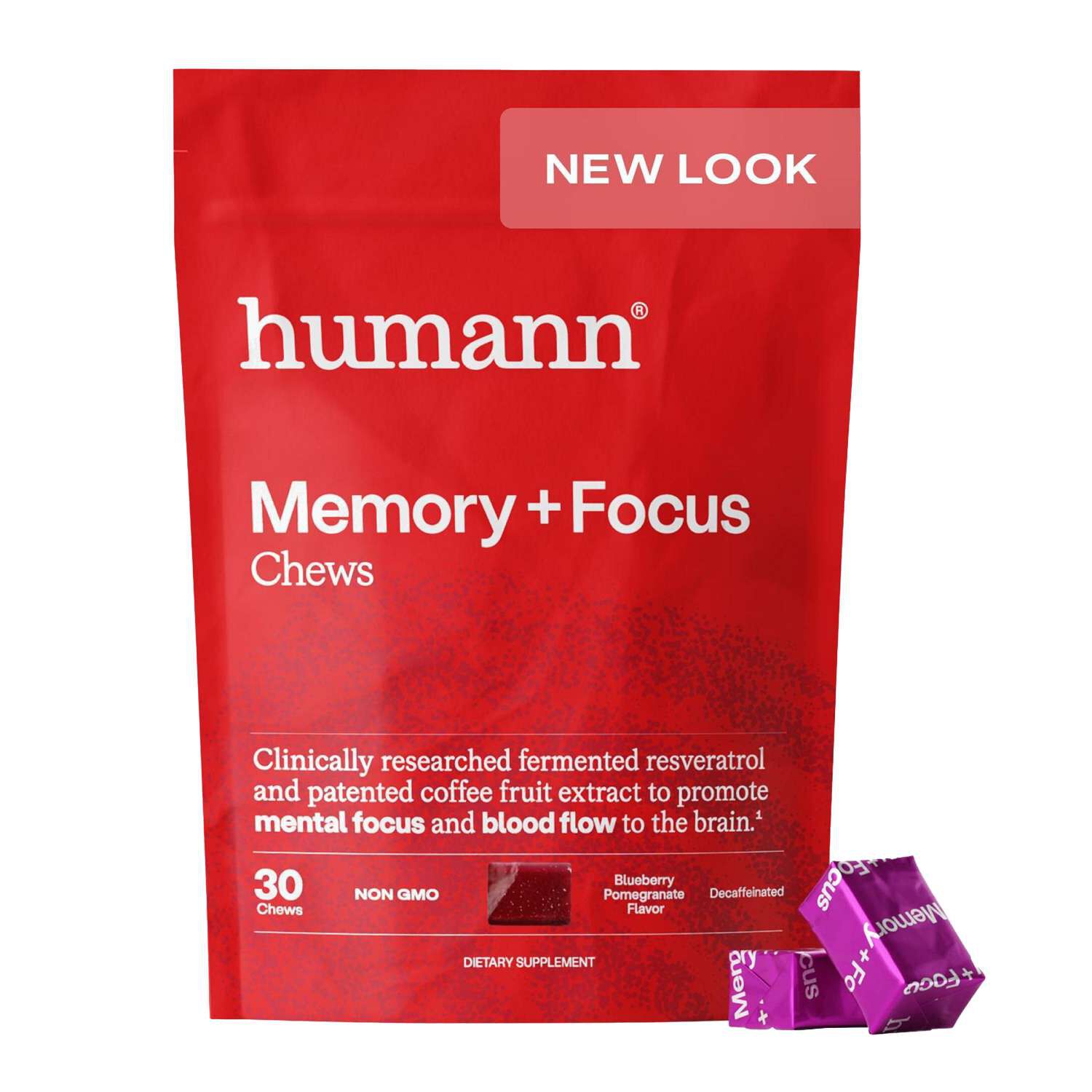
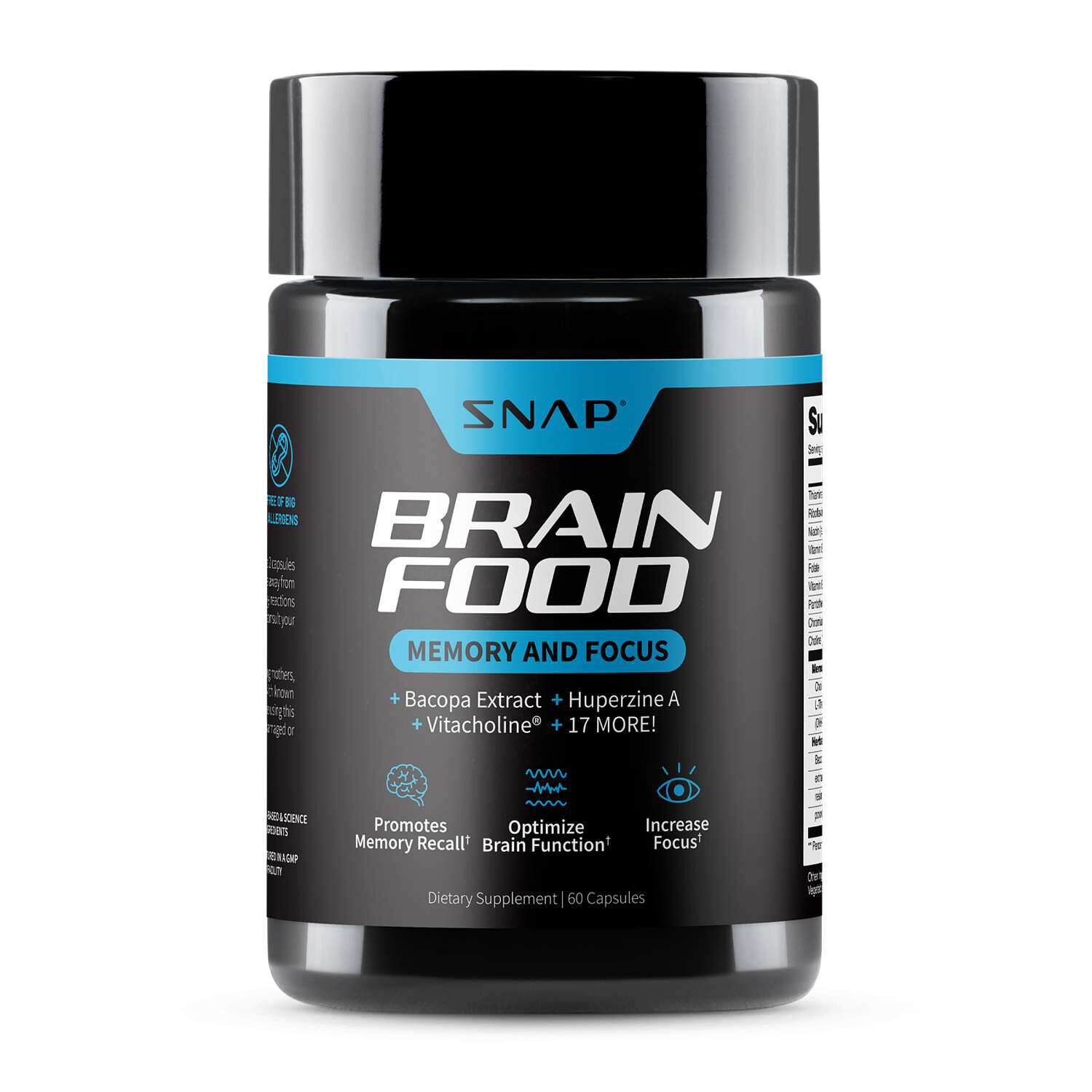


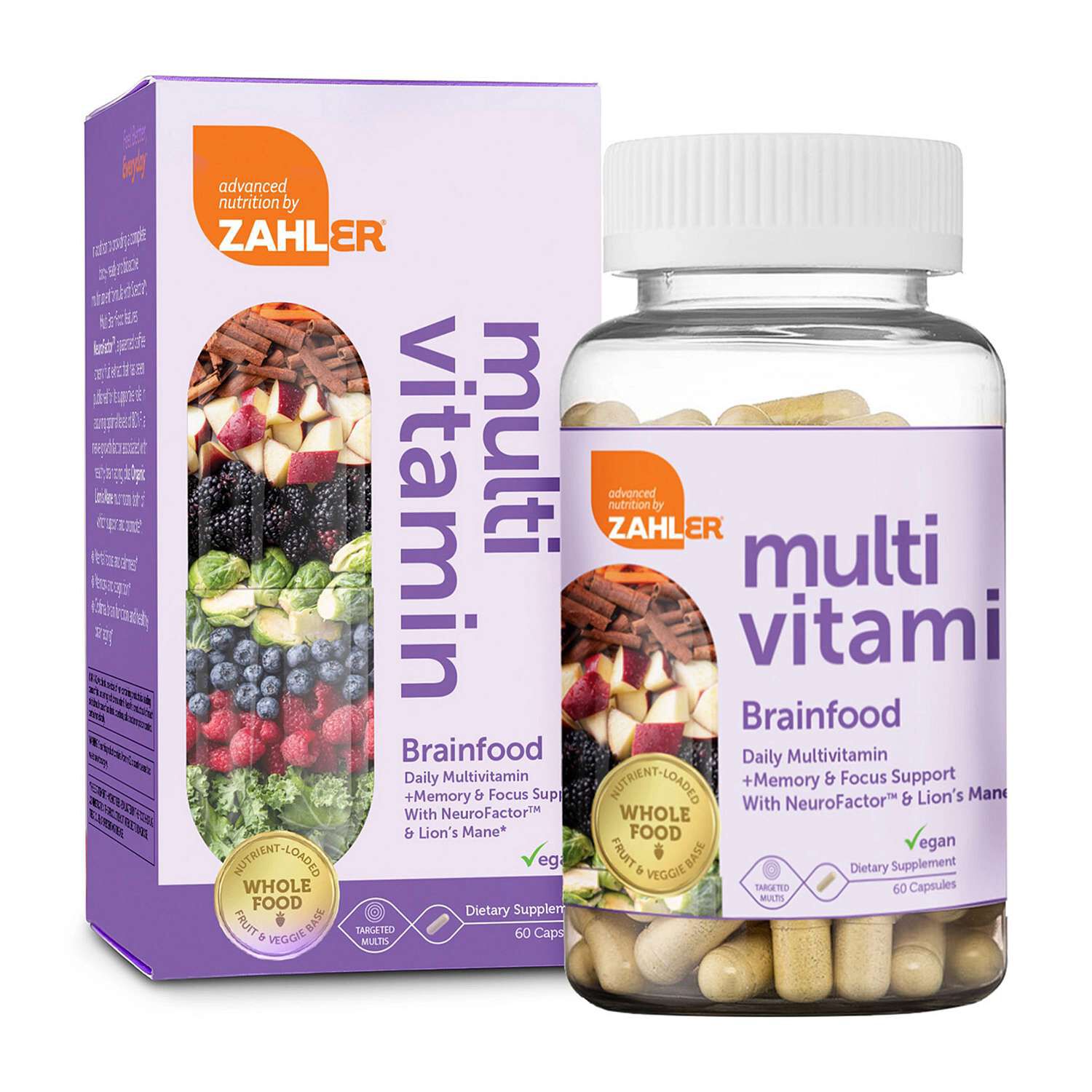
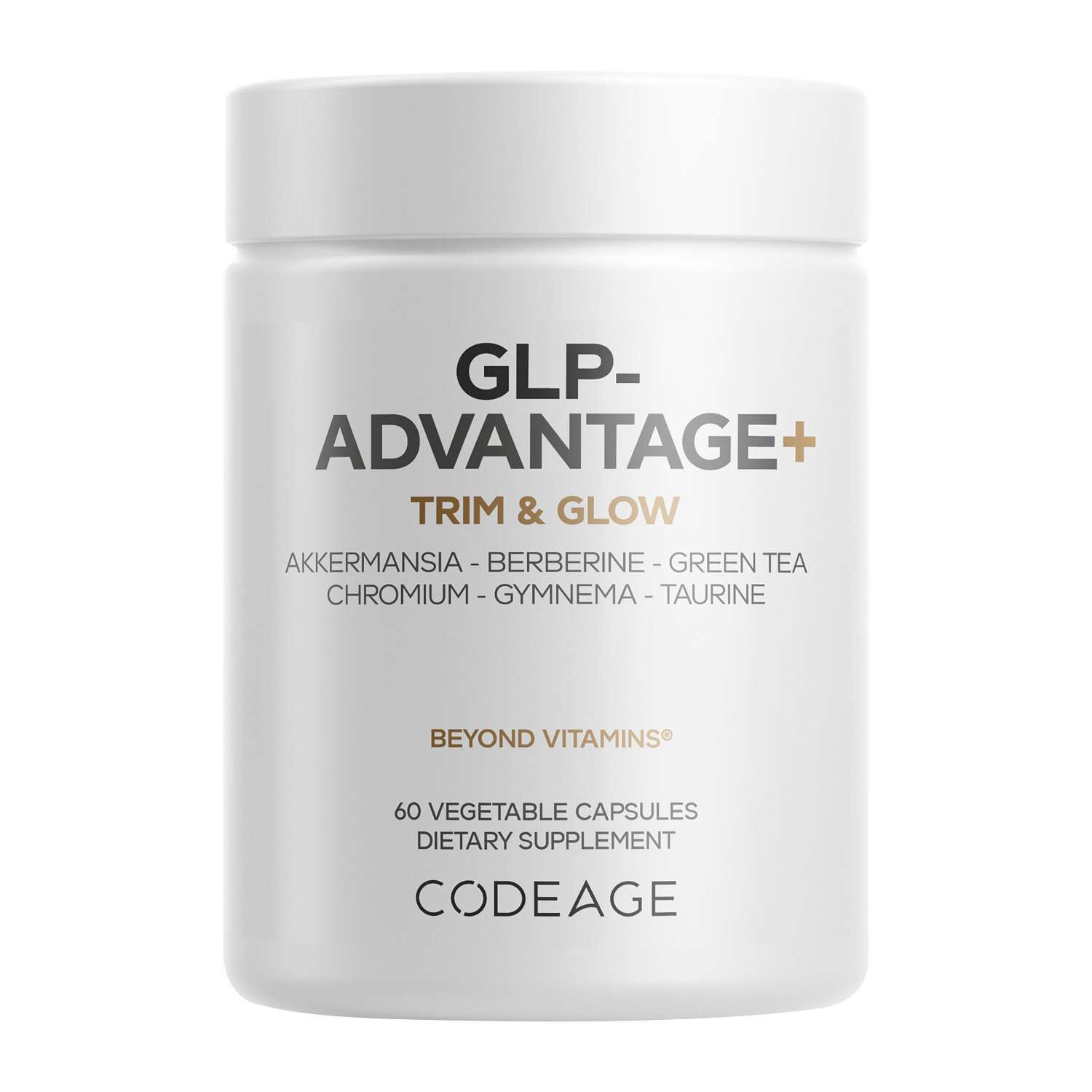


Vegan nootropic blends for adults bring together ingredients in formats made without animal-derived components, with a focus on everyday routines built around concentration, mental engagement, and busy schedules. The term “nootropic” is commonly used for supplements marketed for focus, memory, or mental energy, but it does not describe one standard ingredient list or a uniform experience. A blend may pair botanical extracts with amino acids, include mushroom ingredients, or combine several ingredient types in a single serving. Familiar names in this category include lion’s mane mushroom, L-theanine, caffeine, citicoline, ashwagandha, and rhodiola. Those names describe different ingredients, not interchangeable formulas, and their presence alone does not establish how a finished blend might affect someone. Vegan describes the sourcing of the entire formula, including its capsule shell, flavoring, and other supporting ingredients; it does not necessarily mean that every component comes directly from a plant. Mushrooms, for example, are fungi, while some ingredients may be produced through fermentation. For adults who avoid animal-derived ingredients, that distinction makes the full label more useful than leaf imagery or botanical language on the front of a container. These blends may appeal to someone organizing a writing session, returning to an evening course, working through a detailed creative project, or setting aside time for reading. Their intended place is within an adult routine, rather than as a substitute for sleep, meals, or time away from a screen. A useful comparison starts with the format, ingredient sources, serving size, and caffeine content rather than the length of the ingredient list. A shorter formula can be easier to understand, while a more extensive blend brings more components to review. Neither approach, by itself, establishes a better match. The practical question is whether the product’s stated purpose and directions align with the way it would be used, whether that means a capsule alongside breakfast or a measured powder prepared before a planned activity.
The details on a vegan nootropic blend’s label help distinguish products that otherwise sound similar. Botanical ingredients may be identified by common name, scientific name, and the part of the plant used, such as the root or leaf. Mushroom labels may specify fruiting body, mycelium, or an extract, and those descriptions provide more context than the mushroom name alone. An extract ratio describes a manufacturing relationship, while a listed amount of a particular constituent provides a different kind of information; the two should not be treated as equivalent. Likewise, the weight of a blend is not the same as the amount of each ingredient within it. Some labels list individual ingredient quantities, while others group ingredients under a blend name with a combined weight. Serving size matters here: a number shown on the Supplement Facts panel may represent two capsules or several gummies rather than a single piece. Caffeine also deserves a separate look because a formula may contain it as a named ingredient or through sources such as coffee or tea extracts. A botanical description alone does not reveal the caffeine amount. For someone whose day already includes coffee, tea, or another caffeinated beverage, a clearly stated amount makes the comparison more straightforward. L-theanine and caffeine sometimes appear together, but their pairing does not establish how the blend might feel to every adult. Vegan suitability involves another layer of detail. Capsules can use cellulose-based shells rather than gelatin, and gummies can use pectin, though the entire ingredient list still matters. Honey, dairy-derived ingredients, and animal-derived capsule materials do not fit a vegan preference. Flavorings, colors, sweeteners, and processing information may also influence a choice. A vegan statement or an identified certification can offer useful sourcing context, while an organic designation addresses different criteria. Neither label, on its own, establishes a particular result. Clear ingredient disclosure and product-specific testing information offer a firmer basis for comparison than broad descriptive language.
Format often determines whether a vegan nootropic blend fits comfortably into an ordinary day. Capsules offer a premeasured format without the preparation required by powders, although capsule size and the number per serving can vary. Powders involve measuring and mixing, making serving directions, scoop size, flavor, and texture especially relevant. A powder intended for water may have a different taste and consistency when mixed with another beverage, so the preparation instructions matter more than a general expectation that every blend will work in a smoothie. Botanical and mushroom ingredients can contribute earthy or bitter notes, and added flavors or sweeteners can change the character of the drink. Adults who prefer a drink format can explore Vegan Brain Health Powders with those practical details in mind. Gummies offer a chewable format, with serving count, texture, and sugar content providing additional points of comparison. A person carrying a small work bag may prioritize a securely closed container and straightforward preparation, while someone with a dedicated workspace may have room for a shaker cup and a measured serving prepared according to the label. Packaging and storage also deserve attention because these are consumable products, not durable accessories. Closure design, protection from moisture, and readable directions are more relevant than the appearance of the container. Follow the storage instructions, keep the original label with the product, and note the printed date information. A humid bathroom shelf, a sunlit windowsill, or a vehicle exposed to temperature changes may not match the stated storage conditions. Powder scoops and container rims should remain dry, and lids should be closed as directed after use. During the cooler months, changes in commuting, study schedules, or indoor routines may make portability and preparation more noticeable, but they do not change the importance of following product directions. If a supplement is being considered as a gift, the recipient’s established preferences for ingredients, flavors, and format matter more than an assumed need. A thoughtful match respects those preferences without suggesting that the recipient needs to change their concentration or productivity. Across formats, the most useful distinctions remain tangible: transparent sourcing, understandable serving information, clearly described ingredients, and preparation that suits the intended setting.


