

Vegan Protein Blends
(0 Results)
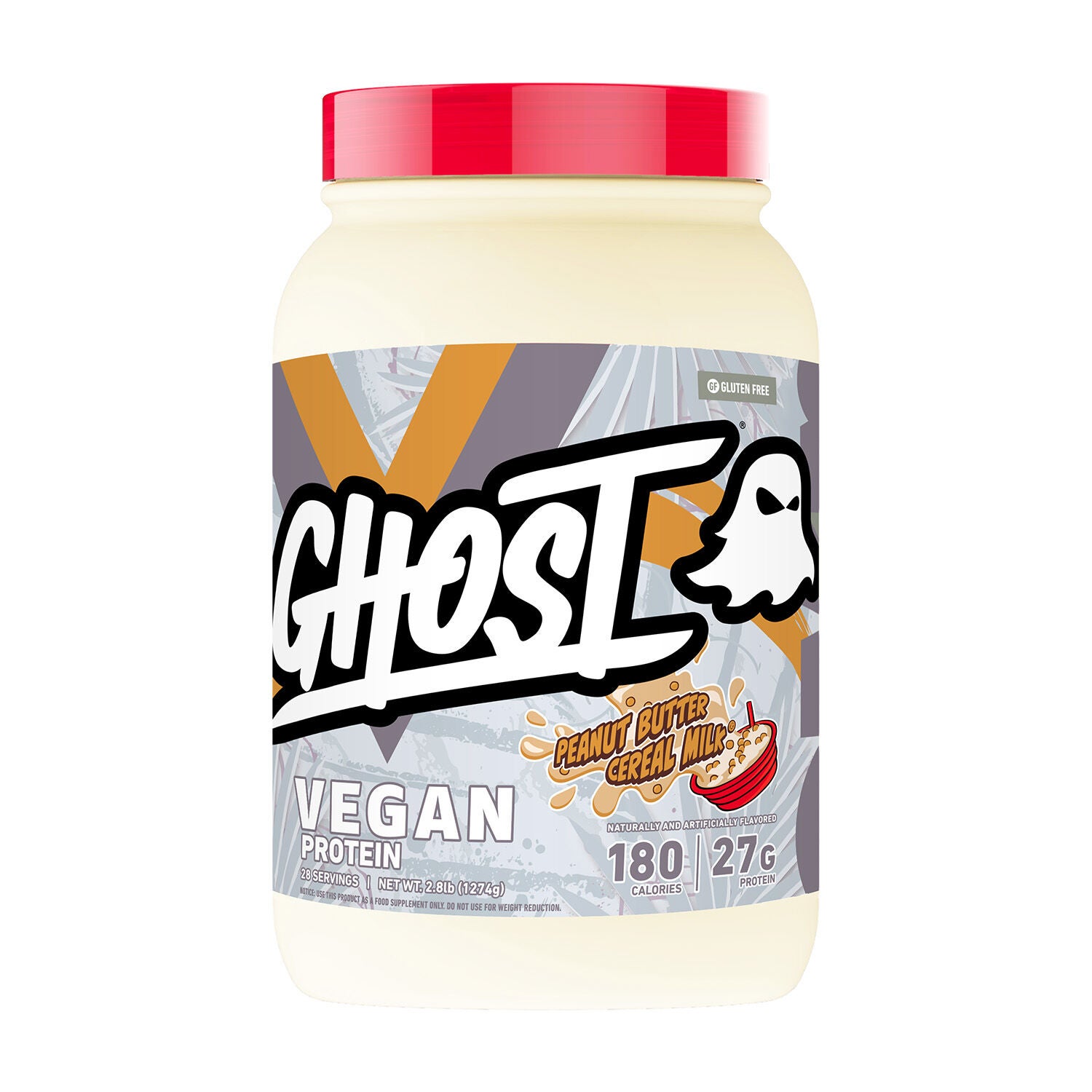
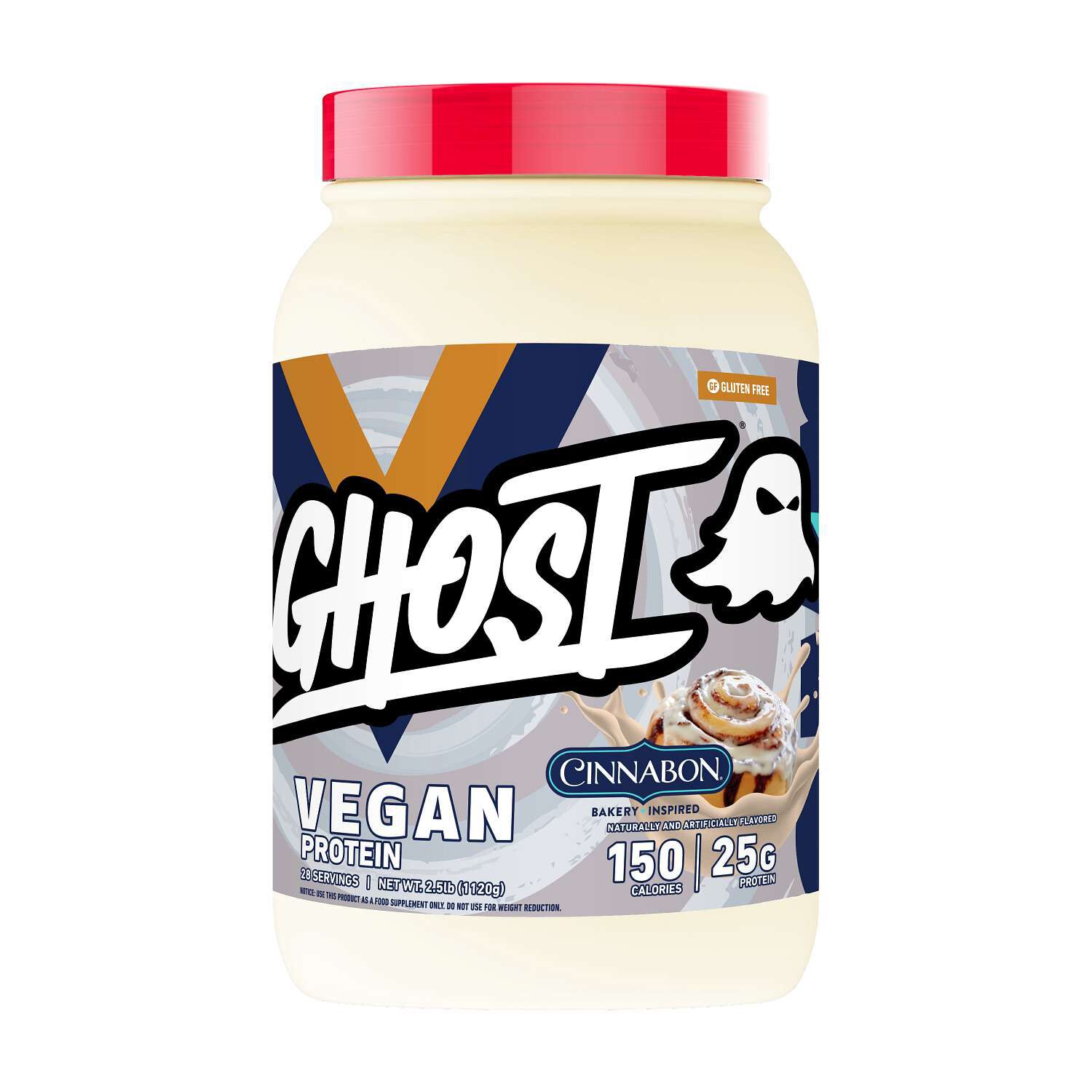
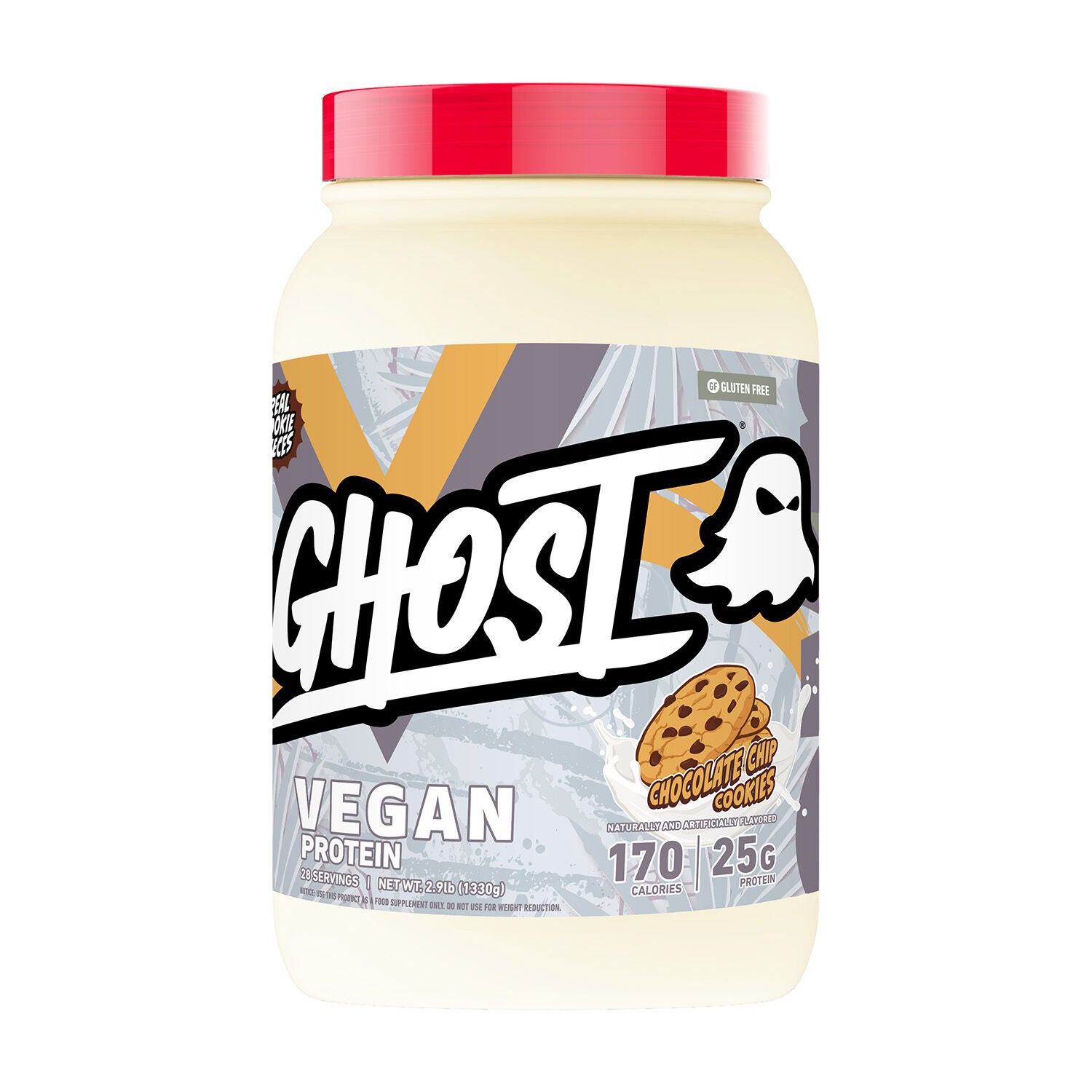
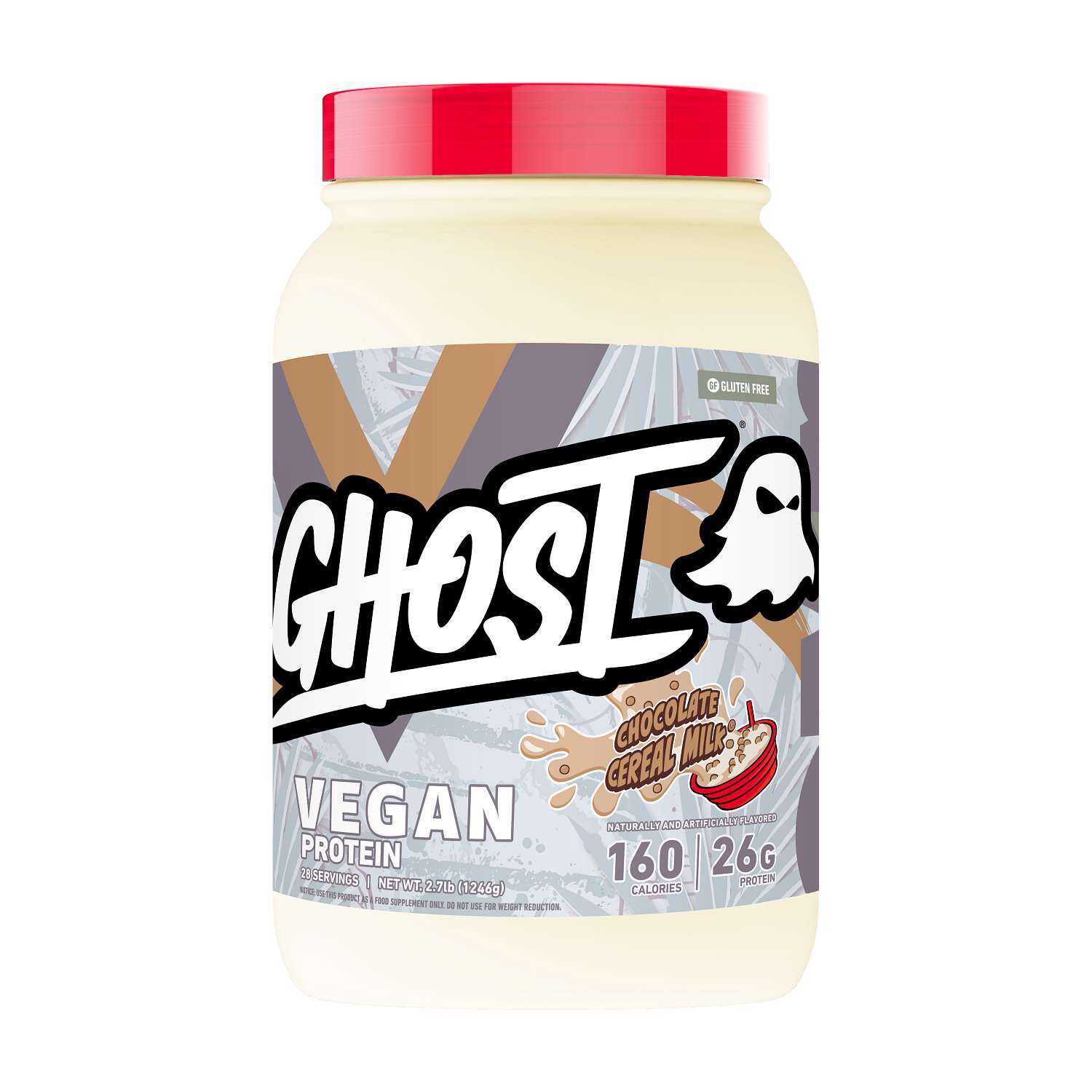
Vegan protein blends offer a plant-based option for those looking to support their wellness goals with ingredients derived from sources like peas, brown rice, and other nutrient-rich plants. These blends may fit seamlessly into a variety of lifestyles, whether you're seeking new ways to fuel your day or exploring alternatives to traditional protein options. With vegan protein blends, you could discover convenient options that align with your dietary preferences and help you stay on track with your nutrition routine.


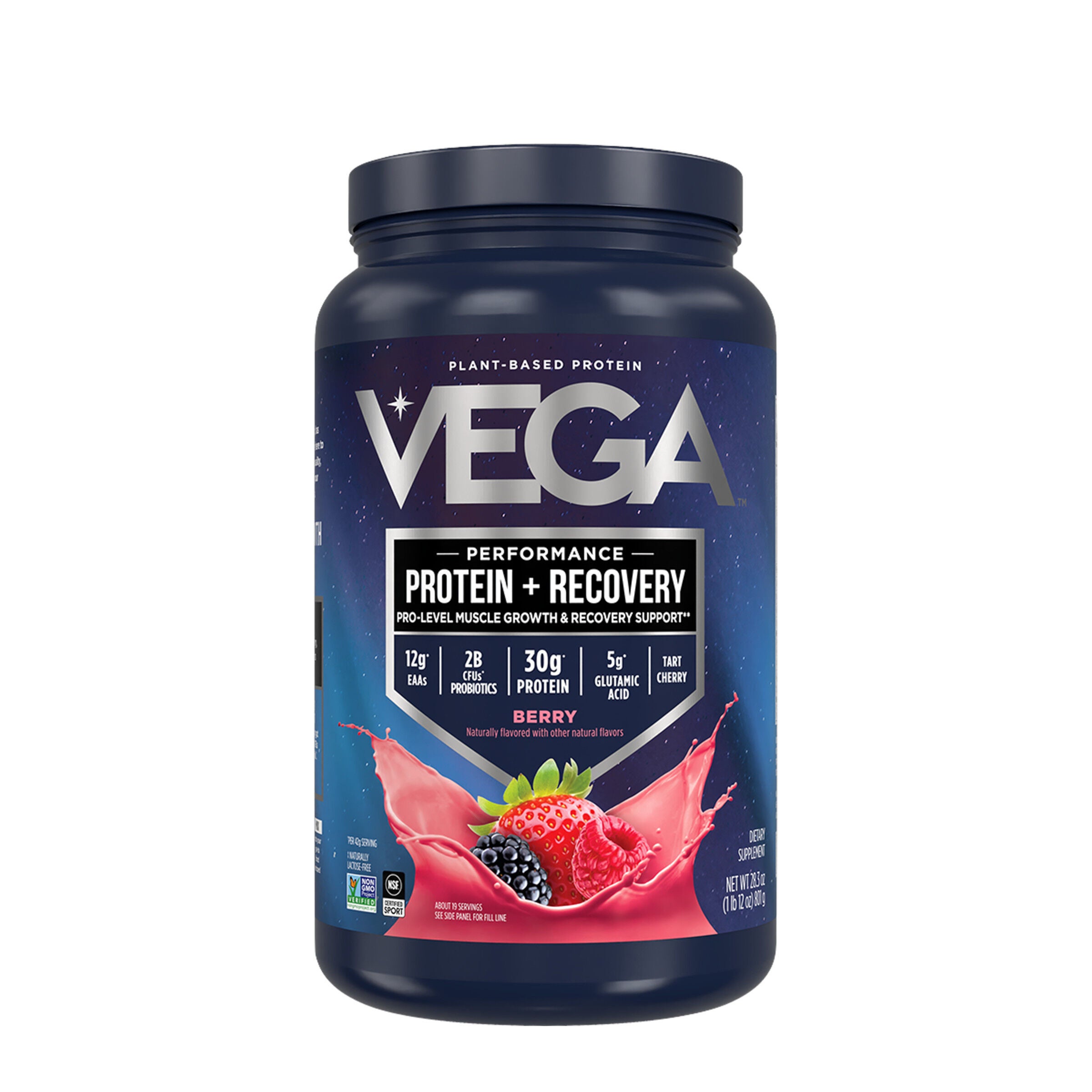
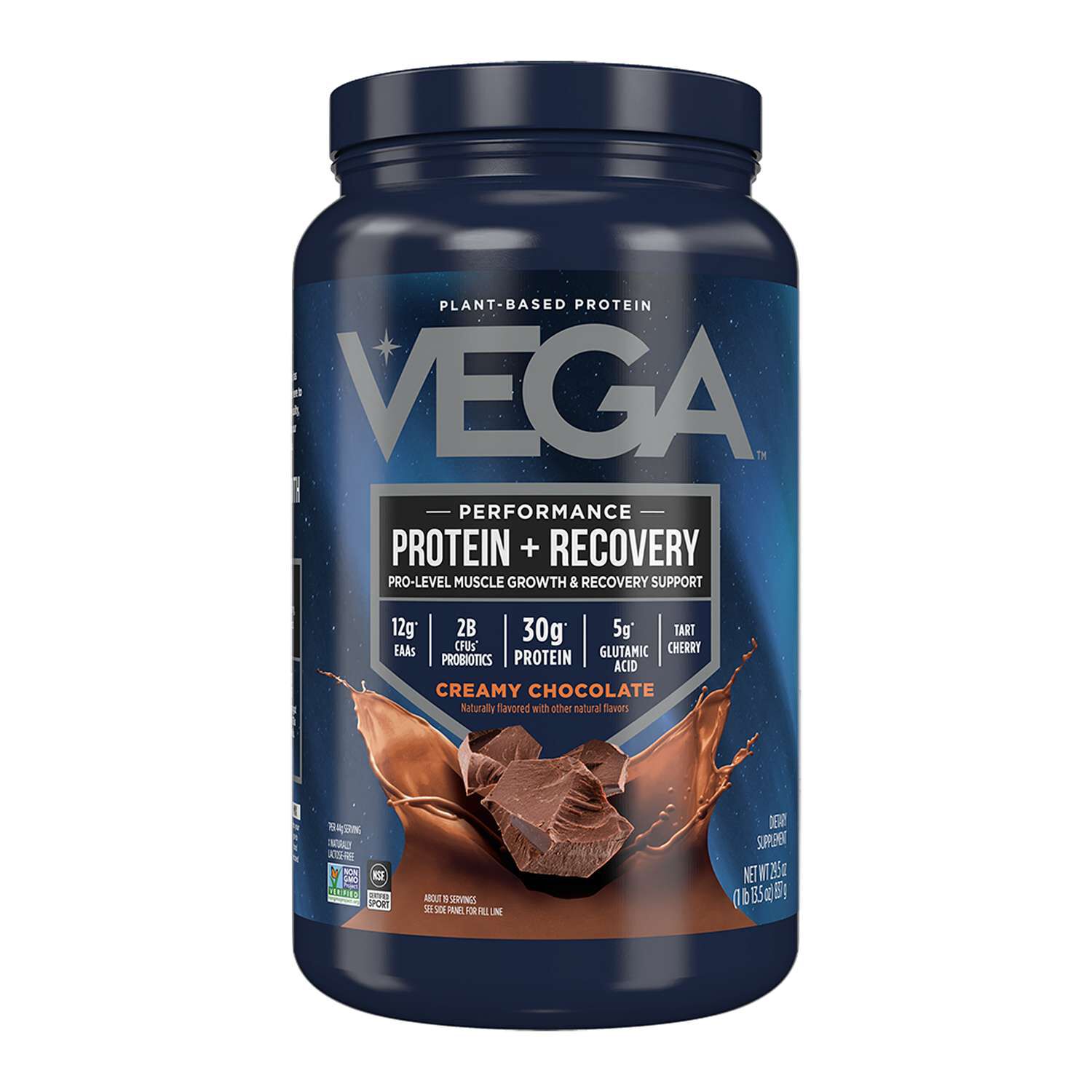

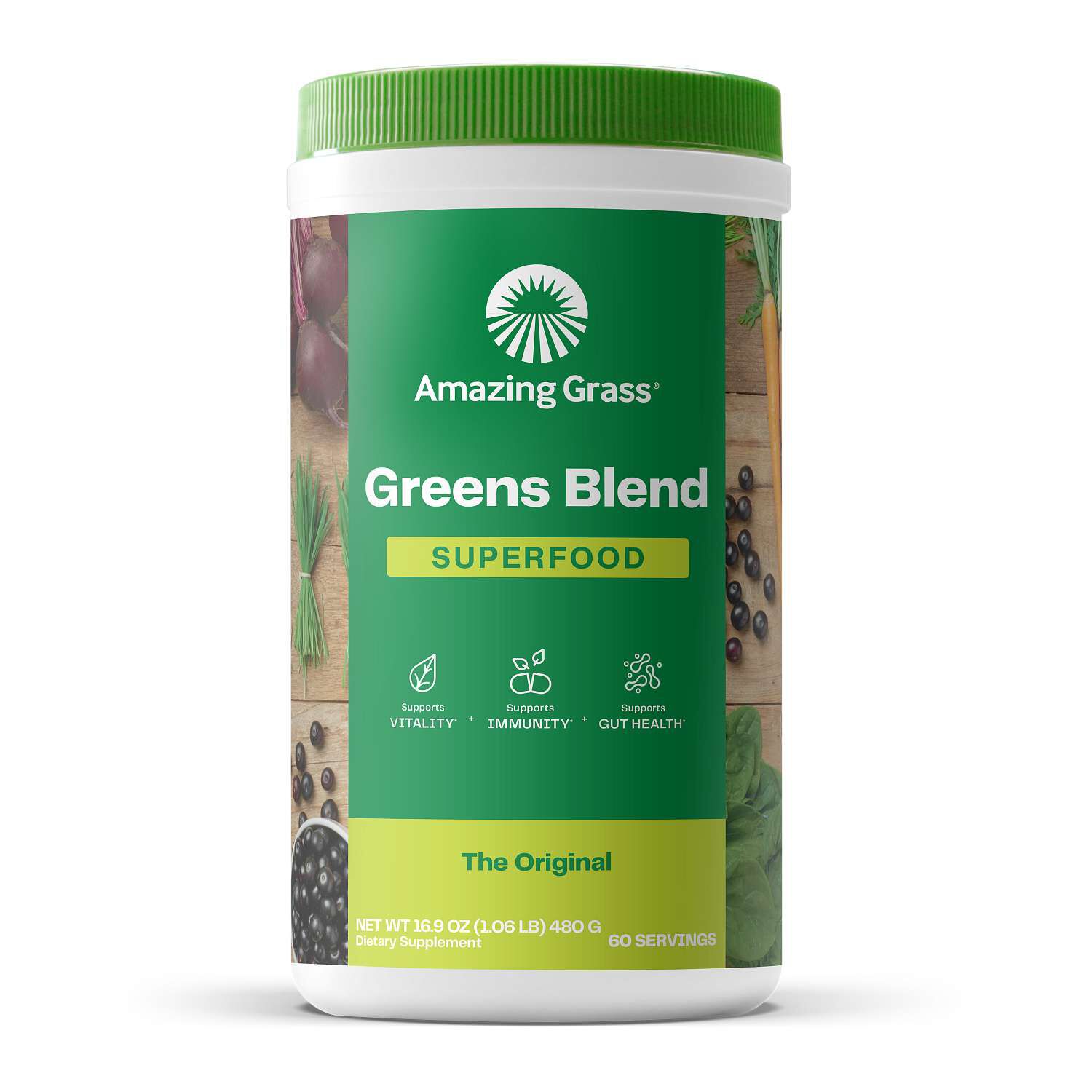
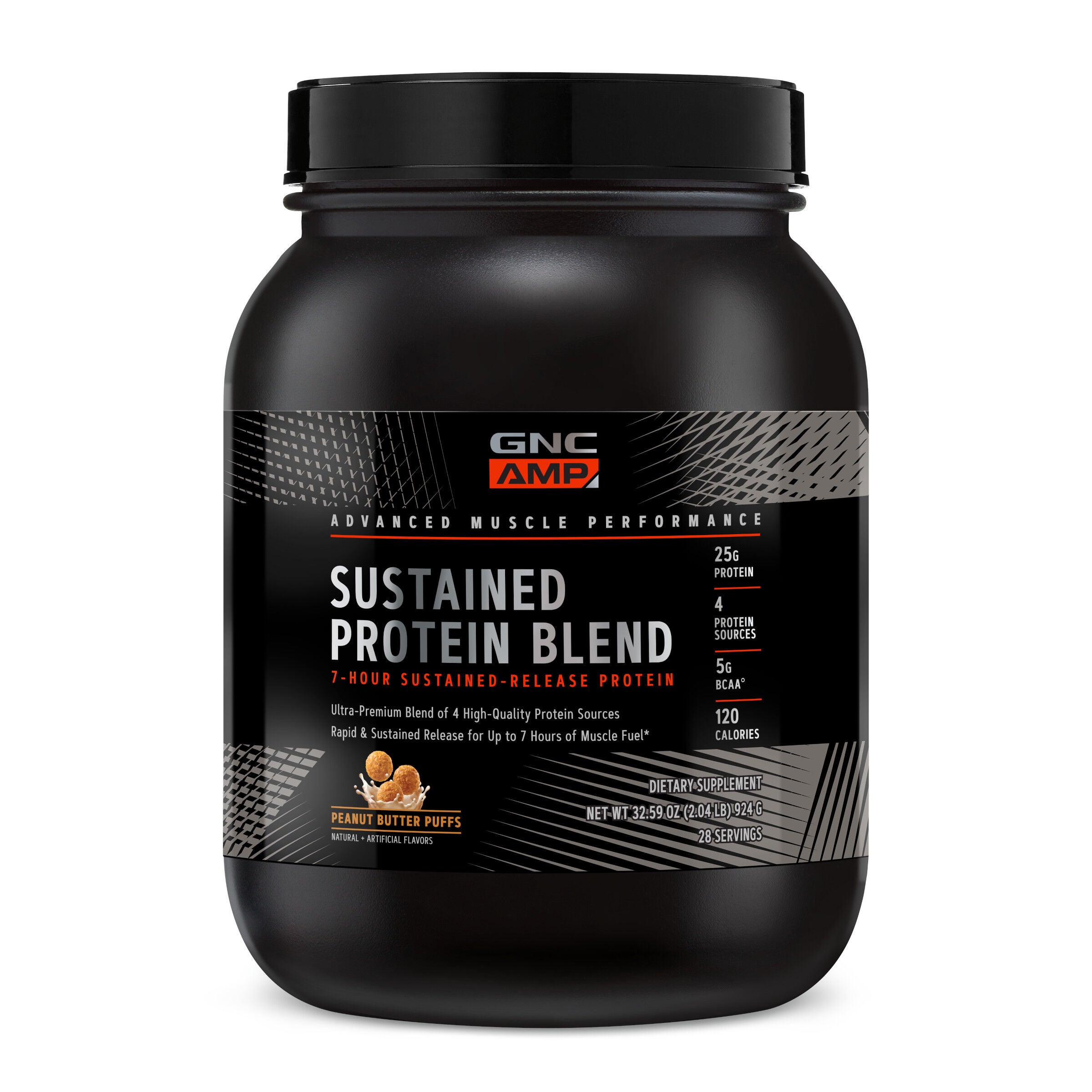
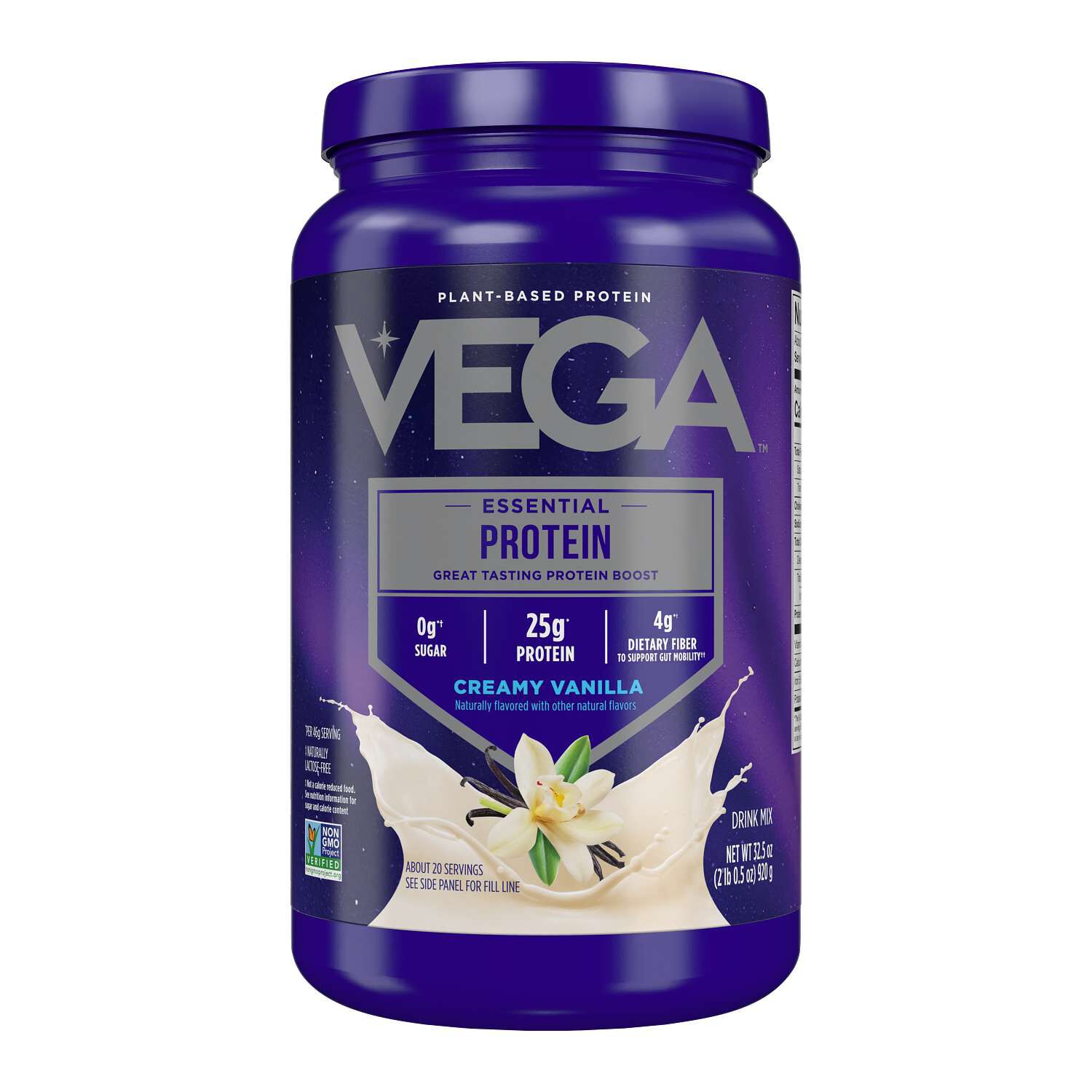

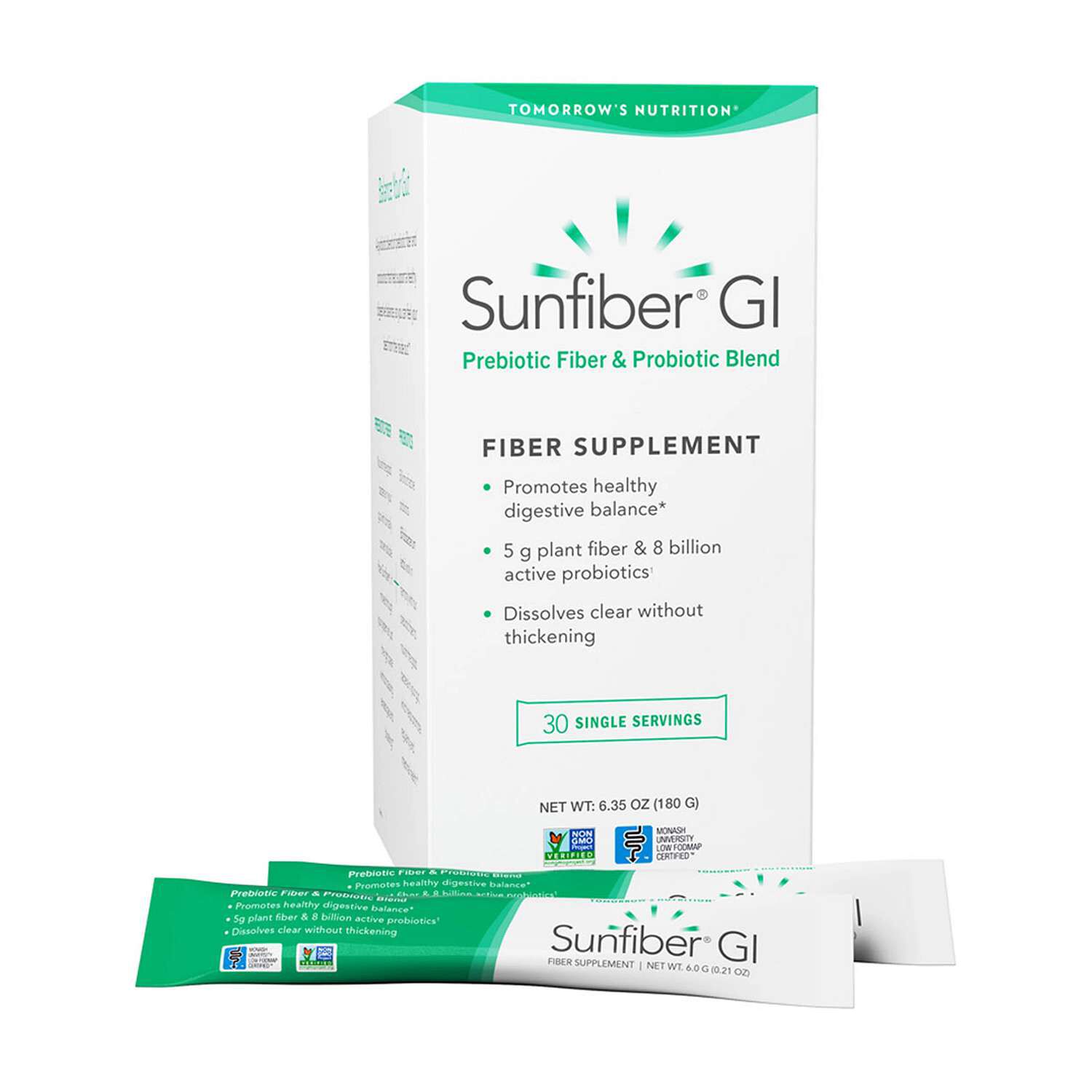
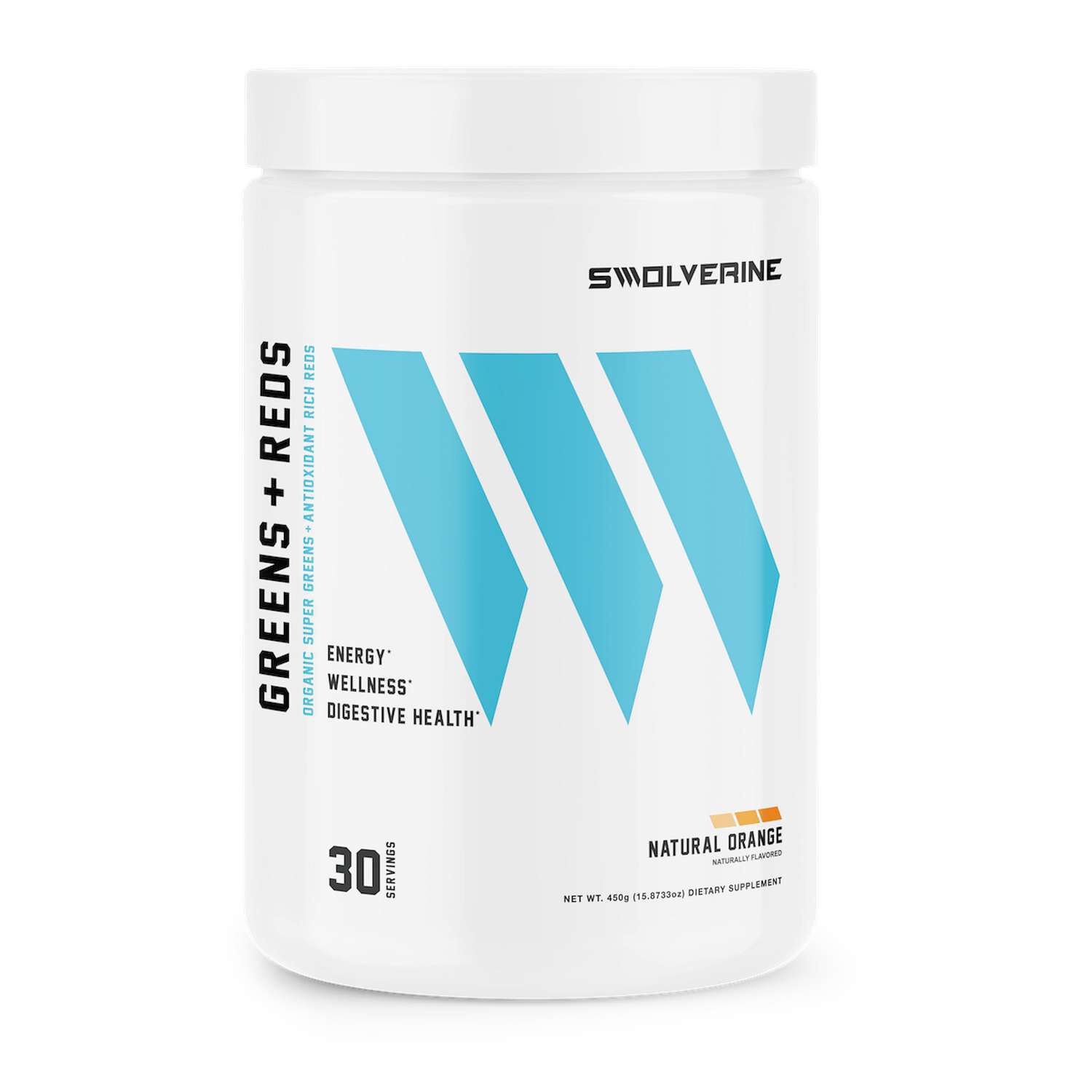


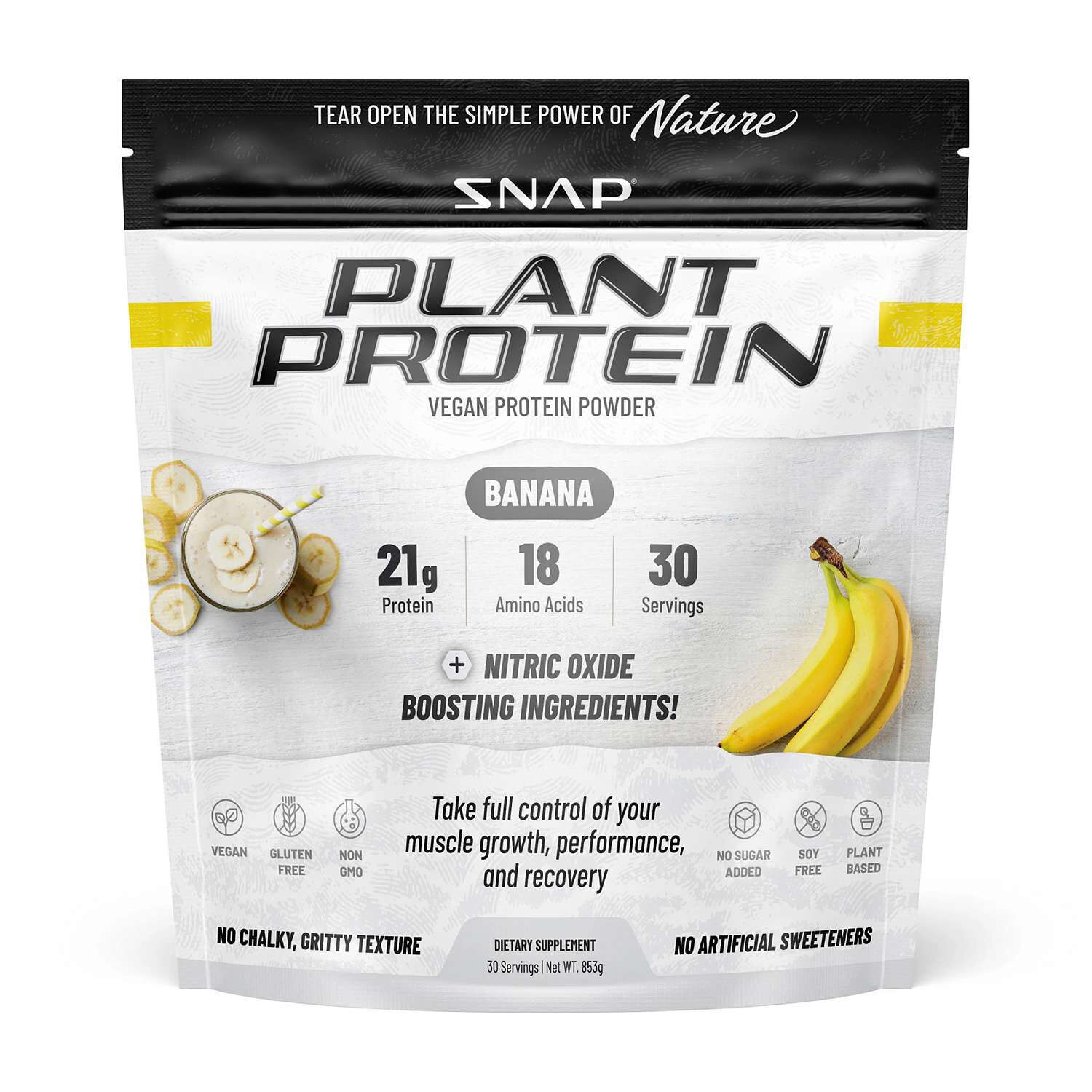
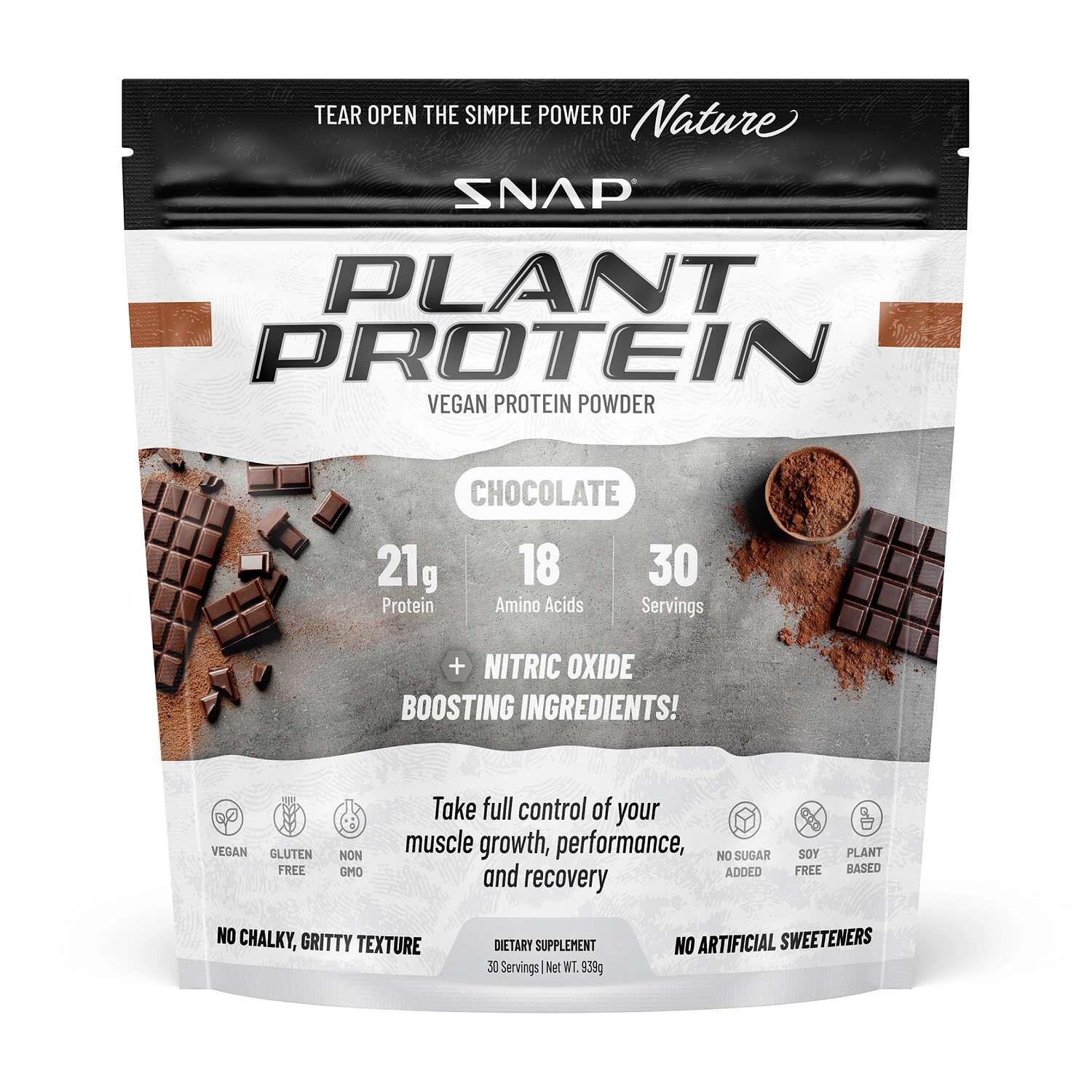
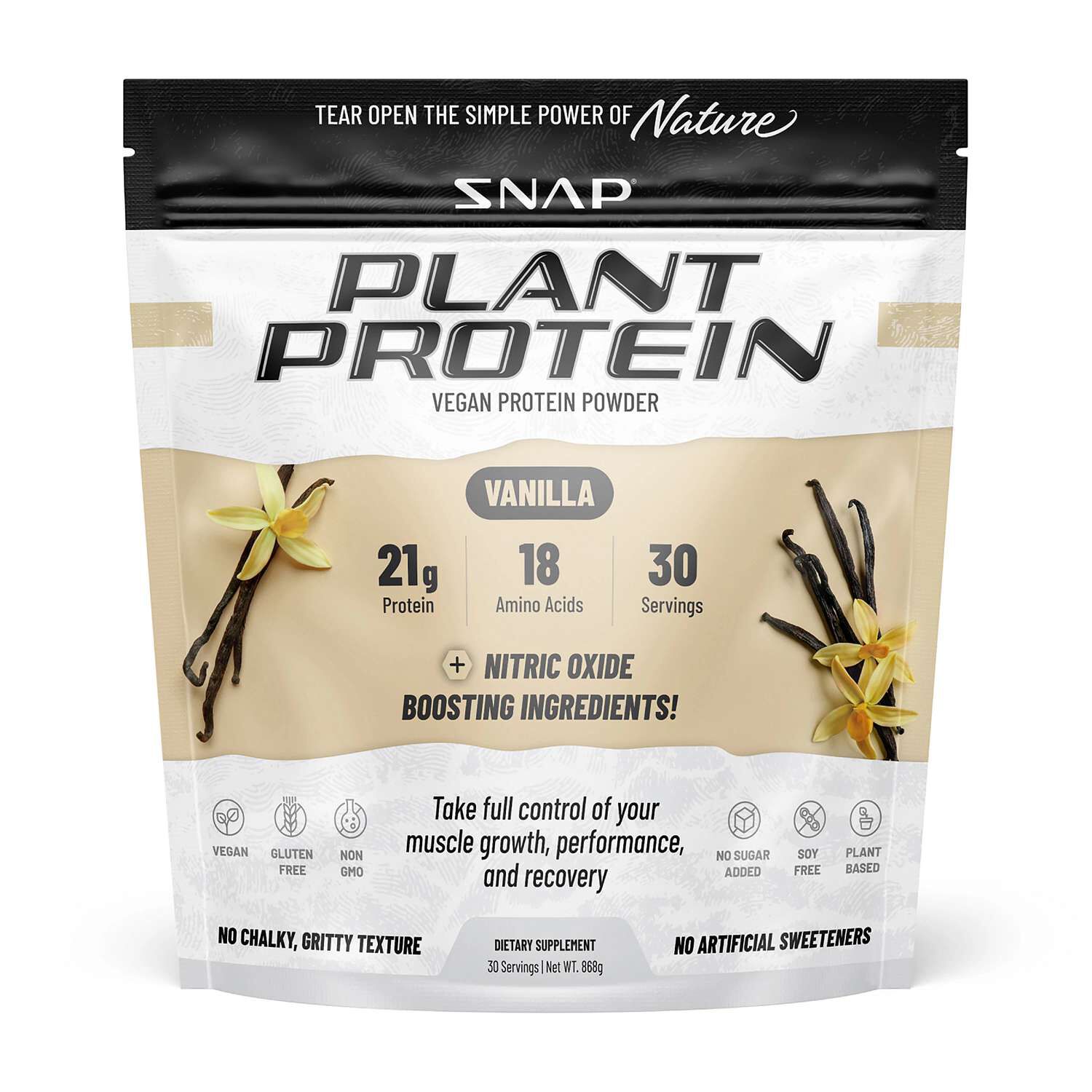
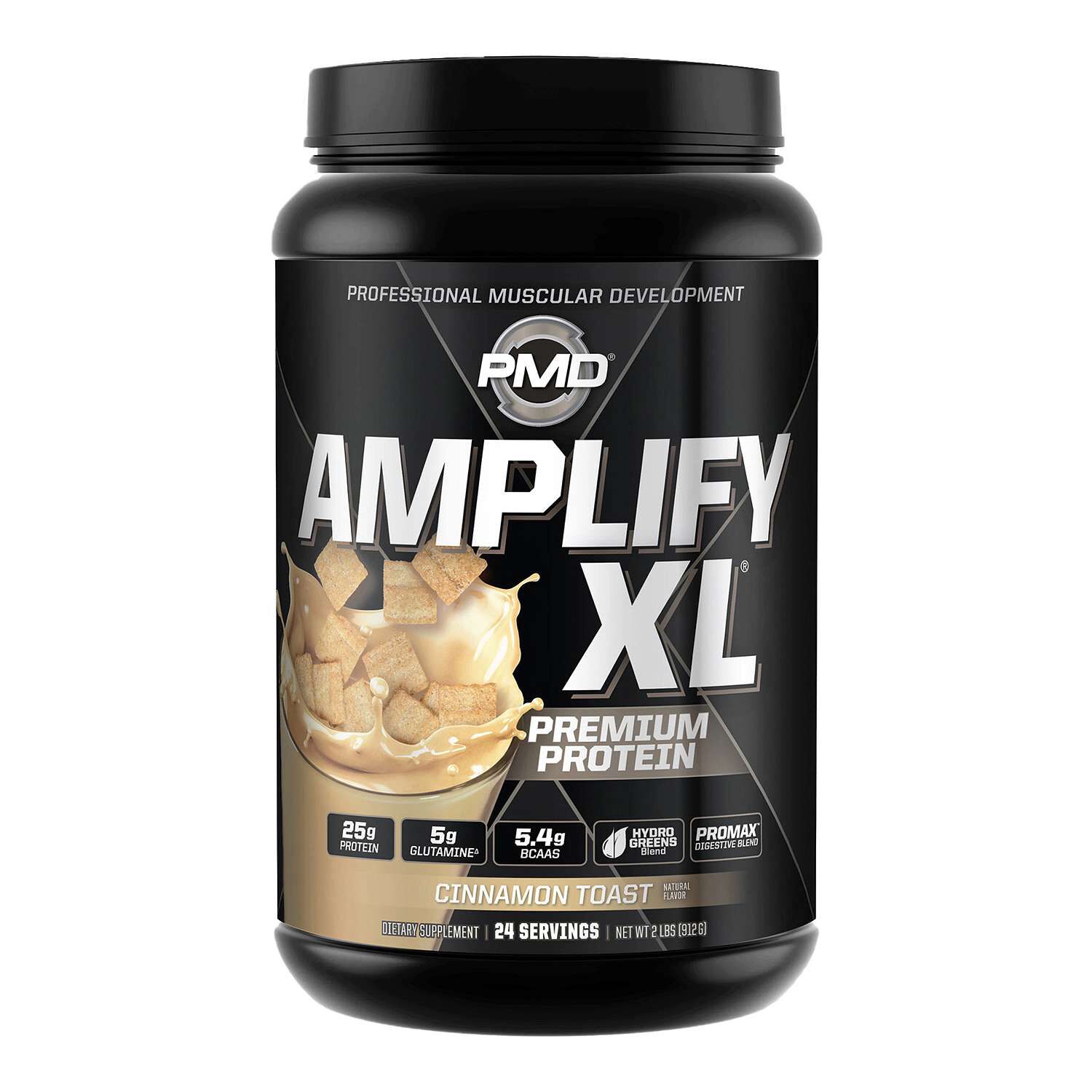


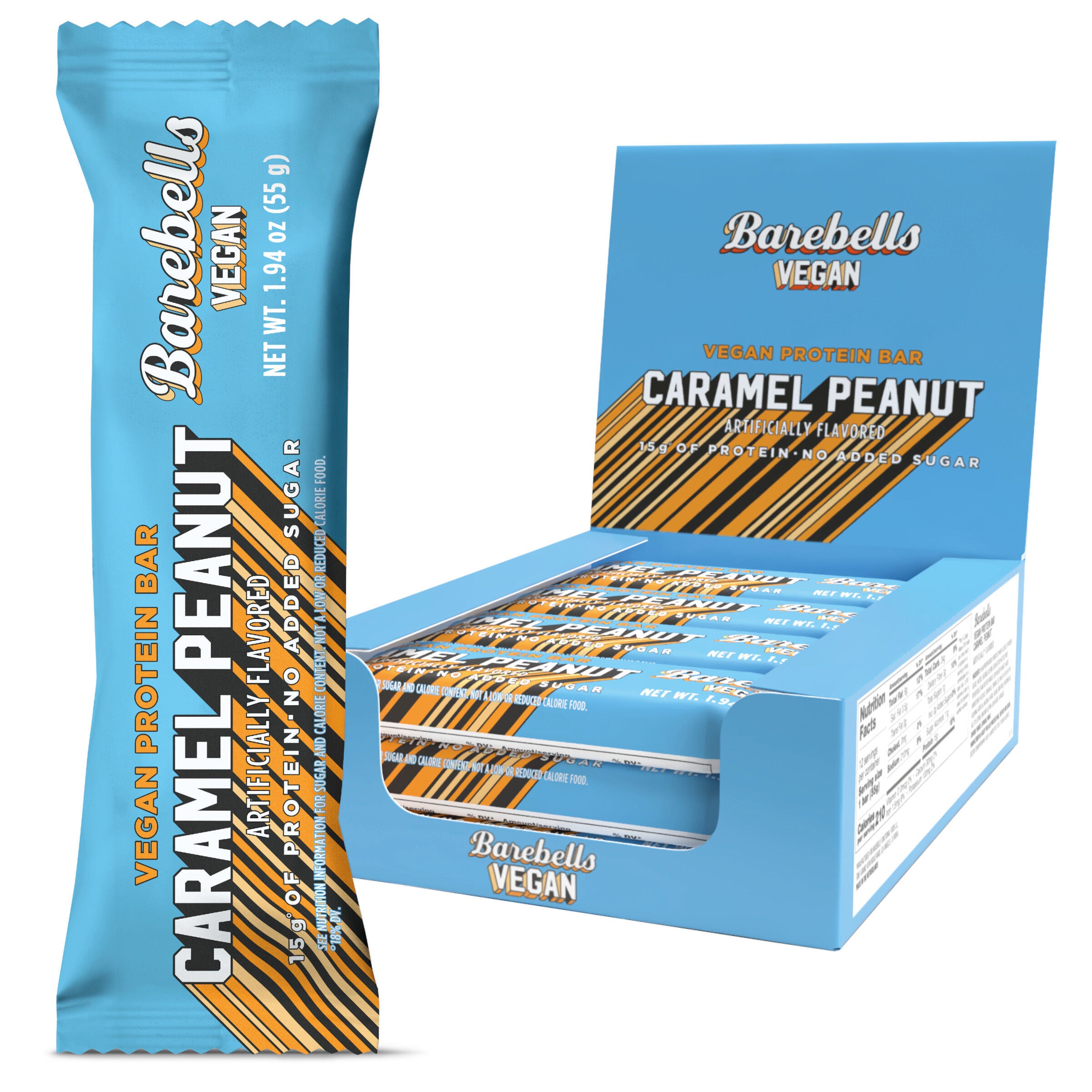
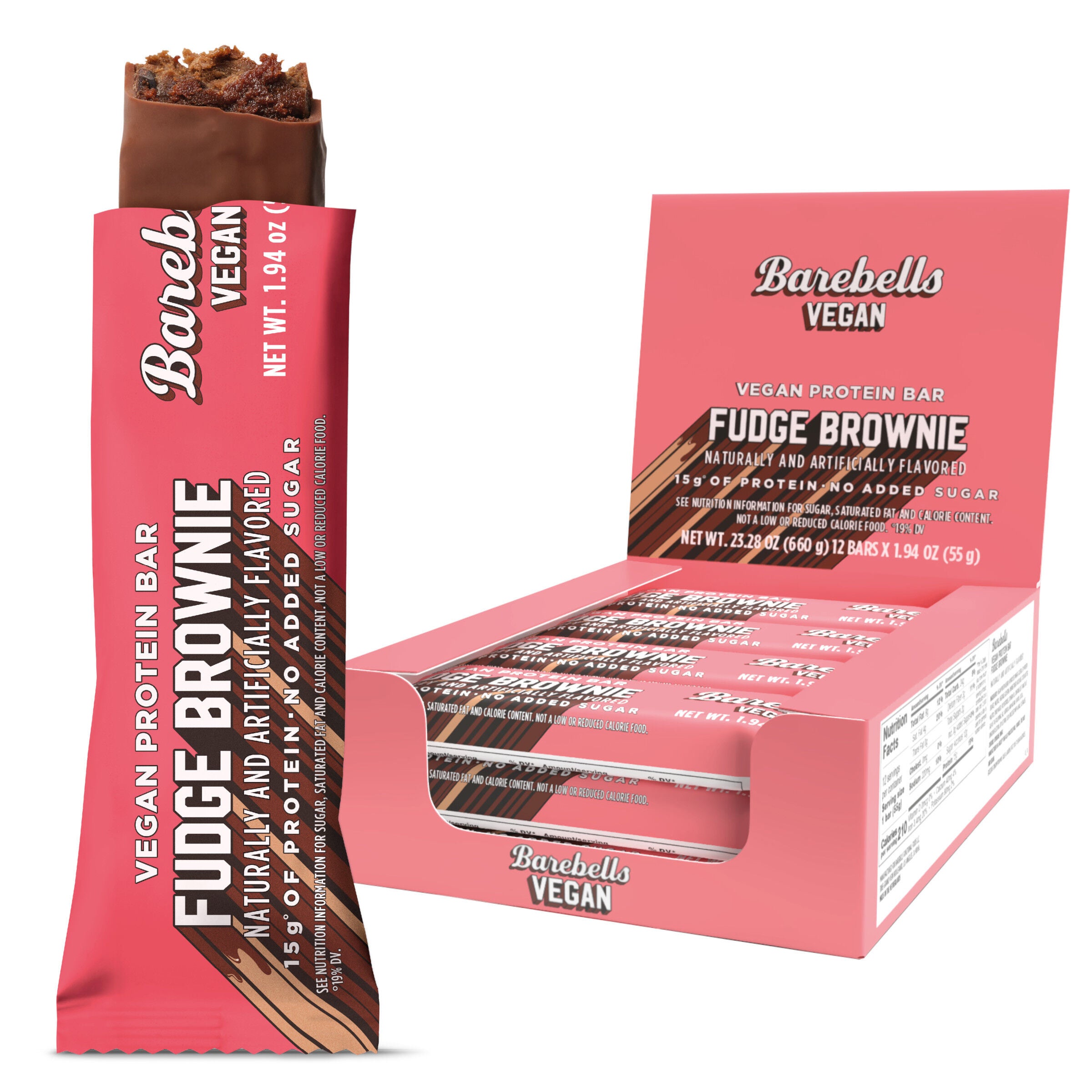
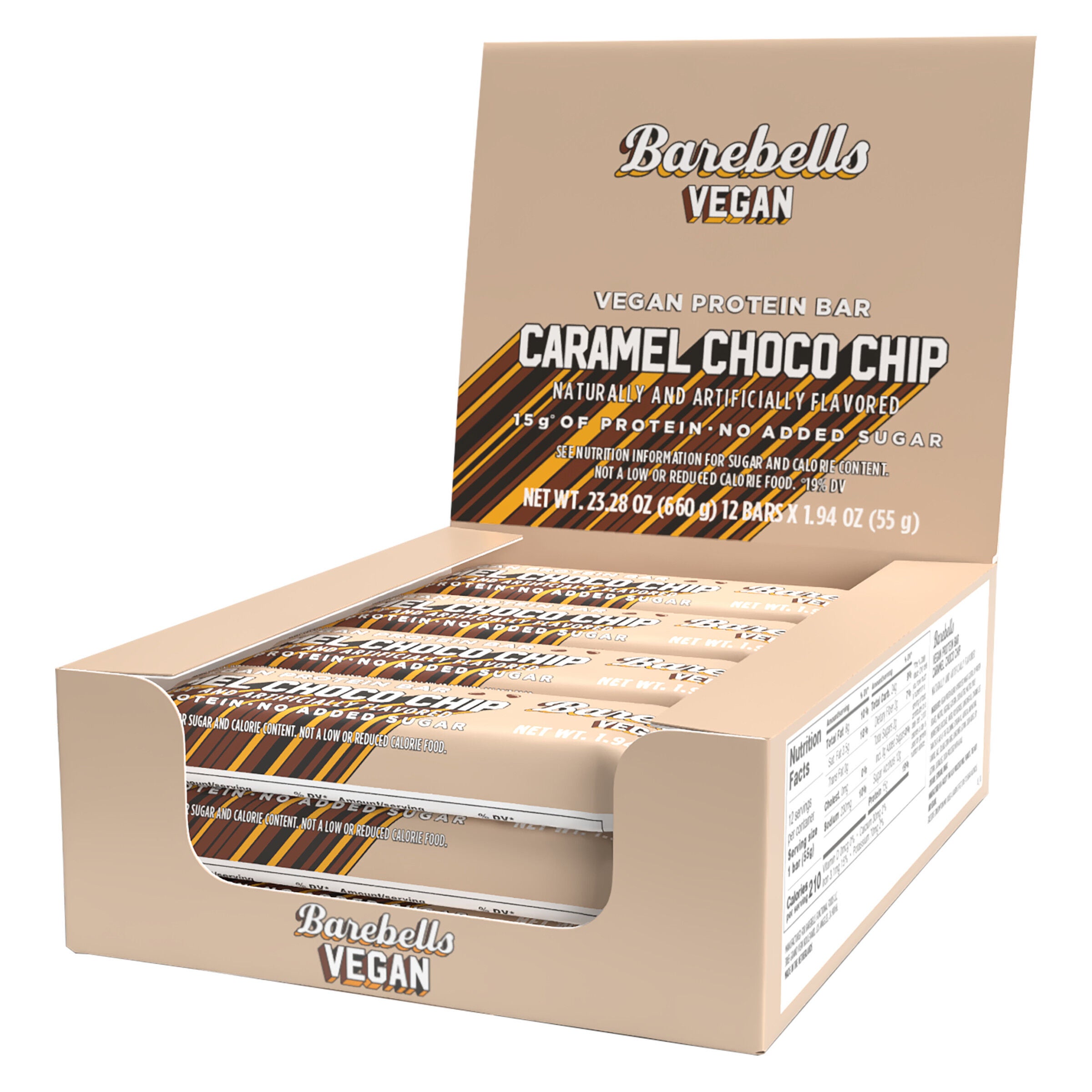

Vegan protein blends combine protein from two or more plant sources in a single powder, bringing together ingredients such as pea, brown rice, soy, pumpkin seed, or chia. Unlike a single-source powder, a blend pairs ingredients with different amino acid compositions, flavors, and mixing characteristics. Pea and brown rice are a familiar pairing because their amino acid profiles complement each other, while seed proteins add another dimension to the ingredient mix. The exact proportions and processing methods matter, so two powders with similar ingredients can still taste and mix differently. For shoppers comparing plant-based protein powders, the most useful details are the protein sources, grams of protein per serving, serving size, and the full ingredient list. Scoop size alone is not a reliable comparison: a larger serving can contain more flavoring, carbohydrate, or other ingredients alongside the protein. Amino acid information, when provided on the label, offers another point of comparison beyond the number of grams listed per serving. A vegan designation refers to ingredients without animal origins, but it does not automatically mean a powder is organic or made without soy, wheat, or nuts. Ingredient lists and allergen statements remain important, including for blends made primarily from peas or rice. Some formulas contain sweeteners, gums, added fiber, or enzymes; others have shorter ingredient lists centered on the protein sources and flavoring. Those differences shape the kind of powder a shopper might prefer for a simple shake versus a recipe with several other ingredients. Vegan protein blends fit a range of food preferences, from an entirely plant-based eating pattern to a mixed diet that includes more plant ingredients. They may help supplement protein intake alongside varied meals, and they are not limited to people who follow a vegan diet. For recreational athletes, regular gymgoers, or anyone navigating a busy schedule, a blend may offer a practical way to add protein to an eating routine without relying on animal-derived powders.
Flavor and texture often determine how naturally a vegan protein blend fits into everyday use. Chocolate, vanilla, and unflavored powders each suit different combinations, but those names do not tell the whole story. A chocolate blend might have a deep cocoa character or a sweeter, dessert-style taste, while vanilla can range from subtle to pronounced. Unflavored powder still carries the character of its ingredients, which can include earthy, nutty, or mild legume notes. Sweeteners such as stevia or monk fruit contribute their own finish, and a formula with added sugar will differ from one sweetened another way. Blending several plant proteins may create a smoother texture than some single-source powders, though ingredient processing, particle size, and preparation also influence the result. Plant powders can range from light and pourable to thick and slightly grainy, particularly when mixed with only a small amount of liquid. Water keeps the preparation simple and puts the powder’s flavor front and center. Oat, almond, or soy beverages introduce their own taste and texture, while their nutritional contribution varies by beverage. A blender with frozen banana or berries may produce a thicker, more uniform drink than a shaker bottle, especially with a blend that contains seed ingredients or added fiber. The package’s mixing directions provide a useful starting point for liquid quantity and serving size. For a familiar breakfast pairing, vanilla with oats and cinnamon has a different character from chocolate with banana and peanut butter. An unflavored blend may suit a smoothie in which fruit supplies most of the sweetness. These powders also have uses beyond a cold shake, including stirred preparations and baked recipes that call for protein powder. In oatmeal, pancakes, or muffins, the powder can change moisture absorption and batter thickness, so a recipe developed for plant protein is a more dependable starting point than a direct swap for flour. During the cooler months, those familiar breakfast formats offer alternatives to an icy drink.
Choosing among vegan protein blends also involves the less glamorous details: where the container will sit, how often it will be opened, and what preparation looks like on an ordinary day. A powder intended for a morning smoothie has different practical demands from one carried to the gym or kept in a desk drawer. At home, a wide container opening and clearly marked serving instructions can make measuring straightforward. For a commute, a clean, dry shaker with a separate portion of powder keeps the liquid and dry ingredients apart until mixing. A blend that needs a countertop blender to reach a preferred consistency may be a better match for a kitchen routine than for use between errands. Package size deserves the same kind of consideration. Someone who makes a shake most mornings may prefer a larger format, while a household using powder occasionally may have different storage needs. For routines built around frequent use, Bulk Vegan Protein Powder is a related category to consider alongside ingredient preferences, flavor, and servings per container. Larger packaging does not establish protein concentration or serving size; those details still come from the label. Storage instructions and the date printed on the package matter regardless of container size. A securely closed lid or resealable pouch, a dry scoop, and a cool, dry storage area away from direct sunlight are common handling considerations, with the manufacturer’s directions taking priority. Moisture introduced by a wet utensil can cause clumping and affect the condition of the powder. Prepared shakes require different handling from dry powder, particularly when they include plant beverages, fruit, or other perishable ingredients. Cleaning shaker threads, lids, and mixing inserts after use also matters for the next serving. For a shared household, keeping the original label with the powder preserves ingredient, allergen, and preparation information. The most suitable vegan protein blend is not necessarily the one with the longest ingredient list or the most elaborate flavor. It is one whose protein sources, taste, preparation requirements, and packaging match the way it will actually be used, whether that means a quick shake after a workout, a blended breakfast, or an ingredient in a familiar recipe.