

Vegan Dietary Powders
(0 Results)
Vegan dietary powders offer a convenient way to support plant-based lifestyles and daily nutrition goals. Whether you’re looking to add more plant-powered options to your routine or seeking versatile blends for smoothies, shakes, and recipes, vegan dietary powders could be a great fit. Explore a variety of flavors and formulations that may align with your wellness journey and personal preferences. Discover how vegan dietary powders might complement your balanced approach to living well.

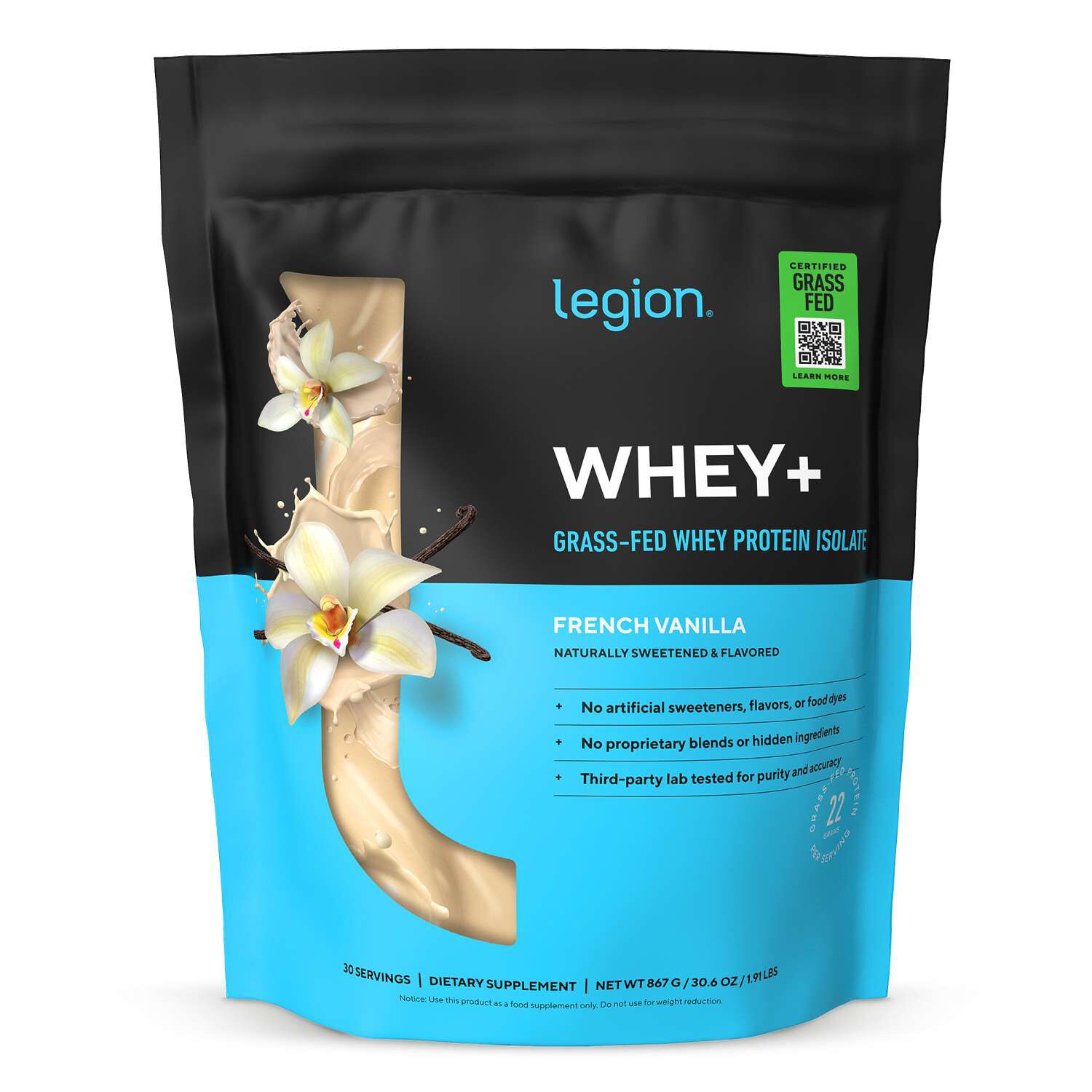
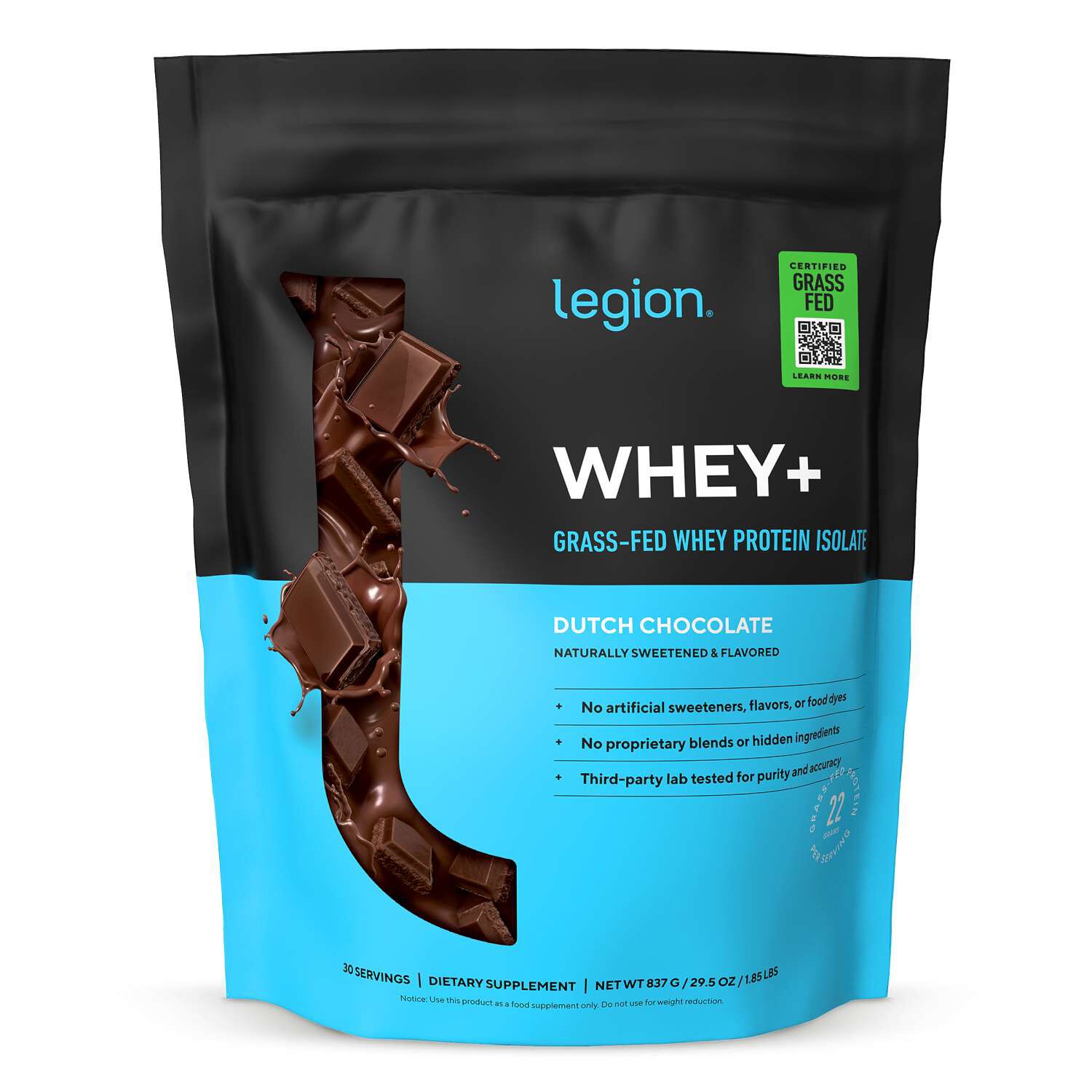


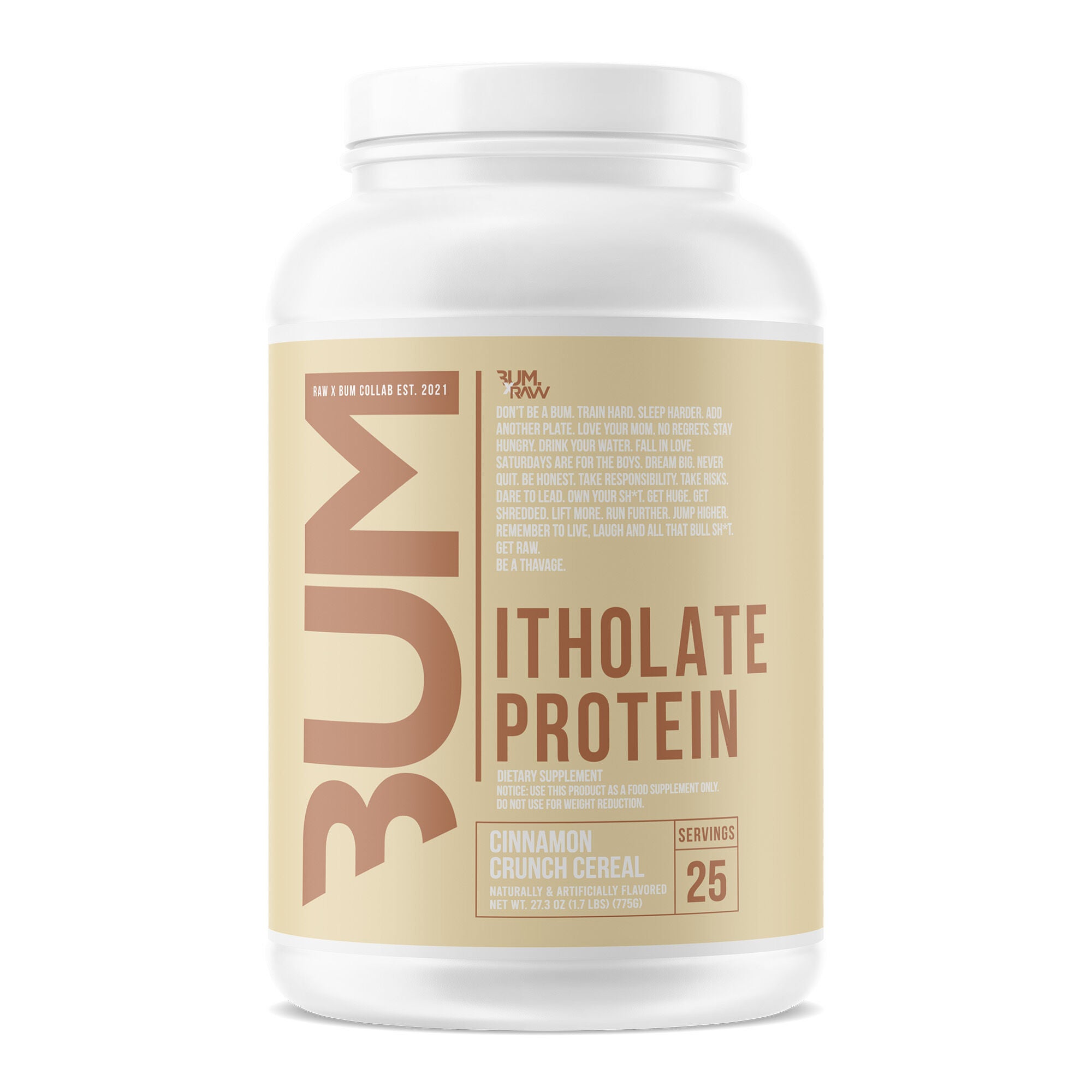

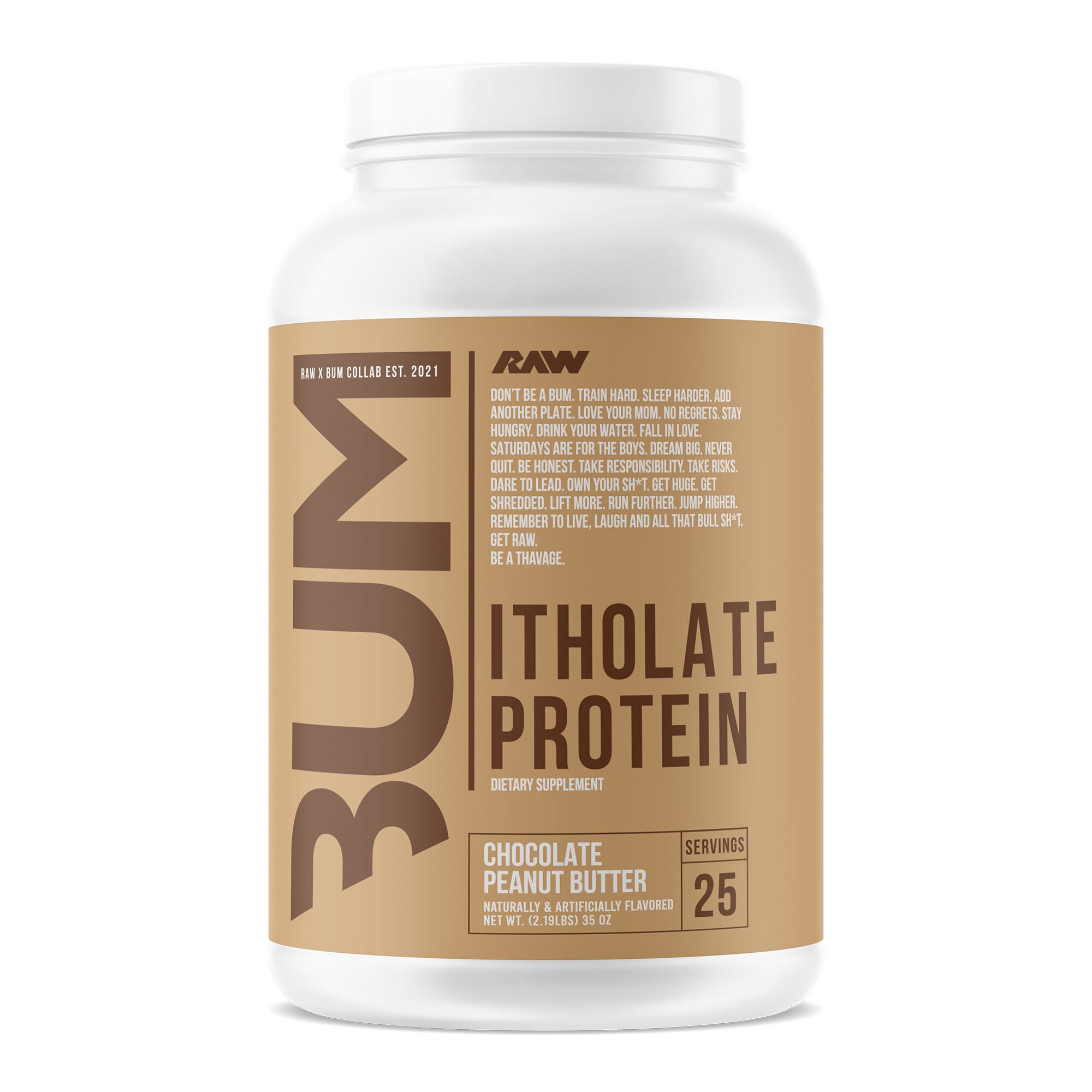
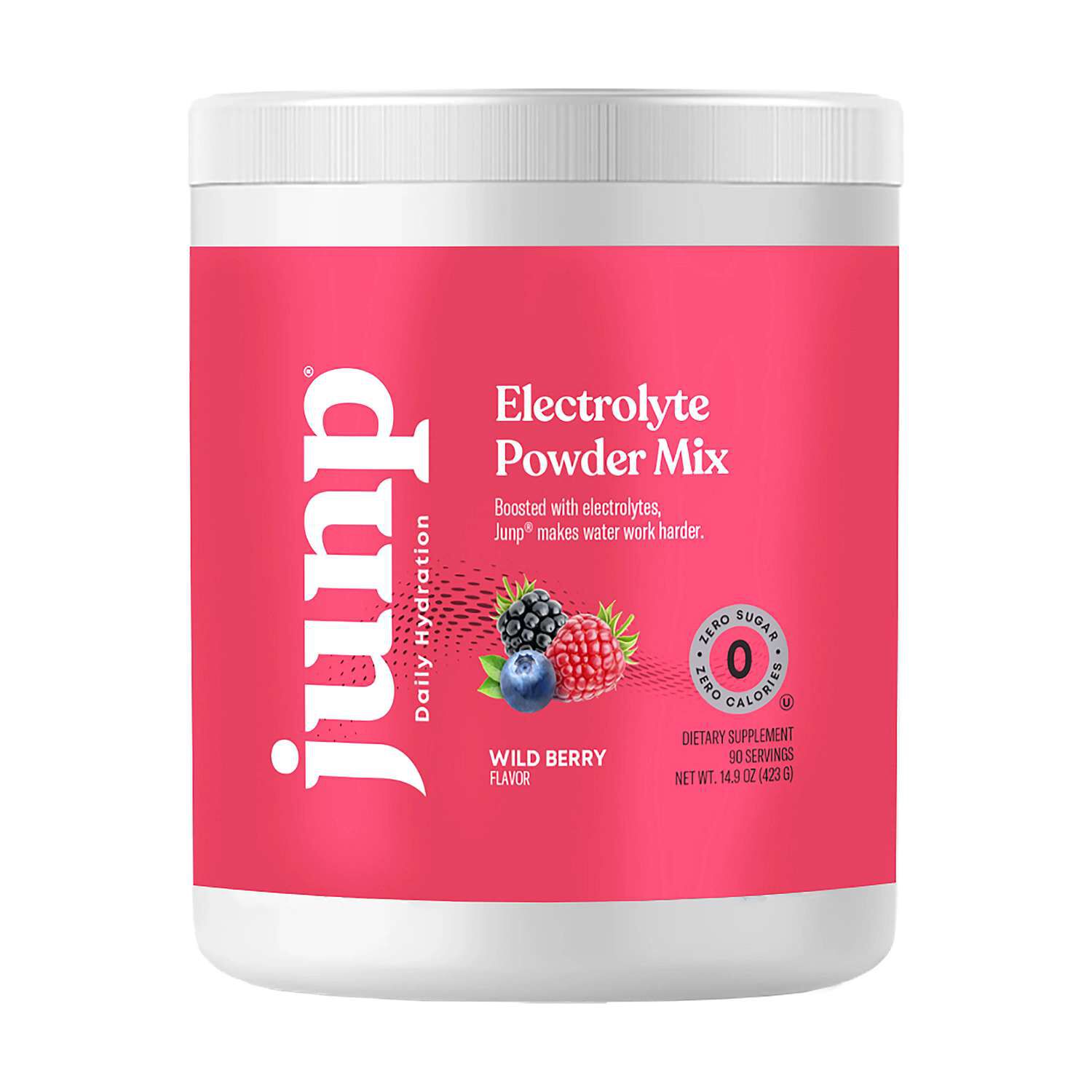


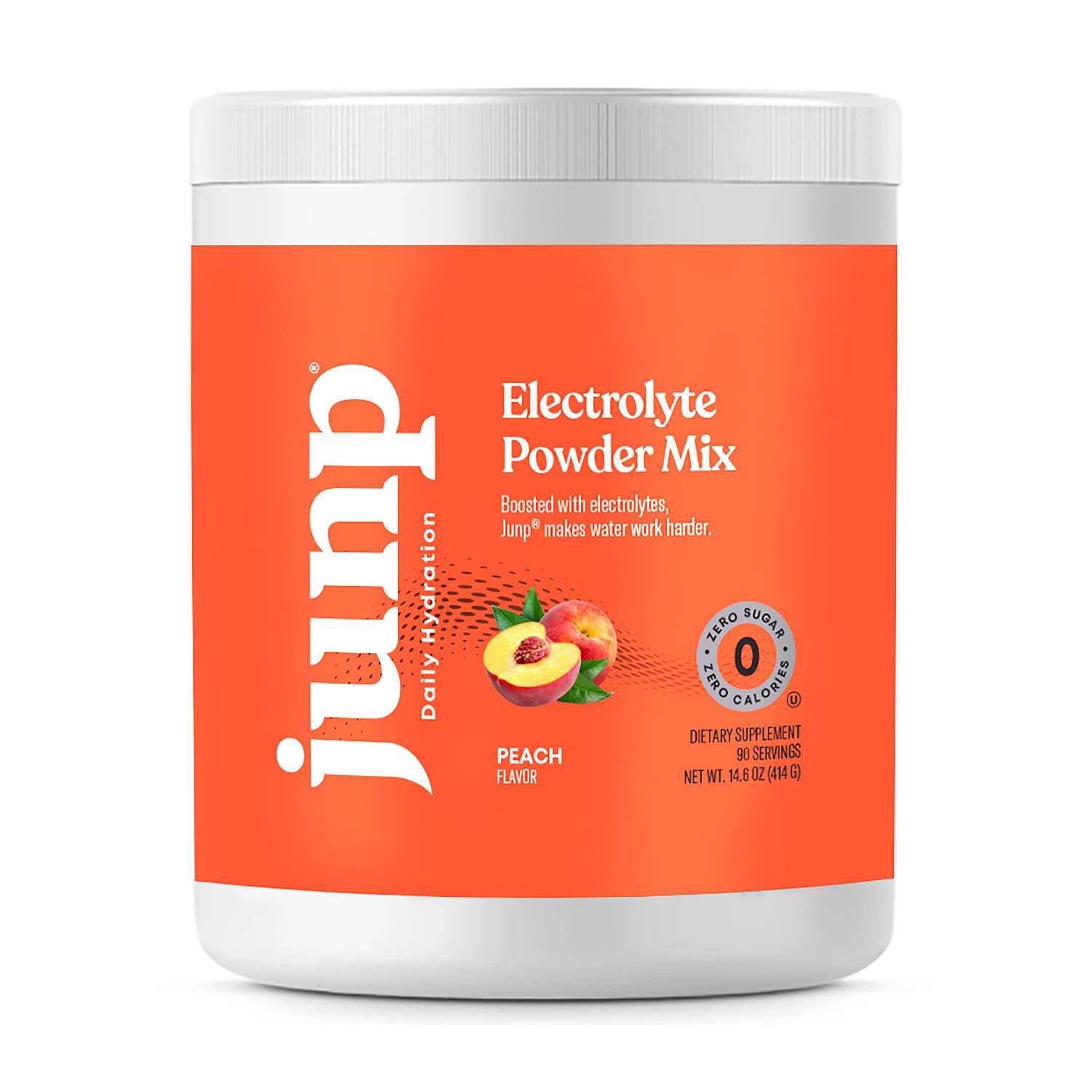


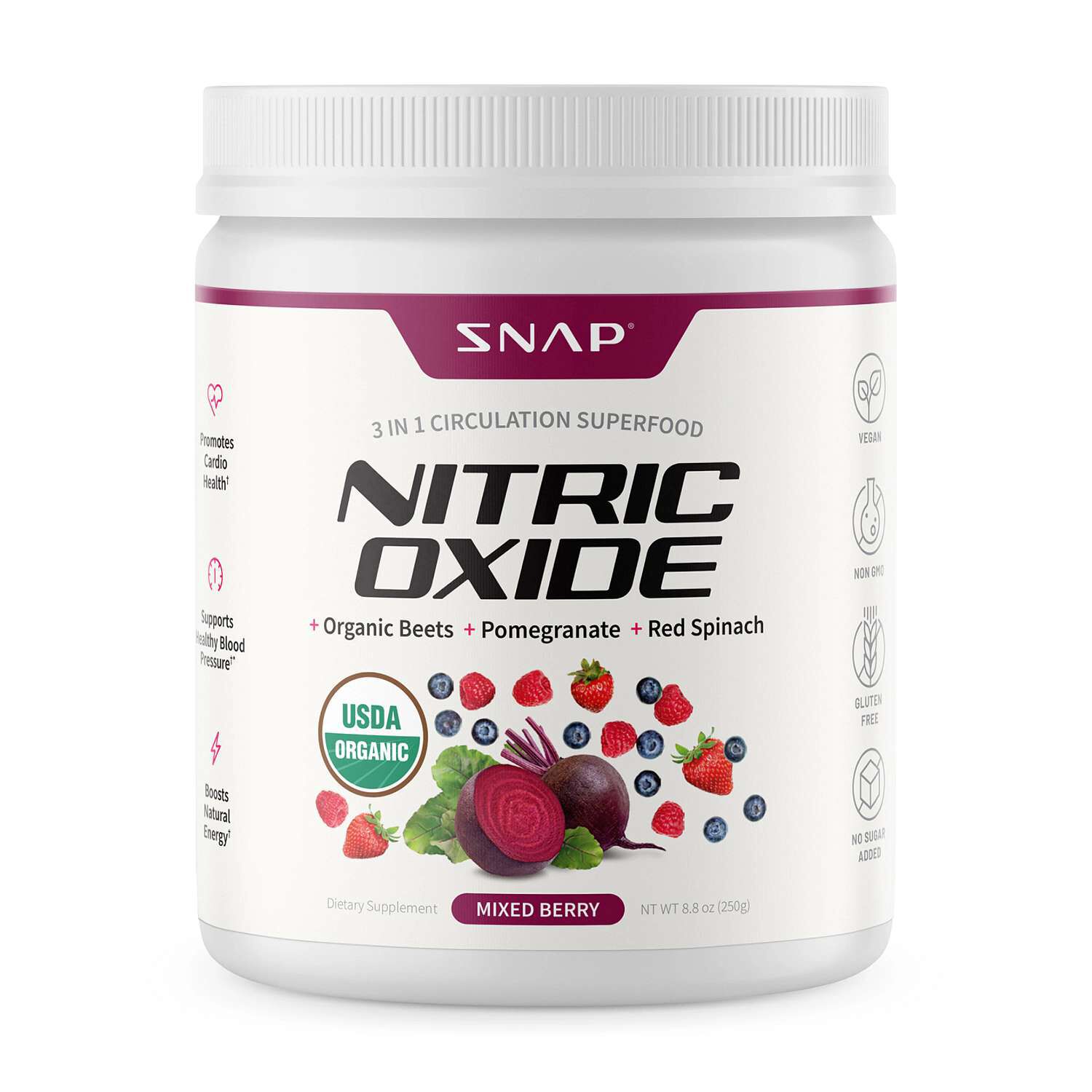

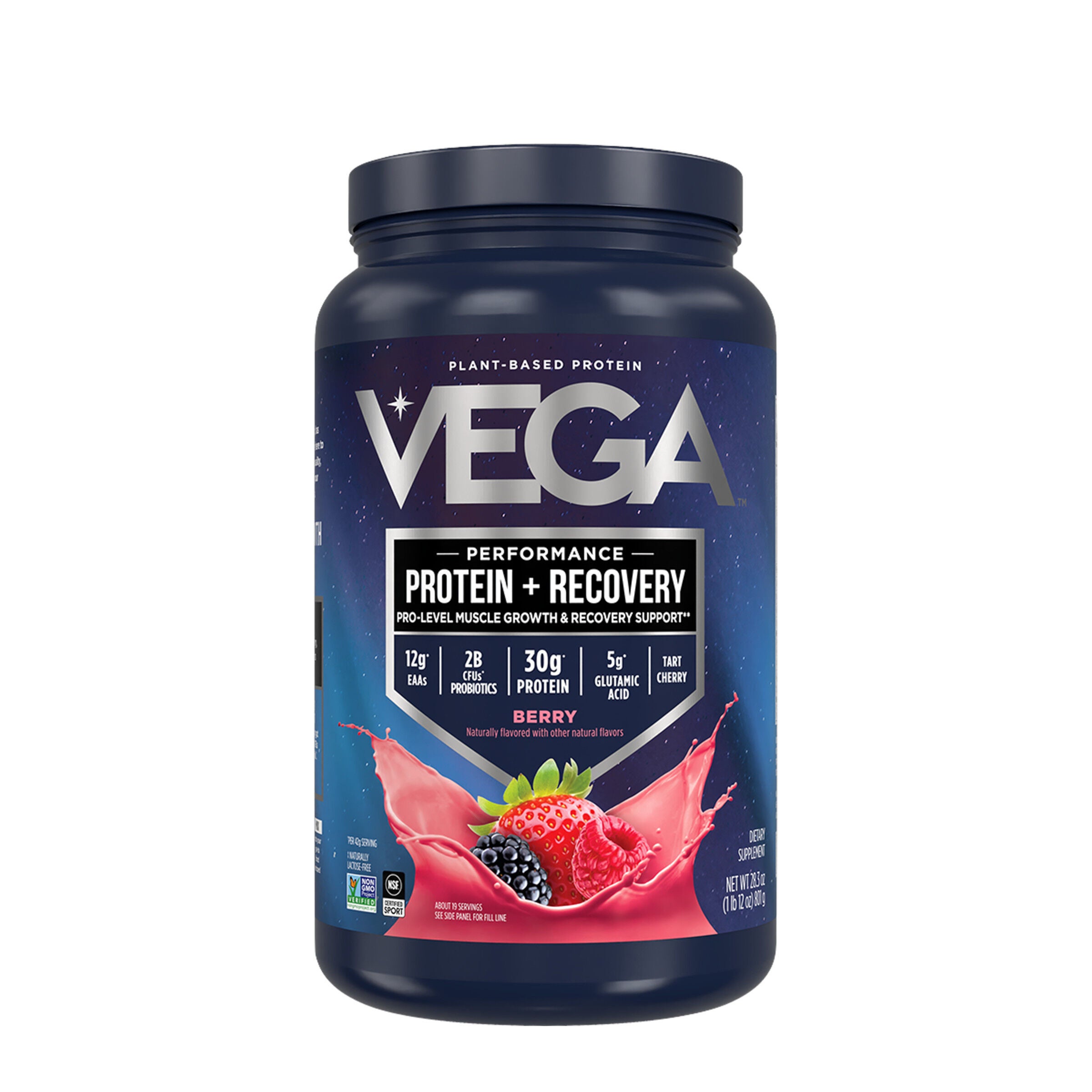
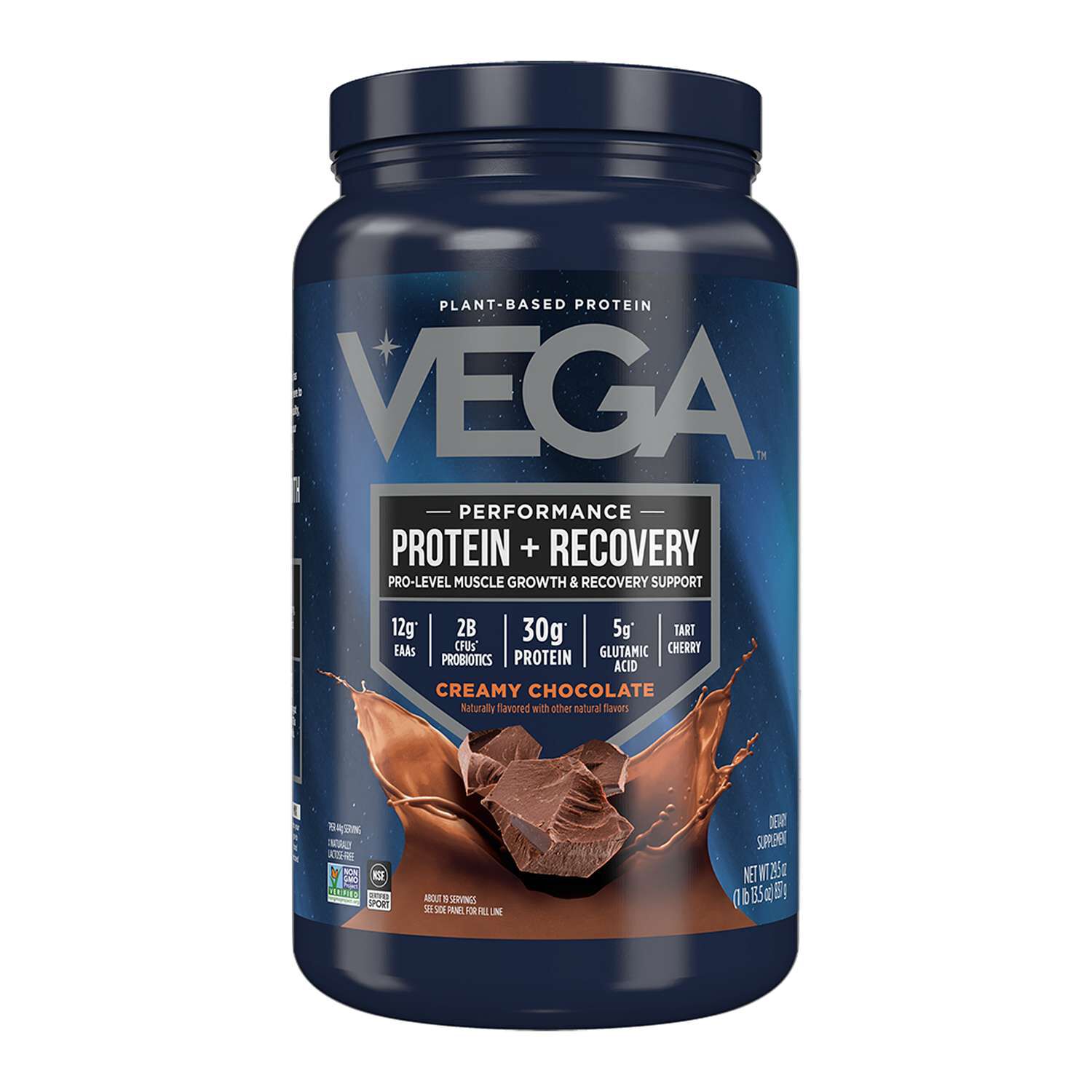

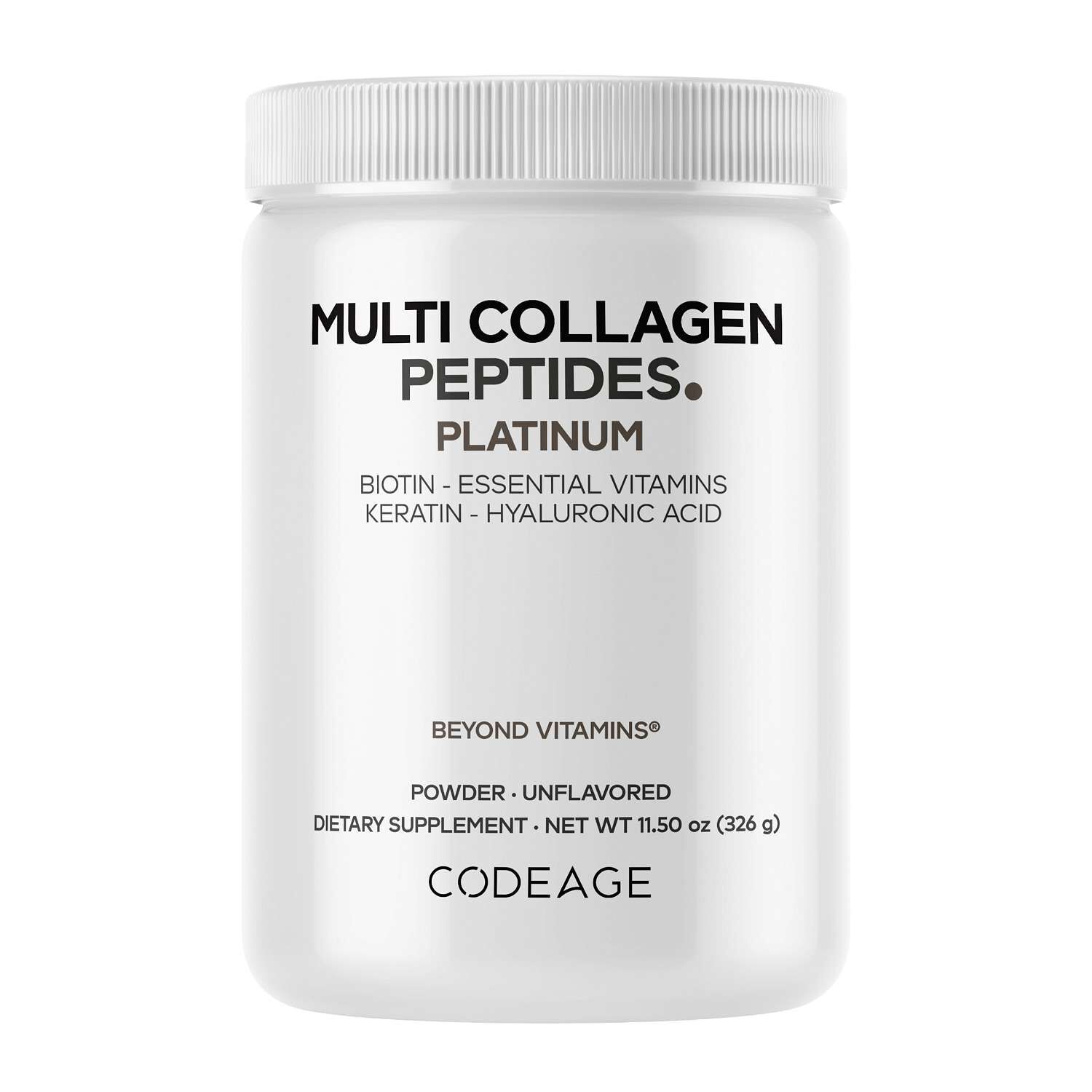
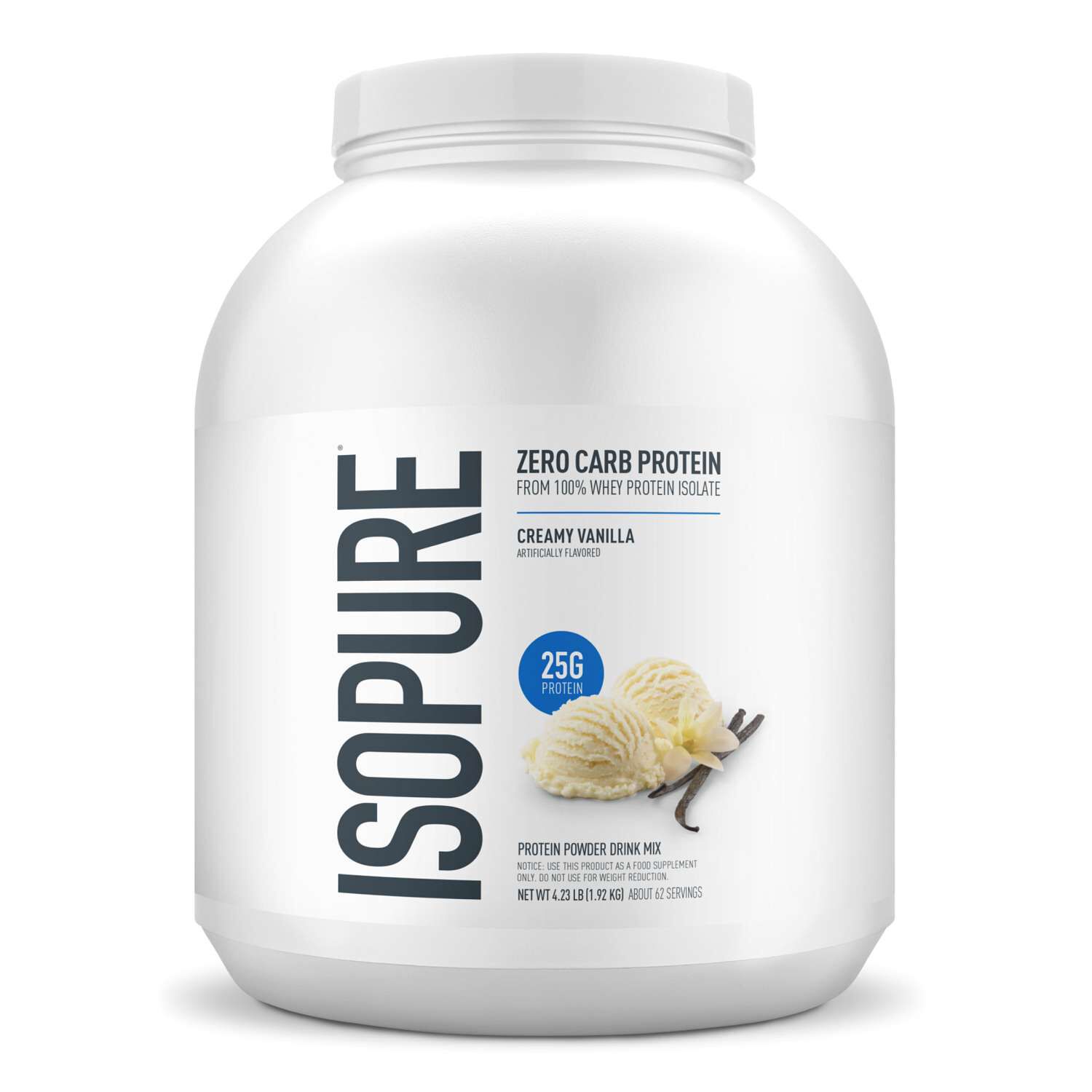

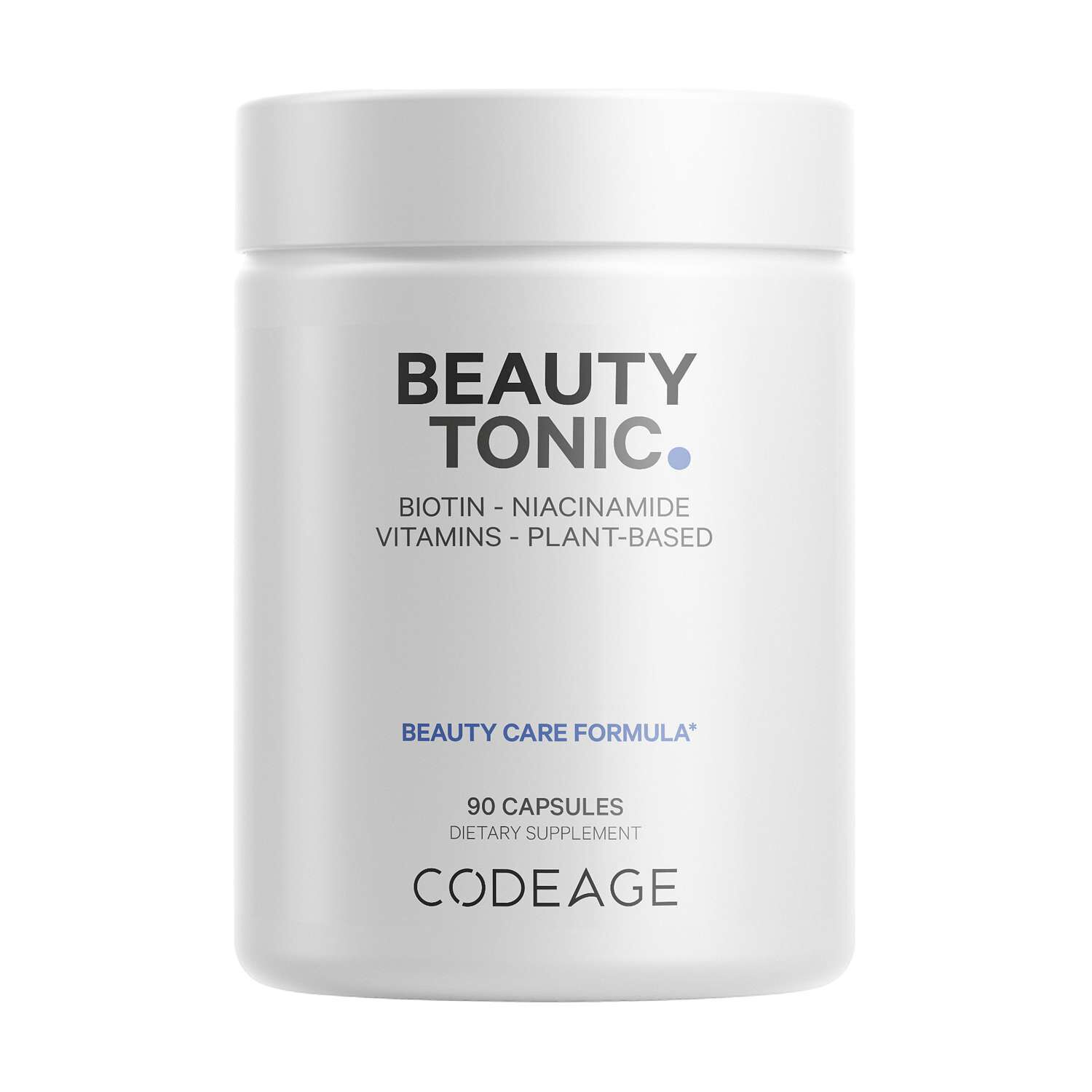
Vegan dietary powders are powdered supplements made without animal-derived ingredients, with formulas built around plant proteins, greens, fruits, vegetables, or other nutrients. Vegan protein powder is one part of this category, rather than a name for every vegan powder: some blends center on protein, while others feature plant ingredients with a different nutritional focus. Common protein sources include peas, brown rice, soy, and pumpkin seeds. Single-source powders feature one primary protein ingredient, while blended formulas combine two or more sources, each with its own amino acid profile, flavor, and texture. These distinctions matter when comparing a powder intended for a shake with one meant to add a small serving of greens to a beverage. Protein grams, serving size, and the ingredient list provide a clearer picture than flavor names or front-label descriptions alone. A vegan designation concerns the ingredients’ animal origins; it does not automatically mean a powder is organic, contains no added sugar, or excludes soy or wheat. Those characteristics require their own label information. The category may appeal to people who follow a vegan eating pattern, households that prepare plant-based meals, and shoppers who simply enjoy having alternatives to milk-derived powders. Intended uses range from a shake mixed after a workout to a spoonful stirred into breakfast, depending on the formula and its directions. A powder may offer a convenient way to add protein or selected nutrients alongside everyday foods, but the amount and type vary considerably. A finely milled pea-and-rice blend, for example, has a different ingredient foundation from a fruit-and-vegetable powder with little protein. For a broader look at related formats beyond powders, Vegan Dietary Products brings the wider category into view. Within the powder format, the most meaningful differences come down to what is in each serving, how the formula tastes and mixes, and where it fits into a familiar eating routine.
Flavor and texture give vegan dietary powders much of their everyday character. Chocolate can bring a cocoa note to a banana shake, vanilla can pair with oats and cinnamon, and unflavored varieties leave more room for the taste of berries, nut butter, or other ingredients. Unflavored does not necessarily mean tasteless: pea protein can have an earthy note, brown rice protein can have a grain-like character, and greens powders often taste distinctly vegetal. The ingredient blend and processing method influence these qualities, so two powders with the same flavor name can still taste quite different. Sweeteners also contribute their own finish. Some formulas contain cane sugar, while others use ingredients such as stevia or monk fruit, and some have no added sweetener. Gums, lecithins, and other mixing ingredients may influence thickness and how evenly a powder disperses in liquid. A shake made with water generally has a different body from one prepared with oat, almond, or soy beverage, and the beverage contributes its own ingredients and nutrients. Frozen fruit creates a thicker blended drink, while a shaker bottle offers a simpler format for a desk, gym bag, or kitchen counter. Preparation directions are useful here because scoop size, suggested liquid amounts, and mixing methods differ. More powder in less liquid may produce a dense texture rather than the lighter drink someone expects. In oatmeal or pancake batter, a protein powder may absorb moisture and change the finished consistency; flavored versions also bring sweetness and seasoning to the recipe. A measured serving matters more than a heaping scoop, particularly when comparing the nutrition information across formulas. During cooler months, warm oats with cinnamon or a cocoa-flavored smoothie can fit naturally into breakfast, though any use in heated recipes should follow the label’s preparation guidance. The practical match is not simply chocolate versus vanilla, but the combination of taste, texture, preparation time, and the foods or beverages already part of the day.
Beyond flavor, vegan dietary powders differ in how much detail their labels provide about ingredients, nutrient amounts, testing, and intended use. Nutrition Facts or Supplement Facts panels, as applicable, show the serving basis for a comparison. Protein, carbohydrate, fiber, fat, sodium, and added sugar amounts can vary, even among powders that appear similar. Some formulas include added vitamins or minerals; others keep the ingredient list centered on the plant protein itself. A longer ingredient list is not automatically a better match, and a short list does not answer every question about sourcing or manufacturing. Clearly identified protein sources, straightforward serving directions, and certification statements offer specific information shoppers can evaluate. Vegan labeling is separate from allergen labeling, and plant-based powders can contain soy, tree nuts, sesame, or other ingredients that a household avoids. The ingredient list and any shared-equipment statements remain relevant, especially in a kitchen where several people use the same blender. For someone with a regular workout routine, a protein-centered formula may suit a shake served alongside a meal or snack. For someone who prefers variety at breakfast, a neutral-tasting powder may fit more recipes than a strongly flavored blend. Neither use makes every vegan powder interchangeable with a meal; its nutrition panel describes what it contributes, not everything an eating occasion might include. Packaging and care also shape the experience over time. Resealable pouches and lidded containers need a secure closure, and label storage directions specify the appropriate conditions. A dry scoop, a clean preparation surface, and storage away from steam help limit moisture entering the package. The printed date and any instructions after opening provide the relevant storage timeline, rather than an assumption that all powders keep equally well. For a shared household or a gift for a plant-based cooking enthusiast, familiar flavors, clearly stated ingredients, and a preparation style that matches the recipient’s routine make the choice more personal. The strongest fit is a powder whose composition, serving format, and kitchen use align with the person who will actually mix it.