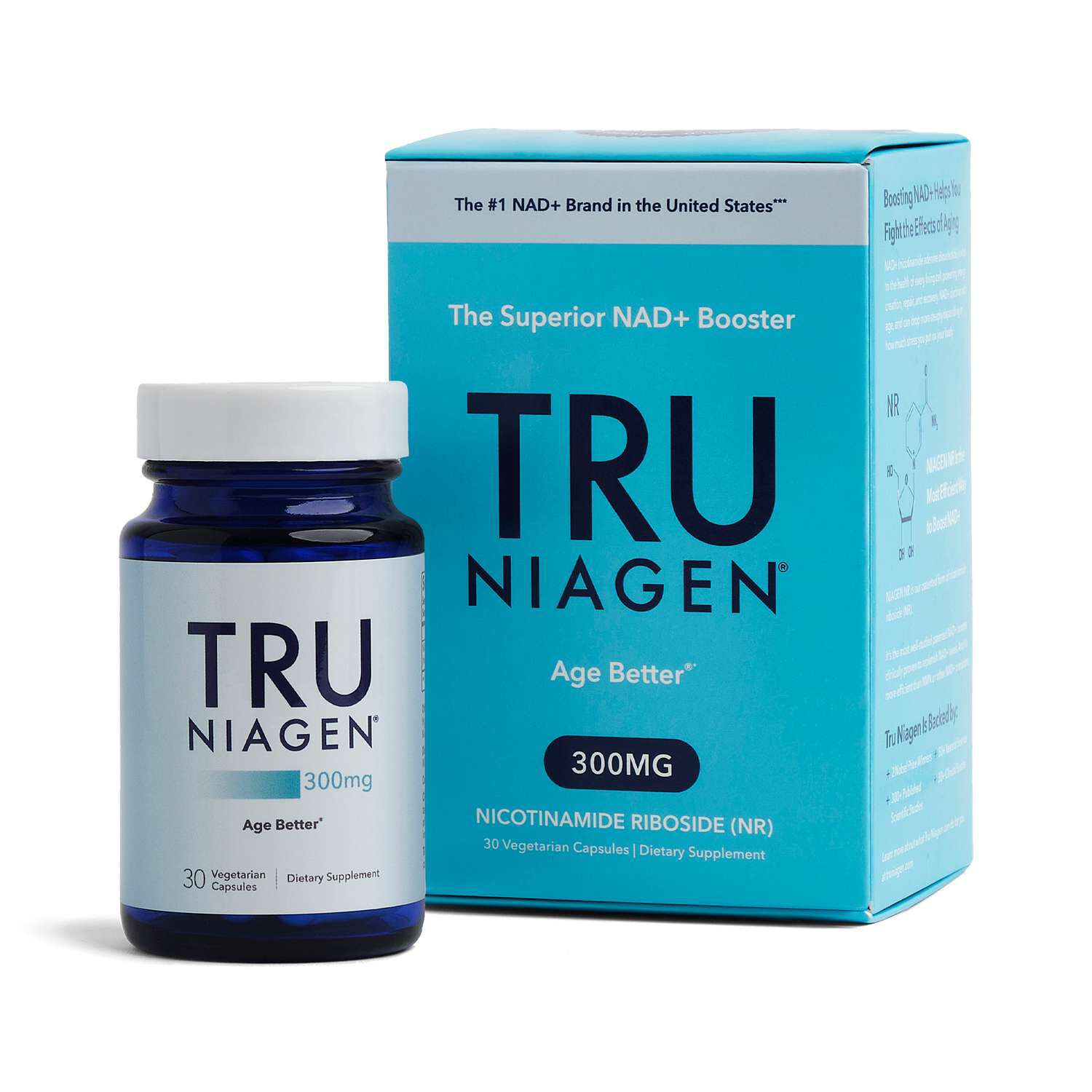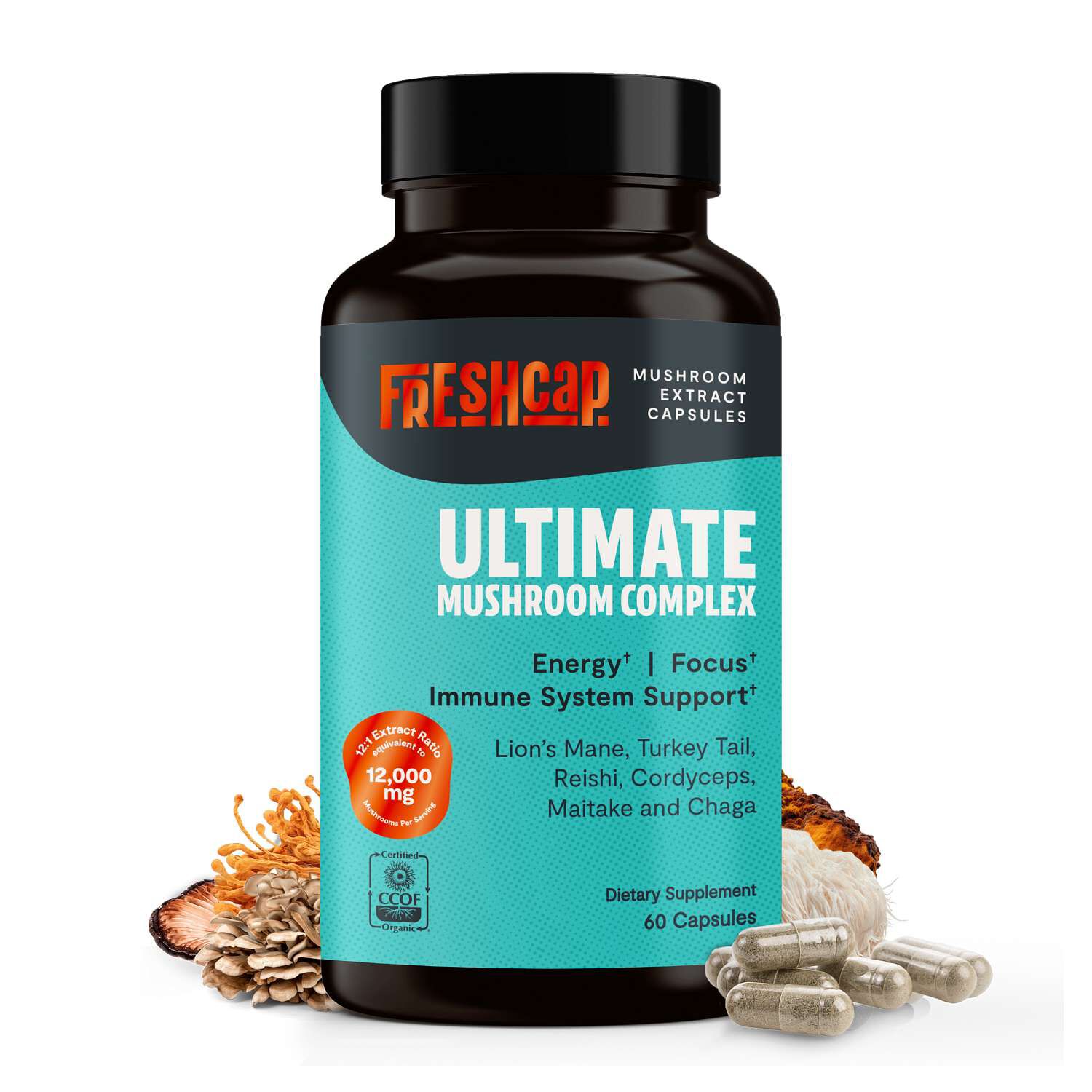


Vegan Supplements For Liver Detox Support
(0 Results)
Vegan supplements for liver detox support offer plant-based options that may help support your wellness journey while aligning with a vegan lifestyle. Featuring ingredients sourced from nature, these supplements are crafted to fit seamlessly into a variety of dietary preferences. Whether you’re looking to incorporate more plant-based nutrients into your routine or seeking gentle support for your body’s natural processes, vegan supplements for liver detox could be a thoughtful addition to your daily regimen.


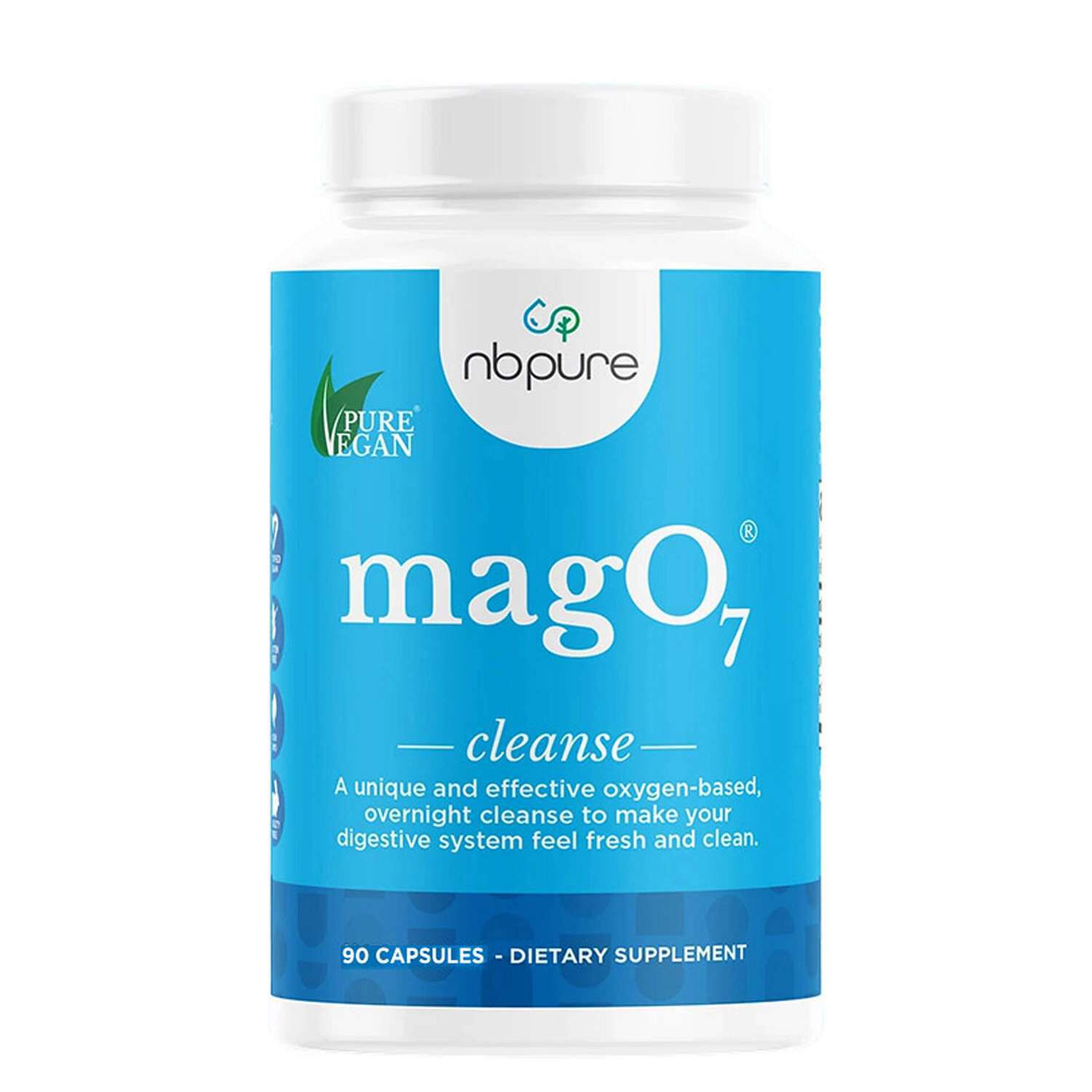


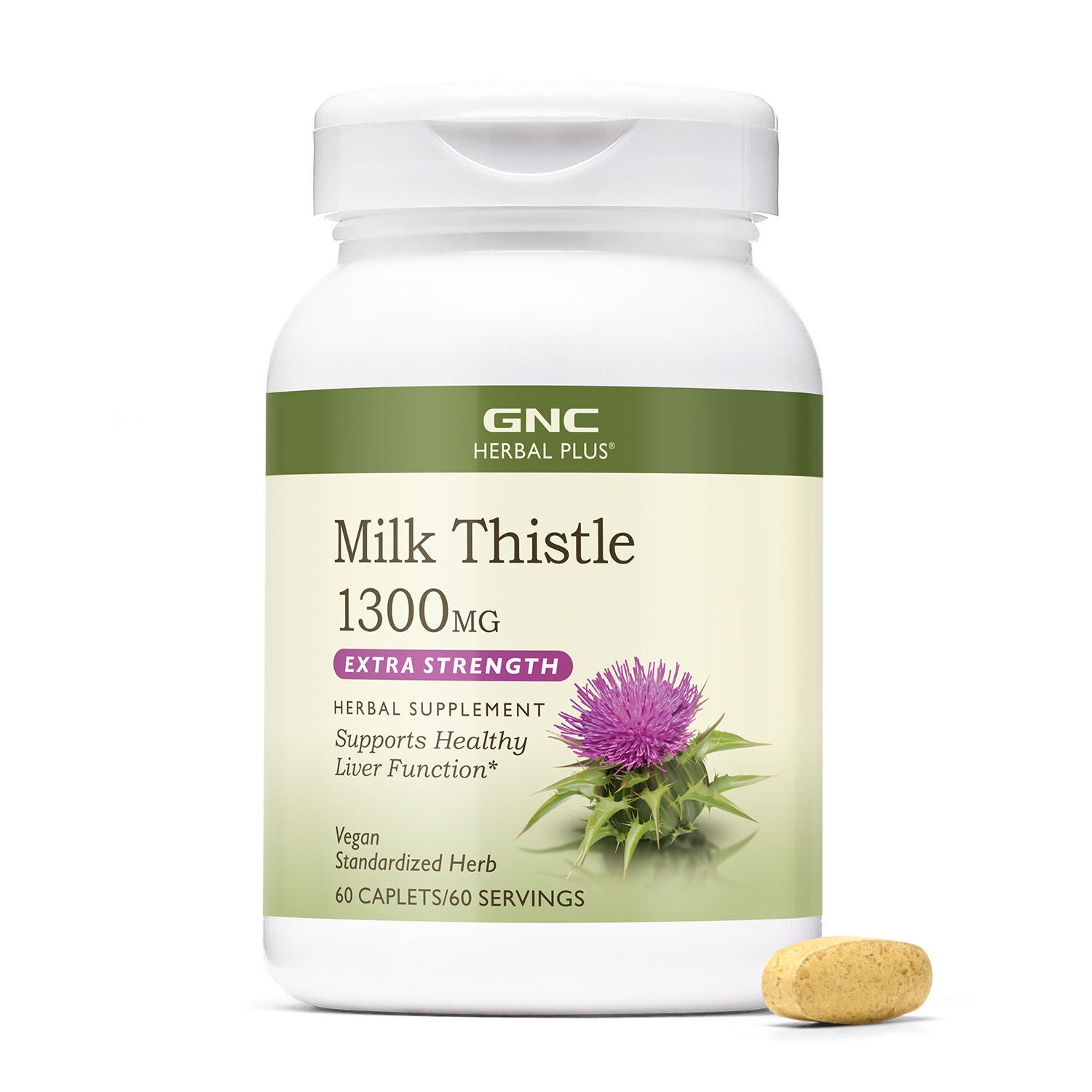


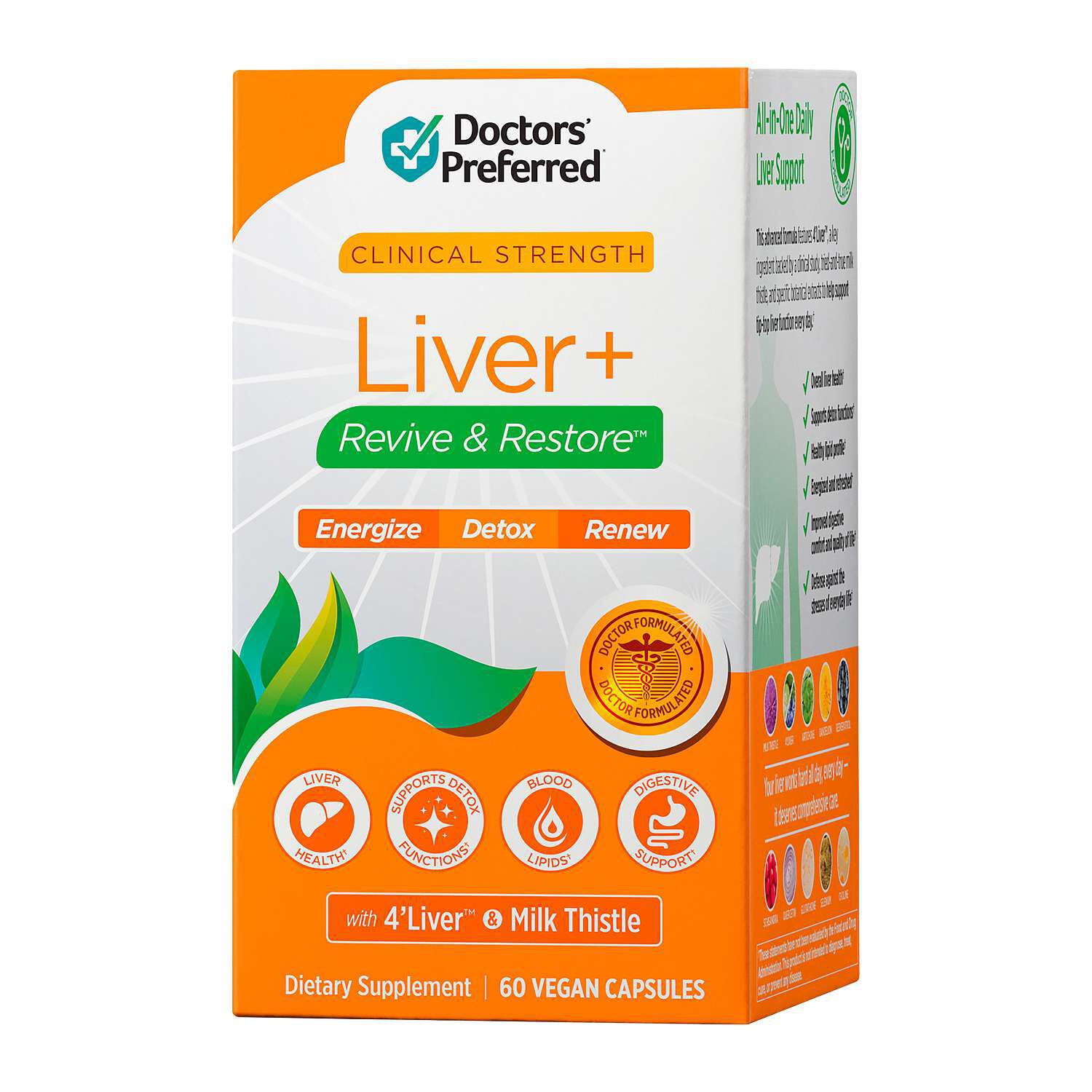
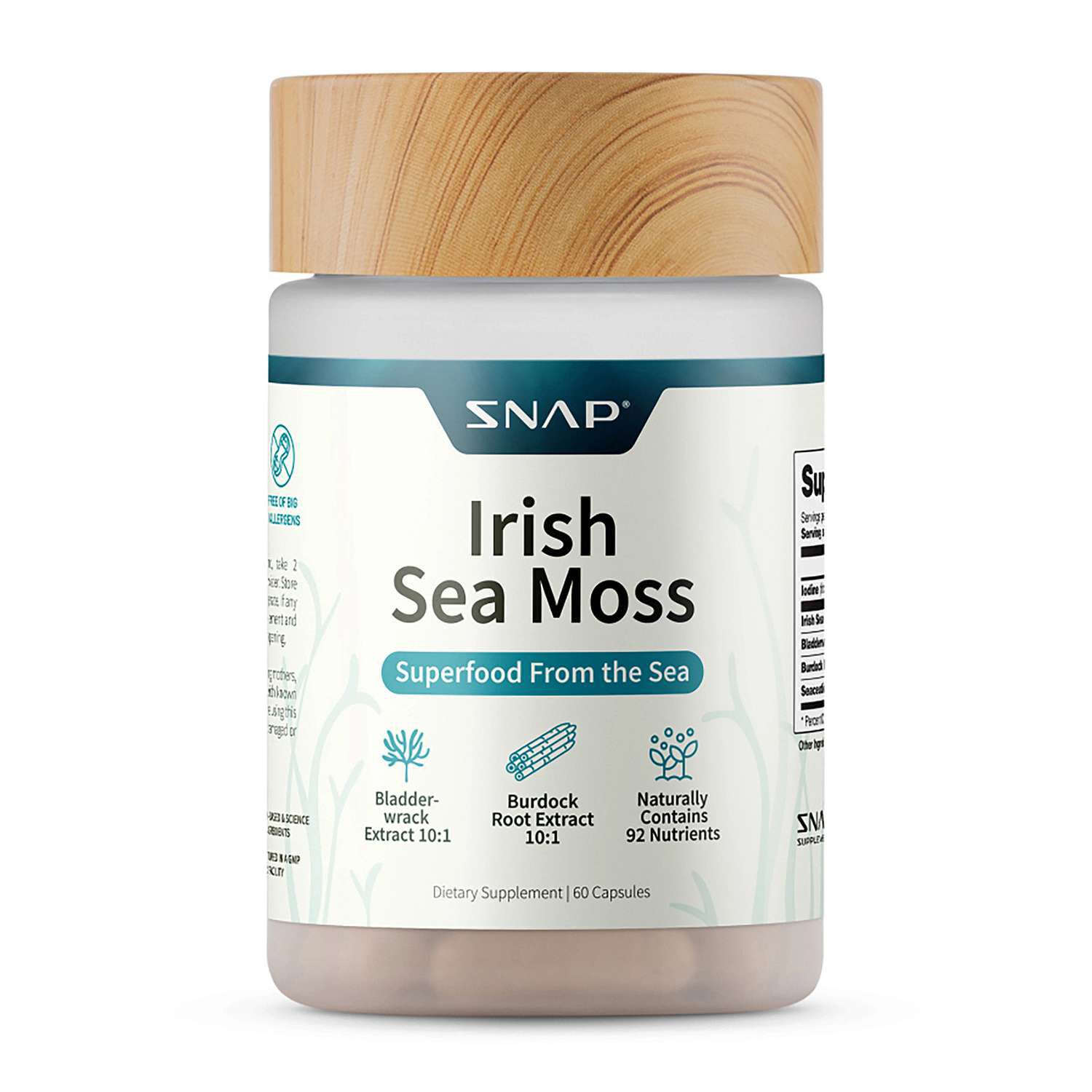

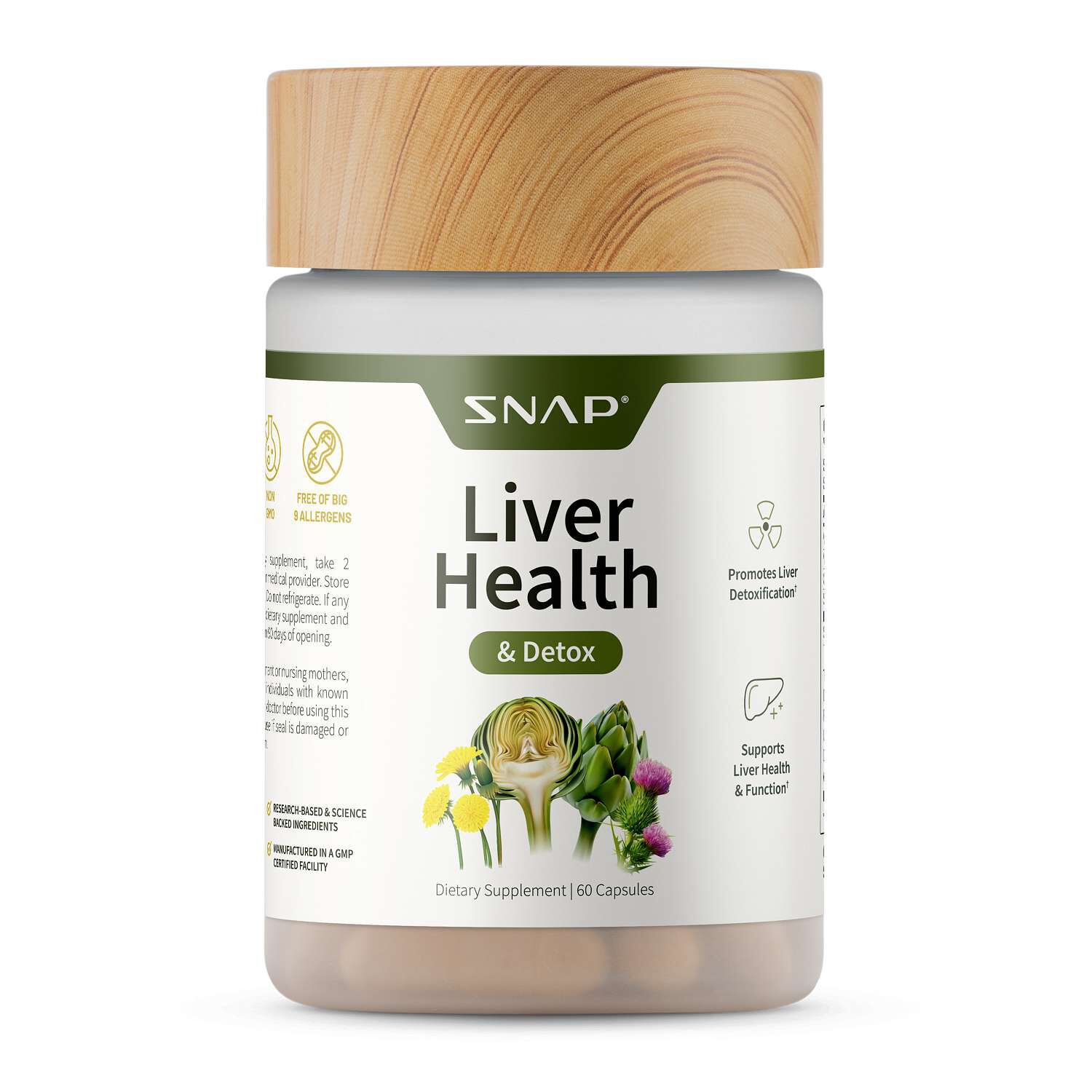


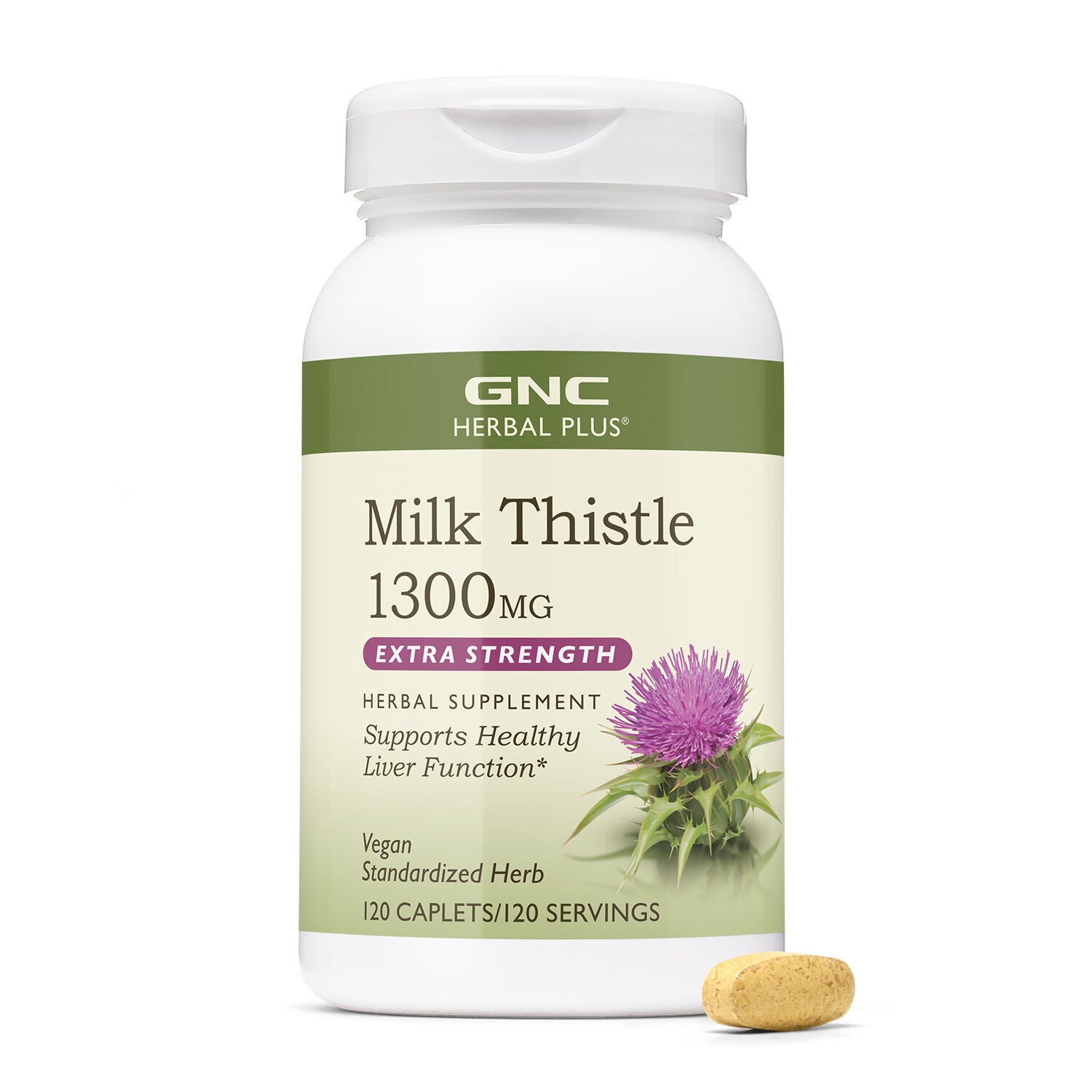
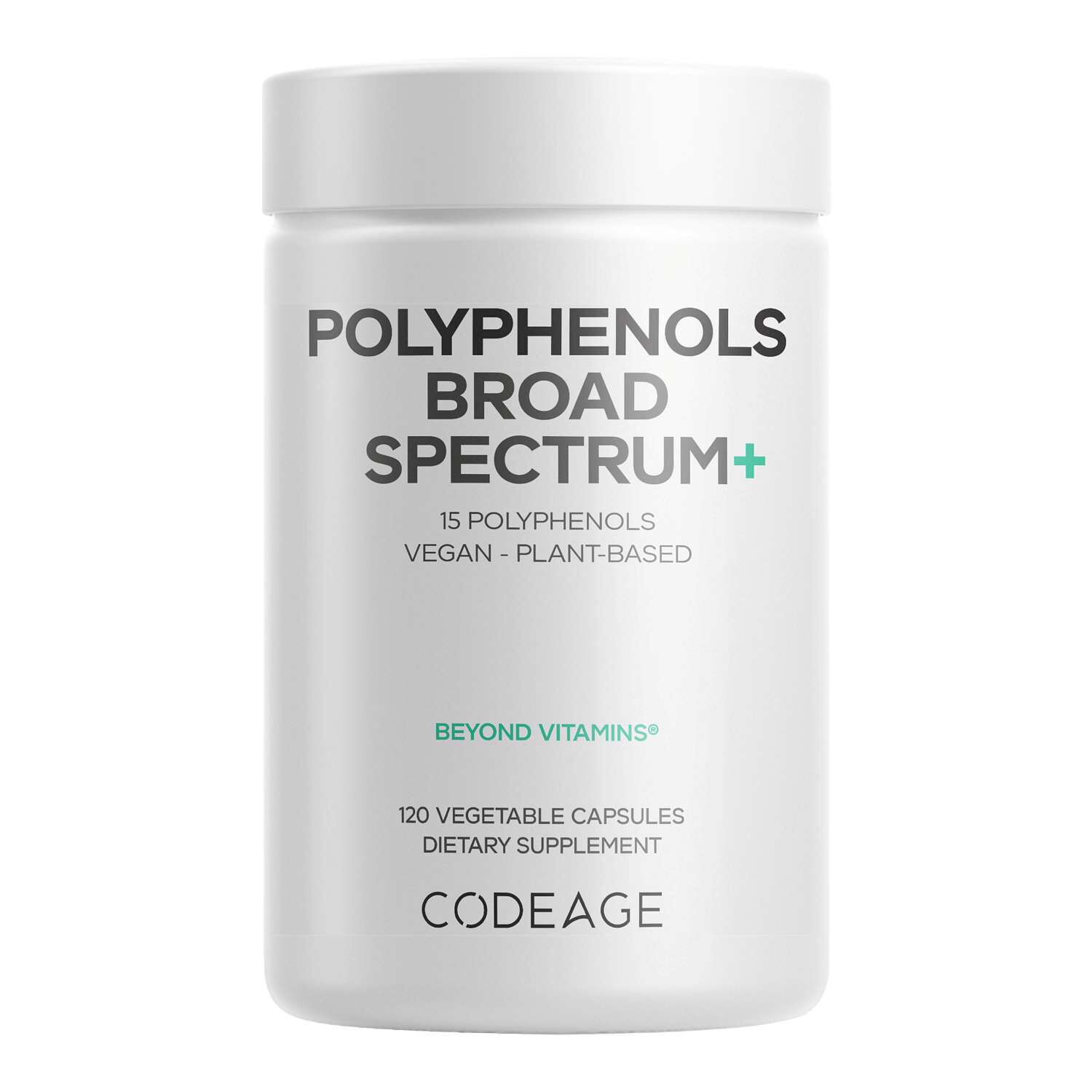
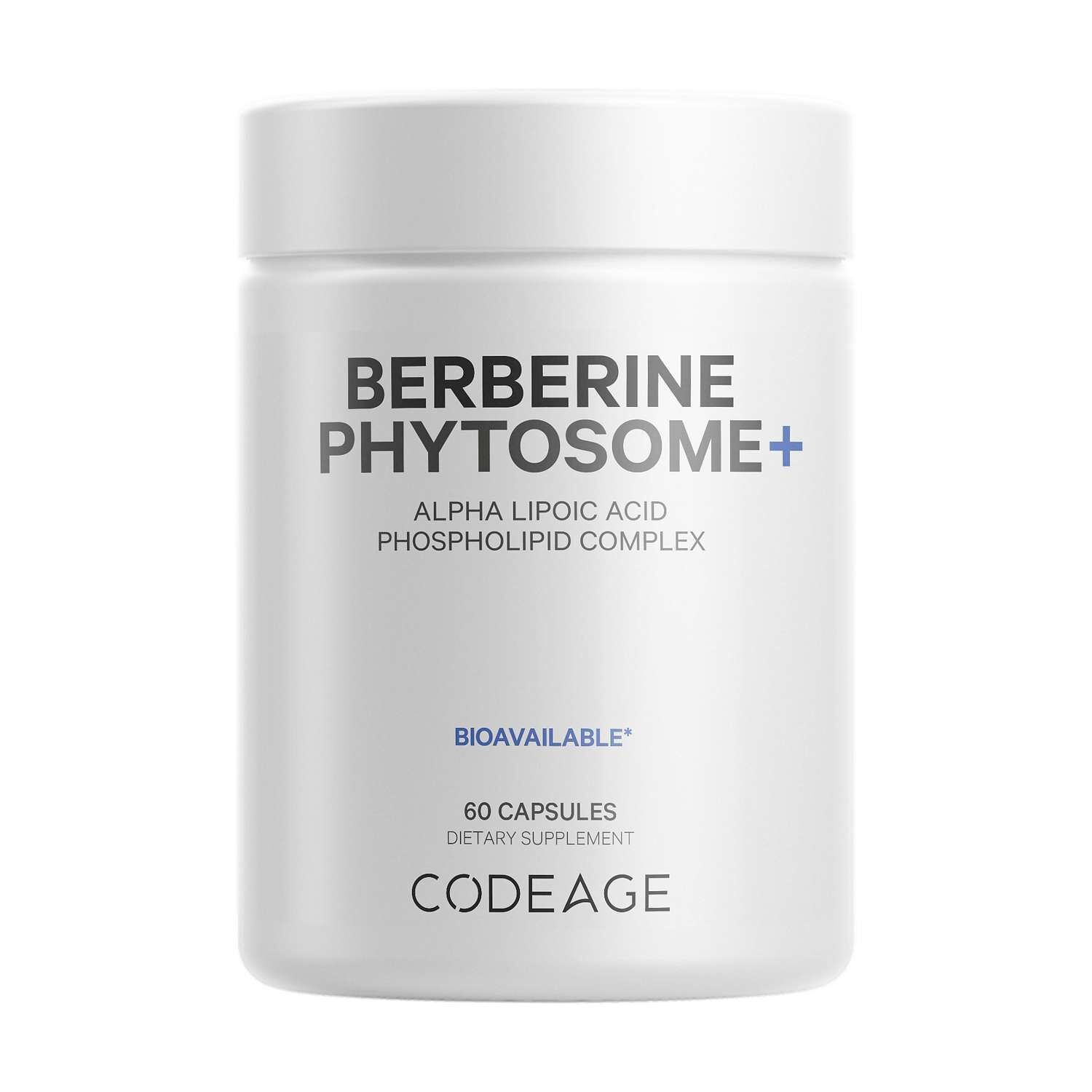


Vegan supplements for liver detox support bring together plant-based formulations for shoppers who want their supplement choices to reflect a vegan lifestyle. The category often includes familiar botanicals such as milk thistle, dandelion root, turmeric, and artichoke leaf, presented in capsules, tablets, powders, or liquid formats. Here, “detox support” describes a shopping category; it is not evidence that a supplement cleanses the liver or removes unwanted substances from the body. The liver already performs ongoing tasks related to processing nutrients and other substances, and dietary supplements are not substitutes for those natural processes. Understanding the ingredients and their preparation gives this category more useful context than dramatic cleansing language. Milk thistle extracts often identify silymarin, a group of naturally occurring plant compounds, while turmeric labels sometimes list curcuminoids, including curcumin. Dandelion root and dandelion leaf are different botanical ingredients, just as artichoke leaf extract differs from the artichoke hearts used in cooking. Those distinctions matter when comparing formulas that appear similar at first glance. A powdered herb and an extract are also different preparations: an extract concentrates selected constituents, whereas an herb powder contains the ground plant material. Equal milligram amounts do not necessarily indicate equal composition. Some formulations focus on one botanical, while others combine several ingredients in a single serving. Neither format alone establishes how well a supplement will suit an individual. A shorter ingredient list makes the composition easier to follow, while a blend requires closer attention to the amount and identity of each component. For shoppers building a plant-based routine, the most meaningful comparison starts with the botanical name, the plant part used, the preparation, and the stated serving amount. Traditional associations with an herb are separate from evidence about a finished supplement. Clear labeling helps distinguish what is actually in a formula from the broader language surrounding the category, keeping the focus on practical product characteristics rather than expectations of a dramatic reset.
Vegan formulation involves more than the featured botanical on the front of a bottle. Capsule shells, tablet coatings, sweeteners, flavorings, and processing ingredients all contribute to whether a supplement fits a vegan preference. Vegetable cellulose capsules are a common alternative to gelatin capsules, which use animal-derived material. Gummies sometimes use pectin, a plant-derived gelling ingredient, but the ingredient list remains important because other components can have different origins. Honey, beeswax, dairy ingredients, and certain animal-derived nutrients are examples of details that deserve attention beyond the headline ingredient. A botanical formula should not be assumed to be vegan simply because its main ingredients come from plants. An explicit vegan statement or a recognizable vegan certification provides more information than plant imagery or green packaging alone. Vegan labeling and allergen labeling also describe different characteristics; a vegan designation does not establish suitability for every dietary restriction. The Supplement Facts panel and the other-ingredients list serve different purposes, with the latter identifying components such as capsule materials and formulation aids. Product form is another useful distinction. Capsules offer a contained serving without the need to measure a powder, while tablets differ in shape, coating, and dimensions. Powders require attention to the stated portion and preparation directions, and botanical powders can have earthy or bitter flavors. Liquid supplements vary in concentration, taste, and measuring method, so the amount per serving is more informative than bottle size alone. A gummy’s flavor and texture are separate considerations from its botanical content. Comparing serving sizes also prevents an easy mix-up: the amount listed for a serving might refer to several capsules or gummies rather than one. When testing information is provided, details about ingredient identity and specified quality checks are more useful than an unexplained quality symbol. Testing documentation, vegan status, and botanical composition each address a different part of the buying decision; none should be treated as proof of a cleansing effect. Together, these details create a clearer picture of a supplement’s formulation, format, and suitability for a shopper’s preferences.
Everyday fit often comes down to small, concrete details rather than an impressive list of ingredients. Someone who keeps supplements alongside breakfast might prefer a clearly labeled bottle and a straightforward serving format. A shopper who dislikes strong herbal flavors might find the format more important than the number of botanicals in a blend. Someone with a carefully organized plant-based routine might prioritize transparent ingredient amounts and consistency with other dietary preferences. These are practical considerations about use, not evidence that one format produces a particular result. Package directions provide the reference for serving size, preparation, and storage, and different formats can have different handling requirements. Keeping a supplement in its original container preserves access to the ingredient list, lot information, and expiration date. A secure lid, the specified storage conditions, and a location away from moisture help maintain the condition of the contents. A bathroom shelf or a bag left in a hot car can present storage conditions that differ from those stated on the label. Liquid formulas sometimes have instructions that apply after opening, while powders require attention to both the container closure and the measuring utensil. For gifting, supplements are a personal choice, so a thoughtful selection depends on knowing the recipient’s stated preferences rather than assuming a need for liver detox support. A recipient who already chooses vegan supplements might appreciate careful attention to capsule materials, ingredient transparency, and a familiar format. Shoppers considering this category alongside a broader plant-based assortment can also explore Vegan Wellness Support Supplements for related options. Across the category, a useful comparison connects four details: what the formula contains, how those ingredients are prepared, whether every component aligns with vegan preferences, and how the format fits an existing routine. That approach keeps the selection grounded in understandable product information. Rather than treating detox language as a description of an outcome, the focus remains on clearly identified ingredients, appropriate product care, and an informed match between the supplement’s stated intended use and the shopper’s expectations.
Best Sellers
-
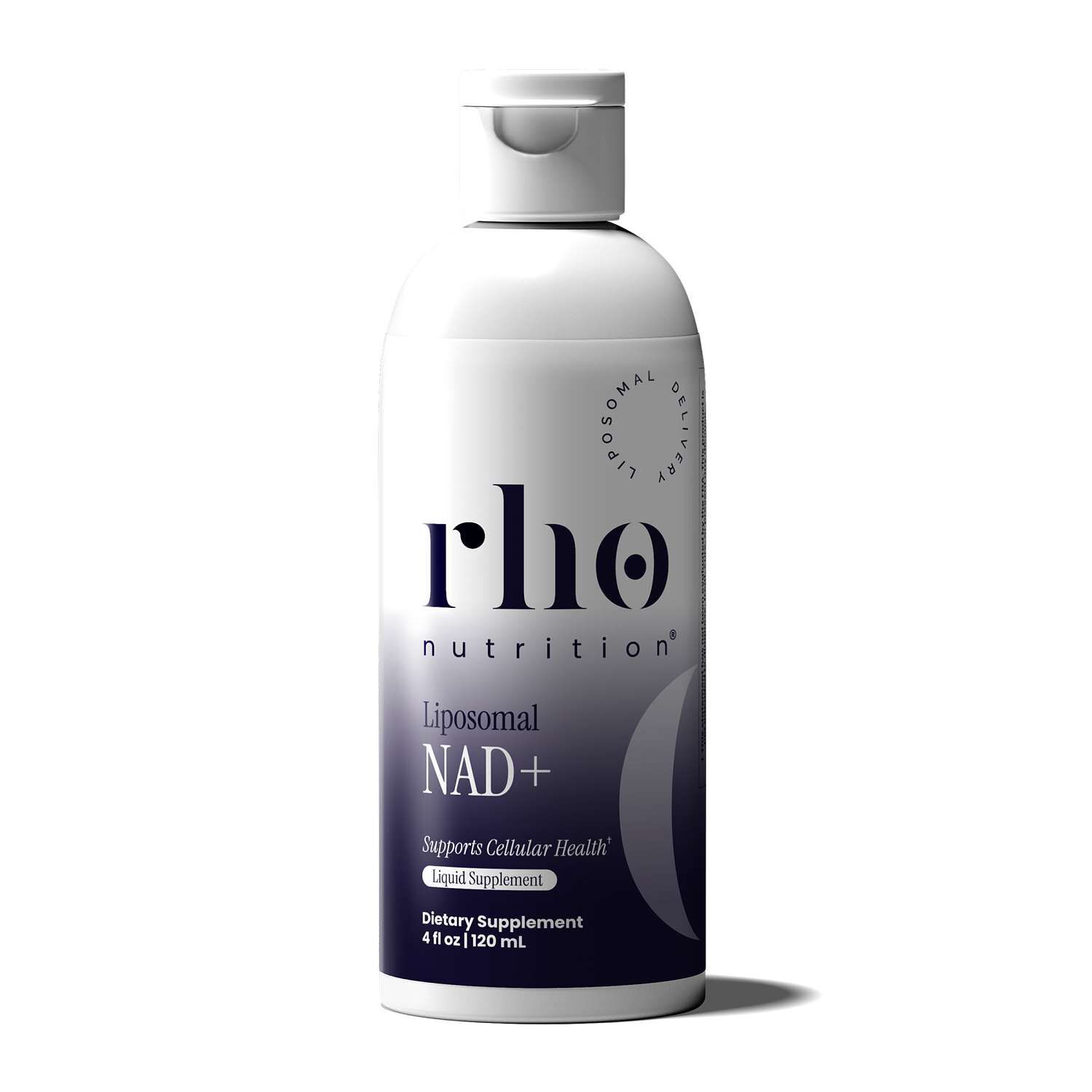 Rho Nutrition
 -
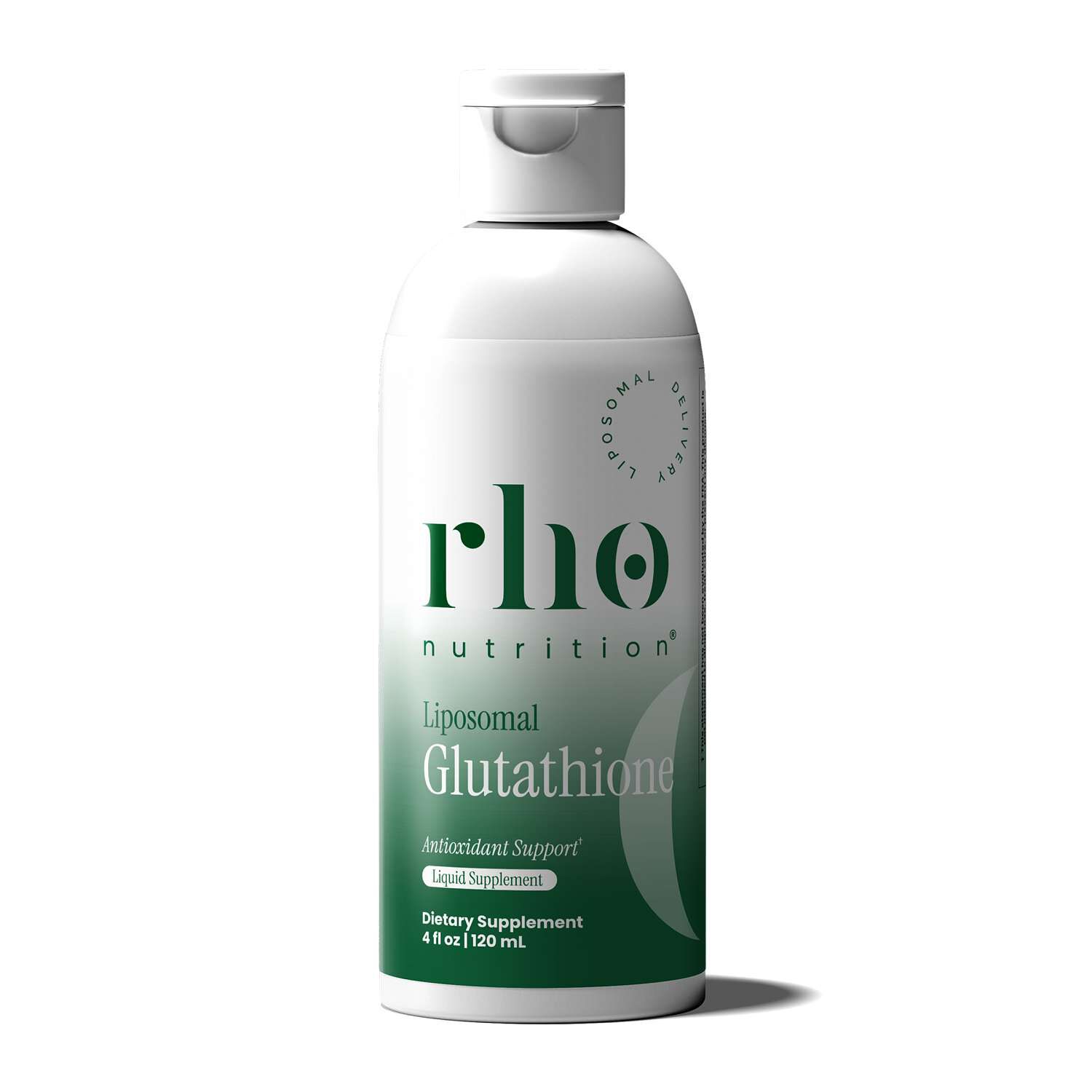 Rho Nutrition
 -
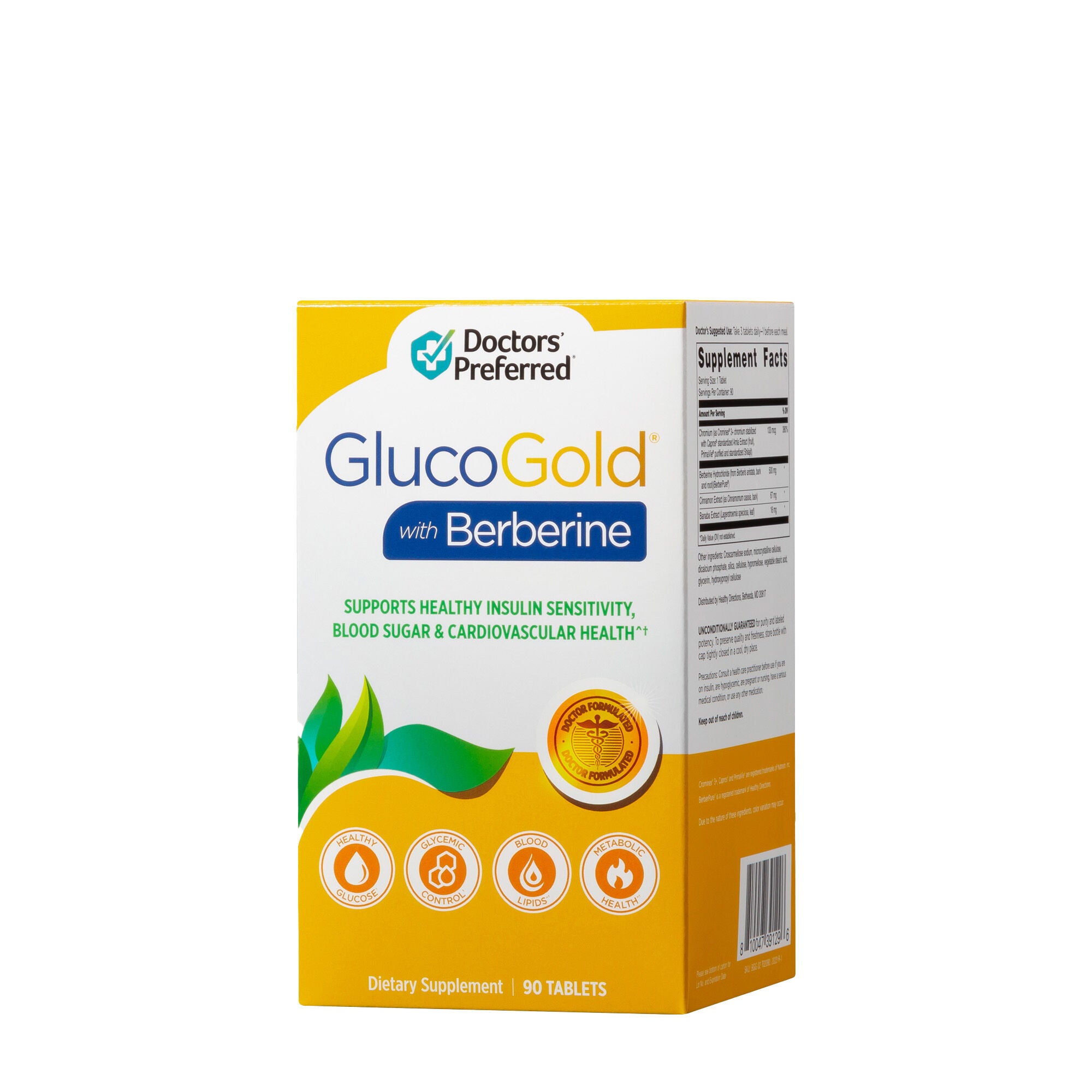 Doctors' Preferred