





Vegetarian Eye Supplements
(0 Results)
Explore a wide selection of vegetarian eye supplements designed for those seeking plant-based options to support their wellness journey. Whether you’re looking to add more nutrients to your daily routine or prefer supplements that align with a vegetarian lifestyle, these products offer a variety of formulations to fit your needs. Discover vegetarian eye supplements that may complement your balanced diet and help you prioritize your overall well-being.
-

-

-

-
-

-
-

-
-

-
-
-
-
 Portions Master$24.99
 -
-

-
 Purity Products$39.99
 -
 $23.99
 -
 $44.99
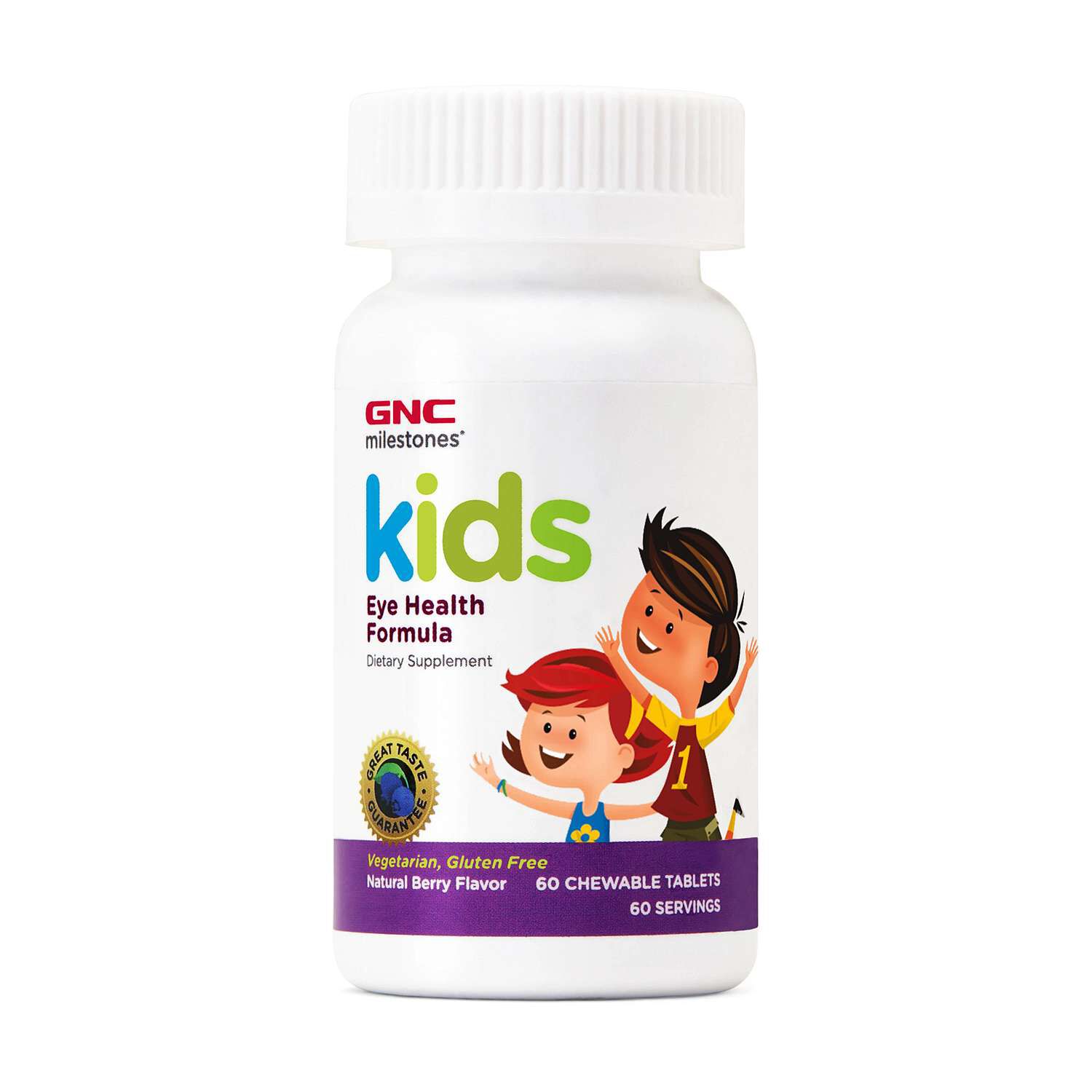
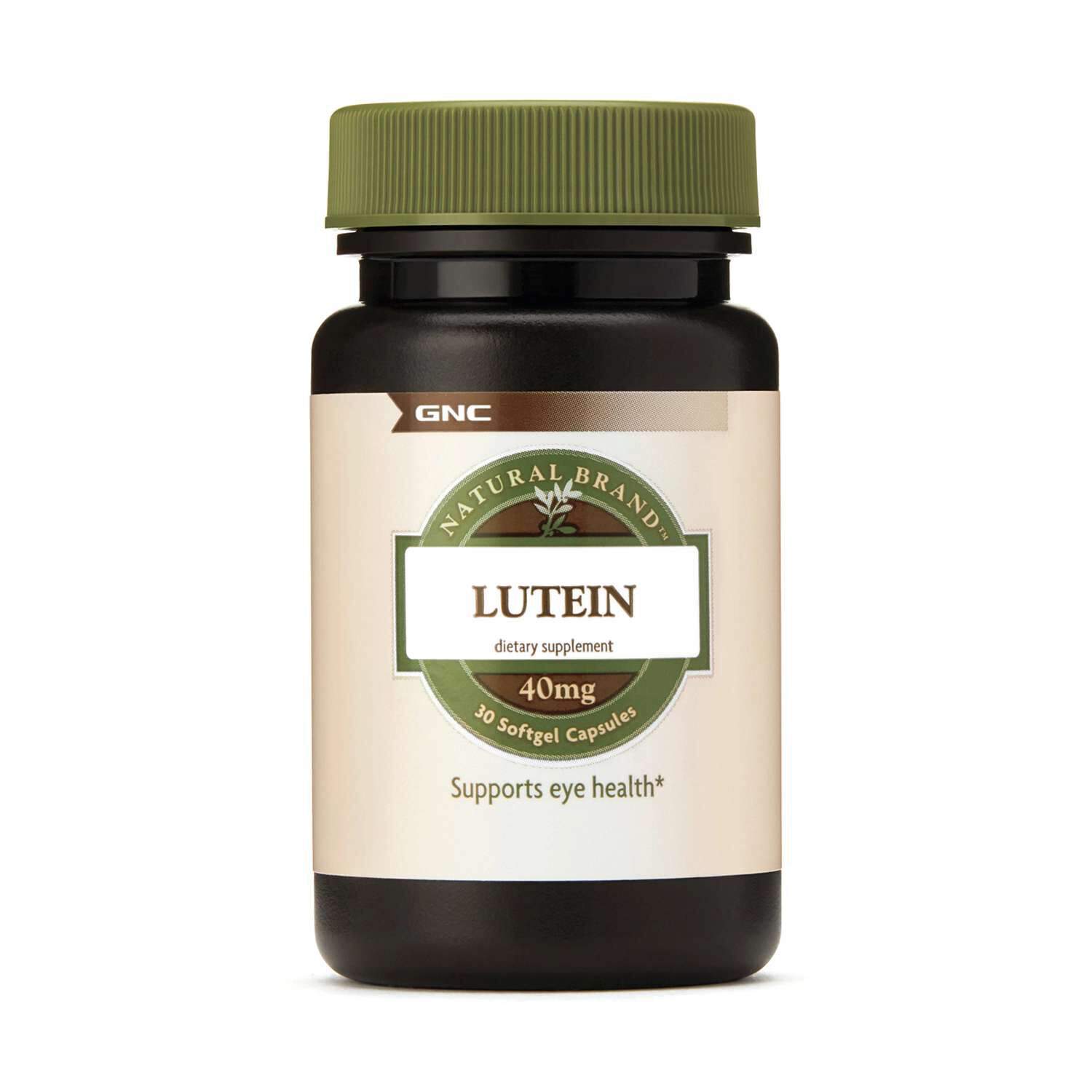
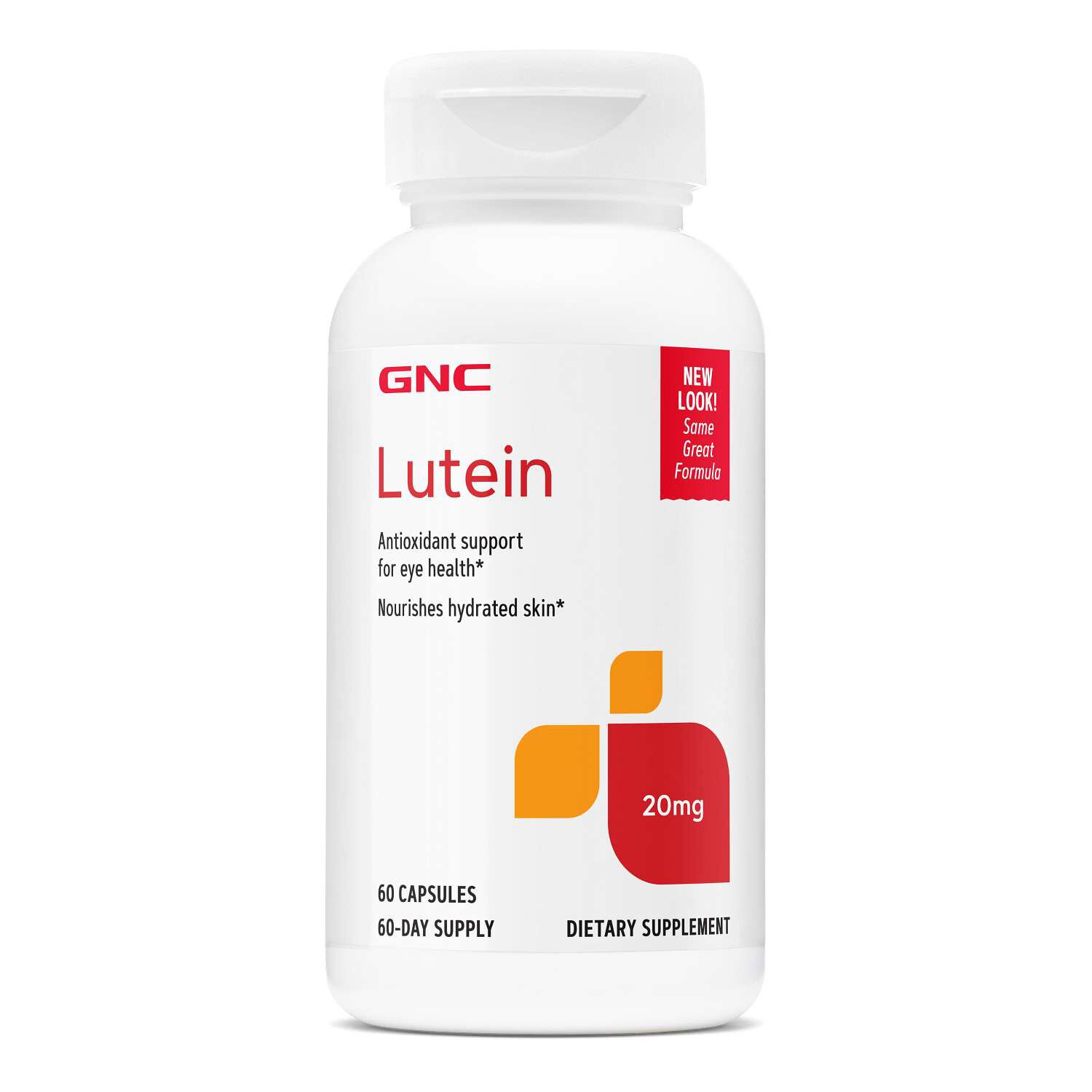
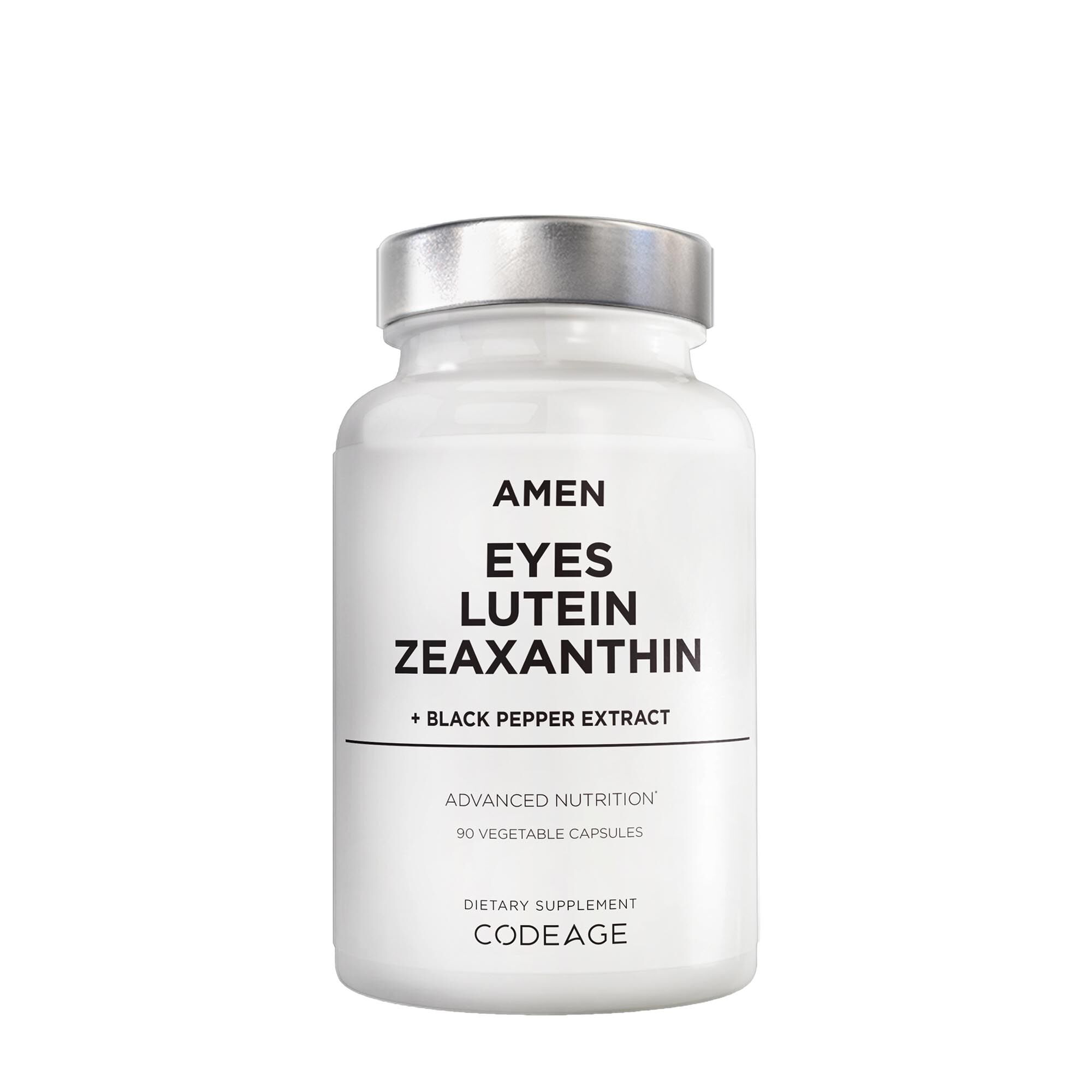
Vegetarian eye supplements are dietary supplements intended for people who want eye-focused nutrition in a format that fits a vegetarian eating pattern. Common ingredients in this category include lutein, zeaxanthin, vitamins C and E, and selected minerals, with some formulations featuring botanical ingredients or algae-derived oils. The vegetarian designation concerns ingredient sourcing, including the capsule shell and other components, rather than a particular nutrient combination. Lutein and zeaxanthin are carotenoids, a family of naturally occurring pigments found in plants. Leafy greens and brightly colored produce contain carotenoids, while marigold flowers are a familiar source of lutein used in supplements. Seeing a flower extract on a label, however, does not tell the whole story: the amount of extract and the stated amount of lutein are separate details worth distinguishing. Zeaxanthin may appear alongside lutein, and the label identifies the amount of each ingredient per serving. Vitamins C and E belong to a different nutrient group, so a formula containing these vitamins is not interchangeable with one centered on carotenoids alone. Some vegetarian formulations also include omega-3 fatty acids sourced from algae rather than fish. For these options, the named fatty acids matter: DHA, EPA, and ALA are distinct, and the phrase “plant-based omega-3” does not establish which ones a formula contains. Bilberry and other botanical ingredients sometimes appear in eye-focused blends as well. Each adds another sourcing detail to consider, but a longer ingredient list is not, by itself, a reason to choose one formula over another. Vegetarian eye supplements can vary considerably in composition, even when their names sound similar. A useful comparison begins with the dietary designation, the specific ingredients, and the amounts shown per serving. That approach keeps the focus on what the formula actually contains rather than imagery on the front of a bottle or broad language about its intended purpose. It also makes room for different preferences, from a short ingredient list to a blend that brings several nutrient categories together.
The distinction between vegetarian and vegan is especially relevant when comparing eye supplement formats. Vegetarian labeling does not always mean that every ingredient meets vegan preferences, since some vegetarian eating patterns include dairy or other animal-derived ingredients. A vegan designation addresses a different set of sourcing expectations. Likewise, a plant-derived featured ingredient does not establish that the surrounding capsule, coating, or carrier oil is vegetarian. Conventional gelatin is animal-derived, while some capsule shells use cellulose-based materials. Softgel shells can also differ in composition, so their smooth appearance alone does not identify their source. The Supplement Facts panel describes the listed dietary ingredients and their amounts; the other ingredients list provides details about shell materials, oils, colors, and ingredients used to form the tablet or capsule. Together, these sections offer a clearer picture than either does on its own. Dietary statements and any identified third-party certifications add context, though each statement should be read for the specific attribute it addresses. Format is another practical distinction. Capsules, tablets, softgels, and chewable forms have different textures, dimensions, and serving configurations. Someone who prefers an unflavored format may focus on capsules or tablets, while someone who dislikes that format may look more closely at chewable options and their sweeteners. A serving can consist of more than one piece, making the serving size just as relevant as the amount printed prominently on the package. For example, an amount listed for a two-capsule serving is not the amount in each capsule. Comparing equal serving units helps prevent that kind of mix-up. Oil-based formulas deserve a look at the carrier oil as well as the featured nutrient, particularly for shoppers with ingredient preferences. Allergen statements are a separate consideration from vegetarian labeling; neither vegetarian nor vegan wording establishes suitability for every dietary restriction. A clearly described formula brings these details together: ingredient sources, nutrient amounts, serving size, shell composition, and dietary designations. Those concrete distinctions are more informative than choosing solely by the number of ingredients or the size of the container.
For many shoppers, the appeal of vegetarian eye supplements is consistency with an established way of eating. Someone who builds meals around lentils, roasted vegetables, eggs, or yogurt may want the same attention to sourcing reflected in a supplement label. Another shopper may follow a vegan pattern and look for a formula whose shell and supporting ingredients match that preference. These are different shopping priorities, even within the same category. Intended use also matters: adult-oriented packaging should not be treated as evidence that a formula suits every age group, and eye-focused wording does not make a supplement a substitute for individualized care. Reading, detailed craftwork, and long stretches at a computer can make the eye nutrition category feel relevant, but those activities do not establish what any particular supplement will do. A label’s ingredient information is a firmer basis for comparison than expecting a certain result from a daily routine. Practical ownership details belong in that comparison, too. Package directions specify storage conditions and use, while the printed date and closure provide information relevant to keeping the product as intended. A bathroom shelf near a steamy shower or a container left in a parked car may not match the stated storage conditions. Keeping the original packaging preserves access to the ingredient list, serving information, and lot details instead of separating the contents from their identifying information. For shoppers interested in the broader plant-compound category, Vegetarian Phytonutrient Supplements offers a related area to explore, with the same attention to botanical sources and vegetarian formulation details. Within eye-focused nutrition, the most meaningful distinctions remain specific and readable: which carotenoids are named, whether an oil comes from algae, what the shell contains, and how the serving is defined. Looking at those details side by side makes it easier to select according to dietary preferences, format, and intended use without treating similar category names as proof of identical formulas.
Best Sellers
-
 Rho Nutrition
 -
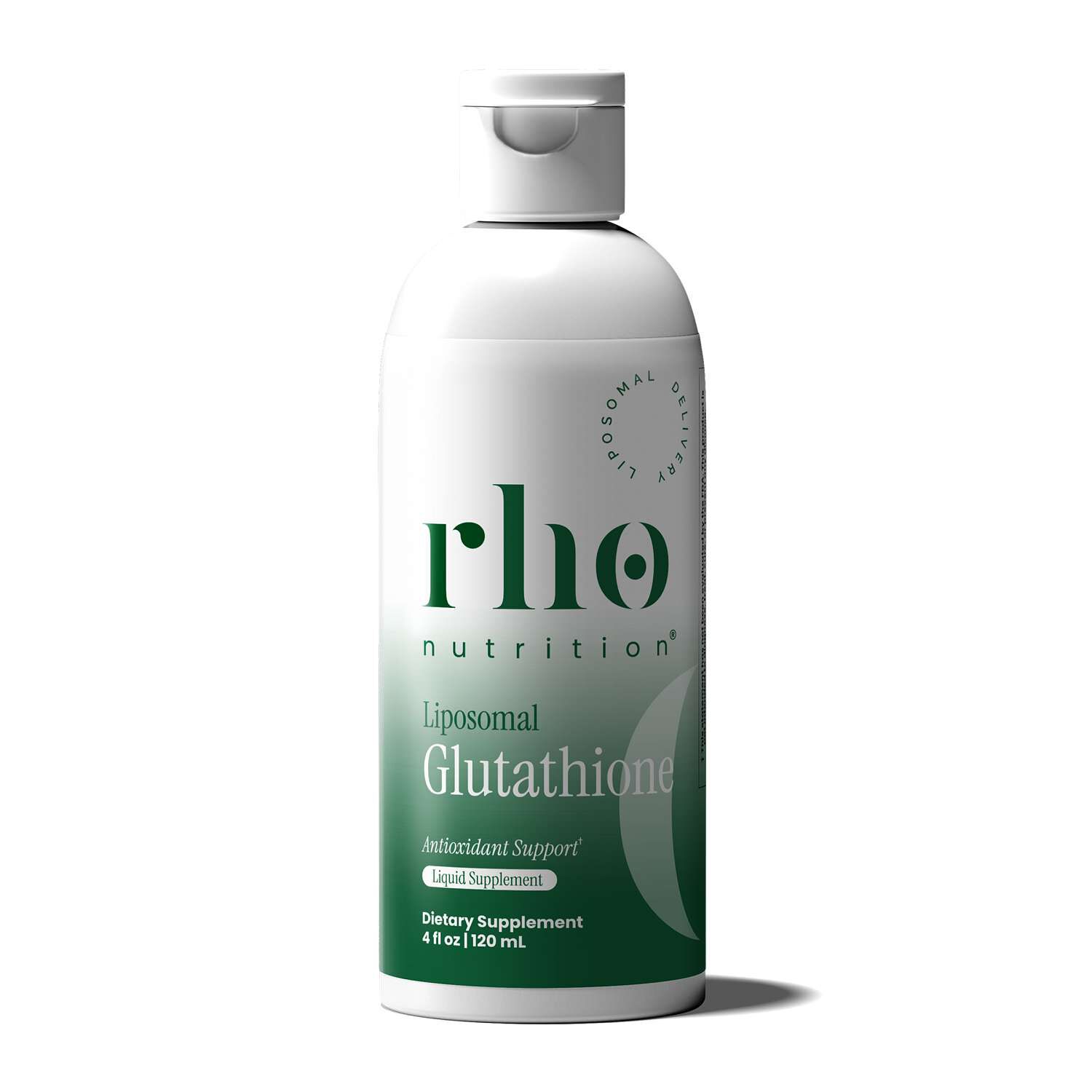 Rho Nutrition
 -
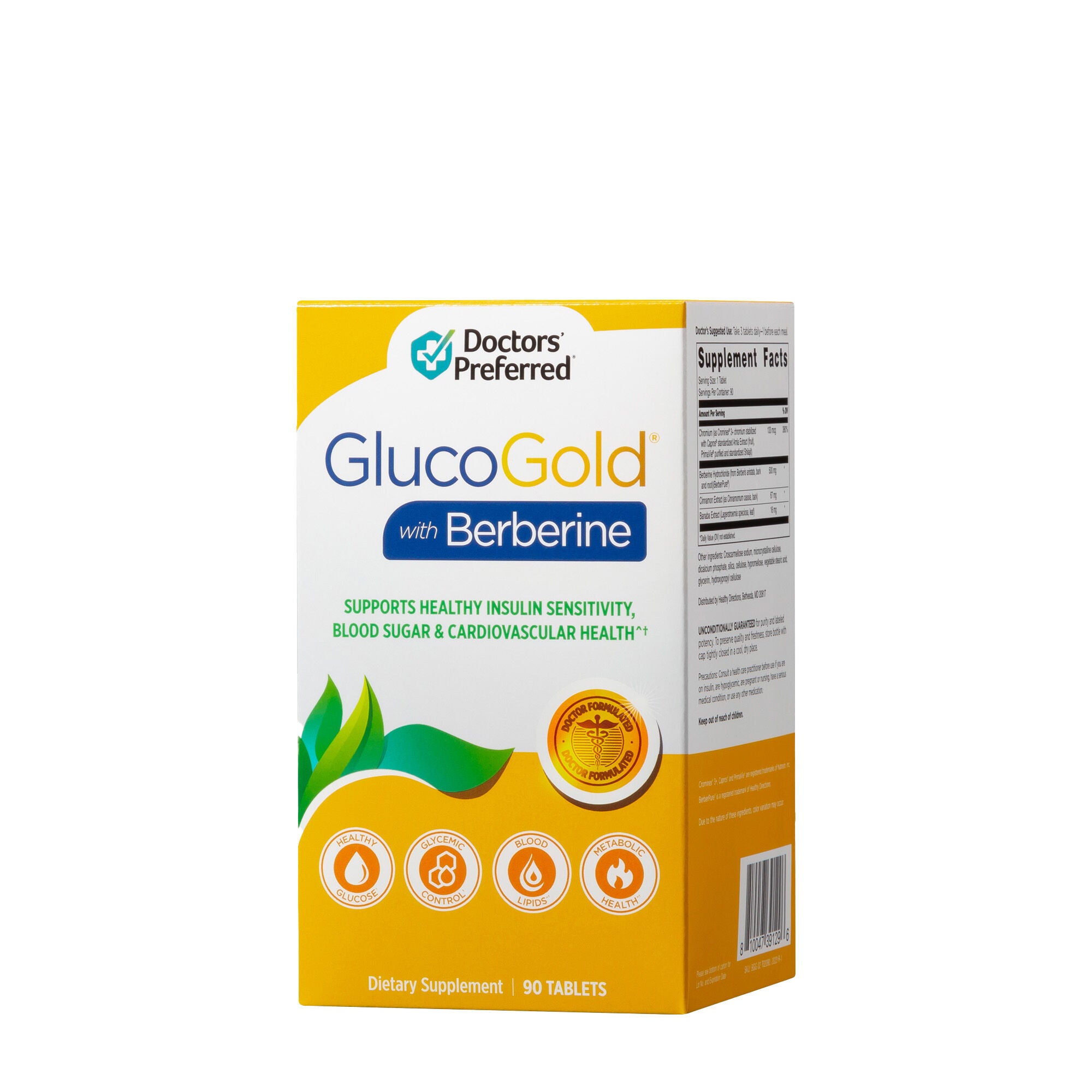 Doctors' Preferred
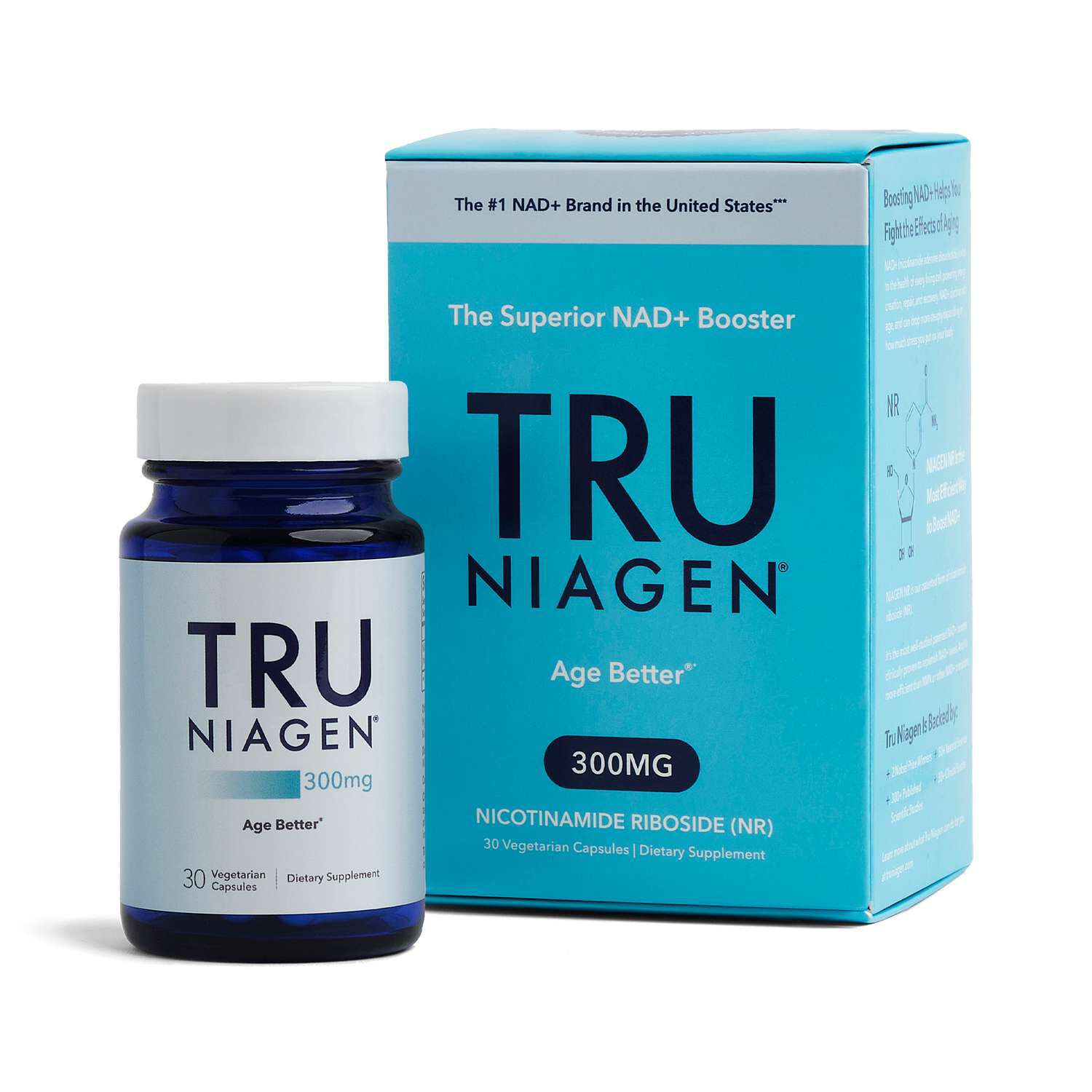
Related Pages
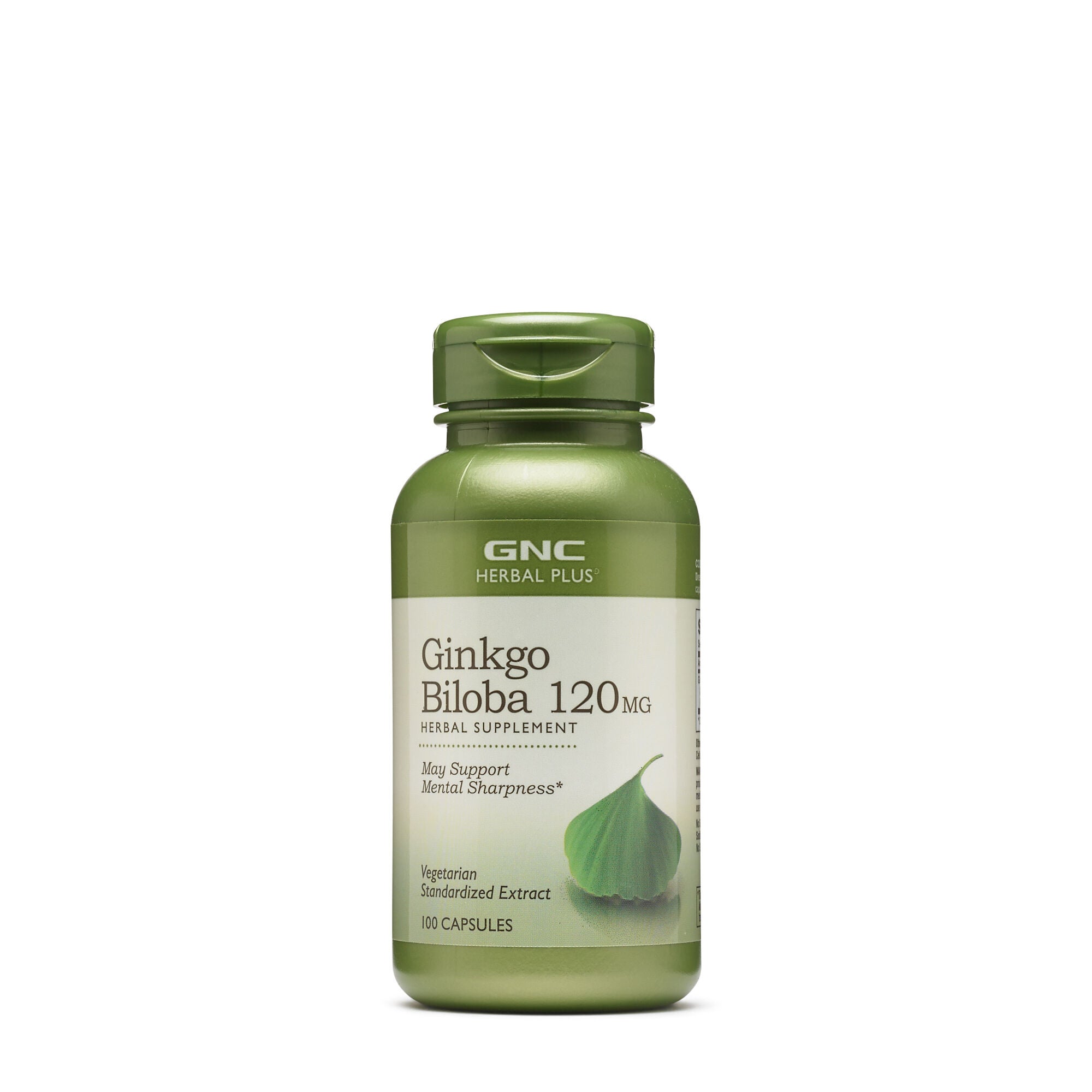


Top Collections
- Daily Collagen Supplements | Top Brands & Deals | GNC
- Natural Collagen Supplements | Top Brands & Deals | GNC
- Top Rated Collagen | Shop Customer Favorites | GNC
- Cortisol Supplements
- Vitamins For Hair Loss
- Spirulina Tablets
- NAD+ Supplement Tablets
- Peptide Supplements
- Best Brand of Magnesium Glycinate
- Vitamins That Help Support Weight Gain