





Vegetarian Phytonutrient Supplements
(0 Results)
Vegetarian phytonutrient supplements offer a convenient way to support a plant-focused lifestyle. Packed with nutrients derived from fruits, vegetables, and other plant sources, these supplements are designed for those seeking options that align with vegetarian preferences. Explore a variety of vegetarian phytonutrient supplements that may fit seamlessly into your daily routine and help you stay on track with your wellness goals.
-

-

-
-

-

-
-

-
-

-
-

-

-
 Nature's Lab$39.99
 -
 $32.99


Vegetarian phytonutrient supplements feature compounds sourced from plants and other ingredients compatible with a vegetarian diet, with formats ranging from capsules and tablets to powders and liquids. Phytonutrients are naturally occurring compounds found in fruits, vegetables, herbs, and other botanical sources. Many contribute to the colors, aromas, and flavors that distinguish one plant from another: the deep purple of a blueberry, the golden color of turmeric, or the subtle bitterness of tea. Familiar groups include polyphenols, carotenoids, and flavonoids, although each group encompasses many different compounds. These supplements center on botanical ingredients rather than serving as a substitute for the variety found in everyday meals. A concentrated fruit extract, for example, is not nutritionally interchangeable with a bowl of berries, and a greens powder does not necessarily contain the fiber found in a plate of vegetables. The distinction matters when comparing vegetarian phytonutrient supplements with multivitamins, protein powders, or other dietary supplements. Each category has a different composition and intended place in a routine. Within the phytonutrient category, some formulas focus on a single botanical source, while others combine fruit, vegetable, herb, or algae ingredients. A blend might bring together several plant pigments, whereas a single-source formula offers a narrower ingredient profile. Neither approach is automatically a better match for every shopper. Someone who prefers a short ingredient list may favor one clearly identified extract; someone accustomed to mixing a daily beverage may prefer a powder containing several botanical sources. The most meaningful distinctions are the ingredients, their amounts, the preparation method, and the serving format—not simply the number of plants named on the front of the container. For shoppers following vegetarian eating patterns or choosing more plant-derived ingredients, this category offers another way to explore botanical supplements while keeping the composition of each formula in view. The label provides a more useful starting point than the color of the powder or an image of produce on the packaging.
The details behind a botanical ingredient can explain a great deal about a vegetarian phytonutrient formula. A fruit powder, a leaf powder, and an extract made from the same plant are not necessarily equivalent preparations. Powders may contain dried, ground plant material, while extracts involve processing intended to concentrate selected constituents. Labels may identify the plant species, the portion used, and an extract ratio or a stated amount of a particular compound. Those details make comparisons more meaningful than comparing serving weights alone. A larger quantity of ordinary plant powder does not necessarily contain more of a particular phytonutrient than a smaller quantity of a concentrated extract. Likewise, an extract ratio by itself does not describe every aspect of an ingredient’s composition. Where a formula lists individual ingredient amounts, shoppers can see how much of each component appears in a serving; a blend that lists only a combined weight offers less visibility into the amounts of its components. Vegetarian suitability also depends on more than the featured botanical. Capsule shells, coatings, carriers, flavors, and other ingredients deserve attention alongside the main ingredient list. Cellulose-based capsules are a common alternative to gelatin capsules, but the capsule material alone does not establish the suitability of the entire formula. Vegetarian and vegan labeling are not interchangeable, either: vegetarian products may include ingredients derived from dairy or other sources that someone following a vegan diet avoids. A stated vegetarian designation, the Supplement Facts panel, the other ingredients list, and any relevant dietary disclosures offer complementary information. For a broader look at dietary formats beyond botanical formulas, Vegetarian Supplements includes the wider category. Within phytonutrient supplements, careful attention to botanical identity and supporting ingredients keeps the comparison grounded in what is actually inside the container. Clear labeling is particularly useful for someone maintaining a consistent vegetarian routine across several types of supplements.
Format brings the ingredient information into everyday use. Capsules and tablets offer measured portions without mixing, although their dimensions and the number required per serving can vary considerably. A serving may consist of more than one capsule, so the capsule count on the bottle is not the same as the number of servings. Powders introduce another set of preferences: flavor, texture, mixing method, and the amount of liquid specified on the label. An unflavored botanical powder can still have a pronounced earthy, grassy, tart, or bitter taste. A fruit-based ingredient does not necessarily make a formula sweet, and a finely milled powder does not always dissolve as smoothly as a beverage mix. For someone who already prepares a smoothie, a powder intended for mixing may suit that established routine. For someone who prefers a simpler setup, a capsule format avoids measuring and rinsing a mixing container. Liquid formulas have their own serving measurements and storage directions, making the supplied measuring device and the package instructions important parts of the format. Packaging also deserves consideration. A tightly closed lid, a legible label, and a container kept according to the manufacturer’s directions are practical details that matter throughout use. Powders can pick up moisture if handled with a damp scoop, so clean, dry utensils and prompt closure are sensible handling habits. Keeping a supplement in its original packaging preserves access to its ingredient list, serving directions, lot information, and expiration date. These considerations are especially relevant when choosing a larger container or a format used less frequently. Vegetarian phytonutrient supplements may appeal to adults who enjoy learning about botanical ingredients, shoppers maintaining vegetarian dietary preferences, and people comparing single-source extracts with multi-ingredient blends. Personal preferences remain central: a clearly labeled formula in a manageable format is a different shopping proposition from a complex blend with a flavor or serving size that does not suit the intended routine. Ingredient transparency, dietary compatibility, preparation details, and straightforward storage requirements provide a practical foundation for comparing the category without treating every plant-derived formula as the same.
Best Sellers
-
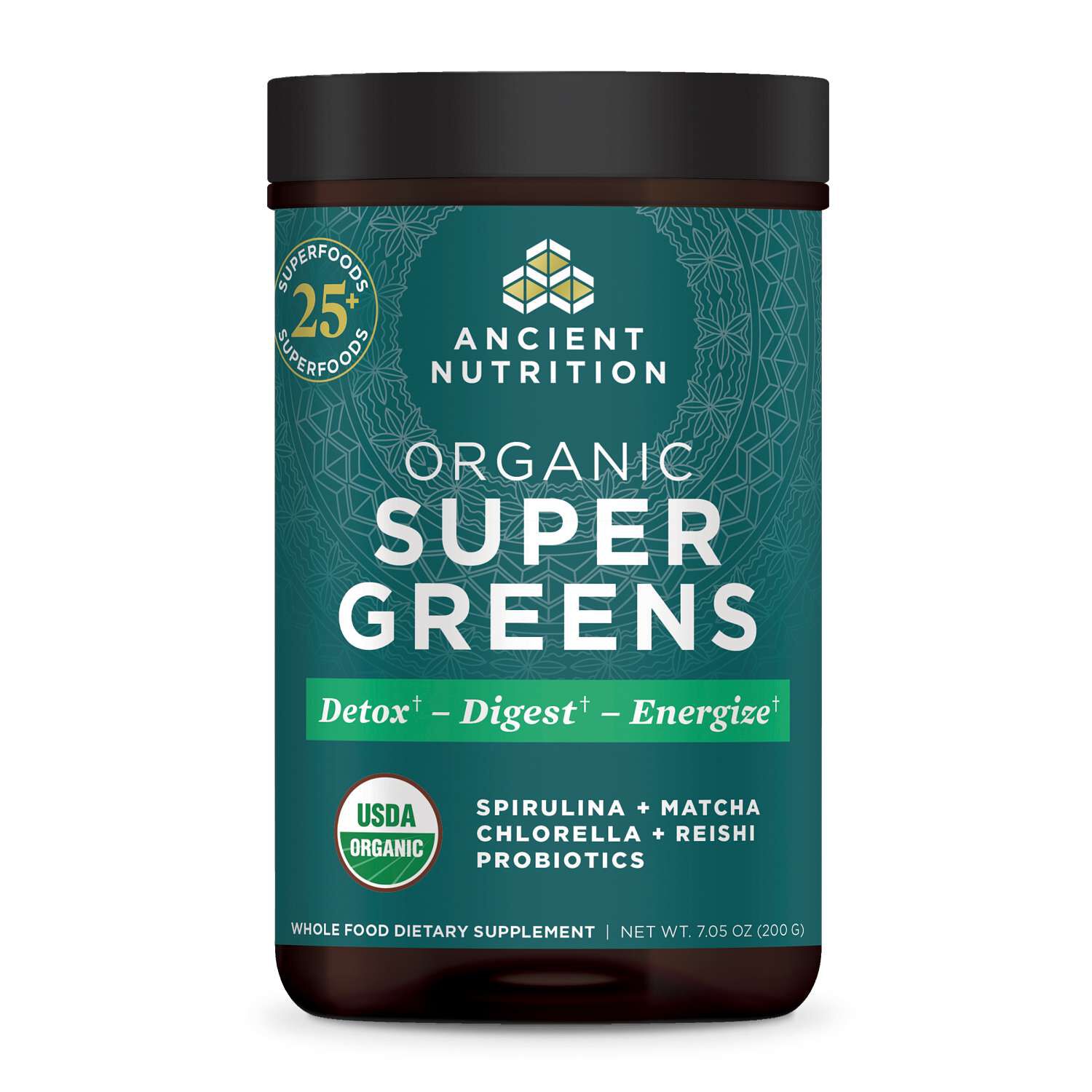 Ancient Nutrition
 -
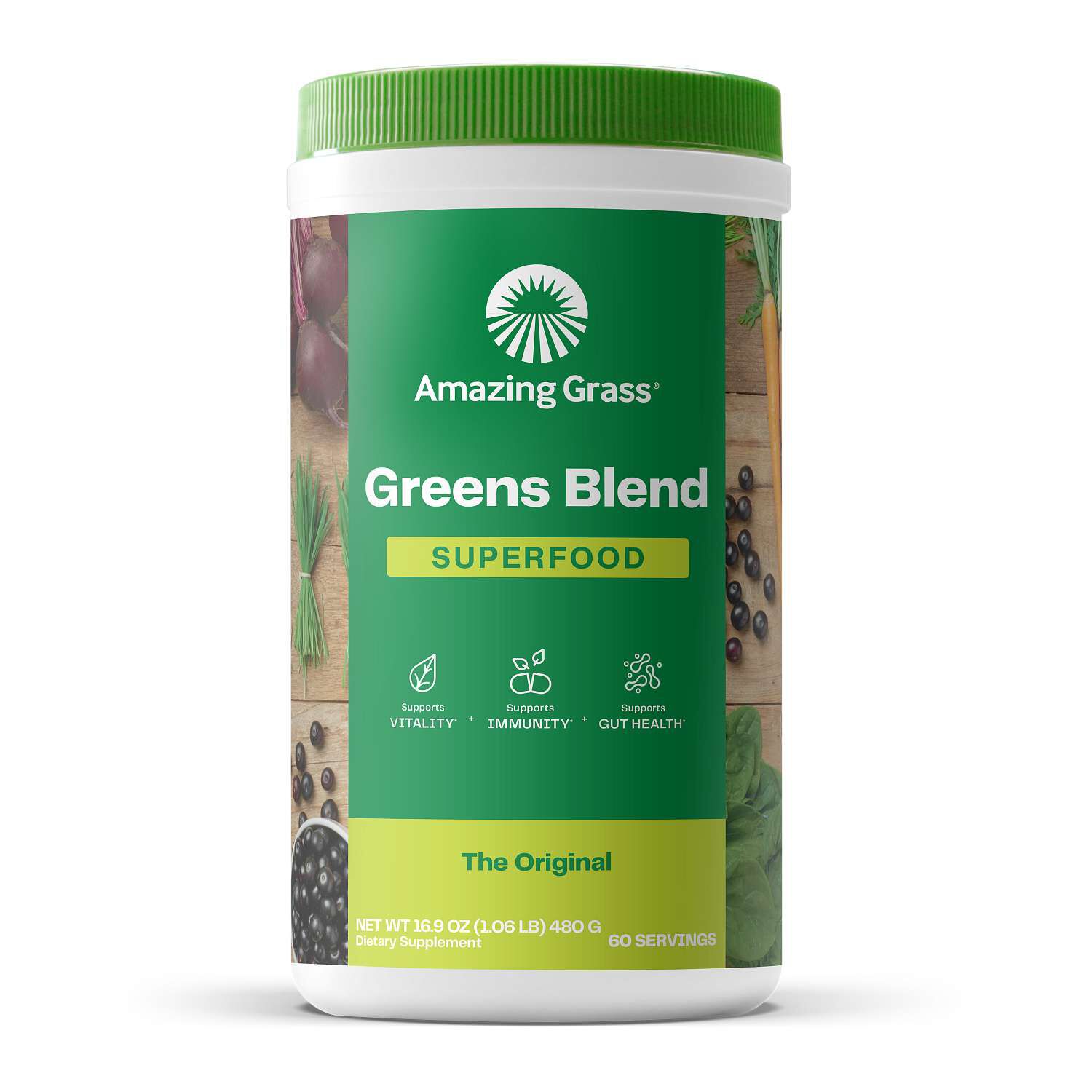 Amazing Grass


Related Pages


Top Collections
- Daily Collagen Supplements | Top Brands & Deals | GNC
- Natural Collagen Supplements | Top Brands & Deals | GNC
- Top Rated Collagen | Shop Customer Favorites | GNC
- Cortisol Supplements
- Vitamins For Hair Loss
- Spirulina Tablets
- NAD+ Supplement Tablets
- Peptide Supplements
- Best Brand of Magnesium Glycinate
- Vitamins That Help Support Weight Gain