

Vegetarian Supplements
(0 Results)
Whether you're a seasoned vegetarian or just starting out on a plant-based journey, our selection of vegetarian supplements has got you covered. Packed with essential vitamins, minerals, and nutrients to support your overall health and well-being, these supplements are specially formulated to complement your vegetarian lifestyle. From plant-based protein powders to vegan omega-3s, we offer a wide range of options to help you fill any nutritional gaps and thrive on your meat-free diet. Browse through our collection of vegetarian supplements and discover new ways to support your health goals today.
-

-

-
-

-
-

-

-

-

-

-

-

-

-
 $36.99
 -
 $32.99
 -
-
-
-

-

-

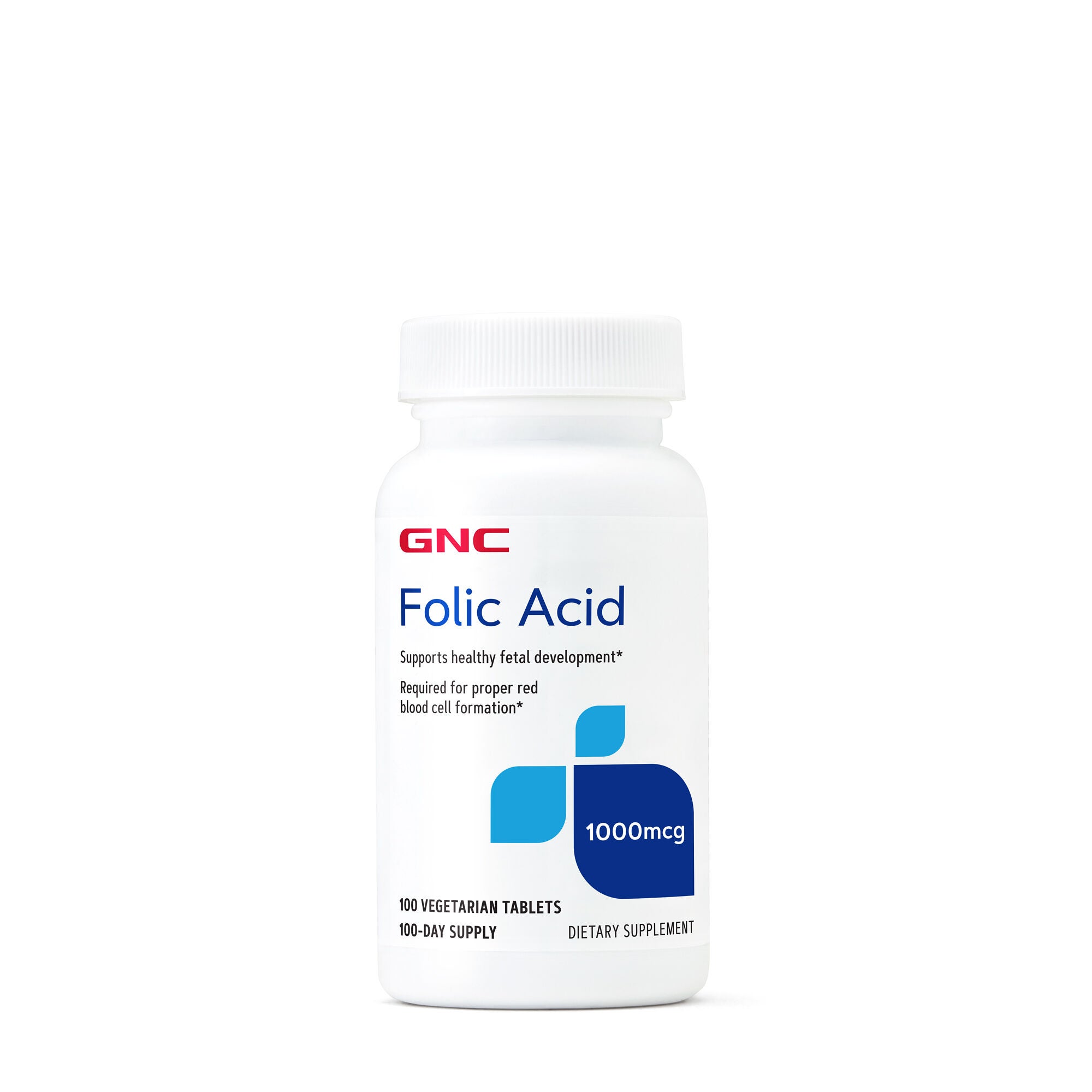

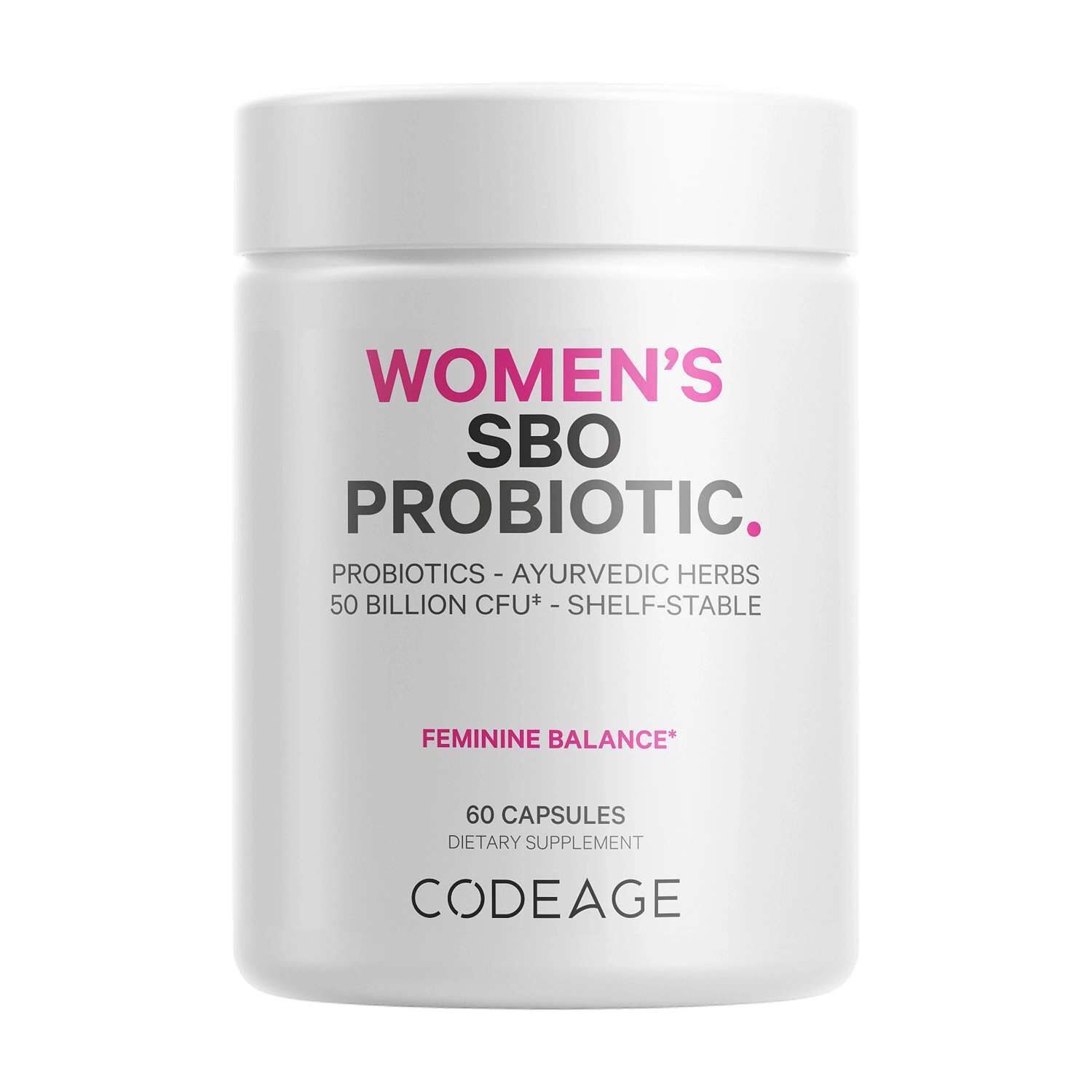
Vegetarian supplements may offer a practical way to complement meals built around vegetables, fruit, beans, lentils, whole grains, nuts, seeds, dairy foods and eggs. People follow vegetarian eating patterns in many different ways: some include dairy and eggs, while others focus almost entirely on plant foods. That difference matters when comparing formulas, serving sizes and ingredient lists. A shopper who has been vegetarian for years may look for a familiar daily multivitamin, while someone preparing more meals at home may prefer a single nutrient or a plant-based protein powder that fits into a morning smoothie. Others may be exploring vegetarian foods for the first time and want a simple place to begin. The best choice could depend on everyday meals, personal preferences, age, activity habits and guidance from a qualified healthcare professional. Reading the Supplement Facts panel can help with comparing nutrients, amounts and serving directions, while checking the label for vegetarian-friendly ingredients may help avoid animal-derived materials in capsules, flavorings or other parts of a formula. For shoppers who want to browse a broader selection, Vegetarian Vitamins may make it easier to compare options designed with plant-focused routines in mind. Vegetarian supplements can fit naturally beside ordinary meals rather than replacing them. A multivitamin may be convenient for someone whose breakfast changes from oatmeal and berries to toast and eggs depending on the morning. A protein powder could be useful after a walk, workout or long afternoon when preparing a full meal feels less appealing. Capsules, gummies, powders and chewables may suit different routines, so texture, flavor and ease of use can matter just as much as the nutrient list. During warmer weather, a powder blended with fruit and yogurt or a chilled plant-based beverage may feel especially inviting; during cooler months, the same product might be stirred into oatmeal or added to a warming breakfast bowl.
Certain nutrients often receive attention in vegetarian nutrition because their primary food sources or most concentrated forms are commonly associated with animal-based foods. Vitamin B12 may support normal nerve function and red blood cell formation, and people who eat few or no animal foods may look for B12 in fortified foods or a vegetarian supplement. Vitamin D may support bones and immune function, making it a consideration for people who spend much of the day indoors or eat few foods that contain it. Iron may support oxygen transport in the body. Plant foods such as beans, lentils, tofu, spinach and fortified grains can contribute iron, although the form found in plants may be used differently by the body than iron from animal foods. Some shoppers pair iron-containing foods with sources of vitamin C, such as citrus, strawberries, tomatoes or bell peppers, as part of a varied meal. Calcium may support strong bones and is found in dairy foods as well as fortified plant beverages, tofu made with calcium and leafy greens. Omega-3 supplements made from microalgae may appeal to vegetarians seeking a fish-free source of these fatty acids; omega-3s may support heart and brain function. Protein powders made from peas, soy, rice or other plant sources may help add protein to smoothies, pancake batter or overnight oats, particularly for active people, busy students and anyone who finds it difficult to build satisfying meals around a packed schedule. These categories are not interchangeable, and taking more of a nutrient does not necessarily make a product a better fit. A person who already eats fortified cereal, dairy foods, eggs, beans and leafy greens may shop differently from someone whose meals are mostly fresh produce and grains. Personal dietary patterns, food preferences and professional guidance can all inform a thoughtful choice.
A vegetarian supplement may also make a considerate gift for a friend, college student, new parent or family member who enjoys cooking with plant foods, provided the recipient’s preferences are known. A reusable shaker paired with a vegetarian protein powder could suit someone who likes quick breakfasts, while a clearly labeled multivitamin might fit a traveler who wants a familiar option for a busy season of work or school. For a host gift, a supplement may be less personal than a basket of pantry staples, but it could be appropriate when the recipient has already mentioned a favorite format or nutrient. Labels deserve a close look before buying for someone else: gelatin capsules may not align with every vegetarian preference, and some people may avoid specific sweeteners, flavors or allergens. Choosing products with straightforward directions and packaging that is easy to read can make a gift feel more considerate. Storage also matters, especially for powders and chewables; a cool, dry cabinet away from kitchen steam may help preserve the product’s intended quality. As routines shift from outdoor meals and travel to packed lunches and comforting home cooking, vegetarian supplements may provide convenient additions to a balanced eating pattern. They could be blended into a smoothie with banana and berries, mixed into oats on a crisp morning or taken alongside a meal according to the label. The goal may be a routine that feels simple enough to maintain, reflects the shopper’s style of vegetarian eating and complements the foods already on the plate.