





Vegetarian NAD Supplements
(0 Results)
Discover a selection of vegetarian NAD supplements designed for those seeking plant-based options to support their wellness journey. Whether you follow a vegetarian lifestyle or simply prefer supplements made without animal-derived ingredients, these choices may fit seamlessly into your daily routine. Explore vegetarian NAD supplements that could help you align your nutritional goals with your dietary preferences.
-
-
-
-
-
-
-
-
 GNC Preventive Nutrition22$46.99
-

-

-
-
-

-
-
 $44.99
-
 $24.99

Vegetarian NAD supplements bring together an interest in cellular nutrition and a preference for ingredients that fit a vegetarian lifestyle. NAD, short for nicotinamide adenine dinucleotide, is a coenzyme found naturally in living cells and involved in normal cellular energy metabolism. The term NAD+ refers to one form of that coenzyme, and both terms appear in supplement descriptions. Within this category, formulas can differ in what they actually contain: some feature NAD itself, while others feature a precursor, an ingredient the body uses in the process of making NAD. Nicotinamide riboside, often abbreviated as NR, is one such precursor and a form of vitamin B3. These distinctions matter because products grouped under the same category name are not necessarily interchangeable. The Supplement Facts panel provides a more precise picture than a large number or a broad description on the front of the bottle. Vegetarian suitability is a separate consideration from the featured ingredient. A vegetarian capsule commonly uses cellulose or another suitable shell material rather than animal-derived gelatin, but the shell alone does not establish the status of the entire formula. Other ingredients, coatings, and added nutrients also matter. A label that explicitly identifies the finished supplement as vegetarian offers clearer context than a reference to a vegetable capsule by itself. Vegetarian and vegan descriptions are not identical, either: a vegetarian designation does not necessarily exclude every ingredient derived from animals, such as those associated with dairy. For someone whose purchasing choices reflect specific dietary preferences, that distinction deserves attention. Vegetarian NAD supplements may appeal to adults who already choose vegetarian multivitamins or other supplements and want similar ingredient transparency across their routine. They may also interest shoppers who prefer a cellulose capsule regardless of their broader eating pattern. In either case, the most useful comparison begins with the named ingredient, its amount per serving, and the dietary information for the finished formula.
The practical differences between vegetarian NAD supplements often become clearer when looking beyond the category name to serving size, capsule construction, and formula complexity. An amount displayed prominently on a bottle may describe a serving rather than a single capsule, so capsule count and serving count tell different stories. A bottle containing sixty capsules, for example, does not necessarily represent sixty servings. Reading those details together makes it easier to picture the product as part of an ordinary routine rather than as a number on a label. Someone who prefers a short ingredient list may gravitate toward a formula centered on one named NAD-related ingredient; another shopper may prefer a combination formula with additional nutrients or botanical ingredients. Neither approach is automatically a better match for everyone. Added ingredients introduce their own sourcing and dietary considerations, and a familiar botanical name does not establish that the whole formula is vegetarian. The Other Ingredients section is especially useful here, since it identifies capsule materials and ingredients used in manufacturing, such as fillers or flow agents. A cellulose capsule shell is commonly plant-derived, but it is not evidence that every ingredient inside it comes directly from a plant. Some supplement ingredients are made through fermentation or other manufacturing processes, making clear finished-product labeling more useful than assumptions based on a plant motif on the package. Capsule dimensions, when provided, are another practical detail, especially for someone who has a strong preference for smaller formats. Serving directions also help distinguish a formula that involves one capsule from one that involves several. Shoppers comparing related ingredient approaches can also explore additional vegetarian NAD supplements, with the same attention to the named ingredient and dietary designation. The category connection offers context, while each individual label remains the reference for composition and intended use. Clear amounts and straightforward ingredient descriptions make those comparisons more meaningful than broad language about vitality or aging.
For everyday use, a vegetarian NAD supplement is best understood as a dietary supplement with a defined formula, not as a substitute for meals, sleep, or an otherwise varied routine. Interest in NAD biology does not mean that a particular capsule will produce a noticeable change in how someone feels, and an ingredient’s role in the body is not the same as evidence for a finished product’s effects. A thoughtful product description keeps those distinctions visible. The details that often matter most at home are more tangible: whether the dietary designation matches the shopper’s preferences, whether the serving format is manageable, and whether the package supplies clear directions and storage information. Picture a bottle kept alongside a vegetarian multivitamin in a household cabinet. Its usefulness as part of an organized routine depends in part on readable labeling and a consistent place to keep it, not simply on the prominence of NAD+ on the front. Original packaging preserves access to the ingredient list, serving directions, lot information, and expiration date. Storage instructions deserve attention because capsule shells and their contents can be affected by moisture and unsuitable handling. A tightly closed container stored according to its label is a more appropriate approach than leaving capsules loose in an open dish or an unmarked bag. For shoppers who use a daily organizer, keeping the original bottle provides a reference for details that an organizer cannot display. Packaging materials and closure design can also be relevant for households that prioritize orderly storage or want a container that is straightforward to handle. As a gift, this category is most appropriate when the recipient has already expressed a preference for this type of supplement and its ingredients; dietary choices and personal routines are too individual to infer from a general interest in wellness. Whether the purchase is familiar or new, vegetarian NAD supplements invite a closer look at both ingredient identity and everyday practicality. A clearly stated vegetarian designation, an understandable serving size, and transparent labeling provide a grounded basis for comparing formulas without relying on sweeping expectations.
Best Sellers
-
Rho Nutrition
-
 Rho Nutrition
-
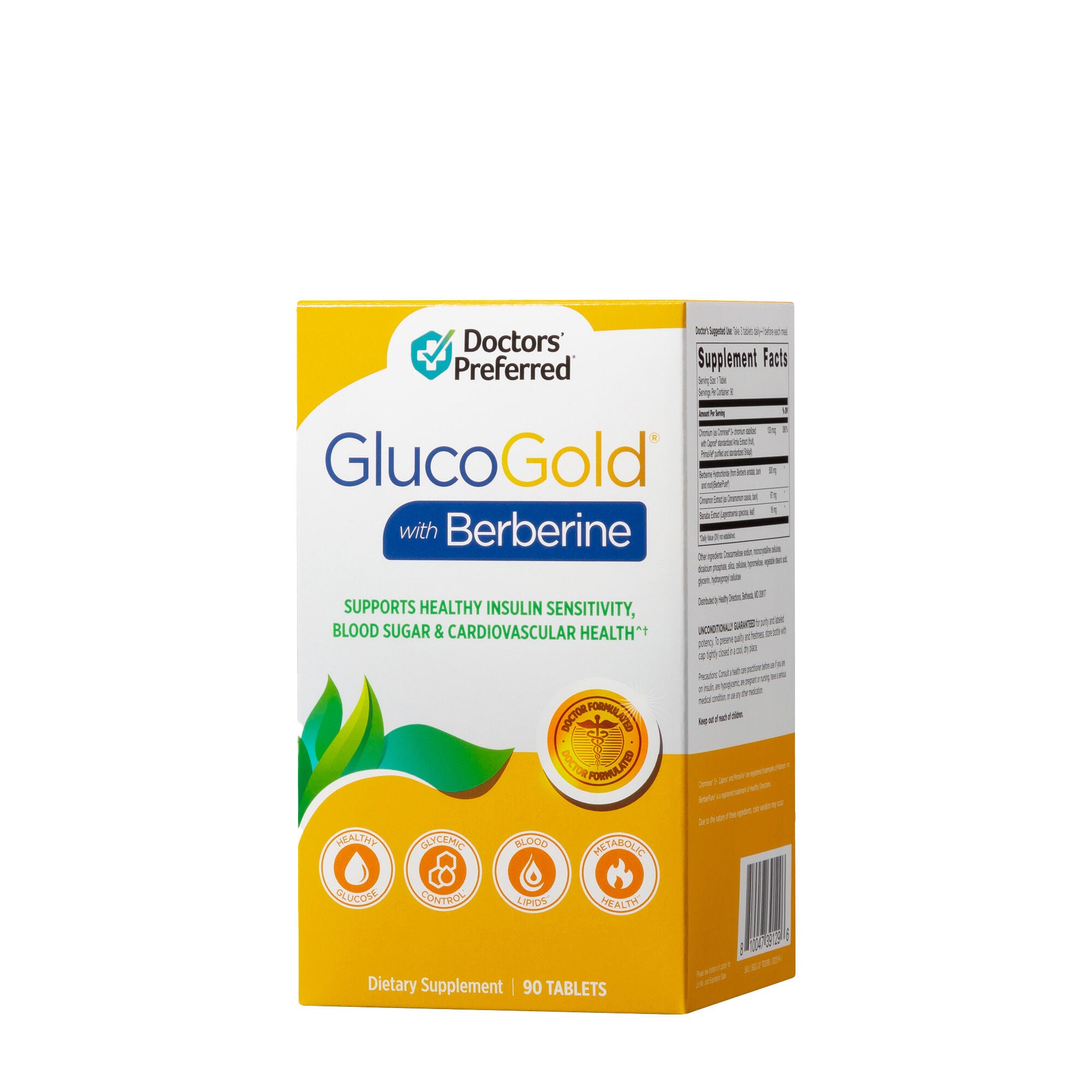 Doctors' Preferred
