Vegetarian Supplements For Women
(0 Results)
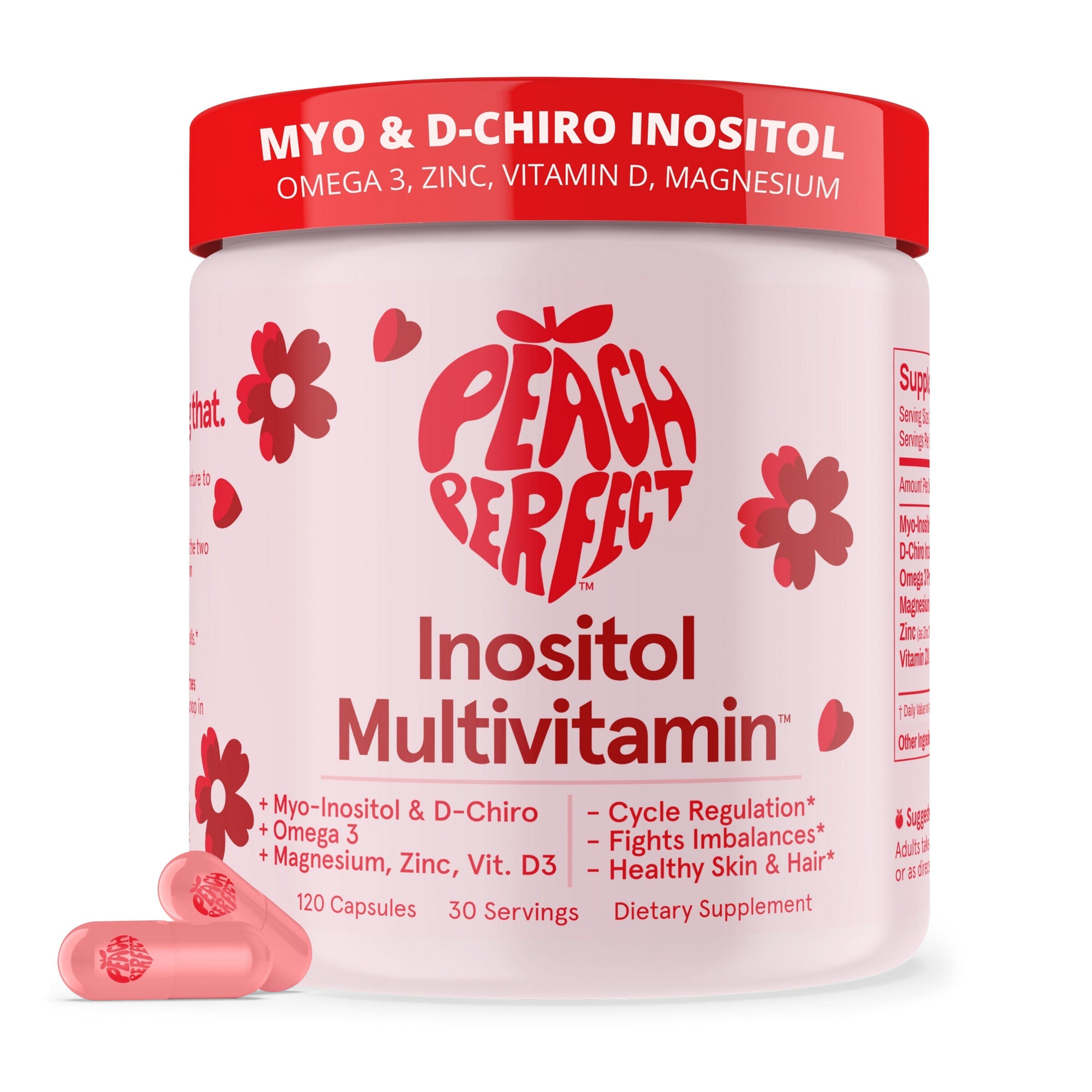
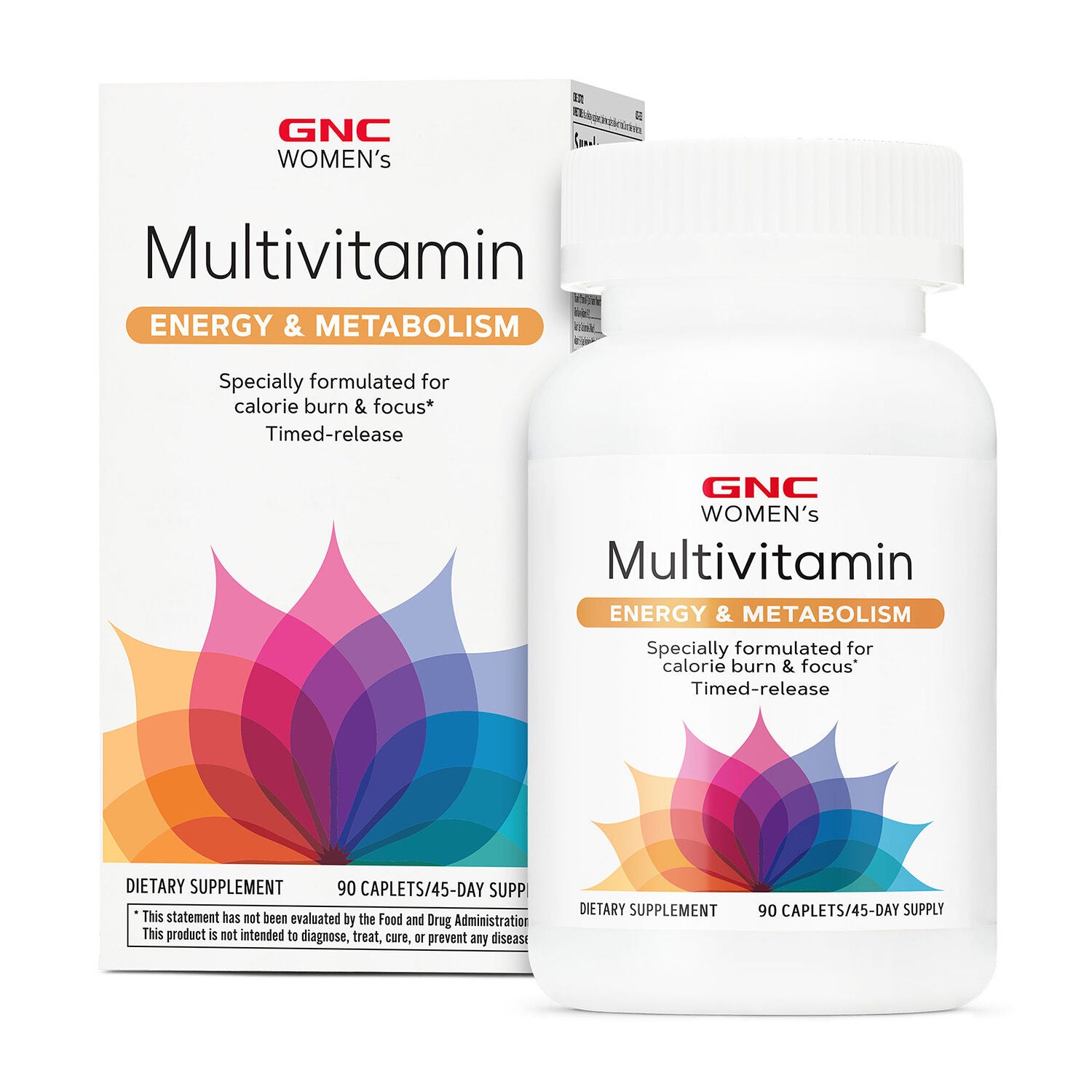
Vegetarian supplements for women offer a variety of options to help support daily wellness goals while aligning with plant-based lifestyles. From multivitamins to minerals and herbal blends, these supplements are crafted to fit vegetarian preferences. Whether you're looking to complement your diet or explore new ways to maintain your routine, vegetarian supplements for women may provide a convenient addition to your wellness journey.
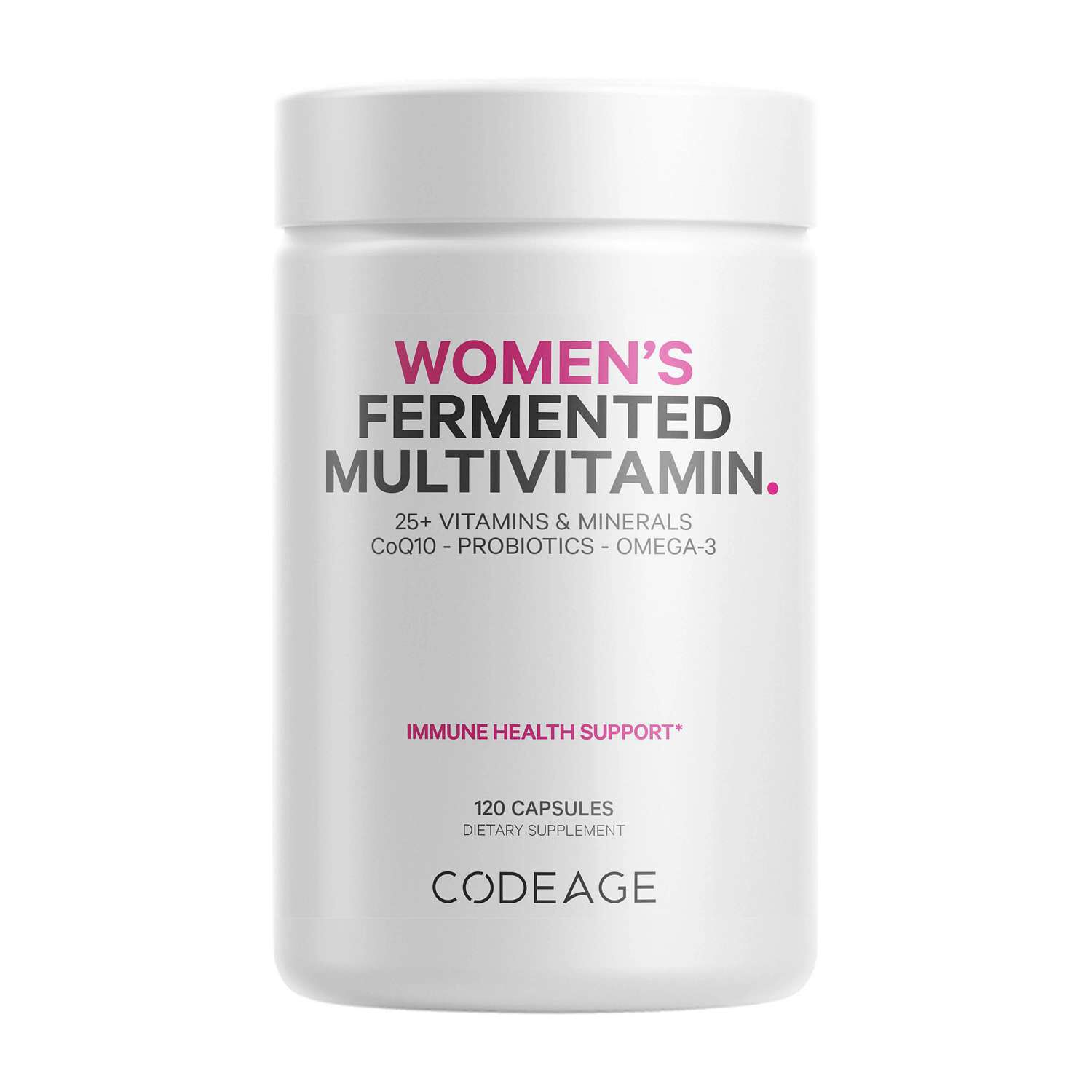
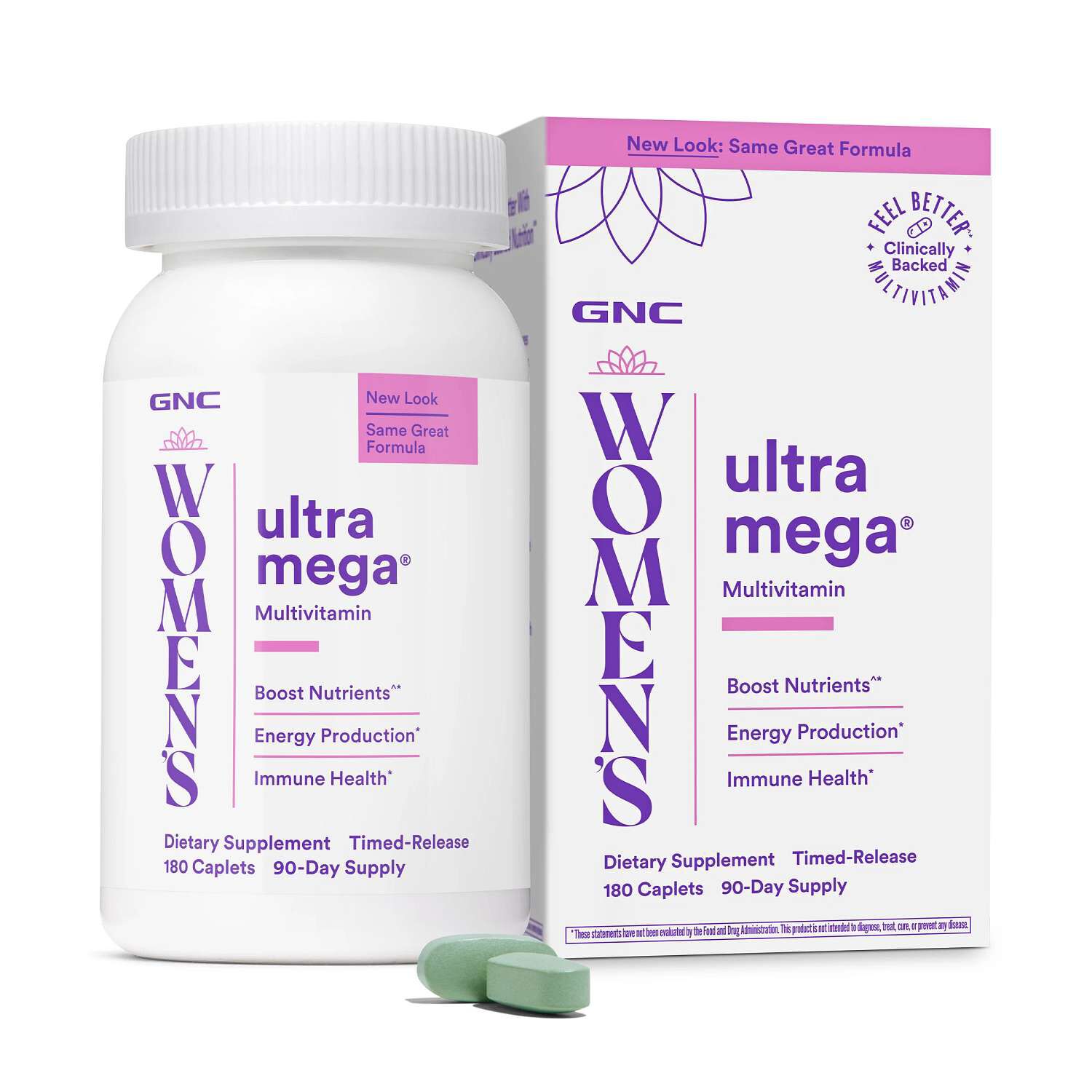


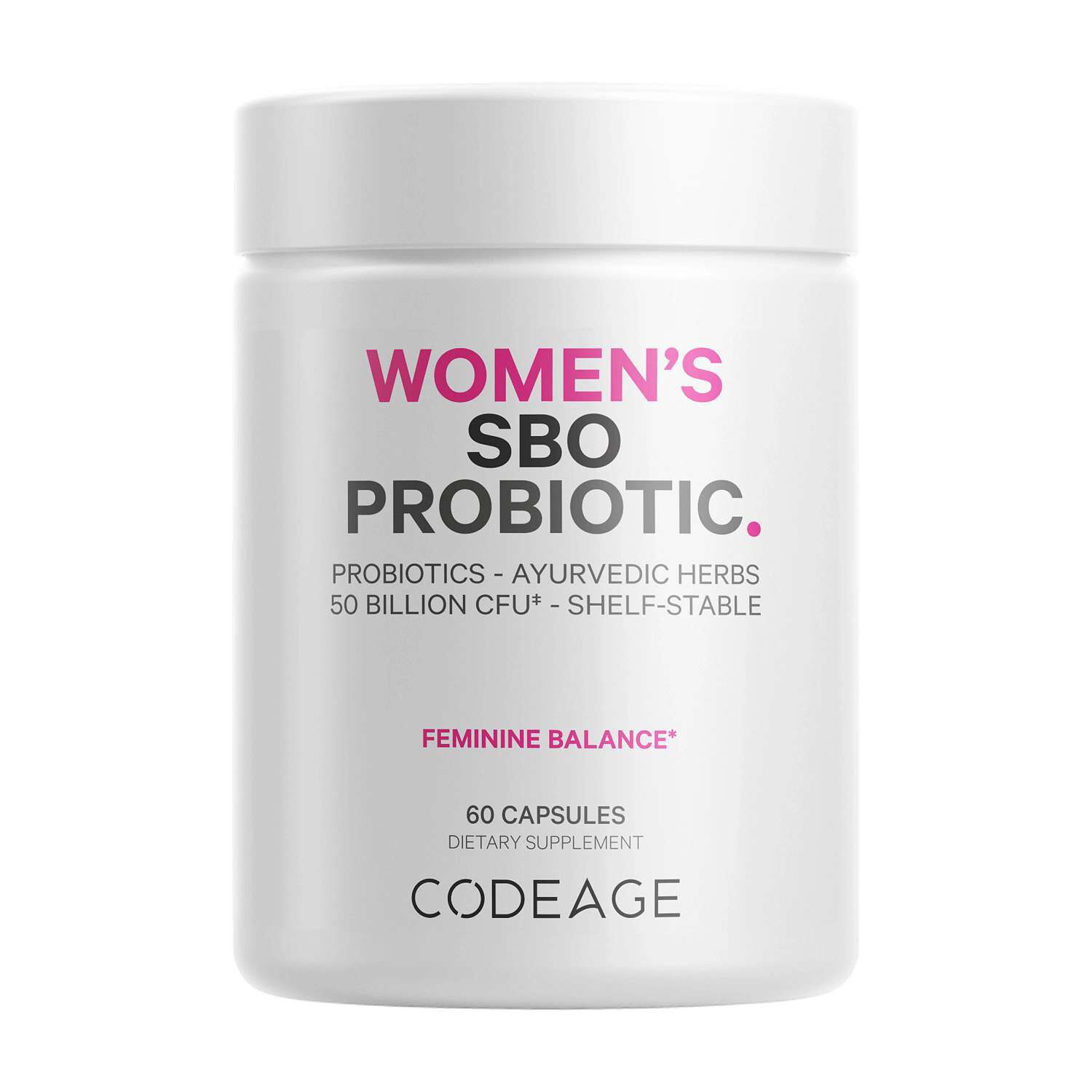
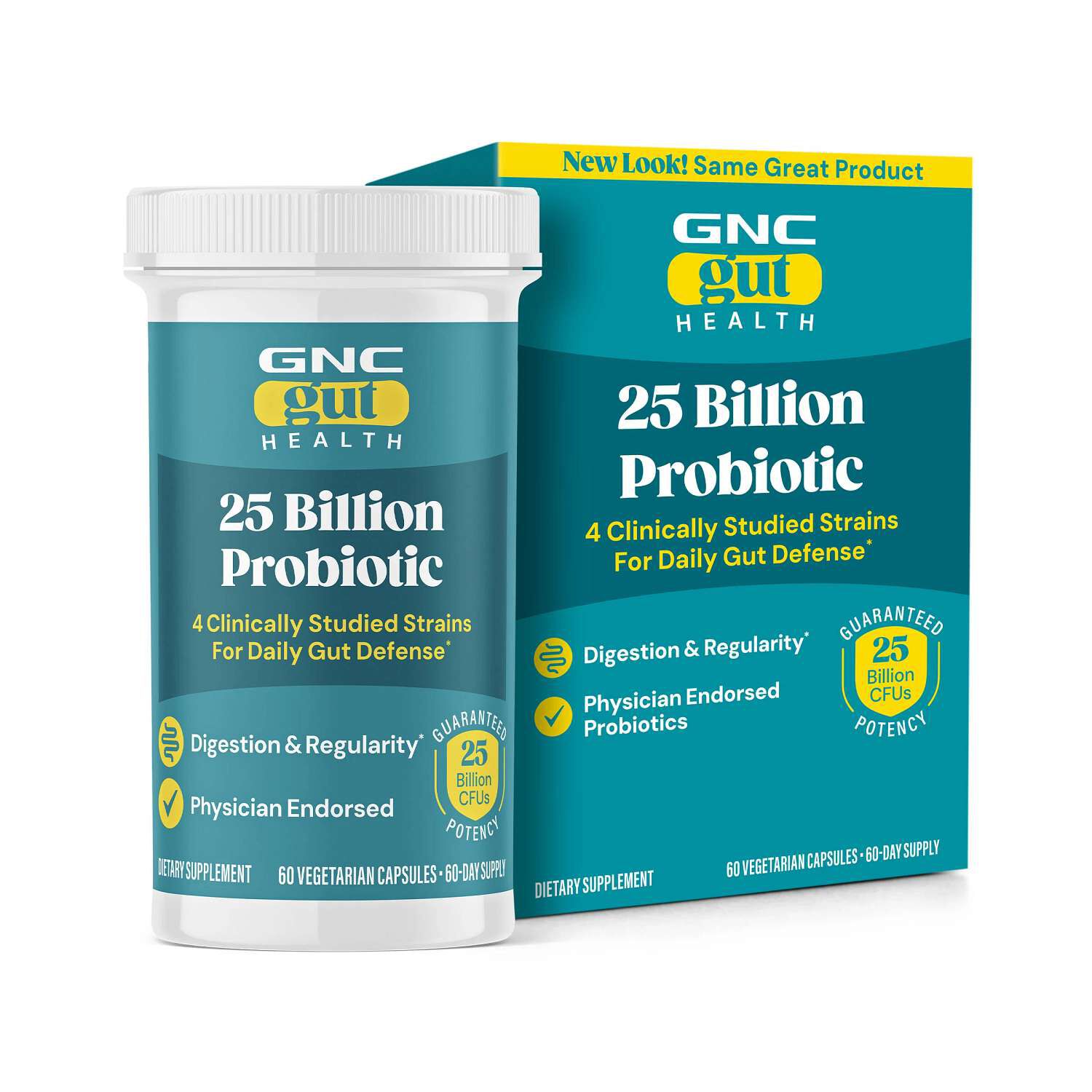


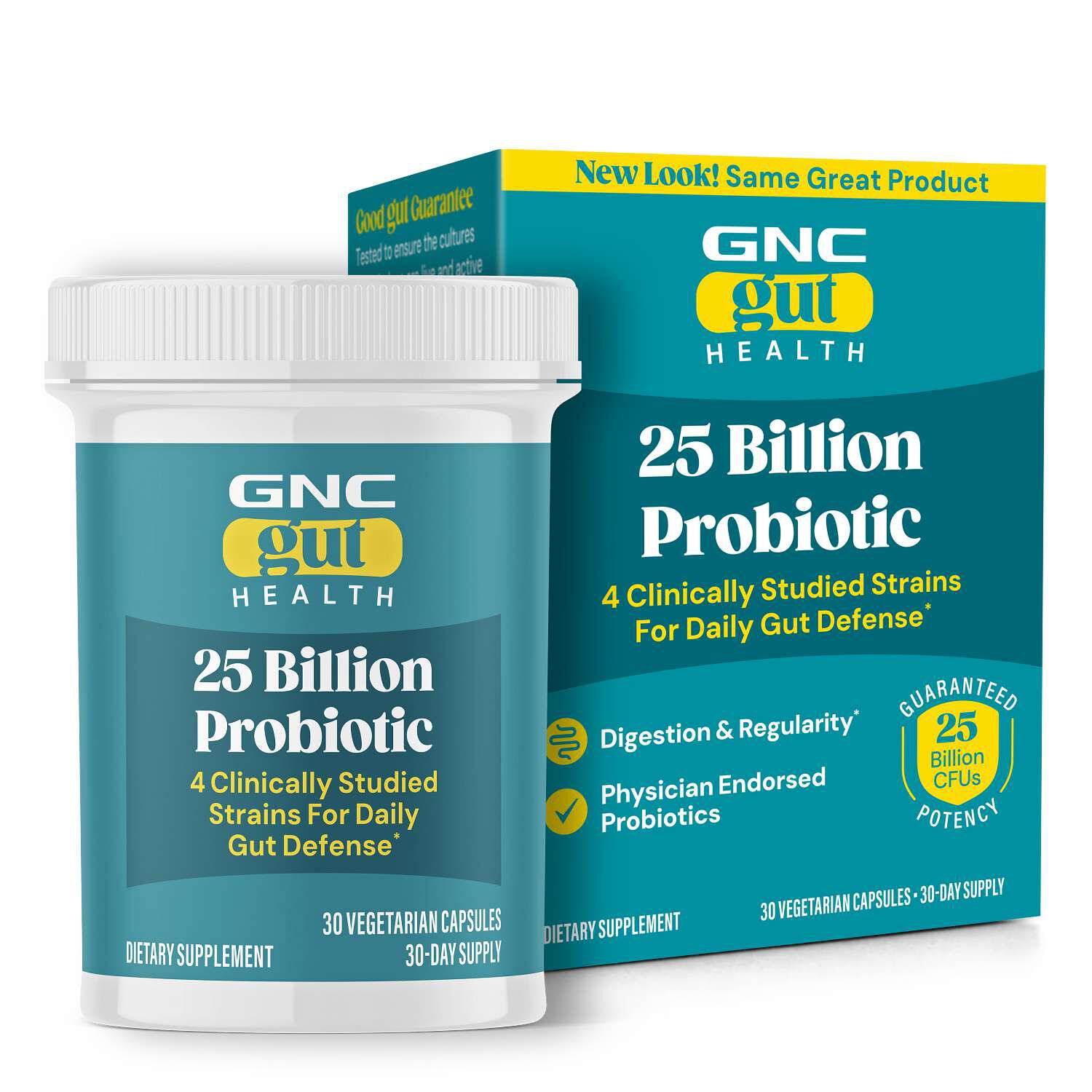
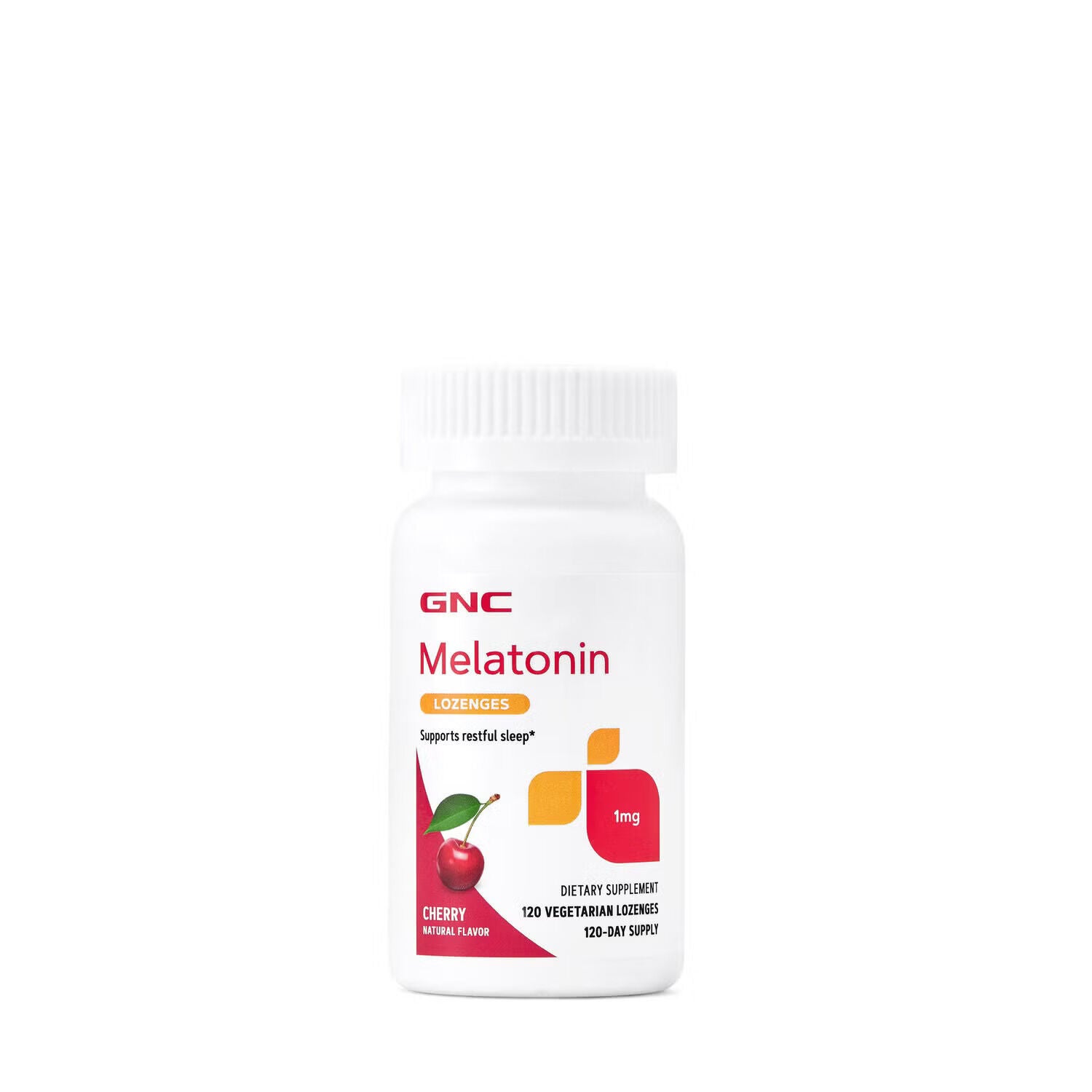
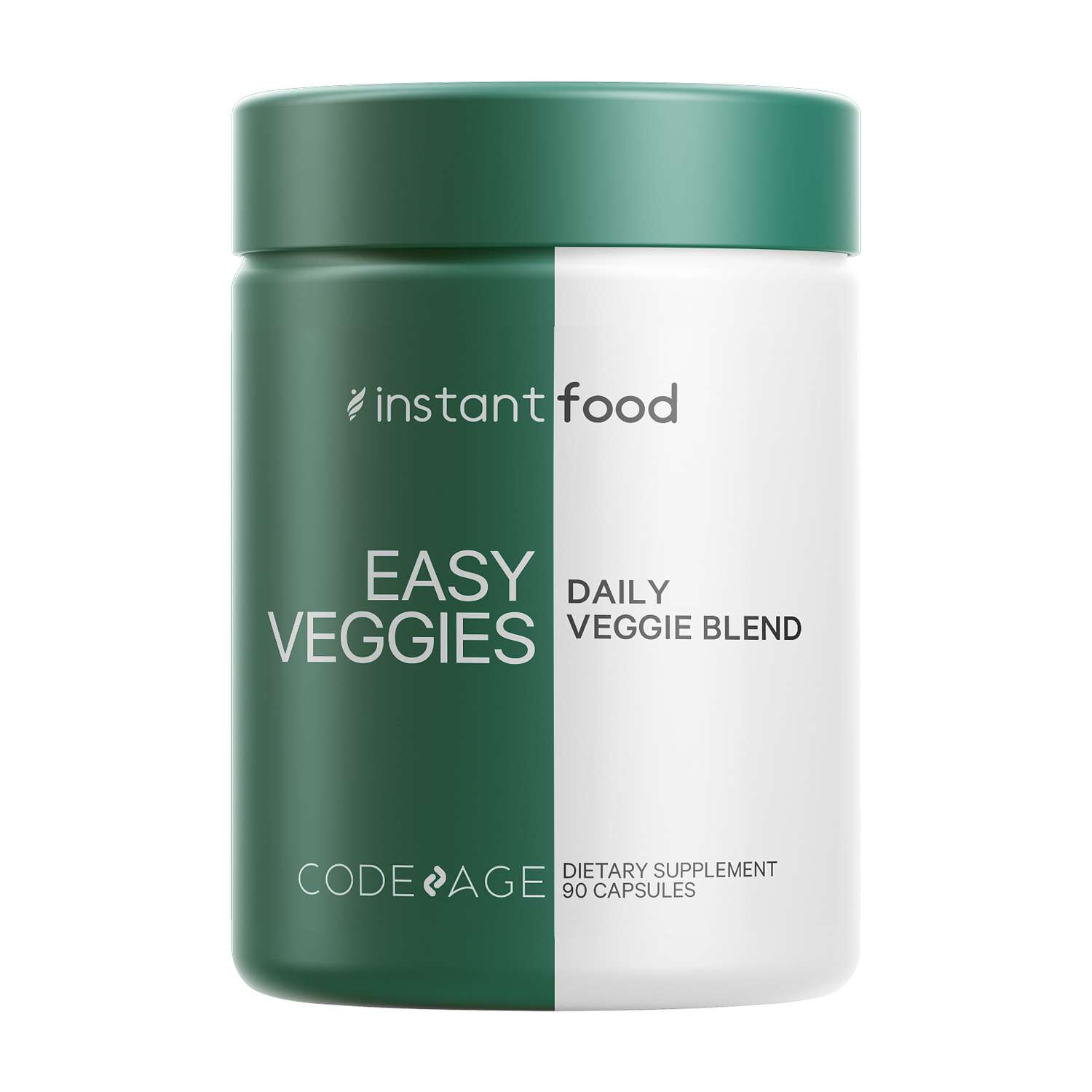
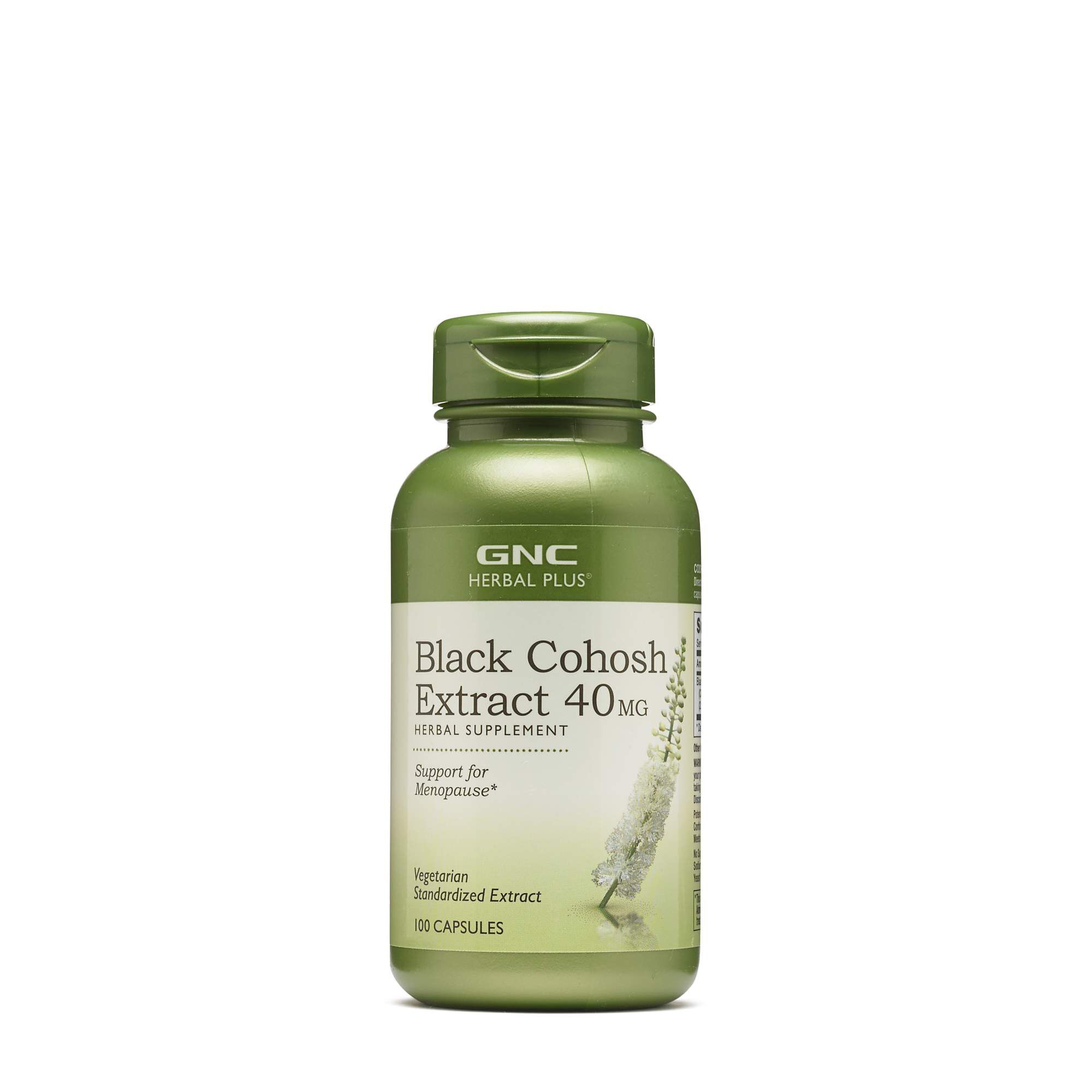
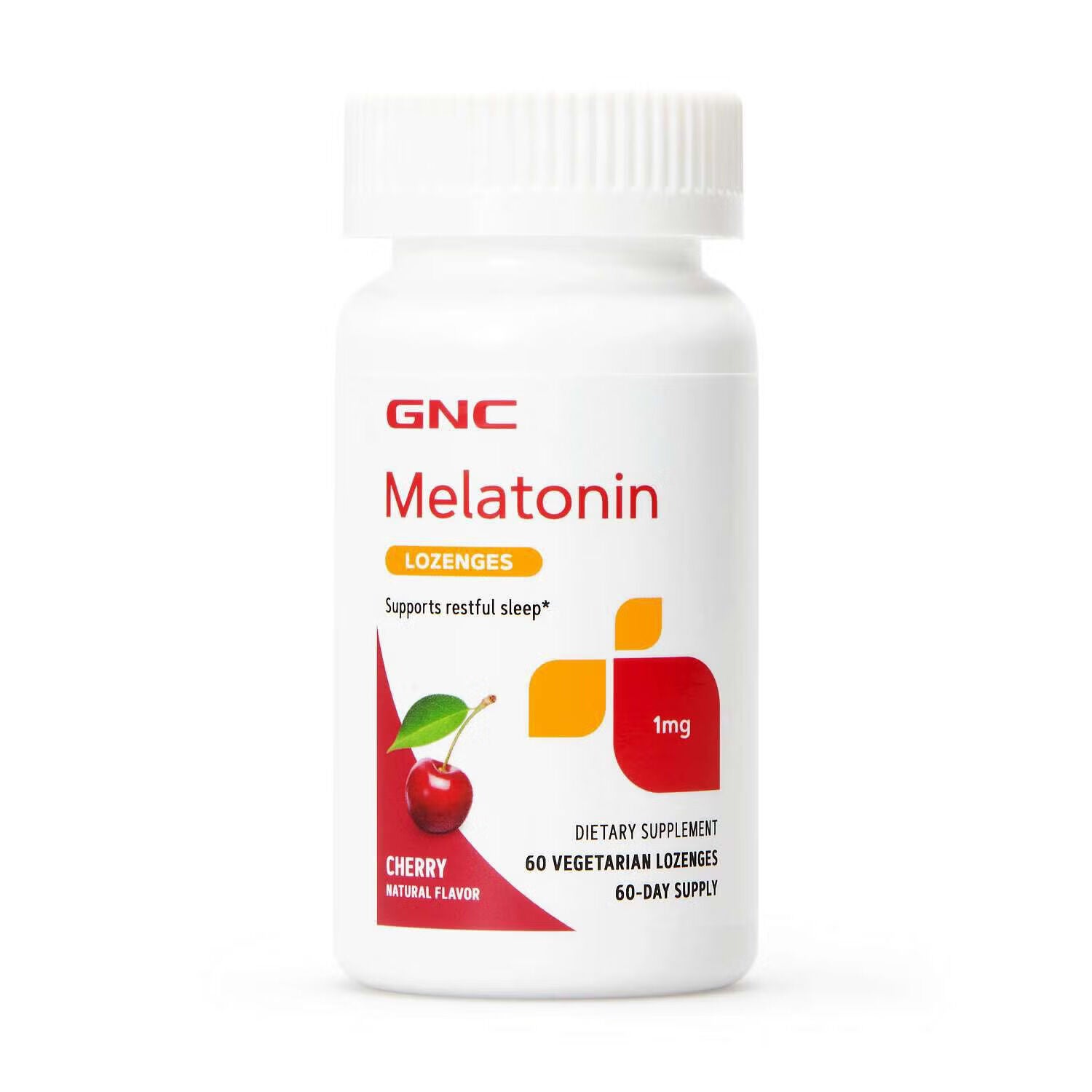
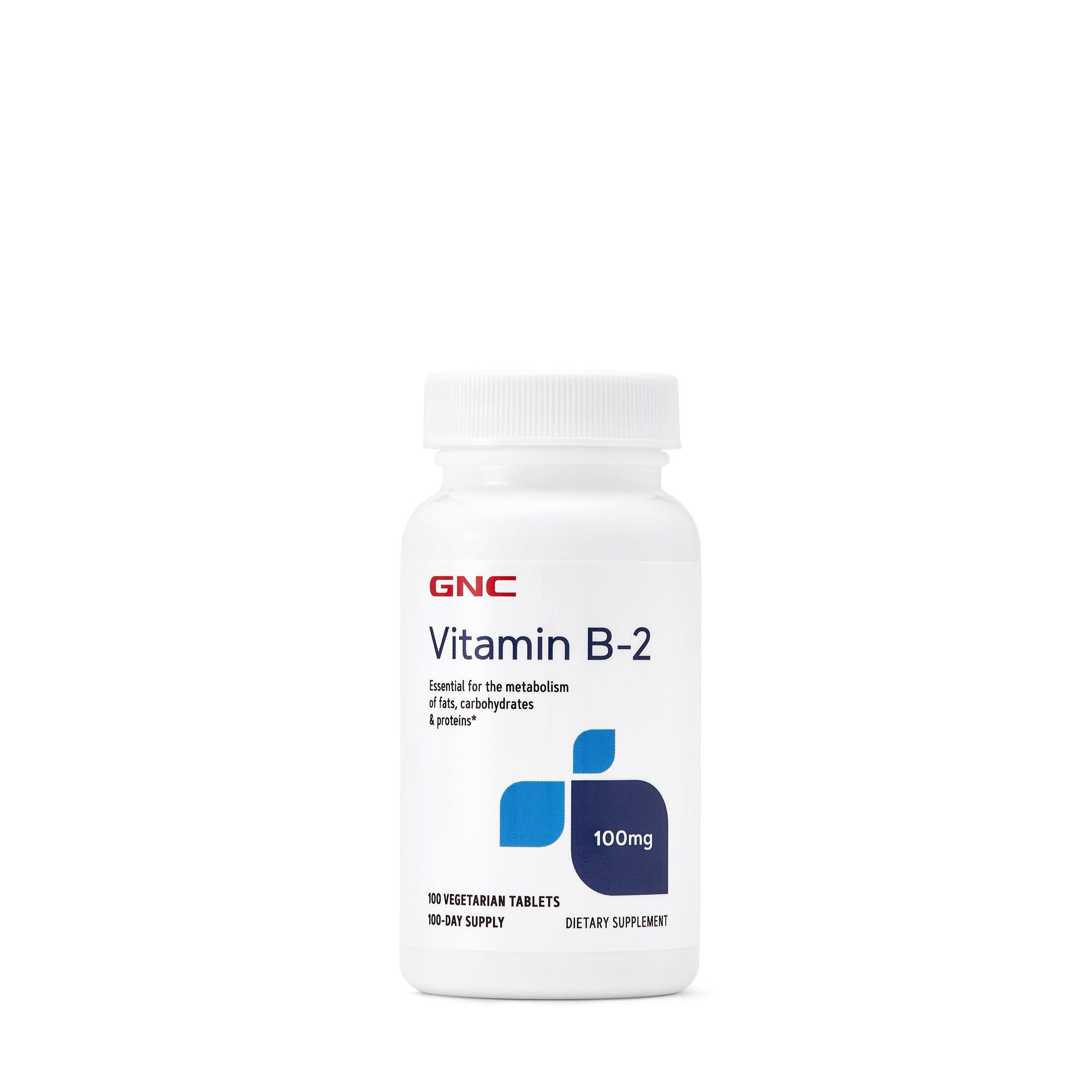
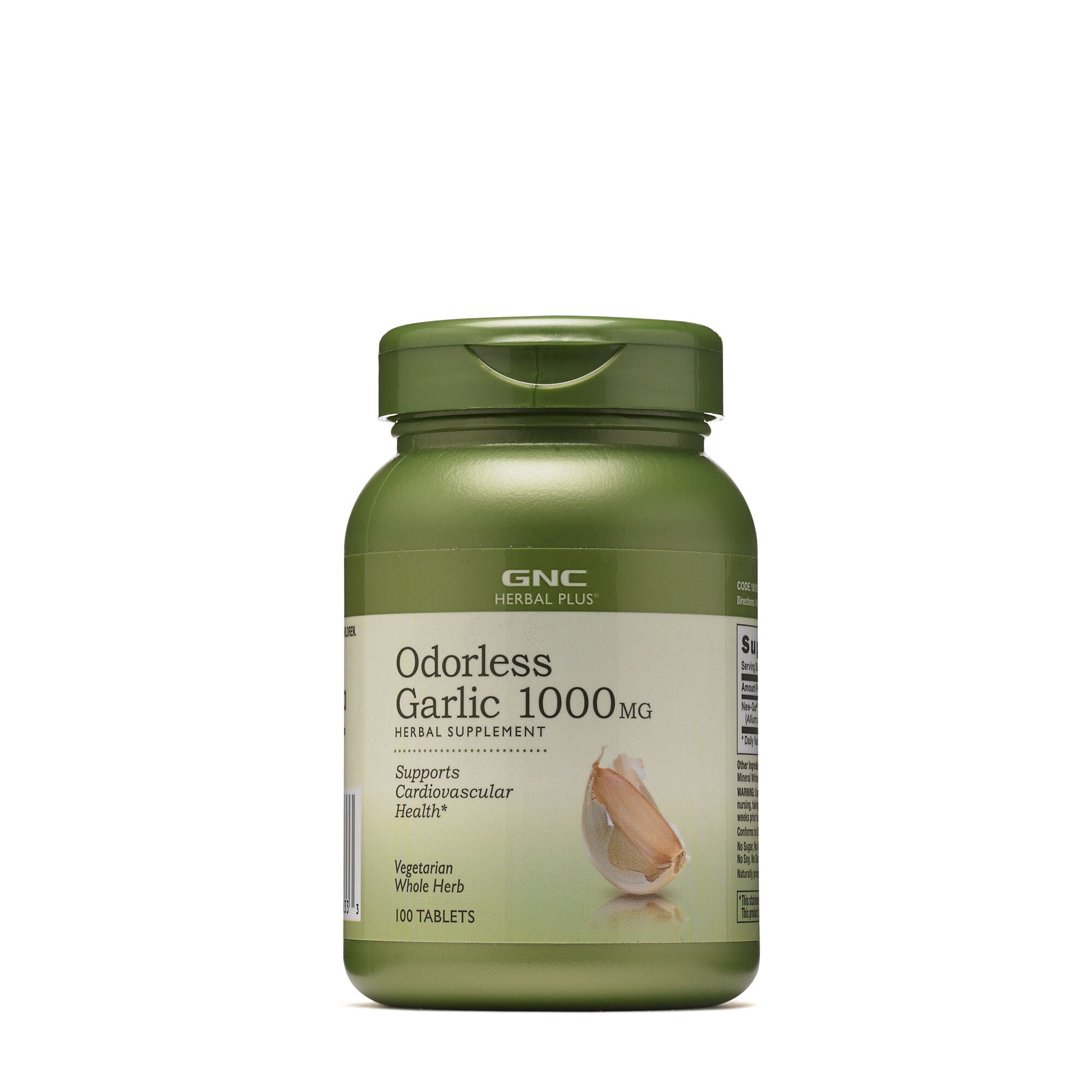

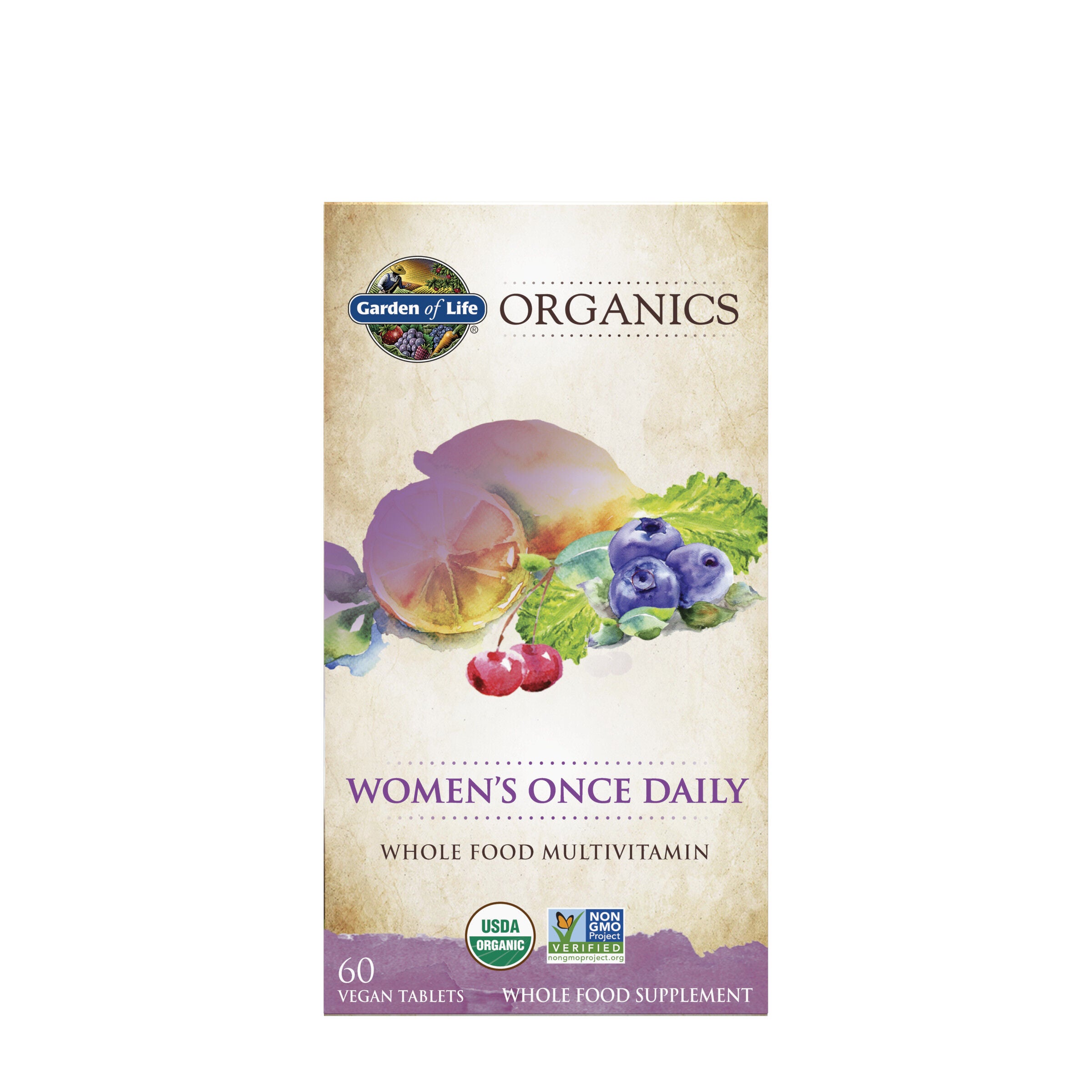
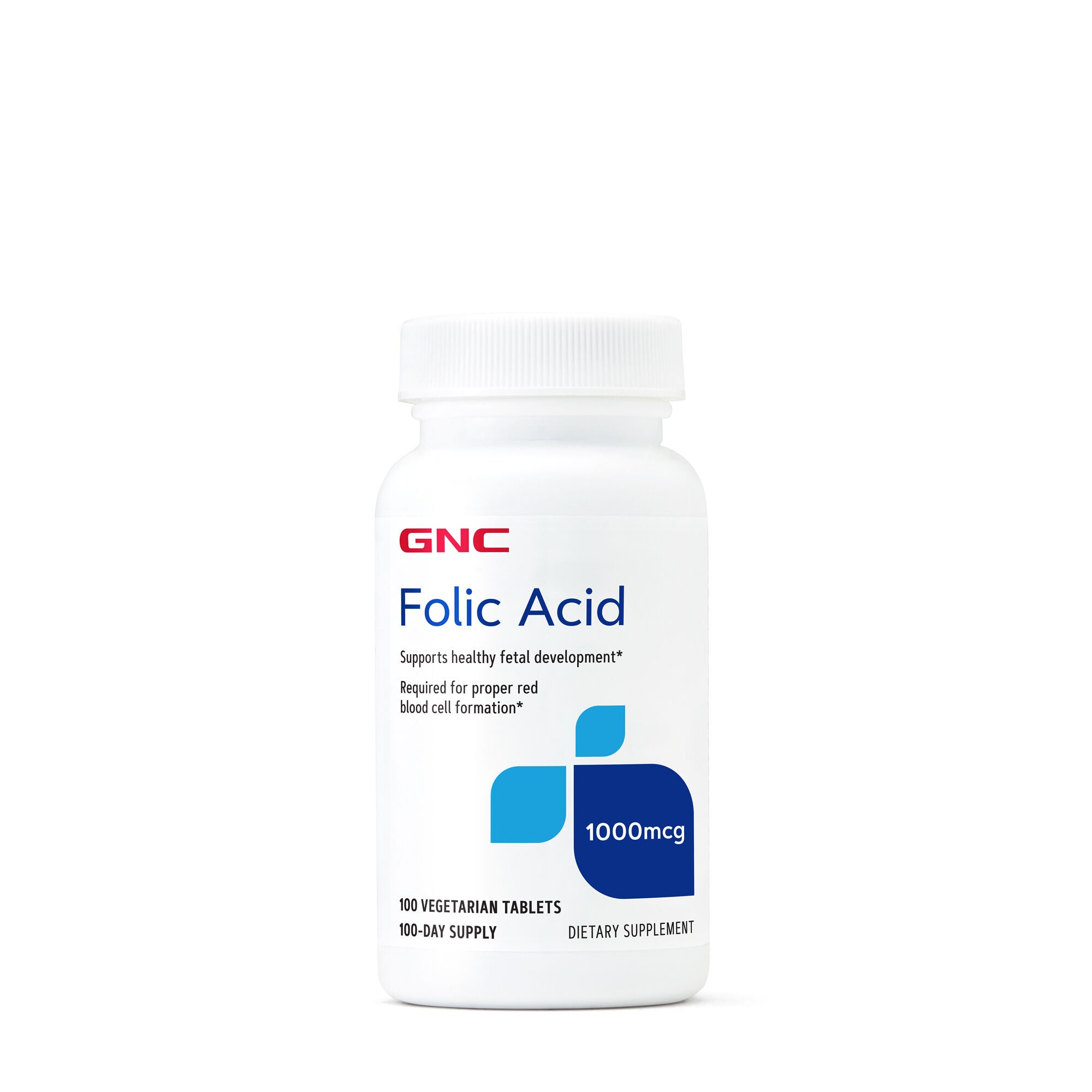

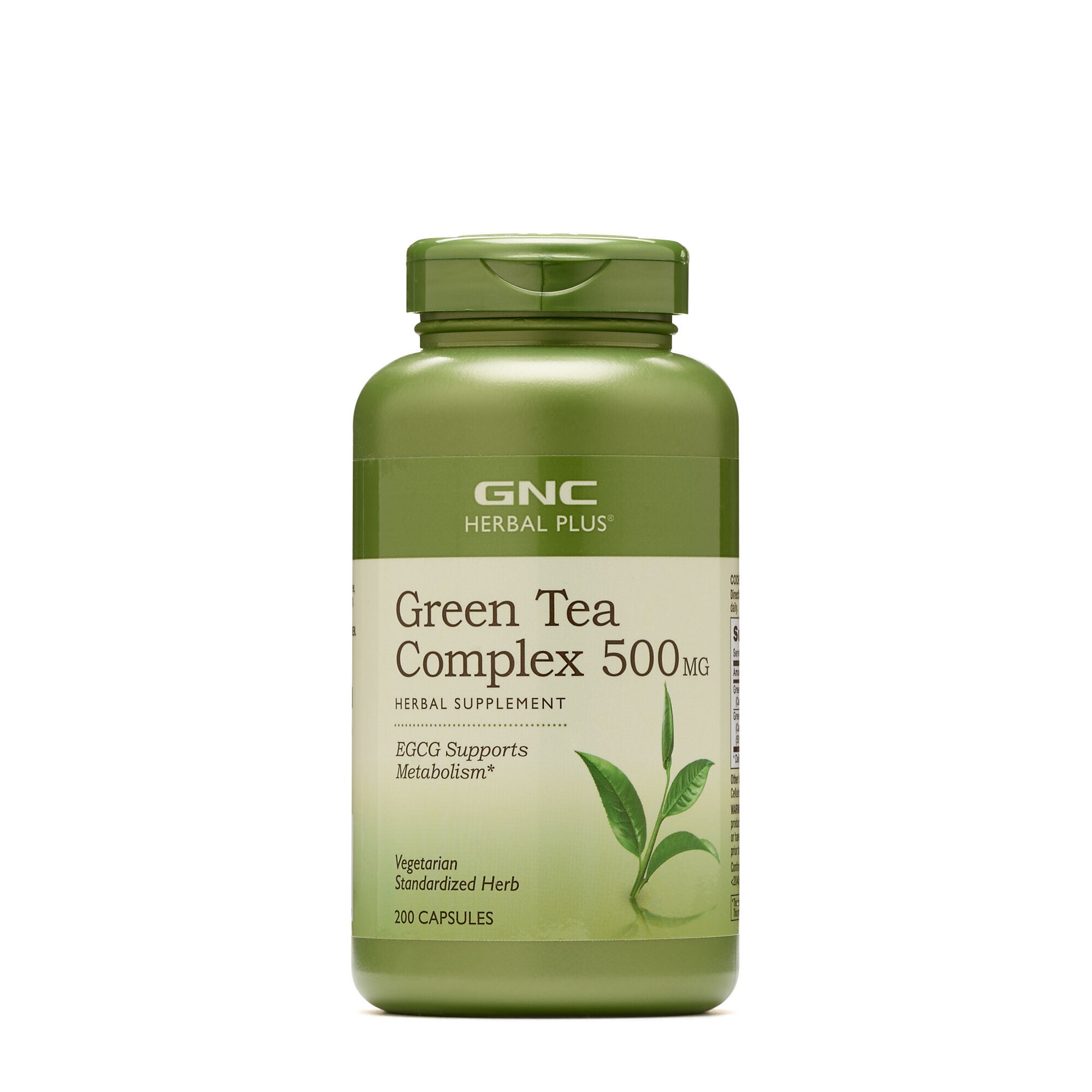

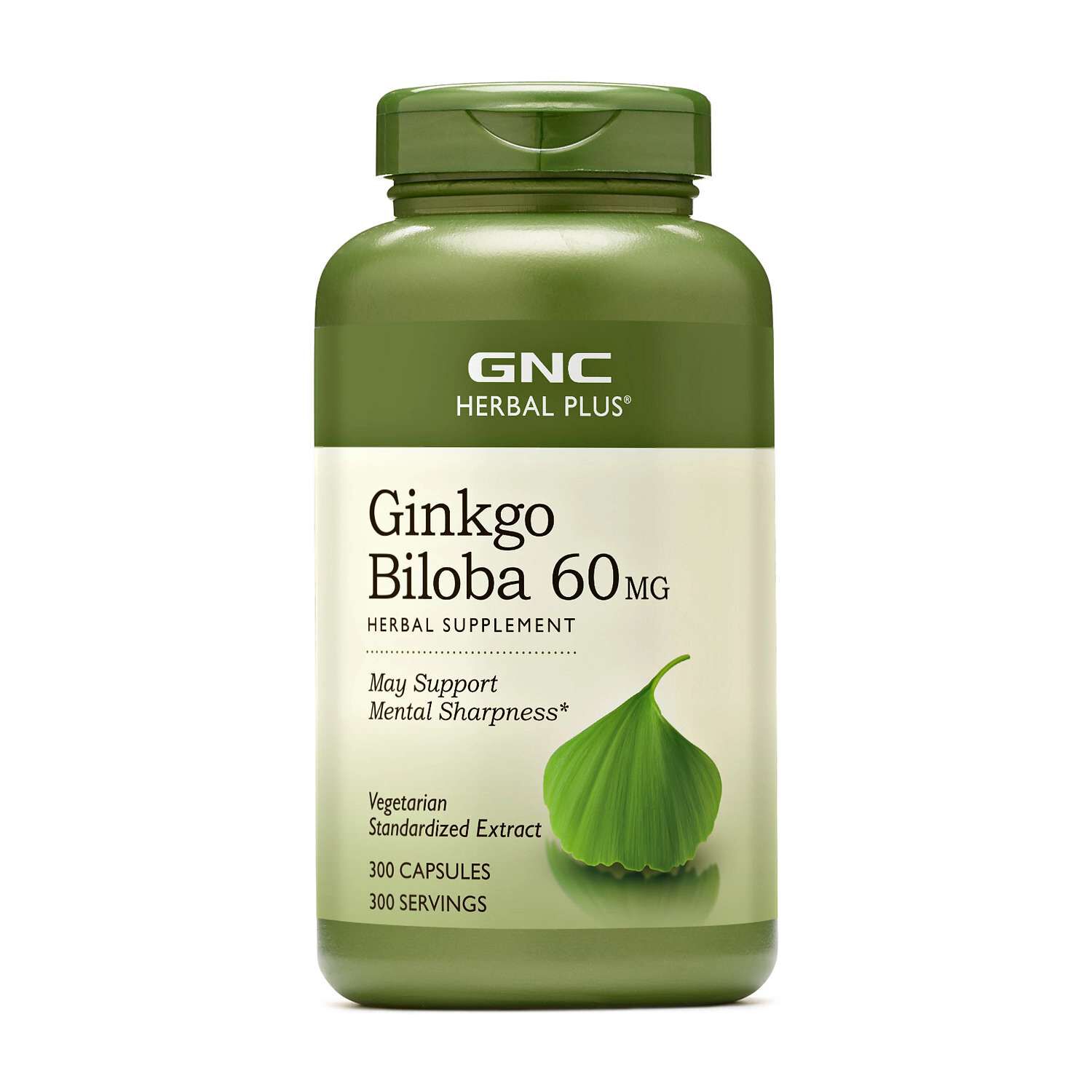
Vegetarian supplements for women bring together vitamins, minerals, plant proteins, and other nutritional formats suited to eating patterns that exclude meat and fish. For some women, that means a diet that includes eggs, yogurt, and cheese; for others, it means choosing only plant-derived foods and ingredients. That distinction matters when comparing supplements, because vegetarian and vegan labels do not describe exactly the same thing. A vegetarian formula may contain dairy-derived ingredients, while a vegan formula excludes ingredients derived from animals. Vitamin B12, iron, vitamin D, calcium, and algae-derived omega-3s are common points of comparison in this category, alongside women’s multivitamins and plant-based protein powders. These options may complement a varied eating pattern, but a vegetarian label alone does not establish whether a formula fits an individual’s nutritional needs. Vitamin B12 occurs naturally mainly in animal-derived foods, while some plant-based foods contain added B12. Iron appears in foods such as lentils, beans, and spinach, and vegetarian iron supplements offer another format for shoppers comparing their nutrient intake. Calcium is found in dairy foods as well as certain fortified plant beverages and calcium-set tofu, so two women who both identify as vegetarian may have quite different everyday food choices. A breakfast of eggs and yogurt differs nutritionally from oatmeal made with an unfortified oat beverage, even though both meals fit a vegetarian eating pattern. This is why the details of a formula matter more than a broad dietary label. Women’s vegetarian multivitamins combine several nutrients in one format, while individual nutrient supplements allow a more focused comparison of ingredients. Neither format automatically suits every shopper. The useful distinctions are tangible: which nutrients appear on the label, how much each serving contains, what the ingredients are derived from, and how the format fits into an established routine. A supplement may add selected nutrients to daily intake without replacing the variety, texture, and enjoyment of regular meals.
Ingredient sourcing is a defining detail of vegetarian supplements for women, and it extends beyond the featured vitamin or mineral. Capsules, coatings, flavorings, and other ingredients also deserve attention when comparing formulas. Some capsules use gelatin, an animal-derived ingredient, while others use cellulose or other materials suited to vegetarian preferences. Gummies may use gelatin or pectin, so their appearance alone does not reveal whether they match a vegetarian eating pattern. Vitamin D is another example where the source matters: vitamin D3 can come from lanolin, which is derived from sheep’s wool, or from lichen. A shopper who includes some animal-derived ingredients may view those sources differently from someone choosing exclusively vegan options. Algae oil offers a vegetarian alternative to fish oil for shoppers looking for DHA, EPA, or both, although the specific fatty acids and amounts differ among formulas. The amount of algae oil listed on a package is not necessarily the same as the amount of DHA or EPA per serving; those are separate details to compare. With plant protein powders, pea, soy, rice, and seed-derived ingredients offer different textures, flavors, and ingredient profiles. A powder stirred into a simple oat beverage may taste different from the same powder blended with banana, cocoa, and peanut butter. Some shoppers prefer an unflavored format for oatmeal or smoothies, while others want a flavored powder that needs little preparation. Milk-derived proteins can fit some vegetarian diets but do not fit vegan preferences. Soy, milk, and other allergen information remains relevant even when a package carries a plant-based description. The Supplement Facts or Nutrition Facts panel, ingredient list, and dietary labeling each provide different information; none tells the whole story by itself. Serving size is particularly useful when comparing formats, since one serving might consist of more than one capsule, tablet, or gummy. An ingredient amount printed prominently on the front of a package is best understood alongside the serving information. Clear source descriptions and recognizable dietary certifications may also make comparisons simpler, especially for shoppers whose preferences extend to capsule materials and processing ingredients.
Everyday practicality matters as much as ingredient selection when choosing among vegetarian vitamins and supplements for women. Tablets and capsules offer measured portions without mixing, while powders involve a scoop, a beverage or food, and a little preparation. Chewable formats have their own taste and texture, and liquid formats call for attention to the measuring directions and storage instructions. A woman who eats breakfast at home may prefer a different format from someone who carries lunch to an office or spends several days traveling. The relevant fit is not just the size of a container on a shelf, but how comfortably its preparation and storage requirements sit within a normal day. Packaging also matters: a securely closing lid, legible serving directions, and an intact seal are practical details to check. Storage requirements vary, so the package directions are a better reference than assuming every formula belongs in the same cupboard. Keeping supplements in their original containers preserves access to ingredient information, lot details, and expiration dates, while keeping them out of children’s reach is an important household precaution. When comparing several formulas, overlapping ingredients deserve attention; a multivitamin and an individual nutrient supplement may list some of the same vitamins or minerals. Women’s labels can also reflect different age groups or life stages, but those descriptions are not interchangeable with an individual assessment. Pregnancy and other circumstances involving personalized nutrition decisions call for a conversation with a qualified healthcare professional rather than selection by category name alone. For households comparing options across dietary preferences, Vegetarian Supplements For Men offers a related category, though the ingredients and serving information still matter more than matching labels between partners. These supplements are personal purchases, and their suitability as a gift depends on knowing the recipient’s preferences rather than guessing at nutritional needs. Across formats, a thoughtful comparison comes back to the same grounded details: vegetarian ingredient sources, transparent nutrient amounts, manageable preparation, and compatibility with the foods and routines already part of everyday life.