





Vitamin B Powders
(0 Results)
Vitamin B powders offer a convenient way to incorporate essential B vitamins into your daily routine. These easy-to-mix powders may fit seamlessly into smoothies, shakes, or other beverages, supporting a busy lifestyle. With vitamin B powders, exploring options for your wellness goals could become simpler and more flexible. Find a variety of choices designed to suit different preferences and routines, so you can discover what works best for you.
-
-
 $34.99
-

-
-

-
 $34.99
-
 NDS Nutrition$49.99
-
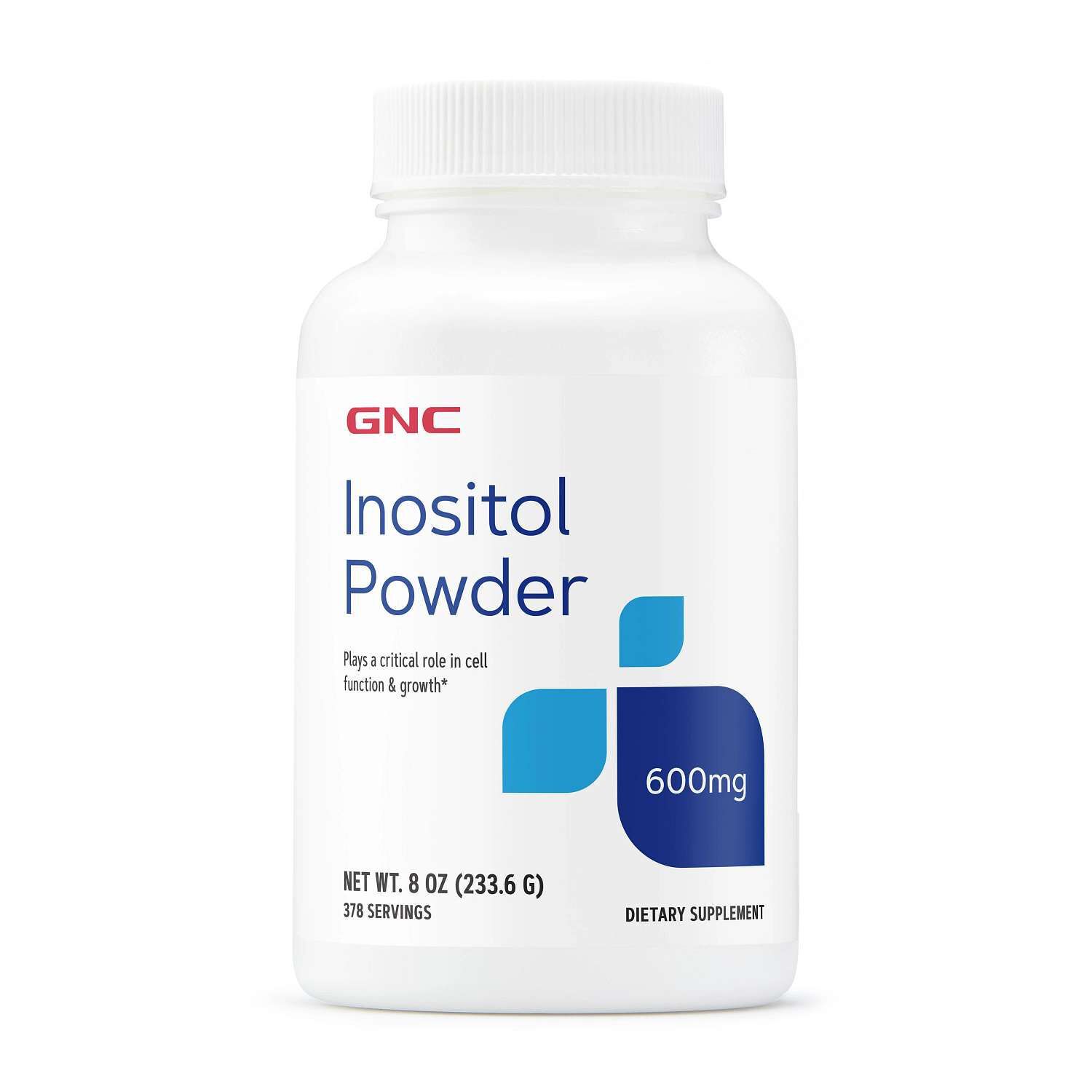
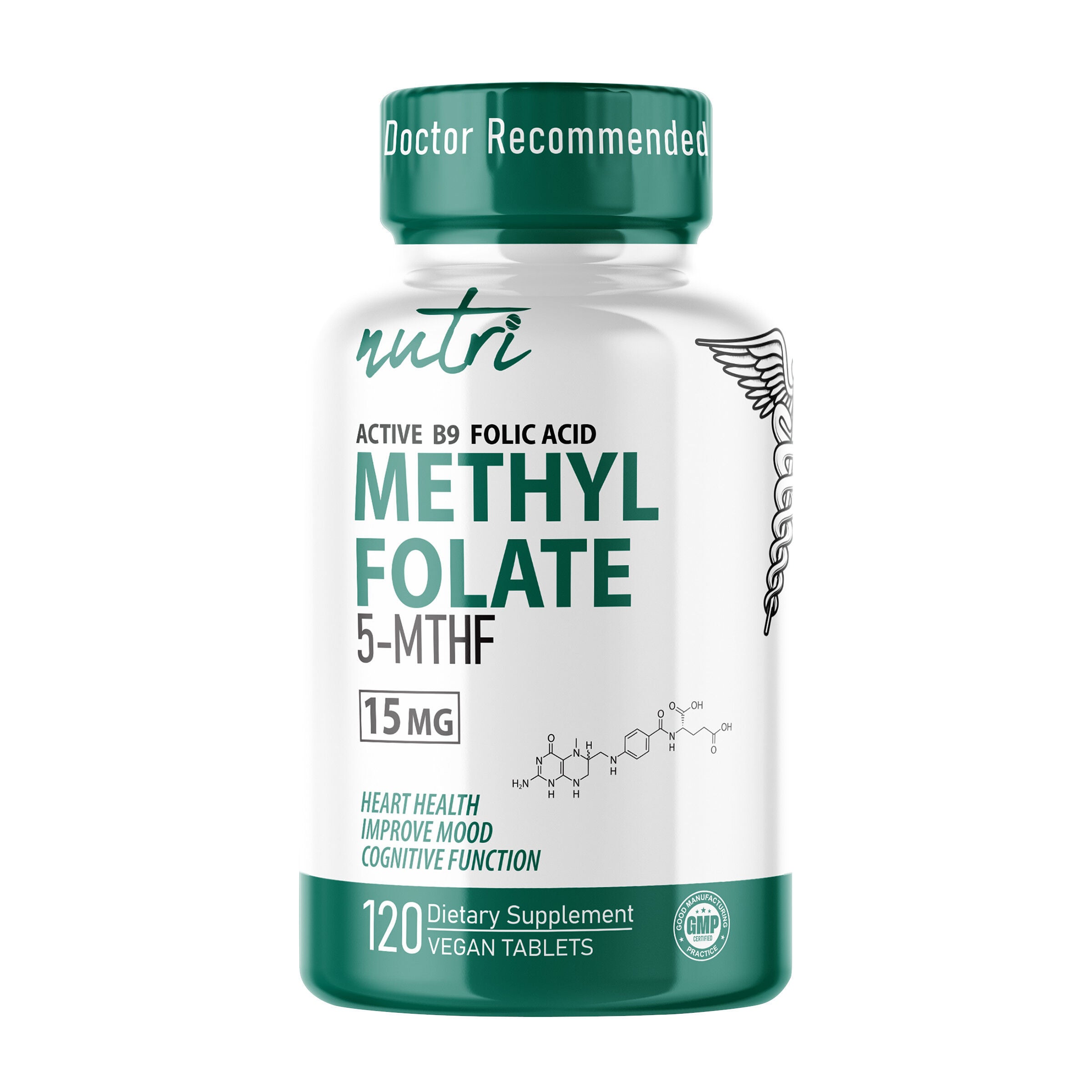
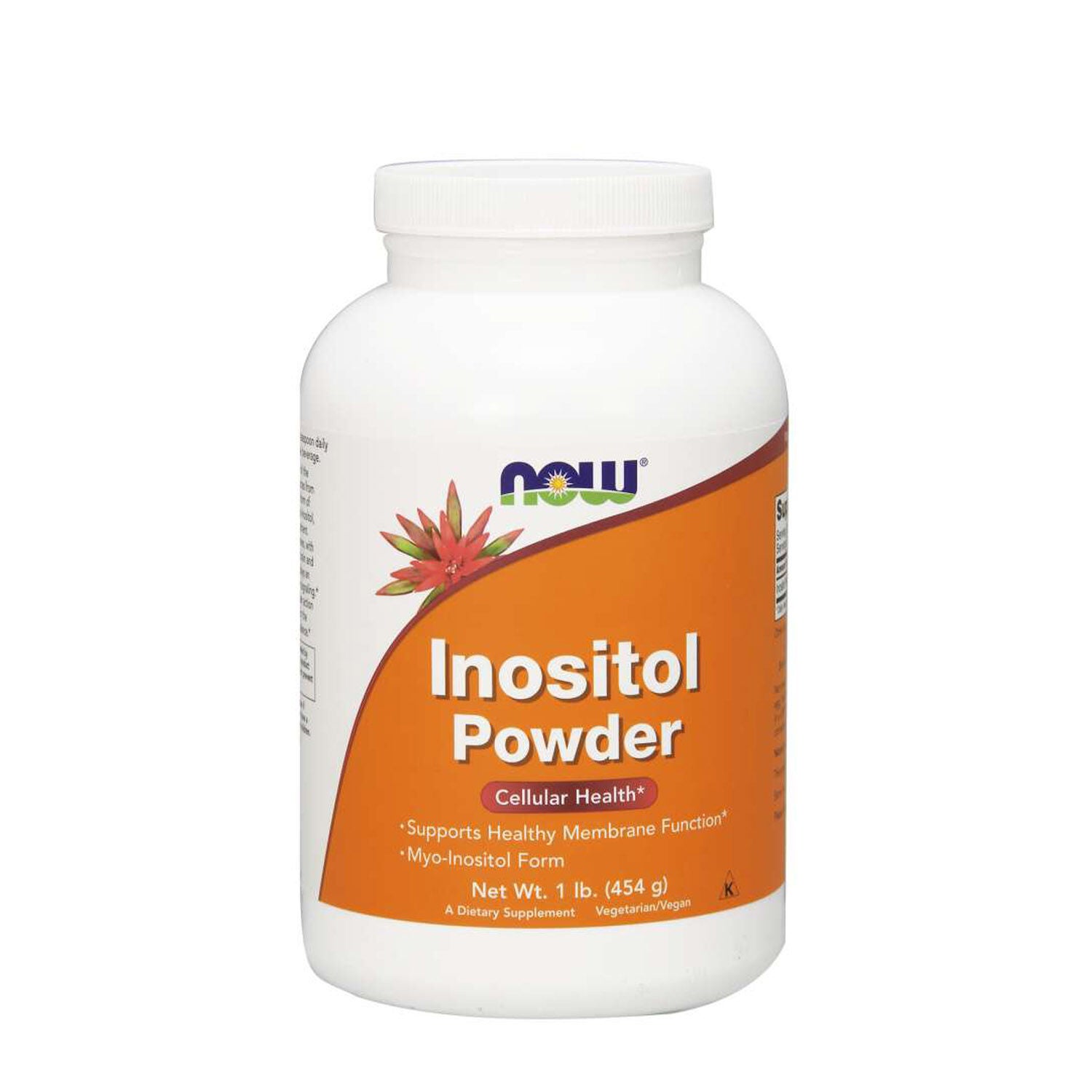
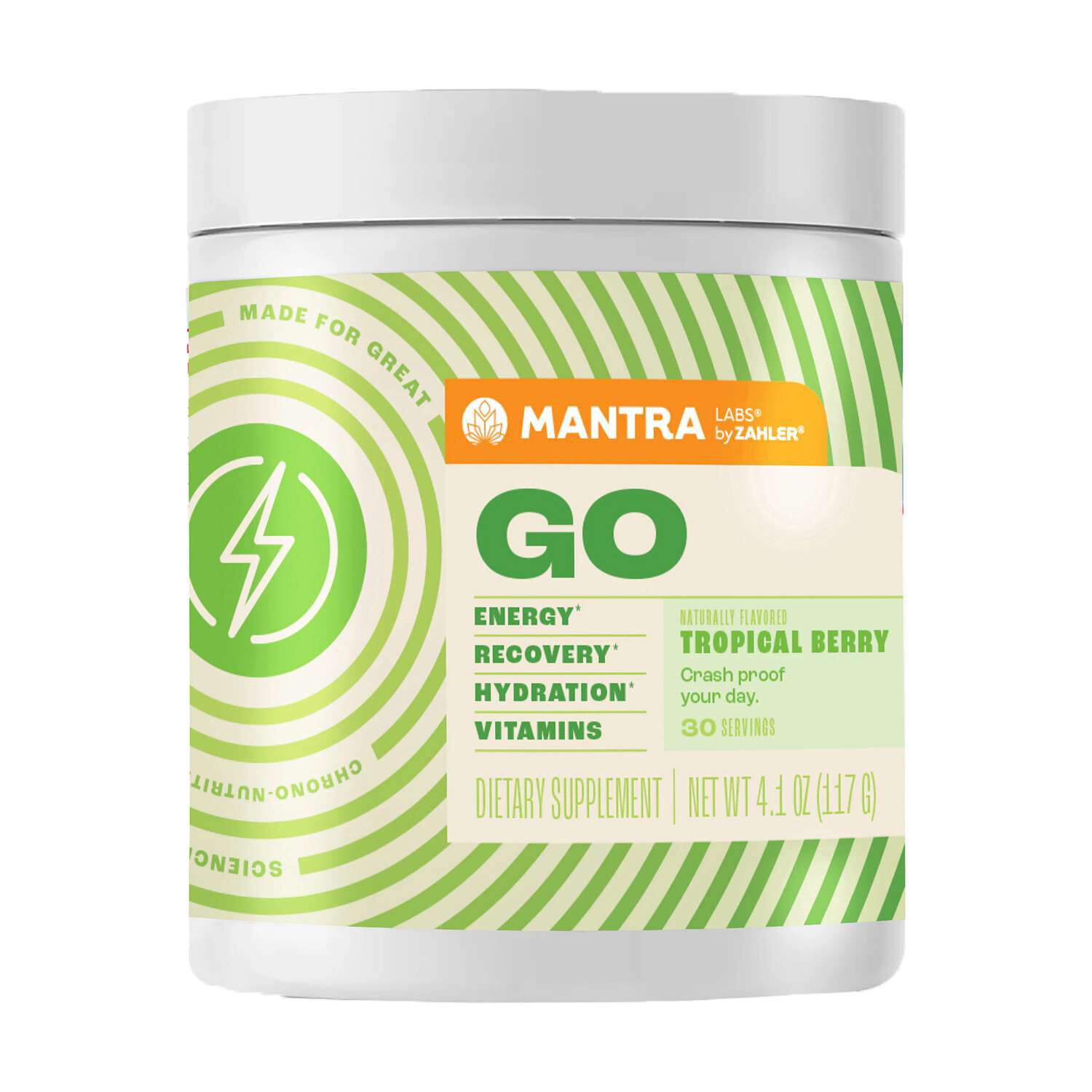
Vitamin B powders are dietary supplements that supply a single B vitamin or a combination of B vitamins in a powdered format for mixing with liquids or foods, as directed on the label. They offer an alternative to tablets and capsules for adults who prefer a supplement that fits into a drink or another familiar part of the day. The B-vitamin family includes thiamin, or B1; riboflavin, or B2; niacin, or B3; pantothenic acid, or B5; vitamin B6; biotin, or B7; folate, or B9; and vitamin B12. A single-vitamin powder focuses on one member of that family, while a B-complex powder combines several B vitamins. The name alone does not establish which vitamins are included or how much a serving contains, so the Supplement Facts panel is an important point of comparison. As part of everyday nutrition, B vitamins may support normal energy metabolism, the processes through which the body uses nutrients from food. That nutritional role does not mean a powder will create an immediate or noticeable change in how someone feels. It also does not make a B-vitamin supplement interchangeable with a caffeinated beverage, a protein powder, or a meal replacement. Some formulas include other nutrients or ingredients alongside the B vitamins, making the full ingredient list just as relevant as the front label. For someone comparing vitamin B powders, the most useful distinction is often the purpose of the formula: a focused source of one vitamin, a combination centered on the B family, or a broader nutritional blend. Powder describes the format rather than a uniform nutritional profile. Two containers with similar names can have different serving sizes, vitamin amounts, flavors, and preparation directions. Those differences matter more than the appearance of the powder or the size of its container, especially when the goal is finding a format that feels practical for an established routine.
Flavor, texture, and preparation are central considerations because a powdered supplement becomes part of something a person drinks or eats. A flavored formula mixed with water creates a different experience from an unflavored powder stirred into a smoothie. Unflavored does not necessarily mean undetectable: the vitamins and other ingredients can contribute their own taste, aroma, or color. A lightly flavored drink may leave those characteristics more noticeable, while a thicker smoothie has a different texture and flavor profile of its own. Label directions determine the appropriate mixing method, amount of liquid, and serving size; not every powder is intended for every beverage or food. B vitamins are water-soluble nutrients, but a finished formula can also contain ingredients that affect how it disperses. Some powders need more stirring than others, and dissolution should not be assumed from the category name. For an adult who usually has water with breakfast, a formula intended for mixing with water may fit that habit. Someone who already prepares a blended drink may prefer a powder whose directions accommodate that preparation. Neither routine requires treating the powder as an ingredient to add by eye. Serving sizes are defined by each formula, and the volume of a scoop does not reveal the amount of each vitamin it contains. Milligrams and micrograms are different units, so both the number and the unit deserve attention when comparing labels. When a measuring scoop is supplied, keeping it with its original container helps distinguish it from scoops belonging to other supplements. Ingredient preferences also shape the comparison. Sweeteners, flavorings, colors, and ingredients used for texture or mixing can vary, as can declared allergens and dietary certifications. A short ingredient list and a longer one describe different formulations, not an automatic ranking of quality. The better match depends on the labeled contents, intended use, and the taste and preparation experience someone is looking for.
Packaging and storage also influence how vitamin B powders fit into daily life. A resealable container belongs in a different routine from a premeasured packet: one involves measuring at the point of use, while the other has its serving portioned before opening. Container size alone is not a reliable comparison, since the number of labeled servings and the amount used per serving can differ. For someone who mixes a supplement at home, a container stored near the usual preparation area may be practical, provided its location follows the storage directions. For someone carrying a serving to the office or packing for a trip, packaging that keeps the powder contained and retains access to its directions deserves attention. Dry utensils and a securely closed lid help keep moisture from entering a container during ordinary handling. Preparation tools need care, too; residue left in a shaker or drinking glass can affect the next use, so cleaning according to the vessel’s care instructions is part of the routine. The package’s storage directions and date markings remain relevant even when the powder looks unchanged. Beyond handling, the intended audience on the label matters. A powdered format does not by itself establish that a supplement is intended for every age group or every person who prefers mixing to swallowing a tablet. Looking at the serving directions, ingredient list, and intended use together gives a clearer picture than choosing by flavor alone. Comparing vitamin B powders with the broader Vitamin Powder Mix category can also help distinguish a B-focused formula from a blend containing a wider assortment of nutrients. For everyday shopping, the meaningful details remain concrete: which B vitamins are listed, the amount in a labeled serving, what else is included, how the powder is prepared, and whether that preparation suits the person using it. A well-matched format is one whose labeled use, taste, packaging, and measuring requirements fit comfortably into an existing routine.
Best Sellers


Top Collections
- Daily Collagen Supplements | Top Brands & Deals | GNC
- Cortisol Supplements
- Top Rated Collagen | Shop Customer Favorites | GNC
- Vitamins For Hair Loss
- NAD+ Supplement Tablets
- Peptide Supplements
- Best Brand of Magnesium Glycinate
- Protein Powders For Muscle Growth Support
- Vitamins That Help Support Weight Gain
- Peptide Supplements for Muscle Growth