Vitamin B1 Supplements For Adults
(0 Results)
Vitamin B1 supplements for adults could be a convenient way to support your daily wellness routine. Known as thiamine, vitamin B1 plays an important role in helping the body convert food into energy. Whether you’re looking to fill potential nutritional gaps or simply want to add a trusted supplement to your regimen, explore a wide selection of vitamin B1 supplements for adults designed to fit your lifestyle needs. Find options that may complement your balanced diet and help you stay on track with your wellness goals.
-
-
-
-

-
 $34.99
 -
-
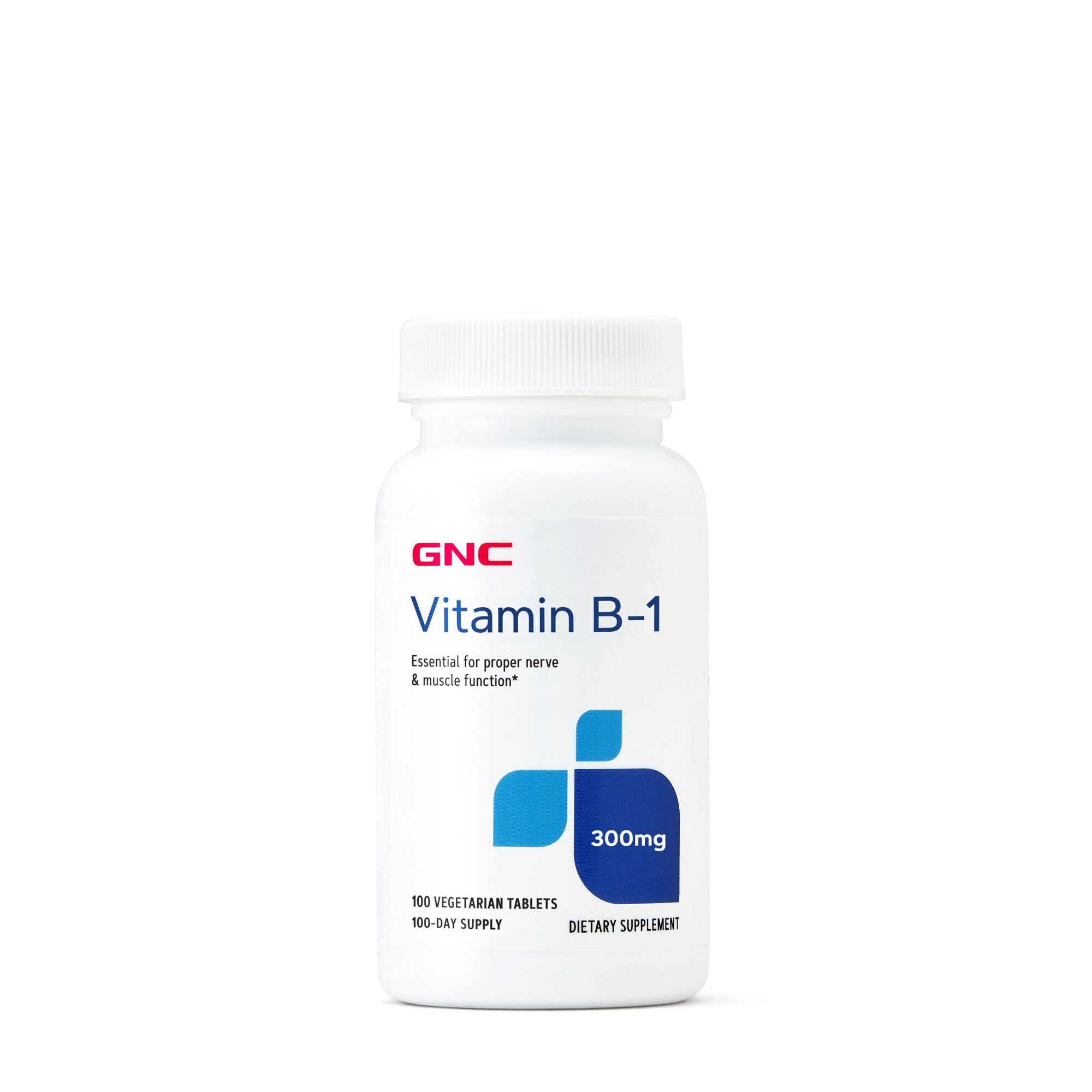

Vitamin B1 supplements for adults are dietary supplements containing thiamine, also spelled thiamin, a water-soluble member of the B vitamin family. Thiamine may support normal energy metabolism as part of an everyday nutrition routine. Although B vitamins are often grouped together, each has its own identity: vitamin B1 is different from vitamin B6, vitamin B12, and the other nutrients found in a B-complex formula. That distinction matters when browsing supplements because a single-nutrient thiamine formula has a different composition from a blend containing several B vitamins or a multivitamin with a broader nutrient assortment. Food also provides thiamine, with sources including pork, beans, lentils, whole grains, and enriched grain products. A bowl of lentil soup, a serving of pork, or an enriched breakfast cereal can contribute thiamine to daily dietary intake, although the amount varies with the food and portion. According to the National Institutes of Health, the recommended dietary allowance for adults is 1.2 milligrams per day for men and 1.1 milligrams per day for women; the allowance during pregnancy and breastfeeding is 1.4 milligrams per day. These figures describe daily nutritional intake from all sources, not a suggested supplement serving. The amount printed on a supplement label describes that formula and may differ from these dietary reference amounts. Keeping those two concepts distinct makes the category easier to understand without treating every bottle as interchangeable. Adult supplements also differ in their intended audience, ingredient combinations, and serving format, so the word “adult” alone does not describe every aspect of a formula. Shoppers exploring a more audience-focused collection can also browse Vitamin B1 Supplements for Women. Across these categories, the most useful distinctions are the actual thiamine content, the other ingredients present, and the physical format rather than the audience wording alone. Pregnancy and breastfeeding have their own nutritional context, and an adult-focused supplement is not automatically a prenatal formulation.
The details on a vitamin B1 supplement label help distinguish formulas that otherwise look similar on a shelf. Thiamine hydrochloride and thiamine mononitrate are names used for forms of vitamin B1, while benfotiamine is a thiamine-related compound that may appear in this category. These names describe ingredient differences; the name alone does not establish that one option is the right match for every shopper. The Supplement Facts panel identifies the nutrient amount per serving, and the serving size indicates whether that amount corresponds to one tablet, one capsule, or another specified portion. A bottle’s tablet count and its number of servings are therefore separate pieces of information. For example, a serving consisting of two tablets means that the tablet count does not equal the serving count. Milligrams, abbreviated mg, describe the quantity of thiamine, while the percentage Daily Value provides a separate labeling reference. Neither number describes the tablet’s dimensions or the capsule’s outer material. Those physical details can matter just as much to someone who wants a familiar format for a daily routine. Tablets may include ingredients used to hold the material together or form a coating. Capsule shells may be made from gelatin or plant-derived materials such as cellulose, with the source identified in the ingredient information. Chewable formats bring additional considerations such as flavor, texture, sweeteners, and serving size. For shoppers with dietary preferences, the full ingredient list offers more context than a short description on the front of a bottle. A vegetarian preference, for instance, involves the capsule shell as well as the featured nutrient. Someone who prefers an unflavored tablet may assess a formula differently from someone who enjoys a flavored chewable. Single-nutrient supplements and B-complex blends also deserve separate attention: a formula that includes thiamine alongside several other vitamins is not the same composition as a thiamine-only option, even when both feature vitamin B1 prominently on the label.
Everyday practicality is another part of choosing vitamin B1 supplements for adults. A desk-based professional, a frequent traveler, or an adult with an established nutrition routine may approach the category with different preferences for packaging and format, without those lifestyles alone establishing a nutritional need. A compact bottle can fit neatly into a home cabinet, while clearly printed serving information makes it easier to distinguish one supplement from another. For someone with several bottles arranged beside a breakfast mug, a readable nutrient name and an accessible Supplement Facts panel are useful details. For someone who travels, the original container keeps the ingredient information, storage directions, and expiration date together. Packaging deserves attention beyond appearance: a secure closure, an intact inner seal when supplied, and legible labeling all contribute to the experience of handling a dietary supplement. Storage directions are specific to the formula and container. Heat, moisture, and direct light are relevant considerations for many supplements, making a steamy bathroom or a sunlit car a different environment from a dry indoor cabinet. Keeping the label accessible preserves those product-specific directions rather than relying on assumptions based on another bottle. Tablet coatings, capsule materials, and chewable textures can also make formats feel different in everyday use, and appearance alone is not a reliable way to identify the nutrient amount. Vitamin B1 supplements may complement dietary intake, but they are distinct from foods that also provide protein, fiber, and other nutrients. They are also distinct from caffeinated beverages, despite the frequent association between B vitamins and energy-focused shopping. The most informative comparison brings together the thiamine form, amount per serving, accompanying nutrients, ingredient materials, and packaging details. That combination gives adult shoppers a clearer picture of what a formula contains and how its format relates to their preferences, while keeping the focus on nutrition rather than dramatic expectations.