

Vitamin B1 Supplements For Women
(0 Results)
Vitamin B1 supplements for women may offer support for those looking to complement their daily wellness routine. With a variety of options available, finding the right supplement could help you meet your personal goals. Explore vitamin B1 supplements for women and discover choices that may fit seamlessly into your lifestyle.
-
-
-

-
 $34.99
 -

-
-

-
-
-
-

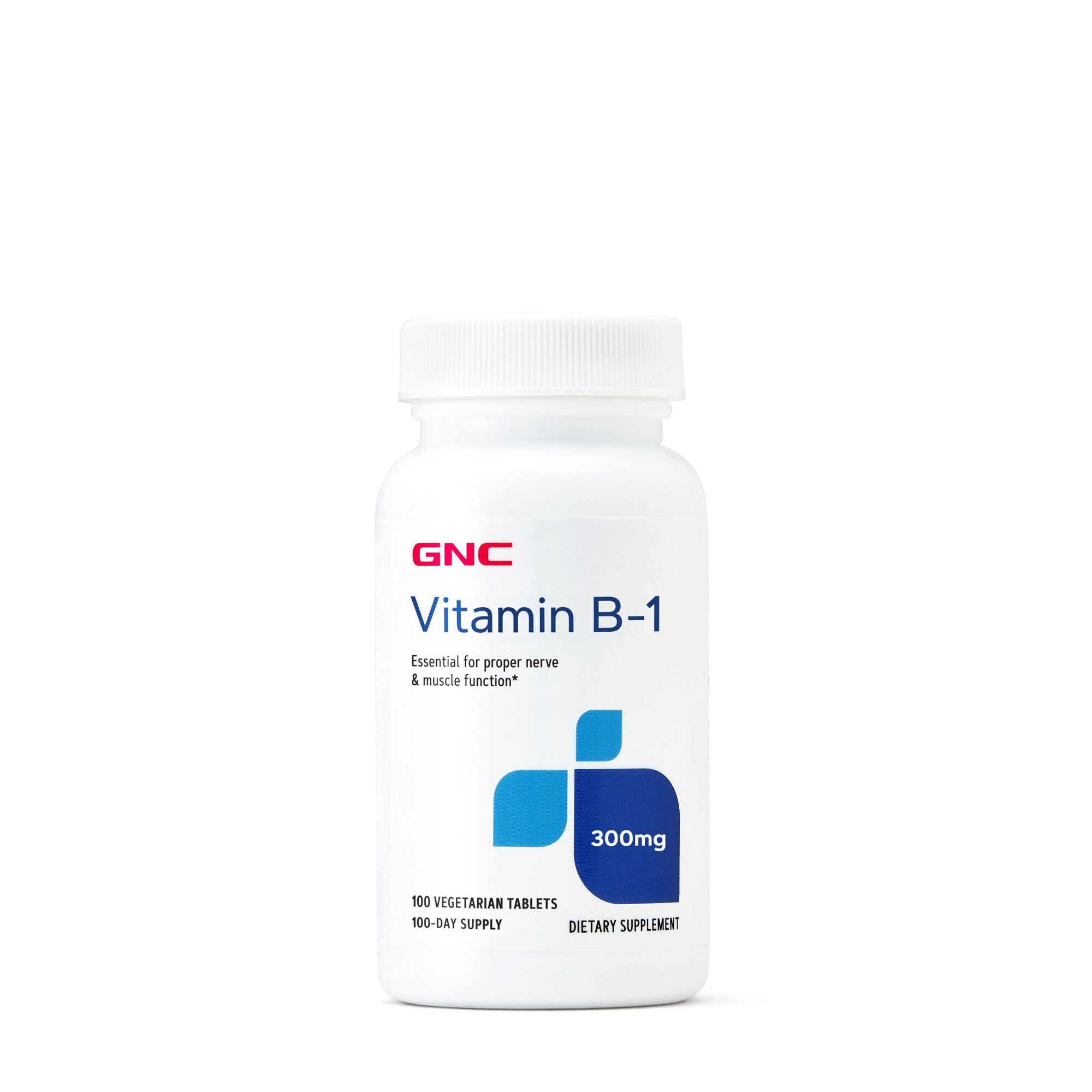
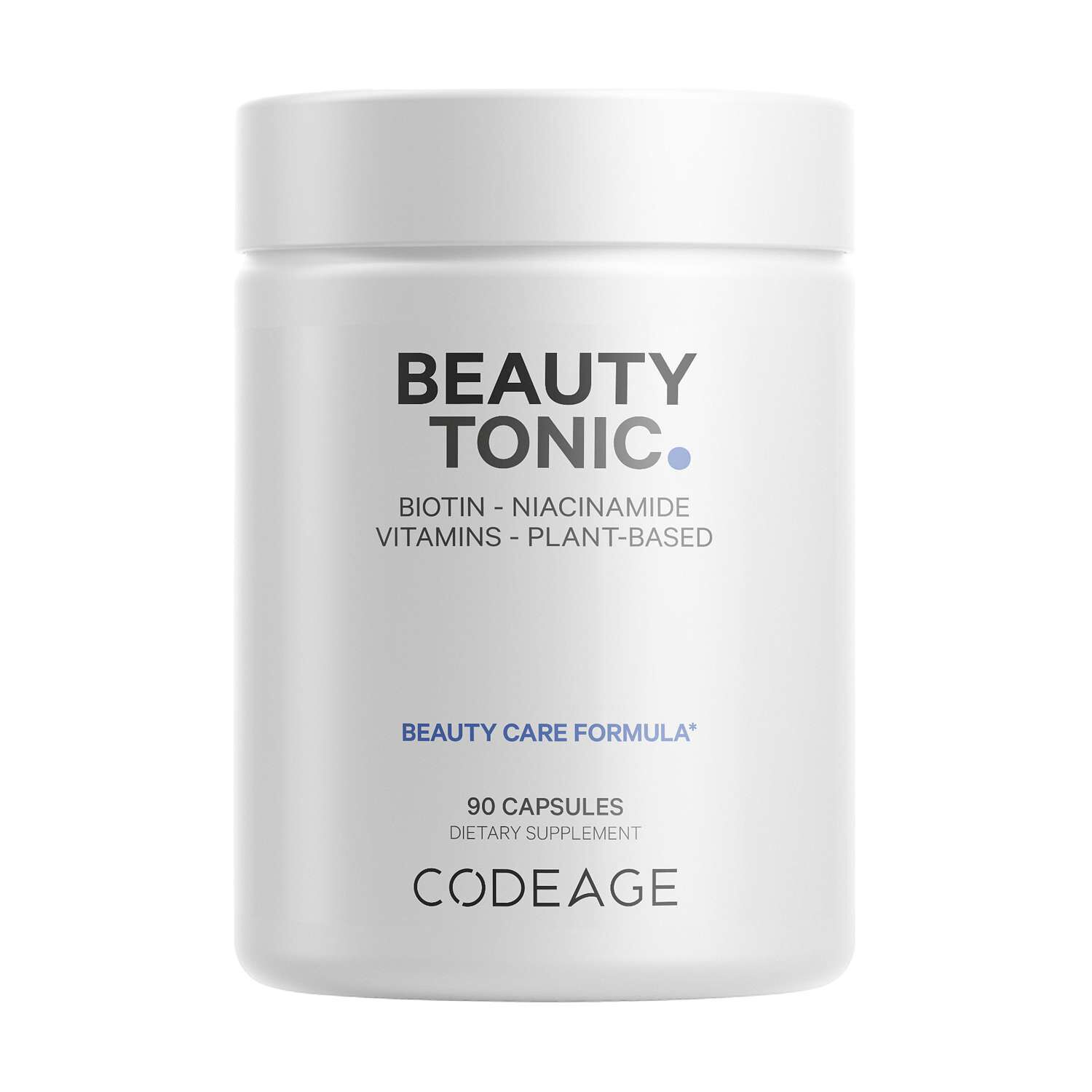
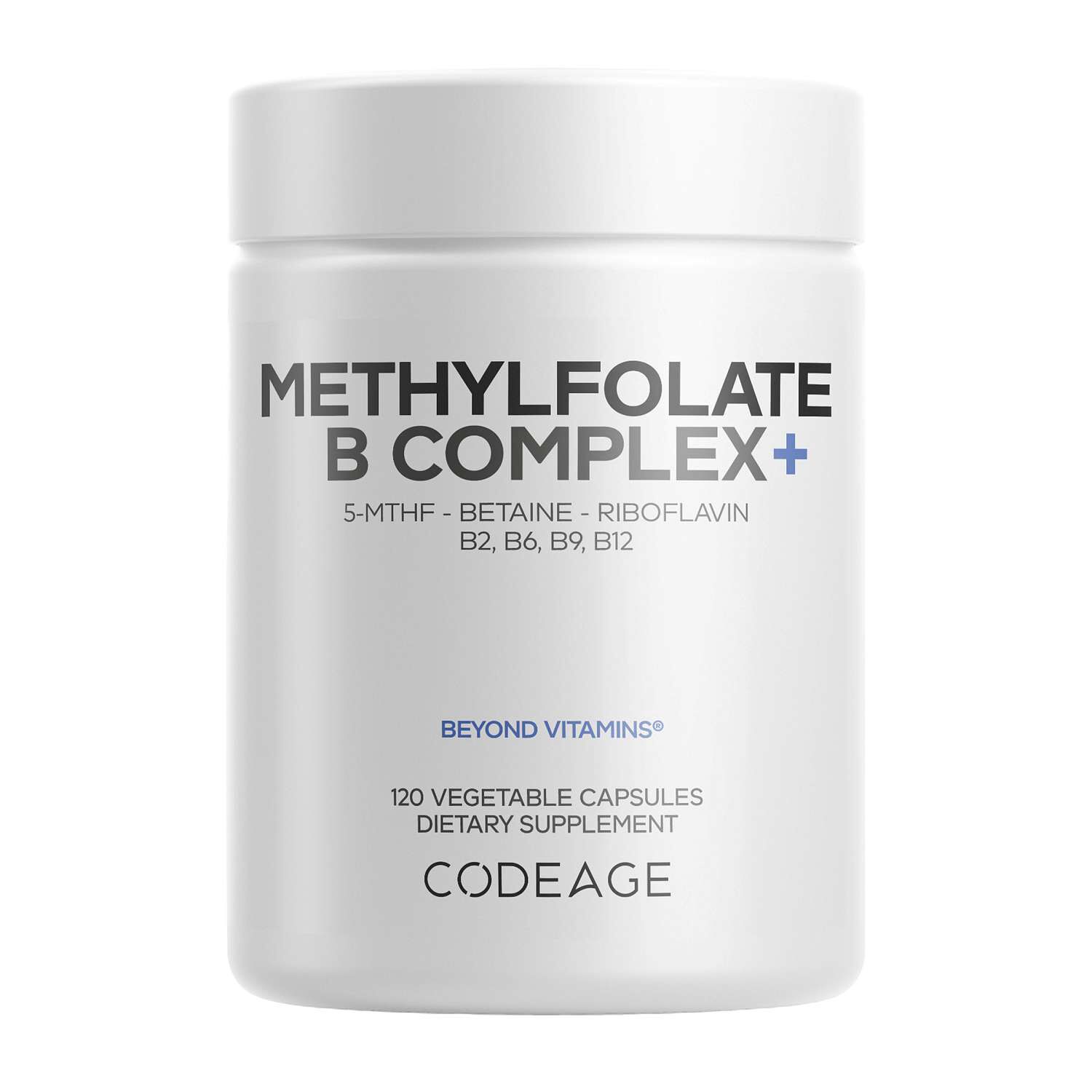
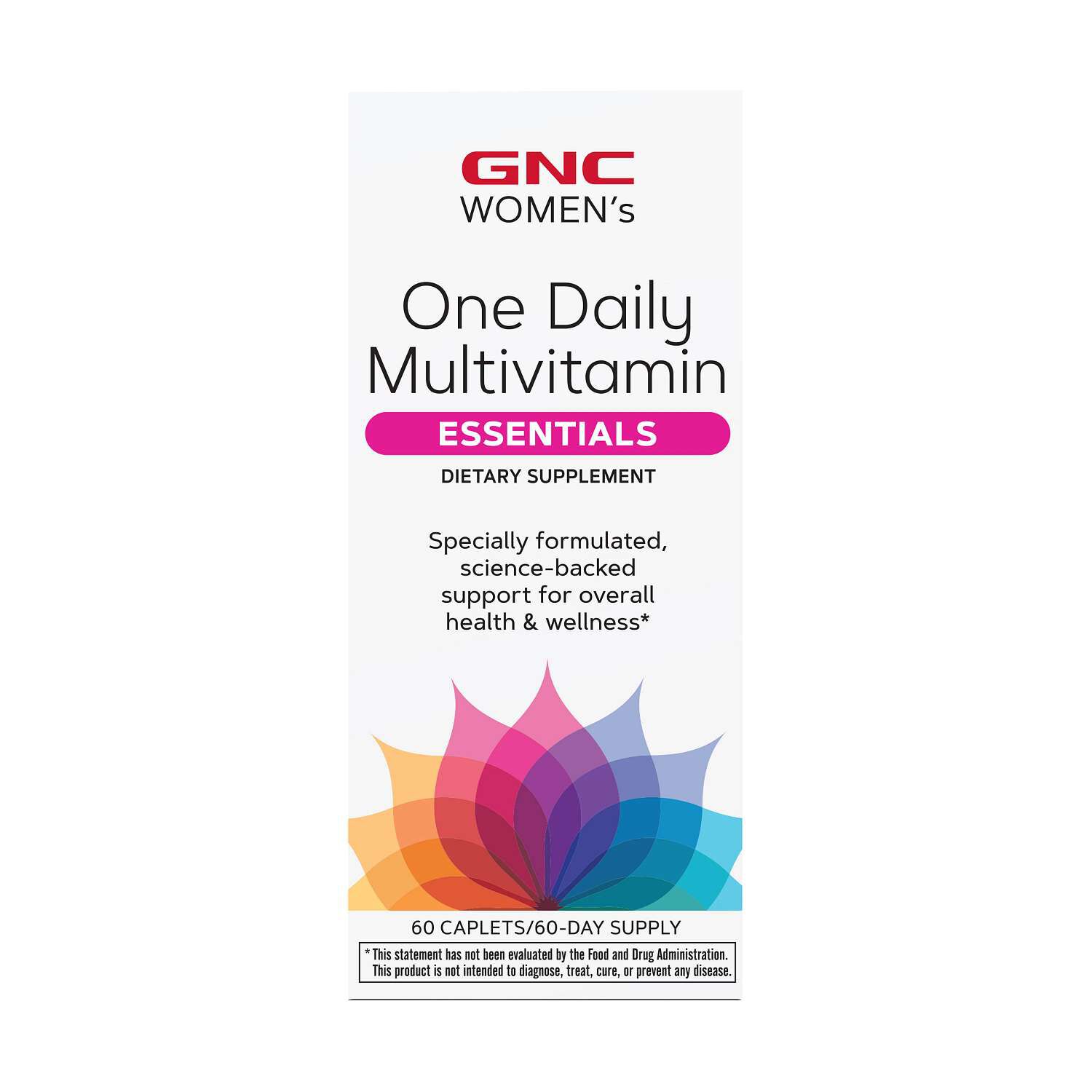
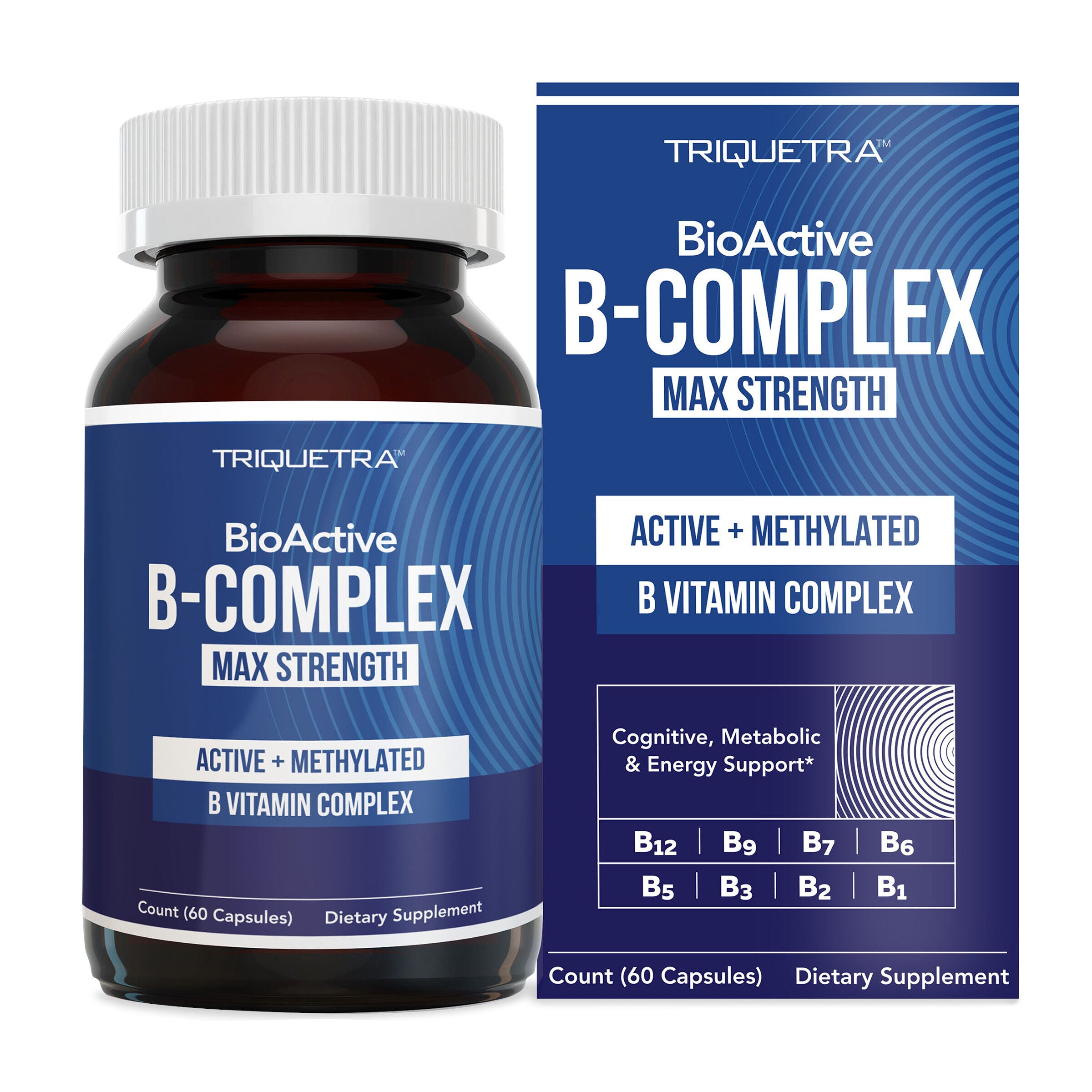
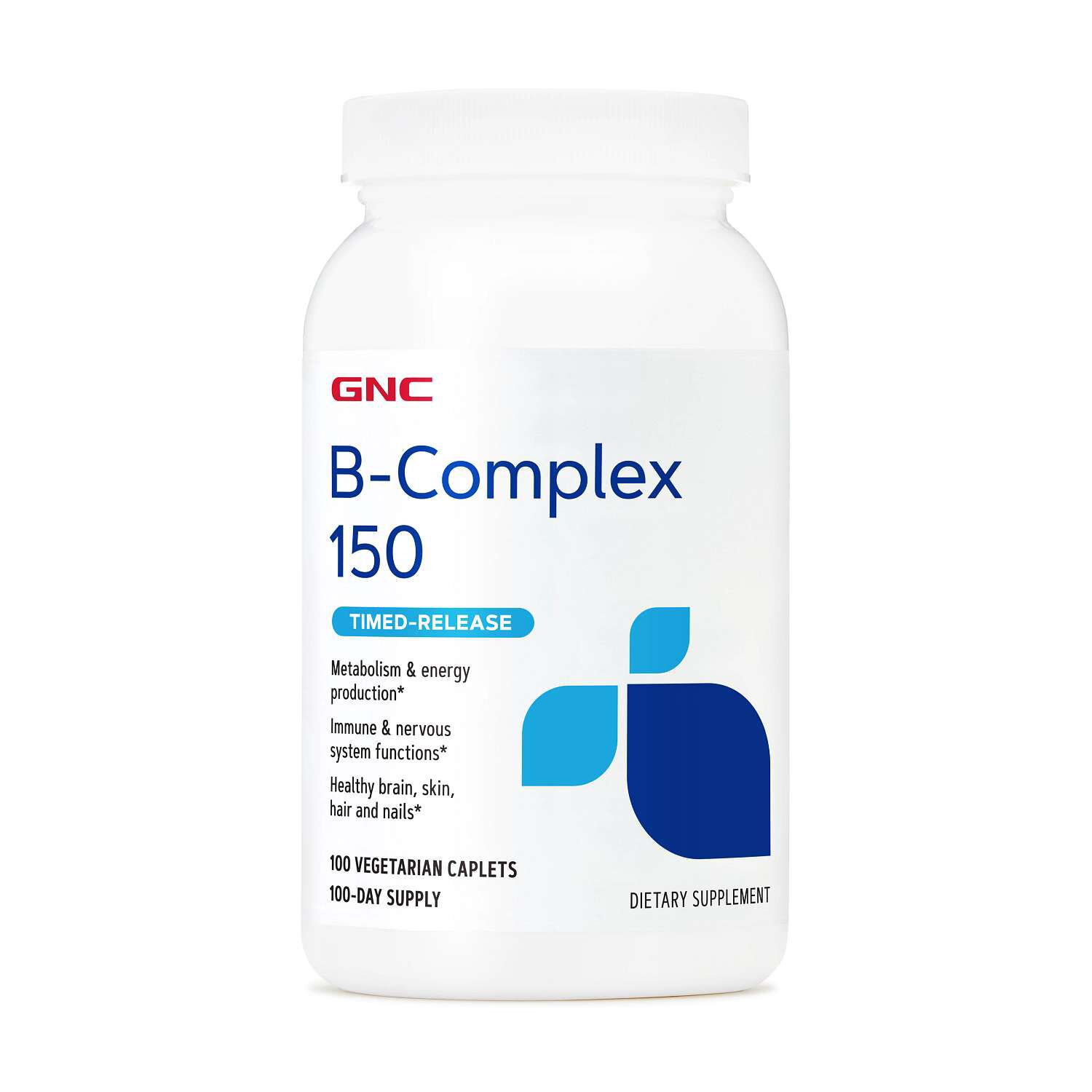
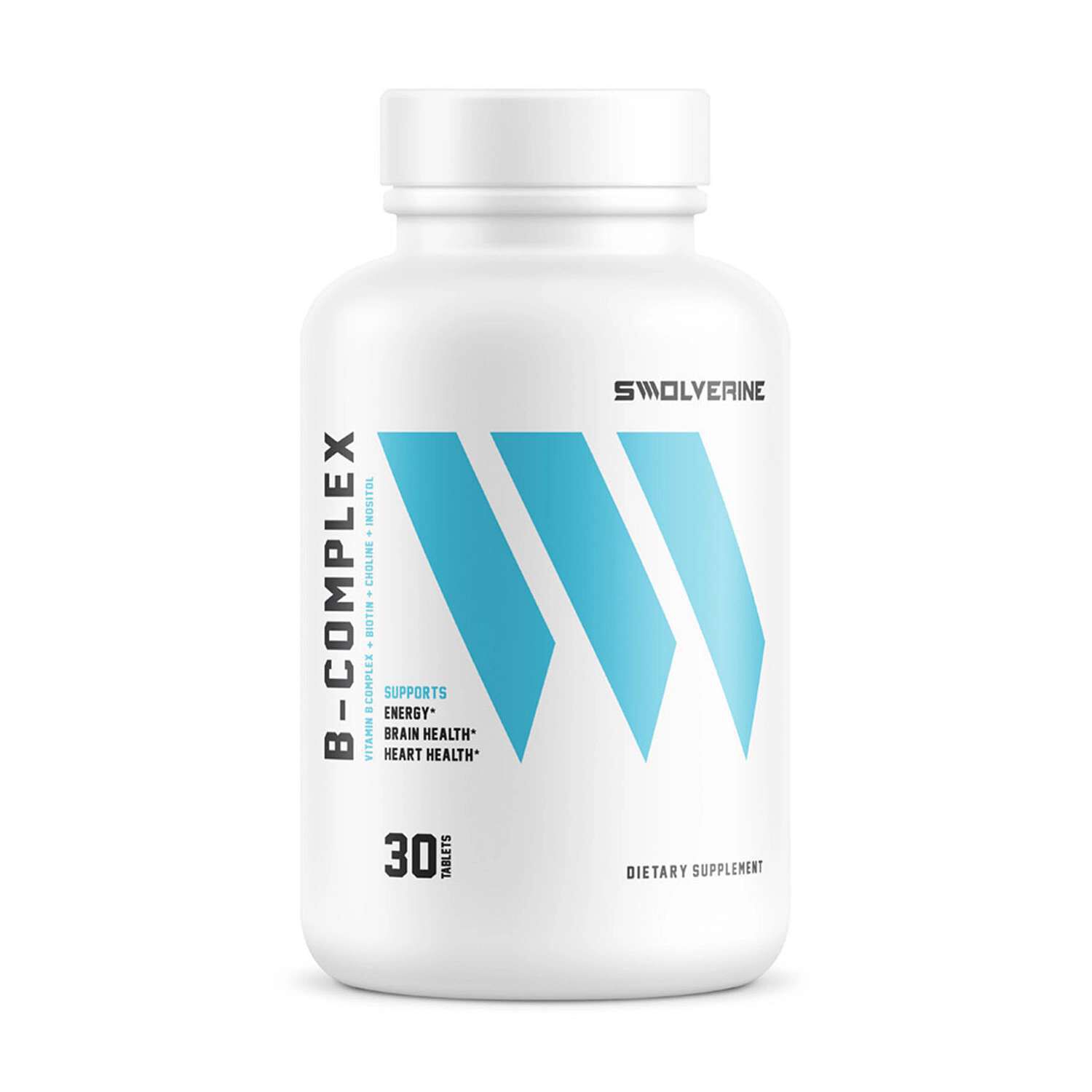
Vitamin B1, also called thiamine, is one of the water-soluble B vitamins found in foods such as whole grains, beans, nuts, seeds, pork, and fortified cereals. Vitamin B1 supplements for women may appeal to shoppers who want a straightforward way to add thiamine to an established wellness routine, especially when food preferences, busy schedules, or limited meal planning make a varied diet harder to maintain. Thiamine plays a role in the body’s normal process of converting nutrients from food into energy, and it may support normal nerve and muscle function. A supplement does not need to replace nourishing meals; instead, it may fit alongside everyday habits such as preparing oatmeal with seeds, adding lentils to a grain bowl, or keeping a simple tablet near a morning glass of water. Many women receive thiamine through food and multivitamins, so comparing the Supplement Facts panel can help shoppers understand how much a product provides and whether it duplicates another item already in the cabinet. Women who take several supplements may find it useful to write down each serving and review the list with a qualified healthcare professional, particularly when managing a health condition, following a specialized eating pattern, preparing for a procedure, or taking prescription products. Reading the label from top to bottom can turn a crowded shelf into a clearer choice: check the form of vitamin B1, serving information, additional ingredients, storage directions, and any cautions provided by the manufacturer. During the cooler months, when routines often shift toward indoor work, hearty meals, and fuller calendars, a small bottle may be a practical addition to a dresser drawer, desk organizer, or travel pouch.
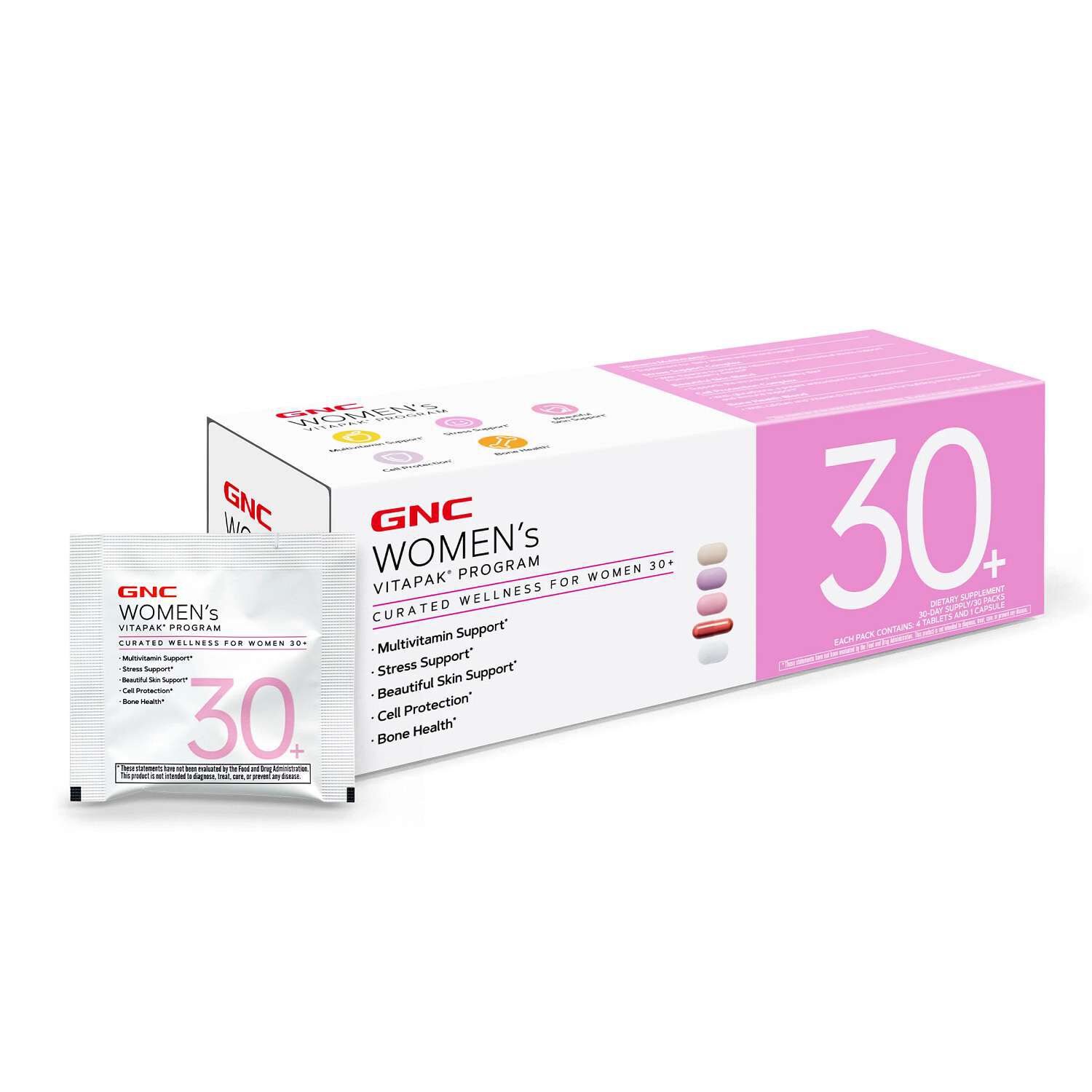
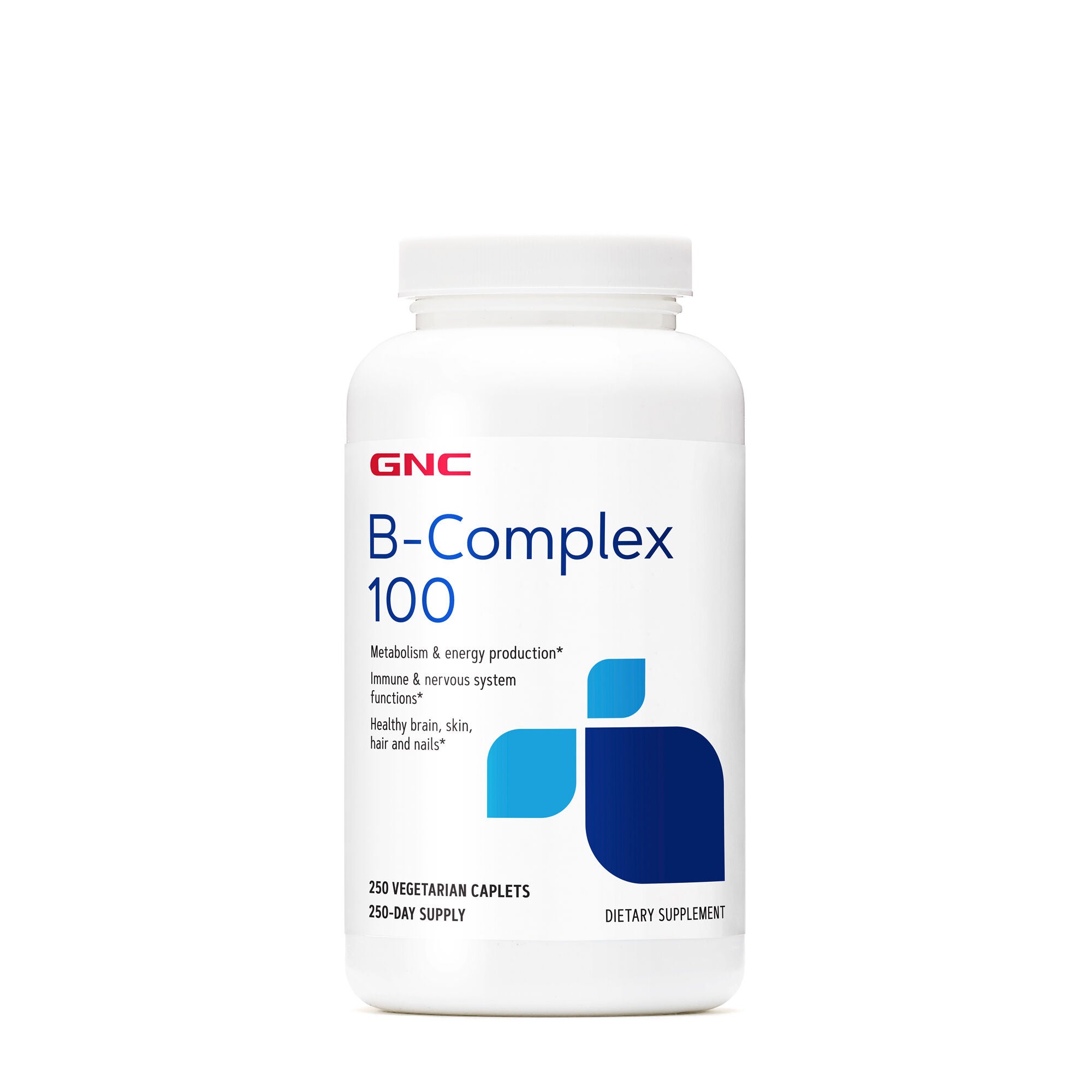
Shoppers will commonly see thiamine hydrochloride and thiamine mononitrate on labels. These are familiar forms used in many standalone vitamin B1 supplements and B-complex formulas, and they may suit women looking for a simple, traditional option. Other labels may feature benfotiamine, a form related to thiamine that is often selected by shoppers seeking a more specialized formula. Since product formats and amounts can differ, comparing one label with another matters more than relying on a front-panel phrase. Tablets may work well for someone who prefers a compact routine, while capsules can be appealing to shoppers who already use that format for other vitamins. A B1 supplement may also be included in a broader B-vitamin formula, which could be convenient for women who prefer fewer separate bottles. On the other hand, a standalone product may make it easier to focus on thiamine alone. Consider the rest of the routine, including a daily multivitamin, fortified foods, and other B-vitamin products, before choosing between these formats. Women shopping for an older family member may appreciate an easy-to-read label, a manageable container, and directions that are simple to follow. A standalone B1 supplement could also make a thoughtful addition to a care package for a college student, a frequent traveler, or a loved one settling into a new routine during the cooler seasons. Gifts of vitamins are most useful when they reflect the recipient’s preferences, so a quick conversation about tablet size, capsule use, and dietary habits may be more helpful than selecting based on appearance alone. For a broader look at related options, browse B Vitamins For Women to compare B-vitamin categories in one place.
Using a vitamin B1 supplement may be as simple as following the serving directions printed on the package and pairing it with a familiar part of the day. Some women keep their vitamins beside breakfast supplies, while others prefer a pouch in a work bag or a reminder connected to an evening routine. Following the label consistently may make the product easier to remember, and taking note of how the supplement fits with meals can help create a comfortable habit. Avoid storing vitamins in a steamy bathroom or in direct sunlight; a cool, dry location may help preserve the product according to its storage directions. When comparing options, look for transparent labeling, a serving size that suits the intended routine, and a form that feels practical for regular use. Shoppers may also want to consider whether they prefer thiamine alone or a formula that includes other B vitamins, whether they are comfortable with tablets or capsules, and whether the container works for home or travel. Women with dietary restrictions can review inactive ingredients, coatings, and capsule materials before purchasing. Anyone who is pregnant, nursing, planning a procedure, managing an ongoing health concern, or using prescription products may wish to speak with a qualified healthcare professional before adding a supplement. A healthcare professional can help place the product within an individual nutrition plan and clarify whether a standalone B1 formula or a broader vitamin choice makes sense. With those details in view, vitamin B1 supplements for women can be selected with care and used as part of a steady, personal routine that carries easily from early fall into winter.