





Vitamin B2 Supplements For Women
(0 Results)
Vitamin B2 supplements for women may offer a convenient way to support daily wellness routines. Whether you are looking to fill potential nutritional gaps or simply seeking an easy addition to your supplement regimen, these options could fit seamlessly into your lifestyle. Explore a variety of vitamin B2 supplements for women that may complement balanced nutrition and help you meet your personal health goals.
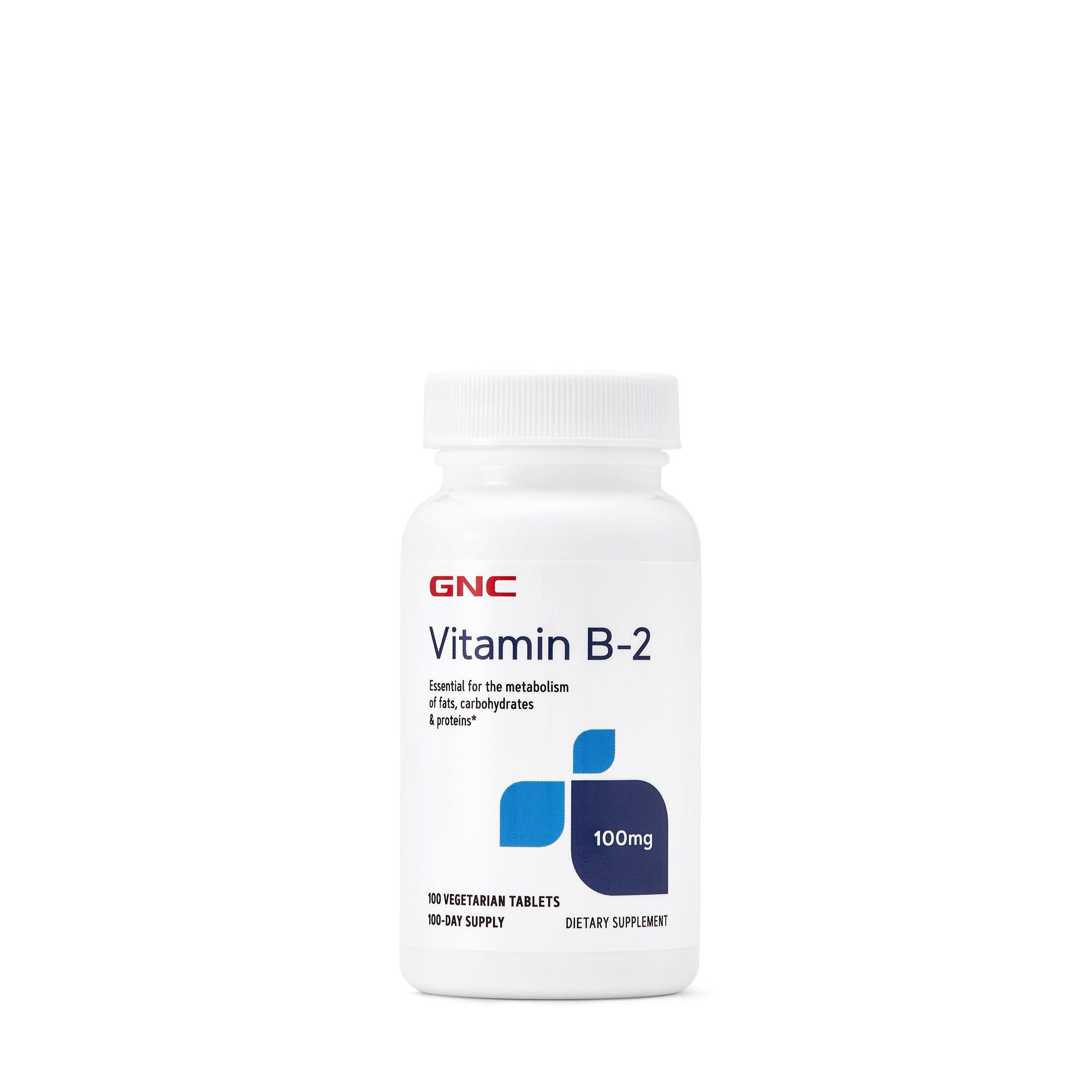
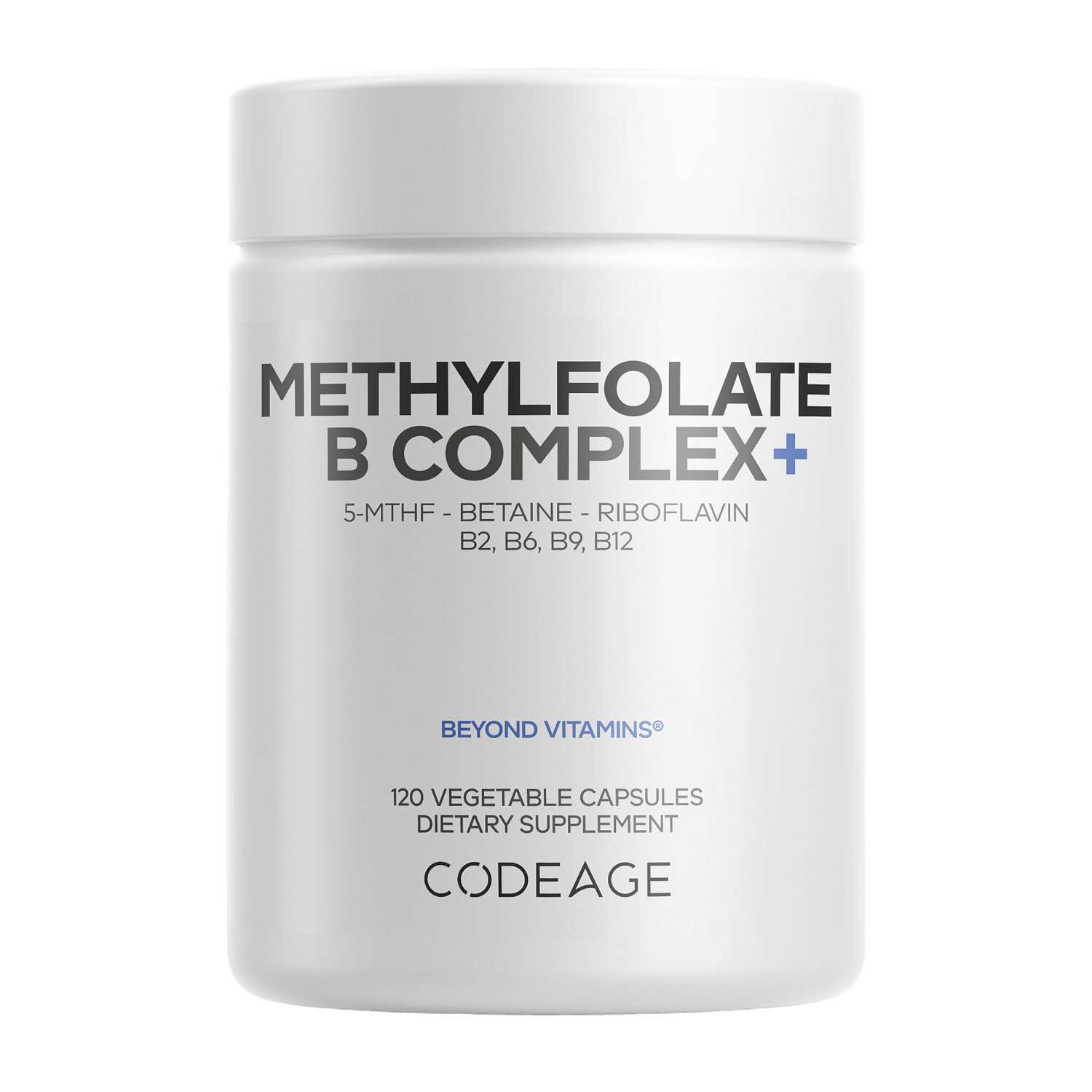
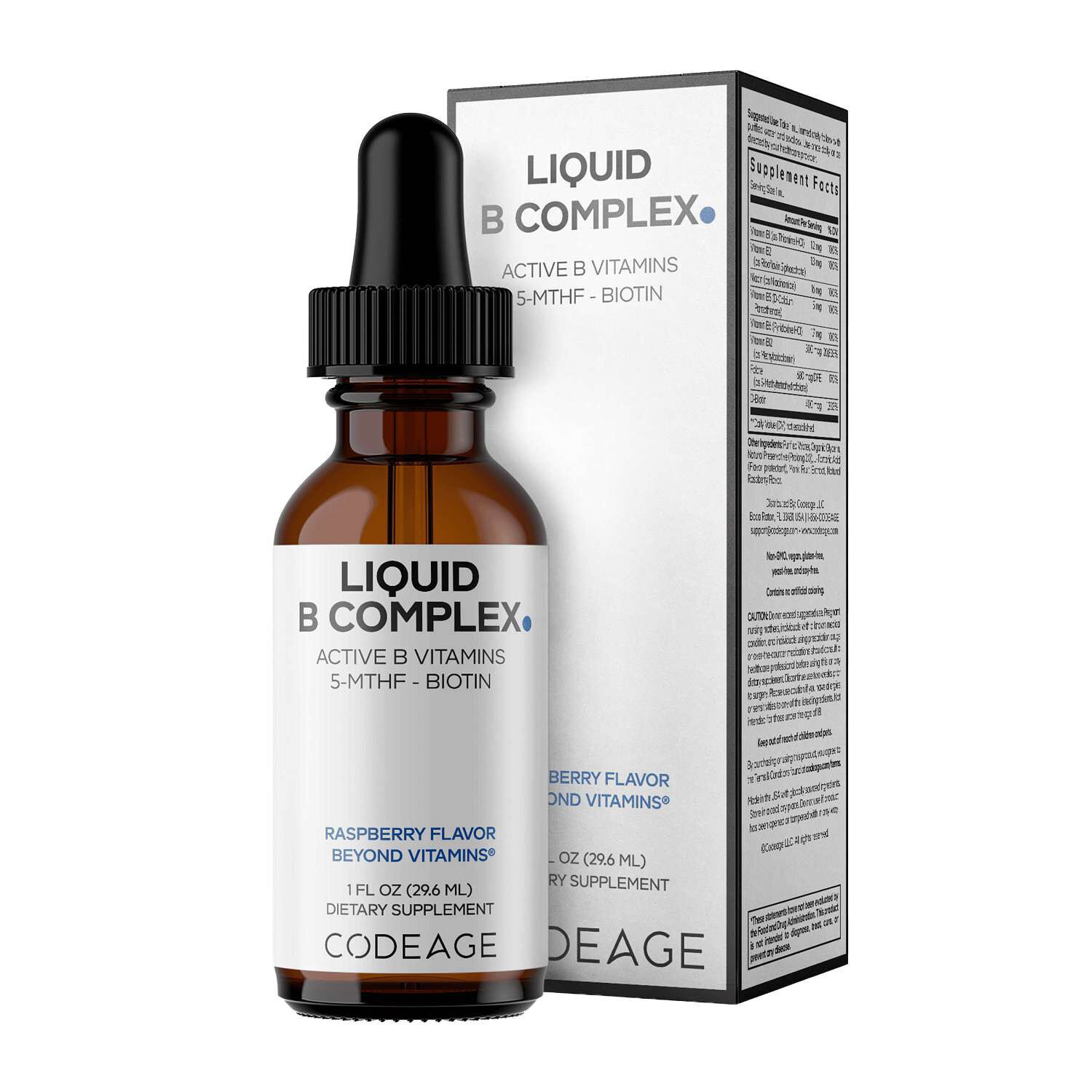
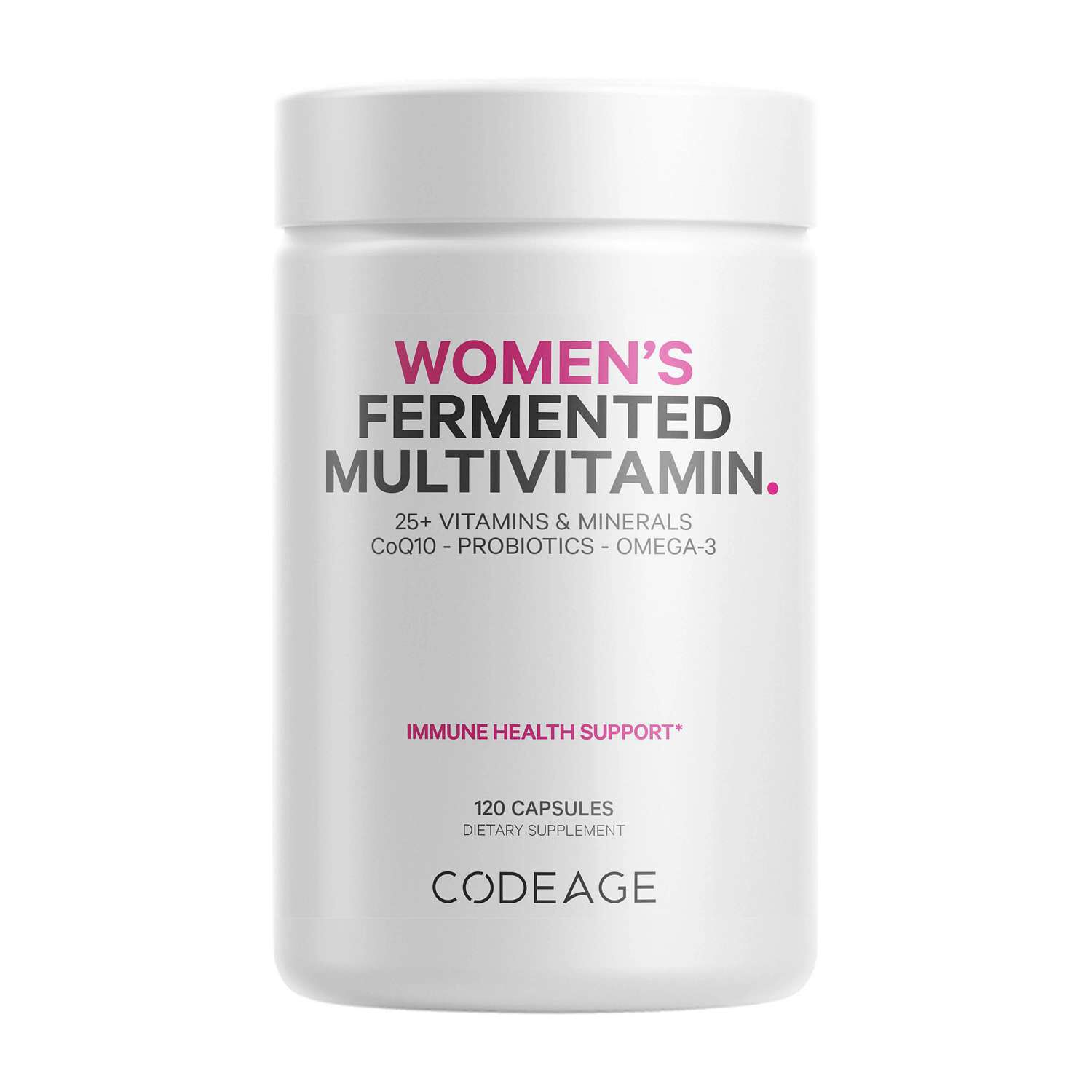
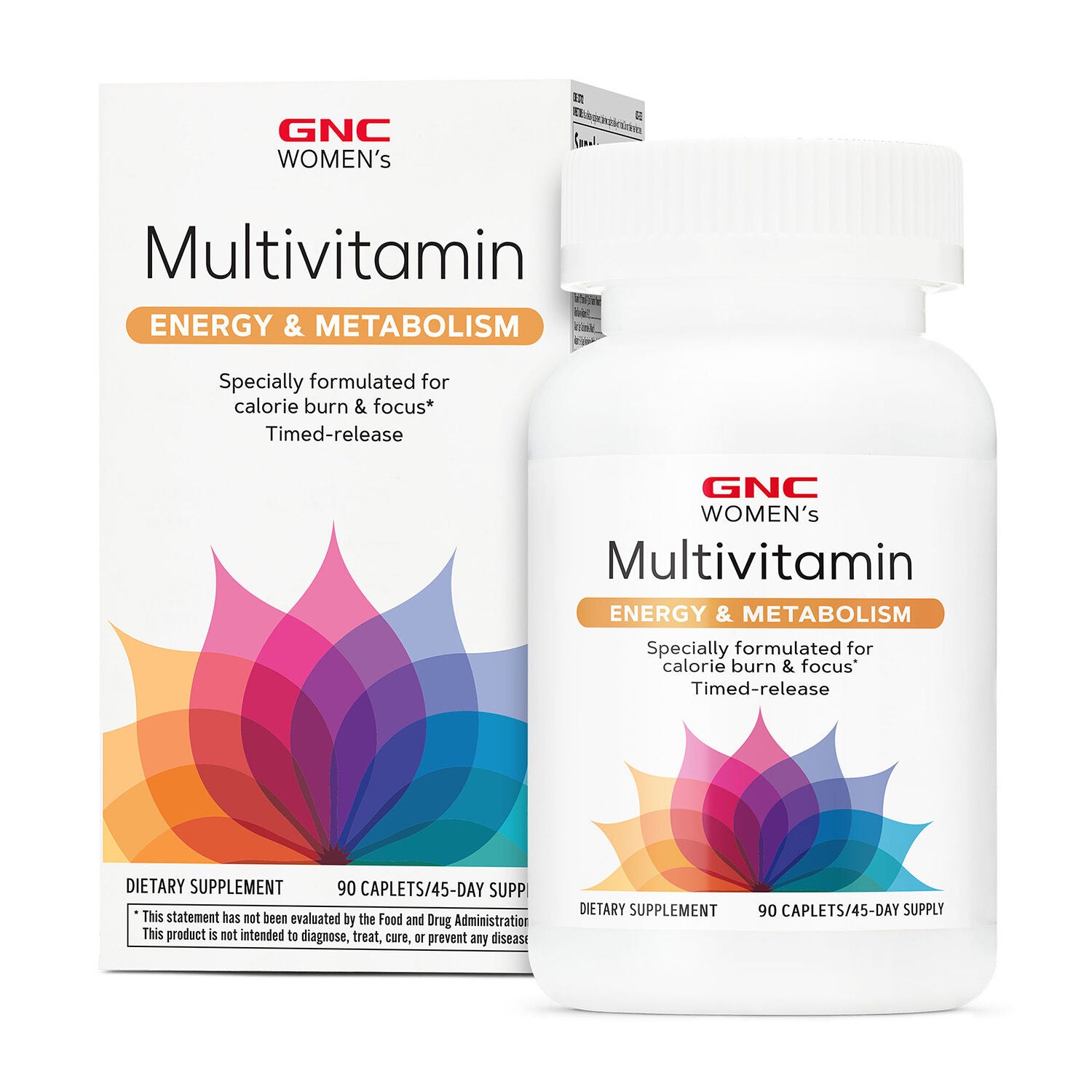

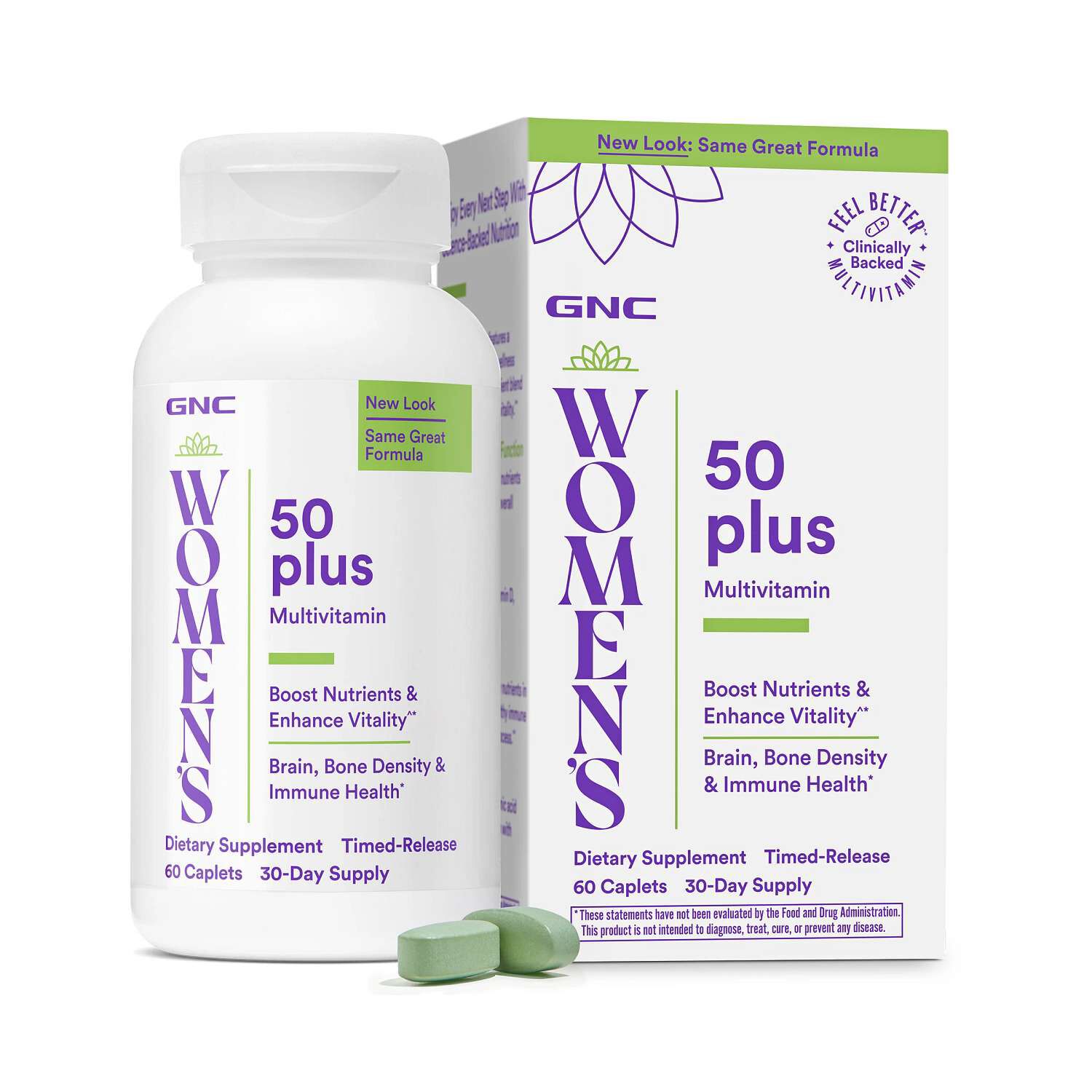
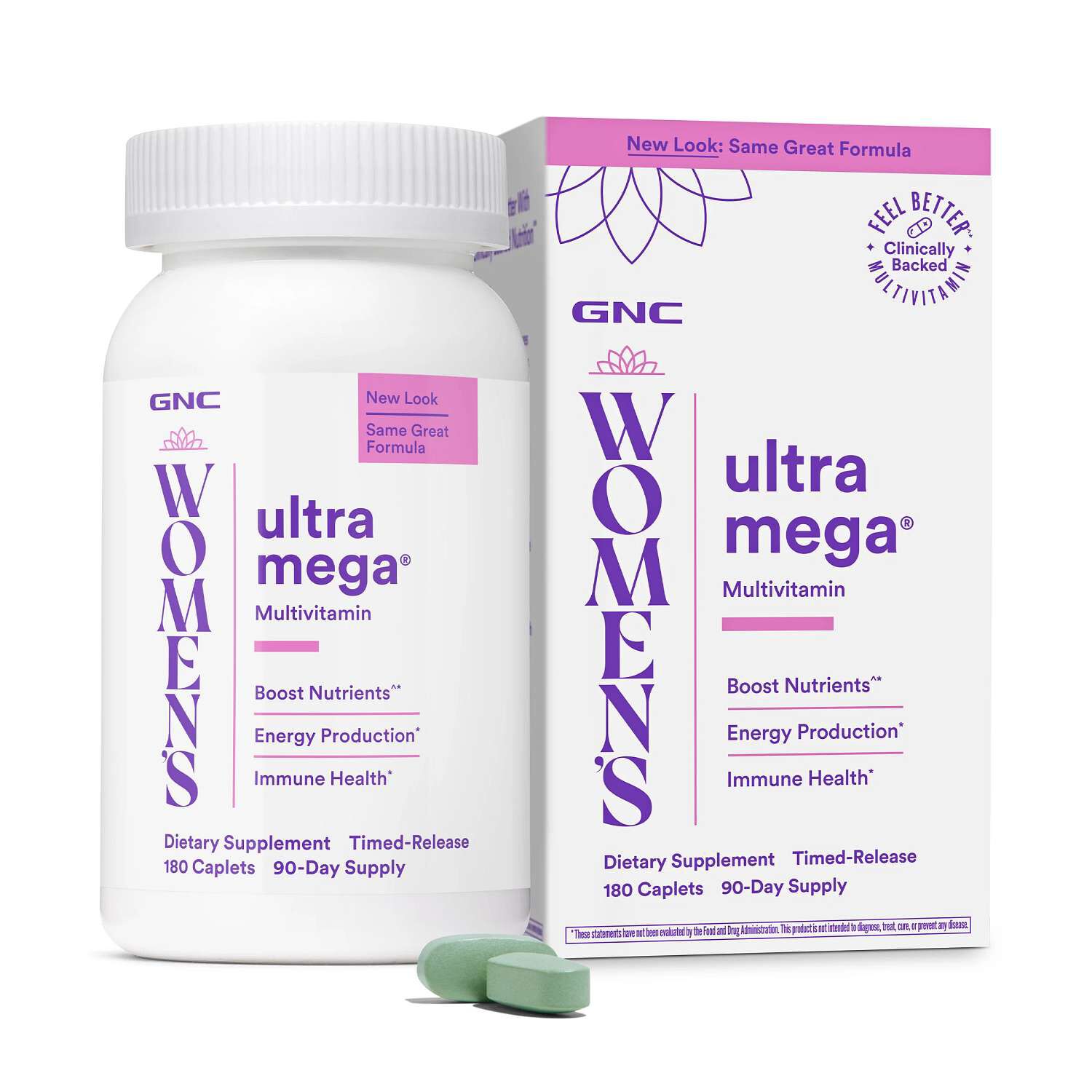
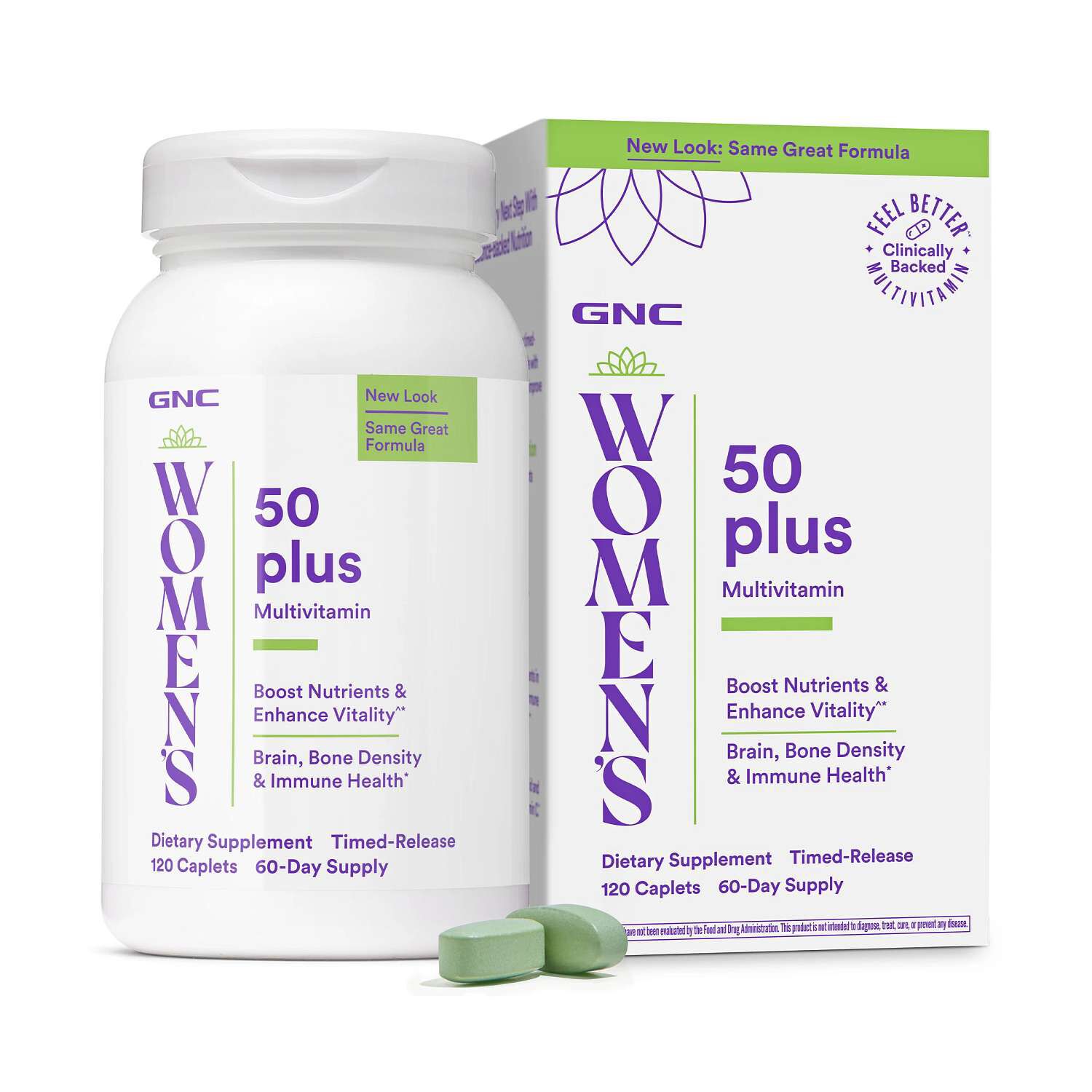
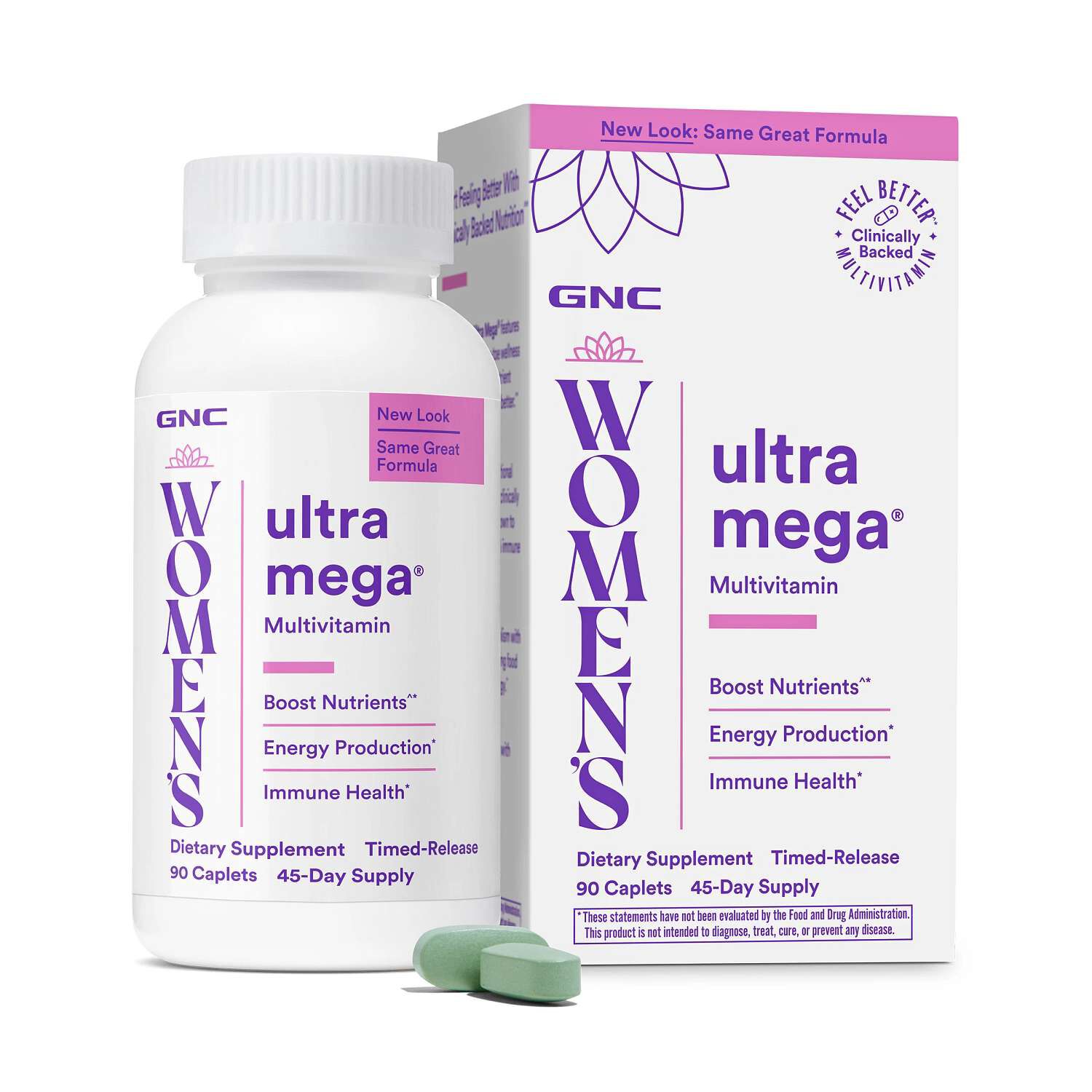

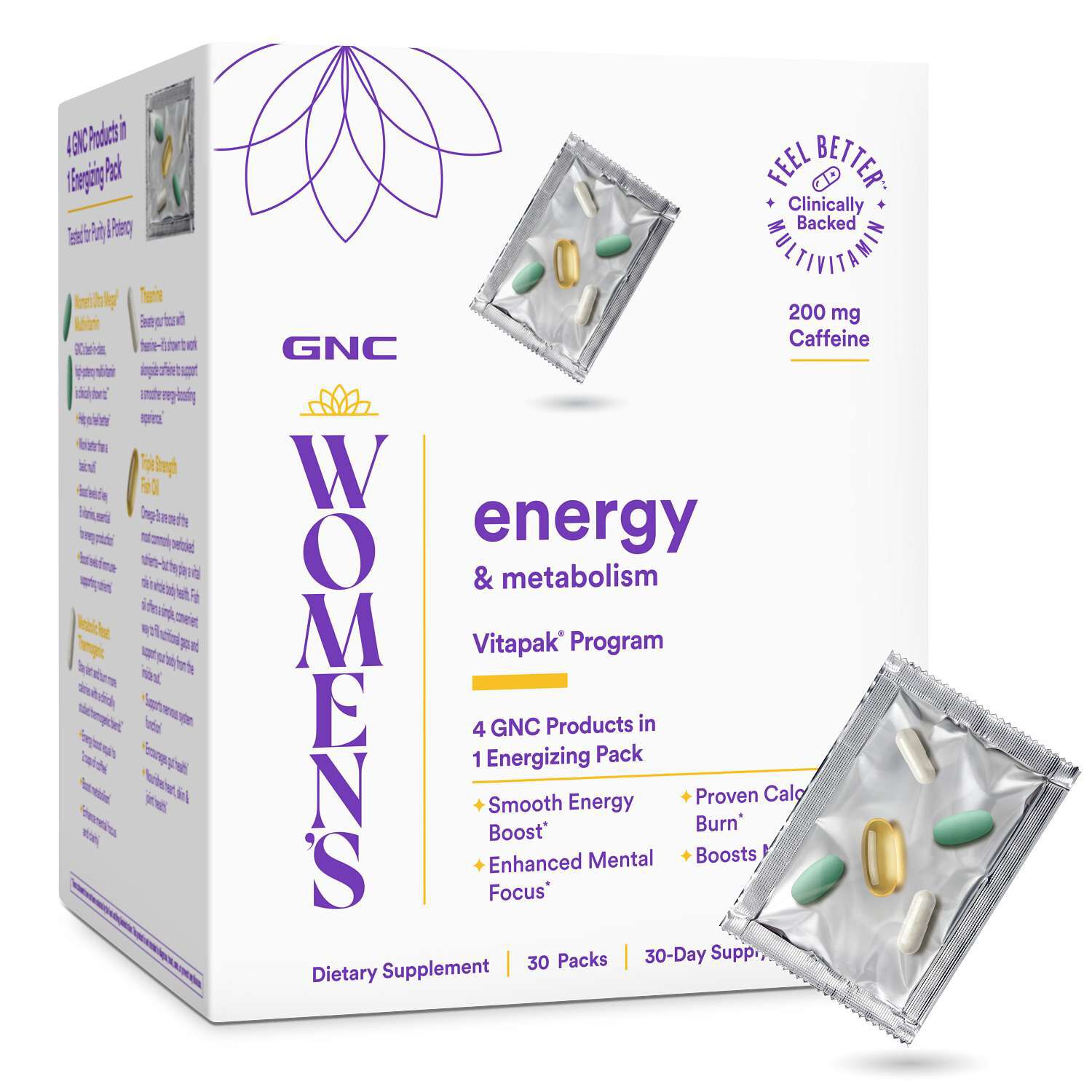

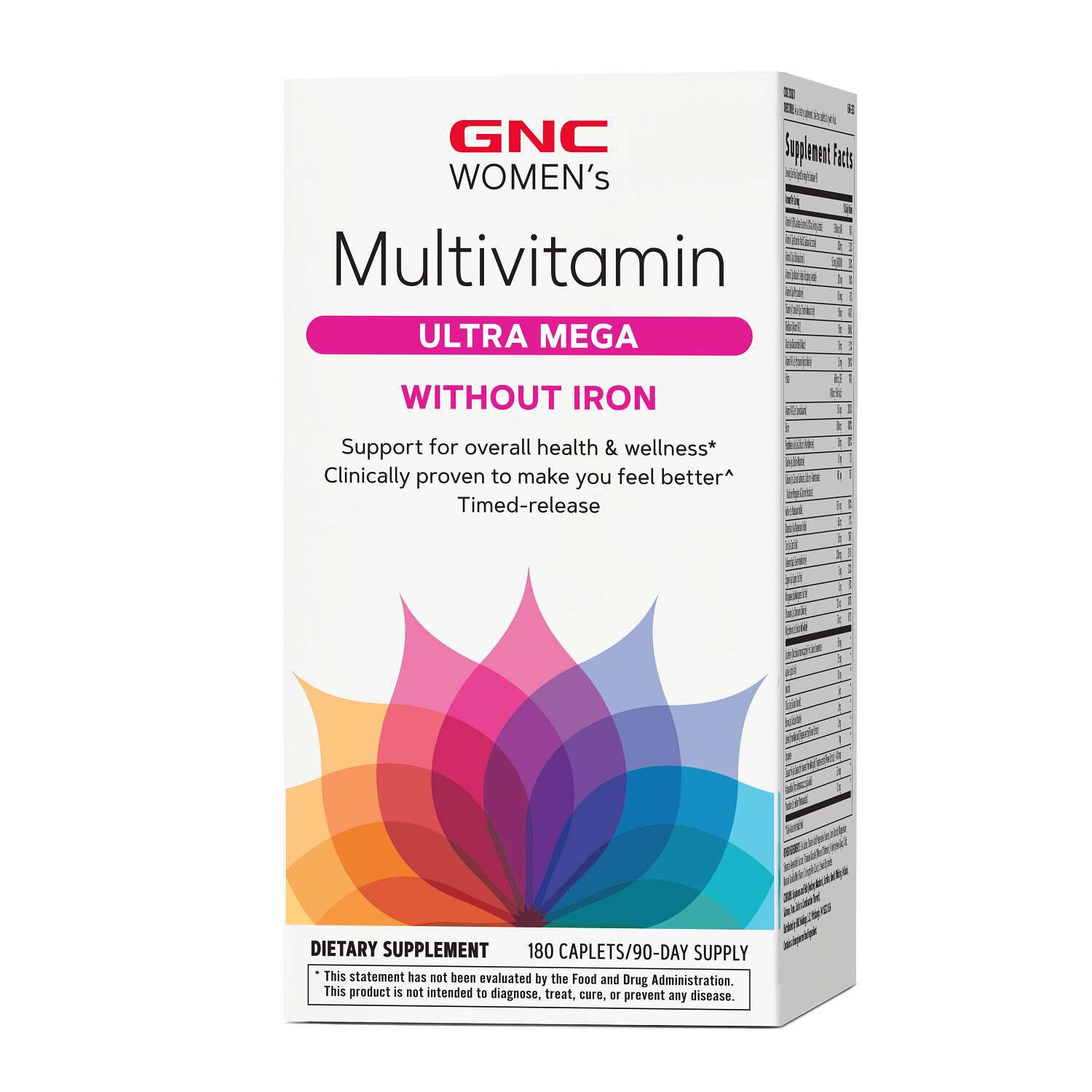
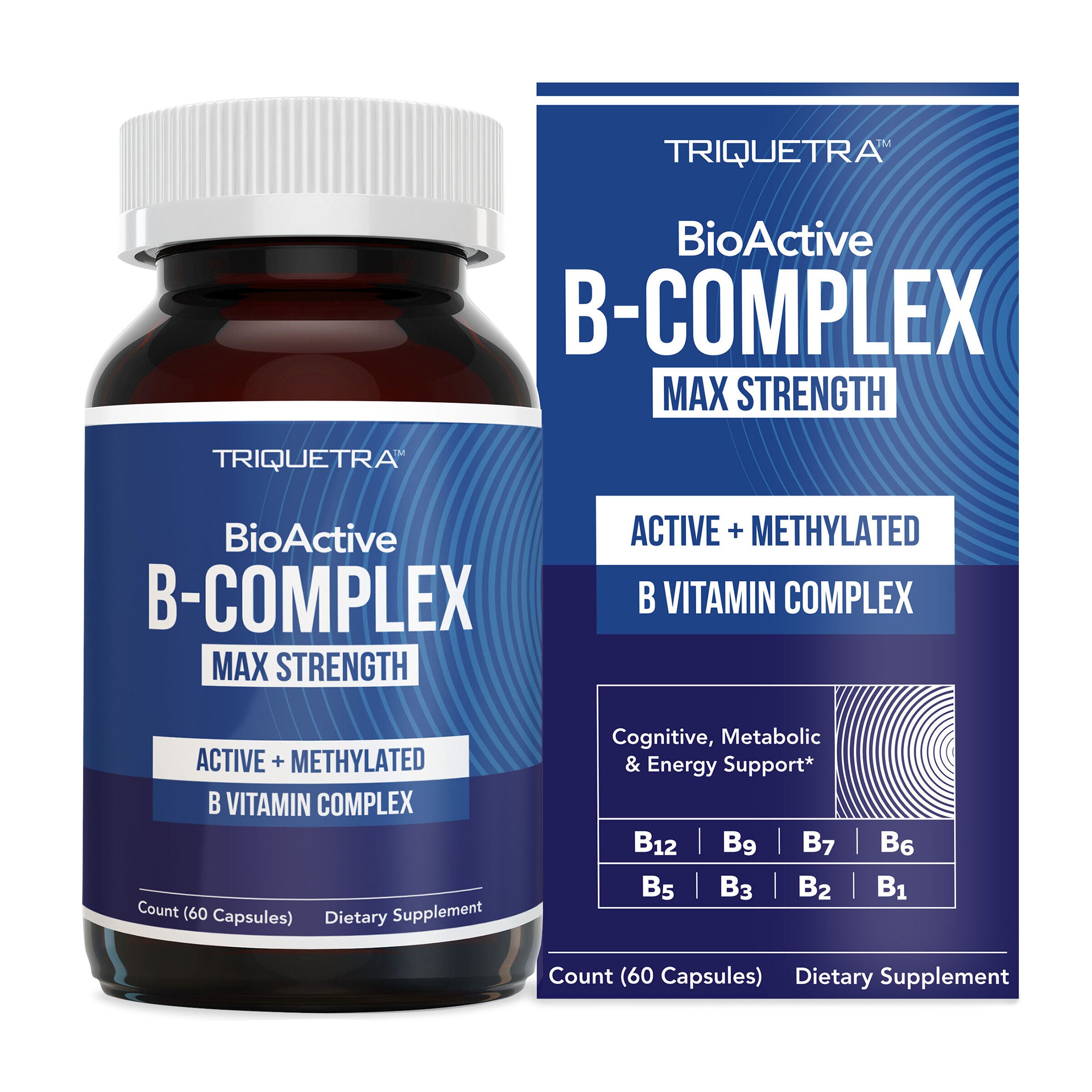
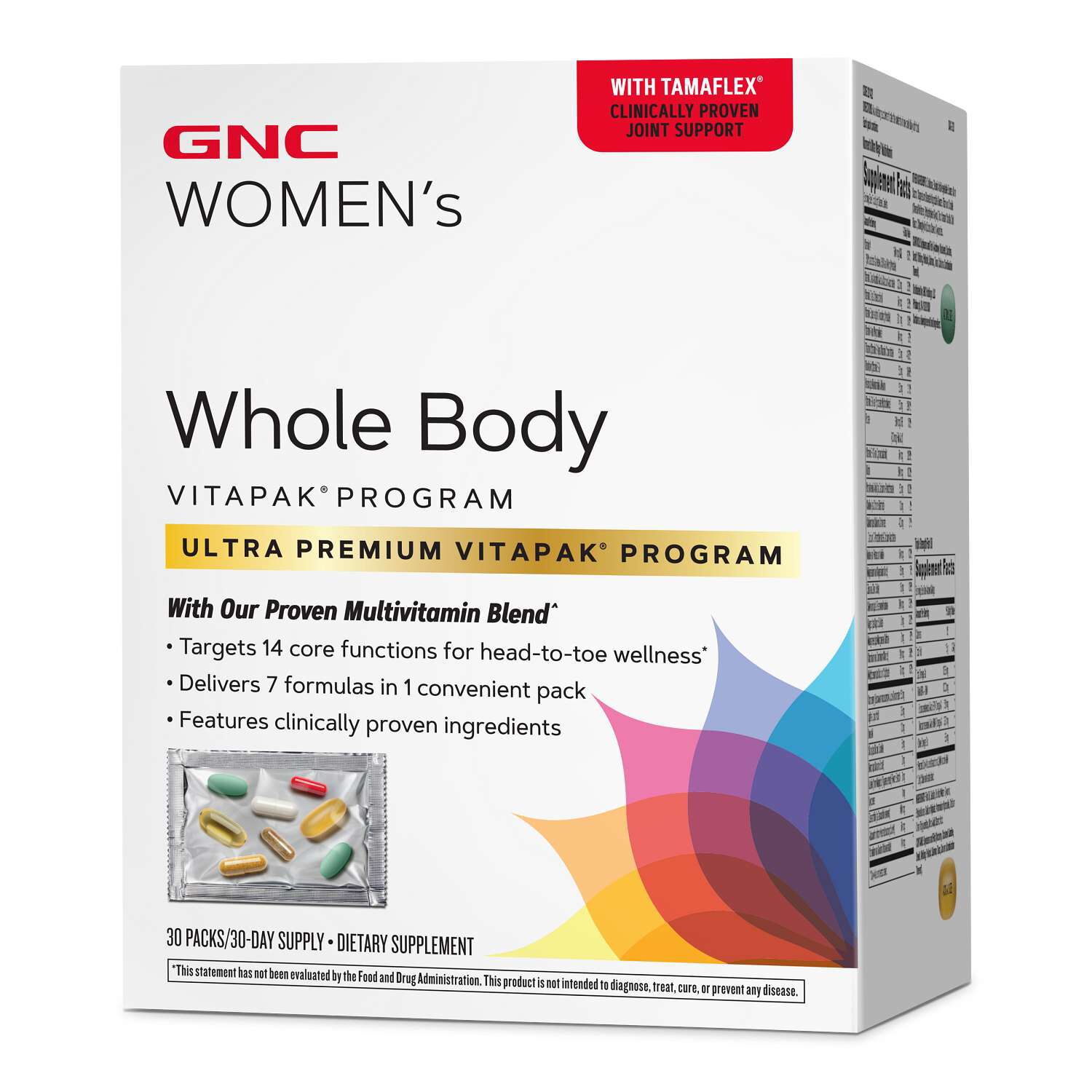
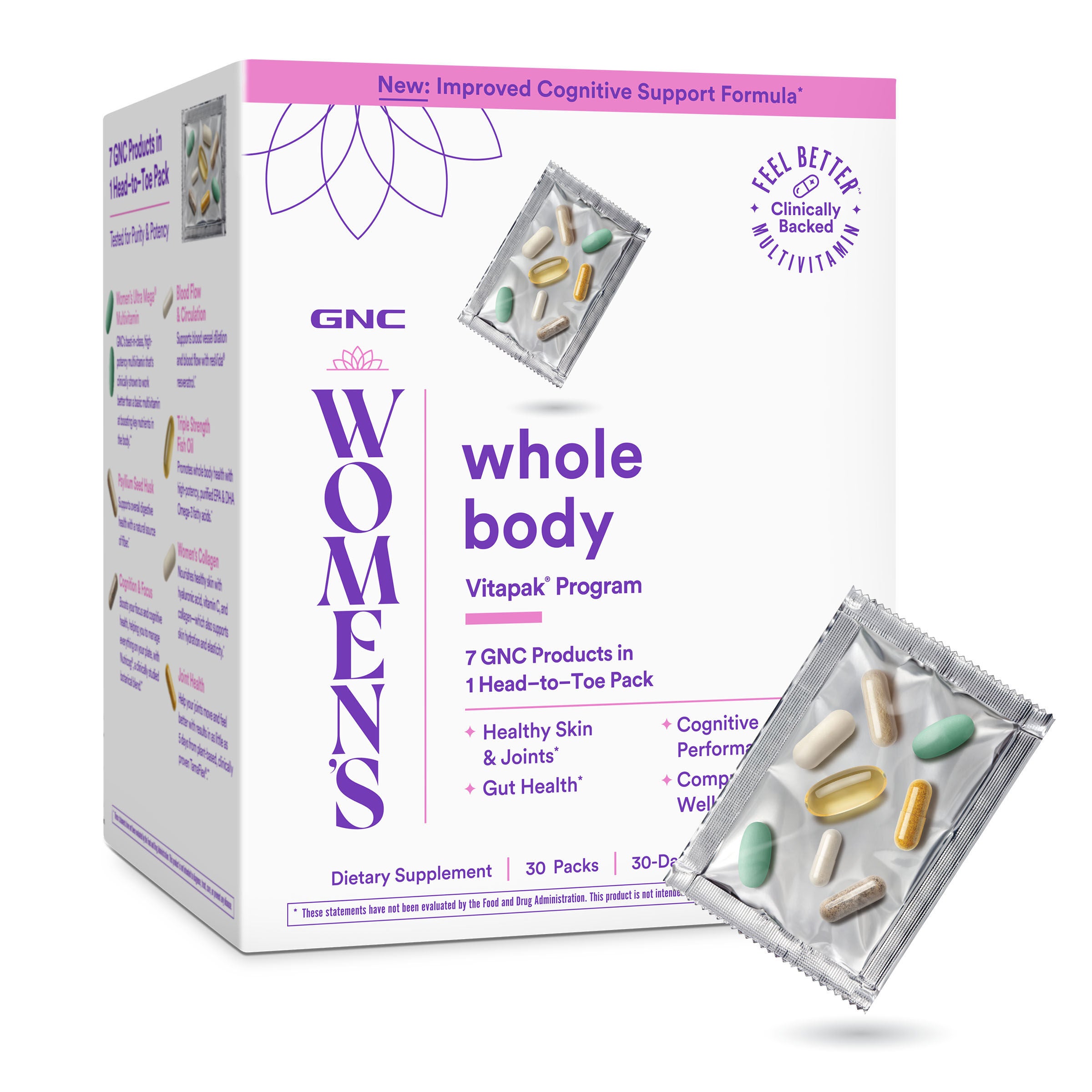
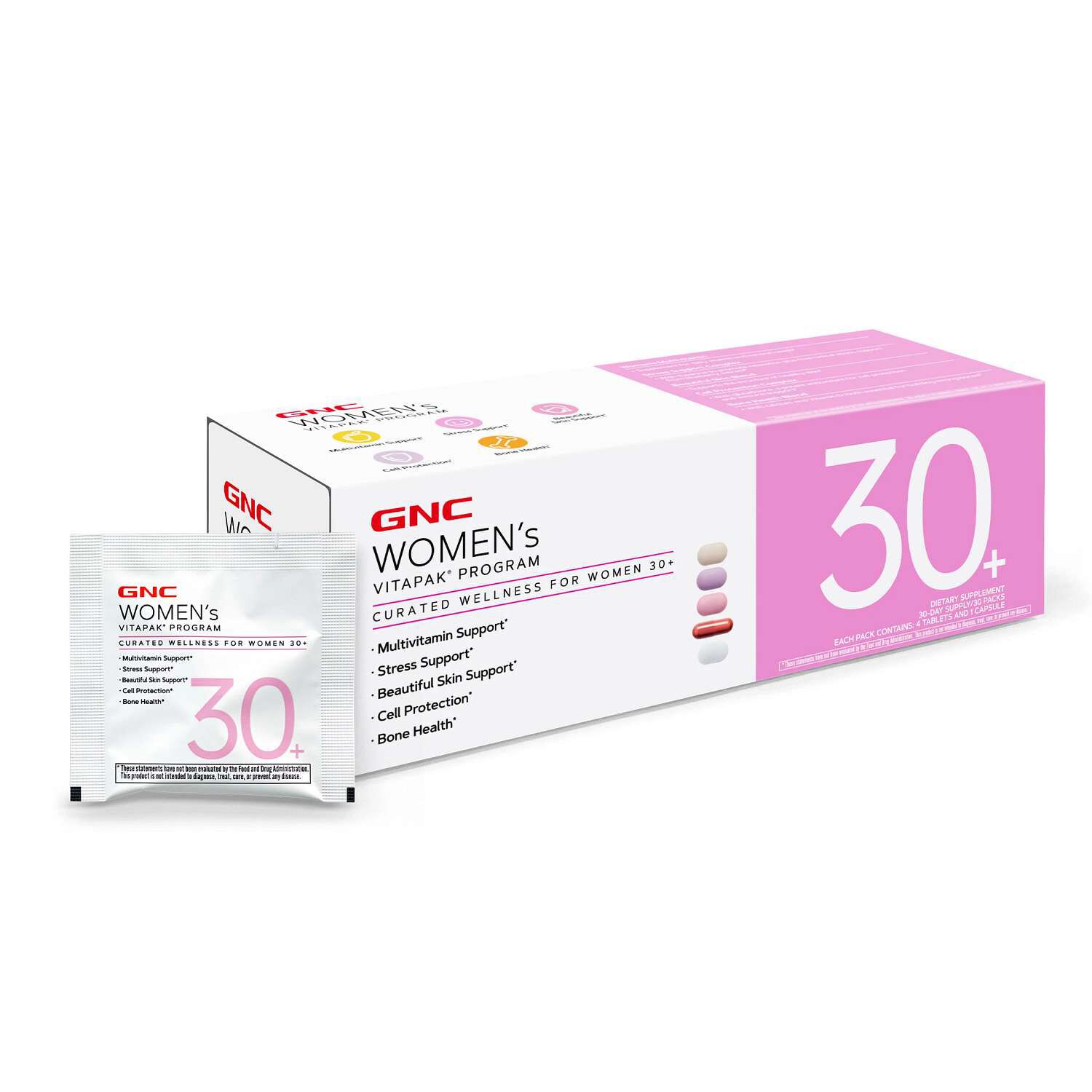


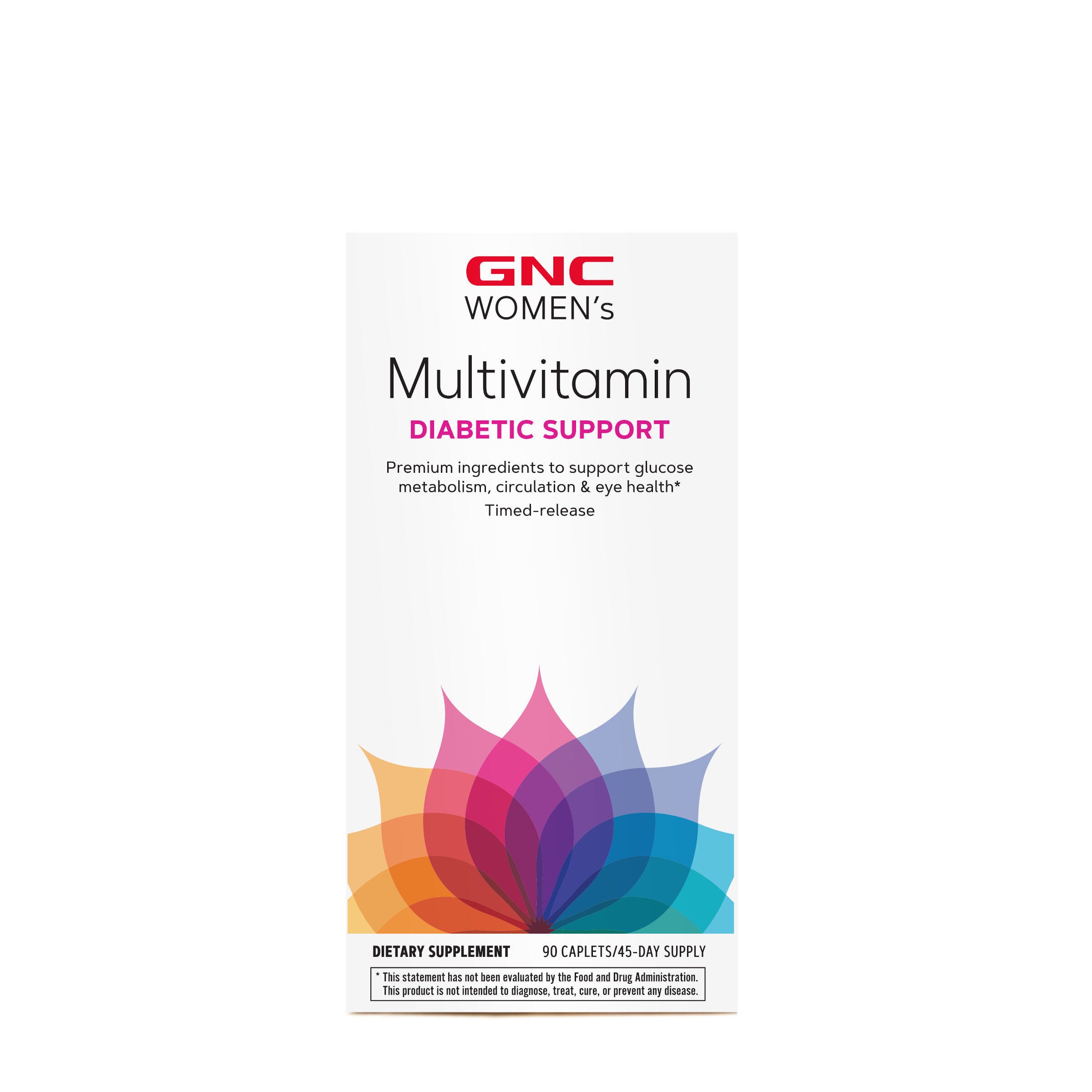
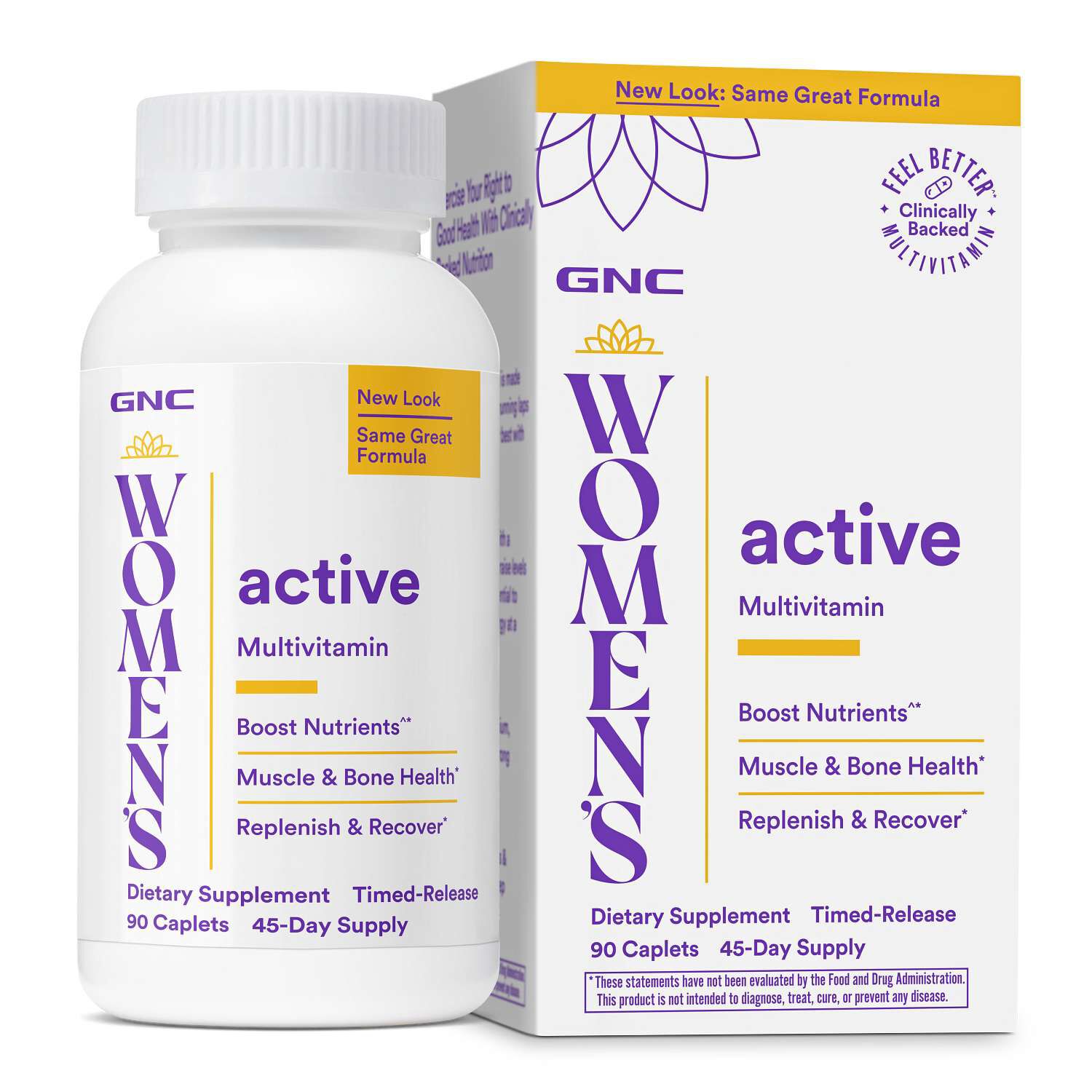
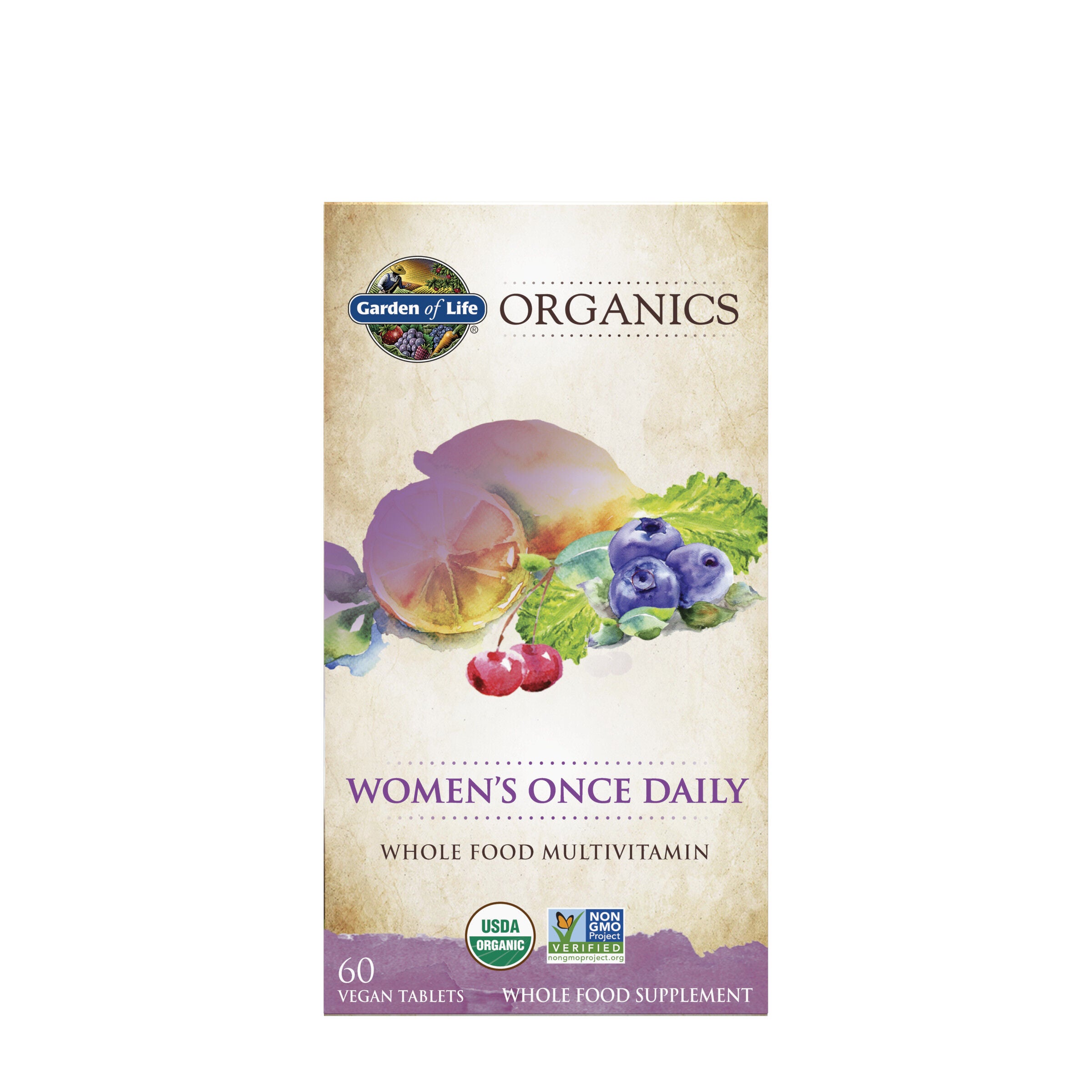
Vitamin B2 supplements for women contain riboflavin, a water-soluble vitamin that may support normal energy metabolism, including the body’s use of carbohydrates, fats, and proteins from food. Riboflavin occurs naturally in foods such as milk, yogurt, eggs, almonds, mushrooms, and spinach, and it is also added to some breads and breakfast cereals. Supplements offer another way to include this nutrient in a nutrition routine, with distinctions between single-nutrient formulas, B-complex supplements, and women’s multivitamins. A dedicated B2 formula centers on riboflavin, while a B-complex formula includes several B vitamins. A women’s multivitamin combines riboflavin with a broader assortment of vitamins and minerals. These are different approaches to formulation rather than interchangeable descriptions of the same product category. Vitamin B2 is also distinct from vitamin B12, even though both belong to the B-vitamin family and may appear together on a label. For women comparing riboflavin supplements, the nutrient name, amount per serving, and accompanying ingredients provide a more useful picture than the front label alone. The surrounding food routine adds context, too. A breakfast of yogurt and almonds includes different ingredients from oatmeal prepared with a plant-based beverage, and the nutrient content of fortified foods varies by label. An eating pattern without dairy, for example, can include other food sources of riboflavin; the absence of one food group does not describe the entire diet. Vitamin B2 supplements fit within this broader conversation about food, preferences, and established nutrition plans. The category may appeal to women who prefer a focused formula, those comparing several B vitamins together, or those looking at riboflavin as one ingredient within a multivitamin. The distinction comes down to what is in the formula and how that format fits the person using it, rather than the women-focused wording on the package alone.
The Supplement Facts panel brings those differences into focus. Riboflavin is typically identified by name, with an amount expressed in milligrams and a percentage of Daily Value. That percentage is a standardized labeling reference, not a personalized target. Serving size matters alongside the nutrient amount: the information may describe one capsule, multiple tablets, or a measured portion of another format. A larger number on the front of a bottle does not, by itself, explain how the formula compares with another option. Ingredients outside the Supplement Facts panel also deserve attention, particularly for women with dietary preferences or ingredient restrictions. Capsule shells may contain gelatin or plant-derived materials, while tablets may include ingredients used to hold their shape or provide a coating. A single-nutrient supplement can still contain ingredients beyond riboflavin, since the vitamin and the finished capsule or tablet are not the same thing. Likewise, a plant-derived capsule shell does not describe every ingredient inside it. Vegetarian or vegan labeling, allergen statements, and the full ingredient list each provide a different piece of information. Powdered, liquid, chewable, capsule, and tablet formats also have distinct characteristics, including texture, flavoring, portion measurement, and package design. Flavor and sweetener information may be especially relevant for formats that remain in the mouth rather than being swallowed as a capsule. For women interested in riboflavin within a broader formula, Multivitamin Capsules for Women With Riboflavin represents a related category with additional nutrients to consider. The riboflavin amount is only one part of that comparison; the accompanying vitamins, minerals, serving size, and other ingredients distinguish a multivitamin from a dedicated B2 supplement. When several supplements are already part of a routine, the names and amounts listed across their labels provide context about overlapping ingredients. A familiar nutrient appearing in two formulas does not make those formulas identical, and a longer ingredient list is not automatically a better match for an individual’s preferences.
Everyday handling is another part of comparing vitamin B2 supplements for women. A capsule’s dimensions, a tablet’s shape, or the measuring method for a powder may matter as much to the daily experience as the bottle’s appearance. Someone who prefers an unflavored capsule may have different priorities from someone who prefers a chewable format with a stated flavor. A woman who keeps supplements beside breakfast may value readable directions and a closure that is comfortable to handle, while someone who travels often may pay closer attention to bottle size and the clarity of the original label. These are practical differences rather than measures of nutritional suitability. Package count also needs context: a bottle containing a certain number of capsules does not necessarily contain that same number of servings. The serving size and labeled directions explain the relationship between the two. Storage information belongs in that same practical picture. Riboflavin is sensitive to light, and supplement packaging and storage directions are relevant to how the contents are handled. The original container retains the ingredient information, date marking, lot information, and any product-specific storage instructions. A bathroom shelf near a steamy shower or a bottle left in direct sunlight presents a different setting from a dry cabinet away from the stove. The manufacturer’s directions remain the reference for storage and handling, including how the container should be closed after use. Date markings and package condition are also part of assessing a bottle, rather than relying on color or appearance alone. For a shared household, a clearly labeled container distinguishes one person’s supplement routine from another’s. These details give the category a tangible, everyday dimension: the label that is readable at breakfast, the serving format that matches a personal preference, and the container that fits its intended storage space. Vitamin B2 supplements for women encompass those ordinary considerations alongside riboflavin content, with the most meaningful differences found in the formulation, labeling, and intended use.
Best Sellers
Related Pages


Top Collections
- Daily Collagen Supplements | Top Brands & Deals | GNC
- Joint Mobility Supplement Packs
- Zinc Supplements | Top Brands at Great Prices | GNC
- GLP 1 Support For Adults
- Supplements For Yoga Joint Flexibility
- Supplements For Balance
- Capsule Supplements For Energy And Stamina
- Adult Mobility Supplements
- Chronic Fatigue Supplements
- Vitamins For Hair Loss