





Multivitamin Capsules For Women With Riboflavin
(0 Results)
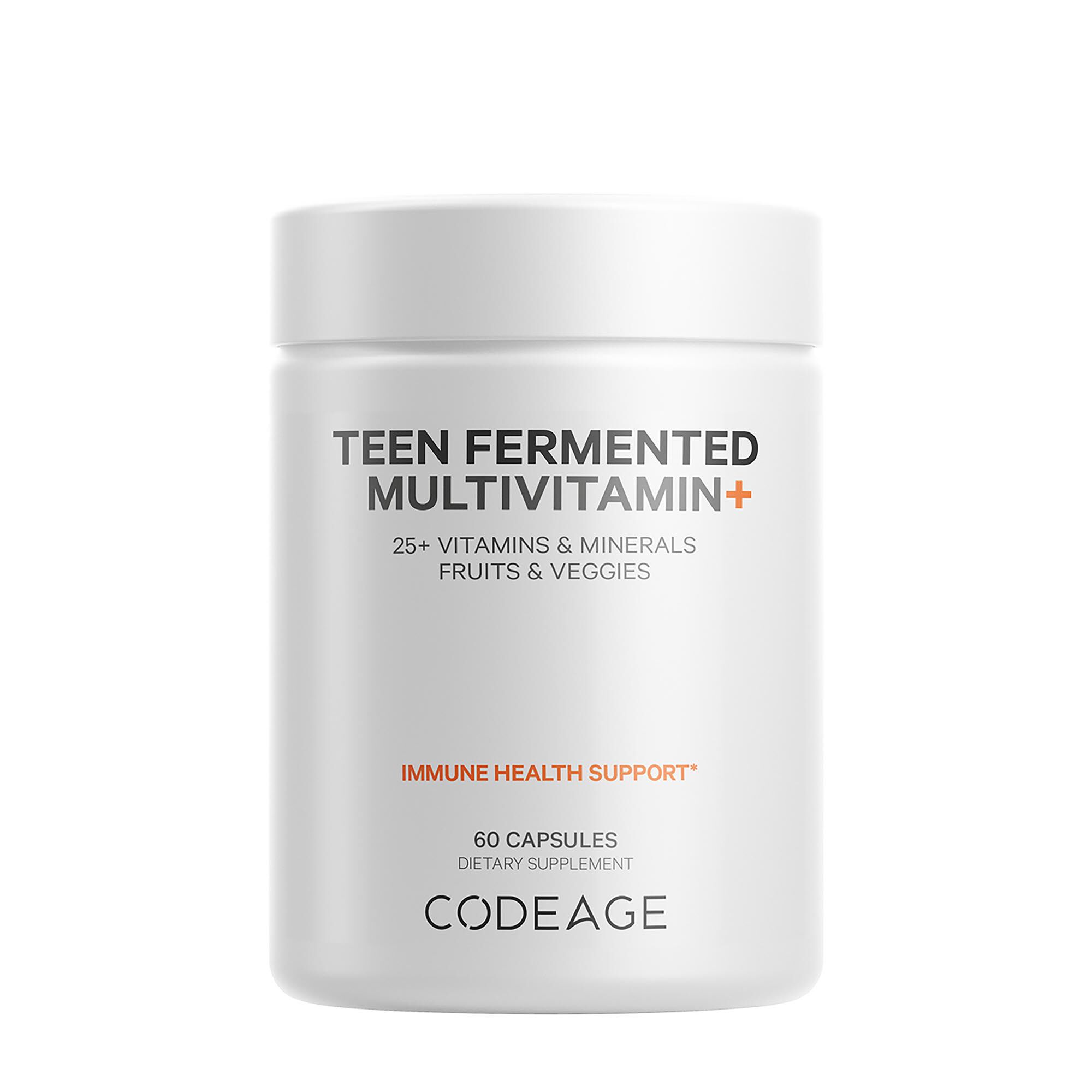
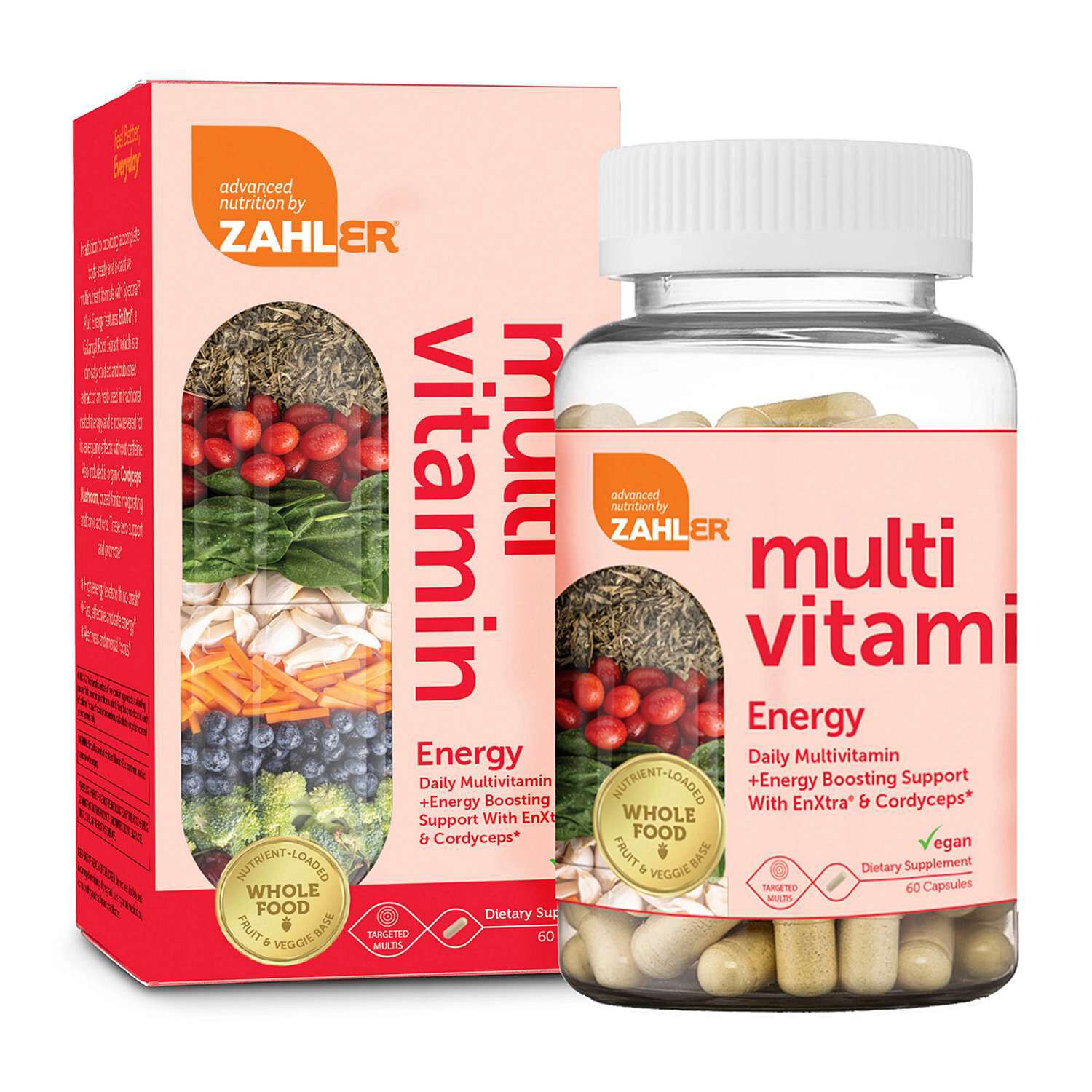
Multivitamin capsules for women with riboflavin offer a convenient way to support your daily wellness routine. Featuring a blend of vitamins and minerals, these capsules may fit seamlessly into a busy lifestyle. Riboflavin, also known as vitamin B2, is included alongside other nutrients that could contribute to your overall nutritional intake. Explore options designed with women’s unique needs in mind and find the right multivitamin capsules for women with riboflavin to complement your wellness journey.
-
-
-

-

-
-

-

-
-
-
-

-
 $44.99
-

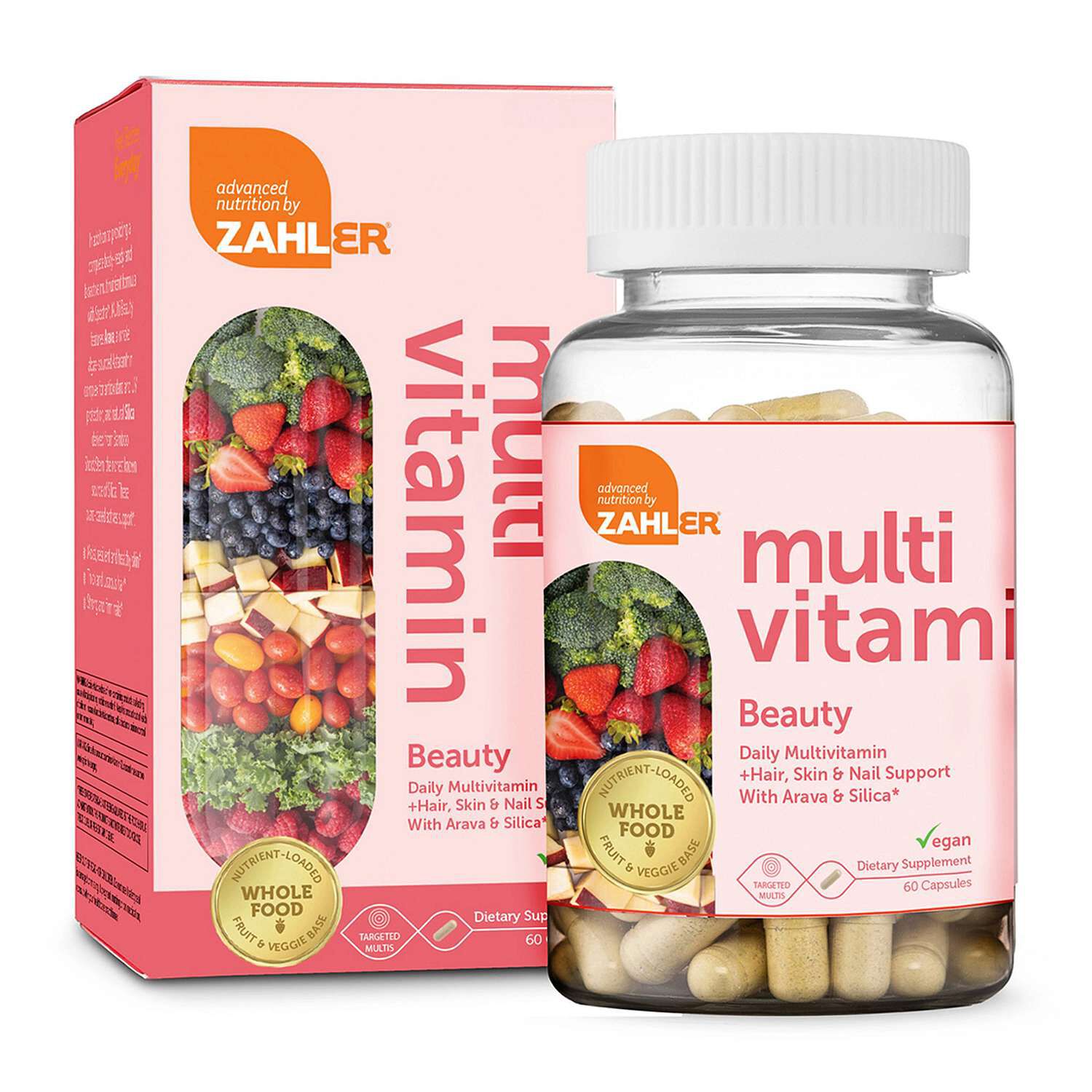
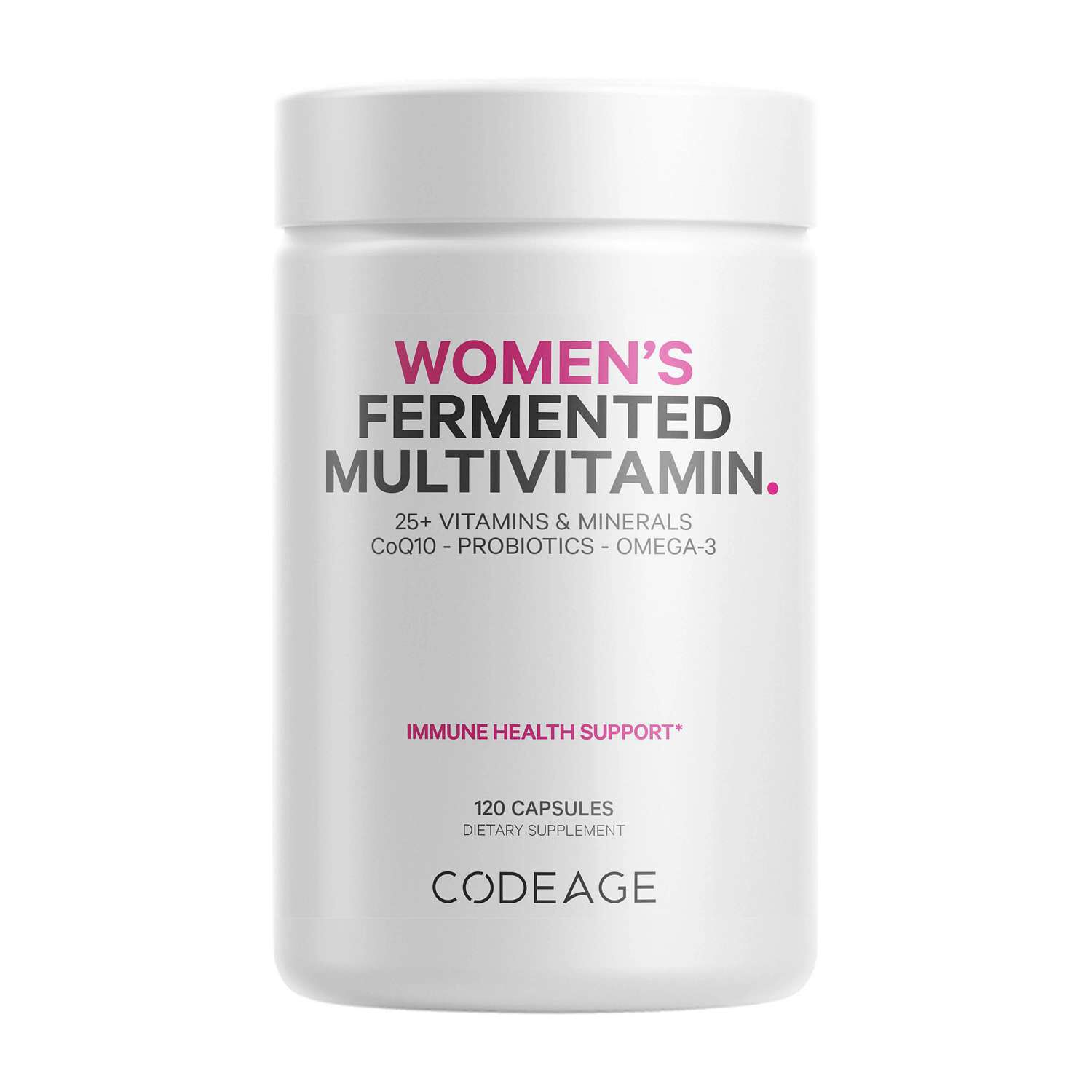
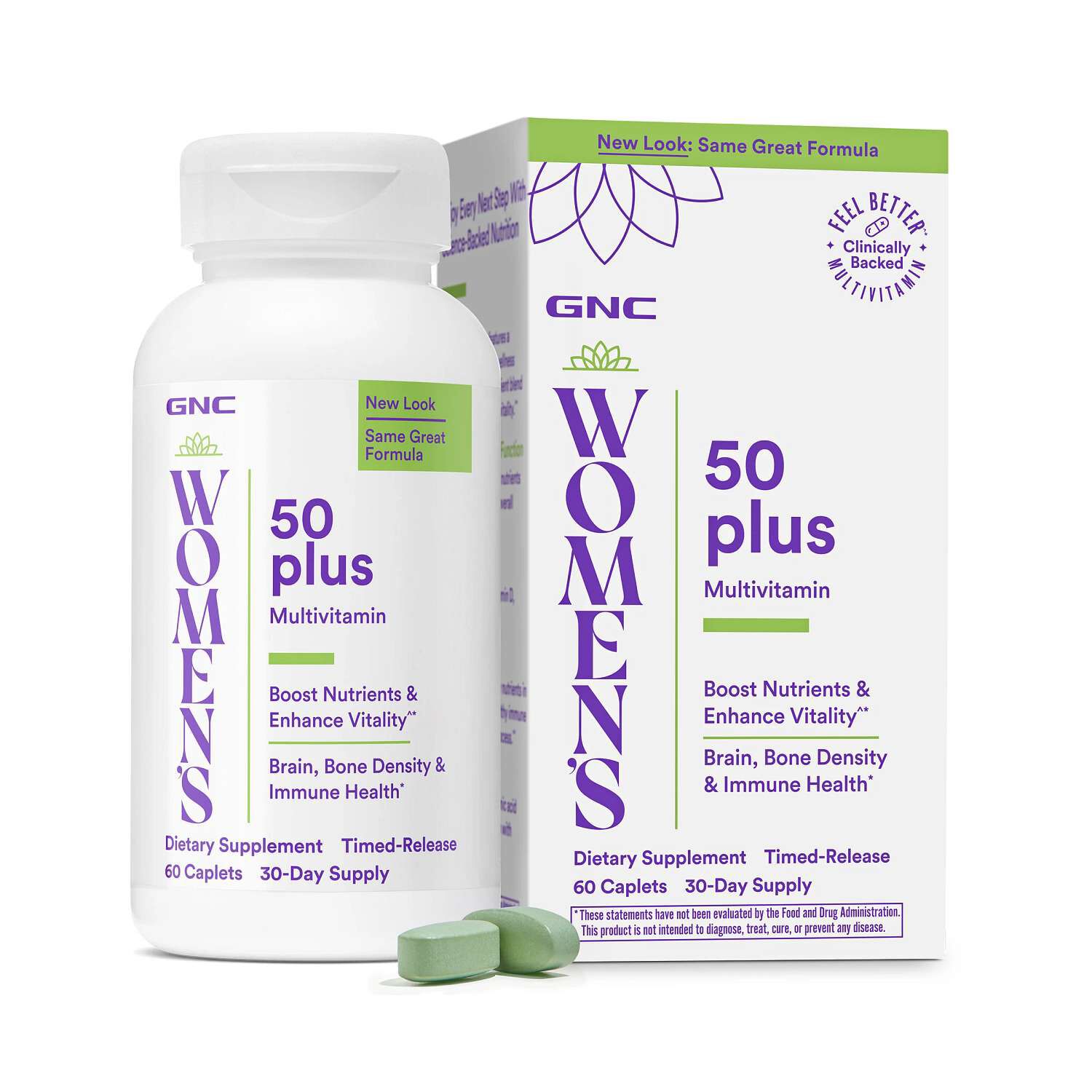
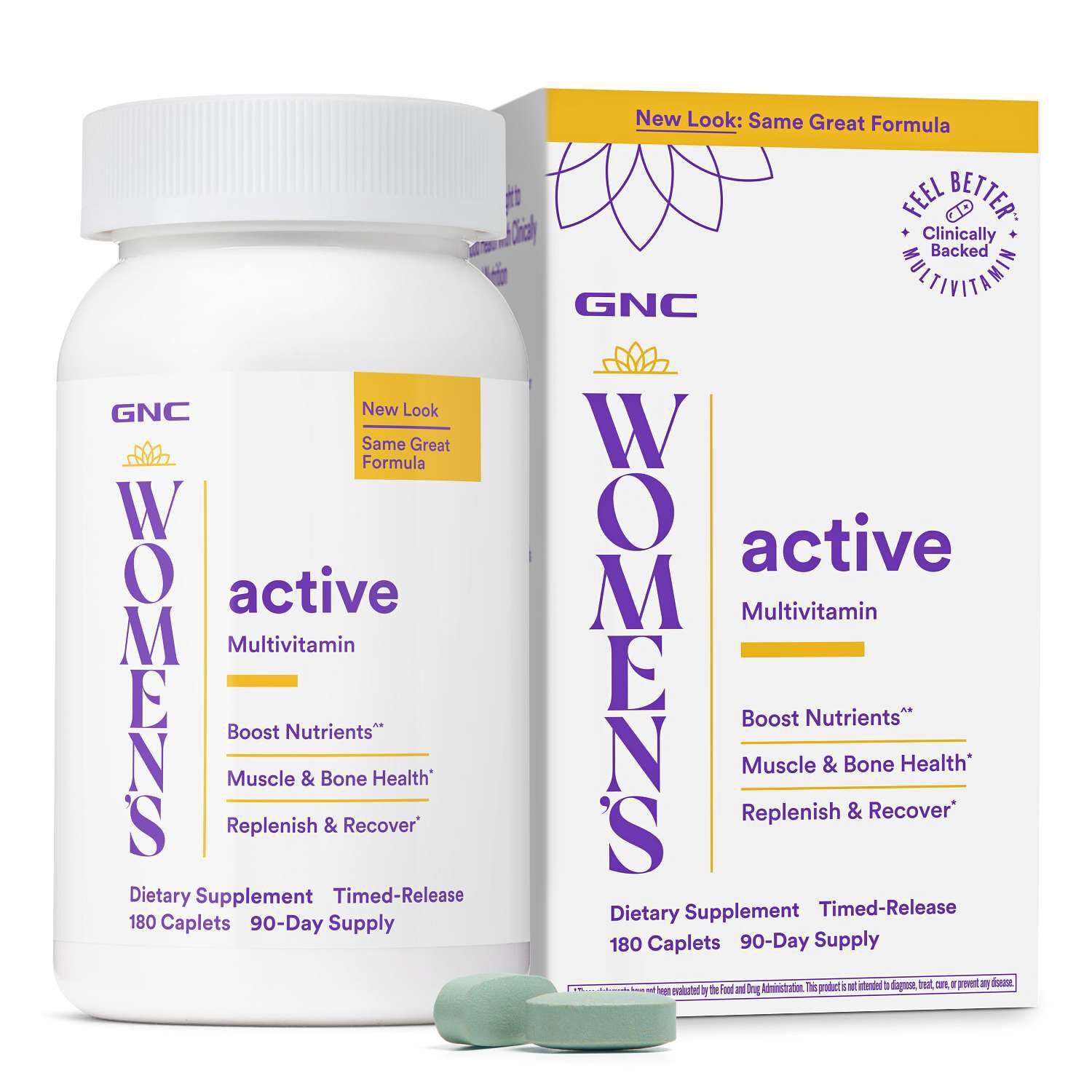
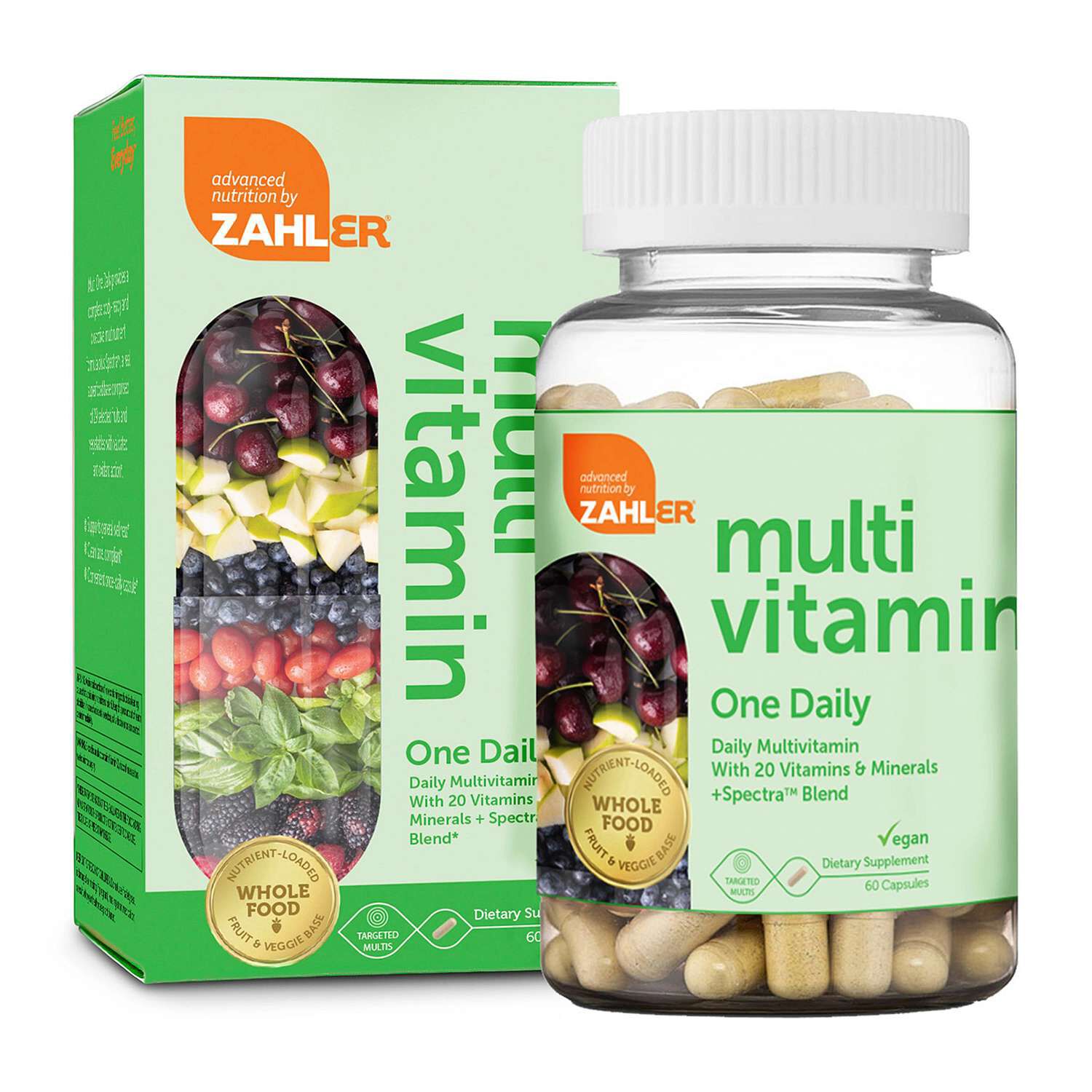
Multivitamin capsules for women with riboflavin combine vitamin B2 with a broader selection of vitamins and minerals in a capsule format. Riboflavin is a water-soluble member of the B vitamin family, and it may support normal energy metabolism, including the body’s use of carbohydrates, fats, and proteins from food. On a Supplement Facts panel, it is generally listed as riboflavin, with an amount per serving and a corresponding percent Daily Value. That makes the label a useful starting point for comparing formulas rather than relying on the wording on the front of a bottle. Riboflavin may appear alongside thiamin, niacin, vitamin B6, folate, vitamin B12, biotin, and pantothenic acid, although the combination and amounts differ from one formula to another. Other nutrients may include vitamins A, C, D, and E, along with minerals such as zinc, iodine, or iron. A women’s multivitamin is therefore a different type of purchase from a supplement centered on B2 alone: the distinction is the broader ingredient profile, not simply the presence of riboflavin. These capsules are intended to complement food choices, with the exact nutrient mix shaped by the formula’s intended audience. Foods such as eggs, milk, yogurt, almonds, and fortified cereals also contain riboflavin, so the nutrient belongs within a larger picture of everyday eating. For someone comparing bottles after reviewing a usual breakfast or lunch routine, the most useful details are concrete ones: which nutrients are included, how much each serving contains, and how many capsules make up that serving. A label showing amounts for two capsules should not be read as though those amounts apply to one. Keeping that distinction in mind makes comparisons more meaningful and keeps the focus on the actual contents rather than capsule count alone.
The capsule itself is another important part of the selection. Most capsules hold ingredients inside a shell, commonly made with gelatin or a cellulose-based material. For shoppers who follow a vegetarian eating pattern, the shell material deserves a look alongside the rest of the ingredient list; a plant-based shell does not, by itself, describe every ingredient inside it. Dietary preferences may also involve declared allergens, colors, or other added ingredients, and those details are usually separate from the main vitamin and mineral listing. Capsule dimensions, texture, and serving size matter for everyday fit, too. Someone who prefers taking fewer capsules may compare serving directions before choosing a bottle, while another shopper may place more importance on the ingredient combination. A capsule and a tablet are different formats, even when both contain riboflavin, so photographs and package descriptions can help distinguish them. Neither format alone establishes how well a formula matches an individual’s preferences, and a larger capsule does not necessarily contain more B2. The amount listed on the Supplement Facts panel remains the clearer point of comparison. Women’s formulas may also be organized by adult life stage, with different nutrient combinations or serving directions. Some include iron and others omit it; some emphasize a broad range of nutrients, while others use a shorter ingredient list. These are formulation differences to review, rather than reasons to assume that one option suits every woman. The Daily Value percentage provides a standardized reference for comparing labels, but it is not a personalized assessment. Likewise, a higher riboflavin amount is a numerical difference, not a measure of how well a multivitamin matches someone’s goals. A practical comparison considers B2 alongside the other nutrients, the capsule materials, the labeled audience, and the directions on the package. Those details give a more rounded view than a single prominent number.
Everyday use and storage bring another set of practical considerations to multivitamin capsules for women with riboflavin. A bottle that fits neatly into a home routine may be more convenient than packaging chosen only for its appearance. For example, someone who keeps breakfast supplies in one cabinet may prefer a designated place nearby for supplements, provided that location meets the storage instructions on the label. The original container keeps the ingredient information, serving directions, lot details, and date markings together, which is useful when reviewing a formula later. Riboflavin is sensitive to light, making the labeled packaging and storage directions particularly relevant. Keep the container closed as directed, and avoid locations exposed to moisture or direct sunlight. Capsule condition also matters: changes in appearance or packaging integrity deserve attention before use, and the manufacturer’s directions remain the reference for handling the contents. Capsules should not be opened or mixed into food unless the packaging specifically allows it. When comparing how long a bottle may fit into a routine, use the number of servings rather than the number of capsules, since a multi-capsule serving changes that calculation. Shoppers interested mainly in the B2 portion can also compare this broader category with Vitamin B2 Supplements for Women to understand the distinction between a multivitamin formula and options focused more closely on that nutrient. The relevant comparison is the ingredient panel and intended use, not an assumption that the two categories are interchangeable. For women who prefer a capsule format and want riboflavin included among several nutrients, the category offers a straightforward set of features to evaluate. Clear serving information, transparent ingredient listings, suitable capsule materials, and manageable storage requirements are useful details to compare. Together, they help make the selection about a formula’s actual characteristics and how naturally its labeled use fits into an established routine.
Best Sellers

Related Pages
Top Collections
- Zinc Supplements For Men
- Daily Collagen Supplements | Top Brands & Deals | GNC
- Supplements For Yoga Joint Flexibility
- Chronic Fatigue Supplements
- Capsule Supplements For Energy And Stamina
- Adult Vitamins
- Metabolism Boost For Weight Loss
- Burnout Support Supplements
- Vitamins For Hair Loss
- Supplements For Balance