





Multivitamins For Women With Vitamin E
(0 Results)
Multivitamins for women with vitamin E offer a convenient way to support your daily wellness routine. These formulas are designed to fit the unique needs of women and include vitamin E, an important nutrient that may play a role in overall health. Explore a variety of options to find multivitamins for women with vitamin E that can complement your lifestyle and help you stay on track with your nutritional goals.

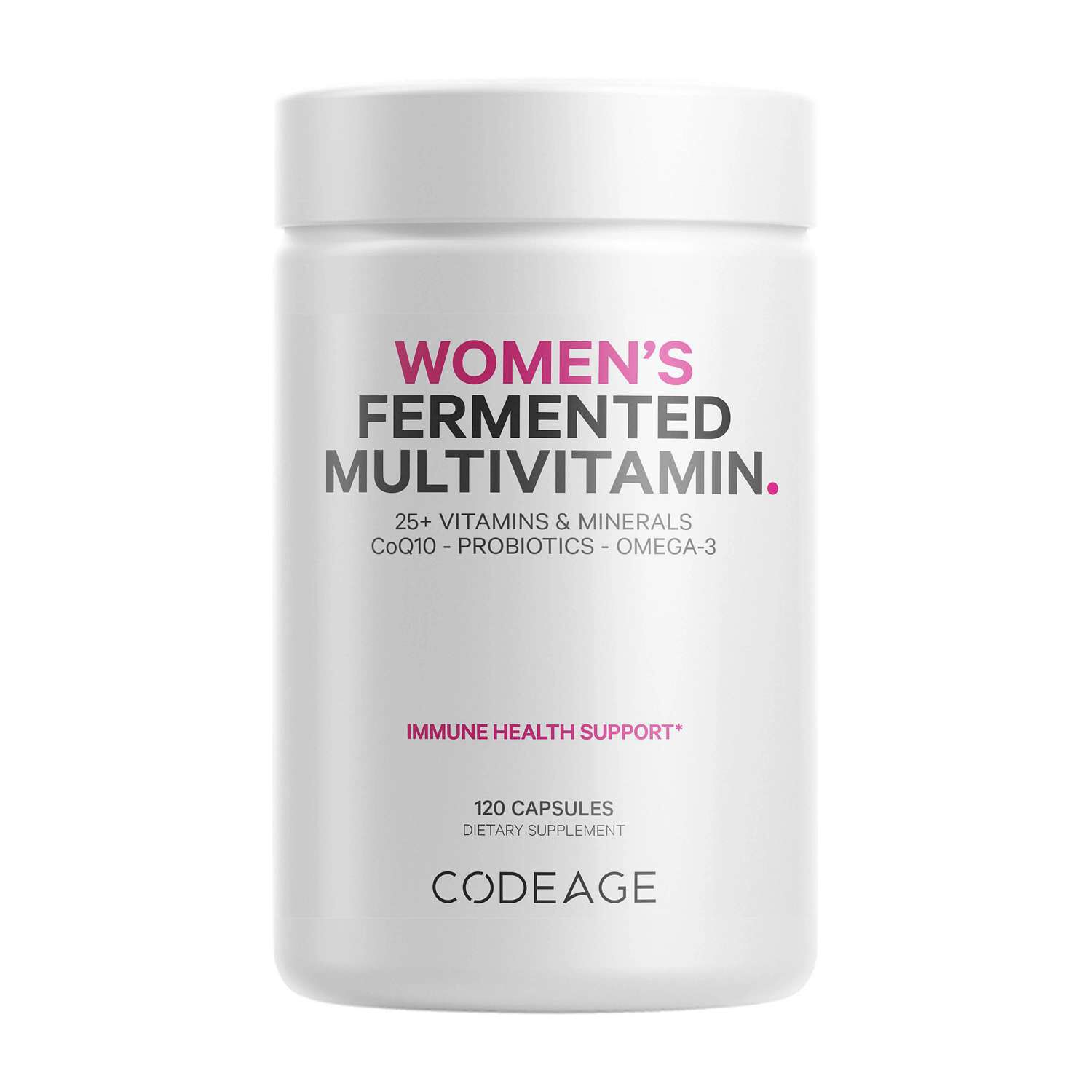
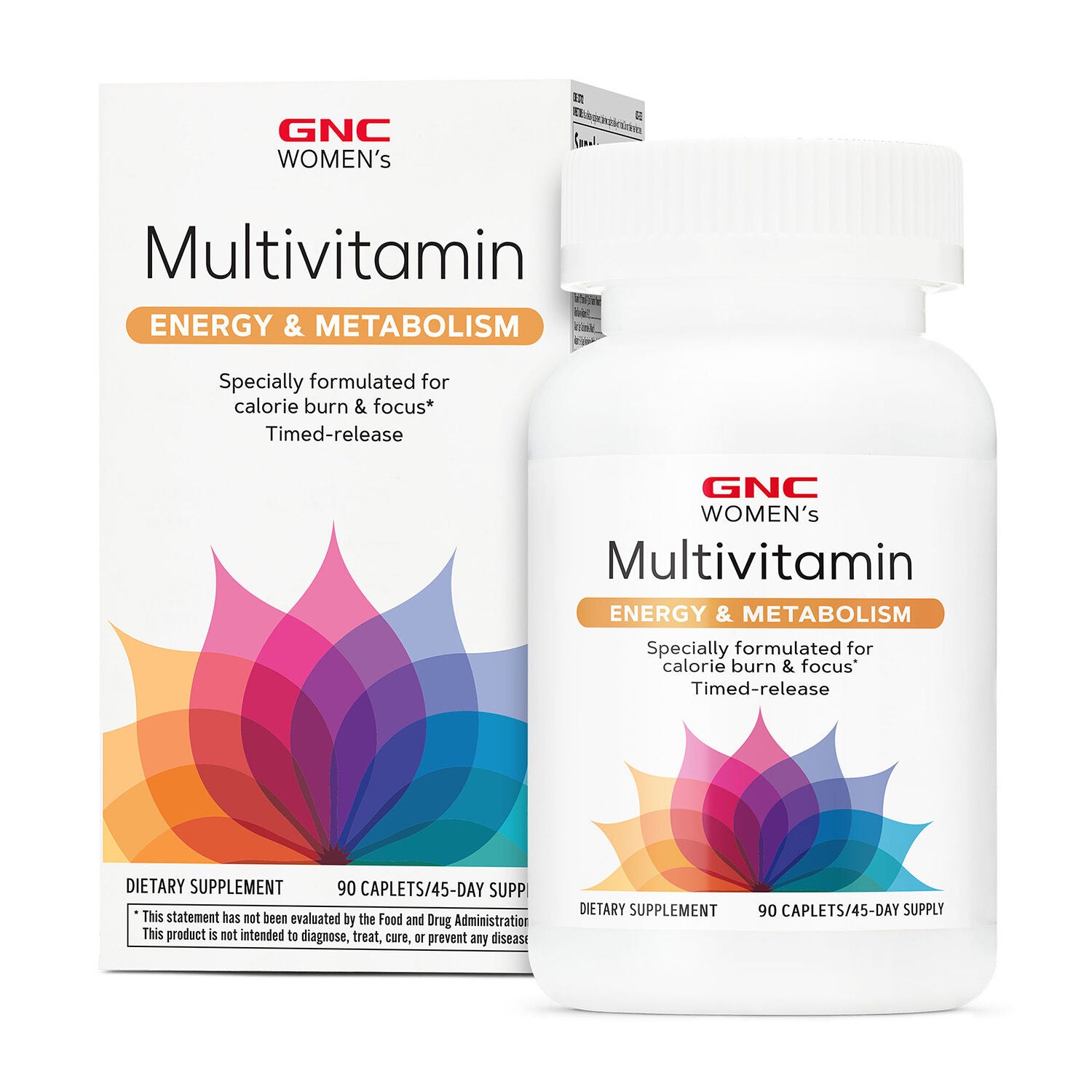

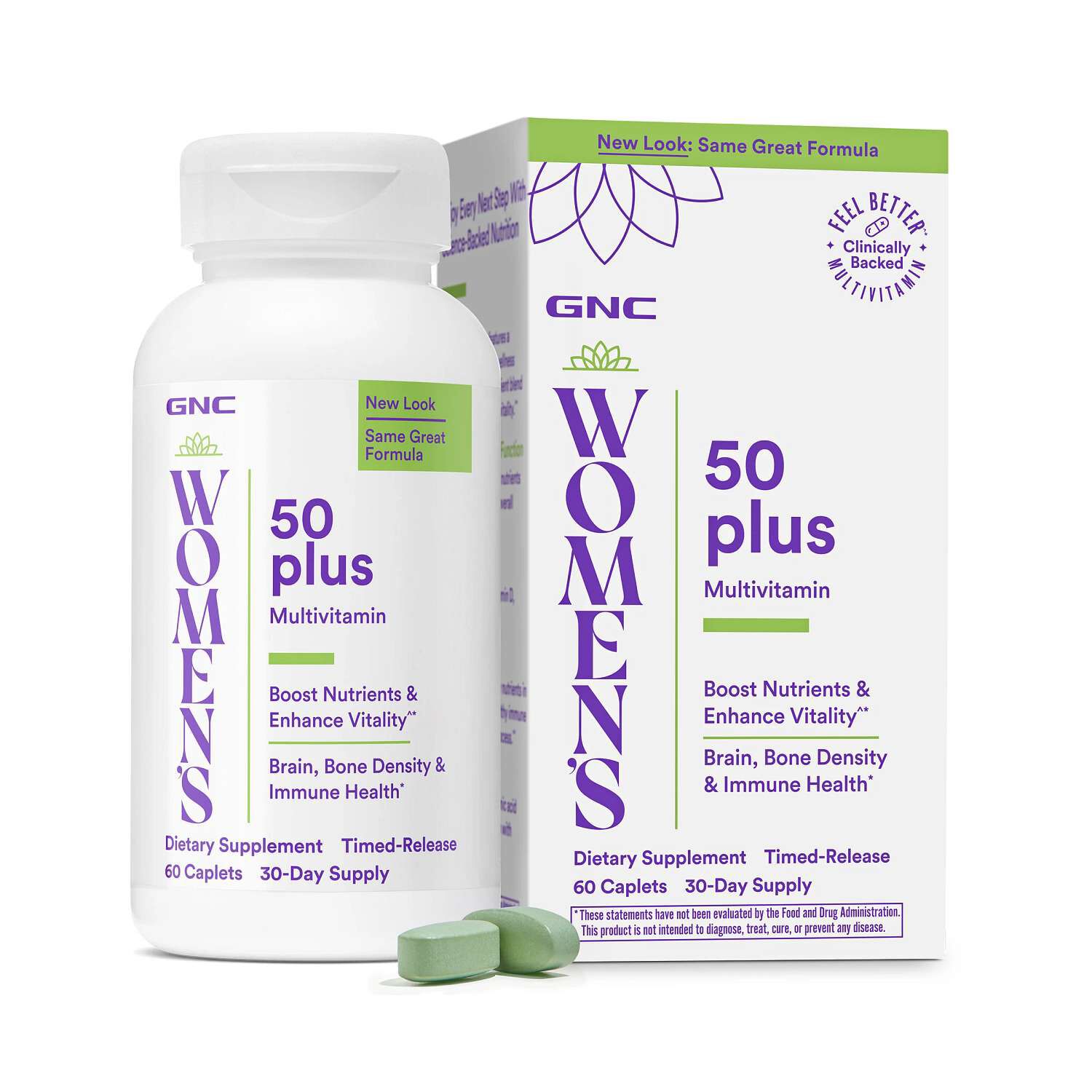
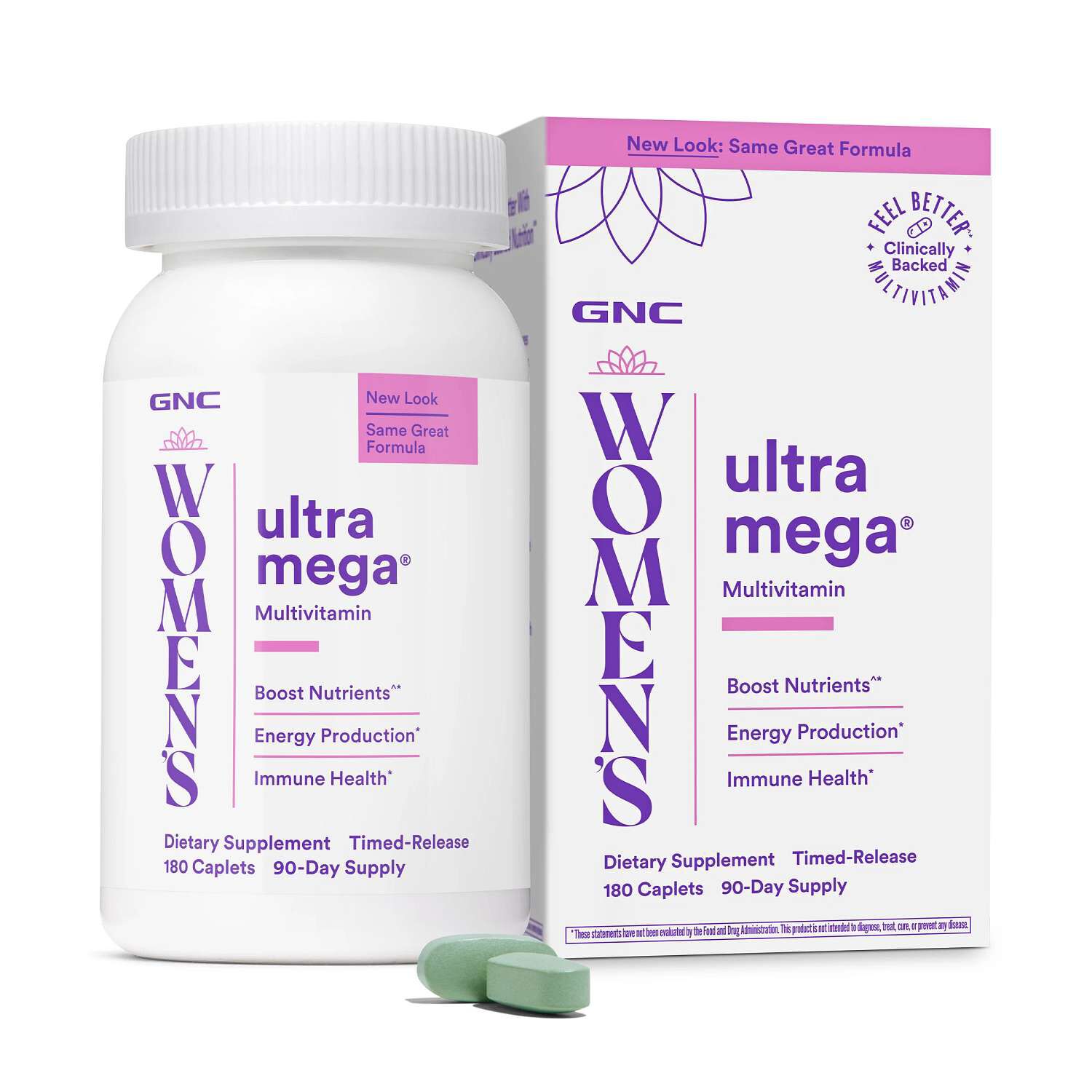
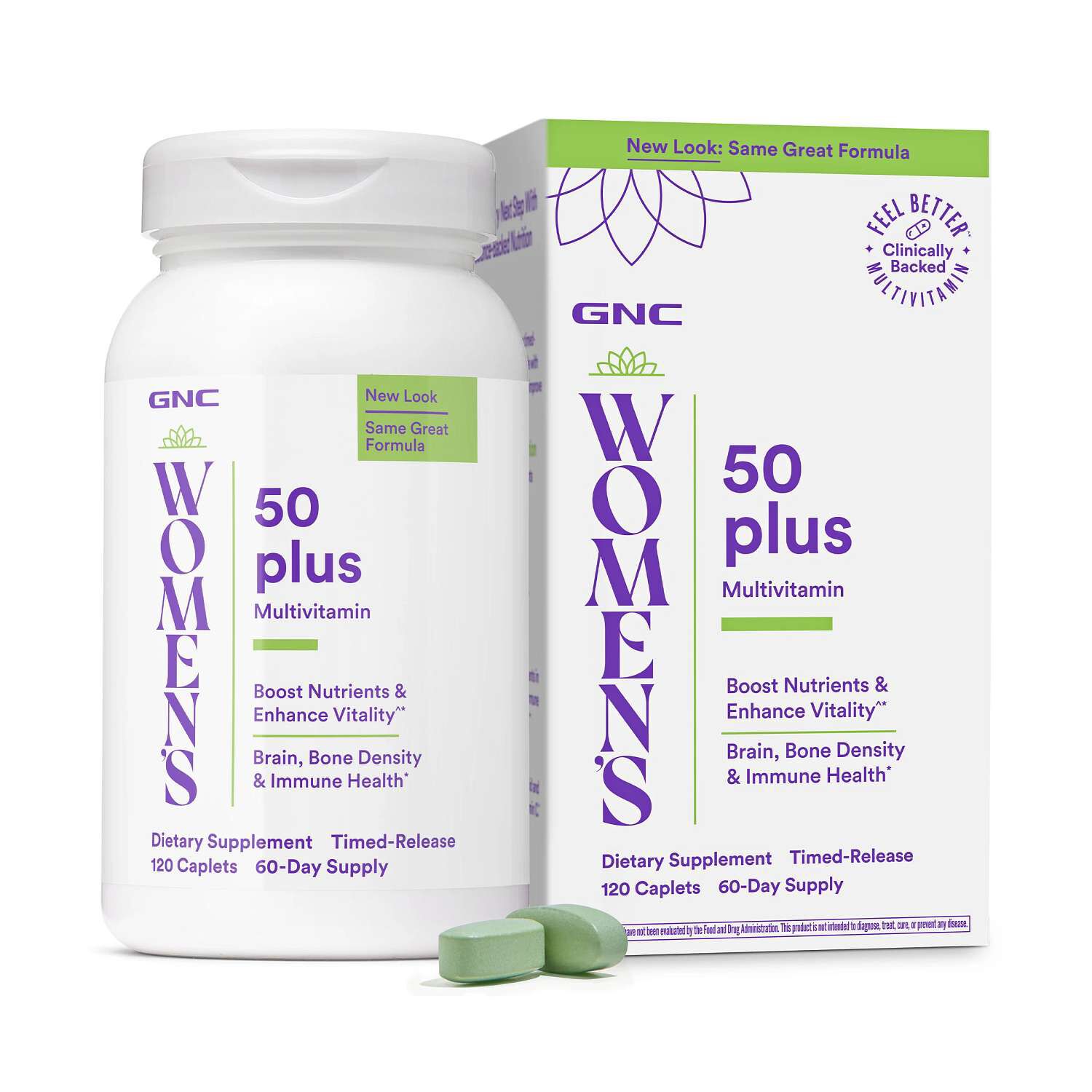
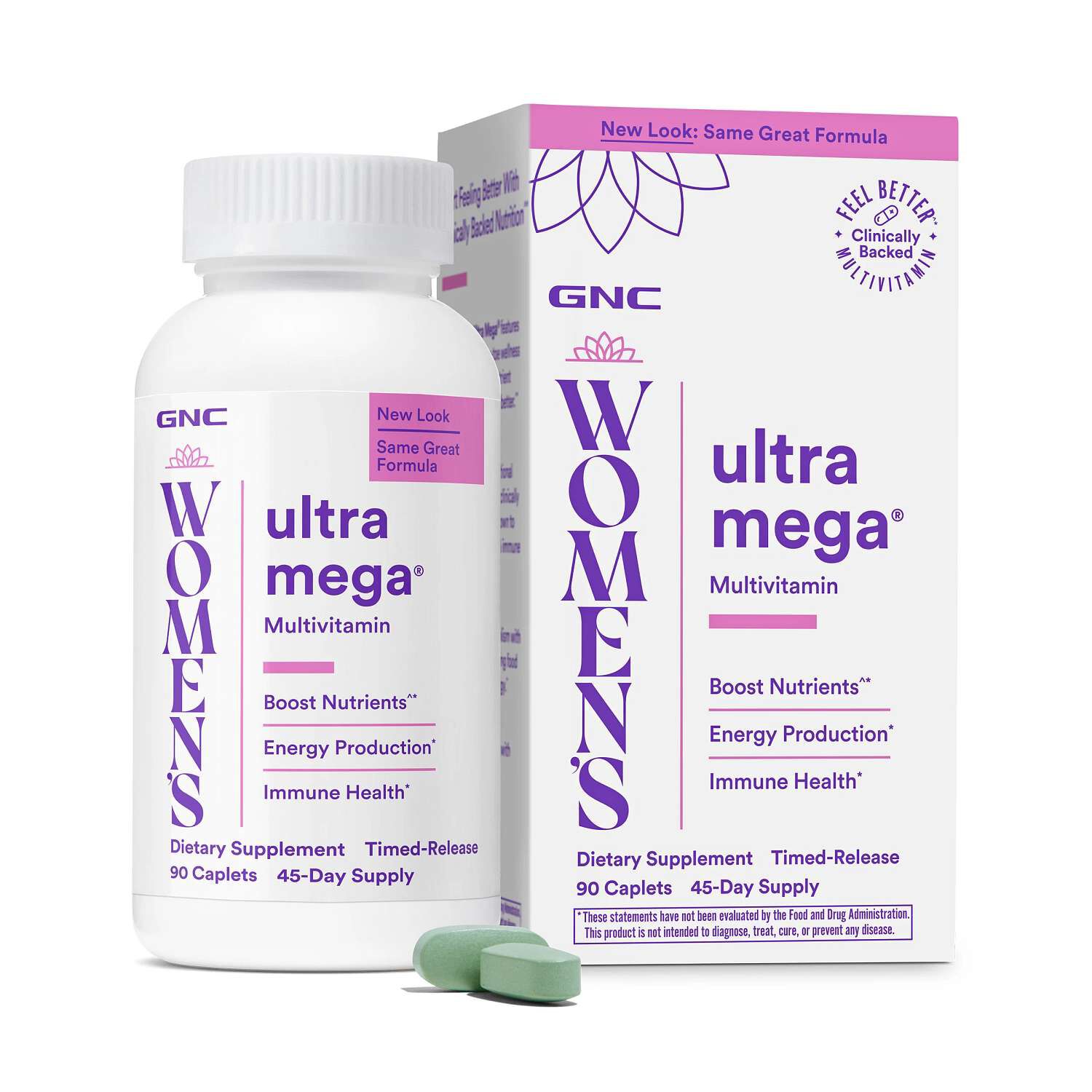
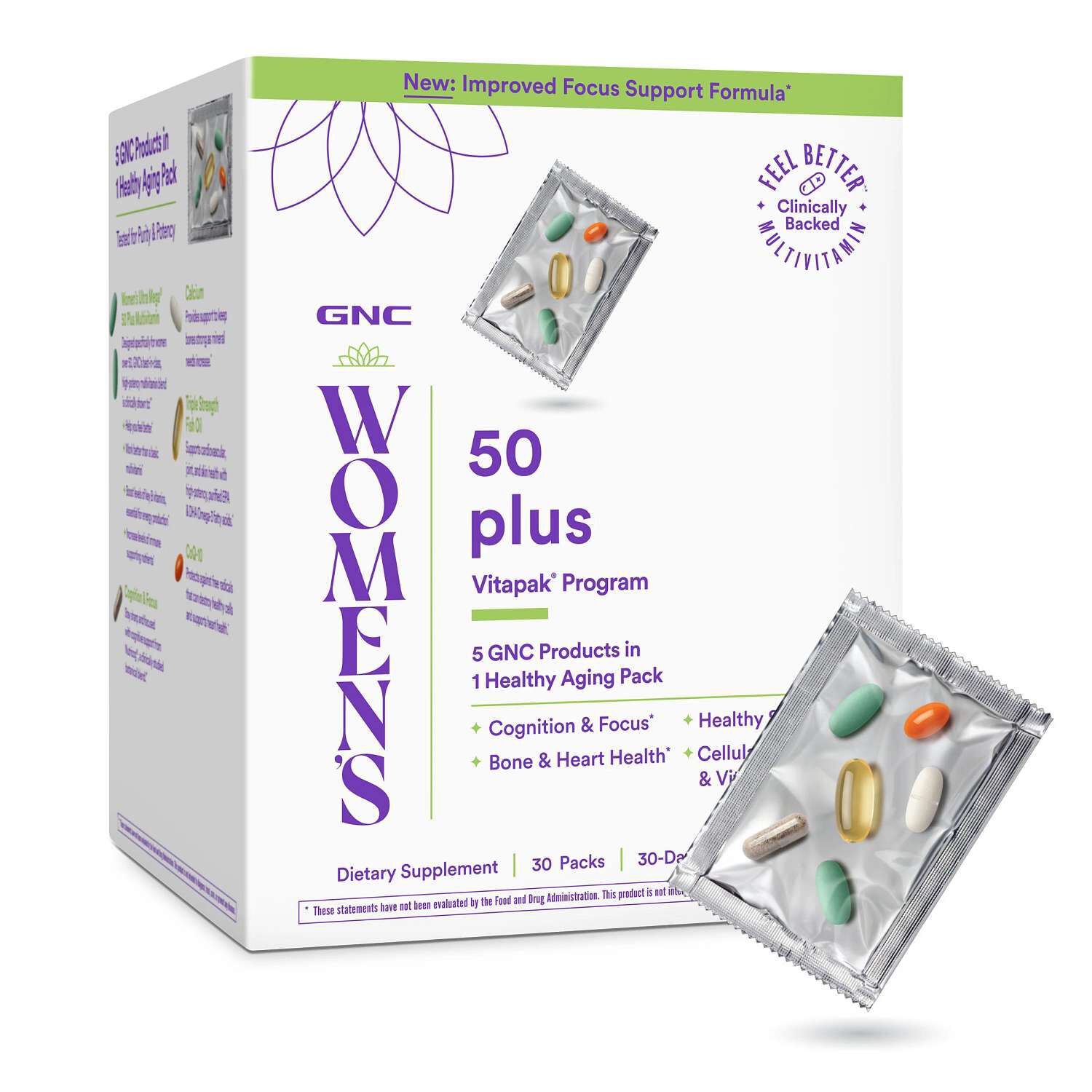

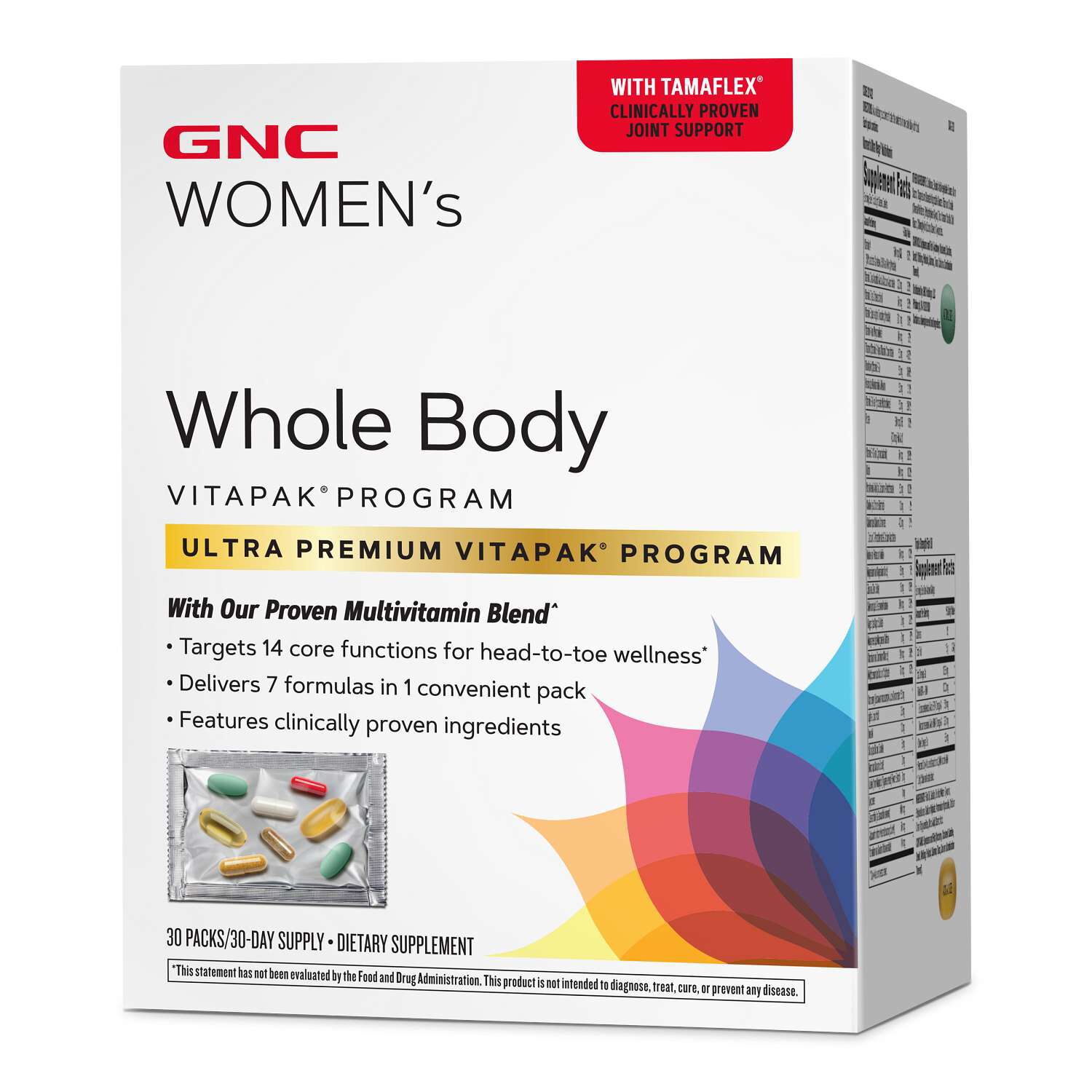
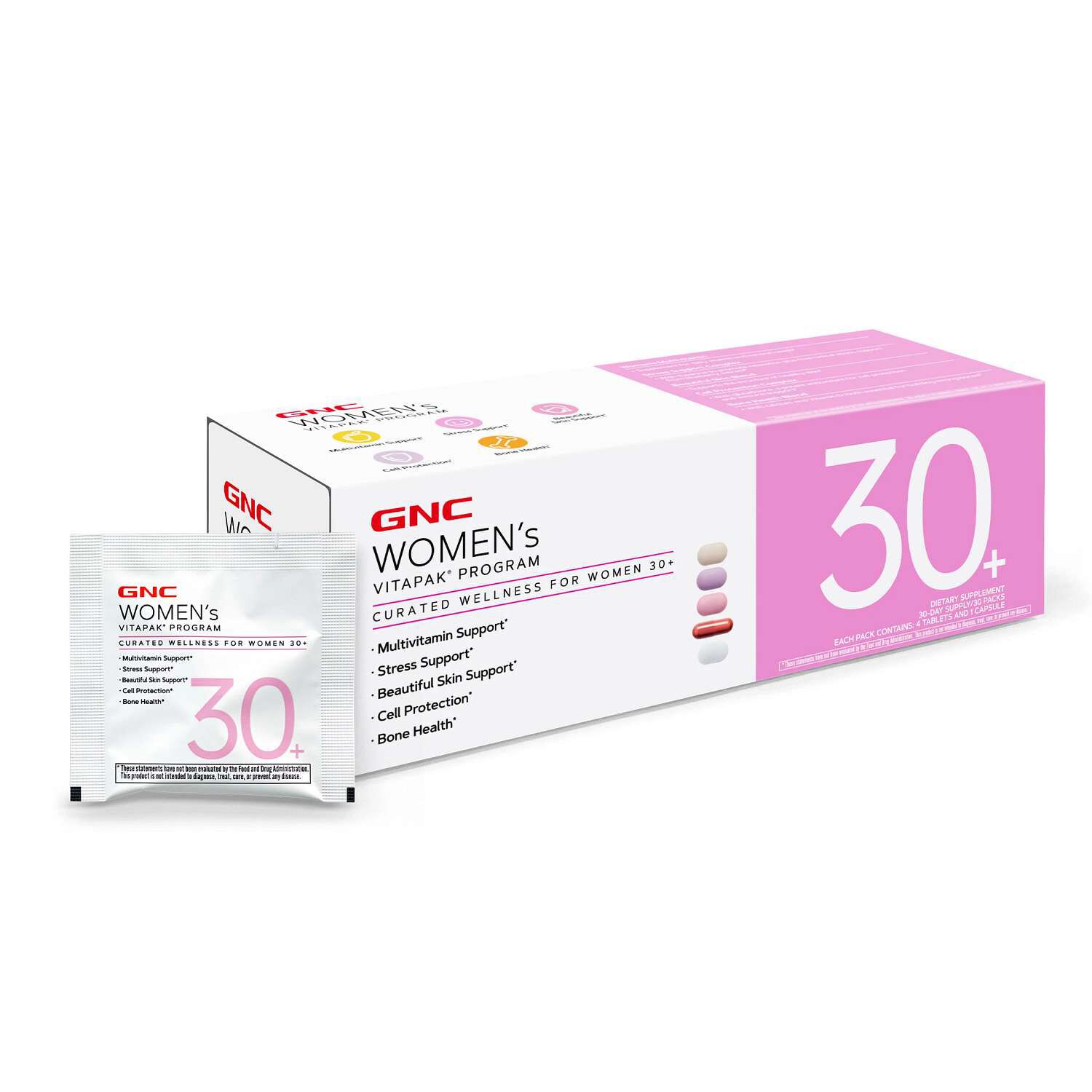

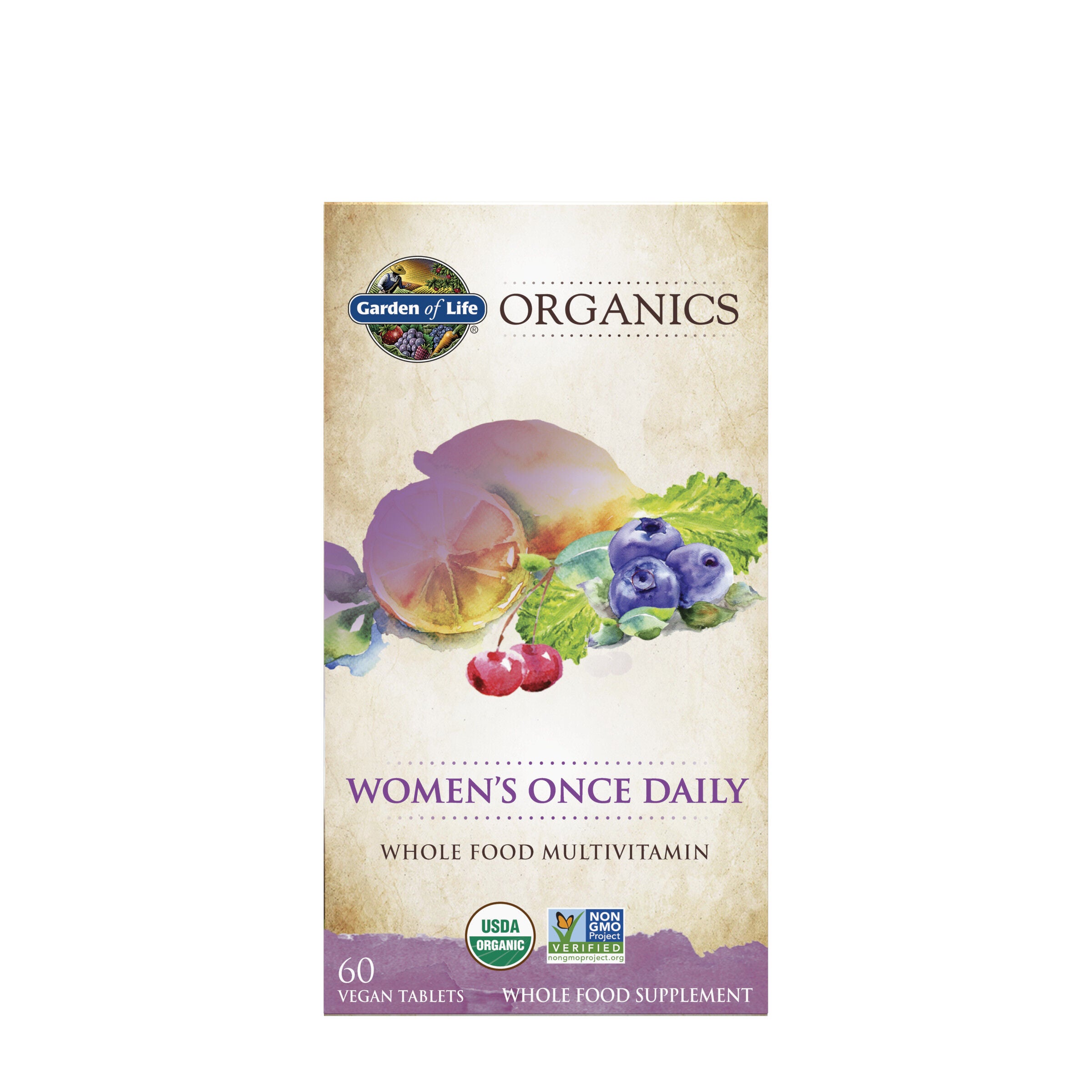

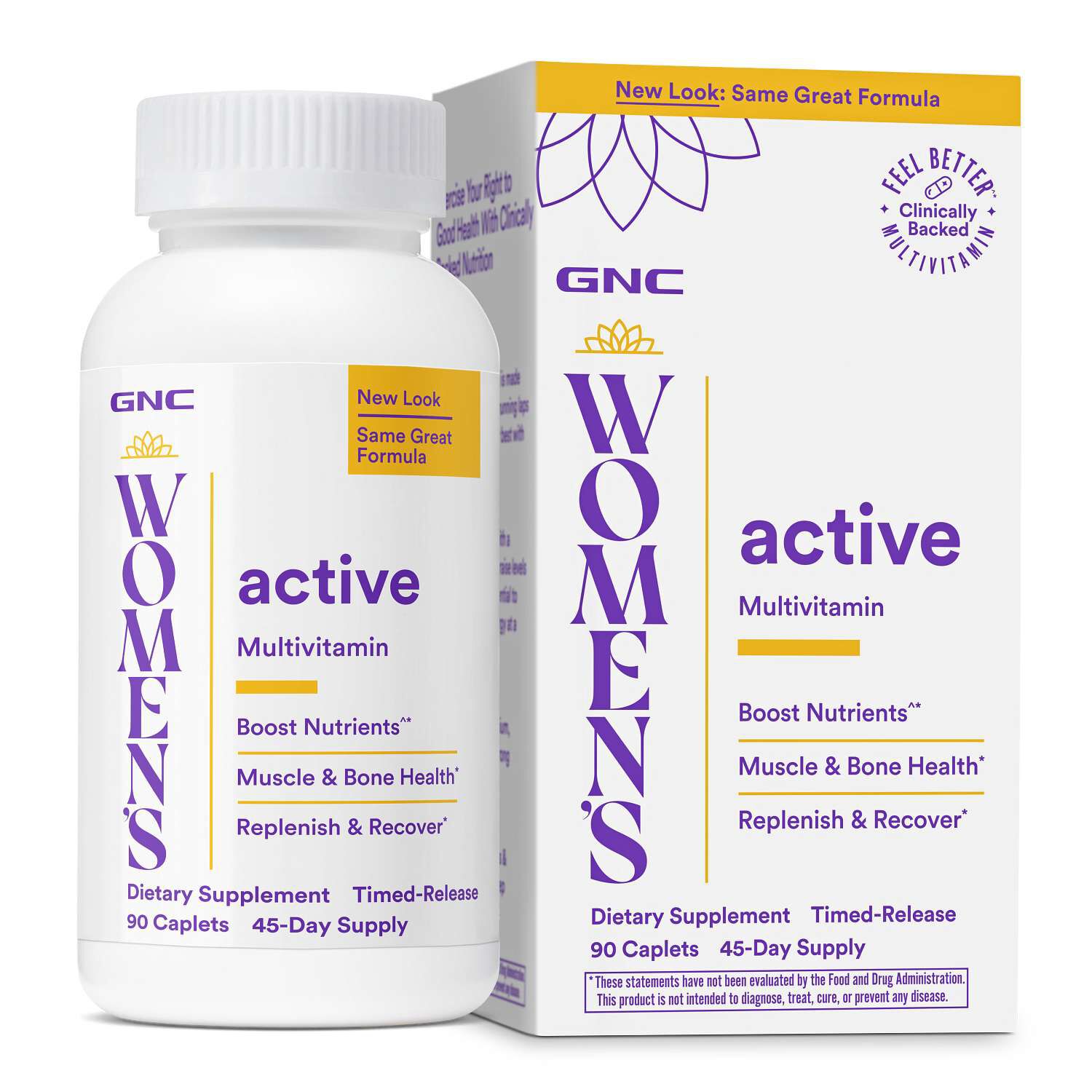
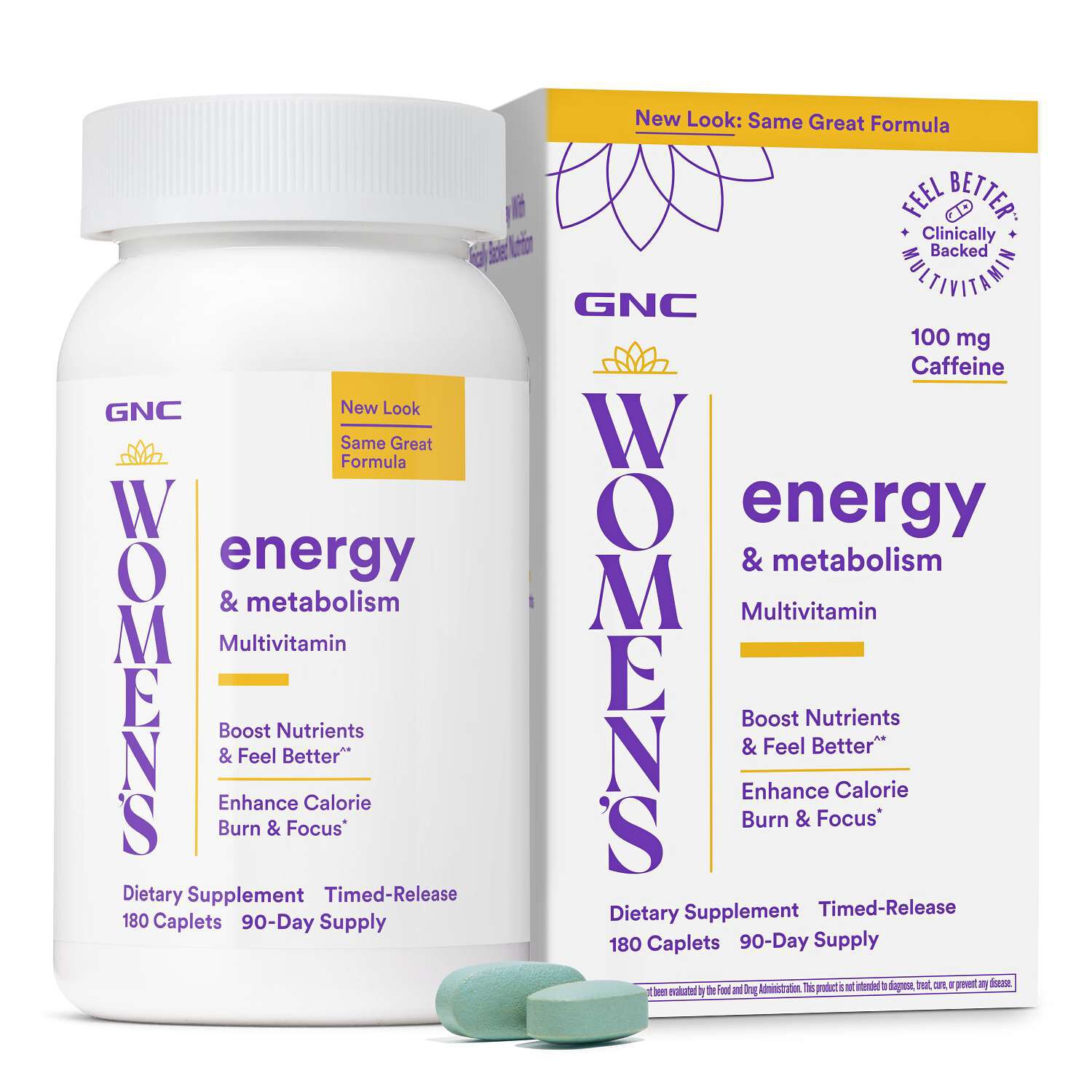

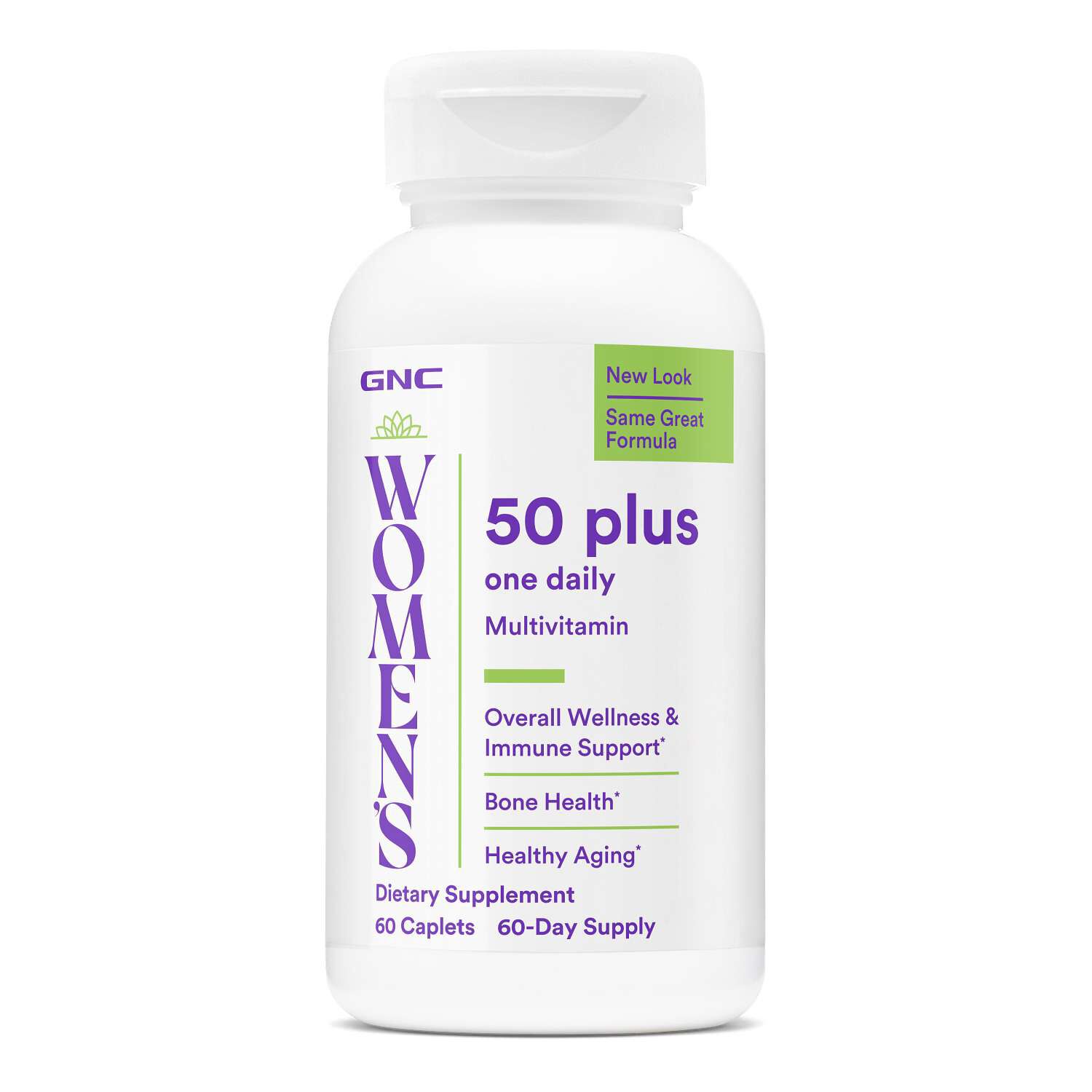
Multivitamins for women with vitamin E combine this nutrient with other vitamins and minerals in formulas intended for adult women. They may complement a varied eating pattern while bringing several nutrients together in one daily supplement. Vitamin E is a fat-soluble vitamin found in foods such as almonds, sunflower seeds, vegetable oils, and spinach. Its presence in a multivitamin is one part of a broader ingredient profile, which may also include vitamins A, C, D, and several B vitamins, along with minerals such as zinc, iodine, or iron. The exact combination varies by formula, so two bottles labeled as women’s multivitamins can have quite different contents. A formula intended for a particular adult age group may differ from another in both its nutrient selection and serving size. The front label offers a starting point, but the Supplement Facts panel provides a more useful picture of what each serving contains. For vitamin E, that panel lists the amount per serving, generally in milligrams, and its percentage of the Daily Value. The Daily Value is a reference used on nutrition labels, not a personalized assessment of someone’s nutritional needs. Ingredient lists may identify vitamin E using names such as d-alpha-tocopherol or tocopheryl acetate; these names describe the ingredient form rather than the number of tablets or capsules in a serving. A multivitamin also differs from a separate vitamin E supplement because its formula includes a broader assortment of nutrients. For shoppers comparing women’s multivitamins with vitamin E, the surrounding ingredients matter just as much as the highlighted vitamin. Some formulas include iron, while others do not, and calcium and magnesium amounts can differ considerably. A label that clearly identifies the intended age group, nutrient amounts, and serving directions makes those differences easier to understand. These products belong alongside food in a daily routine, rather than taking the place of meals or the variety found in an everyday eating pattern.
Format is another meaningful distinction among women’s multivitamins containing vitamin E. Tablets, capsules, softgels, and gummies each have their own physical characteristics, ingredient considerations, and serving sizes. Tablets are compressed solids and may have a coating; capsules enclose ingredients within a shell that can be made from gelatin or plant-derived materials. Softgels have a sealed shell and commonly contain an oil-based filling. Gummies are chewable and can vary in texture, flavor, shape, and the amount of sugar in a serving. A fruit-flavored gummy and an unflavored capsule can feel quite different as part of a morning routine, even when both include vitamin E. For someone who dislikes sweet flavors, a capsule or tablet may be a closer match to personal preferences. Someone who prefers a chewable format may pay more attention to texture and flavor ingredients. The number of pieces per serving deserves equal attention: one tablet is not automatically equivalent to one capsule or one gummy, and the bottle count alone does not show how many servings a package contains. Dietary preferences also extend beyond the vitamins and minerals. Capsule shells, gummy bases, colors, flavorings, sweeteners, and other ingredients can influence whether a formula matches a shopper’s preferences. A plant-derived capsule shell, for example, does not by itself establish that every ingredient in the formula is vegan. Similarly, an ingredient statement and an allergen statement provide different information, so both are useful parts of a comparison. Clear labeling is especially valuable when shopping around a particular ingredient exclusion. Any independent testing seal or certification is worth considering in the context of what it actually covers, such as ingredient identity or manufacturing practices, rather than treating every symbol as interchangeable. These details distinguish formulas without relying on broad descriptions on the front of a bottle. The most informative comparison keeps the serving size, ingredient list, and nutrient amounts together, creating a consistent basis for looking across different formats.
Everyday use and packaging also shape the shopping experience for multivitamins for women with vitamin E. A bottle kept in a dry kitchen cabinet presents a different practical situation from a container carried regularly in a work bag. Package dimensions, closure style, and the number of servings can all matter when space is limited or a routine includes travel. A readable label and a cap that closes securely are practical features, while the original container keeps directions, ingredient details, lot information, and the expiration date together. Storage instructions vary by product, and the package is the reference for its intended storage conditions. A bathroom shelf exposed to shower moisture or a bag left in direct sunlight may not match those directions. Keeping the container securely closed and outside children’s reach is another important household consideration. For capsule shoppers comparing more than one nutrient, Multivitamin Capsules for Women With Vitamin A offers another way to browse by format and a featured vitamin. Vitamin A and vitamin E can appear within the same multivitamin, although each formula’s label determines its actual contents. That overlap makes it useful to consider the whole formula rather than treating each highlighted nutrient as a separate product category with identical ingredients. Personal preferences can be equally specific: a clearly stated capsule count per serving, a particular shell material, or a formula without added botanical blends may matter more to one shopper than a long list of featured ingredients. Others may prefer a straightforward vitamin-and-mineral formula with minimal flavor or scent. Someone already using other supplements may also want a clear record of which ingredients appear in each product, since similar nutrients can appear across several labels. Women’s multivitamins are personal purchases, and age labeling, dietary preferences, format, and printed directions provide more useful context than assumptions based on another person’s routine. Together, these details offer a grounded way to compare vitamin E-containing multivitamins as everyday products, with attention to what is in the container and how its format fits the person considering it.
Best Sellers
Related Pages

Top Collections
- Chronic Fatigue Supplements
- Active Supplements
- Zinc Supplements For Men
- Supplements For Yoga Joint Flexibility
- Zinc Supplements | Top Brands at Great Prices | GNC
- Vitamins For Hair Loss
- Joint Mobility Supplement Packs
- Capsule Supplements For Energy And Stamina
- Supplements For Anxiety Relief Support
- Adult Vitamins