

Vitamin E For Women
(0 Results)
Discover how incorporating a daily dose of potential wellness benefits into your routine could be as simple as exploring our selection of high-quality, specially formulated options. Designed to support women’s unique health needs, these supplements may contribute to maintaining healthy-looking hair and nails, while also offering antioxidant properties that might help combat oxidative stress. Whether you're aiming to enrich your diet or seeking to support your overall well-being, these offerings might provide just what you need to feel your best every day. Dive into our range and find a supplement that could align perfectly for your lifestyle and wellness goals.
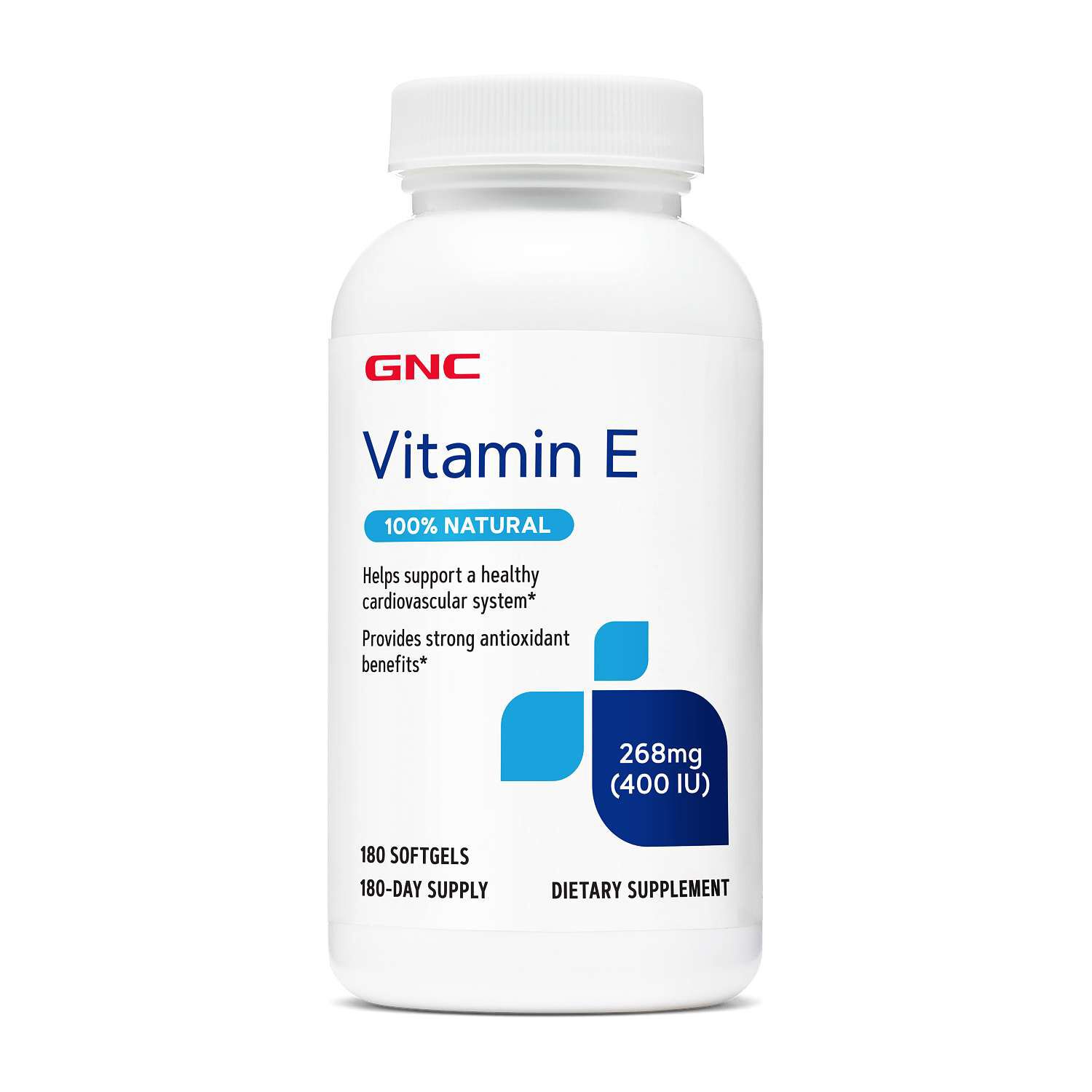
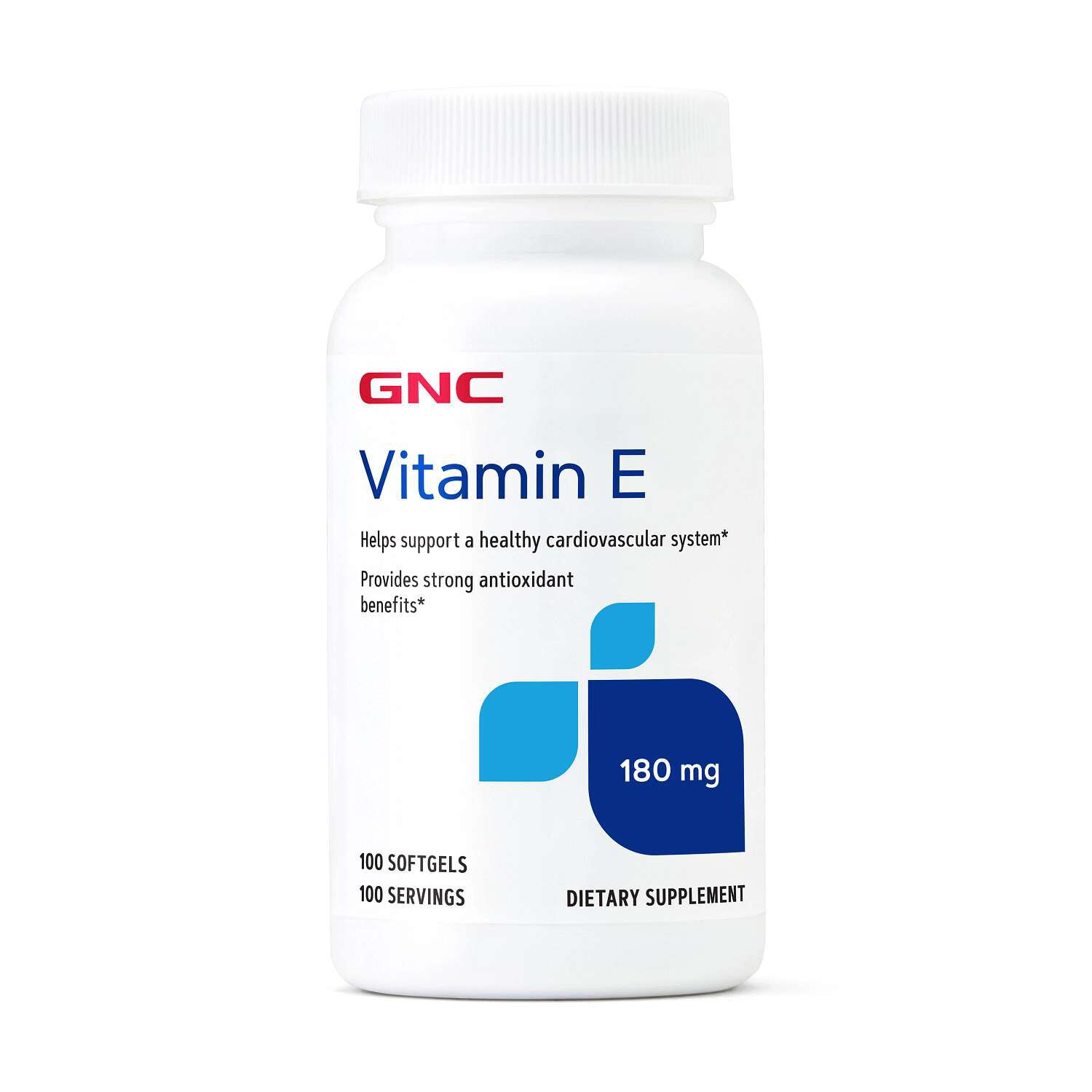

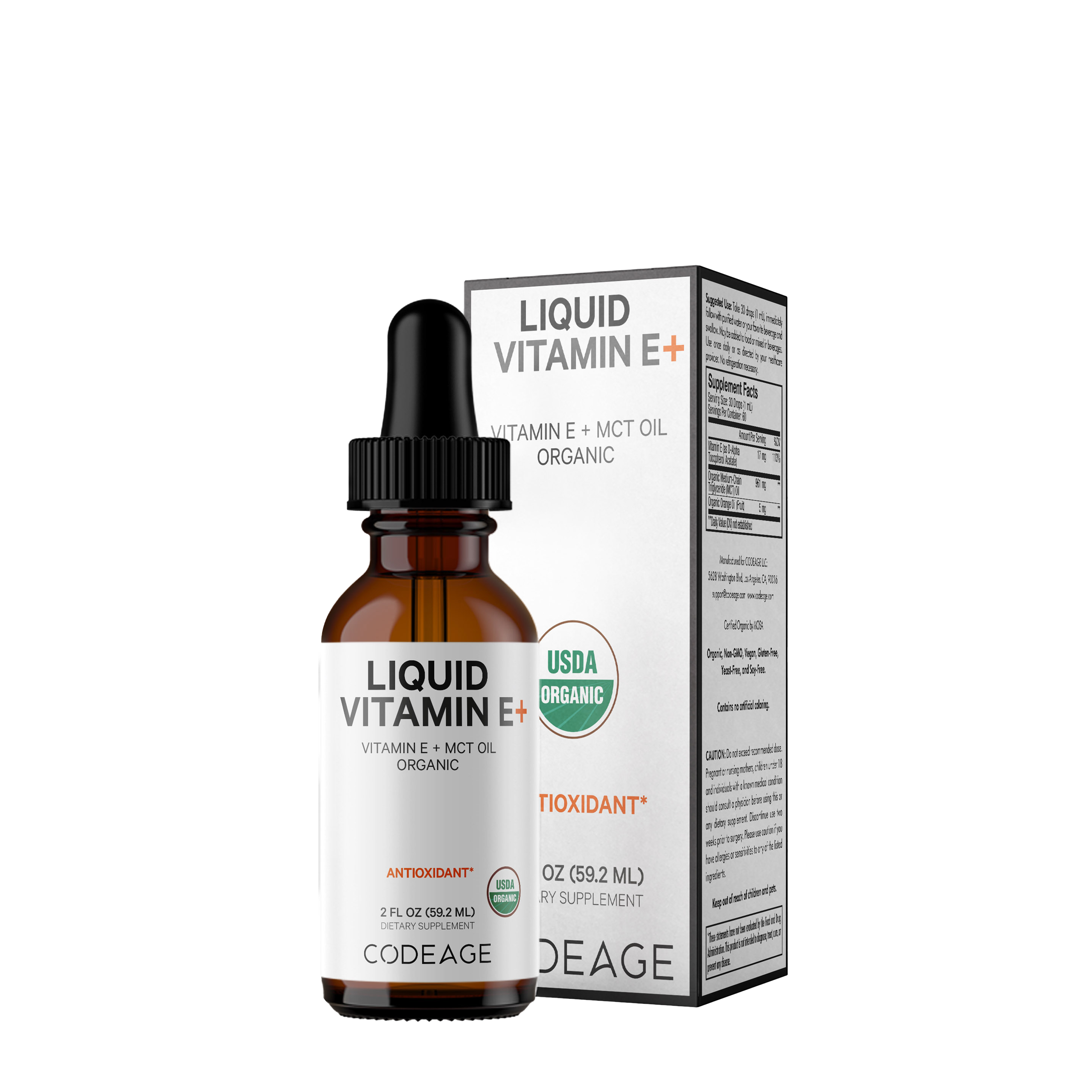


Vitamin E for women brings together supplements centered on a fat-soluble nutrient found in foods such as almonds, sunflower seeds, hazelnuts, and vegetable oils. Women exploring this category may be comparing a single-nutrient supplement with a multivitamin, looking for a particular serving format, or checking how a formula fits their established nutrition routine. For background, the recommended dietary allowance for adult women is 15 milligrams of vitamin E per day; during breastfeeding, that reference amount is 19 milligrams. These figures describe daily dietary intake, not an amount that every woman needs from a supplement. Food and other supplements can contribute vitamin E, so a bottle’s listed amount is only one part of the picture. A breakfast with almond butter, a salad dressed with sunflower oil, or a handful of hazelnuts illustrates how ordinary meals and snacks can include this nutrient. When comparing vitamin E supplements, the most useful distinctions are often on the label: the form of vitamin E, the amount per serving, the number of softgels or capsules in that serving, and the ingredients used to make the finished formula. A product labeled for women is not automatically a different form of the nutrient, and packaging alone does not explain how two formulas compare. The Supplement Facts panel provides a more precise starting point than the wording on the front of the bottle. Milligrams and international units, often abbreviated IU, are different measures, so matching the printed numbers without checking the units can create a misleading comparison. Serving size matters just as much: a listed amount may refer to one softgel or to several pieces. For shoppers who already have a daily multivitamin, noting whether it contains vitamin E offers useful context before comparing another formula. The goal of browsing this category is a clear understanding of what each supplement contains, rather than assuming that a larger number makes a better match.
The physical format of a vitamin E supplement can make a meaningful difference to the shopping experience, even when the nutrient name stays the same. Softgels commonly contain an oil-based fill within a smooth outer shell, while other formats may use different ingredients and packaging. A compact softgel and a larger capsule can feel quite different as part of an everyday routine, making dimensions and serving count practical details rather than afterthoughts. For someone who prefers fewer pieces to keep track of, the number required for a labeled serving may matter more than the bottle’s overall piece count. For someone who follows a vegetarian eating pattern, the source of the capsule or softgel shell may be a central consideration. Gelatin, plant-derived shell materials, carrier oils, and other ingredients belong in that comparison, along with any stated allergen information. Vitamin E may appear on labels as d-alpha-tocopherol or dl-alpha-tocopherol, with forms such as tocopheryl acetate also listed. These names describe distinctions in the ingredient and should not be treated as interchangeable simply because each includes the words vitamin E. Some formulas also list mixed tocopherols, which are another detail to distinguish from the declared vitamin E amount. Label language describing a source or manufacturing choice does not, by itself, establish that a formula is the right fit for a particular shopper. Intended use is equally important. Oral supplements and cosmetic oils belong to different product categories, even when both feature vitamin E prominently on the package. A bottle meant for application to skin is not interchangeable with one labeled as a dietary supplement, and liquid packaging alone does not identify the intended use. Clear labeling, readable serving information, and an ingredient list that matches personal preferences offer concrete ways to narrow the selection. These details keep the comparison grounded in the product itself rather than in assumptions about beauty, age, or what women’s nutrition should look like.
Vitamin E supplements also differ in how conveniently they fit into the spaces and habits of daily life. A clearly labeled bottle in a kitchen cabinet, a small container packed for a trip, and a supplement organizer beside a breakfast place setting present different practical considerations. Packaging with an easy-to-read label can simplify checking the serving information, while a closure that is comfortable to handle may matter to someone who finds small caps awkward. Original packaging keeps the ingredient list, storage directions, and date information together; those details can be harder to trace once several supplements have been moved into similar containers. Care and durability are primarily questions of package integrity and following the manufacturer’s storage directions, rather than judging a supplement by the sturdiness of its bottle. A larger container may suit one household’s routine, while a smaller one may be a more manageable choice for another, depending on the labeled serving size and intended use. Vitamin E for women is a year-round nutrition category, with shoppers ranging from adults comparing their first single-nutrient formula to those reviewing a longstanding collection of supplements. It is also a personal purchase: taste preferences, dietary patterns, preferred formats, and existing routines can differ even among people in the same household. As a gift, a supplement is most appropriate when the recipient has already expressed a preference for that type of product, rather than when the giver is making assumptions about her nutritional needs. Shoppers comparing more than one nutrient category can also explore Vitamin C For Women for a separate look at vitamin C formulas; the two nutrients are distinct and should not be treated as substitutes simply because their names appear together in nutrition discussions. A thoughtful vitamin E comparison comes back to a short set of tangible details: nutrient form, amount per labeled serving, shell and fill ingredients, intended use, and packaging that suits the shopper’s routine. Together, these particulars offer a more informative picture than broad descriptions on the front label and make it easier to distinguish among otherwise similar-looking supplements.