





Multivitamins For Women's Vitamin C Support
(0 Results)
Multivitamins for women's vitamin C support offer a convenient way to help fill potential nutrient gaps in your daily routine. With options designed to fit various lifestyles and preferences, these multivitamins may provide an added source of vitamin C along with other important nutrients. Explore a variety of choices that could complement your wellness goals and help you stay on track with your nutritional needs. Discover how multivitamins for women's vitamin C support might be a helpful addition to your everyday regimen.
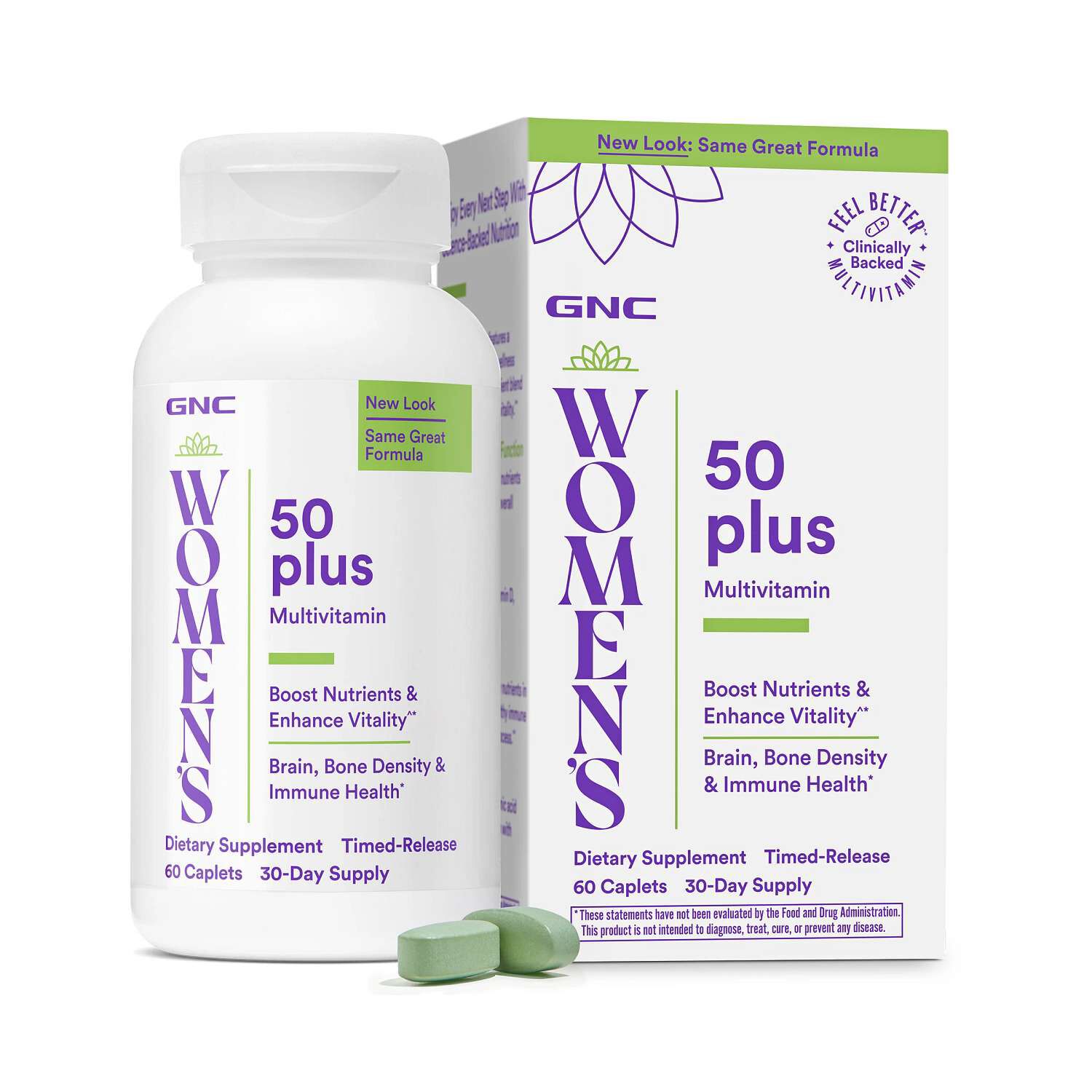
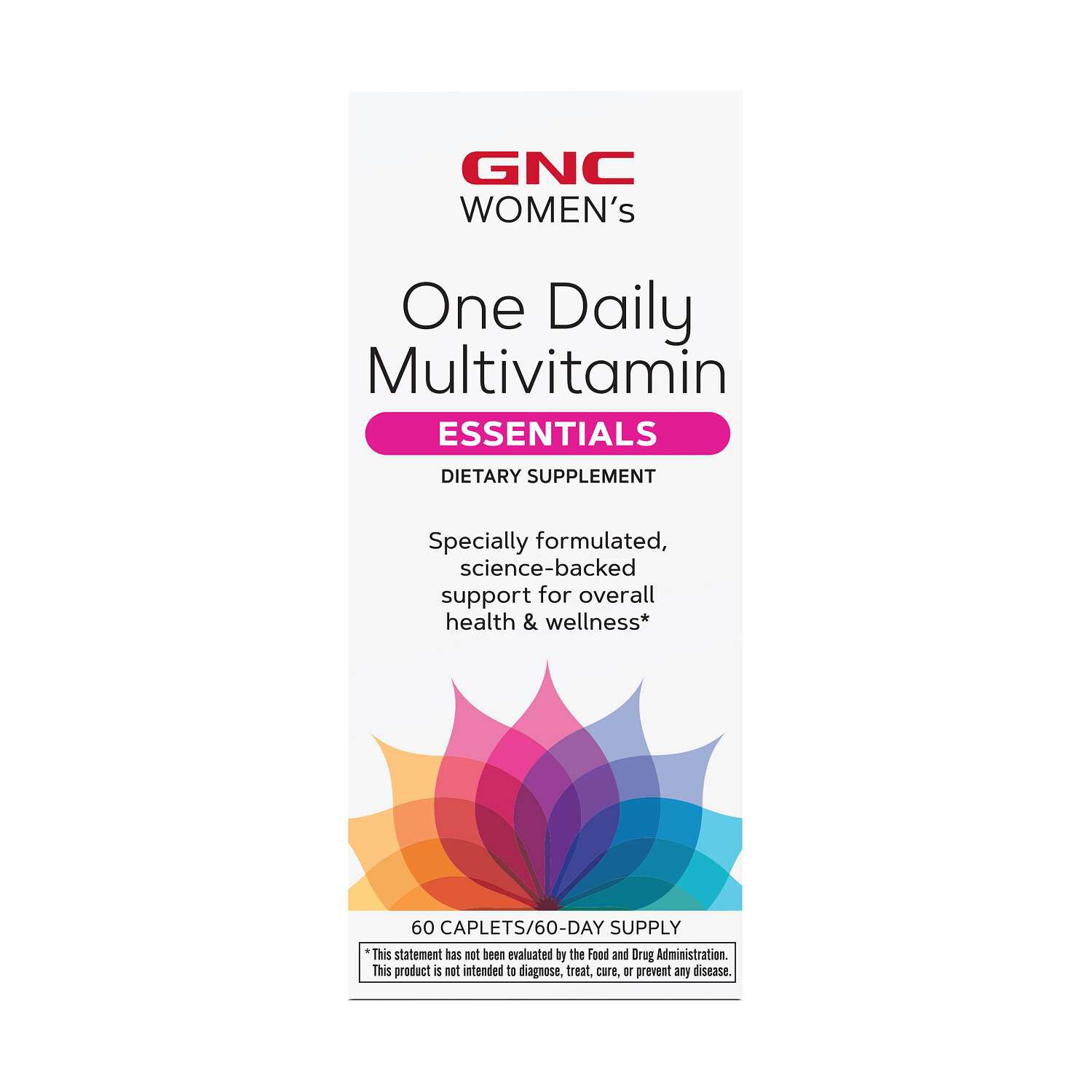
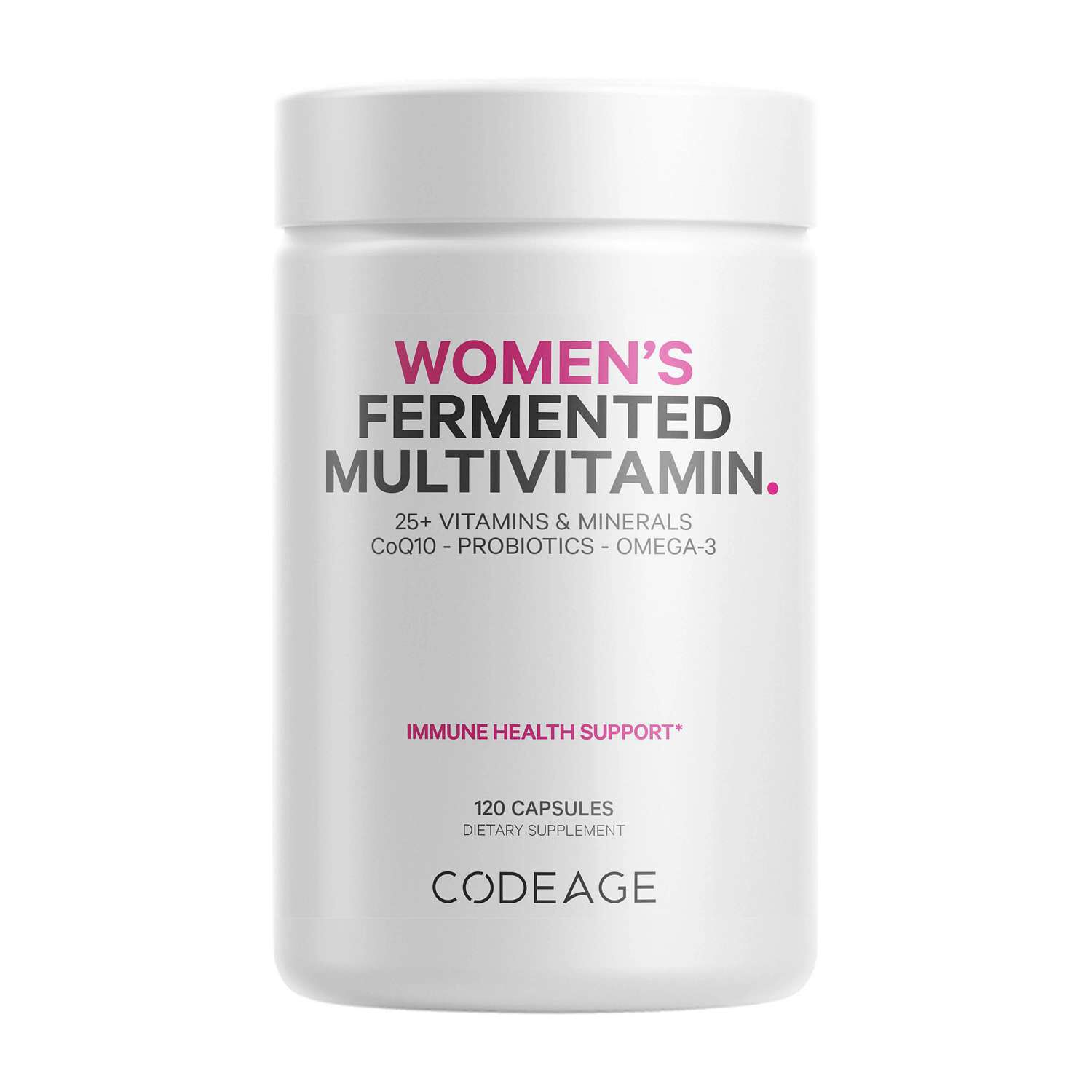
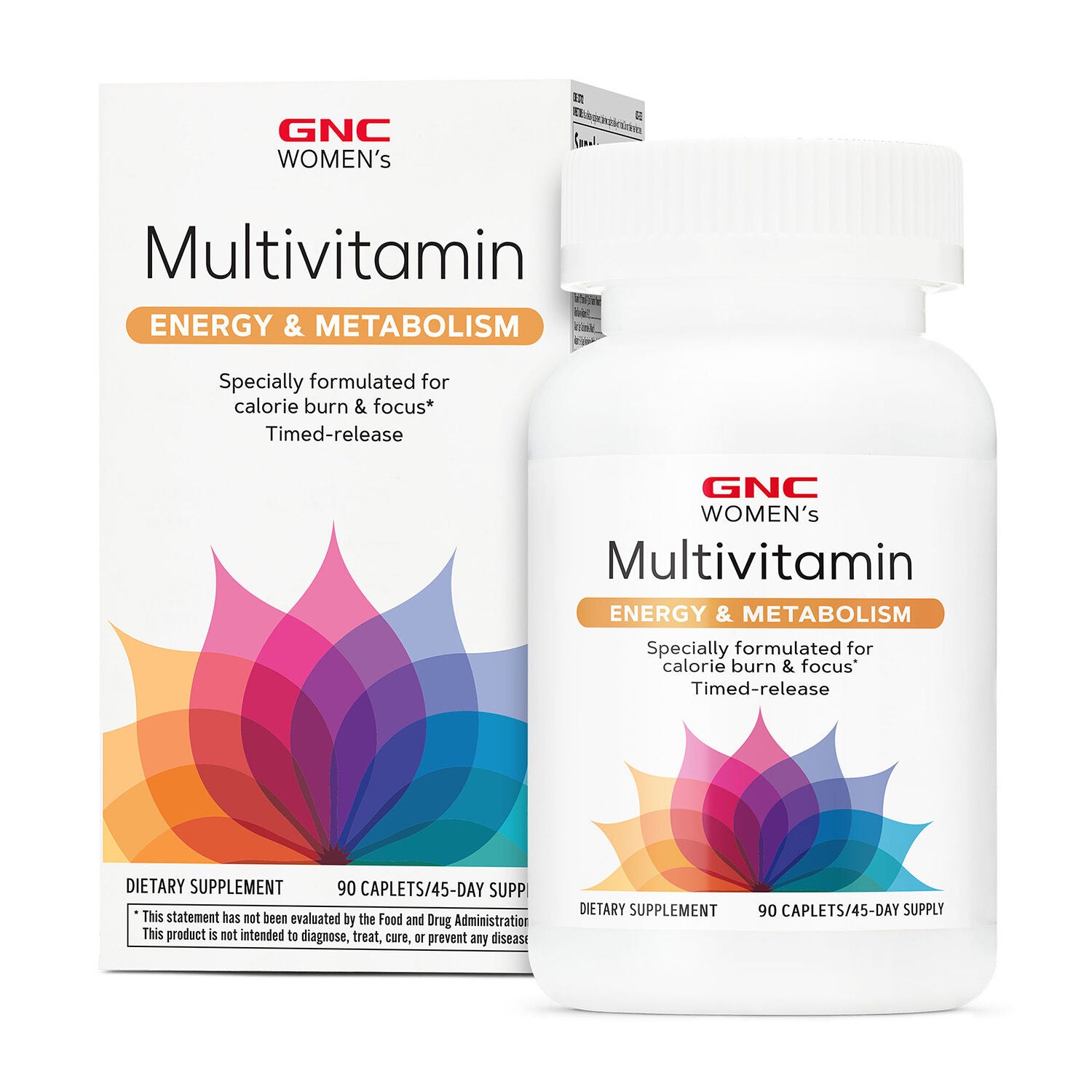
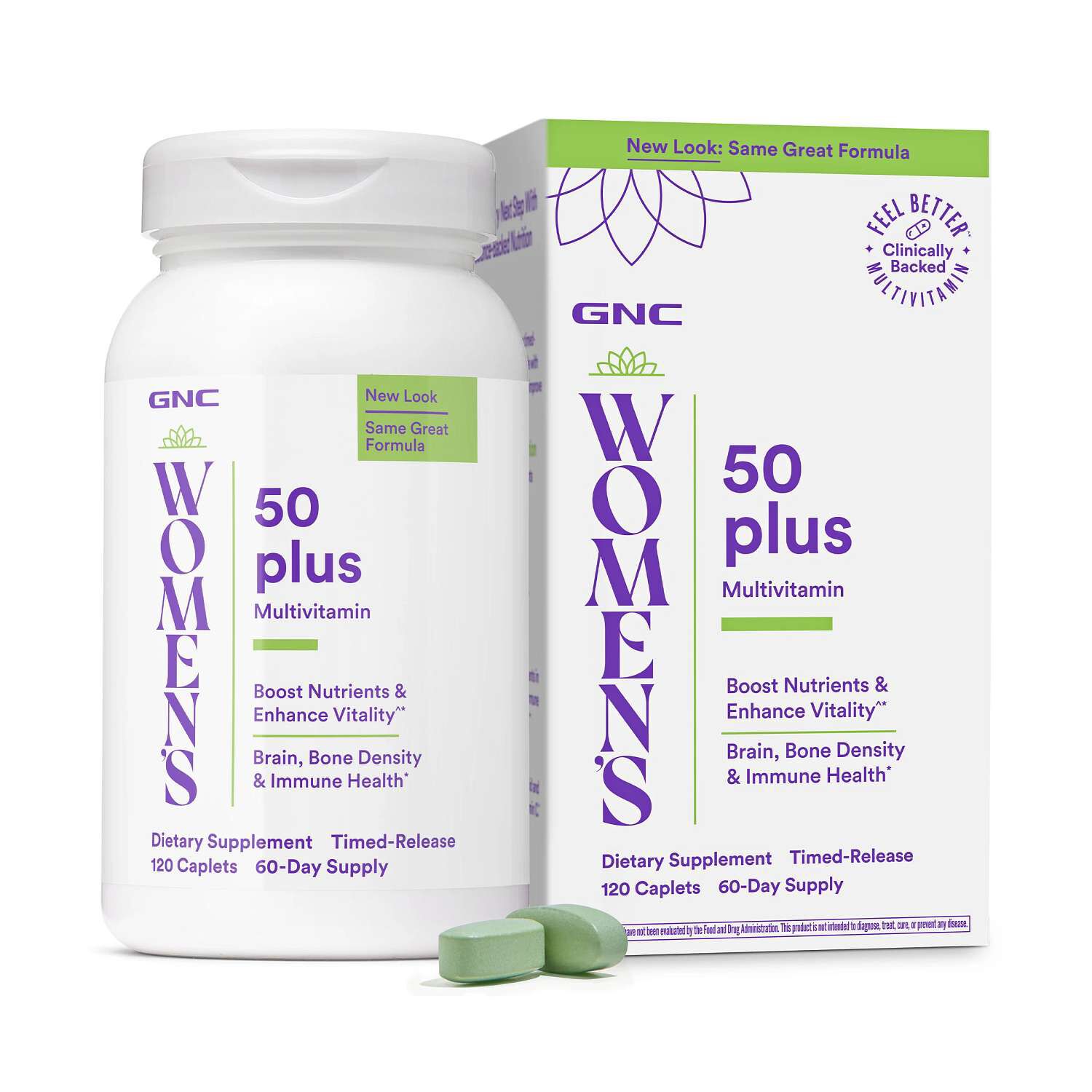
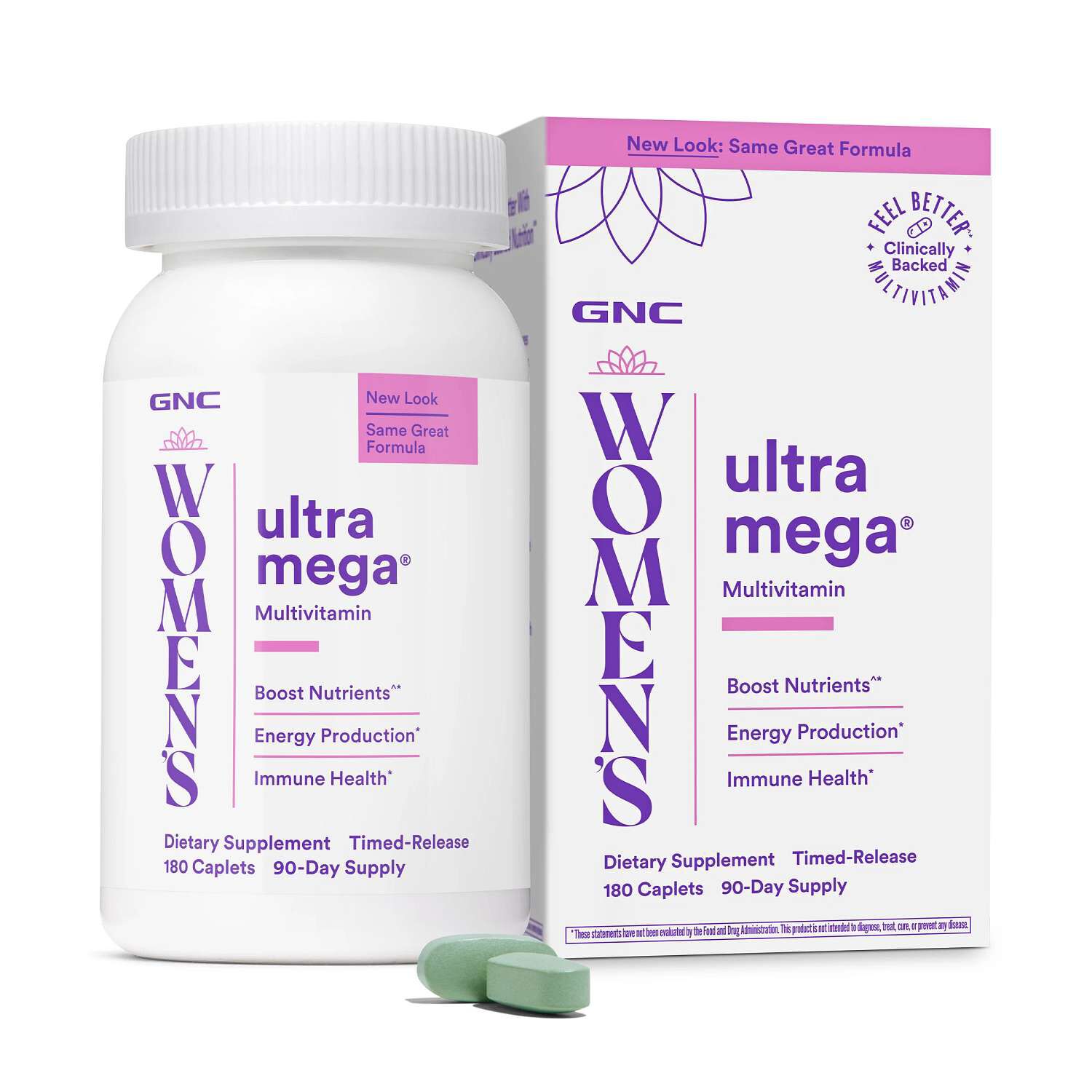
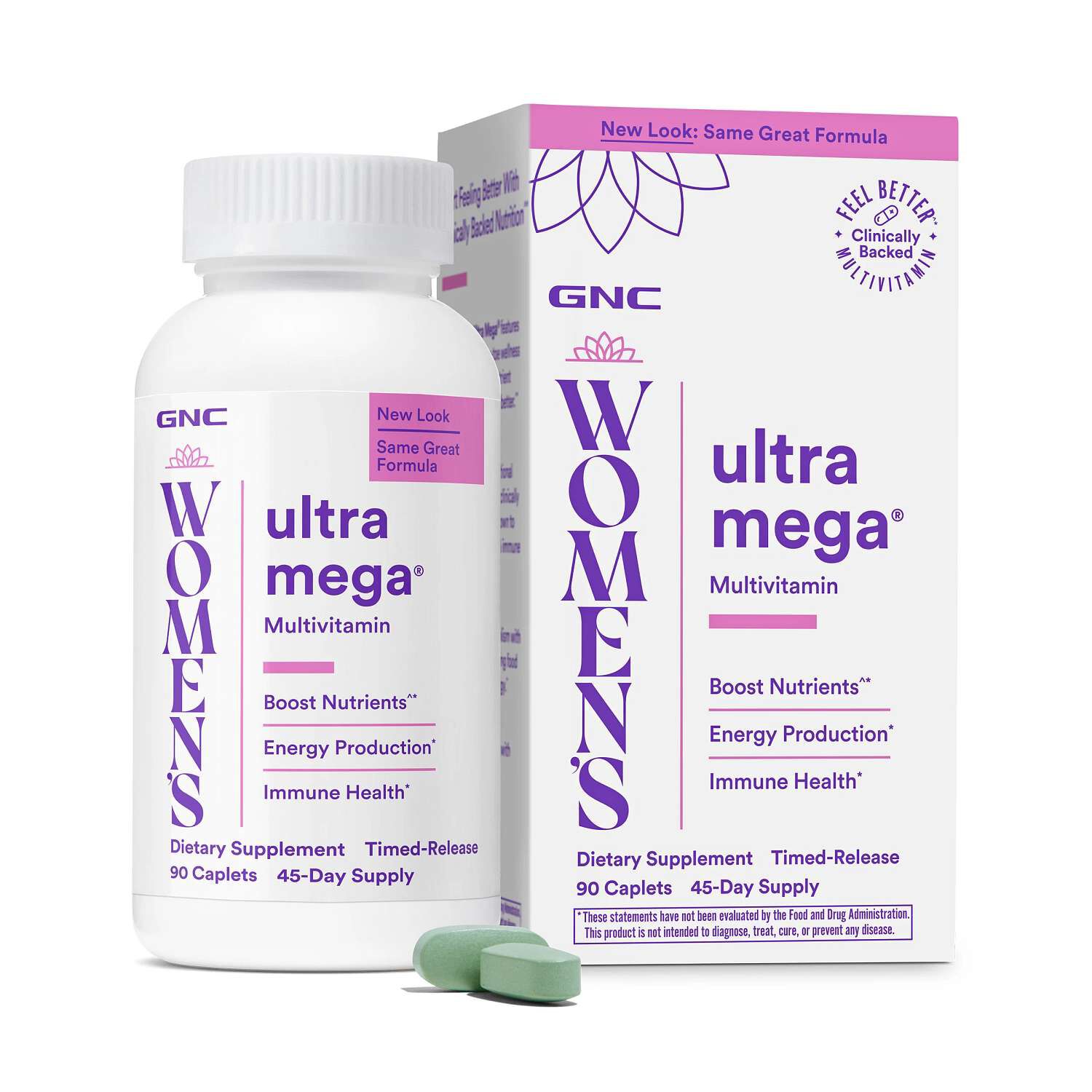
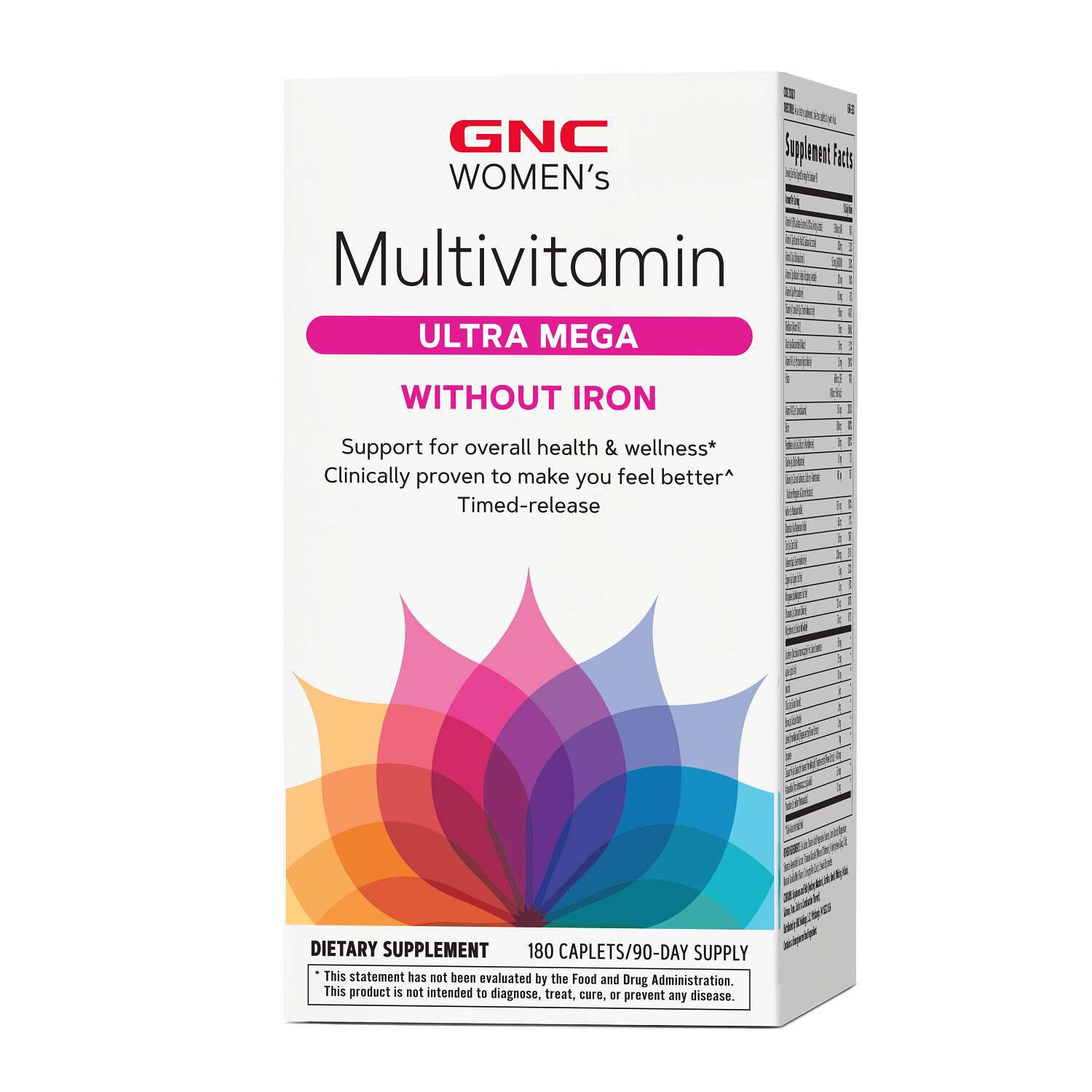

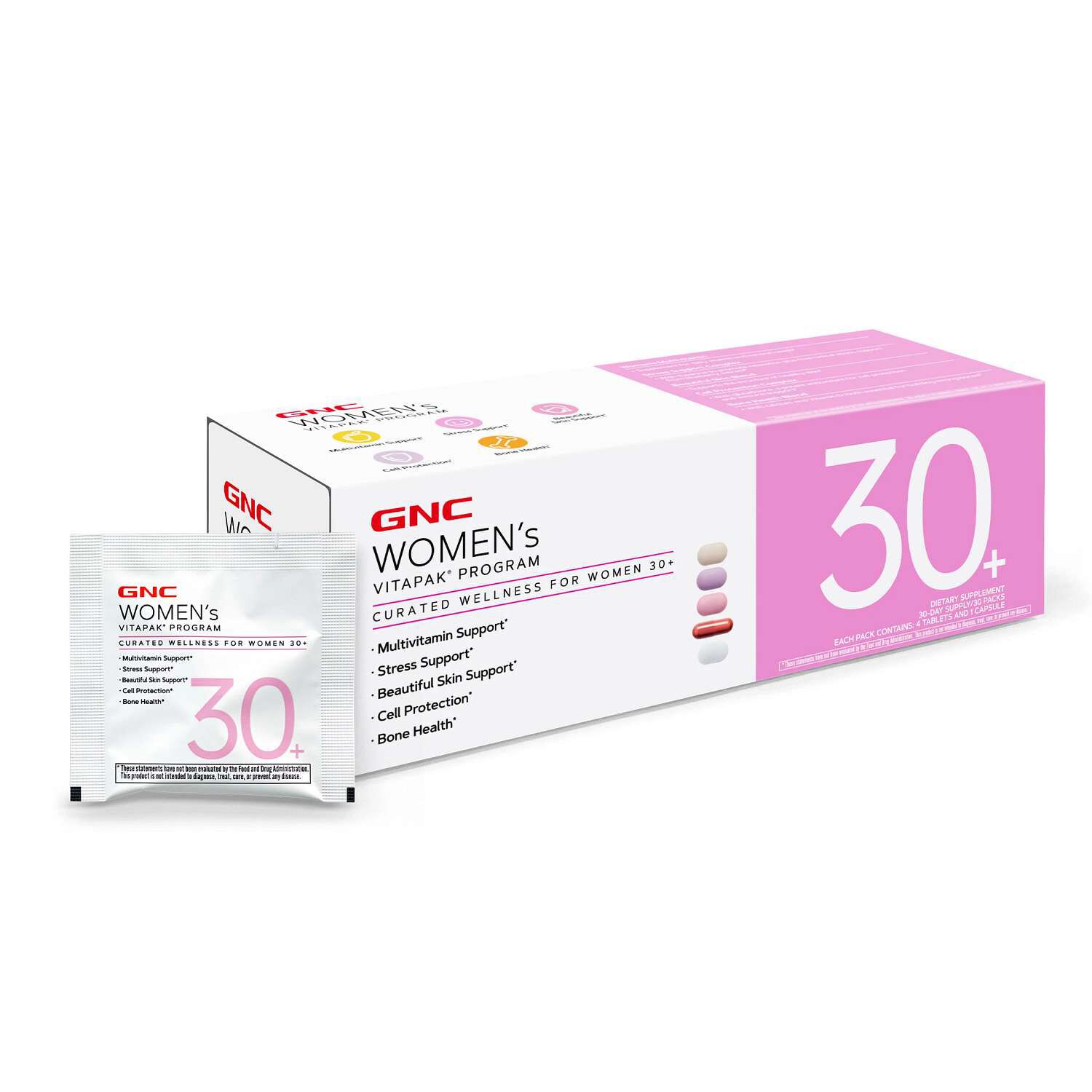


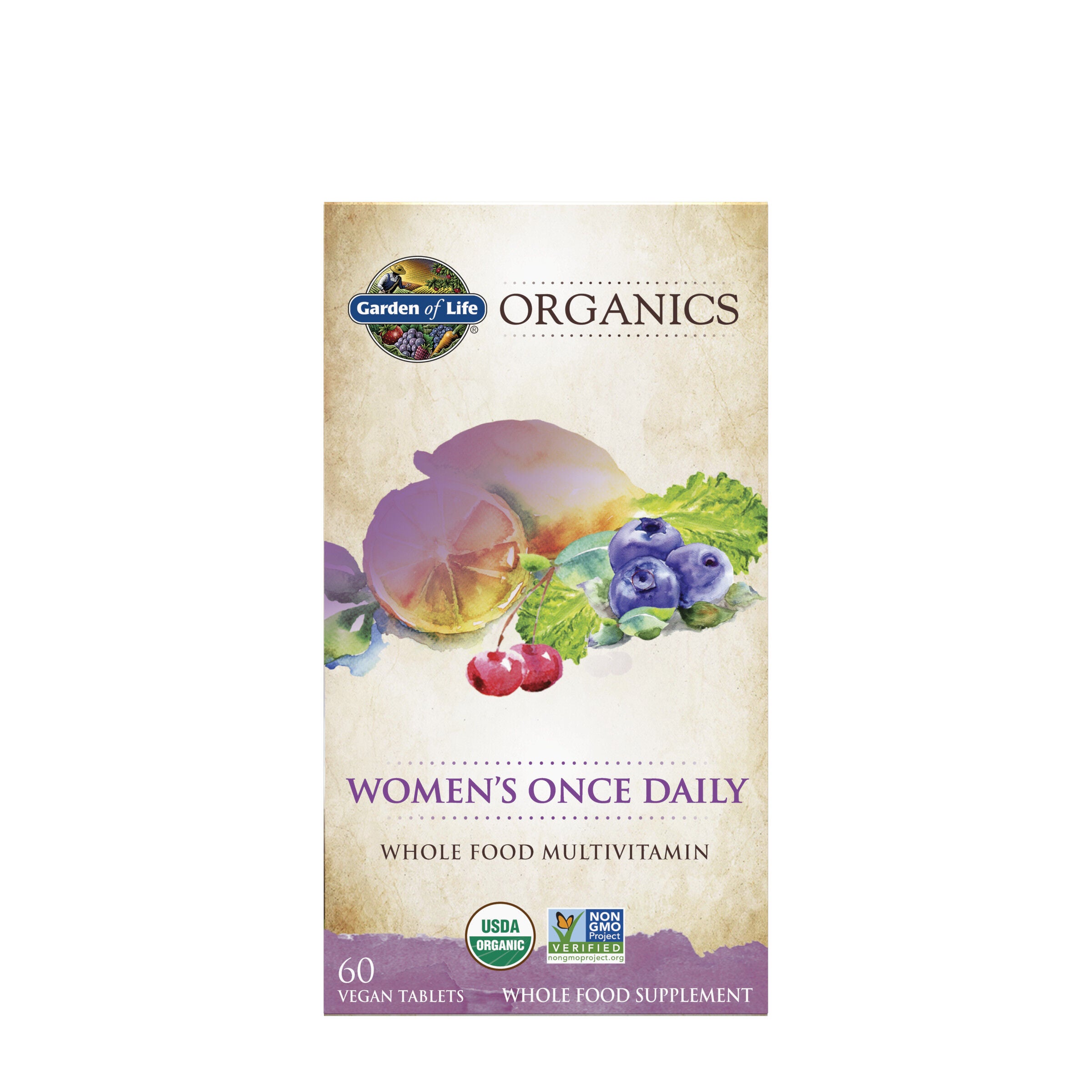
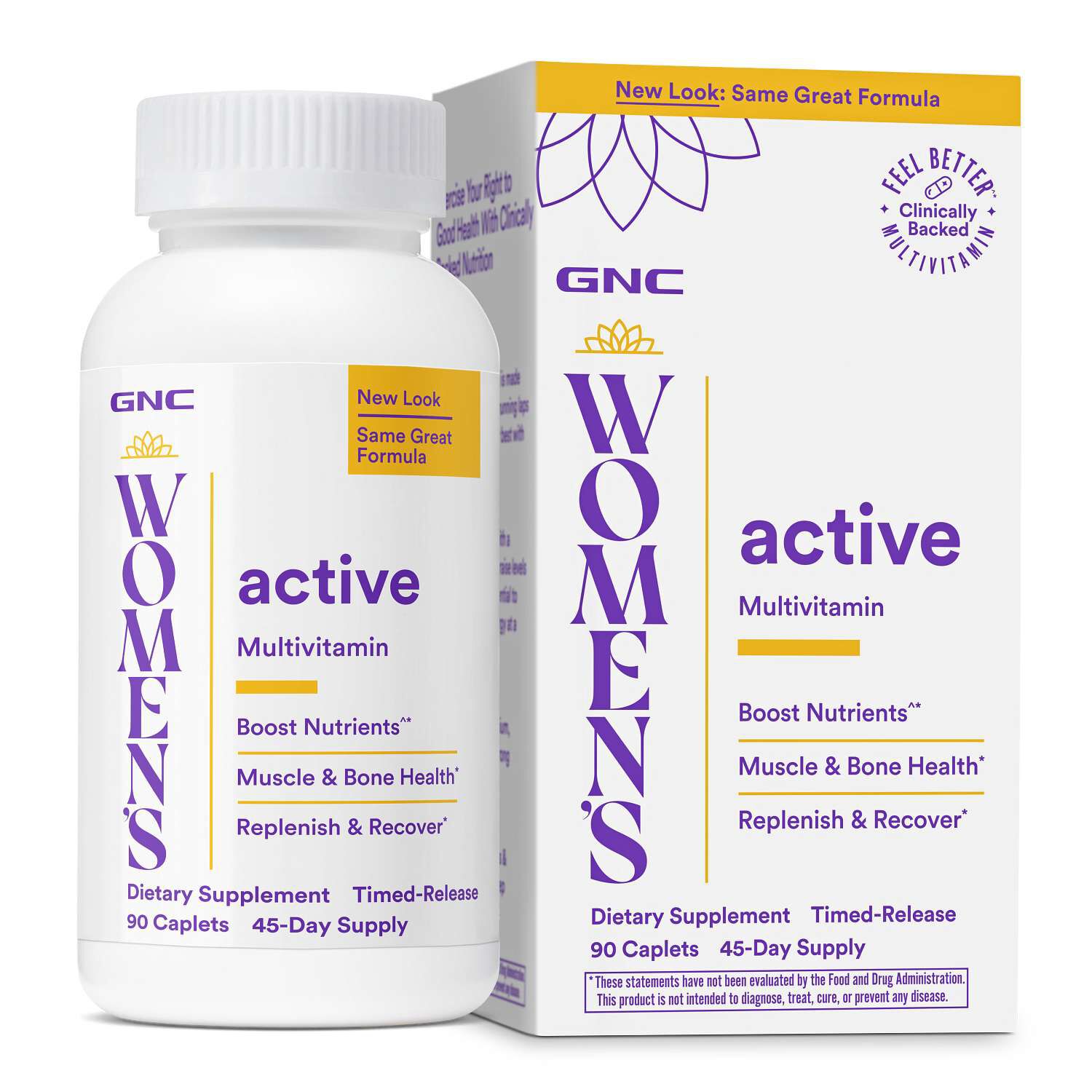
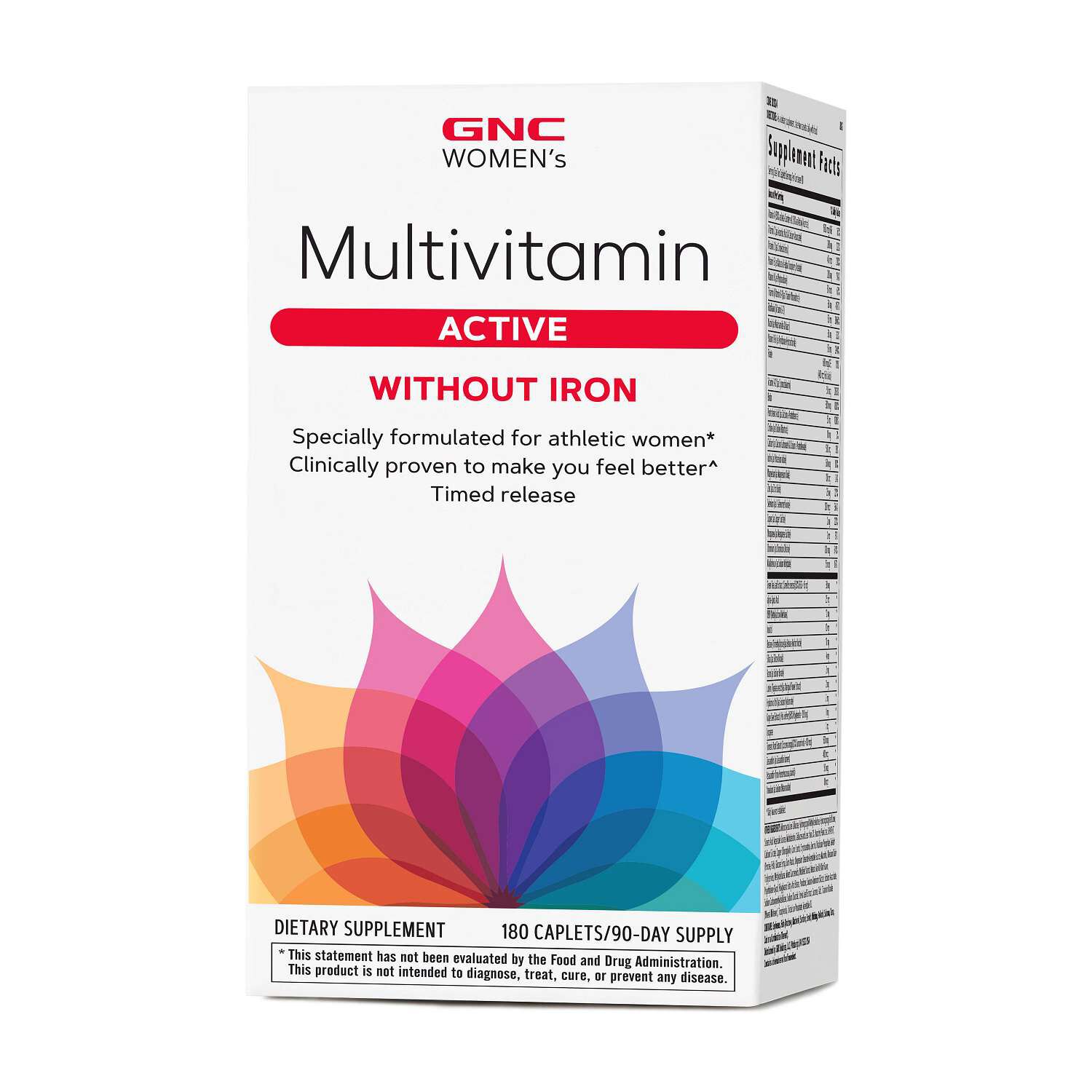
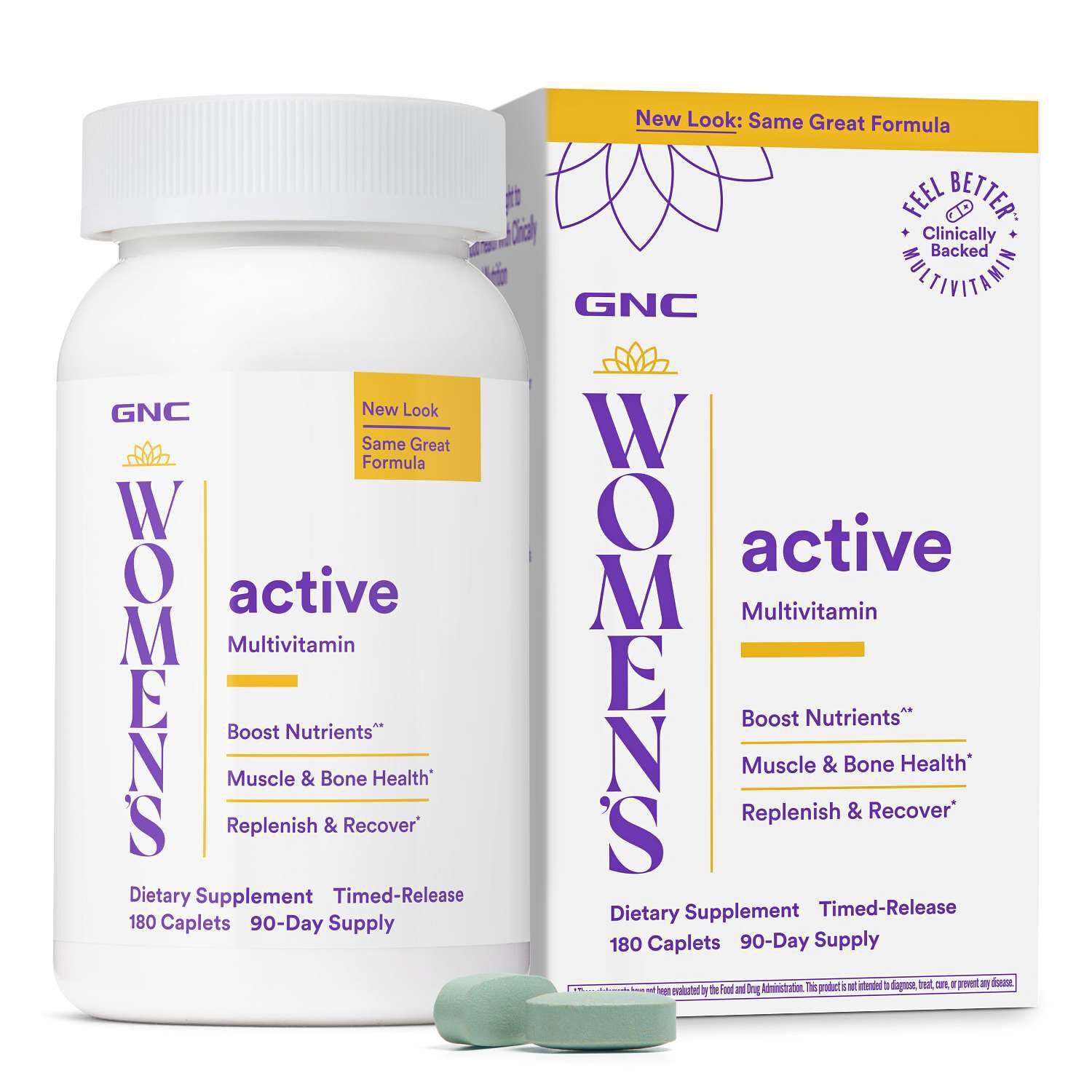

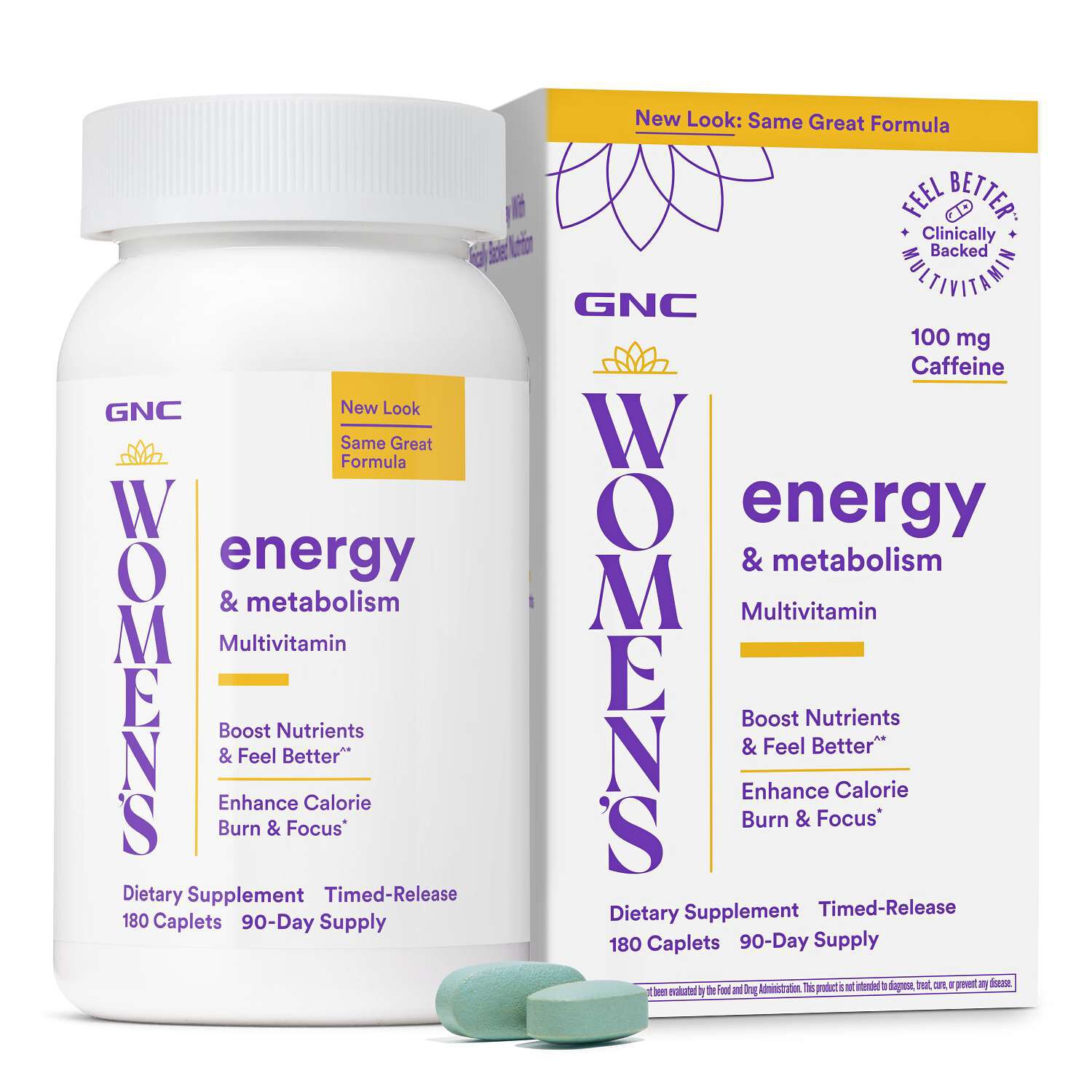

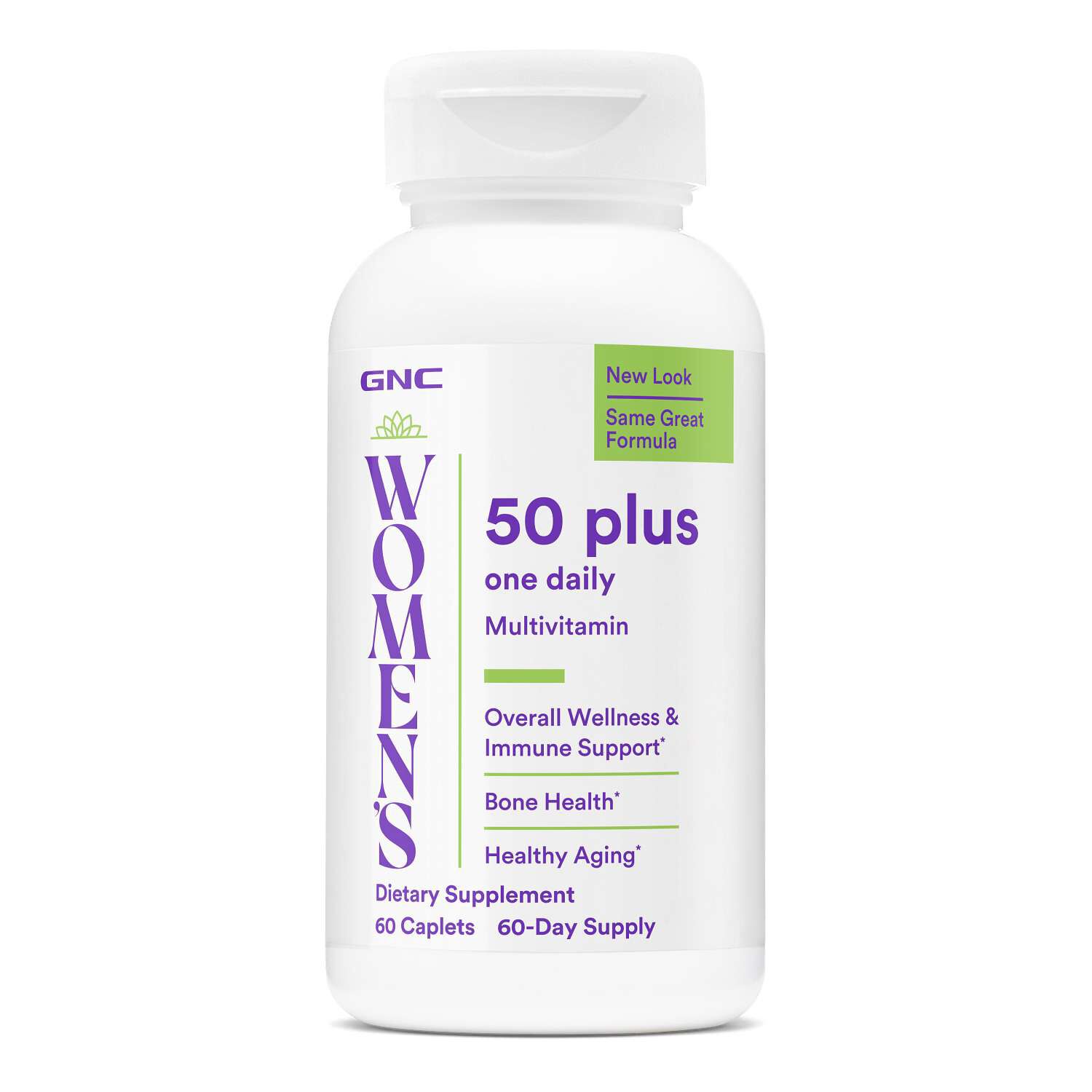
Women’s multivitamins with vitamin C may offer a convenient way to bring several nutrients into one daily supplement routine. These formulas pair vitamin C with other vitamins and minerals, with the exact combination and amounts shown on the Supplement Facts panel. For general nutrition context, the recommended dietary allowance for vitamin C is 75 milligrams per day for most adult women age 19 and older who are not pregnant or breastfeeding. That amount refers to intake from food and supplements combined, rather than an amount that every multivitamin must contain. Vitamin C is also found in foods such as strawberries, oranges, bell peppers, and broccoli, so a supplement is only one part of the broader picture. Women’s multivitamins for vitamin C support vary in their nutrient combinations: a formula might pair vitamin C with B vitamins, vitamin D, zinc, or iron, while another has a different mix. The word “women’s” on the front of a package does not mean that every formula has the same ingredients or serving size. Age designations, dietary preferences, and the way a supplement fits into an established routine all provide useful context. An adult multivitamin and a formula labeled for a particular life stage can have different nutrient amounts, even when both feature vitamin C. A prenatal designation also identifies a different intended use from a general adult women’s formula. This variety makes the label more informative than a broad category name alone. For someone balancing a workday, errands, and meals at home, a multivitamin may suit a preference for a single formula rather than several separate containers. For someone who already uses other supplements, the ingredient list provides a clear record of where vitamin C and other nutrients appear across that routine. The category includes a range of approaches, rather than one standard combination intended for every woman.
Format is another meaningful distinction among women’s multivitamins with vitamin C. Tablets, capsules, softgels, gummies, and powders differ in their physical form, ingredient materials, and preparation. A tablet has a different size and texture from a capsule, while a gummy has a chewable format with its own flavor and sweetener ingredients. Powders involve measuring and mixing according to the package directions, which creates a different experience from opening a bottle of tablets. Capsule shells may contain gelatin or plant-derived materials, and those details matter to shoppers with particular dietary preferences. Ingredient lists also identify flavorings, colors, coatings, and other components beyond the vitamins and minerals themselves. Vegetarian labeling and allergen statements provide additional information when those considerations are part of the purchase. Serving size deserves equal attention because one serving is not necessarily one tablet, capsule, or gummy. A panel that lists vitamin C per two gummies is describing a different quantity of pieces from a panel that lists it per one tablet. The amount per serving is the useful point of comparison, alongside the directions and the number of servings in the container. Vitamin C is generally expressed in milligrams, often abbreviated as mg, while other nutrients may use micrograms, abbreviated as mcg. Those units are not interchangeable. Percent Daily Value offers another label reference, but it is not a personalized nutrition target. On standard U.S. adult supplement labels, the Daily Value for vitamin C is 90 milligrams, which differs from the recommended dietary allowance for most adult women. Seeing both figures in context makes the packaging easier to interpret without treating a larger number as an automatic reason to choose a formula. Vitamin C might also appear under a named ingredient source, such as ascorbic acid. That source information belongs alongside the amount, serving size, and other ingredients when comparing formulas with similar names but different contents.
The practical fit of a multivitamin extends beyond its nutrient panel. A compact bottle, a larger container, and individually packaged servings each involve different storage and handling considerations, especially for someone moving between home, an office, and occasional travel. Package dimensions, closure style, and the legibility of the directions can matter in an everyday routine. The printed storage instructions describe the conditions intended for that formula; a bathroom shelf, a sunny windowsill, or a bag left in a vehicle may not match those directions. Keeping the original packaging preserves access to the ingredient list, serving information, lot details, and printed date. Container integrity and a readable label are practical considerations throughout use, not just at the time of purchase. For gummies and powders, texture and moisture exposure are additional reasons to pay attention to the storage information and closure instructions. A format that suits one household may be less convenient for another: someone who prefers no mixing may favor a tablet or capsule format, while someone who already prepares a beverage as part of a daily routine may find a powder format more familiar. These are preferences about use, not evidence that one format has a greater nutritional effect. Shoppers comparing a broad multivitamin with a more focused category can also explore Vitamin C For Women for additional context on vitamin C-centered options. The distinction is in the formula’s scope: a multivitamin contains a combination of vitamins and minerals, while a vitamin C-centered supplement places that nutrient at the center of its labeling. Neither a familiar flavor nor an appealing package explains the full contents, so the ingredient panel remains an important reference. Women’s multivitamins for vitamin C support may fit a range of everyday preferences, from a straightforward tablet format to a flavored chewable option. Clear serving information, suitable ingredient materials, and packaging that fits the intended routine provide concrete ways to understand the differences within this category.
Best Sellers

Related Pages
Top Collections
- Supplements For Yoga Joint Flexibility
- GLP 1 Support For Adults
- Joint Mobility Supplement Packs
- Chronic Fatigue Supplements
- Adult Mobility Supplements
- Supplements For Balance
- Supplements For Anxiety Relief Support
- Capsule Supplements For Energy And Stamina
- Zinc Supplements | Top Brands at Great Prices | GNC
- Anti Aging Supplements For Women