





Multivitamins For Women's Zinc Supplementation
(0 Results)
Multivitamins for women's zinc supplementation offer a convenient way to support your daily wellness routine. These multivitamin options are designed to include zinc, an important mineral that may play a role in overall health. Whether you're looking to fill potential nutrient gaps or simply want to add extra support to your diet, exploring multivitamins for women's zinc supplementation could be a helpful addition to your lifestyle. Discover a variety of choices tailored to meet your unique needs and preferences.
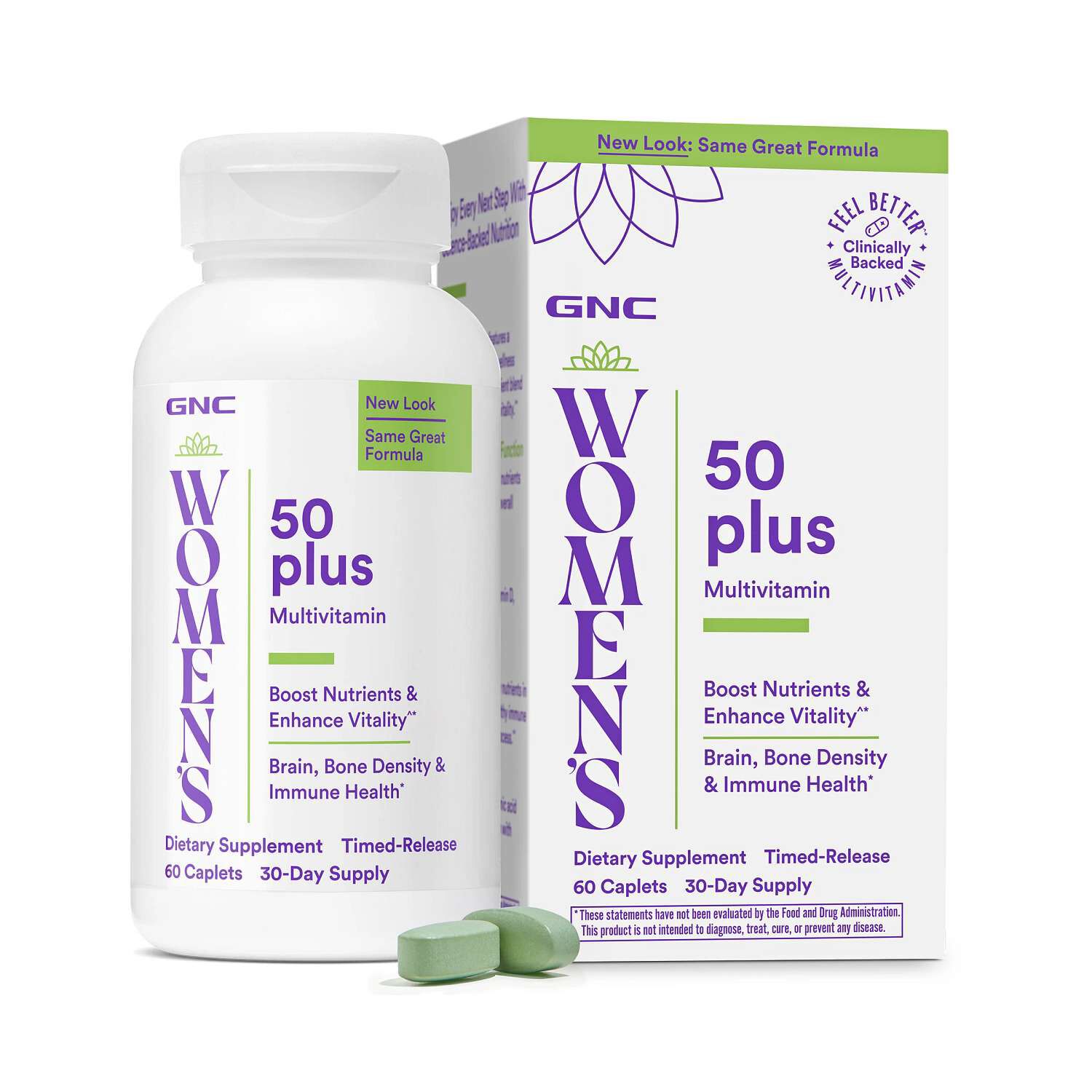
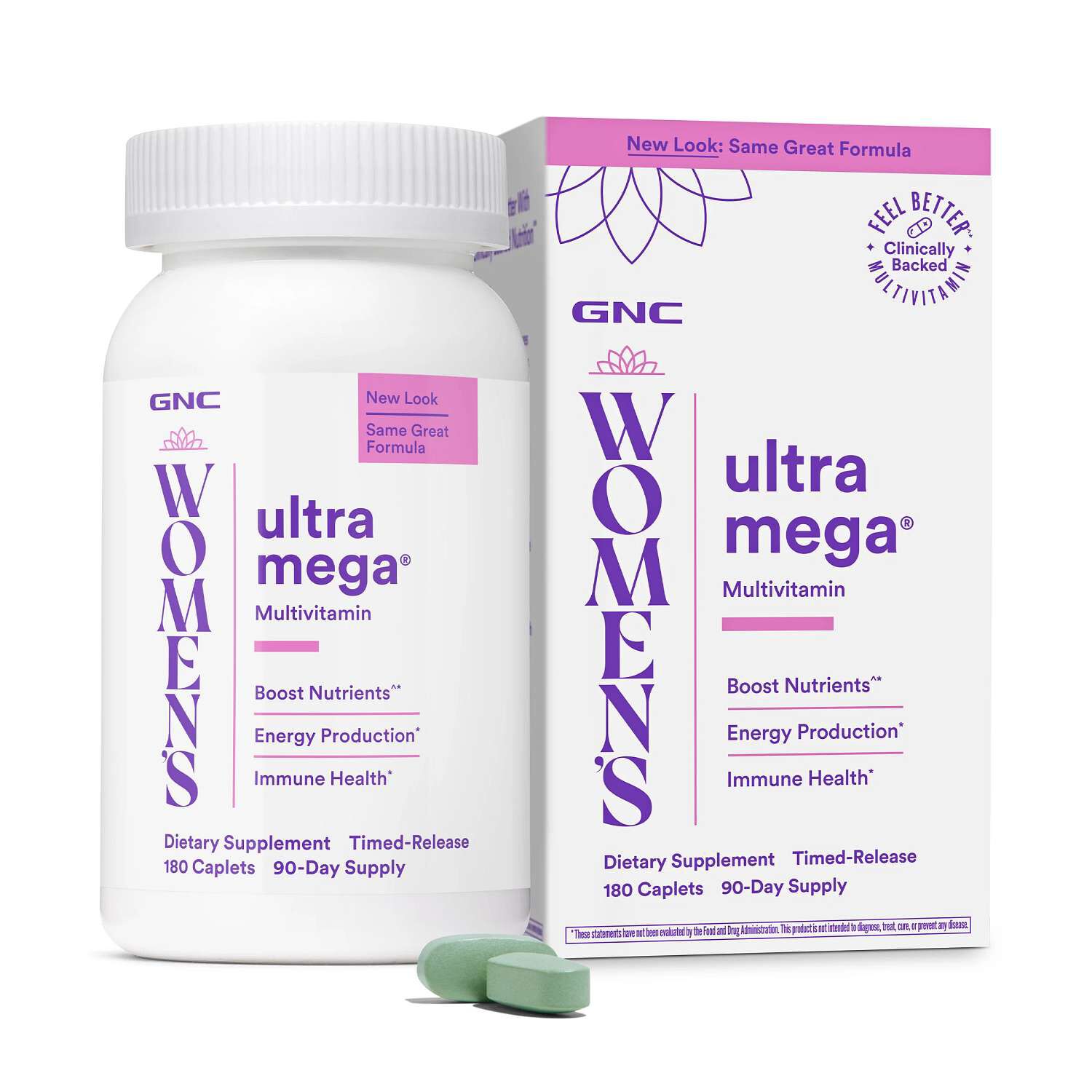
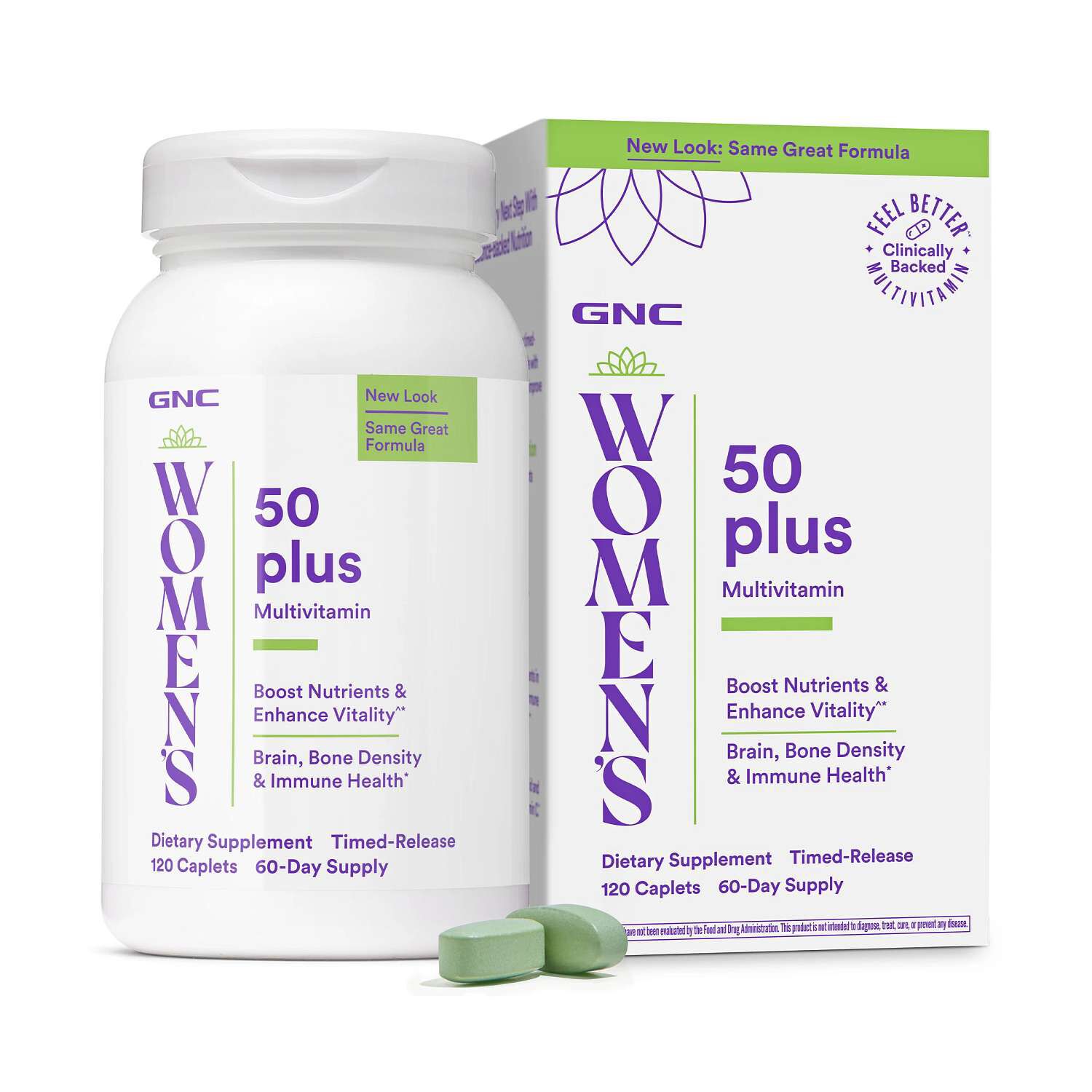
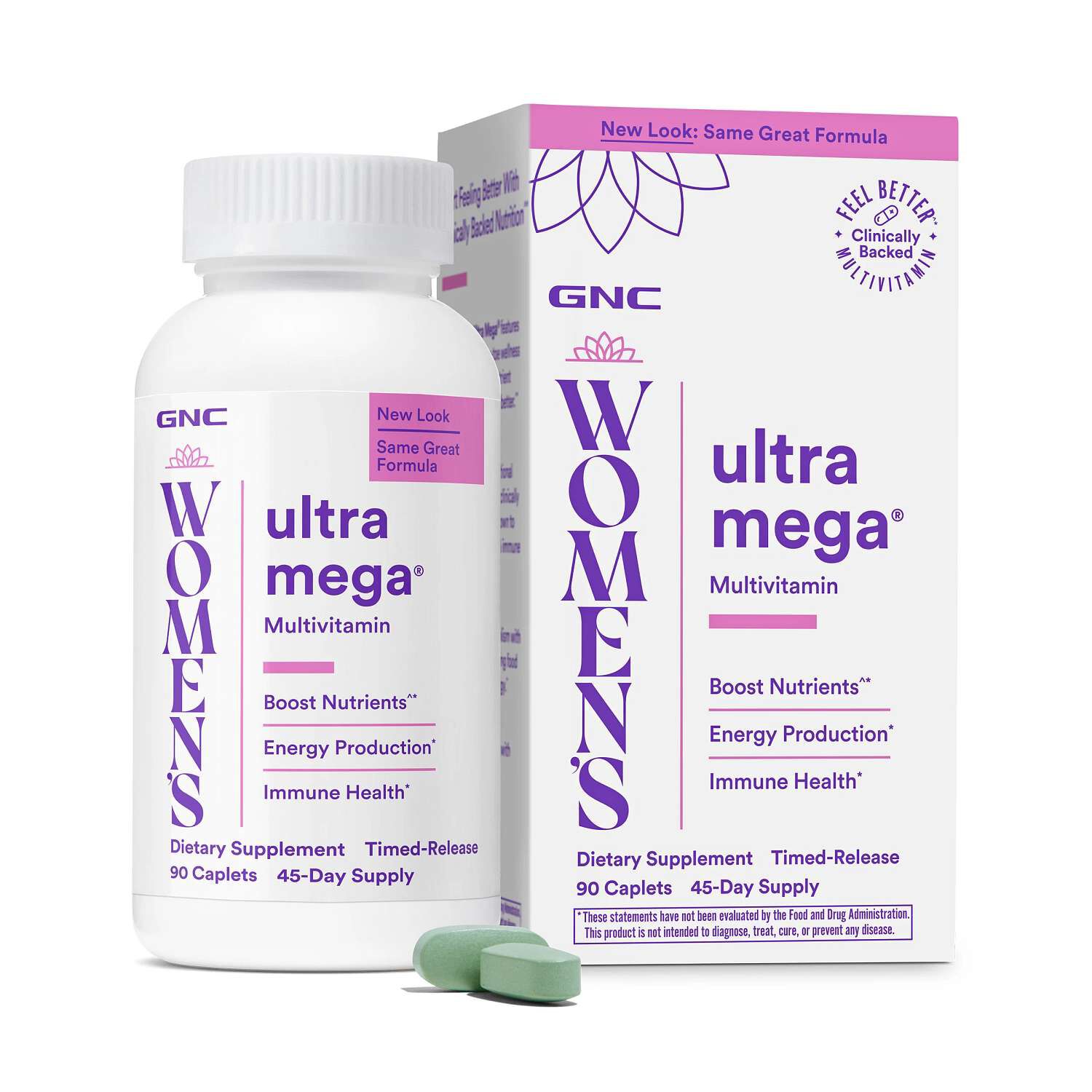

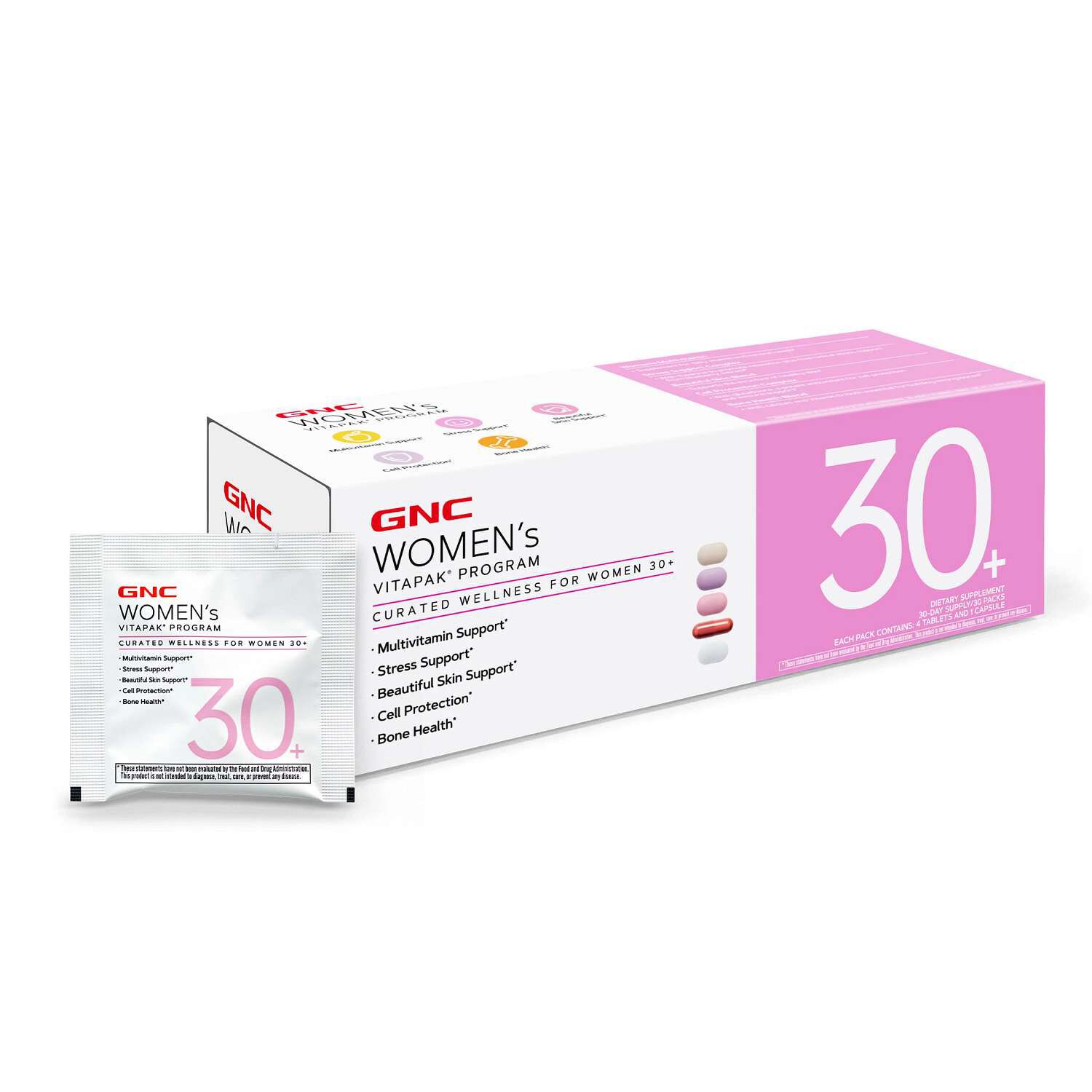
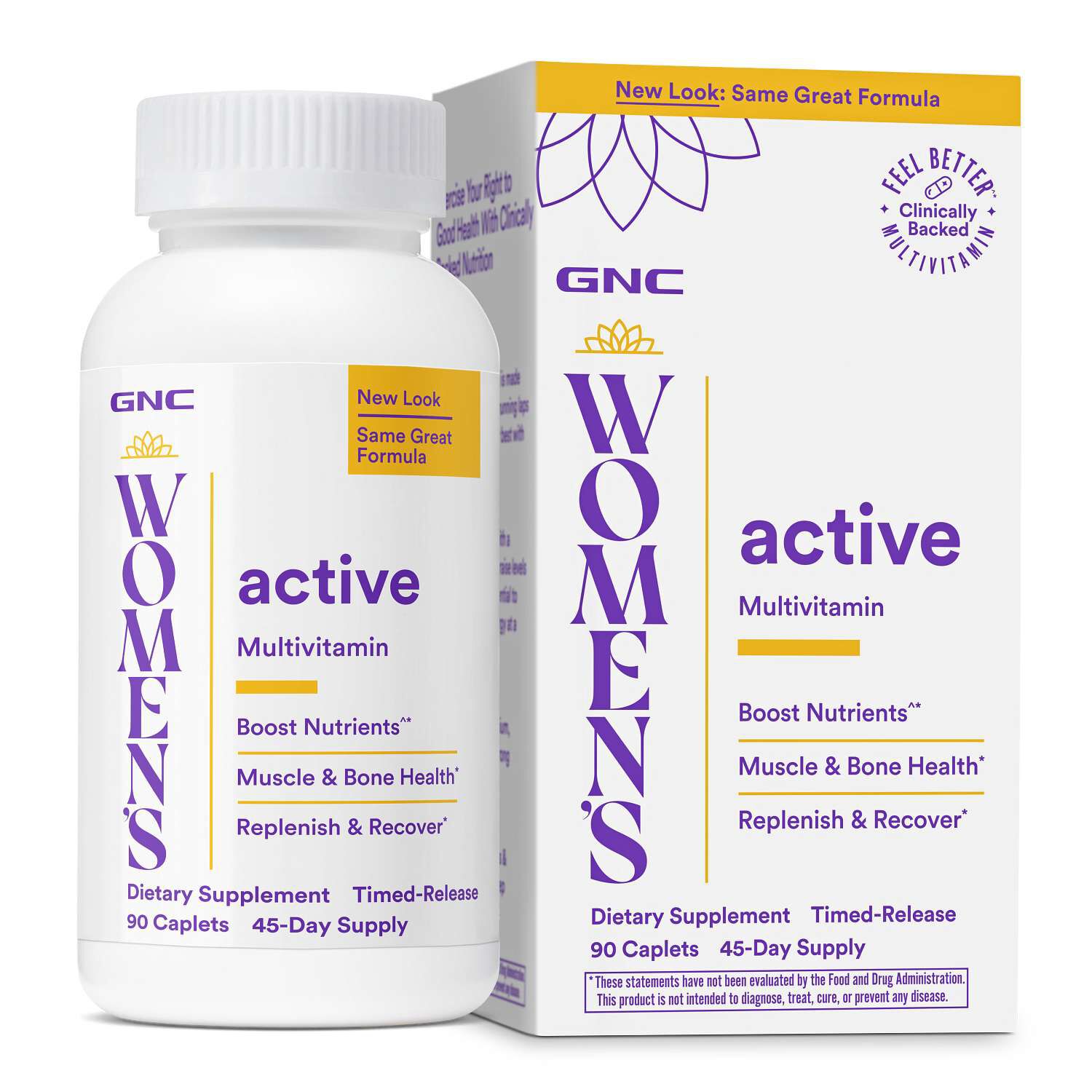

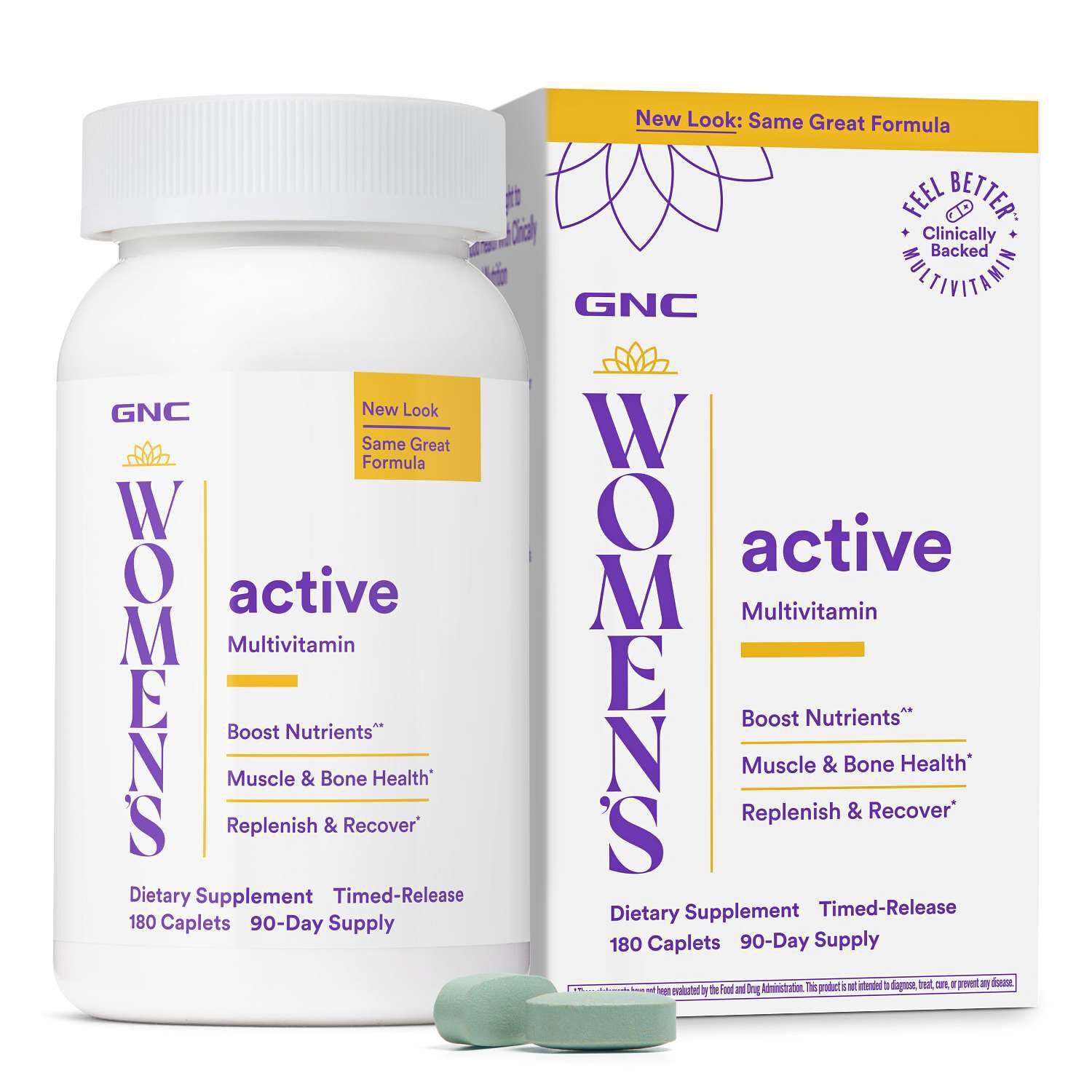
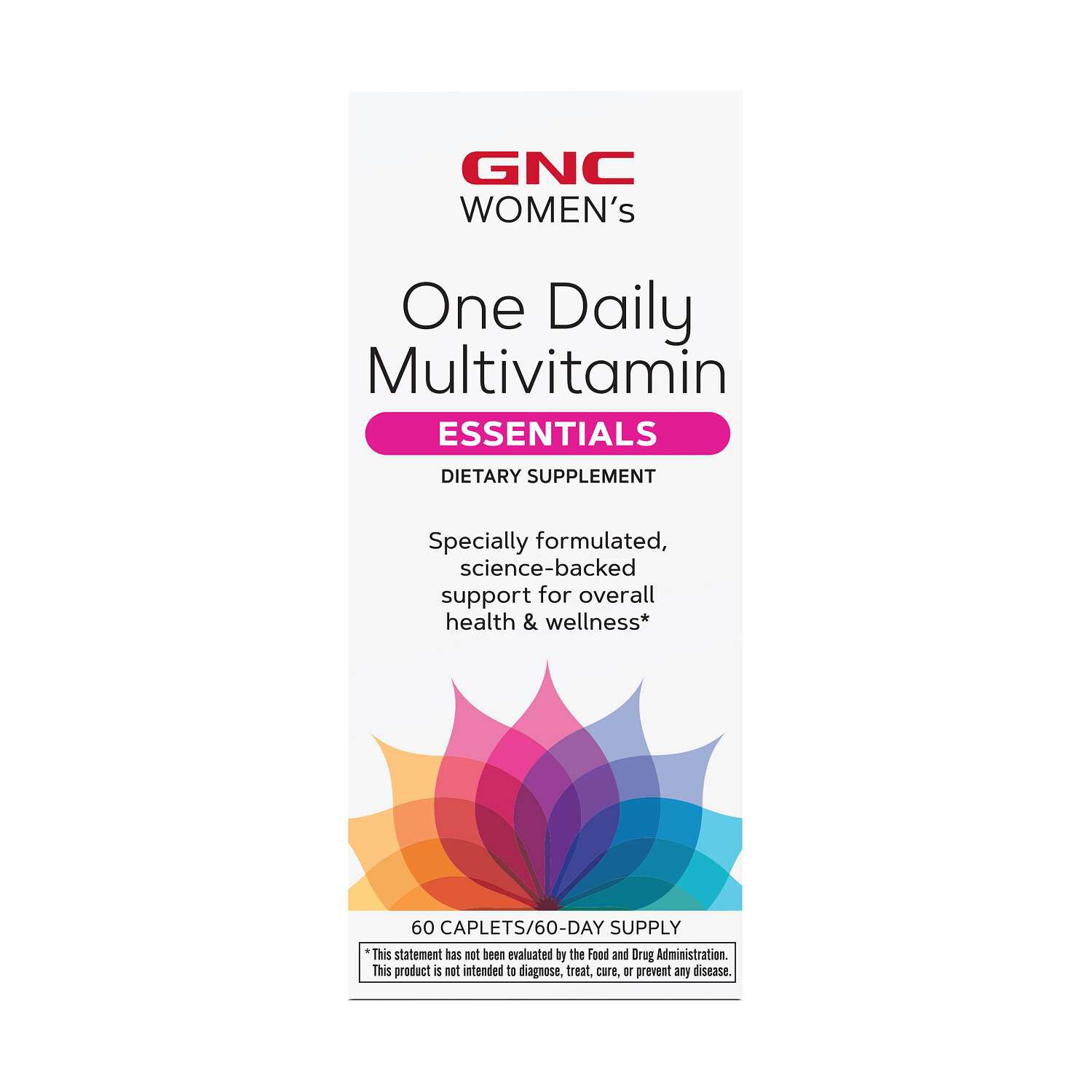
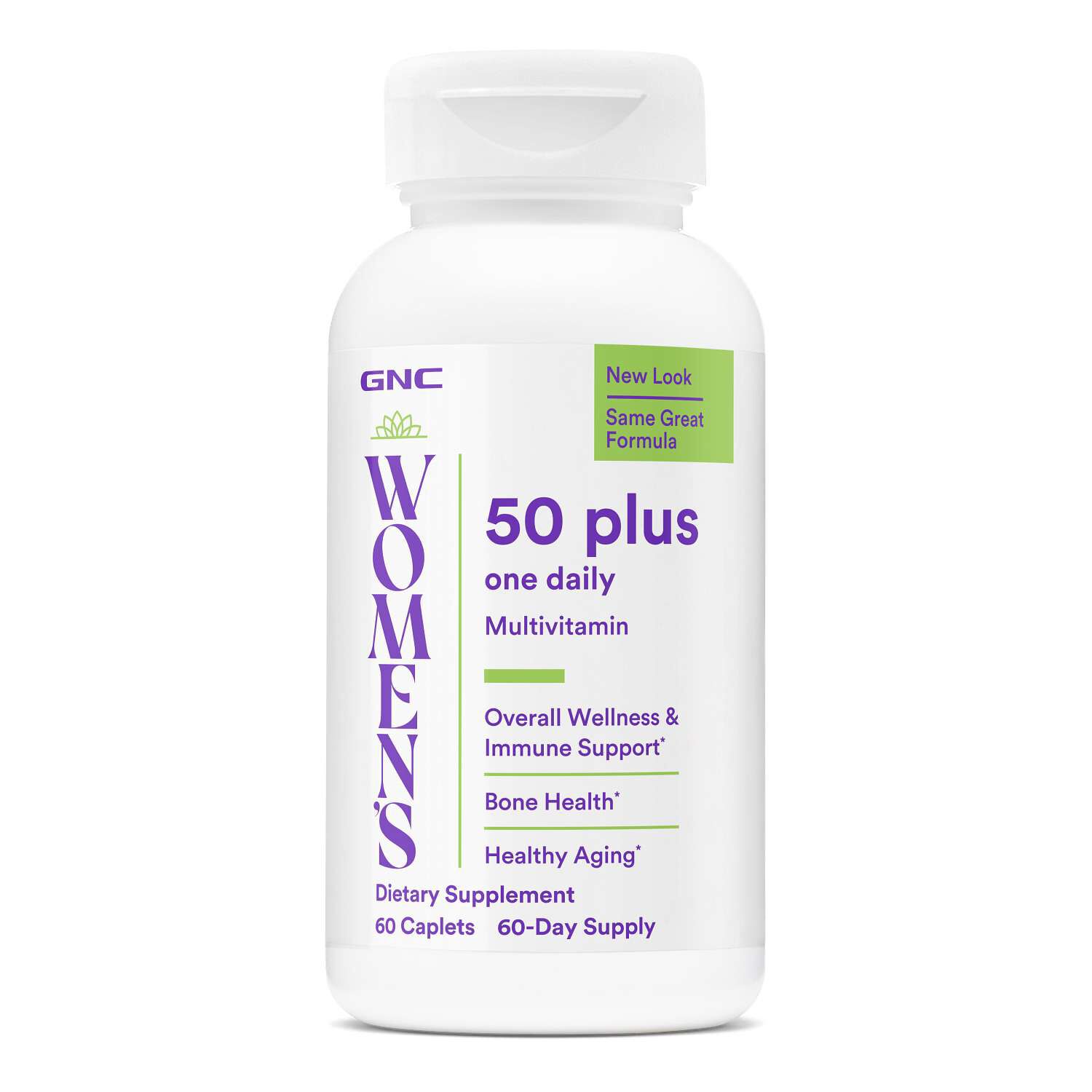

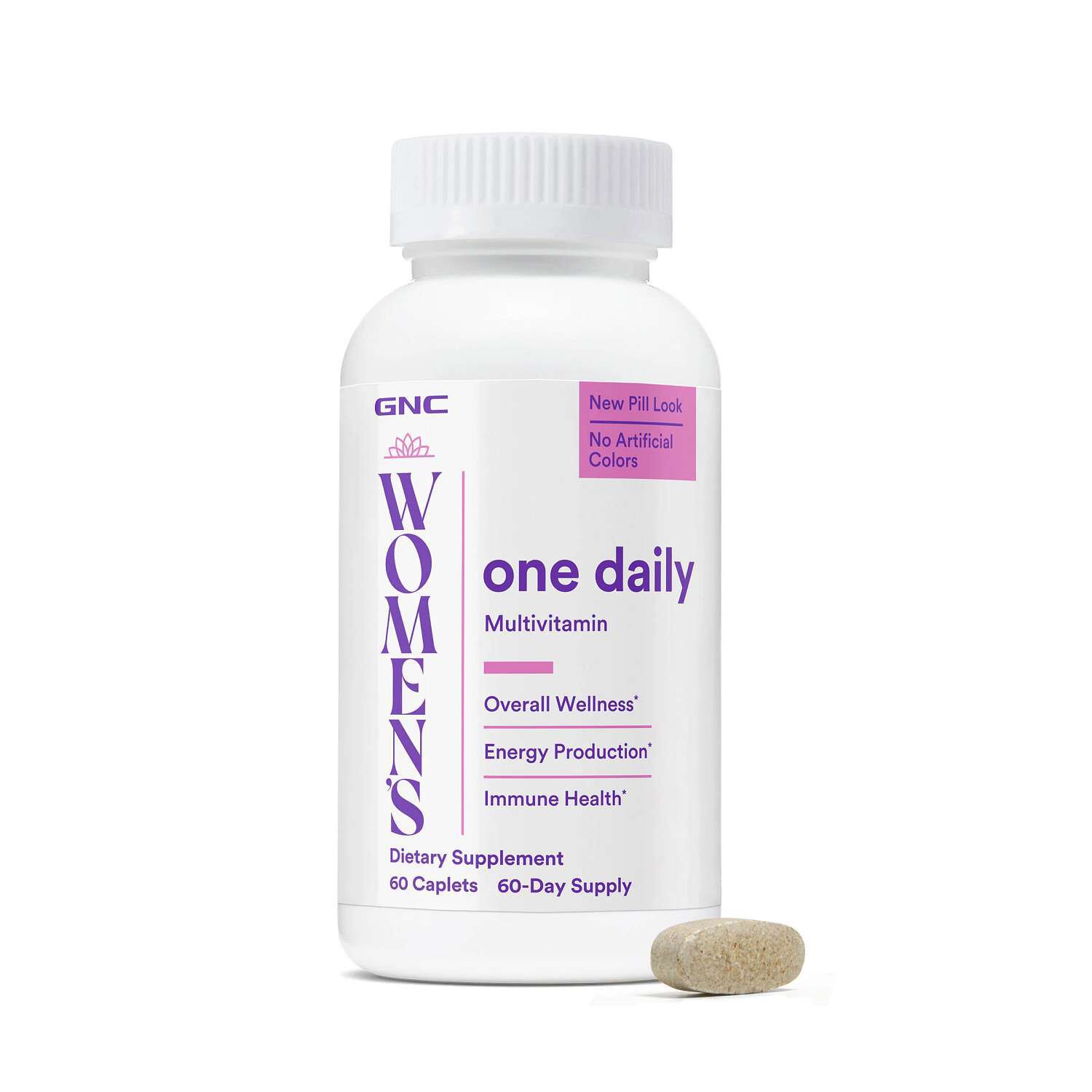
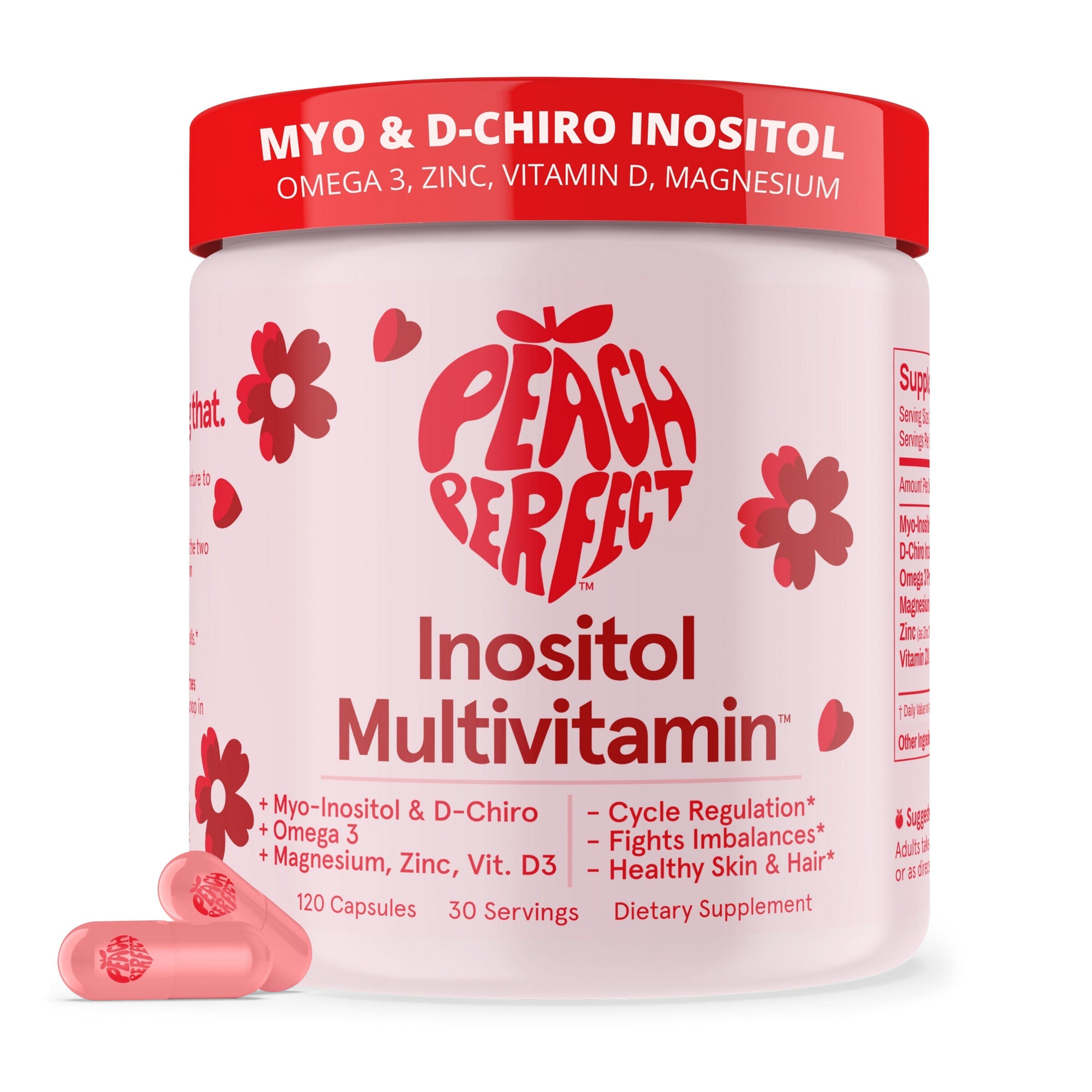


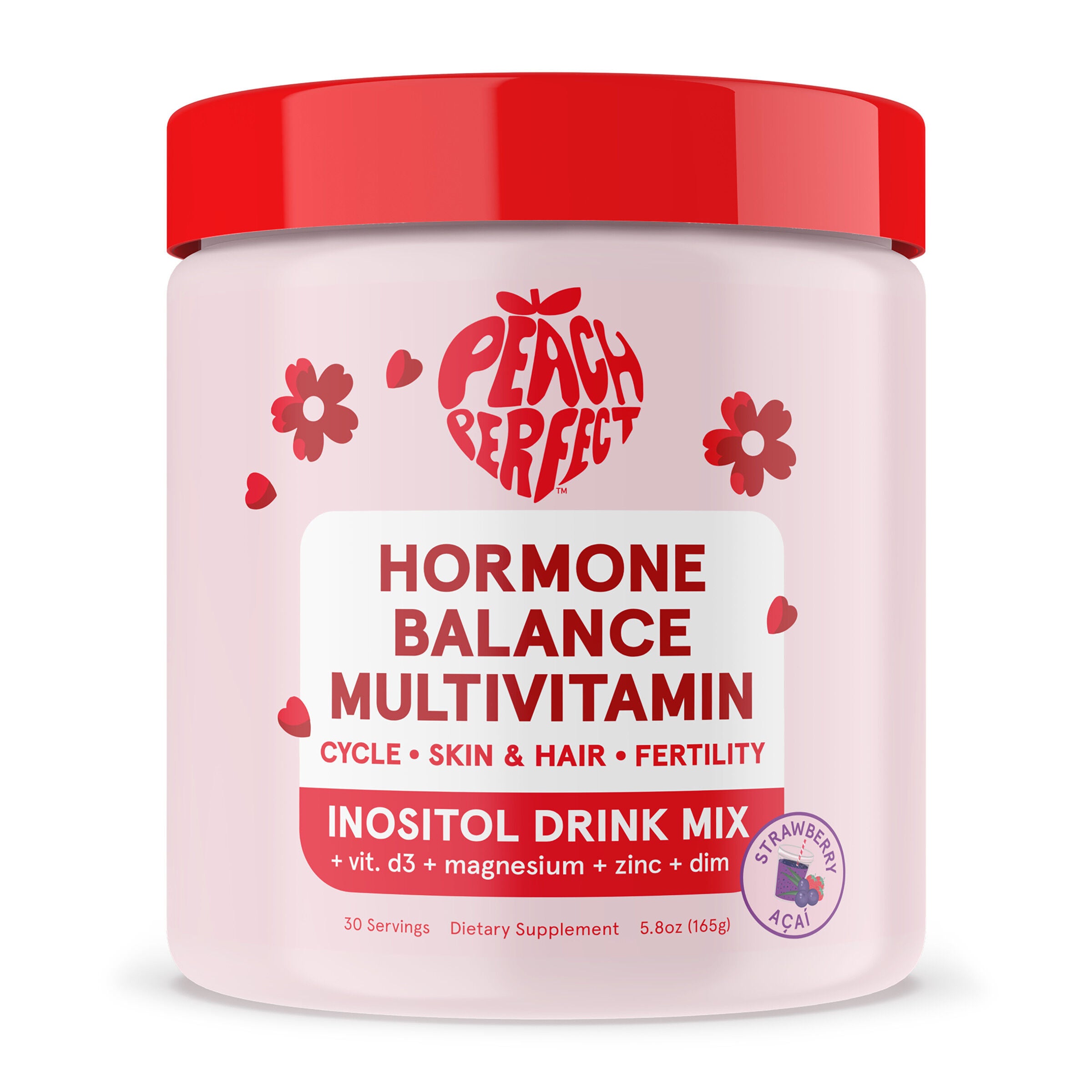
Women’s multivitamins with zinc combine this mineral with a selection of vitamins and other minerals in one formula. For women age 19 and older who are not pregnant or breastfeeding, the recommended dietary allowance for zinc is 8 milligrams (mg) per day. The adult tolerable upper intake limit is 40 mg per day. Both figures refer to intake from food and supplements combined; the upper limit is not a target amount for a multivitamin serving. Foods such as meat, seafood, beans, nuts, and dairy contribute zinc, so the amount listed on a supplement label represents only part of daily intake. These nutrition reference values provide background for understanding the numbers on women’s multivitamin labels, rather than a reason to select the formula with the largest zinc amount. On U.S. Supplement Facts panels, the Daily Value for zinc is 11 mg for adults and children age 4 and older, which differs from the recommended dietary allowance for adult women. That difference explains why a label’s percentage and a woman’s age-specific dietary reference do not necessarily match. Serving size also matters: the listed zinc amount applies to the stated serving, which might consist of more than one tablet, capsule, or gummy. Zinc may appear in the ingredient listing as zinc citrate, zinc gluconate, zinc oxide, or another form. The declared zinc quantity represents the mineral itself, rather than the entire weight of the compound containing it. Beyond zinc, women’s multivitamins vary in their inclusion of iron, iodine, calcium, vitamin D, vitamin B12, and other nutrients. A formula labeled for women does not establish a uniform recipe across the category. The Supplement Facts panel, serving directions, and ingredient list offer a more detailed picture than the name on the front of the bottle. Together, those details distinguish a broad multivitamin formula from a separate zinc supplement without assuming that the two serve identical purposes.
Format is another practical distinction among women’s multivitamins containing zinc. Tablets, capsules, softgels, gummies, chewables, and liquids involve different serving sizes, textures, ingredient choices, and storage requirements. Someone who prefers a measured serving without a flavored base might favor a tablet or capsule, while someone who dislikes swallowing larger tablets might prefer exploring chewable or liquid formats. Capsule shells may contain gelatin or plant-derived materials, and softgels may contain oils or other ingredients that differ from those in a dry tablet. Gummies and chewables often include flavorings, sweeteners, and ingredients that create their texture, so their ingredient lists deserve the same attention as their nutrient panels. Flavor descriptions indicate the intended taste, but texture and sweetness remain personal preferences. For liquids, the measuring method and any directions about shaking or refrigeration belong in the comparison as well. A convenient format still needs to suit the person using it; a pleasant flavor does not establish the zinc content, and a compact capsule does not establish the serving count. Dietary preferences also extend beyond the front label. Gelatin sources, animal-derived ingredients, allergen statements, and clearly identified certifications help distinguish formulas for different households. Where third-party testing or certification appears on packaging, the organization and the scope of that designation matter more than a general impression of quality. Packaging details are useful, too: readable print, a securely closing cap, and an intact protective seal are practical considerations. For a person who organizes everyday purchases at a kitchen counter, a clearly marked serving size might matter more than an elaborate bottle design. For someone carrying a supplement container in a work bag, the closure and storage directions might deserve closer attention. These everyday details may make a format easier to incorporate into an established routine, without changing what its nutrient panel actually says. The most useful comparison brings the formula, serving size, ingredient sources, and physical format into the same view.
Intended use provides another way to compare women’s multivitamins with zinc without treating every women’s formula as interchangeable. Labels may identify an adult age group or describe a particular dietary pattern, and the amounts of zinc and accompanying nutrients may vary accordingly. A college student, a working parent, and an older adult might prefer different formats or packaging, even when all three are browsing the same category. Age-oriented wording is one part of that context, but it does not replace the details on the back panel. The same is true when several supplements are already part of a household routine: a multivitamin and a separate mineral supplement may both list zinc, so each label describes only its own contribution. Comparing those panels makes overlapping ingredients visible without assuming that more products create a better fit. For purchases made on behalf of another adult, familiarity with that person’s preferred format and ingredient preferences is more useful than choosing by bottle color or a broad wellness phrase. Care and storage deserve attention after the purchase as well. Original packaging keeps the ingredient list, serving directions, lot information, and expiration date together. Storage instructions vary by formula, particularly for products that require refrigeration after opening. A bathroom shelf exposed to steam or a container left in a vehicle may not match the conditions stated on the label. Secure closures and storage out of children’s reach are important household considerations, especially for flavored formats. Expiration dates and any instructions about use after opening also matter when comparing a large container with a smaller one; package size alone does not establish suitability for a routine. For a related category when comparing formulas labeled for different adult audiences, explore Multivitamins With Zinc For Men. Across these categories, the meaningful distinctions remain the labeled nutrient amounts, intended audience, serving format, ingredient sources, and care requirements—not simply the prominence of zinc on the front of the package.
Best Sellers

Related Pages

Top Collections
- Supplements For Yoga Joint Flexibility
- GLP 1 Support For Adults
- Joint Mobility Supplement Packs
- Chronic Fatigue Supplements
- Adult Mobility Supplements
- Supplements For Balance
- Supplements For Anxiety Relief Support
- Capsule Supplements For Energy And Stamina
- Zinc Supplements | Top Brands at Great Prices | GNC
- Anti Aging Supplements For Women