Vitamin B12 Gummies
(0 Results)
Boost your energy levels and support your overall well-being with Vitamin B12 Gummies. These delicious and convenient gummies are a tasty way to ensure you're getting your daily dose of this essential nutrient. Packed with all-natural flavors, Vitamin B12 Gummies are a great addition to your daily routine, whether you're at home or on-the-go. Discover how these chewy treats can help you maintain optimal health and vitality.
-
 $15.99
-
 $15.99
-
-
-

-
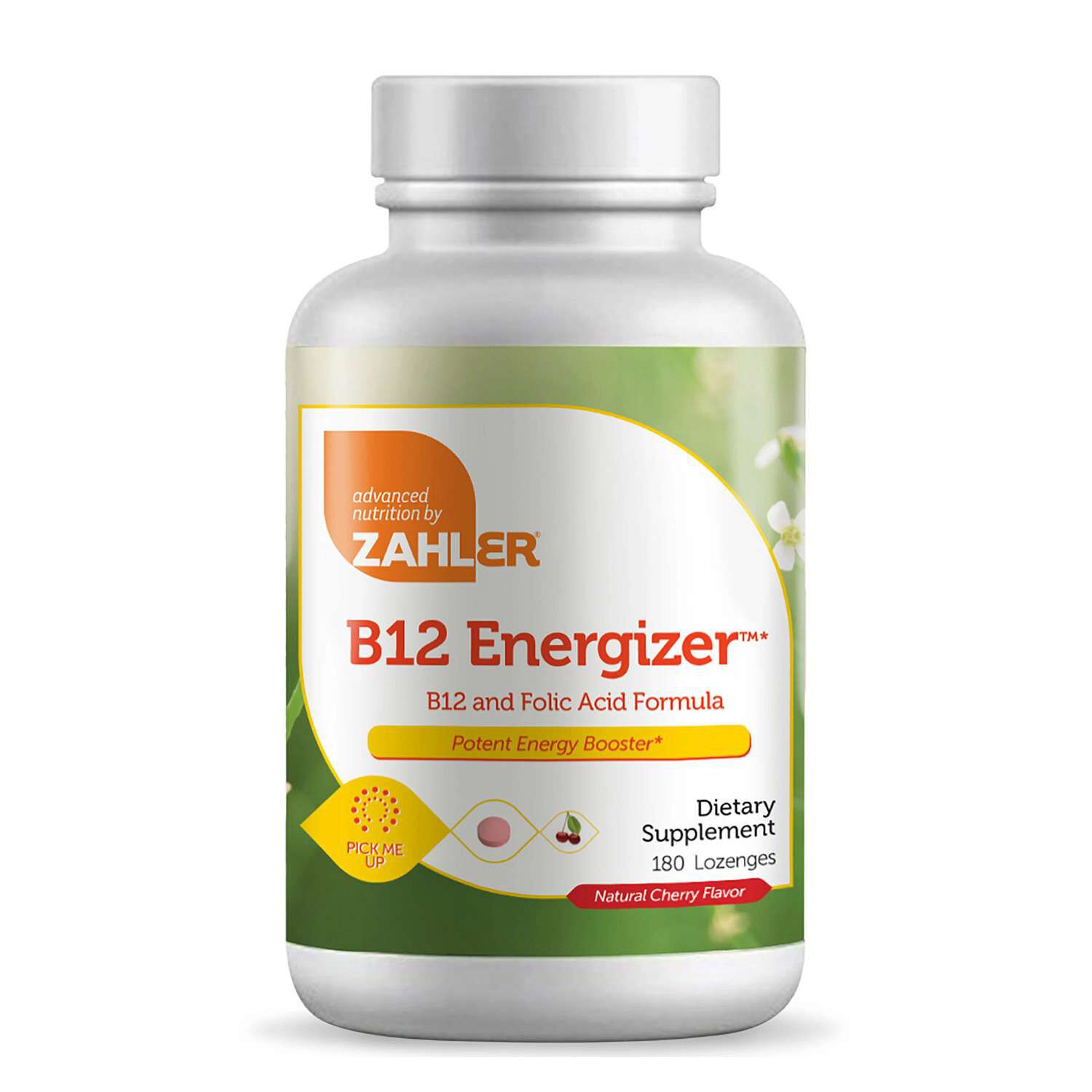

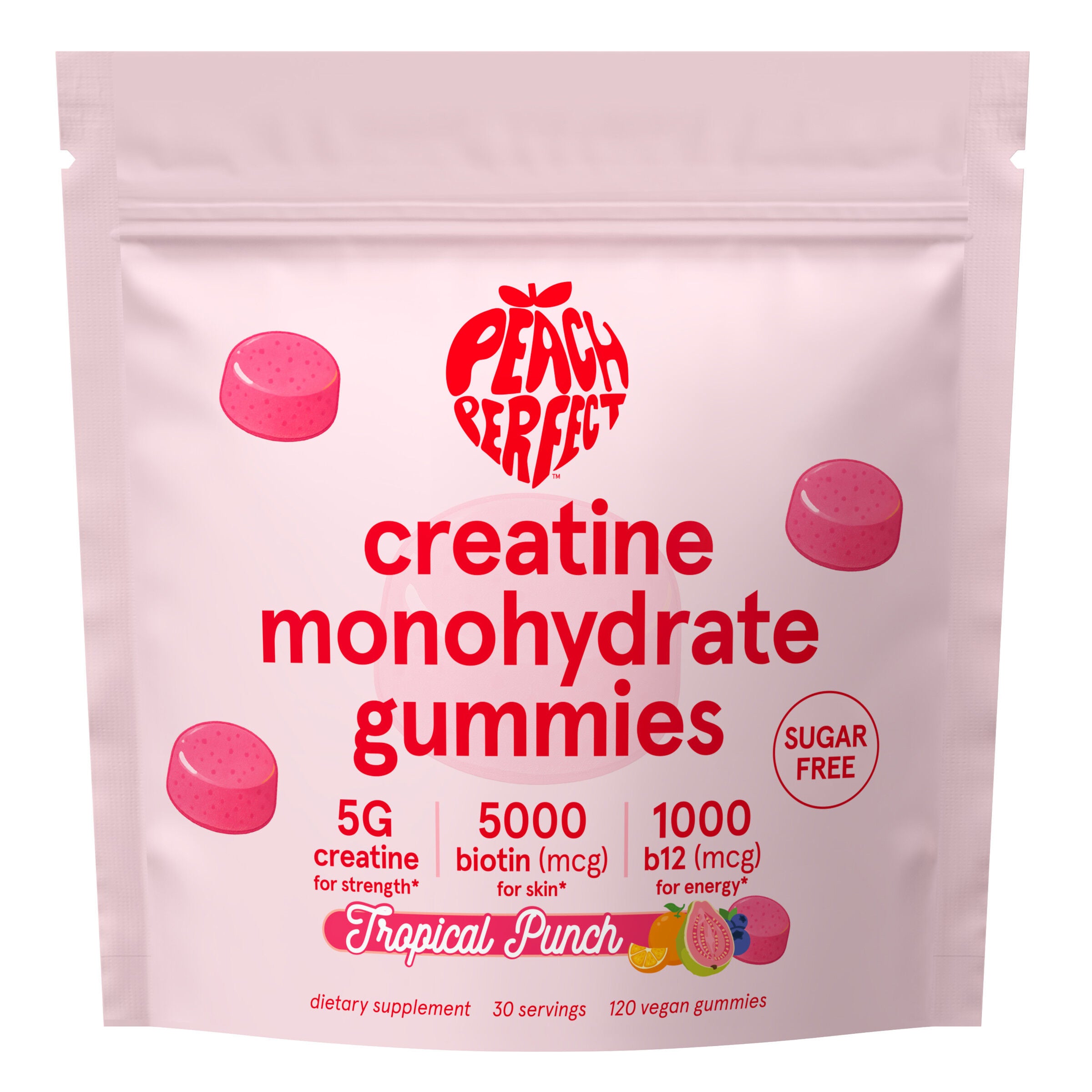
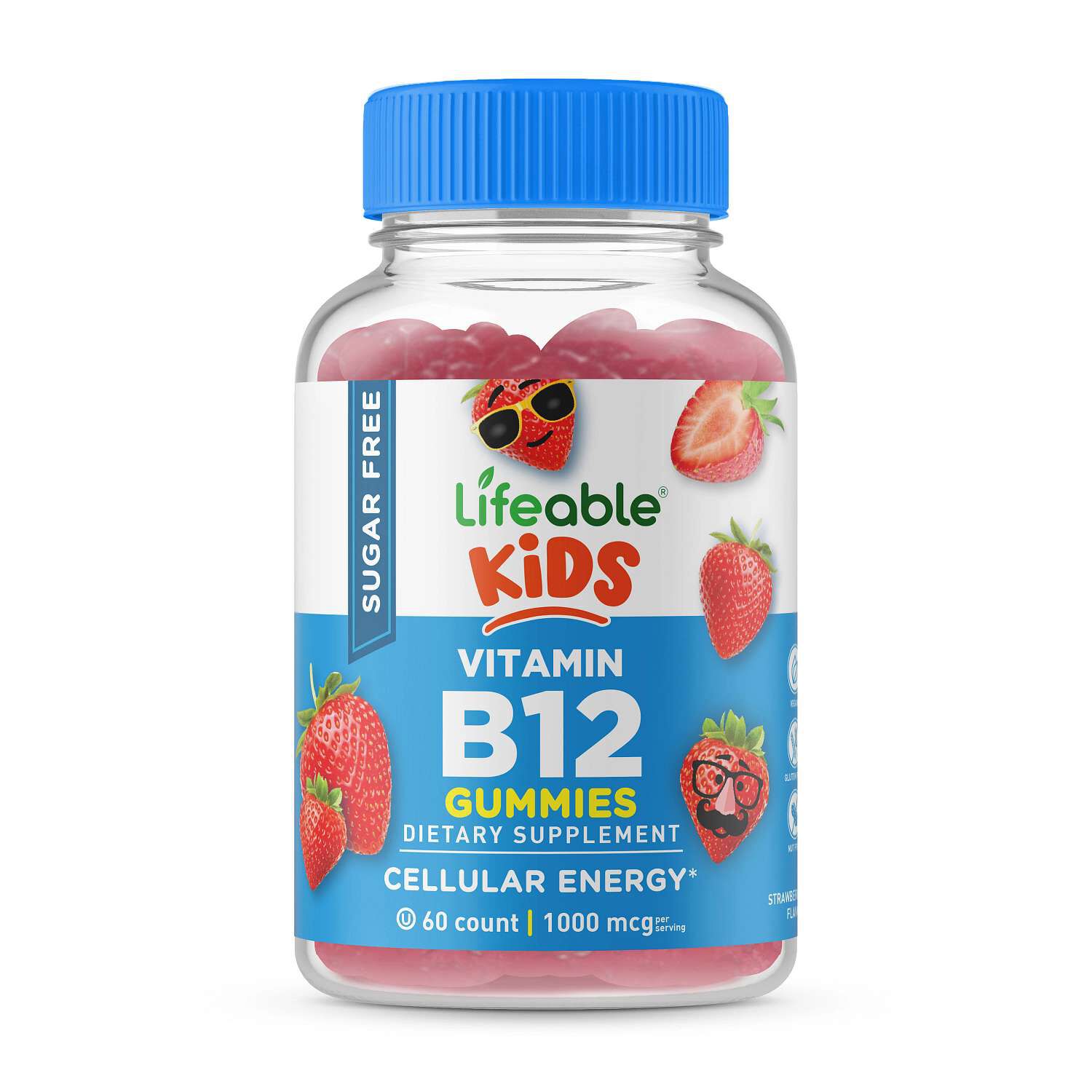
Vitamin B12 gummies are chewable dietary supplements that provide vitamin B12 in a flavored gummy format. They offer an alternative to tablets, capsules, and liquids for adults who prefer a chewable option. Vitamin B12 is a water-soluble nutrient found naturally in foods such as fish, meat, eggs, and dairy, as well as in certain fortified foods. It may support normal energy metabolism as part of a balanced diet, although a B12 gummy is not the same as a caffeinated drink or a substitute for a varied eating pattern. For shoppers comparing vitamin B12 gummies, the most useful details begin with the Supplement Facts panel: the amount of B12 per serving, the number of gummies in that serving, and any other nutrients included in the formula. A serving might consist of more than one gummy, so the amount printed prominently on a bottle should be considered alongside the serving instructions. B12 amounts are commonly listed in micrograms, abbreviated as mcg. The percentage of Daily Value provides another reference point, but a larger number alone does not establish whether a formula suits a particular person's nutritional needs. Ingredient lists may identify B12 as cyanocobalamin or methylcobalamin. These are different forms of the nutrient, and the form is one comparison point rather than a reason to assume that every formula performs differently in everyday use. A straightforward B12 formula also differs from a B-complex gummy, which includes several B vitamins. Someone looking specifically for vitamin B12 can distinguish between those categories by reading the nutrient list rather than relying on fruit imagery or package color. This attention to the label helps keep the comparison focused on what the supplement contains, how its serving is measured, and how closely the format matches the shopper's preferences. Flavor and texture matter, but they are separate considerations from nutrient content and intended use.
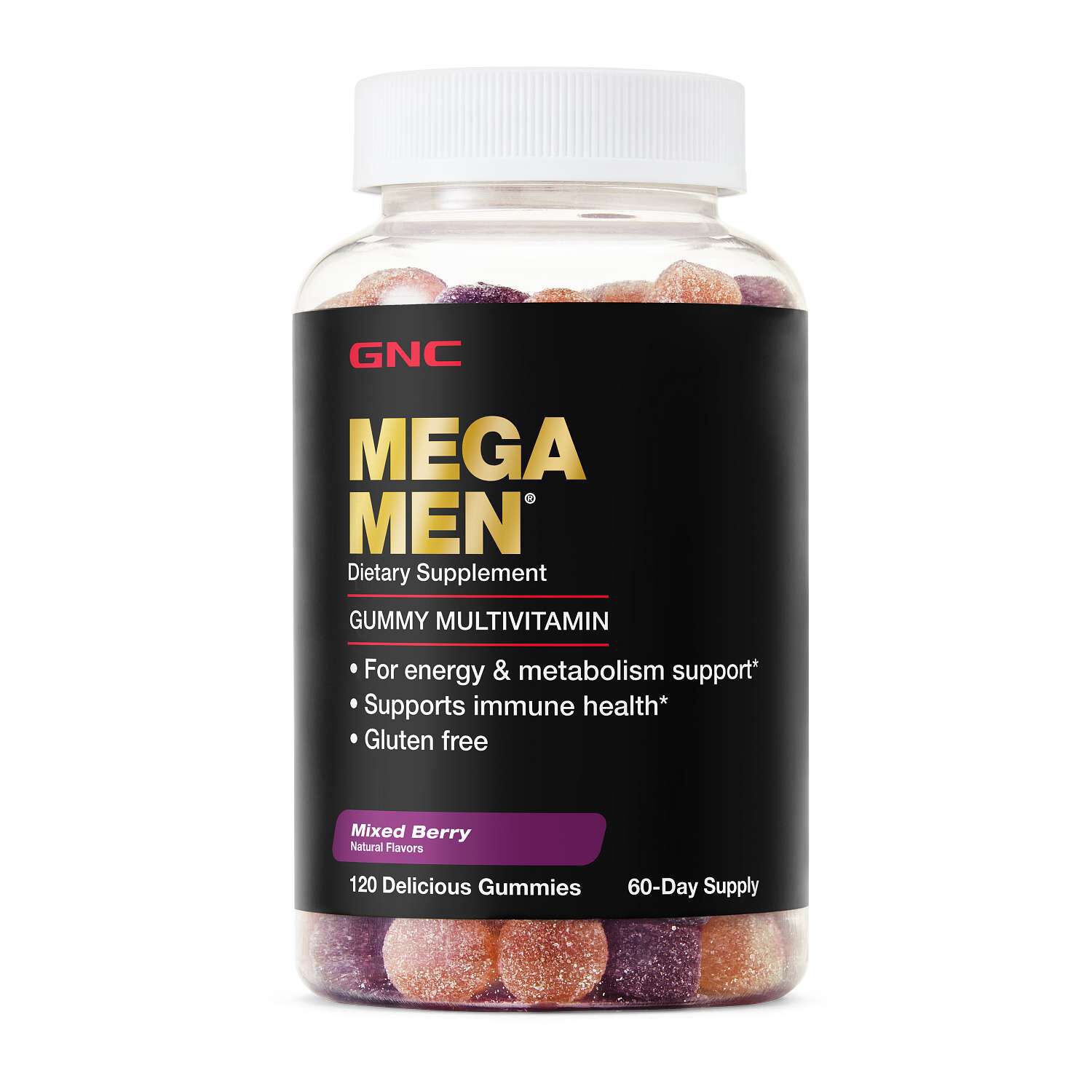
The gummy base deserves a closer look, especially when dietary preferences are part of the purchase. Gummies may use gelatin or pectin to create their texture. Gelatin comes from animal sources, while pectin is derived from plants; however, the gelling ingredient alone does not establish whether every ingredient in a formula meets a vegetarian eating pattern. Shoppers following that pattern can explore B12 Gummies for Vegetarians and review individual ingredient statements for suitability. A person who eats eggs and dairy may approach the choice differently from someone who avoids all animal-derived ingredients, so vegetarian and vegan labeling should not be treated as interchangeable. Other details include sweeteners, added sugars, flavoring ingredients, colors, and any listed allergens. A fruit flavor describes the taste, not a meaningful serving of fruit, and a gummy's sweetness does not indicate how much B12 it contains. The Supplement Facts panel and ingredient statement answer different questions: one describes nutrient amounts, while the other identifies the ingredients used to make the gummy. Both are useful when comparing similar-looking formats. Texture can also shape the experience. Some shoppers prefer a tender chew, while others favor a firmer gummy with less surface coating. Berry and citrus flavor profiles may appeal to different tastes, particularly for someone who dislikes the experience of swallowing a tablet. The practical comparison is not simply whether a gummy sounds pleasant, but whether its flavor, texture, serving size, and ingredients fit the intended routine. For example, a shopper who already uses another flavored supplement may prefer a simpler B12 formula rather than another combination of nutrients. Someone with specific ingredient preferences may place more weight on the full ingredient statement than on the flavor name. Packaging photographs can show shape and color, but the written label offers a more useful basis for comparing formulations. Those distinctions make browsing more purposeful without assuming that one style of gummy is the right choice for everyone.
Everyday use also involves packaging, storage, and a clear understanding of the label. A bottle's gummy count is not necessarily its number of servings; comparing the stated servings per container gives a clearer picture of how it fits into a routine. Intended age range matters as well, since a colorful, fruit-flavored supplement should not be mistaken for candy or assumed suitable for every member of a household. Directions and caution statements describe the intended use of each formula, including any circumstances that call for additional guidance. When several supplements are part of the same routine, their nutrient lists provide a way to identify overlapping ingredients rather than viewing each bottle in isolation. Practical storage considerations are equally relevant to a soft, chewable format. The container's storage directions describe how to care for the gummies, and the printed date provides a reference for freshness. Keeping the lid securely closed and protecting the contents from moisture may help preserve their intended texture. A dry cabinet away from a sink is a different setting from a damp bathroom shelf, just as a closed bottle offers different protection from a handful carried loose in a bag. Original packaging also keeps the Supplement Facts panel, directions, and ingredient information together for later reference. For travel, a securely closed container can keep the gummies contained while retaining access to those details. At home, storage out of children's reach is particularly important for supplements that resemble sweets. Adults comparing vitamin B12 gummies can bring these practical details together with their dietary preferences: a clearly understood serving, an appropriate ingredient profile, a flavor they enjoy, and packaging that suits their daily habits. The goal is a considered choice within the broader context of food and everyday nutrition, not an expectation that a single gummy will change how every day feels. Those concrete distinctions offer a useful way to compare a chewable B12 supplement beyond the appearance of its bottle.