Vitamin C And B12 Supplements
(0 Results)
Explore a wide selection of vitamin c and b12 supplements designed to fit your daily wellness routine. Whether you’re looking to support your overall nutrition or complement a balanced lifestyle, these options come in various forms to suit your preferences. Find convenient capsules, tablets, gummies, and more that may align with your individual needs. Discover how vitamin c and b12 supplements could be incorporated into your supplement regimen today.
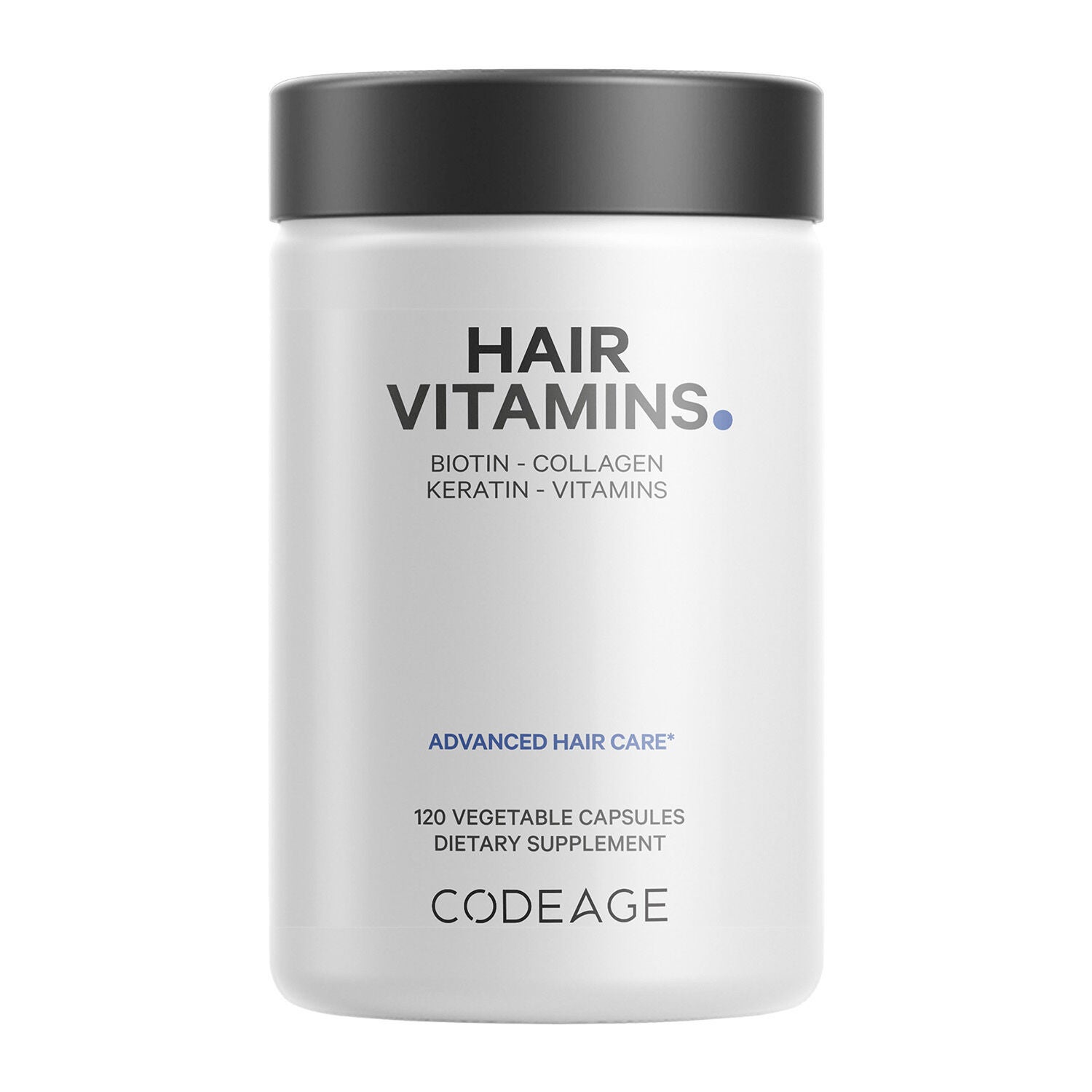


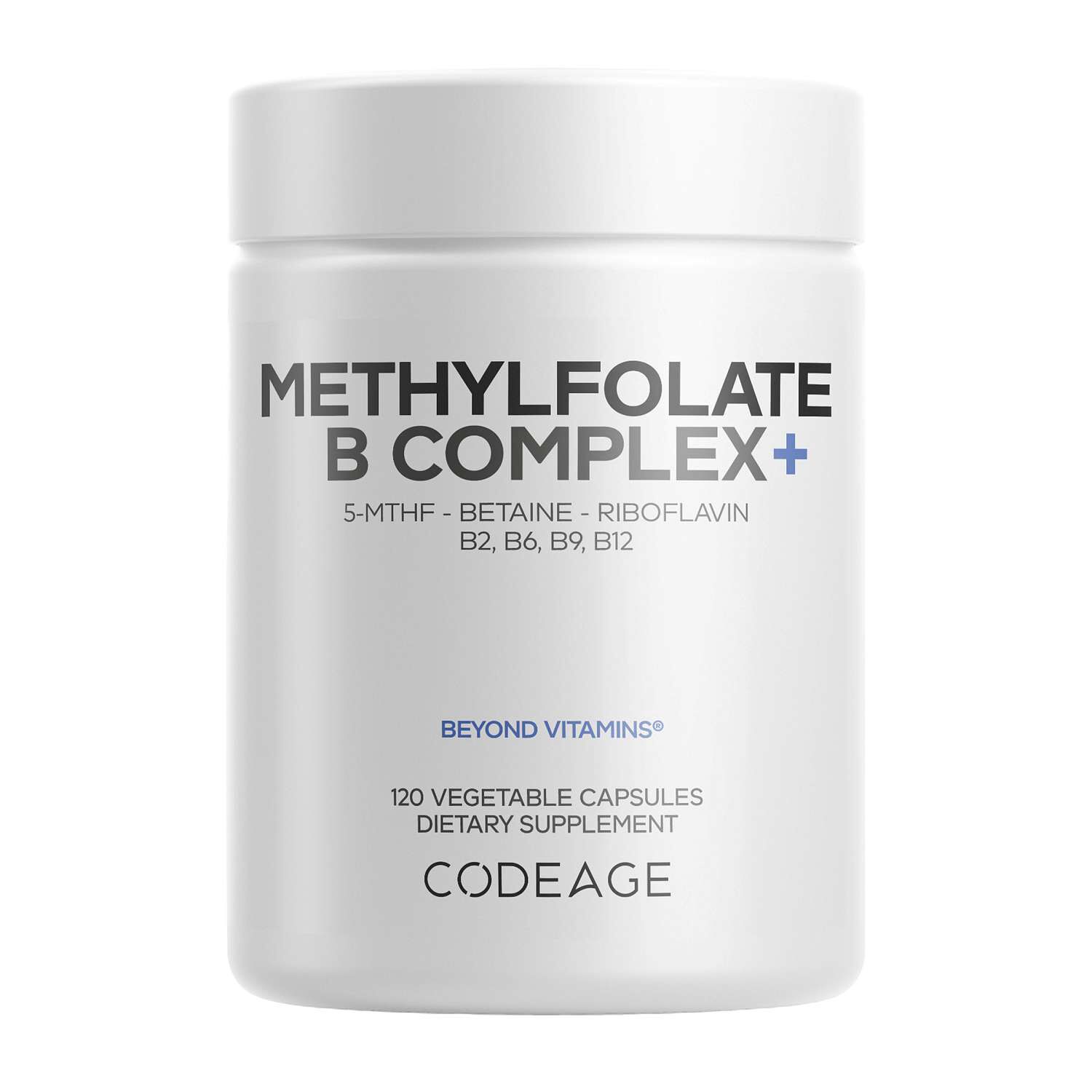
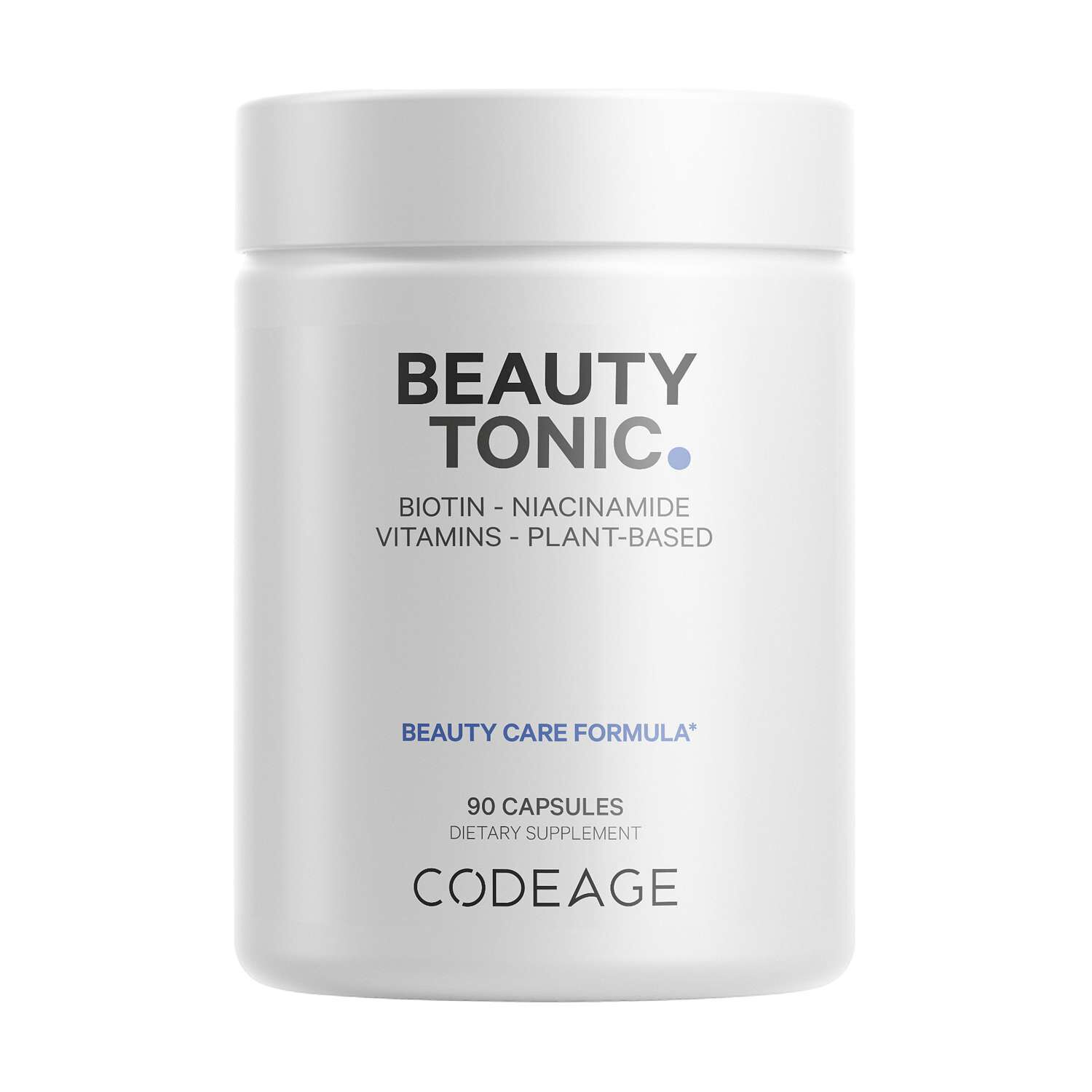
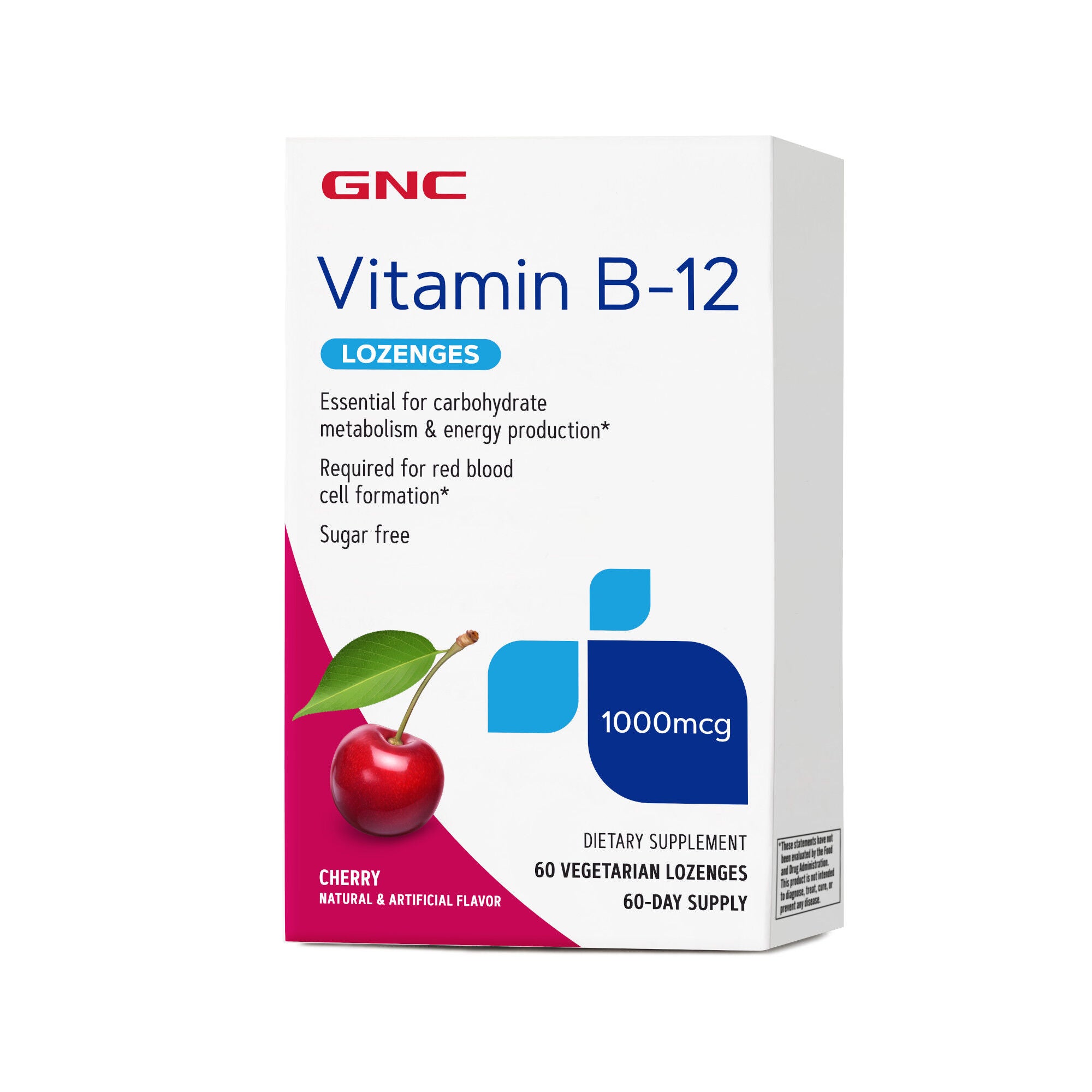
_Front.jpg?sw=305&sh=305&sm=fit "Pure Way-C Vitamin C and Bioflavonoids 1000+ mg - 90 Tablets (90 Servings) | GNC")


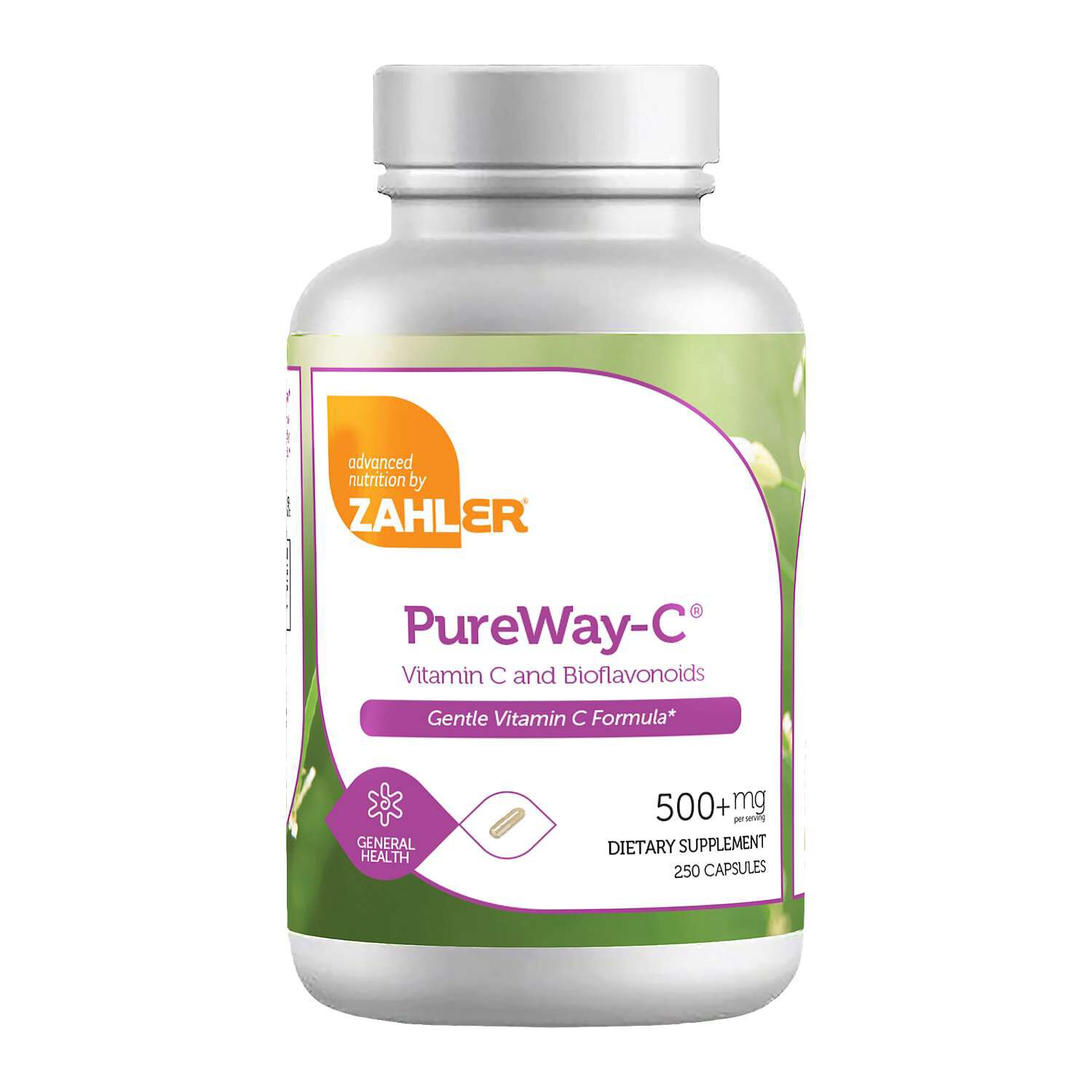


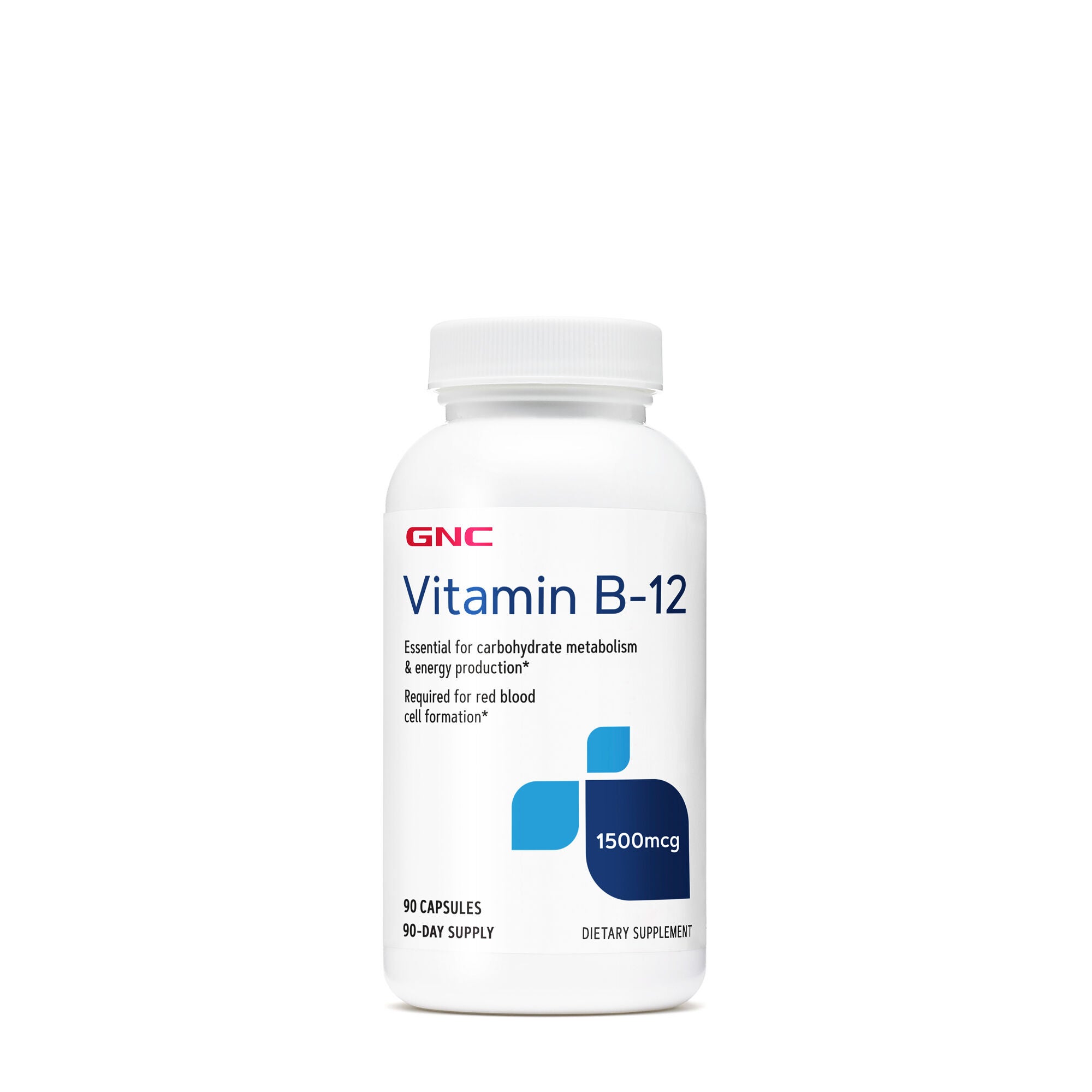


Vitamin C and B12 supplements bring two familiar nutrients into a range of formats, from straightforward capsules and tablets to chewables, gummies, liquids, and drink mixes. Both are water-soluble vitamins, but they are different nutrients with different food sources and label conventions. Vitamin C occurs naturally in foods such as citrus fruit, strawberries, bell peppers, and broccoli. Vitamin B12 is found in animal-derived foods, including fish, meat, eggs, and dairy, as well as certain fortified foods. Supplements offer another source of these nutrients, with options centered on one vitamin or combinations that include several vitamins in a single serving. For shoppers comparing vitamin C and B12 supplements, the distinction between a single-nutrient formula and a broader blend is a useful starting point. A bottle labeled vitamin C may contain just that vitamin alongside the ingredients used to make the tablet or capsule, while a B-complex formula typically contains several B vitamins rather than B12 alone. Some multivitamin formulas include both C and B12, along with other nutrients. The Supplement Facts panel shows the actual contents more clearly than a short description on the front of the package. Vitamin C quantities are generally listed in milligrams, while B12 quantities are generally listed in micrograms; those units are not interchangeable. Serving size matters just as much as the amount printed beside each nutrient. One serving might mean one tablet, two gummies, or a measured portion of liquid or powder. A container’s piece count therefore does not necessarily equal its number of servings. Someone comparing two bottles with similar front labels may find meaningful differences in serving size, nutrient amounts, and supporting ingredients. Those details help distinguish formulas without assuming that a larger number makes one option a better match for every shopper.
Format is often where a supplement fits—or does not fit—into an everyday routine. Capsules and conventional tablets offer a familiar approach with little attention to flavor, although dimensions, coatings, and the number per serving vary. Chewable vitamin C supplements may have a tart citrus taste, while gummies have a softer texture and often contain sweeteners, flavorings, and ingredients such as pectin or gelatin. Those ingredients matter to shoppers who have preferences about texture, added sugar, or animal-derived materials. Liquid B12 supplements commonly come with a dropper or another measuring device, making the marked serving size and package directions important parts of the comparison. Dissolvable tablets and lozenges are distinct formats, too; their intended use should be described on the label rather than inferred from appearance. Powders introduce another set of practical details, including portion measurement, mixing directions, flavor, and the type of container needed for preparation. A shopper who prefers a capsule with no flavored component is looking for a different experience than someone who enjoys a measured drink mix. Neither preference establishes how a formula will perform, but it can shape how well the format suits the person using it. Ingredient names also deserve a closer look. Vitamin C labels may identify ascorbic acid, sodium ascorbate, or calcium ascorbate, while B12 labels may identify cyanocobalamin or methylcobalamin. These names describe the nutrient forms; they do not, by themselves, establish that one finished formula is the right choice for everyone. The rest of the ingredient list provides context about capsule materials, binders, colors, sweeteners, and flavorings. For someone following a plant-based eating pattern, both the nutrient formula and the capsule or gummy ingredients may be relevant. A plant-based preference does not automatically make every gummy or capsule suitable, so explicit dietary labeling is more useful than assumptions based on the vitamin name. Allergen statements and other package details offer additional ways to narrow a selection around personal ingredient preferences.
Comparing vitamin C and B12 together also means distinguishing convenience from sameness. Separate supplements allow shoppers to compare each nutrient’s format and contents independently, while a combination formula places the listed nutrients in a shared serving. That packaging difference does not make the formulas interchangeable. Questions about taking nutrients together, choosing amounts, or arranging a personal schedule require context that a category name cannot provide; the label describes the product, not an individualized routine. When looking across formulas, it helps to keep serving size, units, and the full nutrient list in view rather than comparing only the largest number on each package. Folate may also appear alongside B12 in combination formulas, making B12 Folic Acid Supplements a related category for shoppers exploring that pairing. The same label-reading approach applies there: the named nutrients, their forms, and the amount per serving explain what separates one type of formula from another. Package design and care are practical considerations across all these formats. A bottle intended for a kitchen cabinet presents different handling details from a powder container with a scoop or a liquid bottle with a dropper. Storage instructions, closure design, and the printed expiration date deserve attention, especially when comparing a larger container with a smaller one. Keeping supplements in their original labeled packaging preserves access to directions, ingredient information, and serving measurements. A secure closure and storage according to the package instructions are part of caring for the contents, rather than assuming every format can be handled the same way. For a shared household, clearly labeled containers also make it easier to distinguish one person’s preferred format from another’s. Ultimately, vitamin C and B12 supplements are best compared through tangible details: which nutrients are included, how their amounts are expressed, what constitutes a serving, which ingredients shape the texture or flavor, and how the package fits the intended use. Those specifics create a more useful picture than broad front-label language alone.