





Vitamin C Multivitamins
(0 Results)
Boost your immune system and support overall health with our Vitamin C Multivitamins. Packed with essential nutrients and antioxidants, these supplements are designed to help you feel your best every day. Whether you're looking to fight off seasonal illnesses or simply maintain optimal wellness, our Vitamin C Multivitamins are a convenient and effective way to ensure you're getting all of your daily essentials. Discover how these powerful supplements can make a difference in your health routine.
-

-

-

-
-

-

-
-
-
 Swolverine$22.99
 -
-
-
-
-

-
-

-
 Purity Products$19.99
 -

-

_Front.jpg?sw=305&sh=305&sm=fit "Pure Way-C Vitamin C and Bioflavonoids 1000+ mg - 90 Tablets (90 Servings) | GNC")

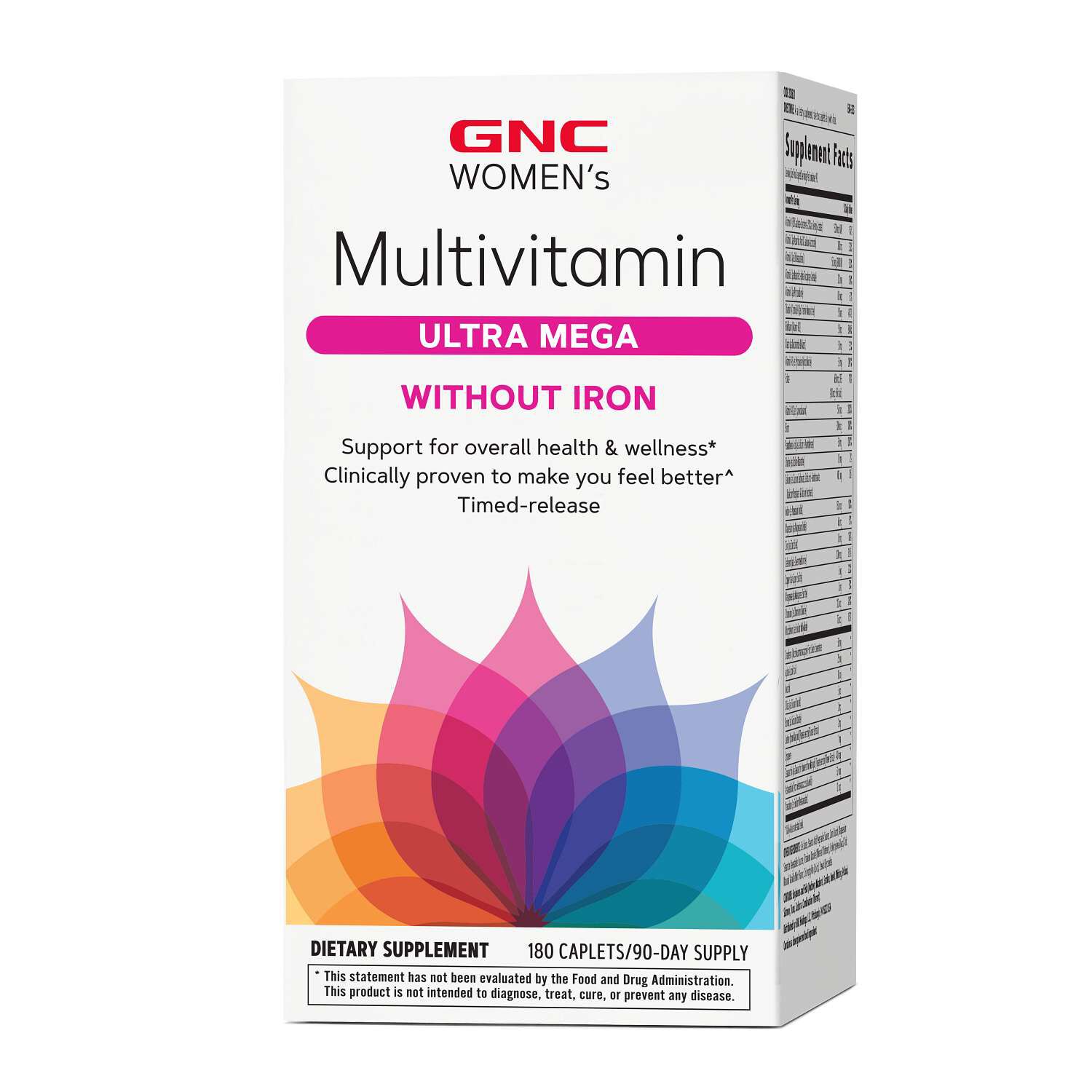
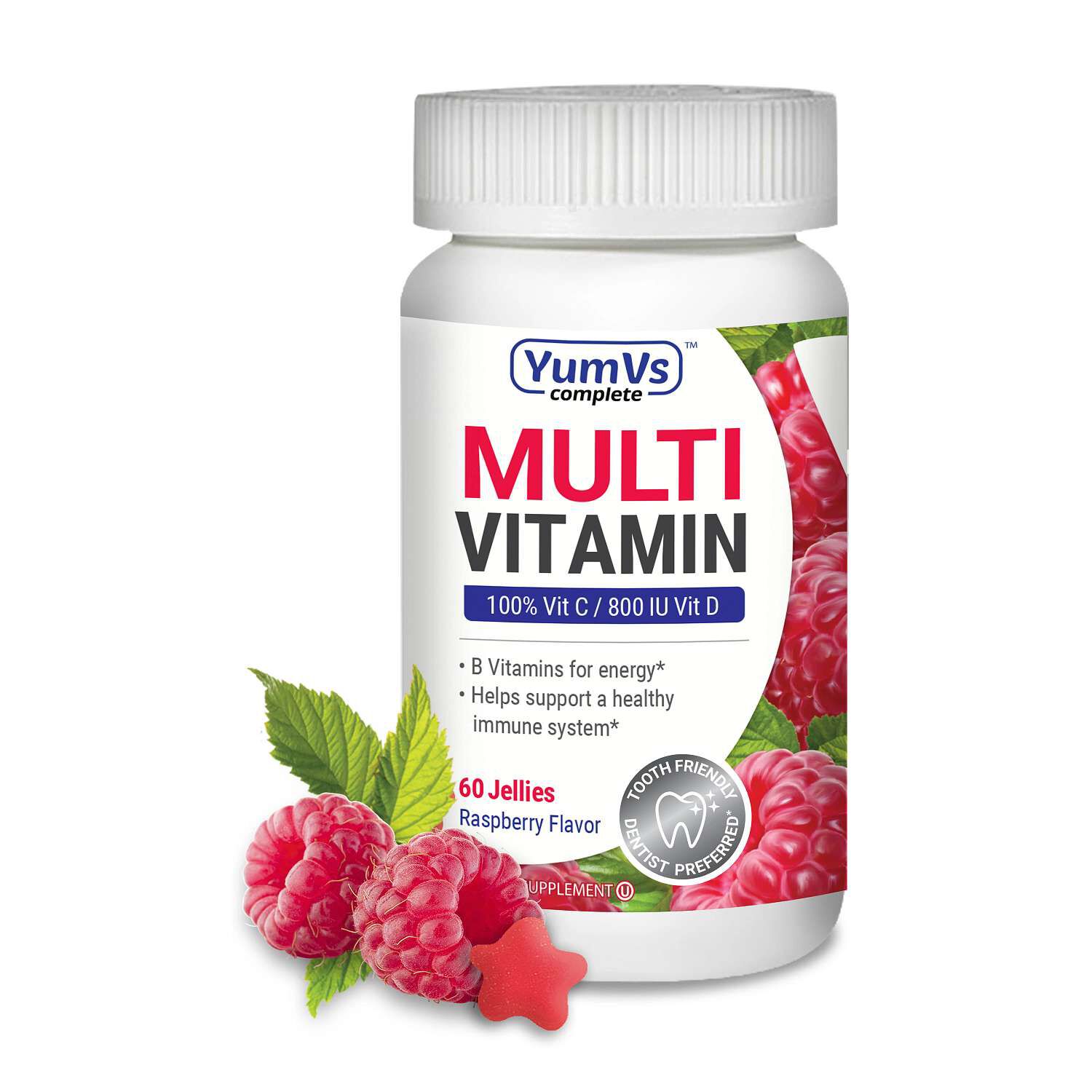
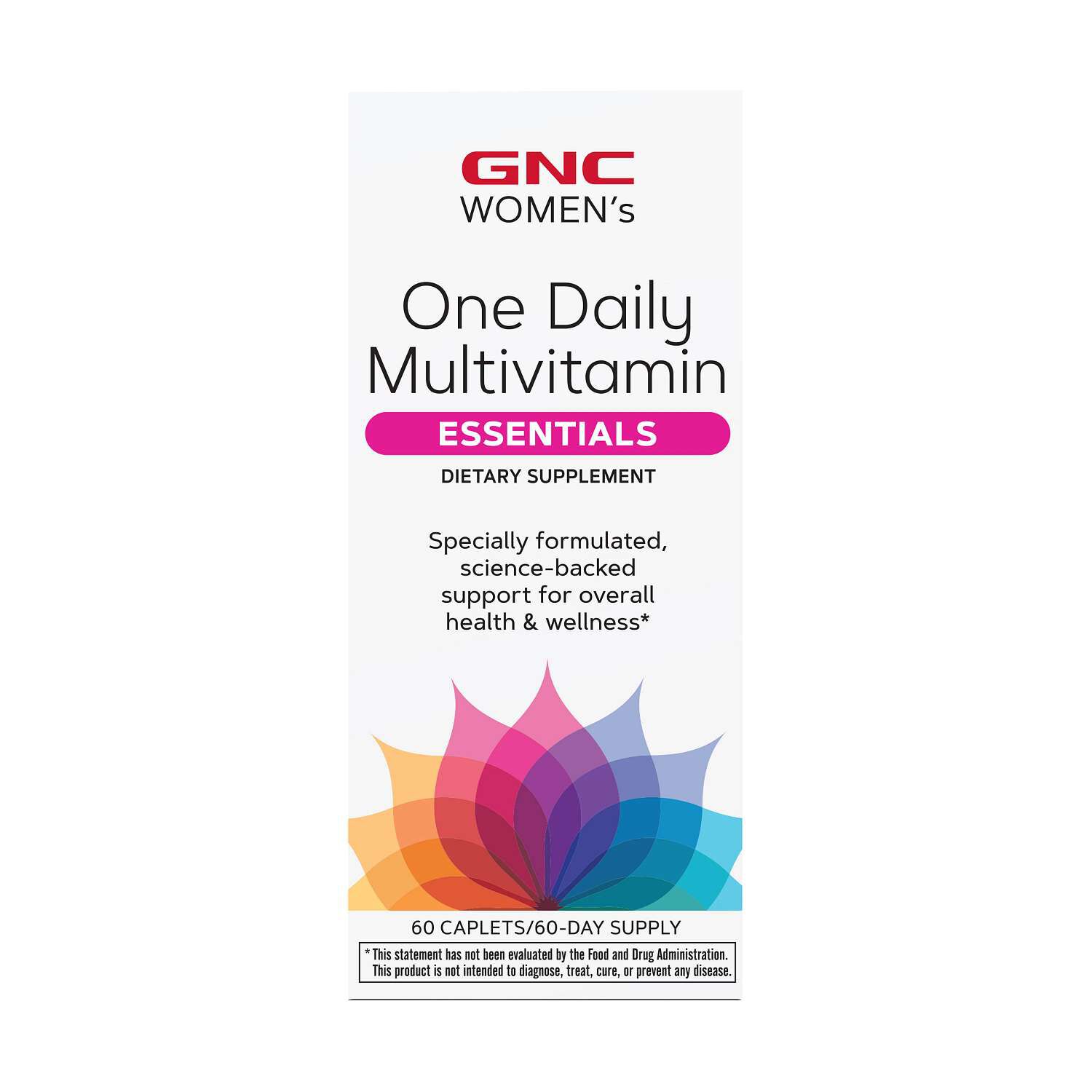
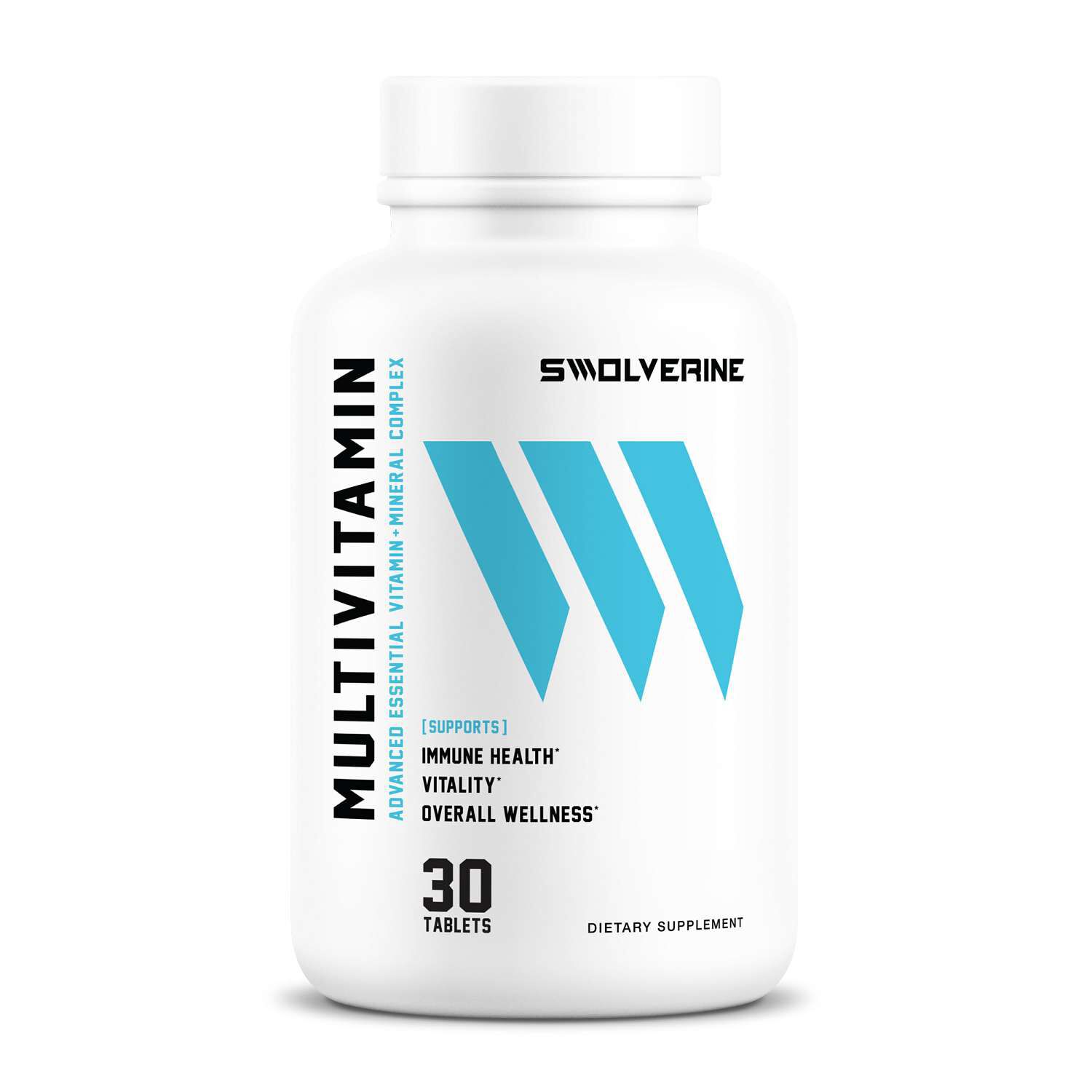
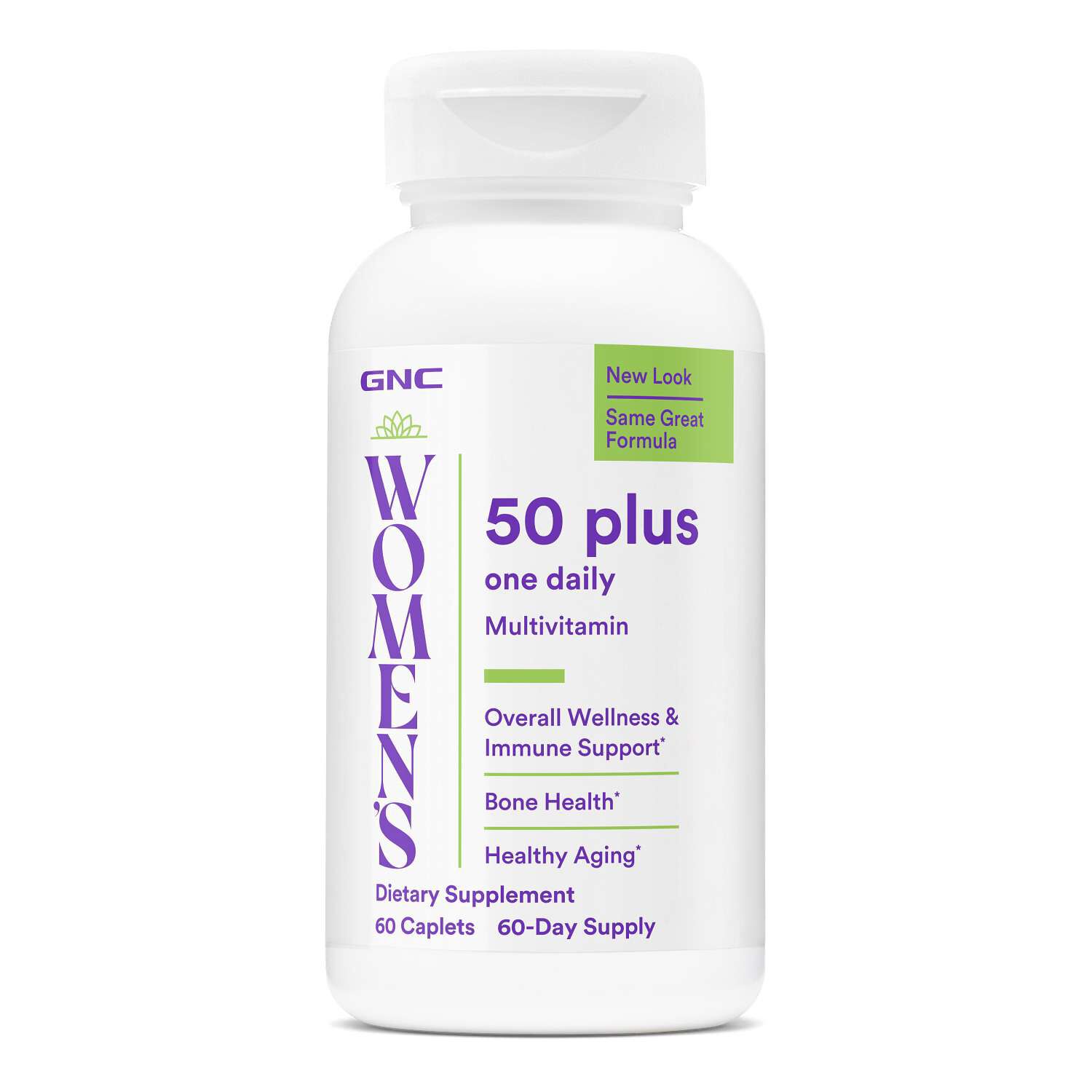
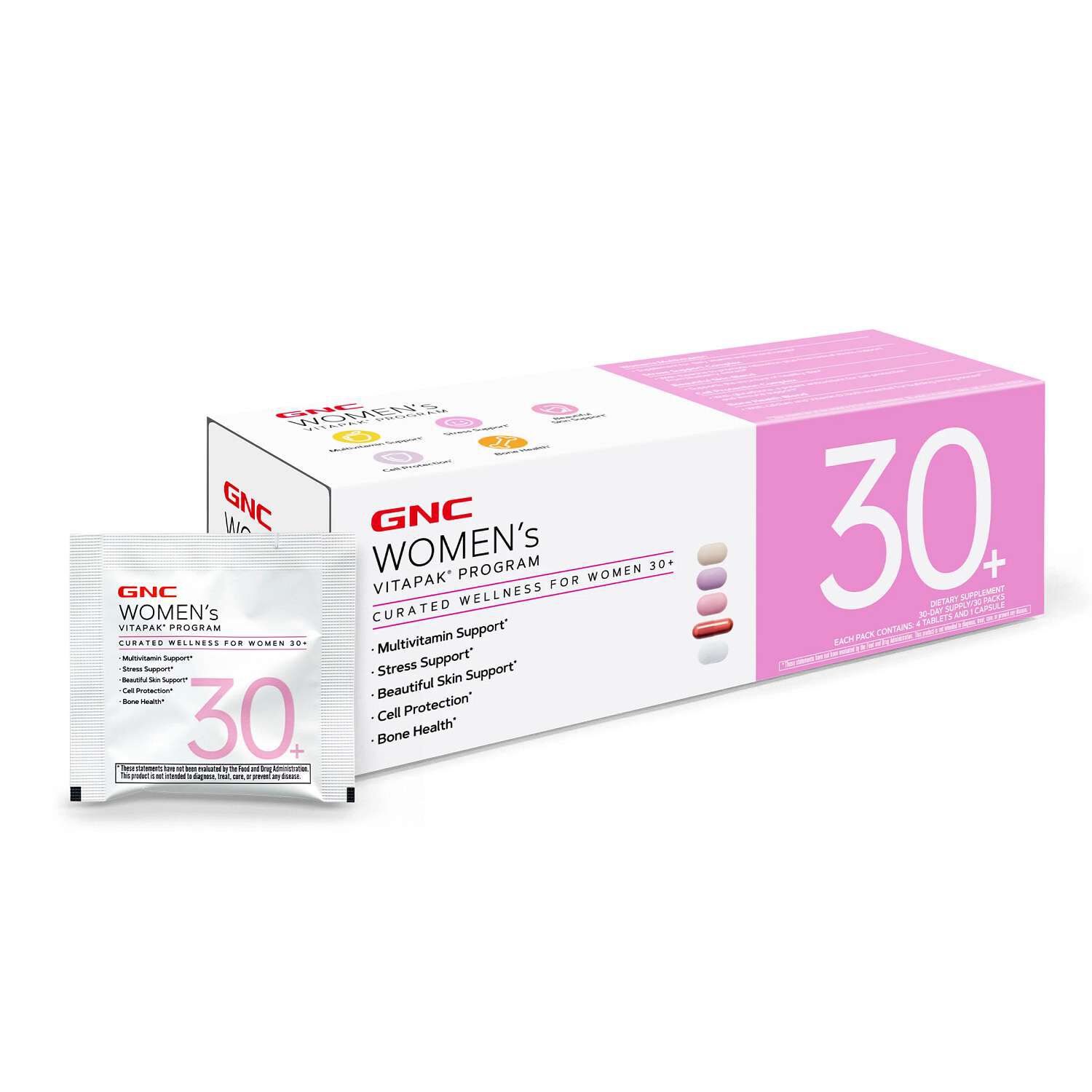
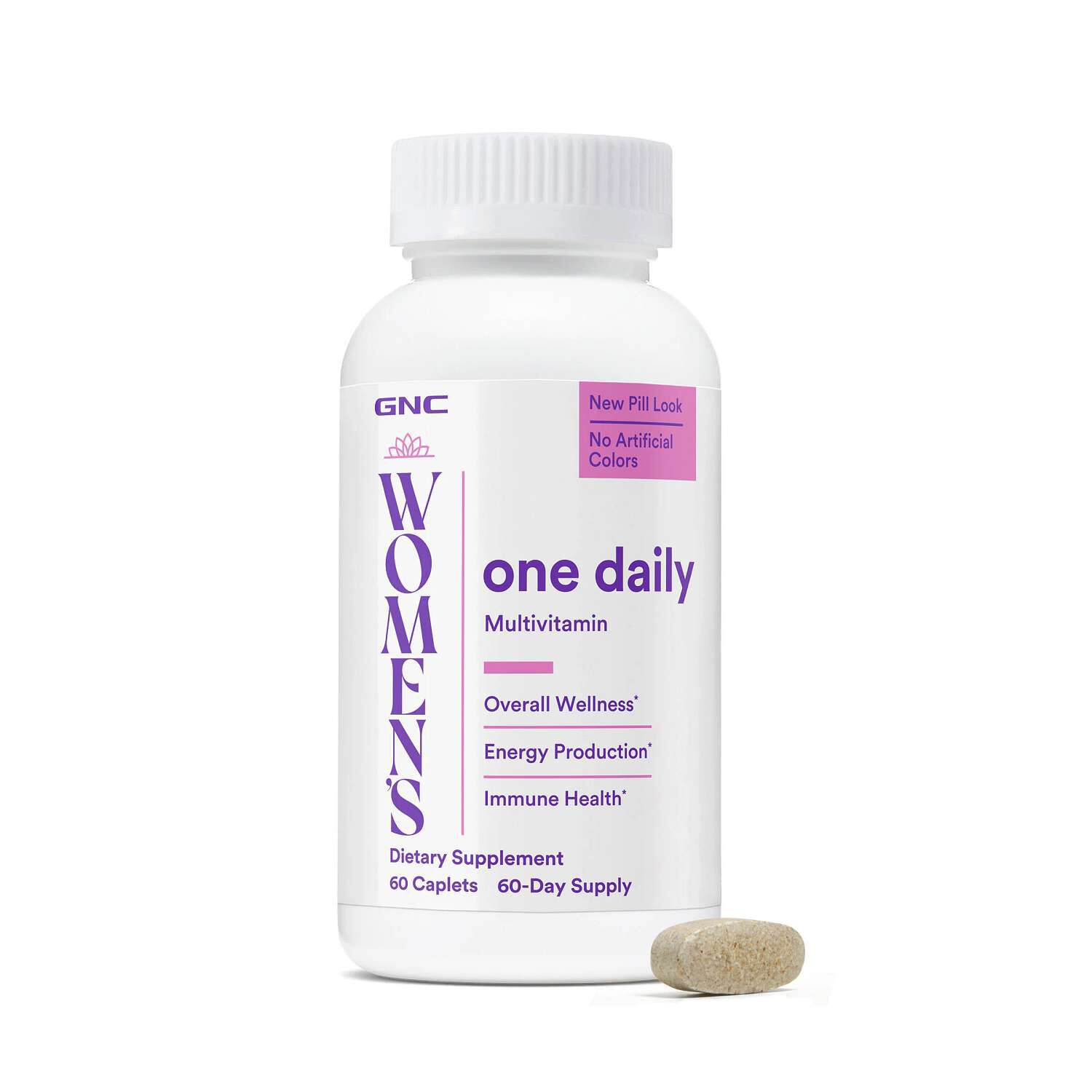
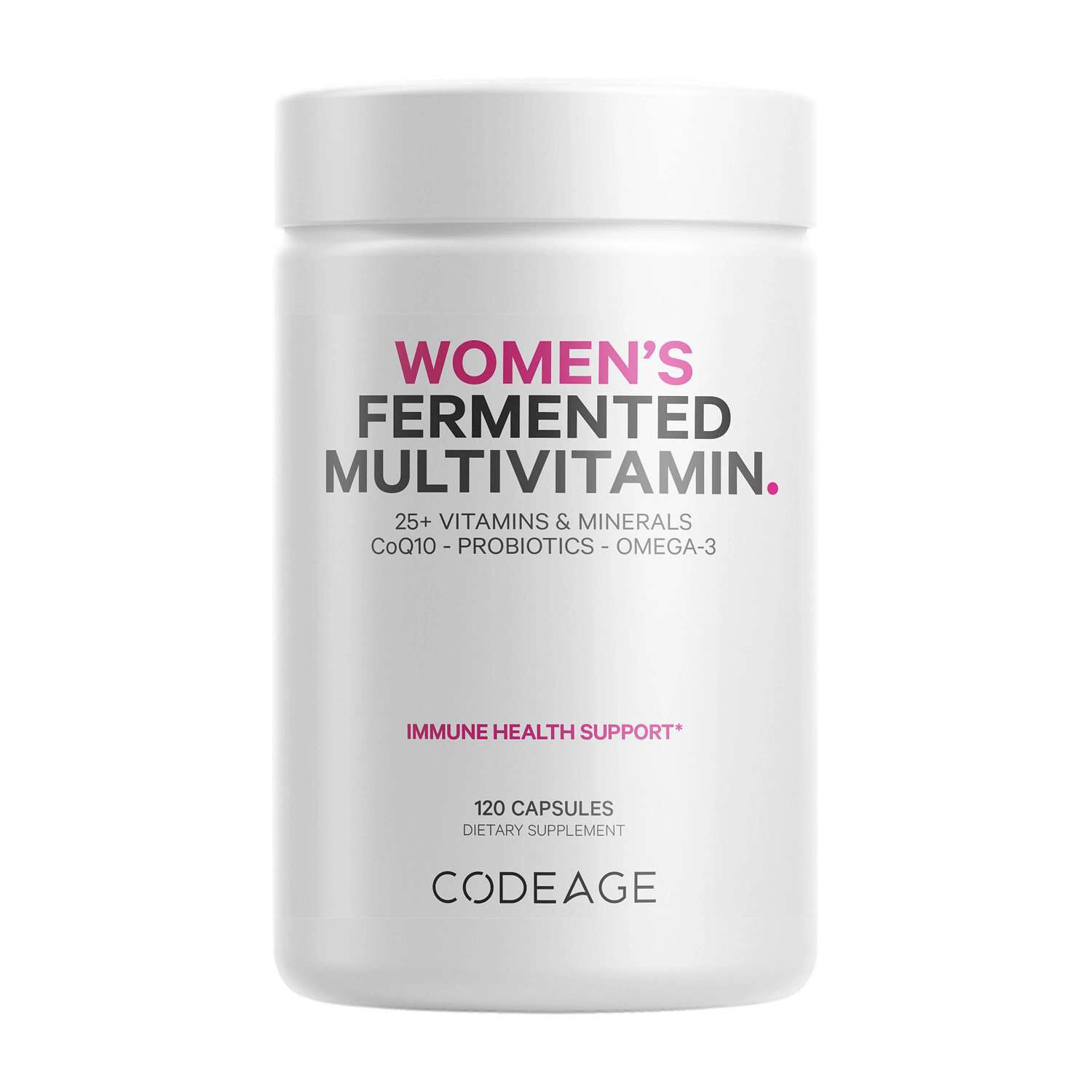
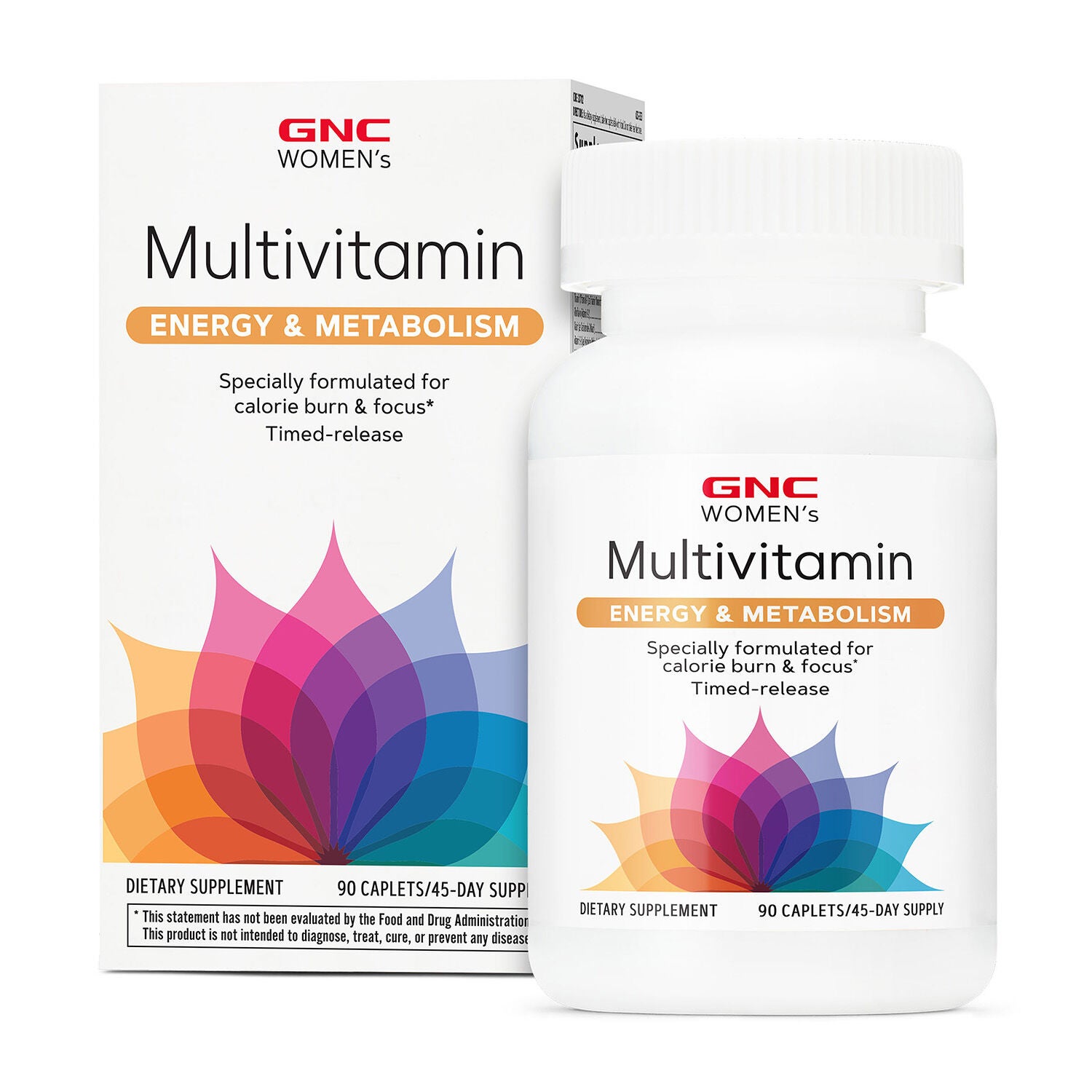
Vitamin C multivitamins combine vitamin C with a selection of other vitamins and, in many formulas, minerals in a single supplement. Unlike a standalone vitamin C supplement, a multivitamin brings several nutrients together, so the full ingredient profile matters as much as the vitamin C content. Common companion nutrients include vitamins A, D, E, and several B vitamins, while mineral blends may include zinc, iodine, selenium, or magnesium. The exact combination varies by formula and intended audience. Vitamin C may appear on the label as ascorbic acid, sodium ascorbate, calcium ascorbate, or another identified source; the Supplement Facts panel shows the amount of vitamin C supplied per serving. That distinction is useful because a serving is not always one tablet, capsule, or gummy. A bottle containing sixty gummies, for example, does not necessarily represent sixty servings. The serving size, servings per container, and amount per serving together provide a clearer picture of how two formulas compare. Percent Daily Value offers another reference point for reading the nutrient profile, though a larger percentage does not by itself establish a better fit. Vitamin C is a water-soluble vitamin found in foods such as citrus fruit, strawberries, bell peppers, and broccoli. A multivitamin containing it may complement a varied eating pattern, but it is not a substitute for the range of foods that make up everyday meals. For shoppers comparing vitamin C multivitamins, the category is best understood as a combination of nutrient composition and practical format rather than vitamin C alone. Two bottles with similar wording on the front can differ in their accompanying minerals, serving sizes, ingredient sources, and directions. Reading those details side by side makes the differences more concrete, whether the preference is for a straightforward vitamin-and-mineral blend or a formula developed for a particular adult audience.
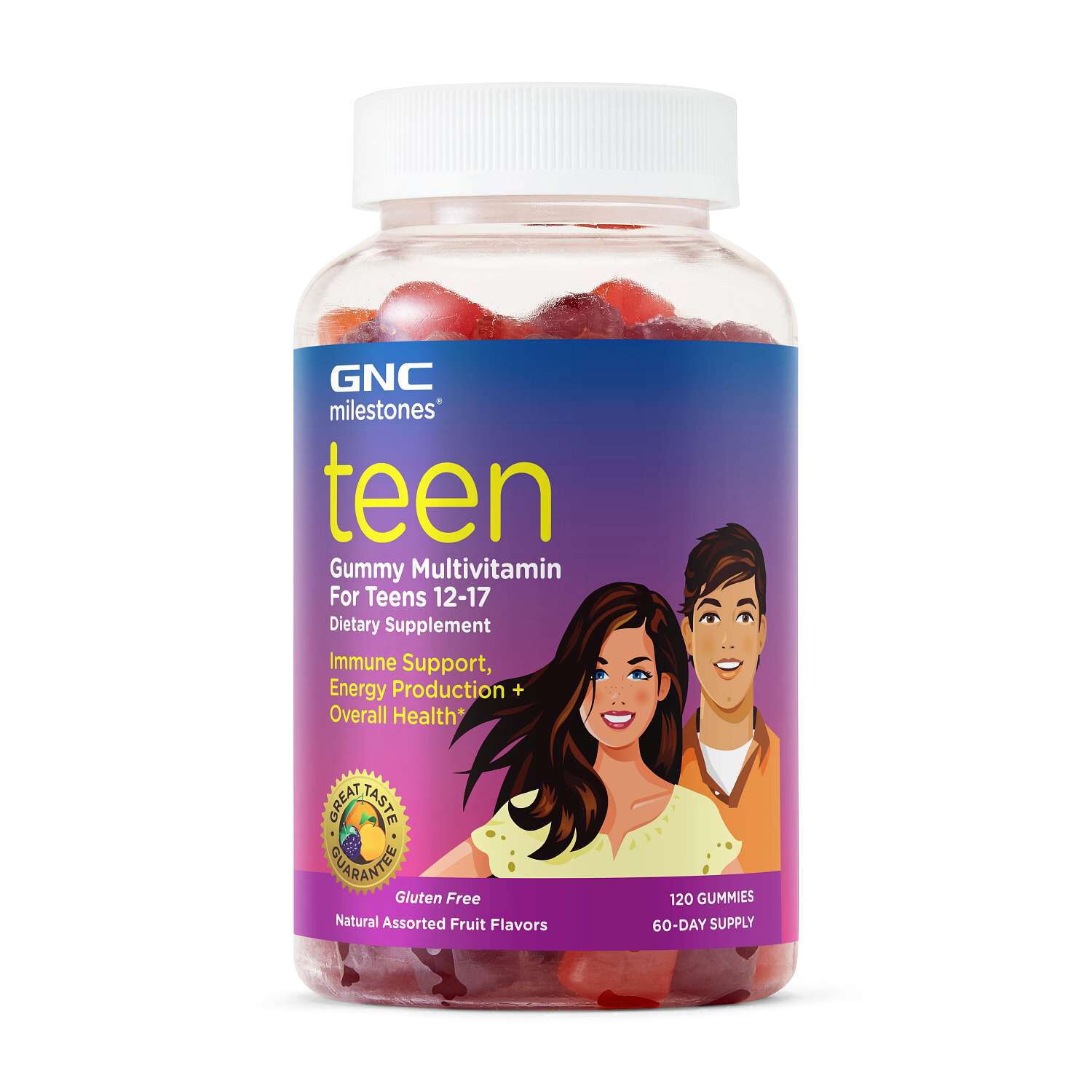
Tablets, capsules, gummies, and chewables offer different ways to incorporate a vitamin C multivitamin into an established routine. Tablets are compressed forms that may have a coating, while capsules enclose ingredients in a shell made from gelatin or a plant-derived material. Their dimensions and serving counts can vary, making the physical format worth considering alongside the nutrient panel. Someone who prefers swallowing a capsule may look closely at capsule size and shell ingredients; someone who prefers a chewable format may place more weight on flavor, texture, and the number of pieces in a serving. Gummies typically use ingredients such as pectin or gelatin to create their texture and may also contain sweeteners, colors, and flavorings. Chewable tablets have a different bite and mouthfeel, often with fruit flavors that distinguish them from swallowed tablets. These are meaningful everyday differences, not just packaging details. A gummy with a familiar citrus flavor and a capsule with no intended chewing experience serve different preferences, even when both contain vitamin C. The Other Ingredients section helps explain those differences by listing components beyond the vitamins and minerals, including capsule materials, coatings, binders, and flavor ingredients. For shoppers following a vegetarian or vegan eating pattern, the stated dietary designation and ingredient sources are relevant considerations. Gelatin, for example, is animal-derived, while pectin is plant-derived; the presence of pectin alone does not establish that every ingredient in a formula is vegan. Allergen statements and information about shared manufacturing equipment also warrant attention when comparing dietary preferences. Added sugar, sugar alcohols, and serving size can further distinguish one chewable option from another. A pleasant format is only one part of the selection: the nutrient amounts, directions, and intended audience still define the product. When comparing formats, using the labeled serving rather than a single piece keeps the comparison consistent and avoids mistaking a smaller tablet or gummy for an equivalent serving.
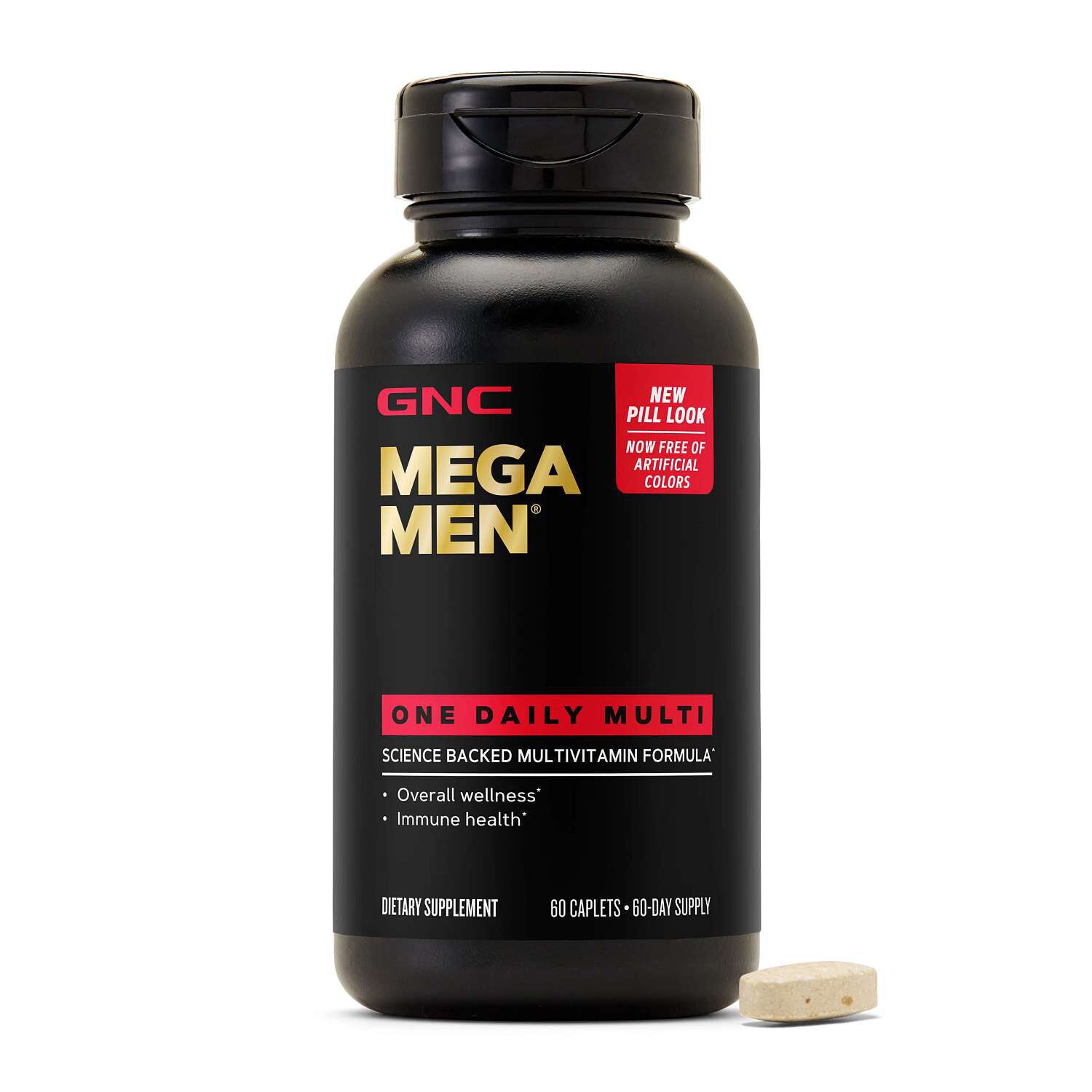
The intended user is another important distinction within multivitamins with vitamin C. Adult formulas may be labeled for men, women, or particular age groups, with different nutrient selections and amounts rather than merely different bottle designs. Iron content is one example of a detail that can vary, and calcium, vitamin D, and B-vitamin amounts may differ as well. A label directed toward one audience does not make every formula in that group interchangeable. Shoppers interested in a men's formula that includes both vitamins can compare Men's Multivitamins With Vitamin C and E, while keeping the full nutrient panel and serving format in view. Across adult categories, a practical match depends on more than the highlighted nutrient. For a person who travels frequently, the original container's closure, label readability, and portability may matter; for someone with a settled at-home routine, bottle opening and serving count may be more noticeable day to day. A compact bottle can still contain a serving of several capsules, while a larger container may reflect the size and texture of gummies rather than a greater number of servings. Packaging also plays a role in care and handling. The printed storage directions, expiration date, and condition of the container provide product-specific information that the front label cannot convey. Keeping the label with the supplement preserves access to its directions, ingredient list, and serving details, and a securely closed container may help limit exposure to moisture. Storage should remain out of children's reach, including when the format resembles fruit candy. Supplements are also personal purchases, so a gift recipient's stated preferences are more useful than assumptions about which nutrients they might want. Whether choosing for personal use or honoring a specific request, the strongest comparison starts with the same tangible details: who the formula is intended for, what each serving contains, how that serving is taken, and which ingredients shape its texture or dietary suitability. Those details distinguish vitamin C multivitamins far more clearly than a prominent nutrient name alone, making the category easier to navigate without treating every formula as the same product.
Best Sellers
Related Pages


Top Collections
- Daily Collagen Supplements | Top Brands & Deals | GNC
- Cortisol Supplements
- Top Rated Collagen | Shop Customer Favorites | GNC
- Vitamins For Hair Loss
- NAD+ Supplement Tablets
- Peptide Supplements
- Best Brand of Magnesium Glycinate
- Protein Powders For Muscle Growth Support
- Vitamins That Help Support Weight Gain
- Peptide Supplements for Muscle Growth