




Vitamin C Gummies For Children's Sensitive Diets
(0 Results)
Vitamin C gummies for children's sensitive diets offer a convenient and tasty option that may fit easily into daily routines. Designed with little ones in mind, these gummies are crafted to support families seeking gentle alternatives. With a variety of options available, finding vitamin C gummies for children's sensitive diets could be a simple way to add extra nutrients to your child’s day. Explore choices that may align with your family's unique needs and preferences.
-

-

-

-
 $11.99
 -
 $13.99
 -

-
-
 1$24.99
 -

-
 $14.99
 -
 $15.99

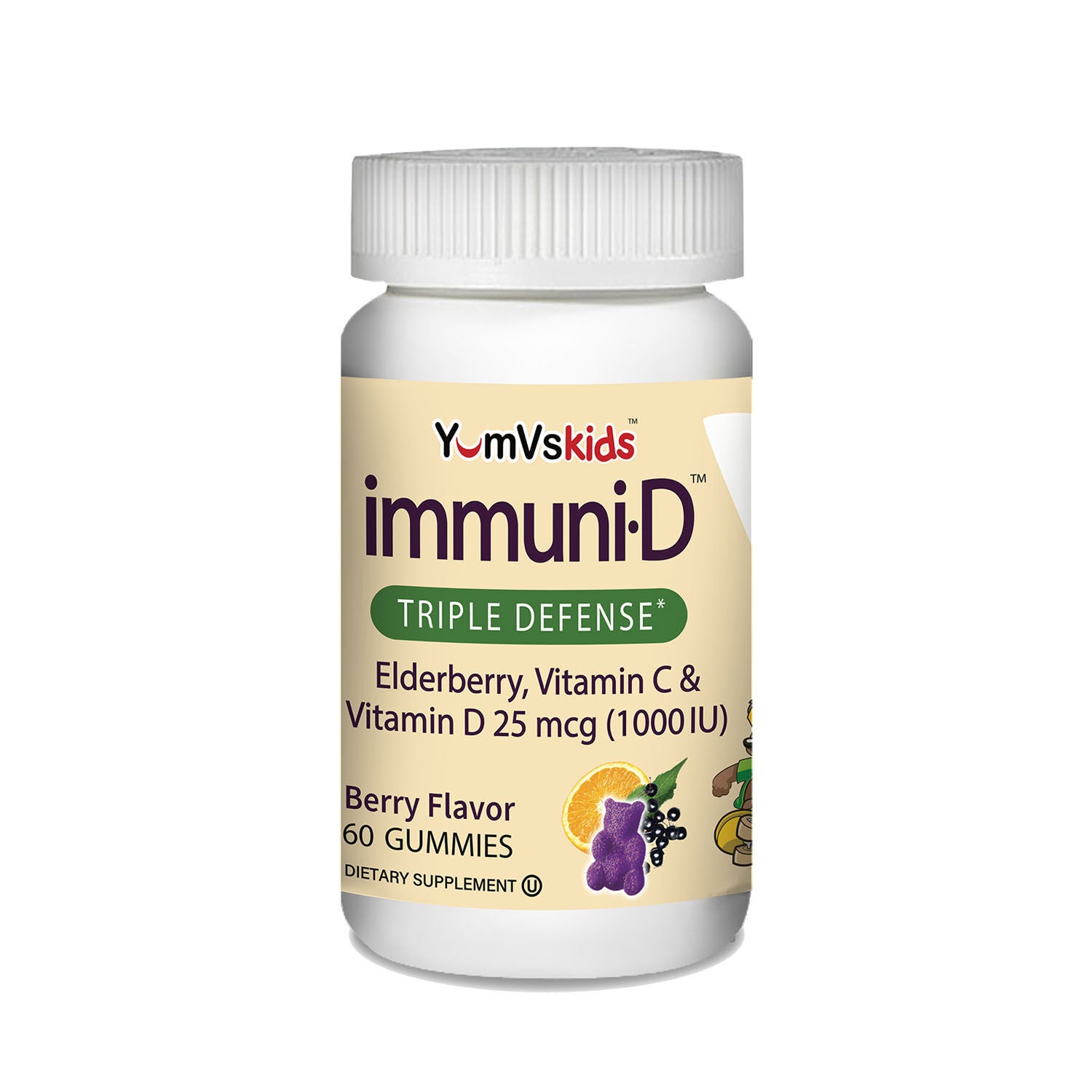
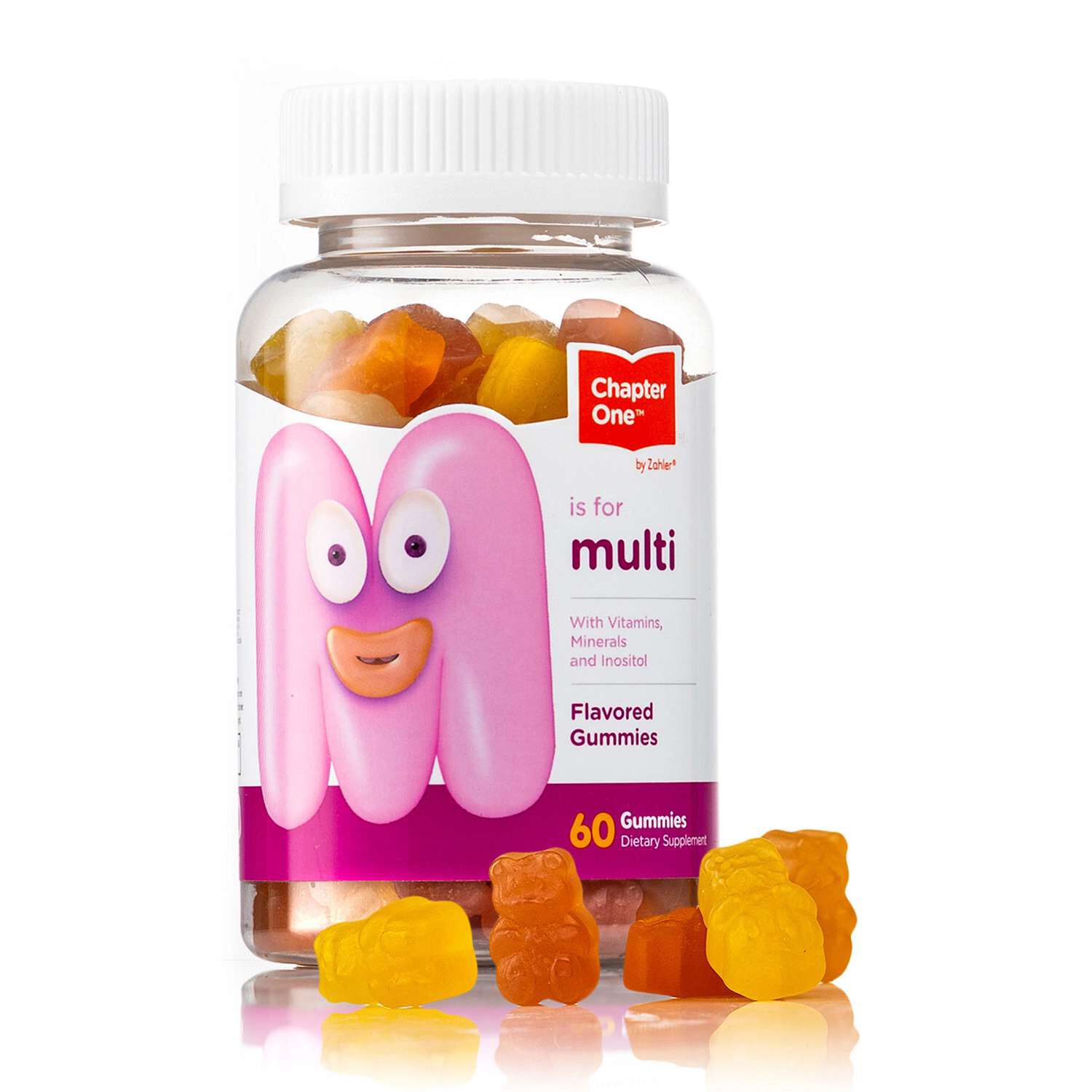
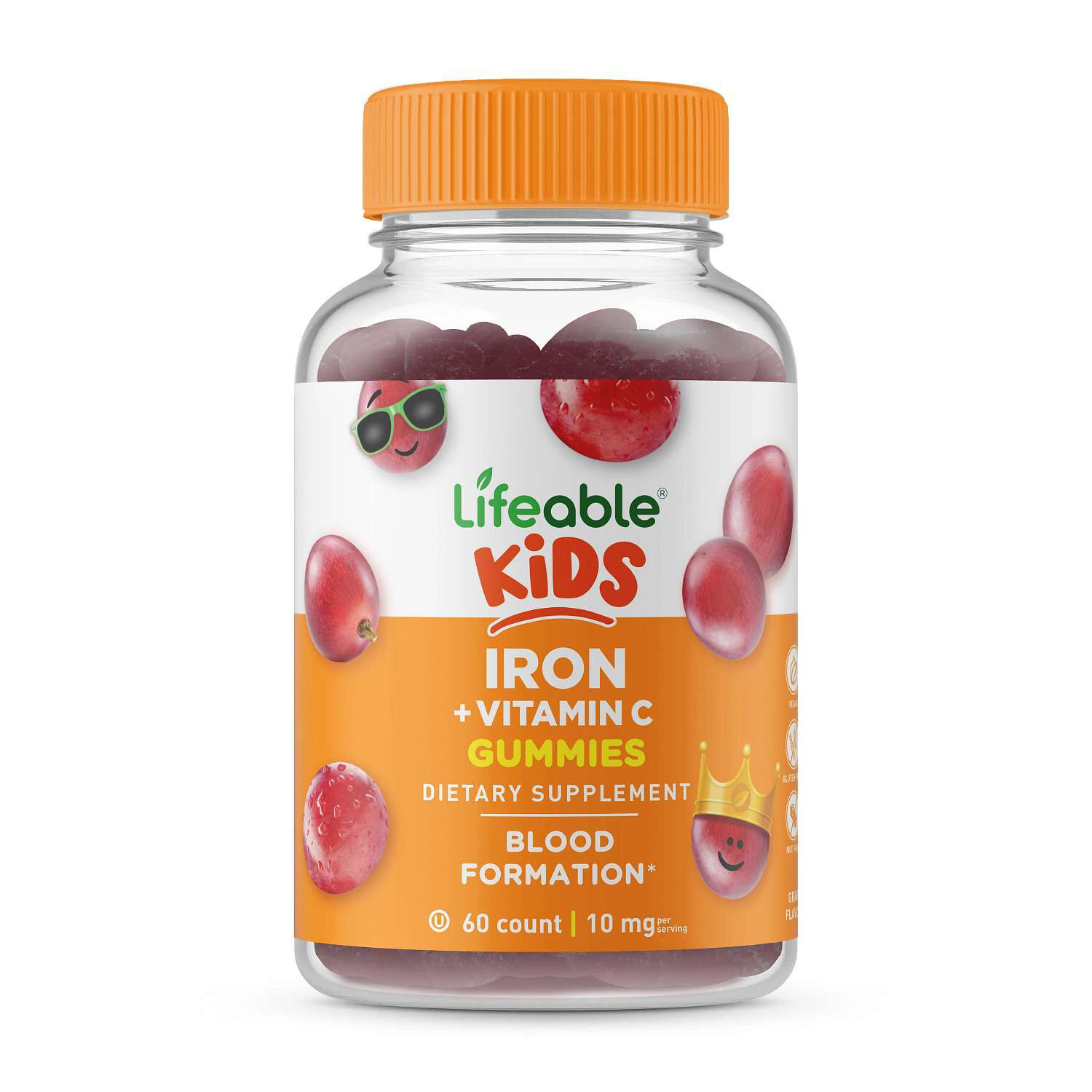
Vitamin C gummies for children with sensitive diets may offer a convenient way to include a familiar supplement format in a carefully planned daily routine. Families often look for these products when a child follows a restricted eating pattern, avoids certain ingredients, has strong texture preferences, or simply does better with a small, chewable option than with tablets or liquids. When comparing choices, start with the label rather than the front of the package. Look for the intended age range, serving size, vitamin C amount per serving, and directions for use. Ingredient lists may also help shoppers narrow the selection based on household preferences, including formulas made with fruit pectin instead of gelatin, plant-based ingredients, or recipes made without gluten, dairy, peanuts, tree nuts, high-fructose corn syrup, artificial sweeteners, or synthetic color additives. Because formulas differ, “made without” should always be confirmed on the package, especially when a child follows a medically advised eating plan or avoids a particular ingredient. A pectin gummy may have a softer, fruitier texture, while another option may have a firmer chew, so texture can matter as much as flavor for children who are selective about food. Some families keep the container beside breakfast supplies, while others place it with an after-school routine, creating a simple visual cue without turning the moment into a negotiation. Vitamin C itself is a nutrient found in foods such as citrus fruit, strawberries, kiwi, tomatoes, and bell peppers, and a gummy may suit families who want another way to include it in a child-focused routine. Its effects may vary from child to child, and a supplement is not a replacement for a varied eating pattern or guidance tailored to an individual child.
For households comparing vitamin C gummies for children, sweetness and serving details deserve close attention. Gummies can resemble candy, so caregivers may want to store them in a location that children cannot access on their own and follow the package directions rather than treating them as an open-ended snack. A quick label check can cover the amount of added sugar, the type of sweetener, flavor sources, color additives, and whether the formula includes other nutrients such as zinc or vitamin D3. Those added nutrients may appeal to families seeking a broader daily supplement format, although more ingredients do not automatically make one choice a better match. For children with food sensitivities, reading the allergen statement and manufacturing information can be particularly helpful, since ingredient standards and facility practices vary by brand and product. Caregivers may also want to compare the number of gummies in a serving, because smaller pieces can be easier for some children to manage while other children prefer one larger chew. The best fit may be the option that aligns with the child’s age, eating pattern, flavor preferences, and the household’s ingredient priorities. A child who turns away from sour flavors may respond better to a berry-style gummy, while a child who dislikes sticky textures may prefer a different format altogether. During the warmer season and into cooler months, gummies can travel in a lunch bag or overnight bag, but exposure to heat may affect texture, so storage directions are worth following. Families exploring related options may also browse Vitamin C Gummies for Kids With Immune Challenges when looking for additional product choices organized around children’s nutritional routines.
Vitamin C gummies may also make a thoughtful addition to a care package for a child who is adjusting to a new eating pattern, starting school, visiting relatives, or spending time away from home. They can be paired with practical items such as a colorful water bottle, a small lunch container, or a note reminding the child to follow the serving directions with a caregiver. For families giving supplements as a gift, it is considerate to confirm the child’s age range, ingredient restrictions, preferred flavors, and household rules before purchasing; a cheerful package is less useful when its formula does not fit the recipient’s routine. Shoppers may find it helpful to compare several labels side by side, noting whether vitamin C appears as ascorbic acid or another listed form, whether the gummy uses pectin or gelatin, and whether added ingredients suit the family’s preferences. A product made without common dietary concerns may be appealing, but no single formula suits every child, and packaging details can change over time. Caregivers should review the current label, use the product only as directed, and discuss supplement choices with the child’s healthcare professional when the child has a diagnosed condition, follows a medically supervised diet, or takes other supplements. With those details in mind, vitamin C gummies can fit into a calm, consistent routine built around the child’s needs, familiar flavors, and the family’s approach to everyday nutrition.


 Chewable Tablets_Front.jpg?sw=305&sh=305&sm=fit "ChildCalm - 60 Chewable Tablets (30 Servings) | GNC")
