





Vitamin C Gummies For Kids With Immune Challenges
(0 Results)
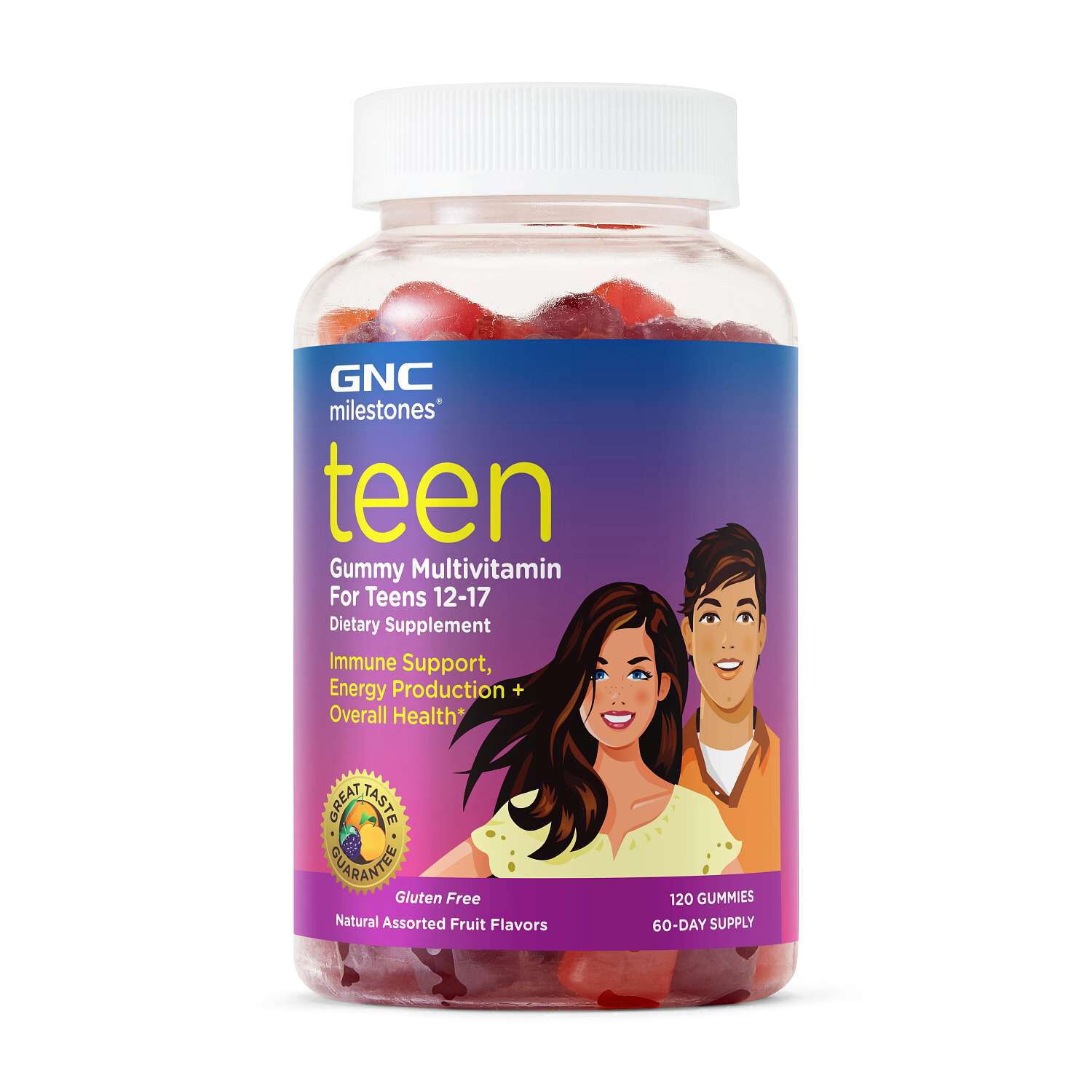
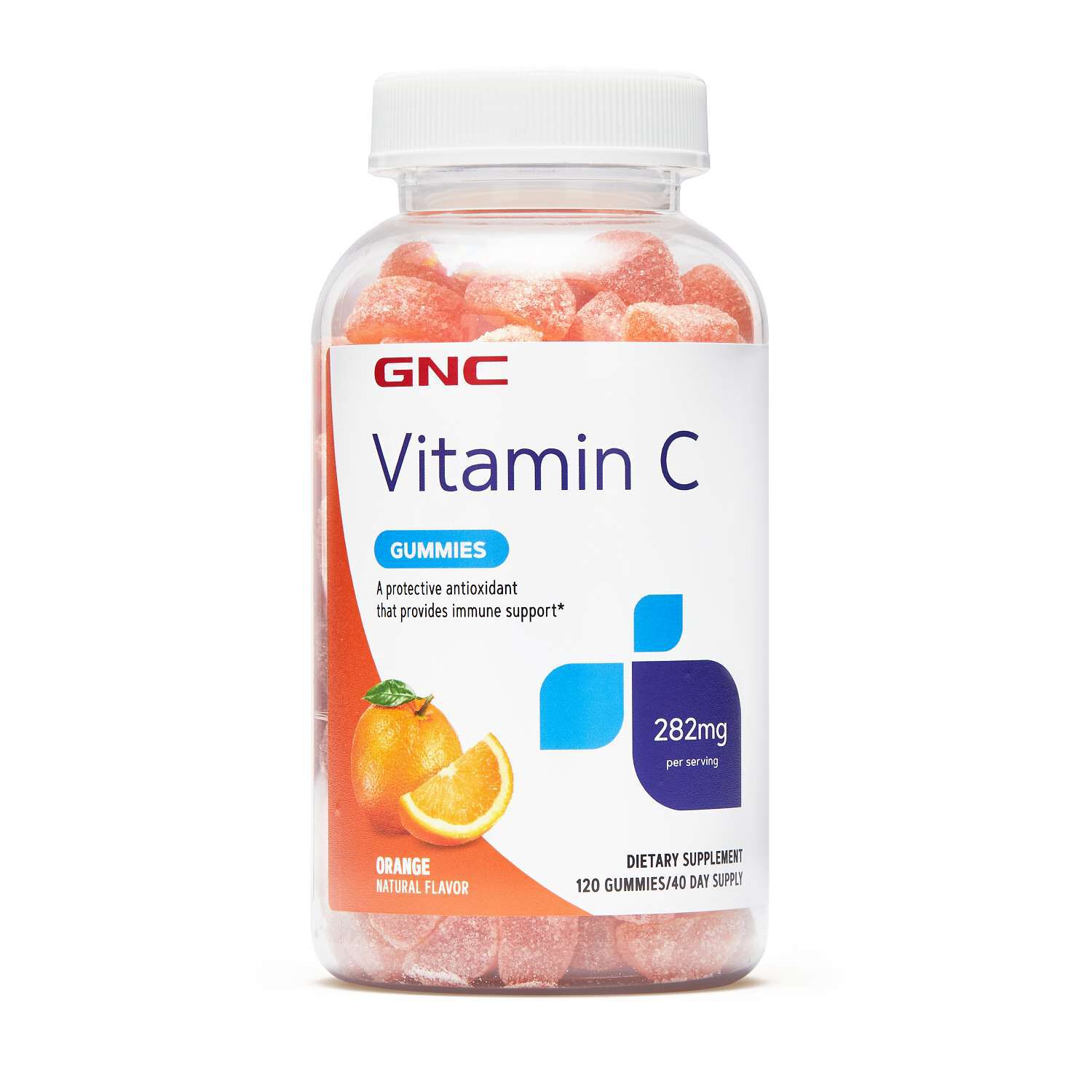
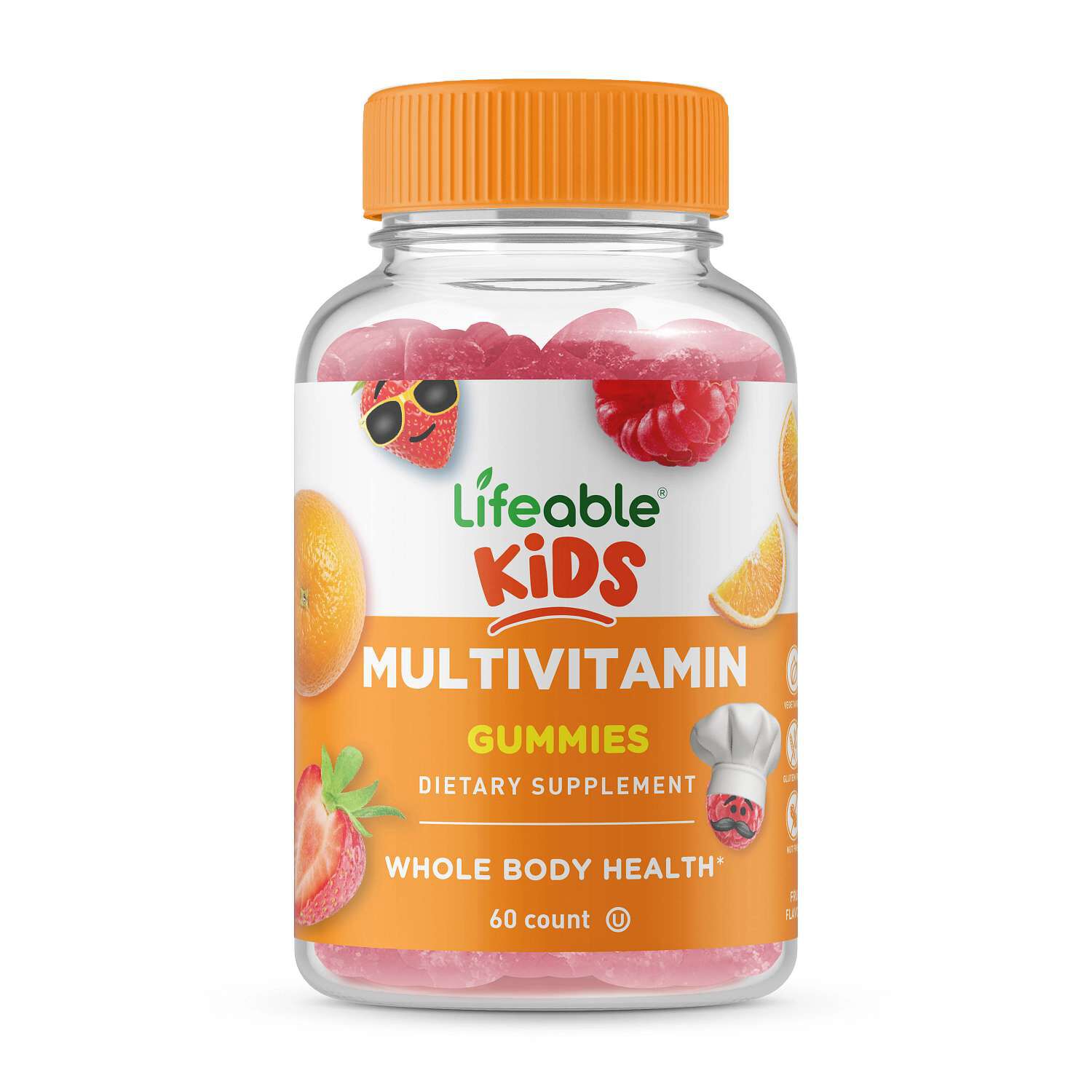
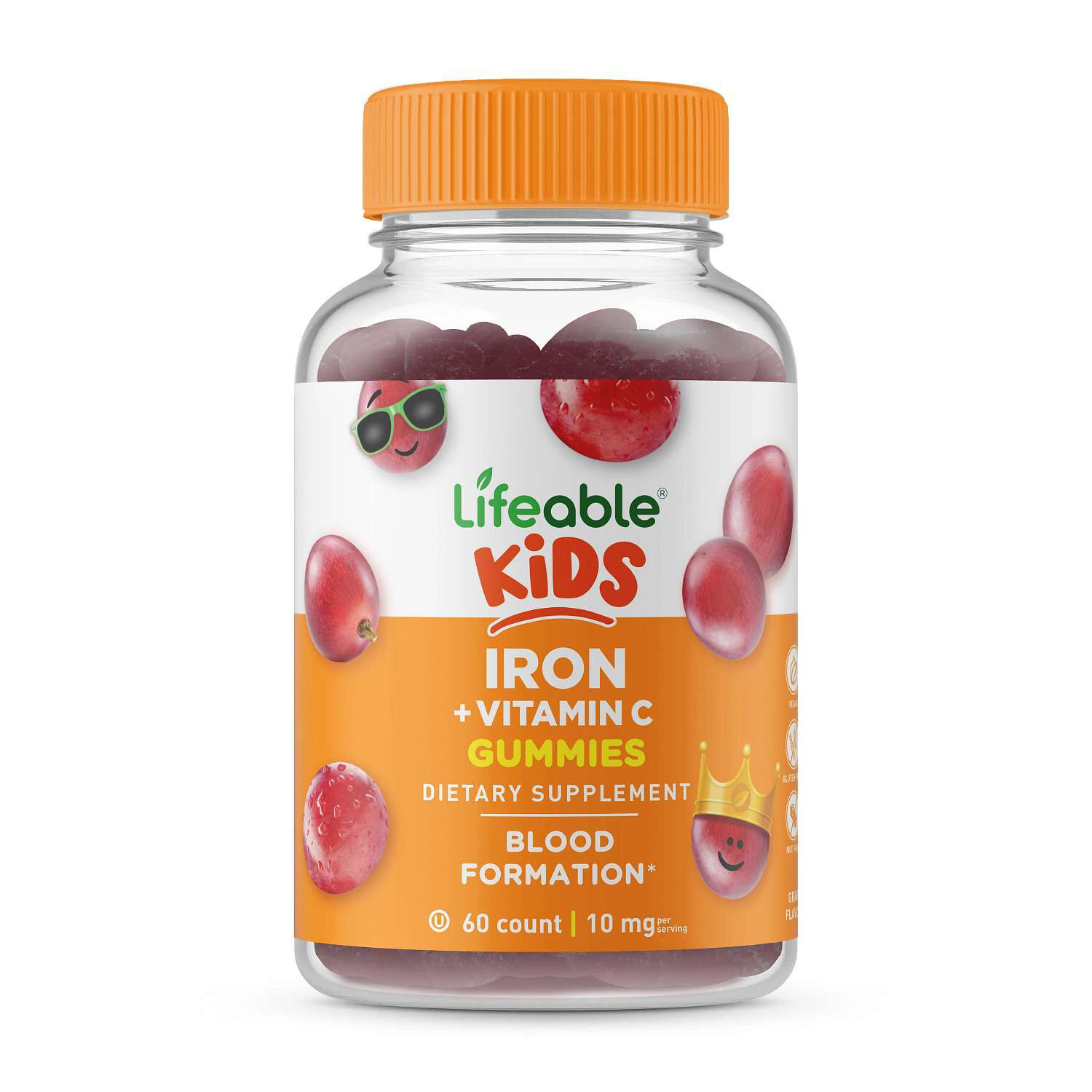
Vitamin C gummies for kids with immune challenges offer a convenient and tasty way to help support your child’s wellness routine. These chewable supplements may fit easily into busy schedules and could be an appealing option for children who prefer not to swallow pills. With a variety of flavors and formulations available, vitamin C gummies for kids with immune challenges might make it simpler for families to prioritize daily nutrition. Explore options that could complement a balanced diet and help you find the right fit for your child’s needs.
-

-
-
-

-

-

-
-
 $14.99
 -
 $18.99
 -
 $11.99
 -
 $15.99
 -
 $15.99
 -
 $13.99

Vitamin C gummies for kids may offer a simple way to add a familiar nutrient to a child’s everyday routine, particularly for families looking for options designed around individual immune considerations. These products are commonly made with vitamin C, also known as ascorbic acid, and many labels list amounts ranging from about 125 milligrams to 250 milligrams per serving. Since formulas and serving sizes can vary, the package directions deserve a close look before purchase. Some gummies are intended for children within a specific age range, while others may call for one gummy or more than one gummy per serving. A child’s age, eating pattern, and existing supplement routine may all be useful considerations when comparing options. Families managing ongoing health concerns may also prefer to review the Supplement Facts panel with a pediatrician or another qualified healthcare professional, especially when a child uses prescribed treatments or takes other vitamins. This kind of conversation may help clarify whether a particular formula fits the child’s routine and whether the serving guidance matches the family’s needs. A gummy should be treated as a supplement rather than a replacement for meals, fruit, vegetables, water, sleep, or the everyday habits that help children feel comfortable and cared for. For younger children, shoppers may also browse Vitamin C Gummies For Preschoolers to find products grouped with an earlier age range in mind.
Flavor and texture often matter just as much as the nutrient panel. Many children respond well to bright citrus, berry, or fruit-inspired flavors, while others prefer a softer chew or a smaller gummy that feels easier to manage. Parents and caregivers may want to check whether a formula uses gelatin or fruit-derived pectin, depending on household preferences and dietary needs. Ingredient lists can also reveal added sugars, sweeteners, natural or artificial flavors, color sources, and common allergen information. A no-added-sugar formula may suit some families, although the texture and flavor profile may differ from traditional gummy varieties. If a child follows a vegetarian or vegan eating pattern, pectin-based options may be worth considering, while gelatin-based products may appeal to shoppers who prefer that familiar gummy texture. Packaging can make a difference, too: a resealable container may work well for a kitchen cupboard, a labeled travel pouch may suit visits with grandparents, and single-serving portions may be convenient for family trips during the warmer or cooler months. Vitamin C gummies can also make a thoughtful addition to a care package for a child heading to a new school year, visiting relatives, or adjusting to a changing daily schedule, provided the recipient’s caregiver has selected the product and reviewed the label. Storage instructions should be followed carefully, and gummies should remain out of children’s reach because their sweet flavor may make them tempting to take like candy. When choosing among vitamin C gummies for kids with immune challenges, shoppers may find it helpful to compare the vitamin C amount, age guidance, serving directions, sugar content, ingredient preferences, container size, and price per serving. A straightforward formula may suit one household, while a blend that also includes nutrients such as zinc or vitamin D may appeal to another; these added ingredients can change the serving information and should be considered separately rather than assumed to be interchangeable. During the transition from warm days to cooler weather, keeping the selected product beside a familiar breakfast item or another supervised routine may make consistency easier without turning the supplement into a daily negotiation.


 Chewable Tablets_Front.jpg?sw=305&sh=305&sm=fit "ChildCalm - 60 Chewable Tablets (30 Servings) | GNC")

