Immune Boosting Vitamin C For Children
(0 Results)
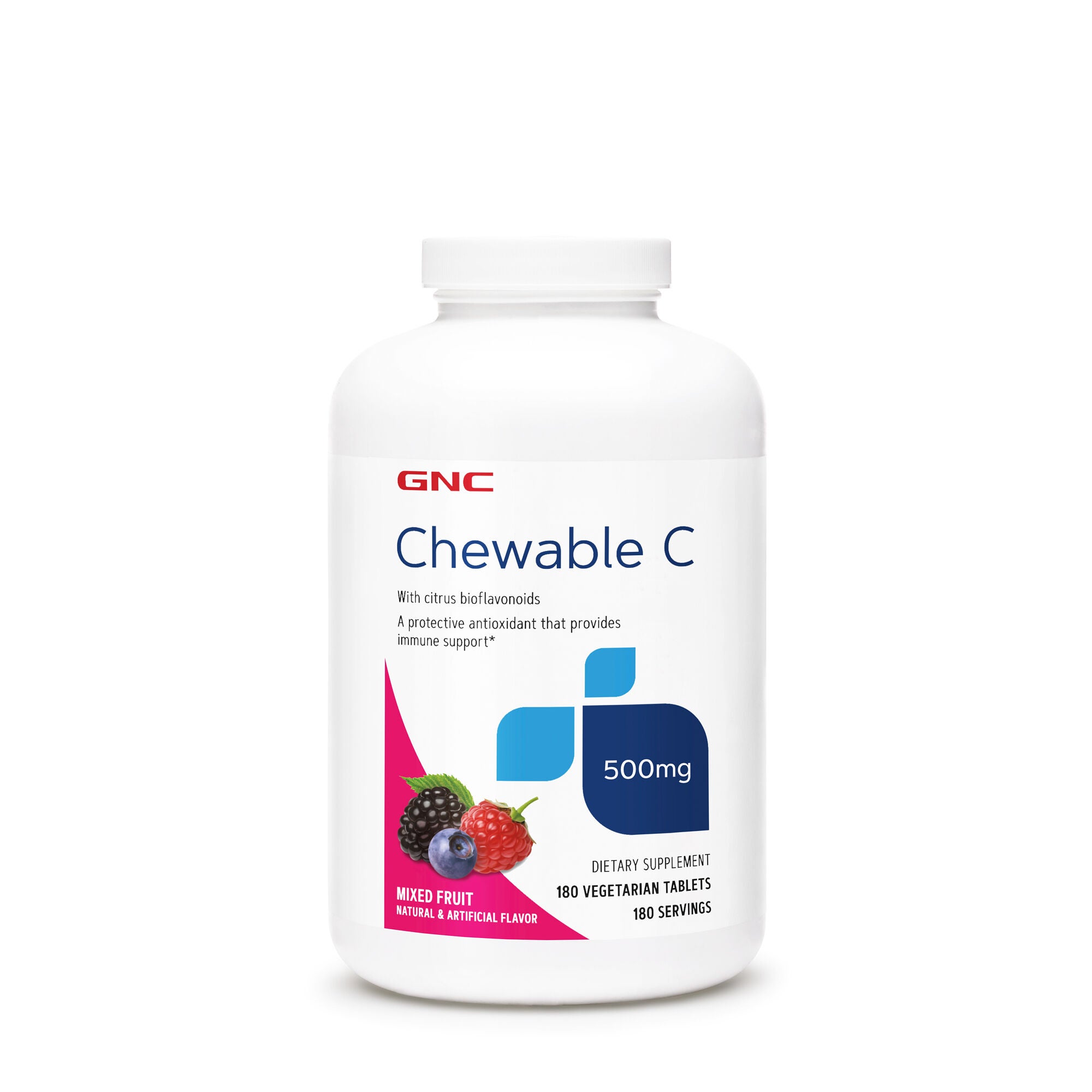
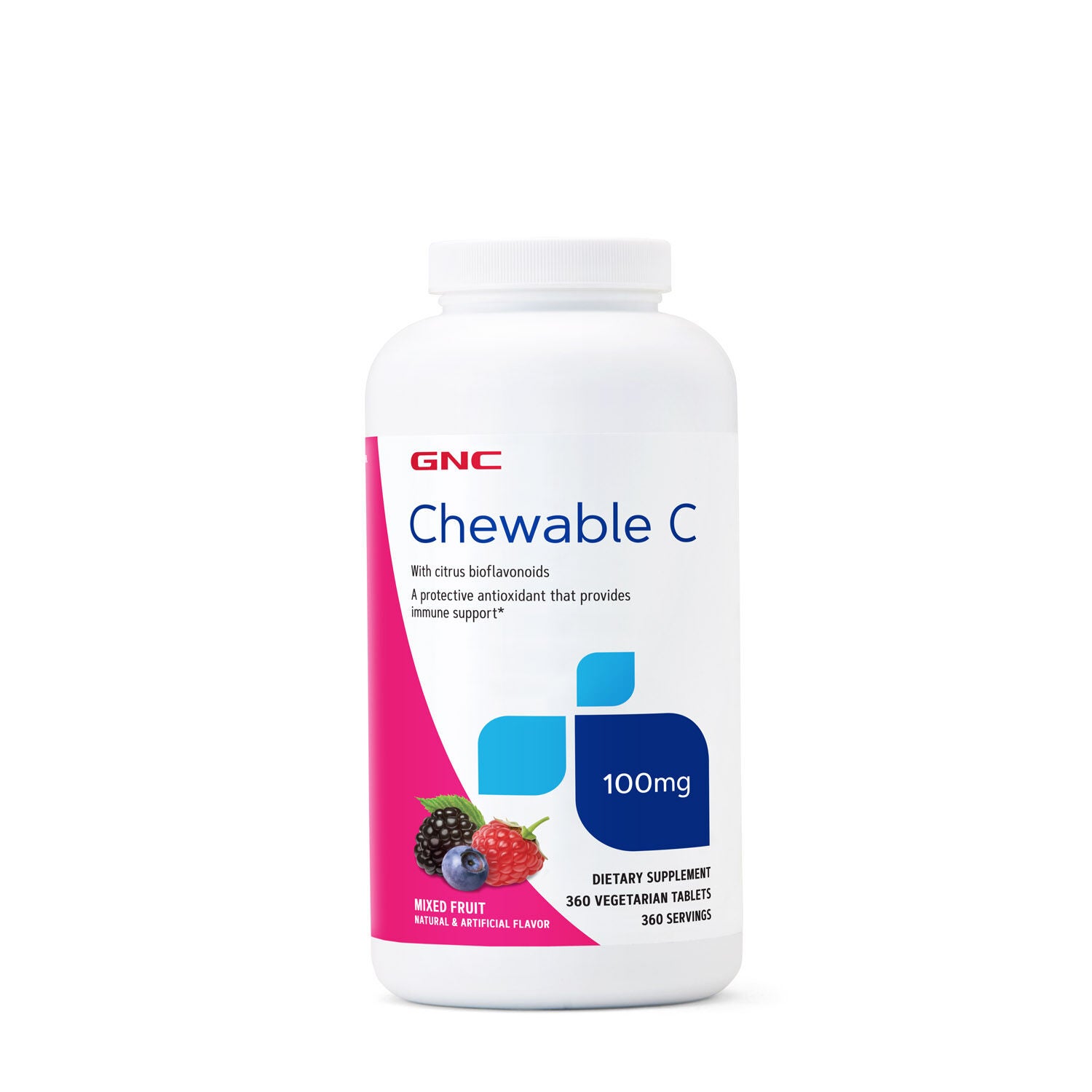
Immune boosting vitamin C for children offers a convenient way to support your child’s wellness routine. Packed with kid-friendly options, these supplements may help fill nutritional gaps and provide daily support for growing bodies. Explore a variety of flavors and formats designed with little ones in mind, so adding immune boosting vitamin C for children to their day could be both easy and enjoyable.
-
 Orange_Front.jpg?sw=305&sh=305&sm=fit "Junior C - 180 Tablets (180 Servings) | GNC")
-
 Orange_Front.jpg?sw=305&sh=305&sm=fit "Junior C - 90 Tablets (90 Servings) | GNC")
-
 Orange_Front.jpg?sw=305&sh=305&sm=fit "Junior C - 500 Tablets (500 Servings) | GNC")
-
 $11.99
 -

-

-
 $15.99
 -

-
 $13.99
 -
-

-
-

-

-
-

-

-


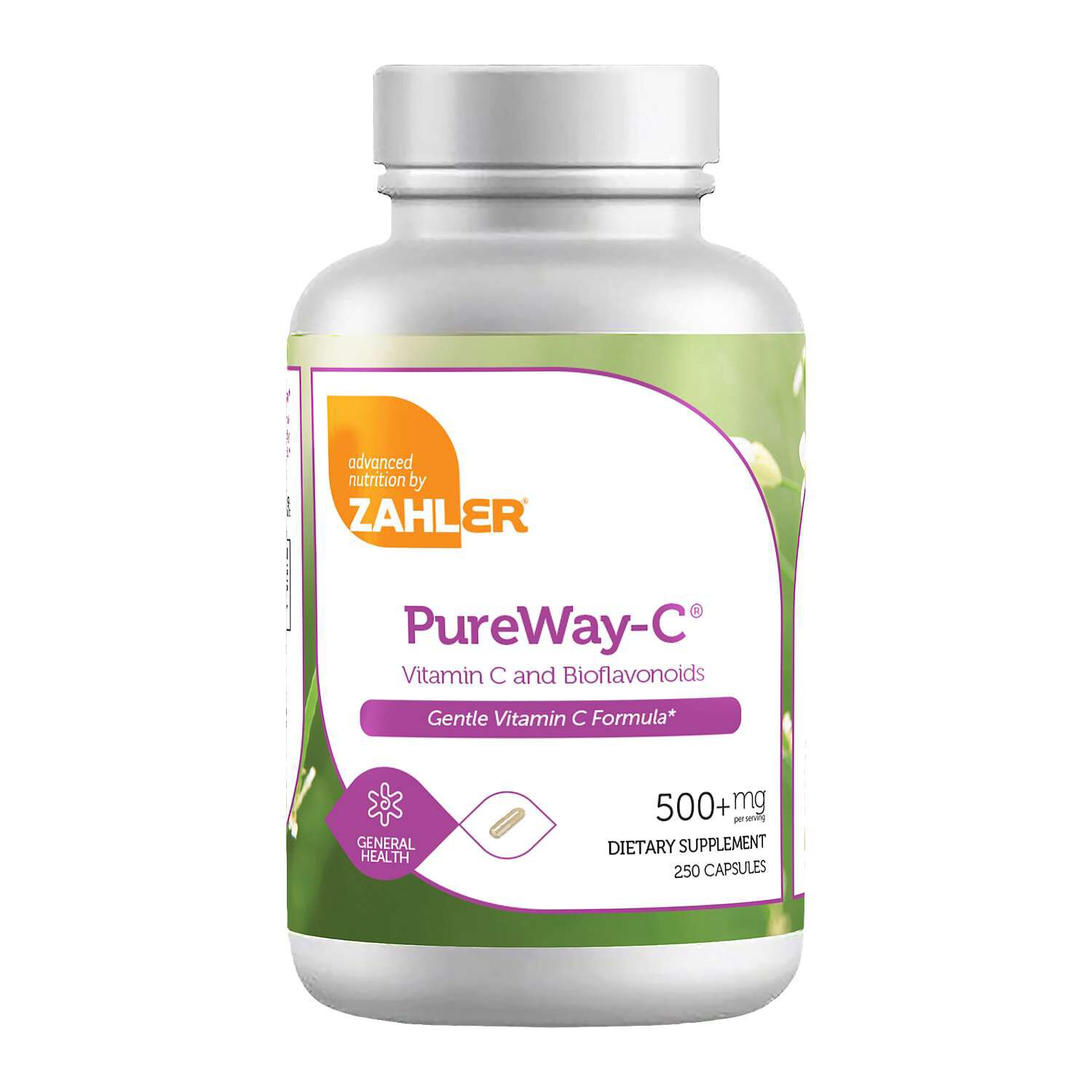


Vitamin C products for children may offer a convenient way to add this familiar nutrient to a child’s routine, especially when meals vary from day to day. Vitamin C may support normal immune function and may act as an antioxidant, while also playing a role in collagen formation and the body’s use of iron from plant foods. These products are not intended to replace a varied eating pattern, and they may be most useful for families looking for an easy supplement option alongside colorful meals and regular routines. Good food sources include oranges, clementines, grapefruit, strawberries, raspberries, tomatoes, broccoli, spinach, and red or green bell peppers. A small bowl of berries beside breakfast, sliced peppers tucked into a lunchbox, or orange segments served after school can make vitamin-rich foods feel familiar rather than complicated. Light steaming may help preserve more vitamin C in vegetables than lengthy cooking, although preparation methods and serving preferences can vary. During warmer weather, chilled fruit can make a refreshing snack; as the weather turns cooler, vitamin C-rich produce may fit naturally into soups, roasted vegetable dishes, oatmeal toppings, and family dinners. Families browsing Immune Boosting Vitamins may also find it helpful to compare children’s vitamin C formats, serving guidance, and ingredient lists in one place.
When choosing a children’s vitamin C supplement, age guidance should be the first consideration. Products may be designed for toddlers, young children, older children, or teens, and serving sizes can differ substantially between those groups. A caregiver may want to check the front label, directions panel, and supplement facts carefully to confirm that the product matches the child’s age and that the suggested serving is easy to follow. General reference amounts for children may range from about 15 milligrams to 75 milligrams per day depending on age, dietary intake, and other factors, so the amount in each serving deserves close attention. More is not automatically better; taking more vitamin C than recommended may lead to digestive discomfort, and combining several products with overlapping nutrients may make it harder to track the child’s intake. Gummies, chewables, powders, and liquids each bring different considerations. Gummies may suit children who enjoy a soft, candy-like texture, while chewables may work well for families who prefer a tablet format without water. Liquids may be useful when a child has difficulty with chewable formats, and powders may blend into certain drinks or foods when the label permits that use. Flavor, texture, sweeteners, color additives, allergens, and storage instructions can all shape whether a product becomes part of a practical routine. Caregivers may also wish to select packaging that can be stored securely and to keep all supplements out of children’s reach.
These products may appeal to families preparing lunchboxes, organizing a back-to-school routine, or looking for a thoughtful addition to a child’s care package. They can also make a practical gift for grandparents, relatives, or friends who enjoy giving useful wellness items to children, particularly when paired with a colorful water bottle, fruit snack container, or other everyday item. A supplement may fit best into an established habit, such as taking it with breakfast or after brushing teeth, while following the product’s directions about food, water, and serving size. Consistency may be easier when children have a small role in the routine, such as choosing between two approved flavors or helping place the bottle in a designated cabinet. Families should review the label before purchase because formulas, serving sizes, and age recommendations vary. Children with dietary restrictions, ongoing health concerns, or other supplements in their routine may benefit from guidance from a pediatrician or qualified healthcare professional before starting a new product. With clear label reading and a food-first approach, vitamin C products may provide a simple option for caregivers seeking convenient nutritional support through the changing seasons.