





Vitamin C With Elderberry Supplements
(0 Results)
Boost your immune system with our Vitamin C With Elderberry supplements. Packed with powerful antioxidants and essential nutrients, this dynamic duo is designed to support your overall health and well-being. Vitamin C is known for its immune-boosting properties, while elderberry has been used for centuries to promote a healthy immune response. Together, they create a potent combination to help you stay healthy and vibrant year-round. Browse our selection of Vitamin C With Elderberry products below and give your immune system a natural boost today.
-

-

-

-

-
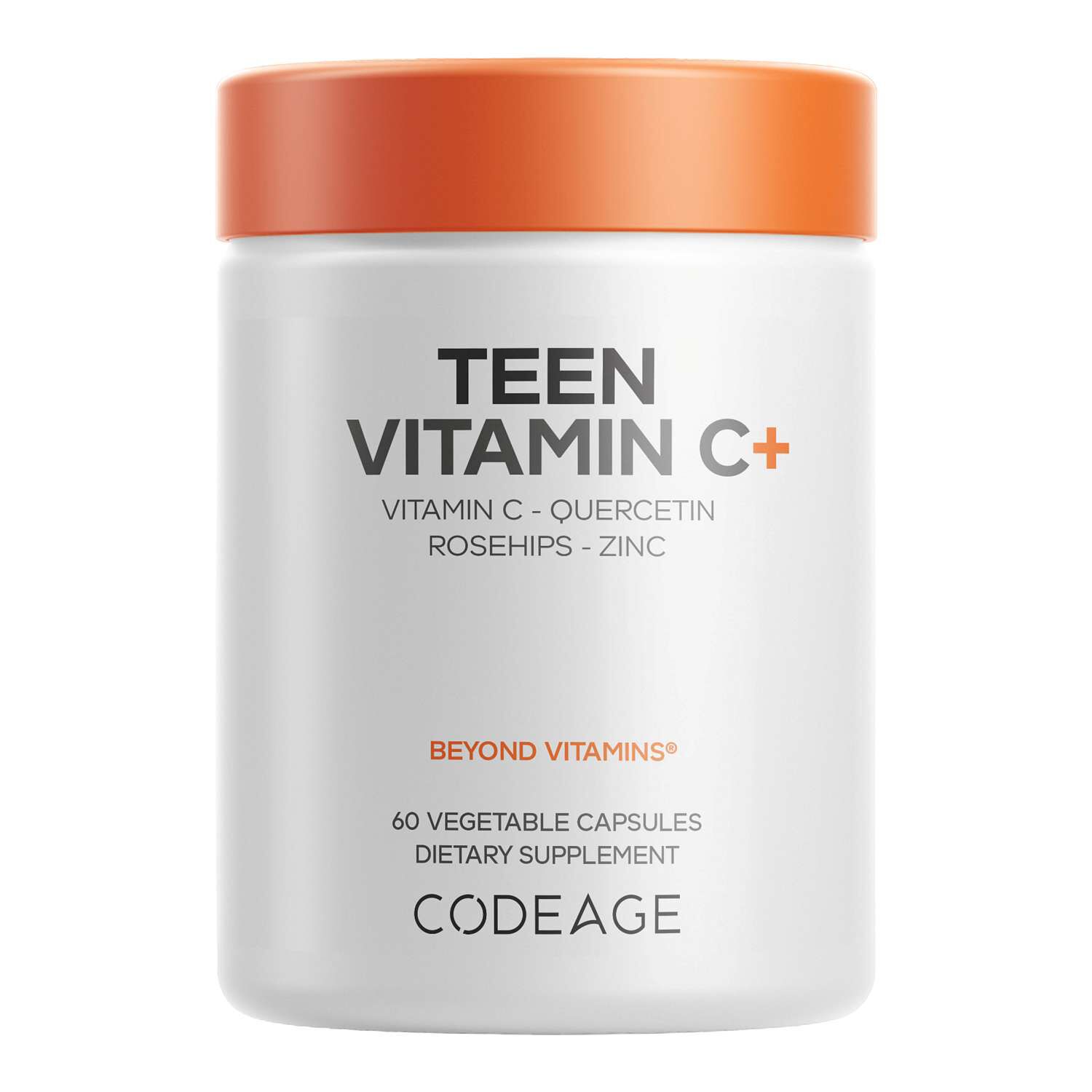 $24.99
-

-

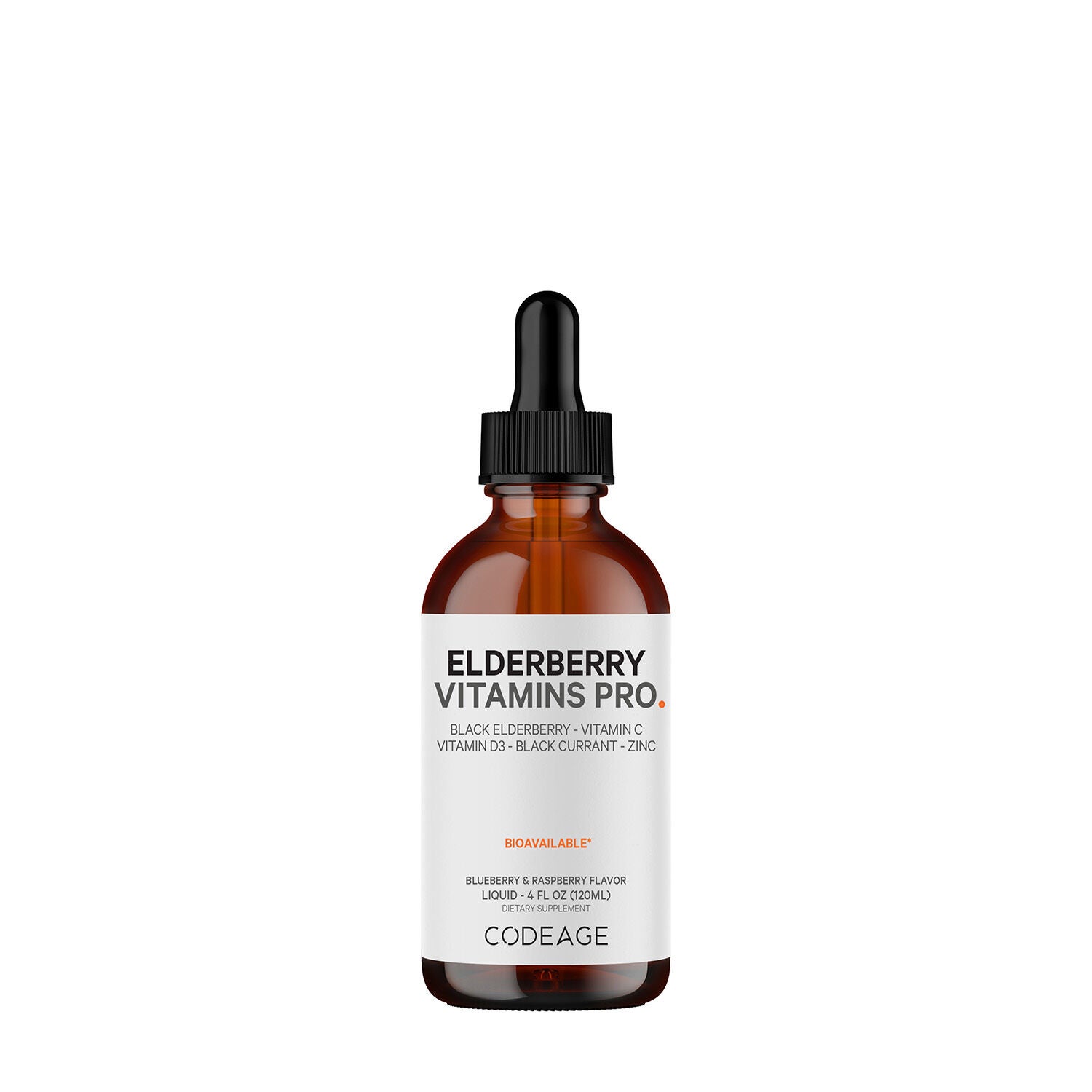

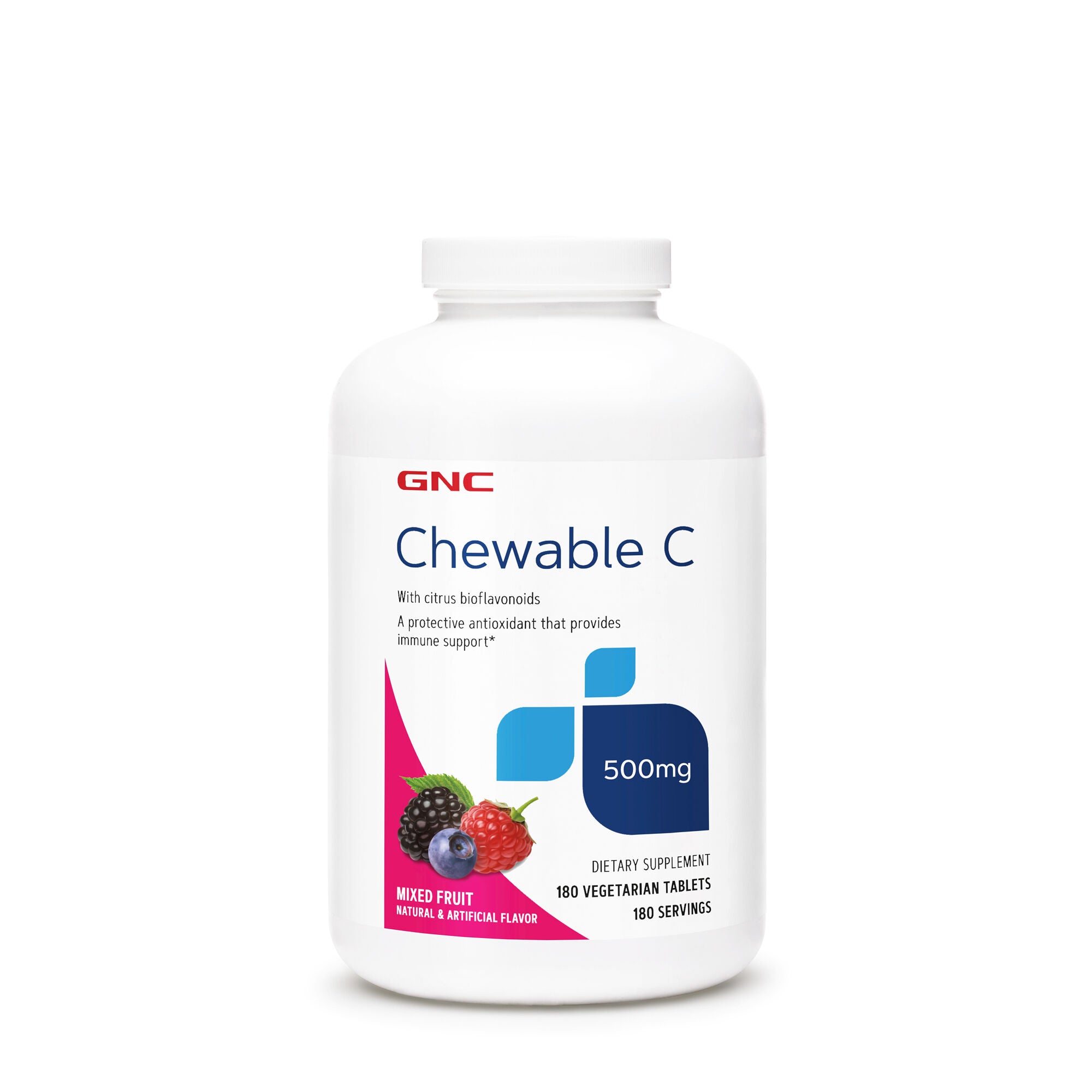
Vitamin C with elderberry supplements combine a familiar vitamin with a berry-derived botanical ingredient in formats such as capsules, gummies, chewable tablets, and liquids. Vitamin C is a water-soluble vitamin found in foods including oranges, strawberries, and bell peppers. Elderberry ingredients commonly come from the fruit of Sambucus nigra, a plant known for its dark purple berries. Those berries contain anthocyanins, the plant pigments associated with their rich color. In supplements, elderberry may appear as a fruit extract, juice concentrate, or dried fruit ingredient, so two formulas with similar names can have different compositions. The pairing may offer a convenient option for adults who want vitamin C and elderberry within the same everyday nutrition routine. Understanding that combination starts with the Supplement Facts panel rather than the color of the bottle or the flavor pictured on its front. Vitamin C is generally listed in milligrams with a percentage of Daily Value, while elderberry information may identify the amount, plant part, or extract preparation. A serving might consist of one capsule, several gummies, or a measured quantity of liquid; comparing the stated serving size keeps those differences visible. An extract’s listed weight also should not be read as though it were the same quantity of whole fruit. Where a label provides an extract ratio or other concentration information, that detail describes the ingredient’s preparation, not a direct comparison of what someone will experience. Some combinations include zinc, vitamin D, or additional botanical ingredients, while others focus on vitamin C and elderberry alone. These distinctions matter to shoppers who already have other supplements in their routine and want a clear view of overlapping ingredients. A straightforward formula may appeal to someone who prefers a shorter ingredient list, while a broader blend may interest someone looking for several named nutrients in one format. Neither the length of the ingredient list nor the depth of a berry-colored gummy establishes how well a formula fits a person’s preferences.
Format can make a meaningful difference to the experience of using vitamin C with elderberry supplements, particularly when taste, texture, and the number of pieces per serving are part of the decision. Capsules generally place the ingredients inside a shell and may suit shoppers who prefer a format without a chewable flavor. Capsule shells can use gelatin or plant-derived materials, and those details belong alongside the active ingredients when considering dietary preferences. Chewable tablets have their own texture, ranging from firm to more easily crumbled, with flavors that may lean citrusy, berry-like, or tart. Gummies offer a softer chew and often use pectin or gelatin to create their texture. A pectin-based gummy is not automatically suitable for every dietary preference; the rest of the ingredient list still matters. Sugar, syrups, sweeteners, coloring ingredients, and flavorings can vary, even among formulas that feature the same two headline ingredients. Elderberry pictured on a label does not necessarily mean that the finished supplement tastes like plain berries, and a citrus flavor does not establish the amount of vitamin C. Liquid formulas bring a different set of considerations, including the stated serving volume, the measuring accessory, and any preparation directions on the bottle. A measuring cup or marked dropper can make the labeled quantity easier to identify than an ordinary kitchen spoon. For someone organizing a breakfast routine, the practical comparison may be between a capsule bottle that fits in a designated cabinet and a liquid bottle that needs its own measuring tool. For a household with several people, clearly labeled containers can help distinguish different formulas and intended age groups. Products labeled for adults and those labeled for children are separate categories, even when their flavors or packaging look similar. Serving directions, age information, and ingredient details provide more useful context than a familiar berry image. The best fit is not necessarily the most elaborate format; it is one whose labeling, taste, texture, and handling requirements match the shopper’s expectations.
Thoughtful comparison also extends to the information a manufacturer provides about sourcing, testing, and storage. An elderberry label may identify the fruit as the plant part used, distinguish an extract from a juice ingredient, or describe how the ingredient was prepared. These details make the formula easier to understand without turning the botanical name into a claim about its effects. When testing information is provided, look for a clear description of what was evaluated rather than treating a broad quality statement as interchangeable with a specific test. Identity testing, ingredient measurements, and screening for unwanted substances address different aspects of a supplement. Packaging deserves similar attention because everyday handling can affect the condition of capsules, gummies, and liquids. Keep the original container and label together so that serving information, storage directions, and date markings remain accessible. A tightly closed bottle in a location consistent with its label is a more suitable arrangement than an open container beside a steamy shower or a kitchen sink. Gummies can become sticky when stored outside their stated conditions, and liquid formulas may have directions that change after opening. Refrigeration requirements are not the same for every liquid supplement, so the bottle’s instructions matter more than assumptions based on another formula. Store supplements where children cannot reach them, especially when colorful chewable formats resemble candy. For someone considering a supplement as a thoughtful addition to a care package, familiarity with the recipient’s existing preferences is more useful than choosing by flavor alone. Dietary preferences, preferred format, and comfort with botanical ingredients all deserve consideration; a gift should not assume that every recipient wants the same combination. Shoppers comparing other elderberry pairings can also explore Elderberry Supplements With Echinacea And Zinc to see how the named ingredients differ. Across these combinations, careful attention to the actual formula, serving size, and everyday storage requirements creates a clearer comparison than relying on a single ingredient name. Vitamin C with elderberry supplements may complement a nutrition routine, with format and ingredient transparency shaping the shopping decision.
Best Sellers

 Chewable Tablets_Front.jpg?sw=305&sh=305&sm=fit "ChildCalm - 60 Chewable Tablets (30 Servings) | GNC")

Related Pages
Top Collections
- Joint Mobility Supplement Packs
- Daily Collagen Supplements | Top Brands & Deals | GNC
- Supplements For Yoga Joint Flexibility
- Zinc Supplements | Top Brands at Great Prices | GNC
- Supplements For Balance
- Capsule Supplements For Energy And Stamina
- Chronic Fatigue Supplements
- Adult Mobility Supplements
- Vitamins For Hair Loss
- Blood Pressure Support Supplements