





Vitamin D3 5000 Iu For Bone Density
(0 Results)
Vitamin D3 5000 IU for bone density may be a popular choice for those looking to support their wellness goals. With a variety of options available, finding the right vitamin D3 supplement could help you maintain your daily routine. Explore different forms and strengths of vitamin D3 5000 IU for bone density to discover what might fit your lifestyle best.
-

-

-

-
-

-

-

-

-
 $13.99


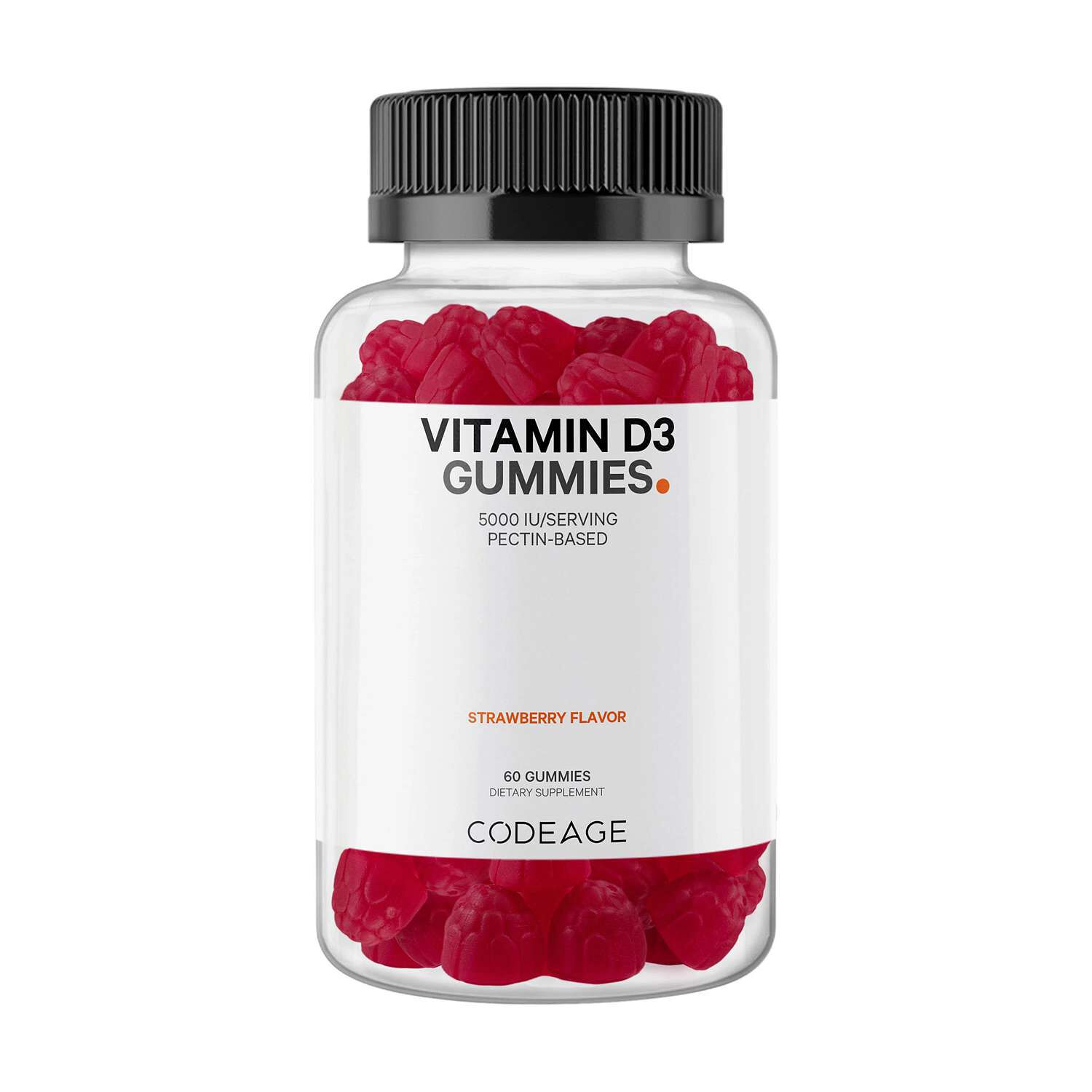
Vitamin D3 5000 IU supplements are a higher-potency option within the broader category of vitamin D products, often considered by adults shopping with bone nutrition in mind. Vitamin D3, also called cholecalciferol, may support calcium absorption and the maintenance of normal bones, but the amount printed on a bottle does not establish how a supplement will affect bone density. A 5,000 IU serving provides 125 micrograms of vitamin D. That amount exceeds the adult tolerable upper intake limit of 4,000 IU, or 100 micrograms, per day from food, beverages, and supplements combined. The upper limit is a safety reference, not a daily intake goal, and a 5,000 IU designation does not mean a product is appropriate for routine use by every adult. Higher potency also does not establish greater value for an individual’s nutritional needs or a more favorable bone density outcome. These distinctions matter when comparing bottles that look similar on the shelf but contain very different amounts per serving. Bone density is not a feature that can be judged from supplement packaging, and a product’s intended use is different from an assured result. For shopping purposes, the most useful starting points are the vitamin form, the amount per serving, and the serving size stated in the Supplement Facts panel. A front label displaying 5,000 IU may refer to one softgel, one capsule, or a serving made up of more than one piece. Likewise, the number of pieces in a container is not always the number of servings. An adult browsing this category might be comparing a familiar softgel format with a tablet or looking for a particular ingredient source, rather than simply seeking the largest number on the label. Clear serving information makes those comparisons more meaningful and keeps the focus on what the product actually contains.
Format and ingredient composition are important parts of choosing among vitamin D3 supplements. Softgels commonly pair vitamin D3 with a carrier oil inside a smooth outer shell, while capsules and tablets may use different ingredients to hold or contain the measured serving. The shell itself may contain gelatin, and the source of that gelatin can matter to shoppers with specific dietary preferences. Some vitamin D3 comes from lanolin, a substance obtained from sheep’s wool, while other formulations use lichen-derived vitamin D3. A plant-derived vitamin source does not, by itself, establish that every other ingredient in the finished product is plant-derived. The ingredient list and any clearly stated dietary designations provide a fuller picture than the vitamin name alone. Carrier oils, capsule materials, colors, sweeteners, and flavorings can also distinguish one formulation from another. For someone who prefers an unflavored supplement, a capsule or softgel may be more appealing than a flavored chewable format. Someone who dislikes larger tablets may give greater weight to dimensions and texture, although a smaller piece does not necessarily contain less vitamin D. Liquid formats introduce another practical detail: the stated serving may be measured in drops or milliliters, so concentration and the included measuring device deserve careful comparison. Descriptions such as “one drop” and “one dropper” are not interchangeable. For chewable formats, the serving count and ingredients remain relevant even when the experience resembles an ordinary flavored snack. These are supplements with measured servings, not casual treats. In a household where several adults keep different nutrition products, distinct packaging and readable labels may make identifying each person’s chosen format easier. The best product description is therefore not just a potency statement; it also explains the physical form, serving measurement, ingredient source, and package contents. Those details create a more realistic picture of how a bottle fits into an existing routine without assuming that every shopper wants the same texture, formulation, or container size.
Comparing vitamin D3 5000 IU with other strengths also puts the category in perspective. A lower-strength product and a higher-strength product can contain the same vitamin form while differing substantially in the amount supplied per serving. For a look at another strength, Vitamin D3 1000 Iu Supplements For Bone Strength offers a related category for comparing potency and format; 1,000 IU equals 25 micrograms of vitamin D. This numerical comparison describes the products, not an individualized intake recommendation. Vitamin D may also appear in multivitamins, calcium combinations, and other nutrition formulas, making a single bottle only one part of the label information relevant to a shopper’s existing collection. A standalone D3 formula generally makes the vitamin D amount straightforward to identify, while a combination formula has additional nutrients and their serving amounts to compare. The presence of calcium or another nutrient does not make two products interchangeable, and similar packaging does not mean similar composition. Beyond the formula, practical ownership details include closure style, label readability, storage directions, and the expiration date. A container that sits neatly beside other supplements still needs packaging that identifies its contents clearly. The original label preserves the ingredient list, serving information, and manufacturer’s handling directions, details that can be lost when loose pieces are moved into an unmarked container. For travel, bottle dimensions and closure design may matter more than a large piece count; for home storage, a legible panel and easy-to-distinguish packaging may be more useful than a compact shape. Product care is about maintaining the condition described by the manufacturer, not treating a supplement like a durable household accessory. Packaging condition and stated storage requirements are therefore more relevant than claims about toughness or longevity. Although nutrition products can seem like a thoughtful purchase for another adult, a high-potency supplement is a personal choice rather than a general-purpose gift. Within this category, informed comparisons center on clearly disclosed amounts, suitable dietary attributes, usable formats, and accurate expectations. Vitamin D3 may have a role in supporting normal bone nutrition, but a 5,000 IU label alone cannot describe an individual’s needs or establish a bone density benefit.


