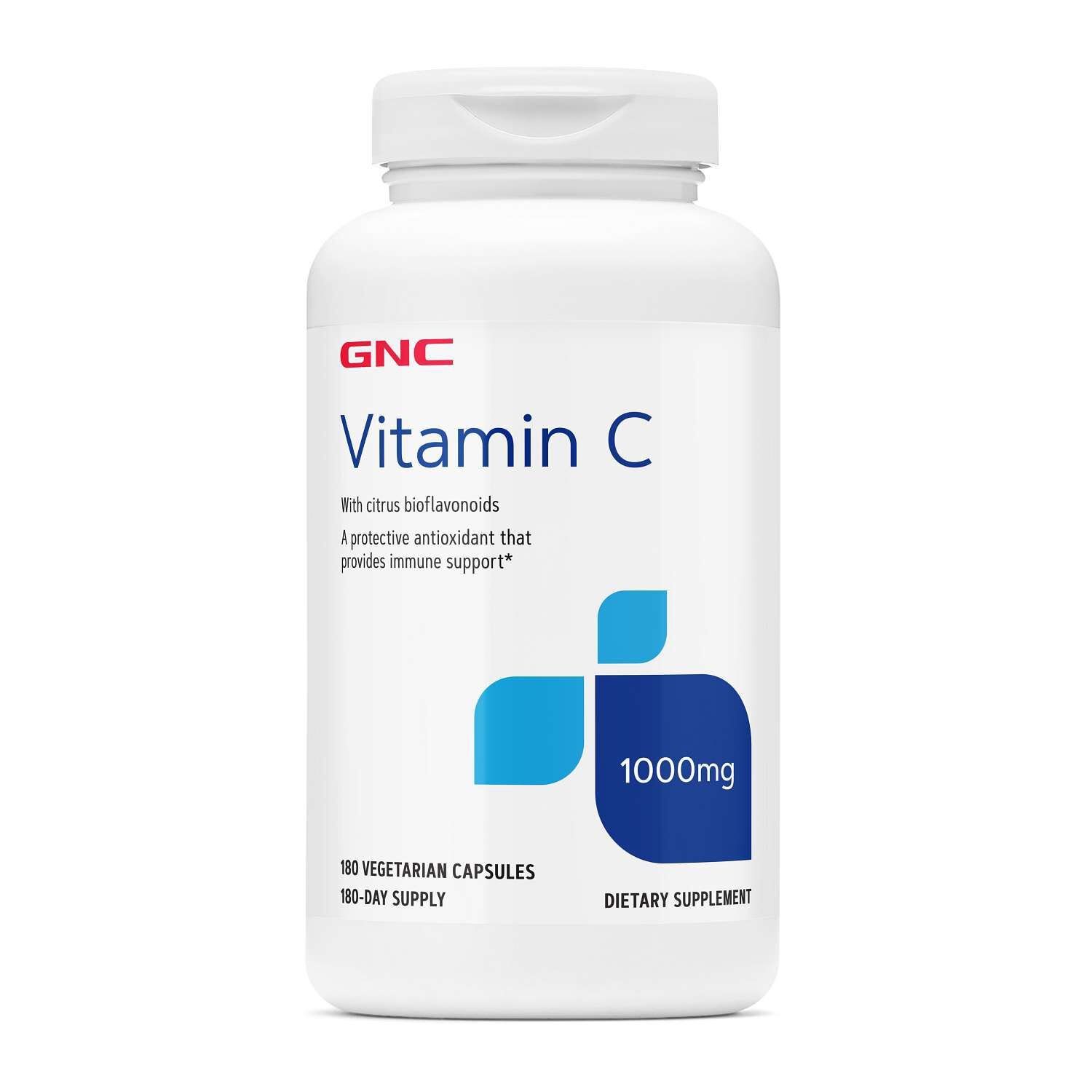
Vitamin E Supplements For Summer Health Support
(0 Results)
Vitamin E supplements for summer health support could be a convenient way to help maintain your wellness routine during the warmer months. Whether you’re spending more time outdoors or adjusting your daily habits, vitamin E may play a supportive role in your seasonal health goals. Explore a variety of options that fit seamlessly into your summer lifestyle and discover how adding vitamin E supplements for summer health support might complement your overall wellness journey.
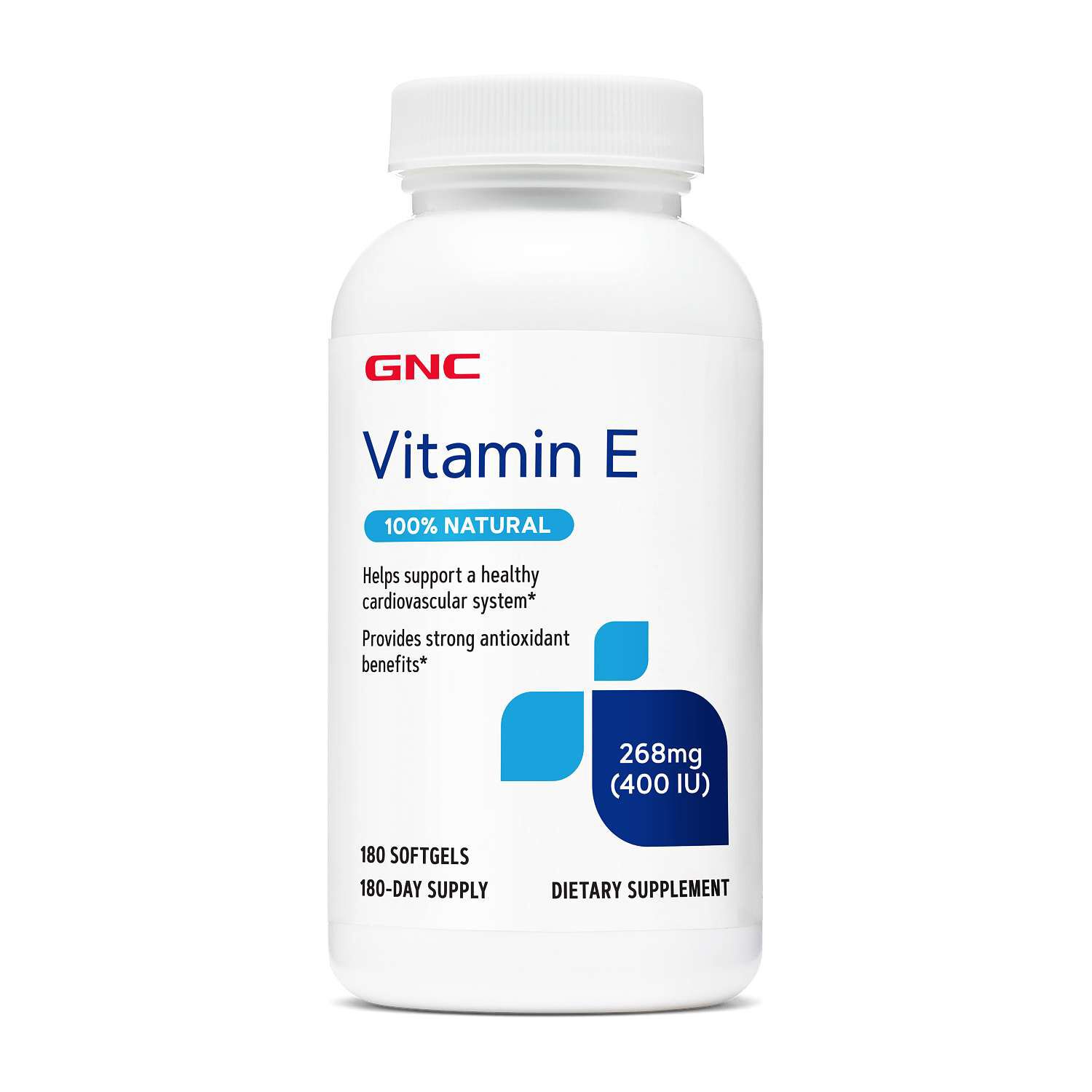
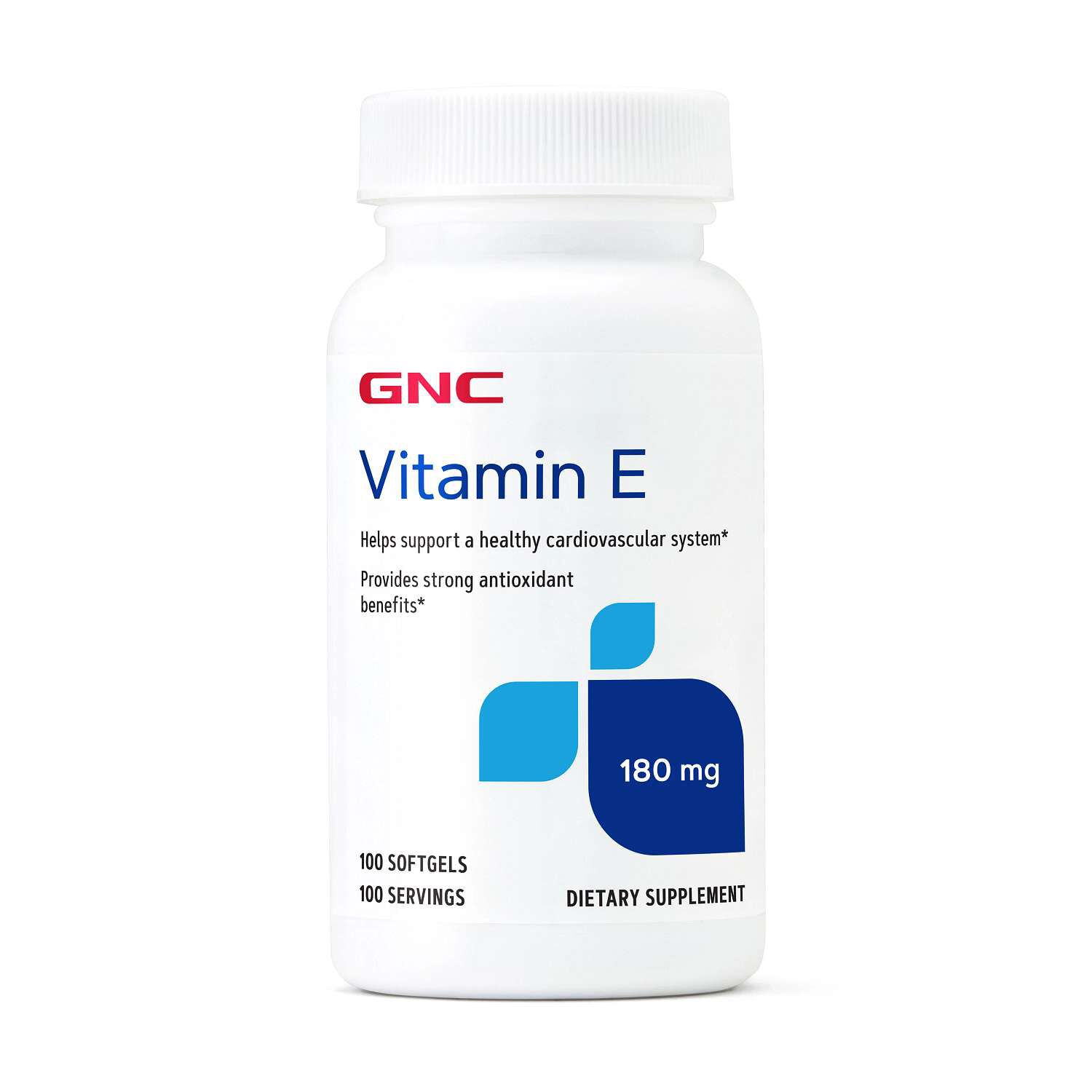


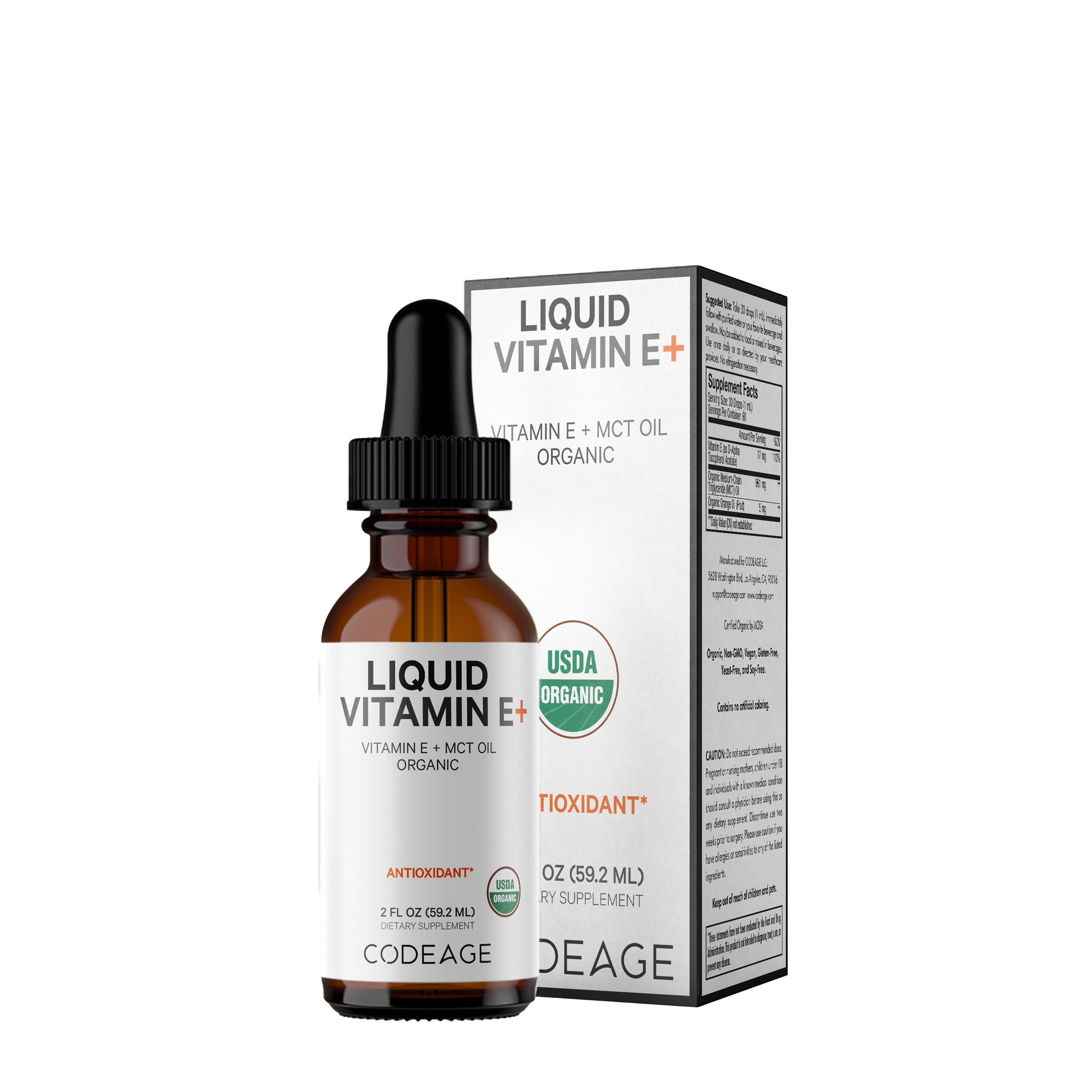

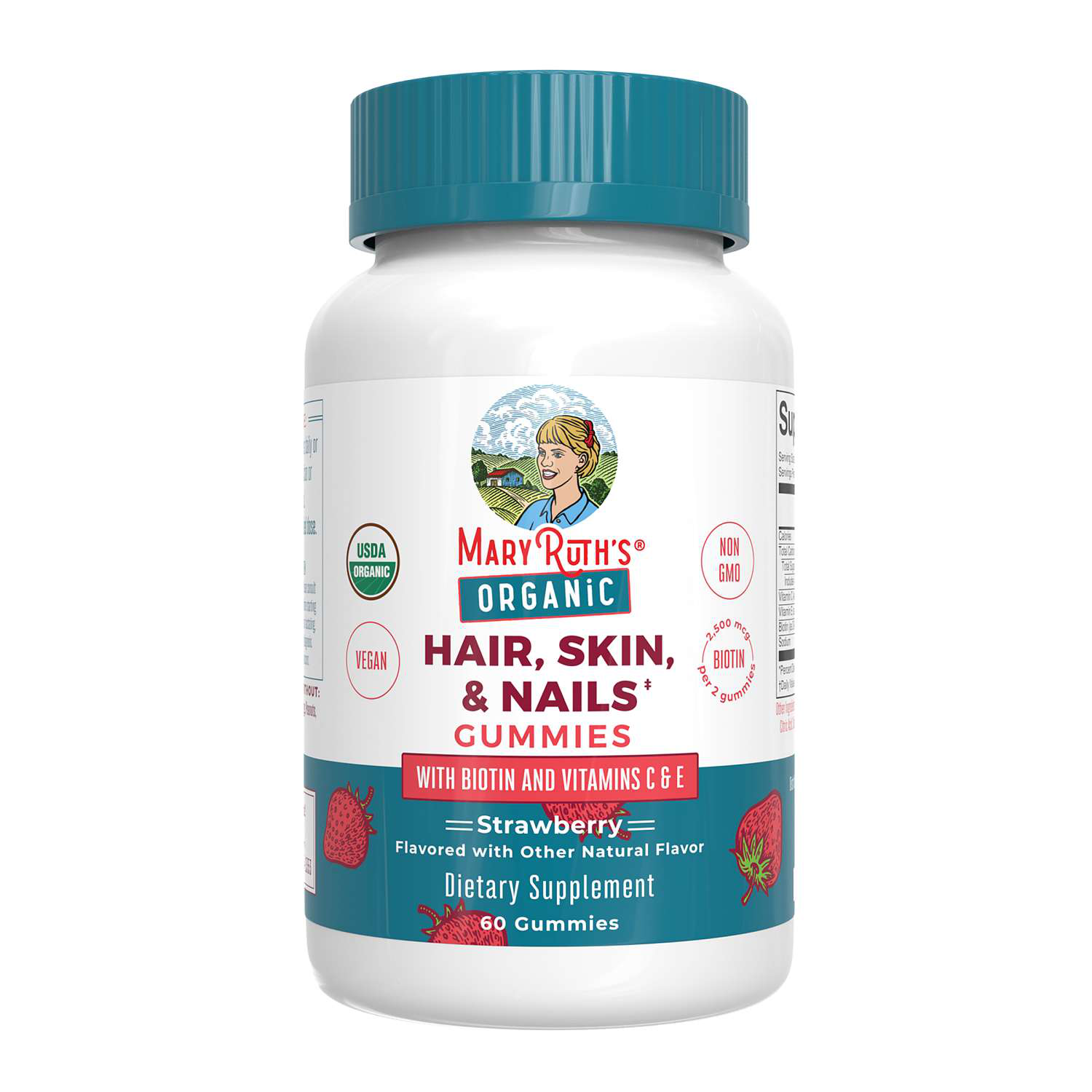

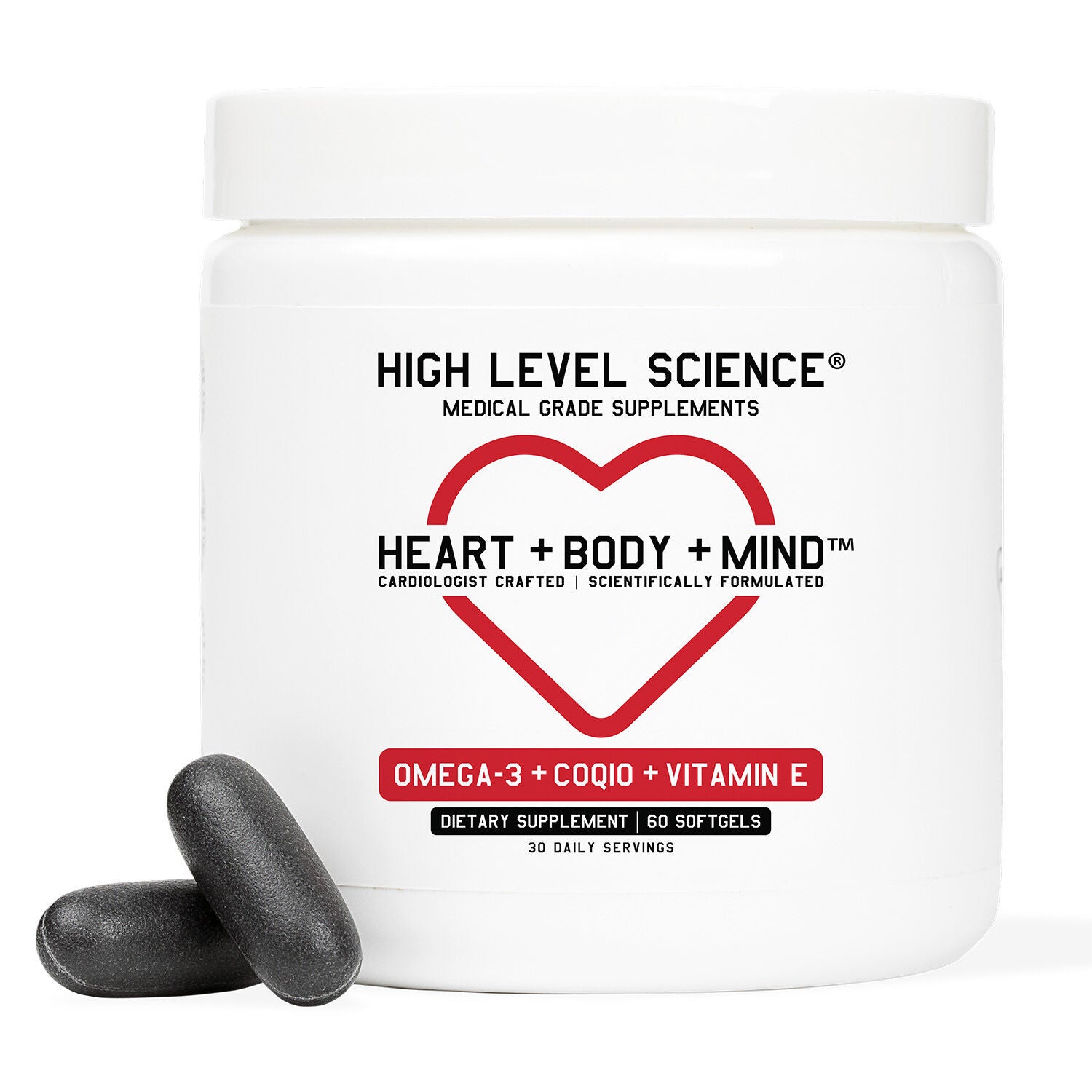


Vitamin E is a fat-soluble nutrient with antioxidant properties, and vitamin E supplements may support everyday antioxidant nutrition as part of a summer wellness routine. The connection to summer is best understood through everyday habits: meals packed for a day near the water, lunches between outdoor activities, and travel schedules that look different from those at home. A supplement may complement dietary intake, but it does not replace varied meals or serve as sun protection. Vitamin E supplements are not sunscreen, and they are not a substitute for sun-protective clothing or shade. That distinction matters when browsing supplements with skin-focused or seasonal positioning, because nutritional support and protection from sunlight are separate considerations. Vitamin E occurs naturally in foods such as almonds, sunflower seeds, spinach, and certain vegetable oils. A summer salad with sunflower seeds or a sandwich served with a handful of almonds offers a familiar food-based connection to this nutrient. Supplements provide another format for people considering vitamin E within their broader nutrition routine, without requiring the same food at every meal. Their relevance is not limited to beach trips or long afternoons outdoors; a summer wellness routine can also include ordinary workdays, family visits, and meals enjoyed at home. Rather than treating a seasonal supplement as a special preparation for a single outing, it is more useful to understand its intended role as a source of a particular nutrient. The amount supplied, the serving format, and the other ingredients help distinguish one formula from another. Summer-themed positioning provides context, while the Supplement Facts panel provides the details needed to understand what a serving contains. A familiar format and clearly stated contents may be more relevant to everyday preferences than imagery of sunshine or outdoor recreation.
Vitamin E supplements come in several formats, including softgels, capsules, and liquids, with differences in size, texture, ingredients, and serving method. Softgels commonly pair vitamin E with an oil-based filling, while the outer shell may contain gelatin or other materials identified on the label. For someone who pays close attention to animal-derived ingredients, the shell deserves the same consideration as the vitamin source. Capsules have their own ingredient and size differences, and a liquid format introduces details such as the measuring method, bottle design, and directions for use. A small bottle is not necessarily a small serving, just as one softgel is not automatically the serving size for every formula. The Supplement Facts panel identifies the amount of vitamin E per serving, generally expressed in milligrams, along with the percent Daily Value. Some labels may also display international units, making the stated unit another useful detail when comparing packages. Ingredient lists may identify forms such as d-alpha-tocopherol or dl-alpha-tocopherol, and some formulas include mixed tocopherols. Those names describe formulation differences; they do not, by themselves, establish which option fits an individual’s needs. A vitamin E-only formula also differs from a multivitamin or an antioxidant blend that includes several nutrients. Someone already using another supplement has a different comparison to make than someone browsing a single-nutrient format for the first time. Considering the contents of the broader routine helps keep those distinctions visible. Other practical details include the source of the carrier oil, allergen statements, capsule materials, and any additional ingredients used for texture or stability. Dietary preferences should be checked against the actual label rather than inferred from the front of the package. Oral supplements and topical skin-care preparations also have different intended uses, even when both feature vitamin E. A softgel intended for oral use is not interchangeable with a cosmetic oil. These distinctions keep the focus on the formula and its labeled purpose rather than on assumptions about how vitamin E is used.
Storage and packaging are especially relevant to supplements associated with summer travel. A beach tote, a parked car, and a sunny windowsill present very different conditions from a cupboard at home, and the package’s storage directions remain important wherever the bottle goes. Softgel shells and liquid preparations have physical characteristics worth considering alongside the nutrient information. Heat, moisture, and direct sunlight can affect the condition of some supplement formats, so the original container and its closure are part of the purchasing decision, not merely presentation. A tightly closing cap, readable label, and clearly marked date make everyday handling more straightforward. For trips, keeping the container separate from damp towels, drink spills, and direct sun is a practical consideration, while any formula-specific storage requirements belong with the product throughout the journey. Packaging also affects how comfortably a supplement fits into a routine: a bottle kept with breakfast supplies has a different use setting from one packed for an extended stay away from home. Neither setting changes the labeled serving directions or turns vitamin E into a substitute for food. For adults considering a focused nutrient supplement, the most relevant features are often plain ones: a suitable format, understandable ingredient information, and an intended use that aligns with the rest of their routine. A summer occasion does not make a larger serving inherently more appropriate, and the amount per serving deserves attention independently of the package size. Related categories can provide additional context without making every nutrient interchangeable. The selection on Antioxidant Supplements For Summer Wellness offers a broader view of supplements grouped around seasonal wellness interests. Within that broader assortment, vitamin E remains a distinct nutrient with its own labeling and formulation details. A grounded approach to summer health support leaves room for enjoyable meals, outdoor plans, and familiar routines, with supplements considered for their stated contents rather than expectations of sun protection or dramatic results.
- Q: What are the potential benefits of taking vitamin E supplements during the summer?
A: Vitamin E is an antioxidant that may help protect cells from oxidative stress, which can be increased by sun exposure and outdoor activities common in summer. It also supports skin health and immune function, making it a popular choice for those looking to maintain overall wellness during warmer months. - Q: How does vitamin E support skin health in the summer?
A: Vitamin E helps maintain healthy skin by supporting moisture retention and protecting against environmental stressors like UV rays and pollution. Many people choose vitamin E supplements in the summer to help keep their skin looking and feeling its best. - Q: Can vitamin E supplements be combined with other vitamins for summer wellness?
A: Yes, vitamin E is often taken alongside other vitamins such as vitamin C or multivitamins to provide comprehensive antioxidant support. Combining these nutrients may help address the increased demands on your body during active summer months. - Q: Are there specific times of day that are best for taking vitamin E supplements?
A: Vitamin E is a fat-soluble vitamin, so it's generally recommended to take it with a meal containing some healthy fats to support absorption. Many people find it convenient to take their supplement with breakfast or lunch. - Q: What foods are good sources of vitamin E that can complement supplementation in the summer?
A: Foods rich in vitamin E include nuts (like almonds and hazelnuts), seeds, spinach, avocados, and vegetable oils. Including these foods in your diet along with supplementation can help you meet your daily needs, especially during the active summer season.