





Vitamins For Adults
(0 Results)
Discover a wide selection of essential vitamins for adults to support your overall health and wellness journey. Whether you're looking to boost your immune system, increase energy levels, or simply fill nutritional gaps in your diet, our range of high-quality multivitamins and supplements has you covered. From vitamin C to vitamin D, B-complex to omega-3 fatty acids, find everything you need to feel your best and thrive every day. Explore our collection and take a step towards a healthier you.
-
-

-
-
-
-

-
-

-

-
-
 $42.99
-

-

-
-

-
-

-

-
-
-
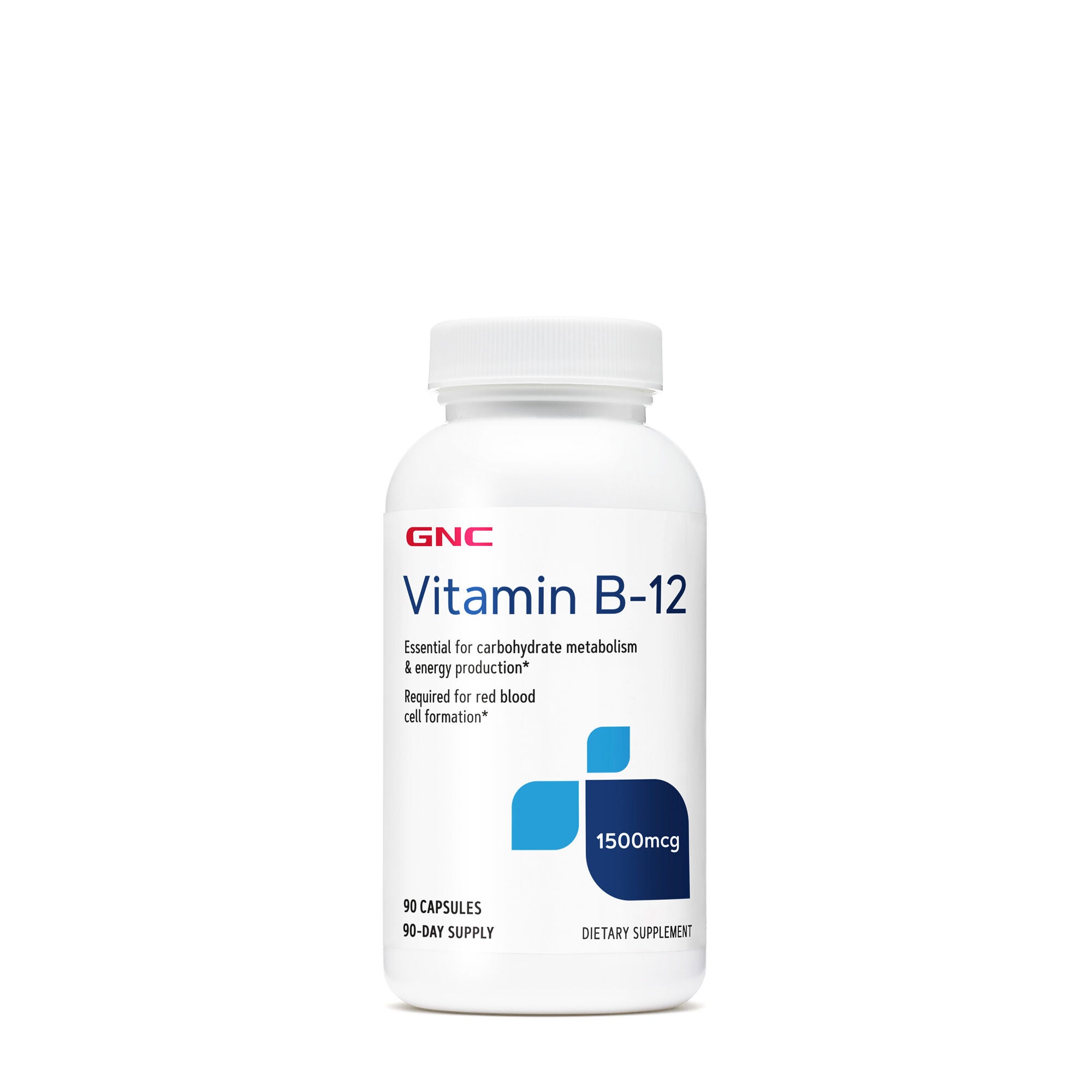


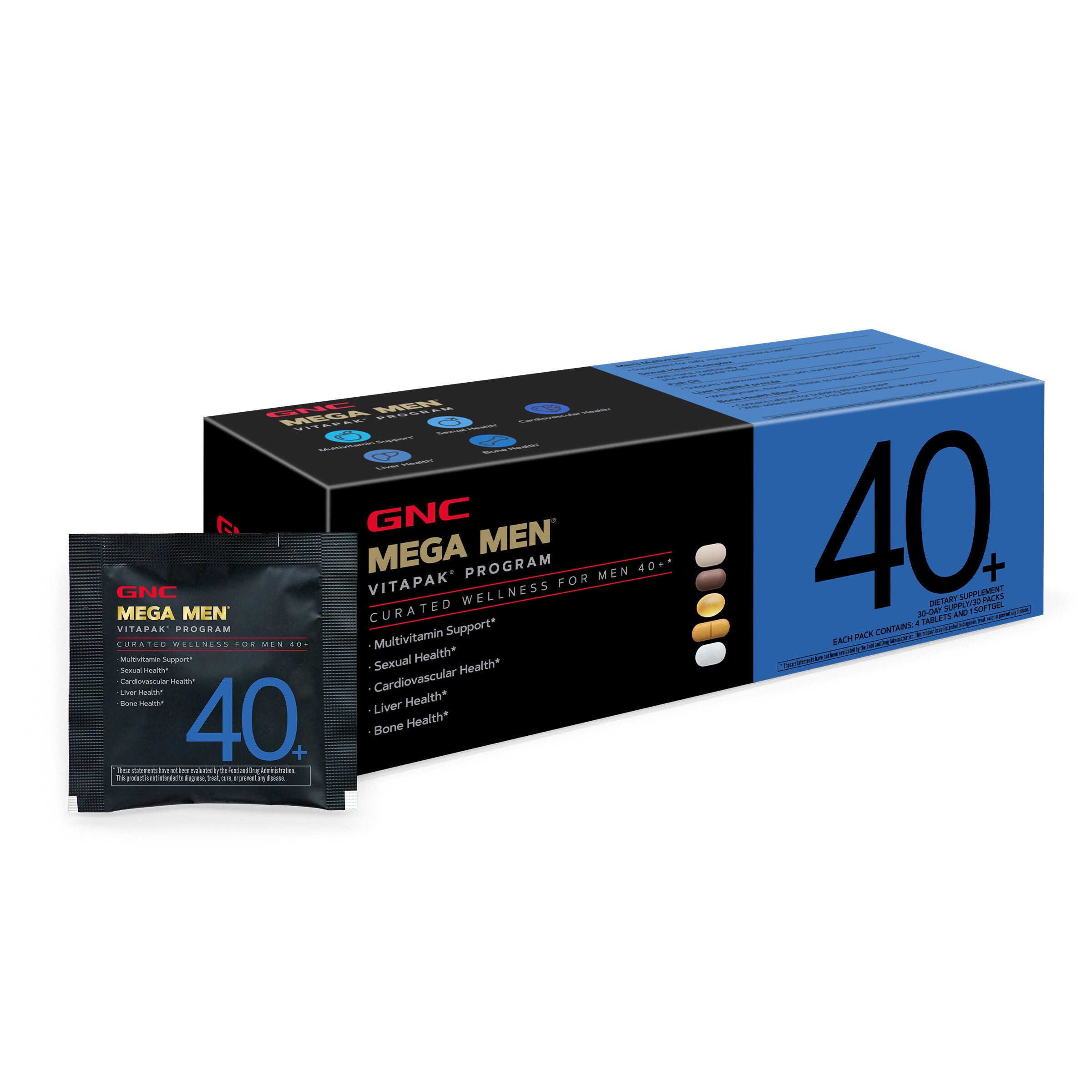
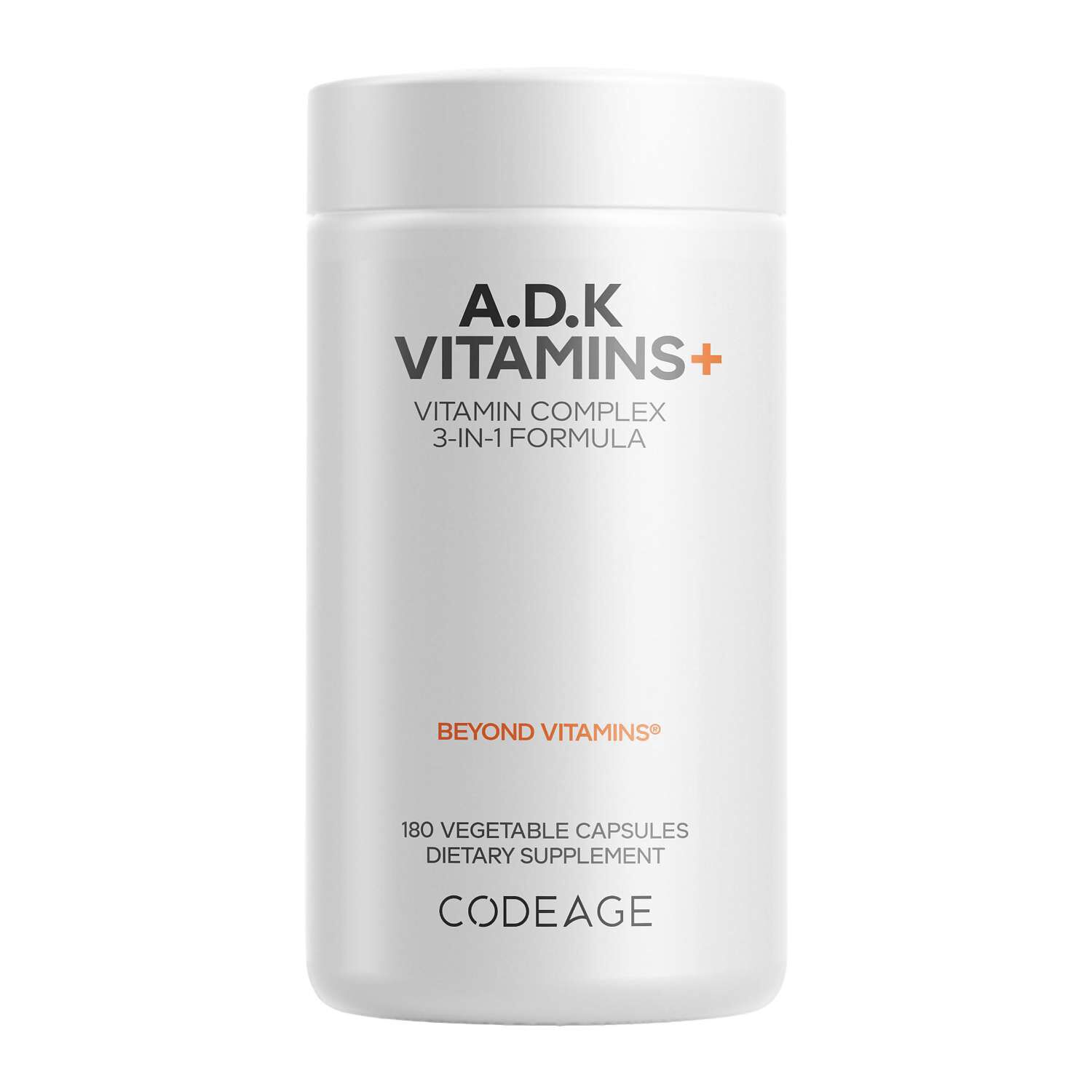
Vitamins for adults include multivitamins, individual vitamin formulas, and blends that pair selected vitamins with minerals. These supplements are intended to complement food rather than replace meals, and they may help fill gaps in dietary intake. A varied eating pattern brings together nutrients from vegetables, fruit, whole grains, beans, dairy or fortified alternatives, and other protein sources; a supplement offers a different, more concentrated format. The 13 vitamins are A, C, D, E, K, and the eight B vitamins: thiamin, riboflavin, niacin, pantothenic acid, B6, biotin, folate, and B12. Vitamins A, D, E, and K are classified as fat-soluble, while vitamin C and the B vitamins are water-soluble. Those classifications describe the nutrients, not whether a particular supplement is suitable for every adult. Calcium, magnesium, zinc, and iron also appear in many adult formulas, but they are minerals rather than vitamins. This distinction is useful when comparing a multivitamin with a vitamin-only blend or a combination containing both vitamins and minerals. Broad multivitamin formulas bring numerous nutrients together, while individual vitamin supplements center on one nutrient, sometimes in more than one form. Neither category is automatically a better match simply because its ingredient list is longer or its listed amounts are higher. Intended age range, dietary preferences, serving format, and the rest of a person’s supplement routine provide more meaningful context. Age-labeled formulas, including those for adults 50 and older, may differ in their amounts of B12, vitamin D, and other nutrients. The age designation is only one part of the description; the Supplement Facts panel shows what the formula actually contains. Similarly, formulas labeled for women or men can differ in composition, making the nutrient list more informative than the category name alone. Adults comparing everyday vitamins may also have different priorities: a straightforward formula with fewer listed nutrients, a broader blend, or ingredients that align with a vegetarian eating pattern.
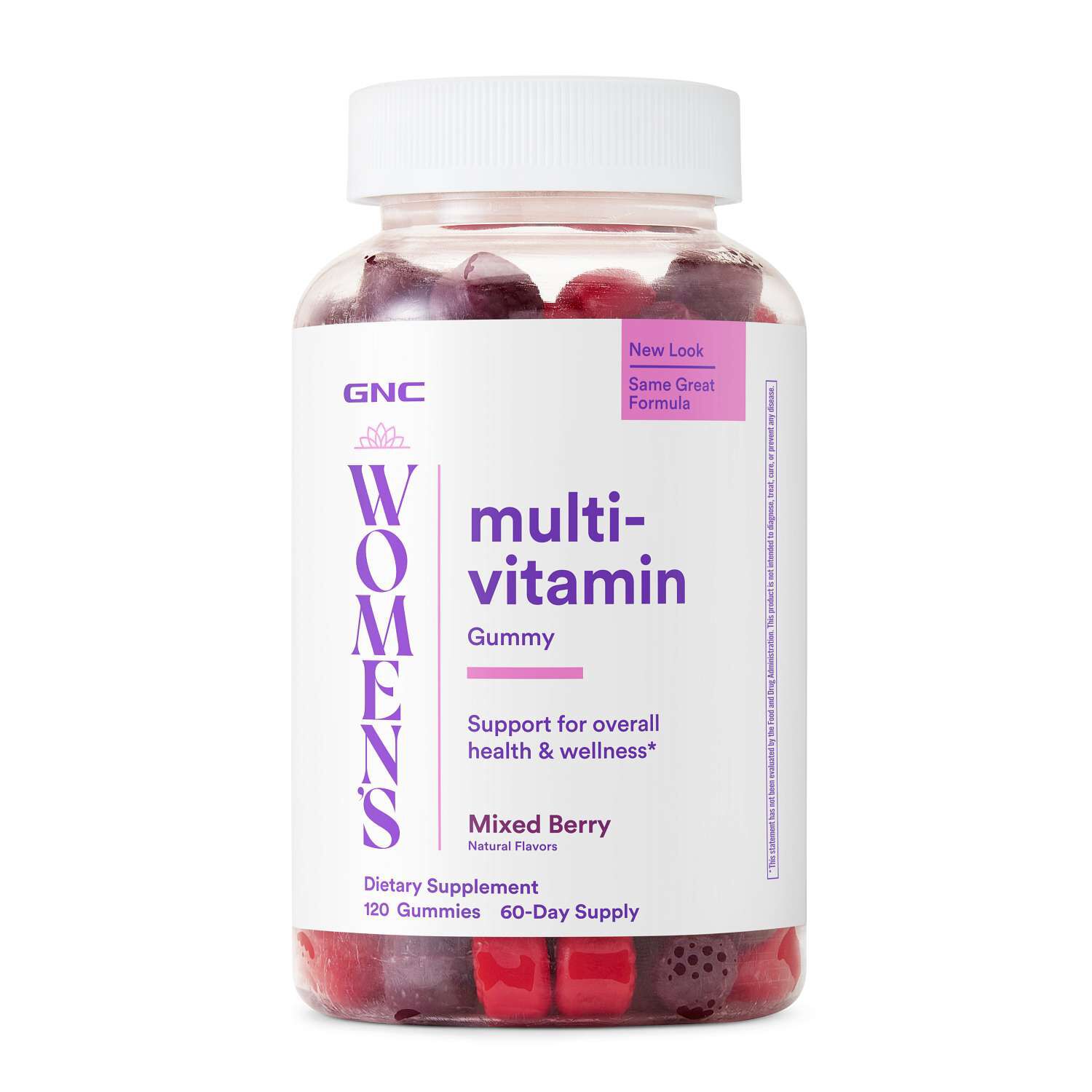
The physical format of adult vitamins is another important distinction, especially for something intended to become part of a familiar routine. Tablets, capsules, softgels, gummies, liquids, and powders differ in texture, size, ingredients, and preparation. A tablet has a compressed structure, while a capsule holds ingredients inside a shell that may be made from gelatin or a plant-derived material. Softgels typically enclose a liquid or oil-based filling. Gummies have a chewable texture and may contain pectin or gelatin, along with sweeteners, flavorings, and coloring ingredients. Liquid and powdered formats involve measuring or mixing according to their package directions, so the measuring tool and preparation details are part of the everyday experience. A person who prefers taking supplements at the kitchen counter might evaluate these formats differently from someone who keeps a labeled container in a work bag. Serving size matters here, too: one gummy, capsule, or tablet does not necessarily represent the full serving shown on the label. Format also does not establish nutritional breadth. A chewable formula and a capsule formula can contain different nutrient selections, even when both are described as adult multivitamins. See Vitamin Blends For Adults. Dietary preferences deserve the same attention as texture and convenience. Capsule shells, gummy bases, flavorings, and other ingredients can matter to someone who follows a vegetarian or vegan eating pattern. Allergen statements and ingredient declarations provide additional context for people comparing formulas around particular dietary restrictions. Sugar content, serving size, and flavor are especially relevant to chewable and liquid formats. These details describe the experience of using a supplement, not just its nutrient content. A fruit-flavored gummy, an unflavored powder, and a softgel can occupy very different places in a daily routine, even when their labels feature some of the same vitamins.
Reading adult vitamin labels side by side makes those differences easier to see. The Supplement Facts panel identifies the serving size, nutrient amounts per serving, and the percentage of the Daily Value where one has been established. Daily Values are labeling reference amounts, not a personalized assessment of an individual’s needs. Comparing amounts per serving, rather than per tablet or per bottle, creates a more consistent starting point. The number of pieces in a container and the number of servings are not always the same, particularly when a serving consists of several gummies or capsules. Nutrient names also deserve a closer look: folate and folic acid, for example, can appear differently on a label, and vitamin D may be identified by a particular form. The other ingredients section adds information about coatings, capsule materials, flavors, and ingredients used to hold the formula together. For someone already using several supplements, a multivitamin and a separate nutrient blend may list overlapping ingredients. That overlap is worth recognizing rather than assuming that differently named categories contain entirely different nutrients. Personal suitability, including questions involving other supplements or medicines, is a subject for a qualified health professional rather than something a category label can establish. Once a supplement becomes part of a household routine, storage and packaging matter as well. Follow the package directions for storage, keep closures secure, and protect the contents from moisture and direct light as directed. A tightly closed container on a designated shelf offers a different storage environment from a bottle beside a steamy shower or an open drink. Original packaging preserves access to the ingredient list, serving directions, date information, and lot details. Keeping adult vitamins out of children’s reach is particularly important for formats that resemble candy. Thoughtful comparison ultimately brings together the formula, its intended adult audience, the serving format, and the practical details of everyday handling. Those concrete features provide a clearer picture of adult vitamin supplements than front-label wording alone.
Best Sellers
-
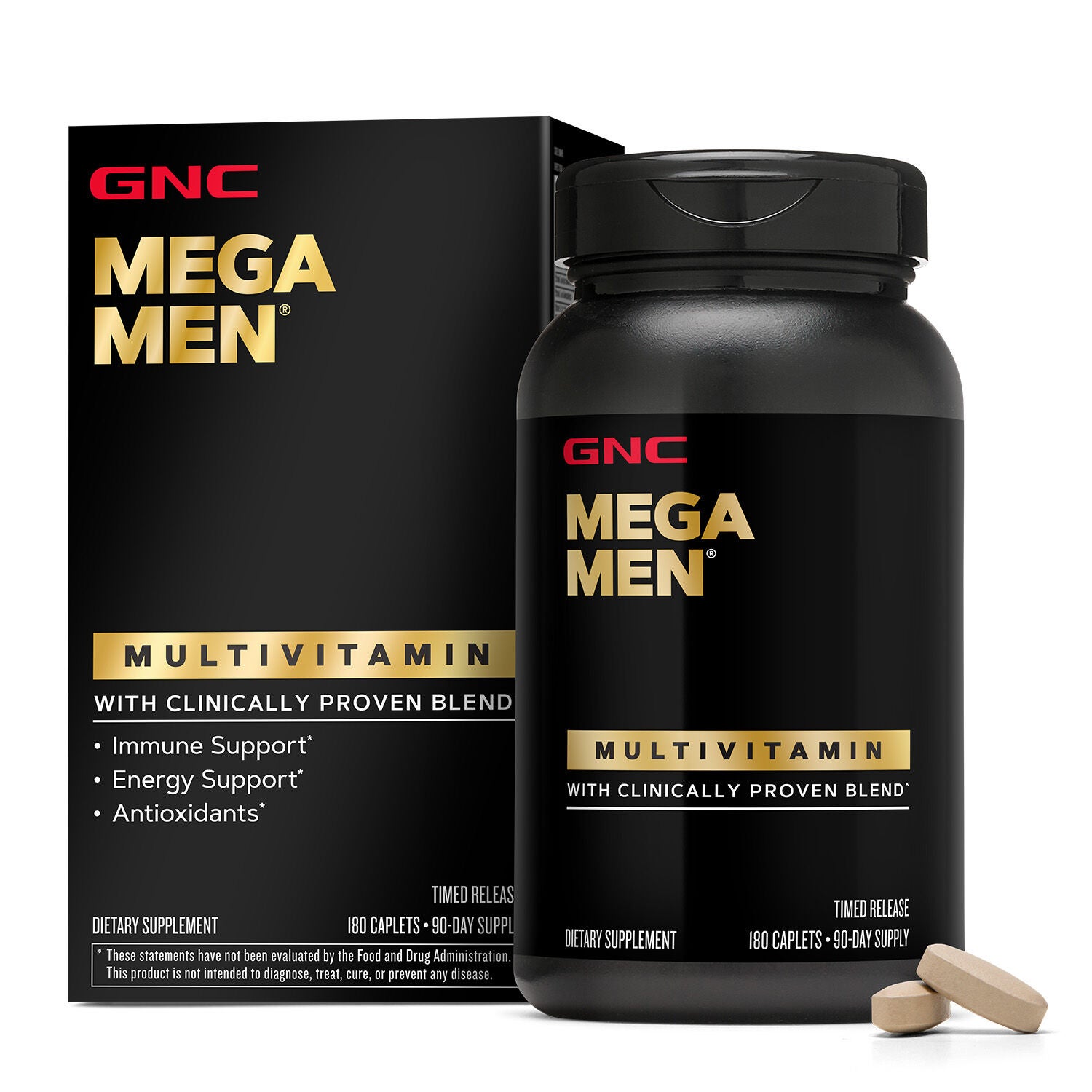 GNC Mega Men
-
 GNC Mega Men
-
GNC Mega Men
-
 GNC Mega Men
Related Pages


Top Collections
- Zinc Supplements For Men
- Chronic Fatigue Supplements
- Metabolism Boost For Weight Loss
- Daily Collagen Supplements | Top Brands & Deals | GNC
- Supplements For Yoga Joint Flexibility
- Capsule Supplements For Energy And Stamina
- Adult Vitamins
- Vitamins For Hair Loss
- Burnout Support Supplements
- Best Brand of Magnesium Glycinate