

Vitamins For Immune Compromised Adults
(0 Results)
Vitamins for immune compromised adults may play a supportive role in helping maintain overall wellness. Choosing the right vitamins could be an important step for those looking to support their daily nutritional needs. Explore a variety of options that are designed with quality and care, so you can find what may fit best into your routine and lifestyle.


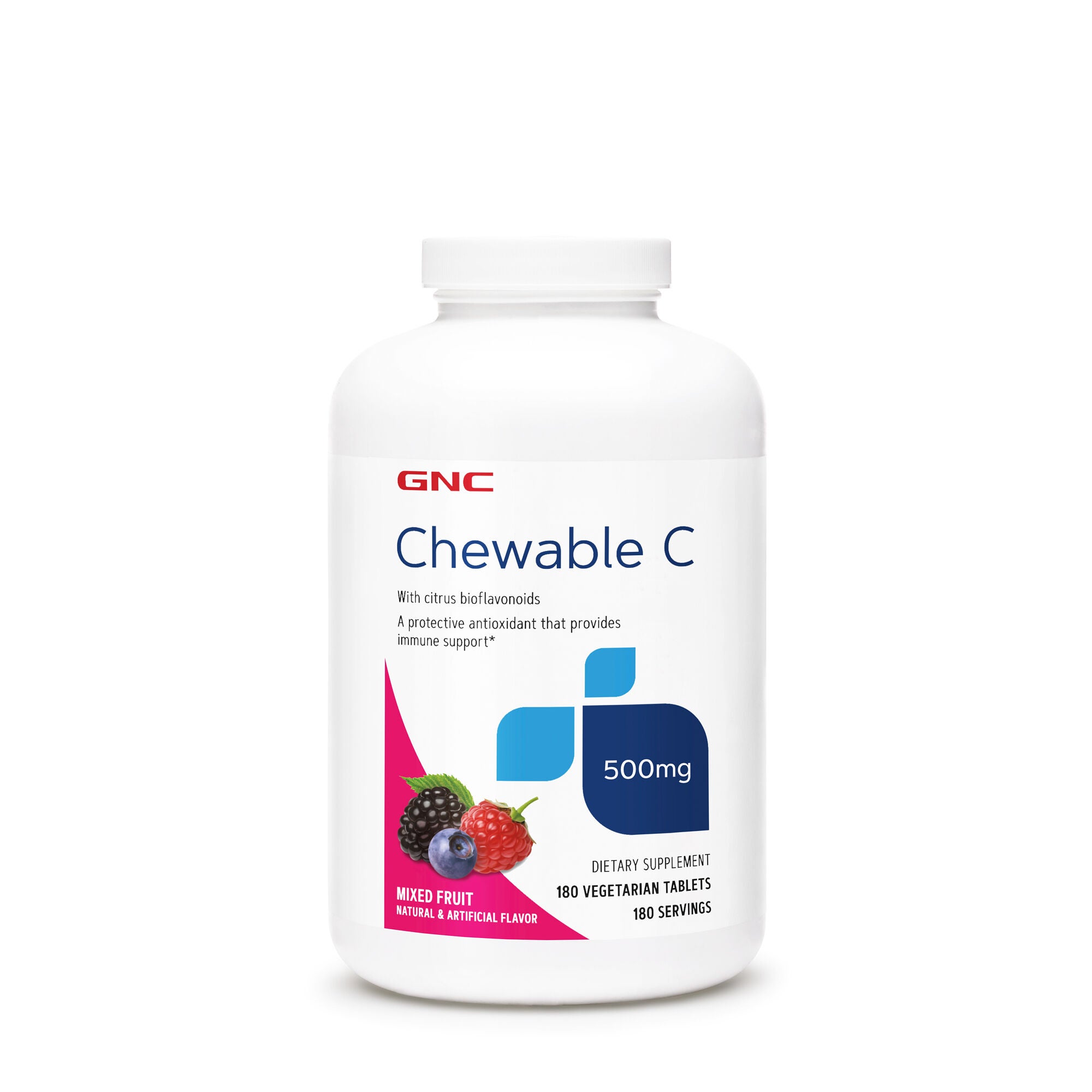
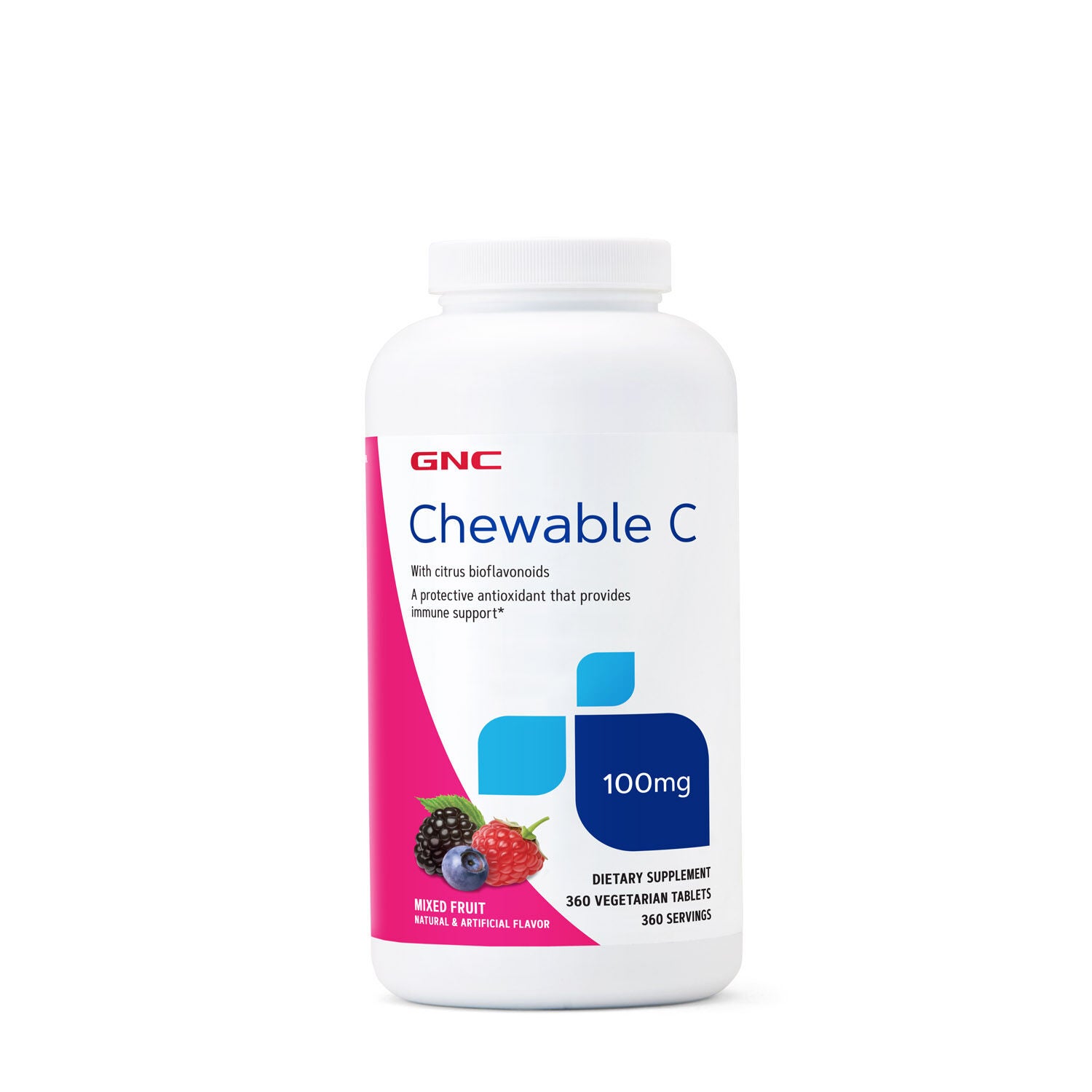


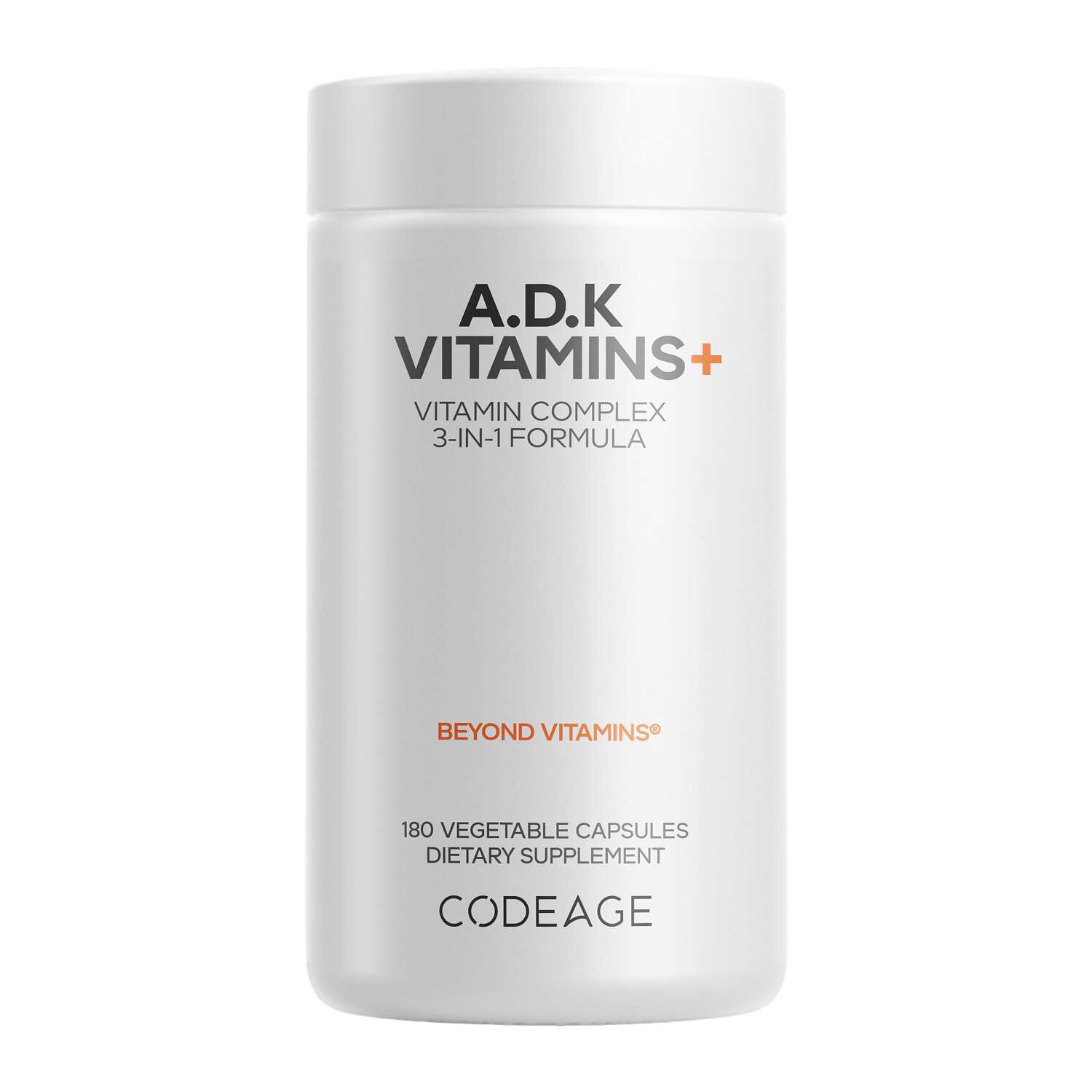





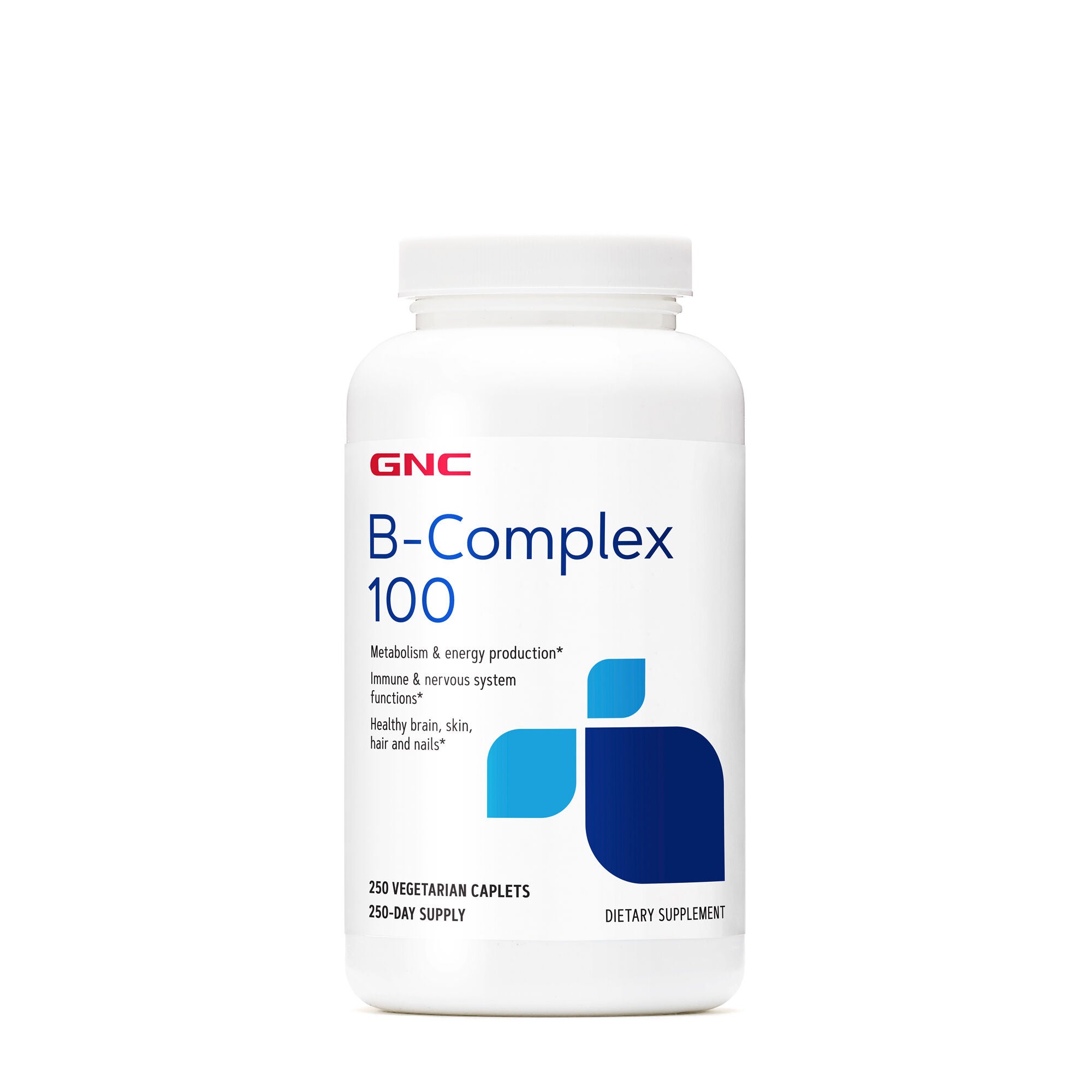


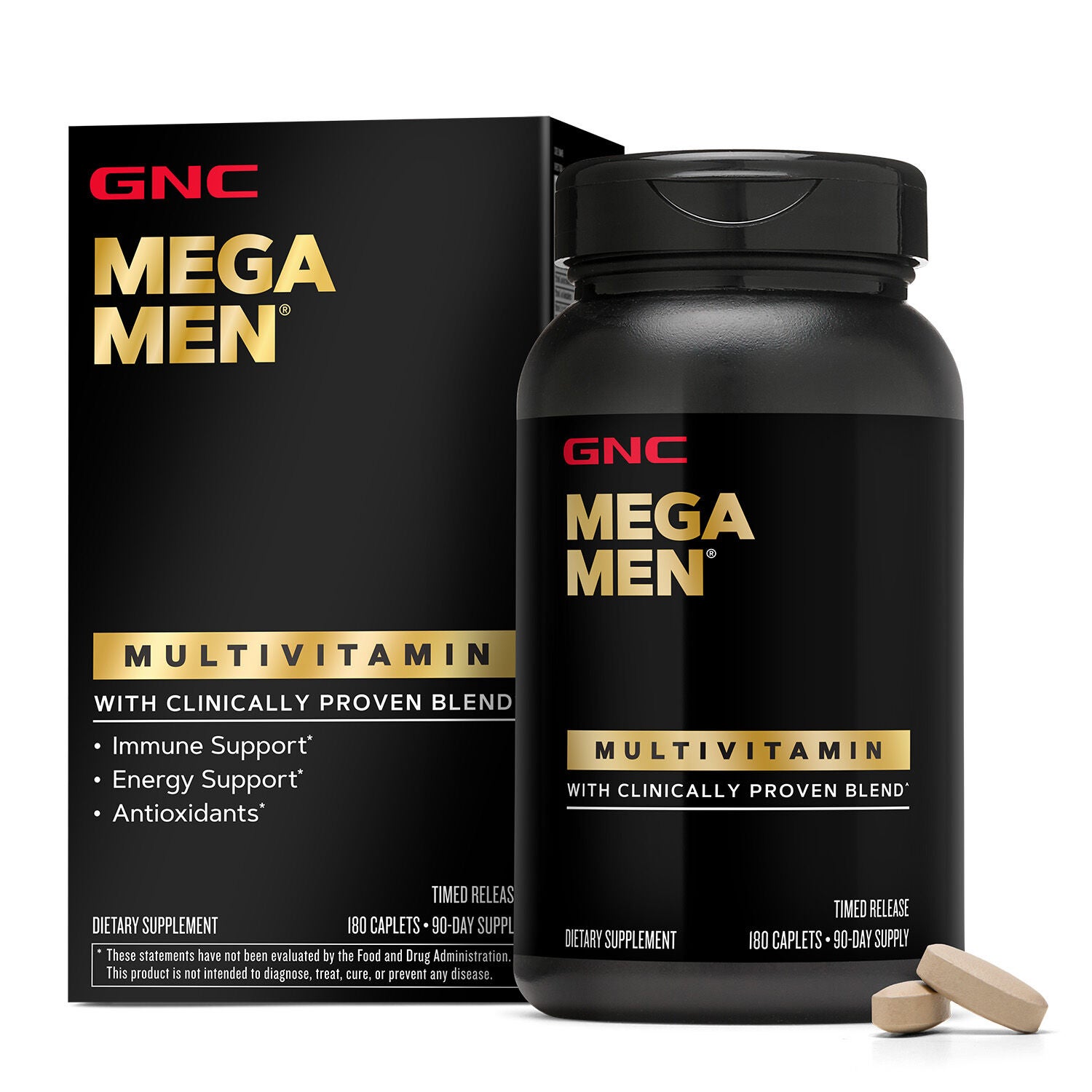
Adults managing immune concerns may approach vitamins and supplements with extra care, especially when a healthcare professional has recommended particular nutrients or when prescribed medications are part of a daily routine. This collection of vitamins for immune compromised adults may offer options to discuss with a qualified healthcare provider, who could help determine whether a supplement fits an individual’s health history, dietary pattern, and care plan. Whole foods may be the preferred starting point for meeting nutritional needs, with colorful produce, protein-rich foods, whole grains, and nourishing fats contributing a broad mix of nutrients. Vitamin C may support normal immune function and antioxidant activity; food sources include oranges and other citrus fruits, bell peppers, broccoli, strawberries, and tomatoes. Vitamin D may help support normal immune regulation and is found in fatty fish, egg yolks, and fortified foods. Zinc may contribute to normal immune cell function and can be found in lean beef, poultry, seafood, pumpkin seeds, lentils, beans, dairy foods, and fortified grains. Selenium may support antioxidant defenses and normal immune function, with food sources including Brazil nuts, tuna, eggs, cottage cheese, poultry, and whole grains. A supplement may be worth discussing when a person’s food choices, appetite, dietary restrictions, or guidance from a healthcare professional make it difficult to obtain a particular nutrient through meals alone. Shoppers may wish to compare serving sizes, nutrient forms, added ingredients, allergen information, expiration dates, and storage instructions rather than choosing solely by the largest number on a label. Some formulas combine several nutrients, while others focus on one nutrient for a more tailored routine. For adults seeking options by age group, Immune Support Supplements For Adults Over 40 may provide another place to browse. A simple label can be especially helpful for someone who already takes a multivitamin or receives nutrients from fortified foods, since overlapping ingredients could make it easier to take more than intended. A healthcare provider or pharmacist may be able to review the full list of vitamins, minerals, herbal ingredients, and probiotics before a new product becomes part of a regular routine.
People with a weakened or altered immune system may have individual considerations that are not obvious from a product label. Certain ingredients, including some probiotics, could be unsuitable for some people or could interact with medications, so professional guidance may be appropriate before use. Higher amounts are not automatically better: excess zinc may interfere with copper absorption, while high amounts of vitamin E or other nutrients could create unwanted concerns for some individuals. Following the serving directions and avoiding several overlapping formulas may support a more thoughtful routine. It can also help to keep a written list of supplements and medications, including the amount and time of day each is used, and bring that list to appointments or a pharmacy consultation. During the cooler months, many adults find that routines become less predictable as daylight, travel, indoor gatherings, and changing meal schedules shape the day. Vitamins may be easier to remember when stored with a regular breakfast or another consistent part of the day, provided the label and a healthcare professional support that approach. Keeping supplements in their original containers may help preserve directions and ingredient information, while proper storage away from heat, moisture, and children may help maintain product quality. These products may also be considerate gifts for a parent, partner, relative, or friend who prefers practical wellness items, particularly when paired with a grocery delivery, a basket of foods they enjoy, or a note encouraging them to check with their healthcare provider first. Gift-givers may want to choose a general, clearly labeled option rather than selecting a high-potency formula for someone else. A person managing an immune-related condition, recovering from a procedure, following a restricted diet, or taking ongoing medications may benefit from a personalized conversation before receiving any supplement. Reliable educational information about vitamins, minerals, and safe intake amounts may be found through the National Institutes of Health Office of Dietary Supplements, while a licensed healthcare professional can provide guidance suited to an individual’s circumstances. Supplements may complement a nourishing lifestyle, but they are not a substitute for medical care, prescribed treatment, regular meals, restful sleep, or recommendations made by a qualified provider.