





Vitamins With Saw Palmetto
(0 Results)
Explore the potential benefits of vitamins with saw palmetto, a natural supplement ingredient that has been cherished for centuries. Known for its unique properties, saw palmetto may support various aspects of health and wellness. Whether you're seeking to enrich your daily routine or explore new avenues for well-being, these vitamins could offer a promising addition to your lifestyle. Discover how incorporating this powerful botanical into your regimen might contribute to your overall health journey.
-

-

-

-

-
-

-

-

-

-

-
$59.99
-

-

-
 $29.99
 -

-
 $42.99
 -

-

-

-
-
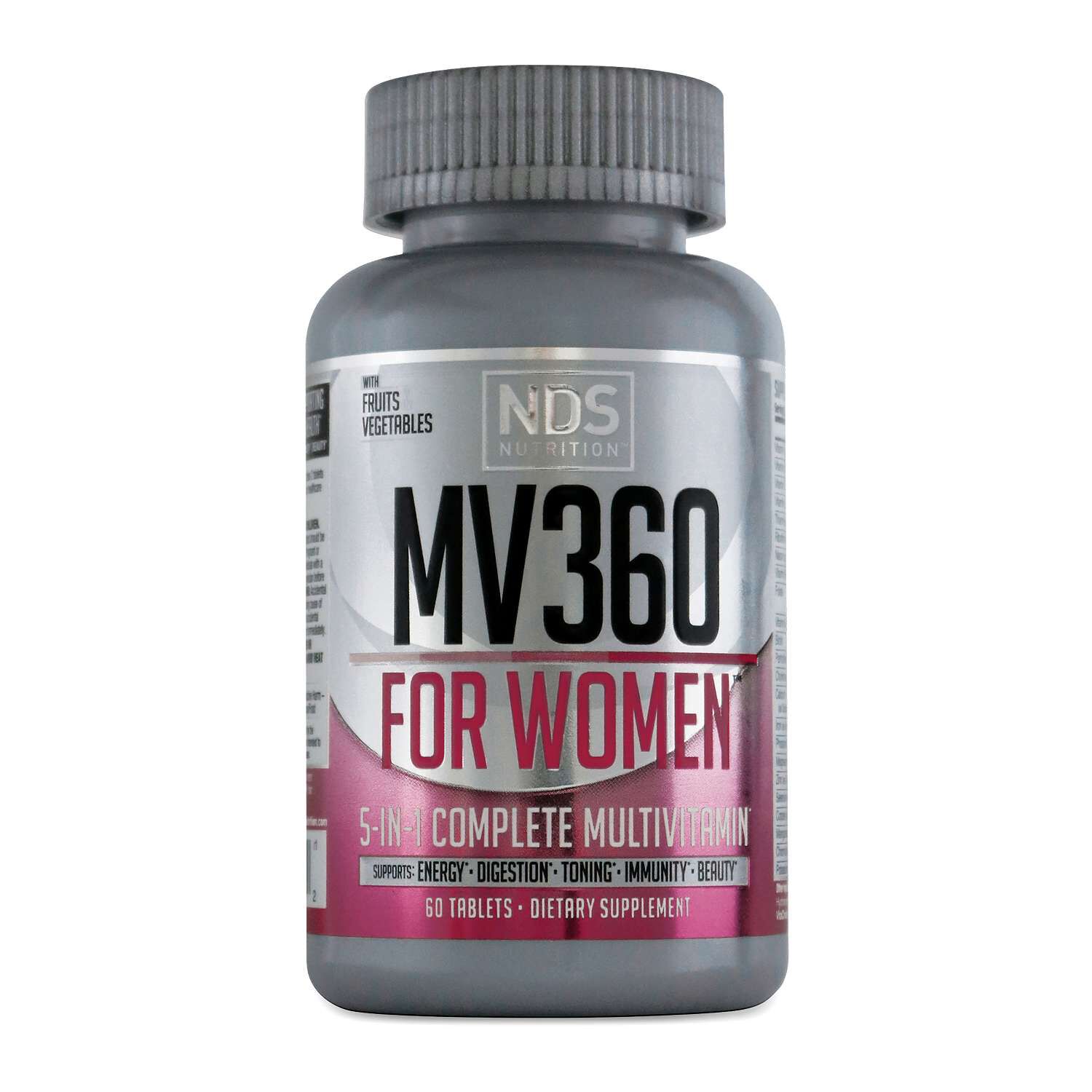 NDS Nutrition$49.99

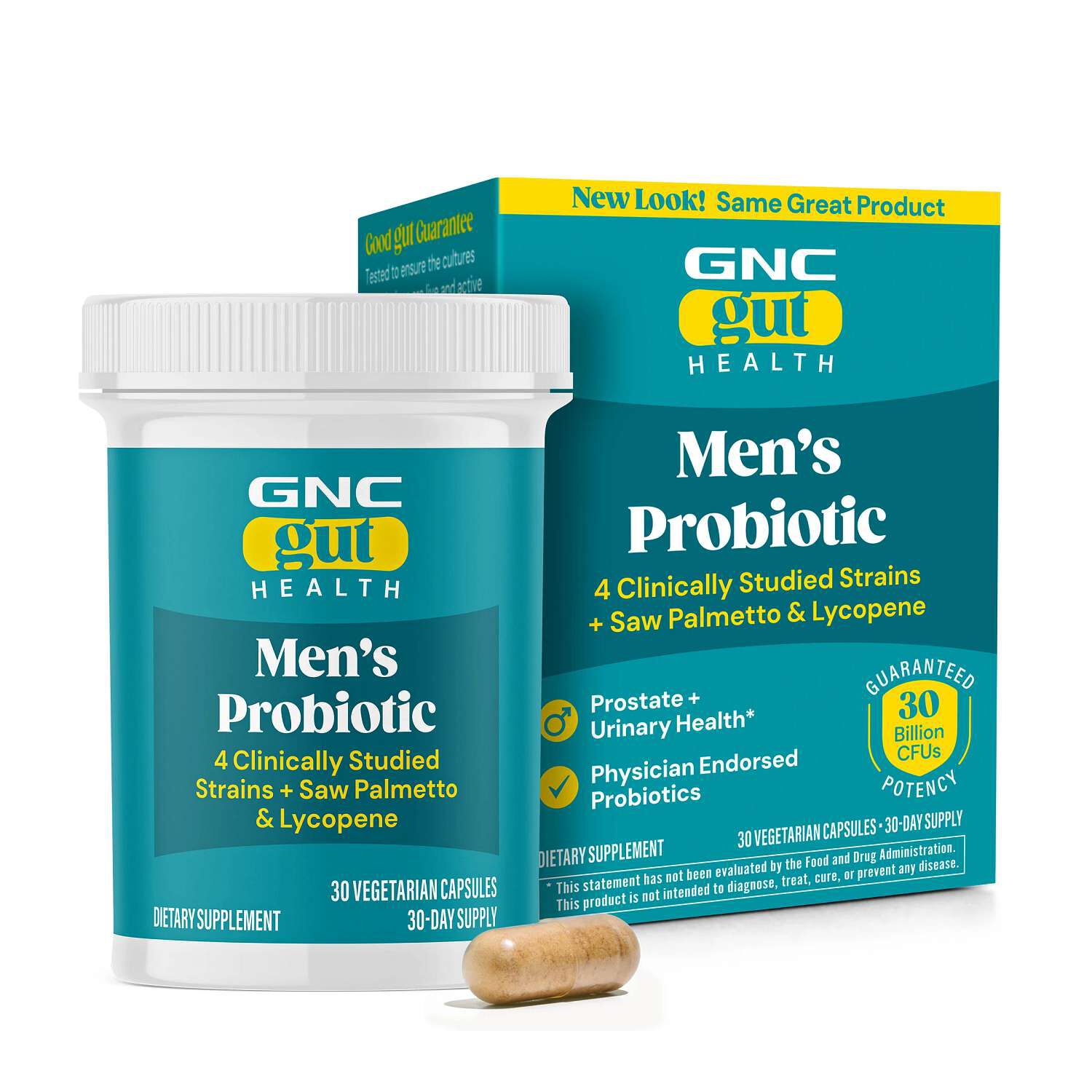


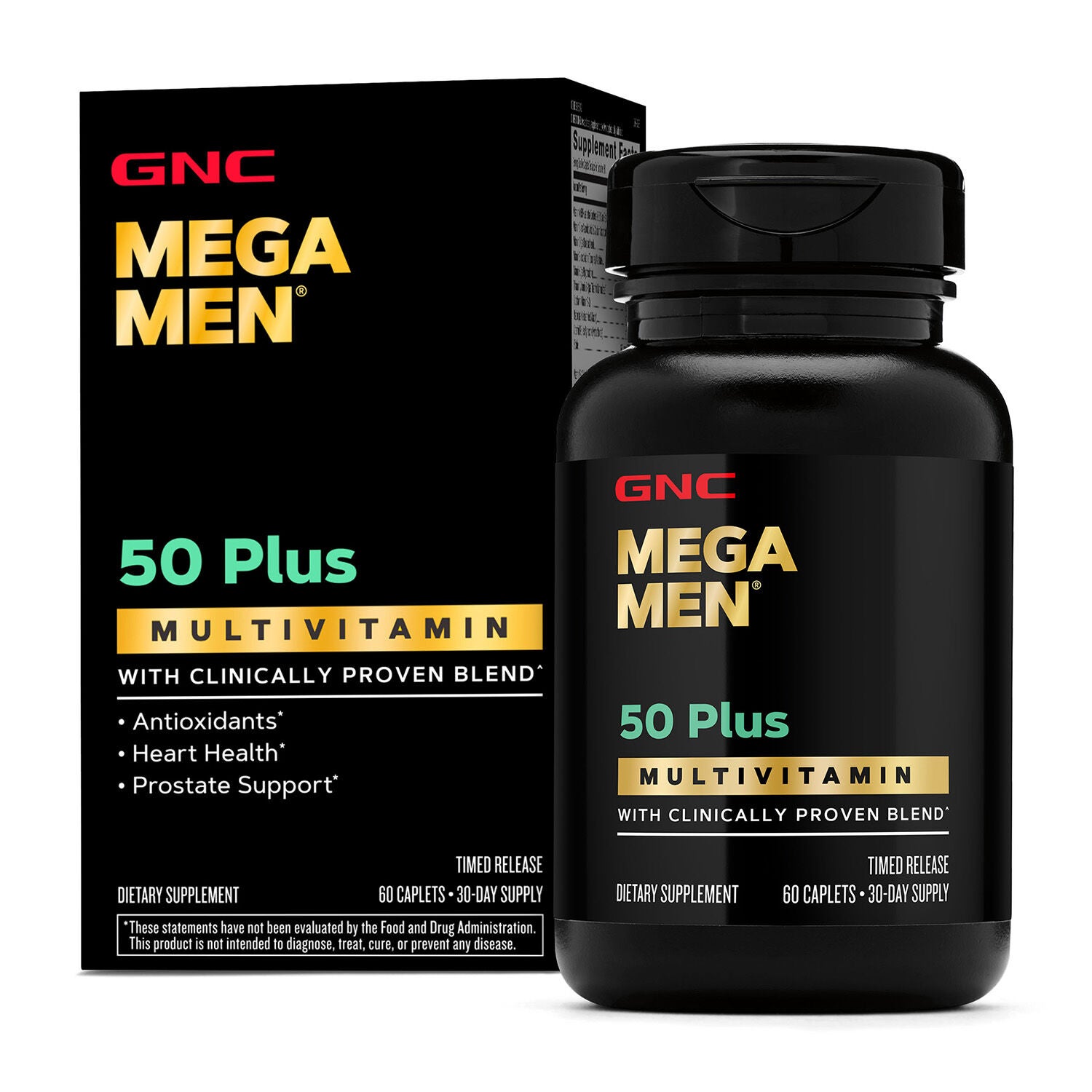
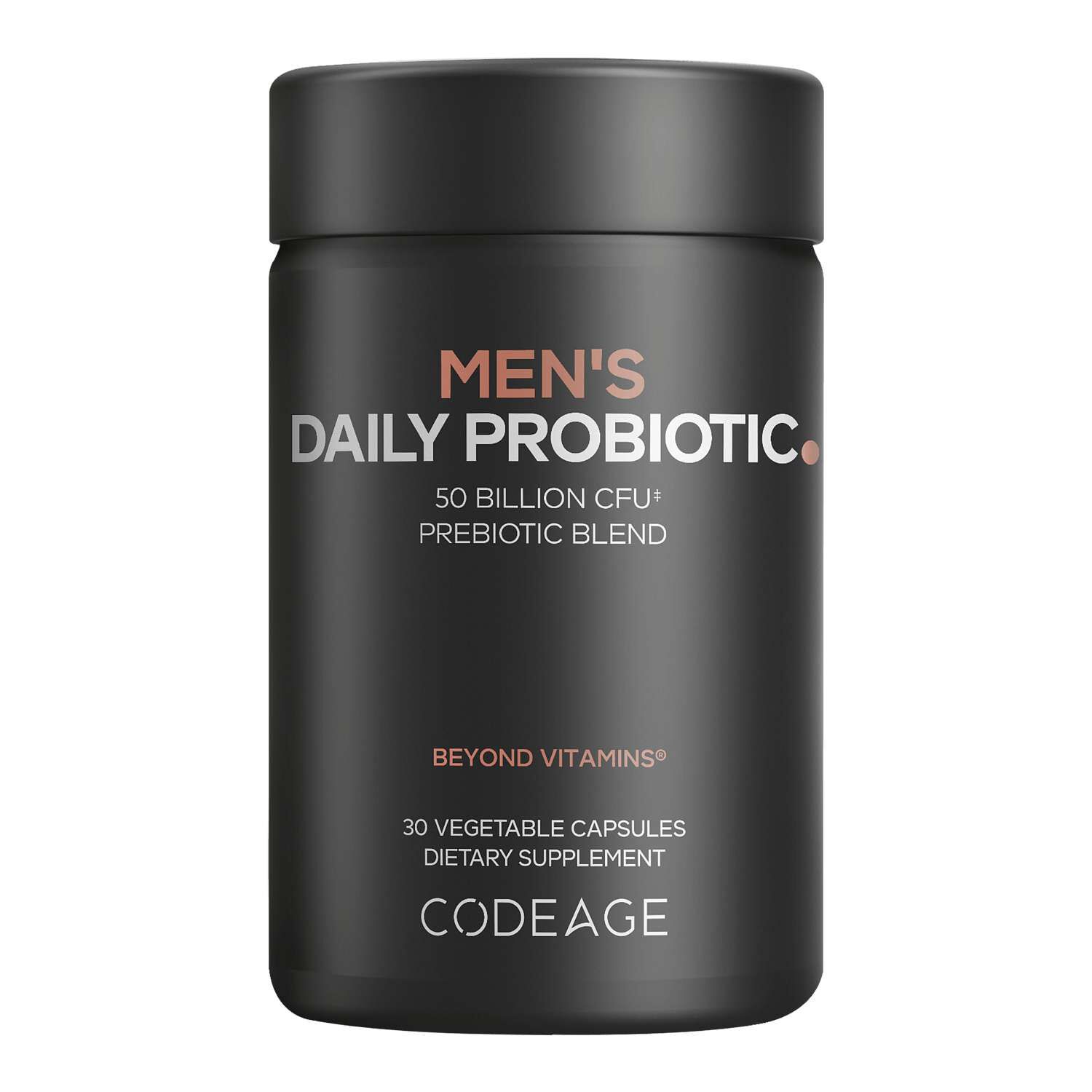
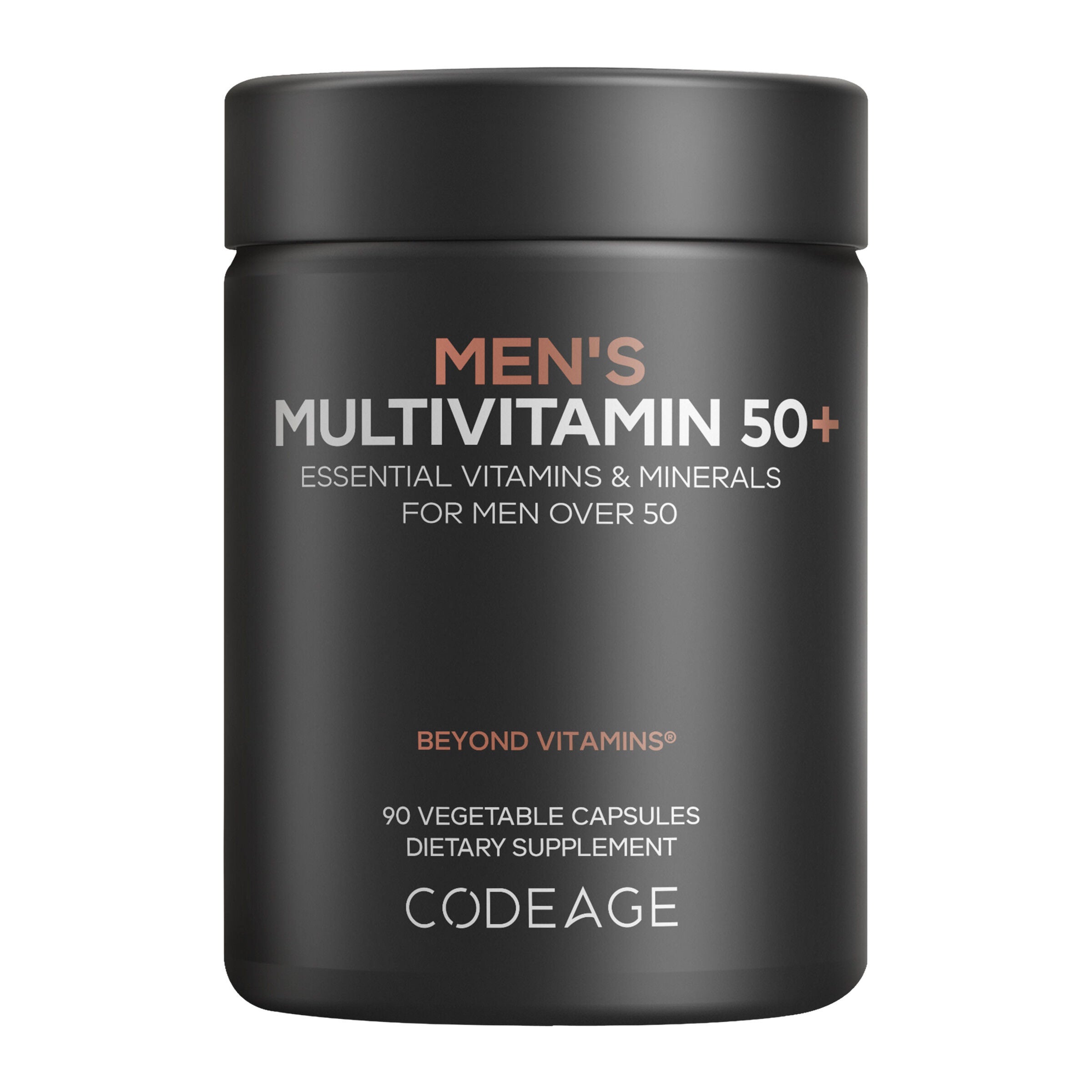
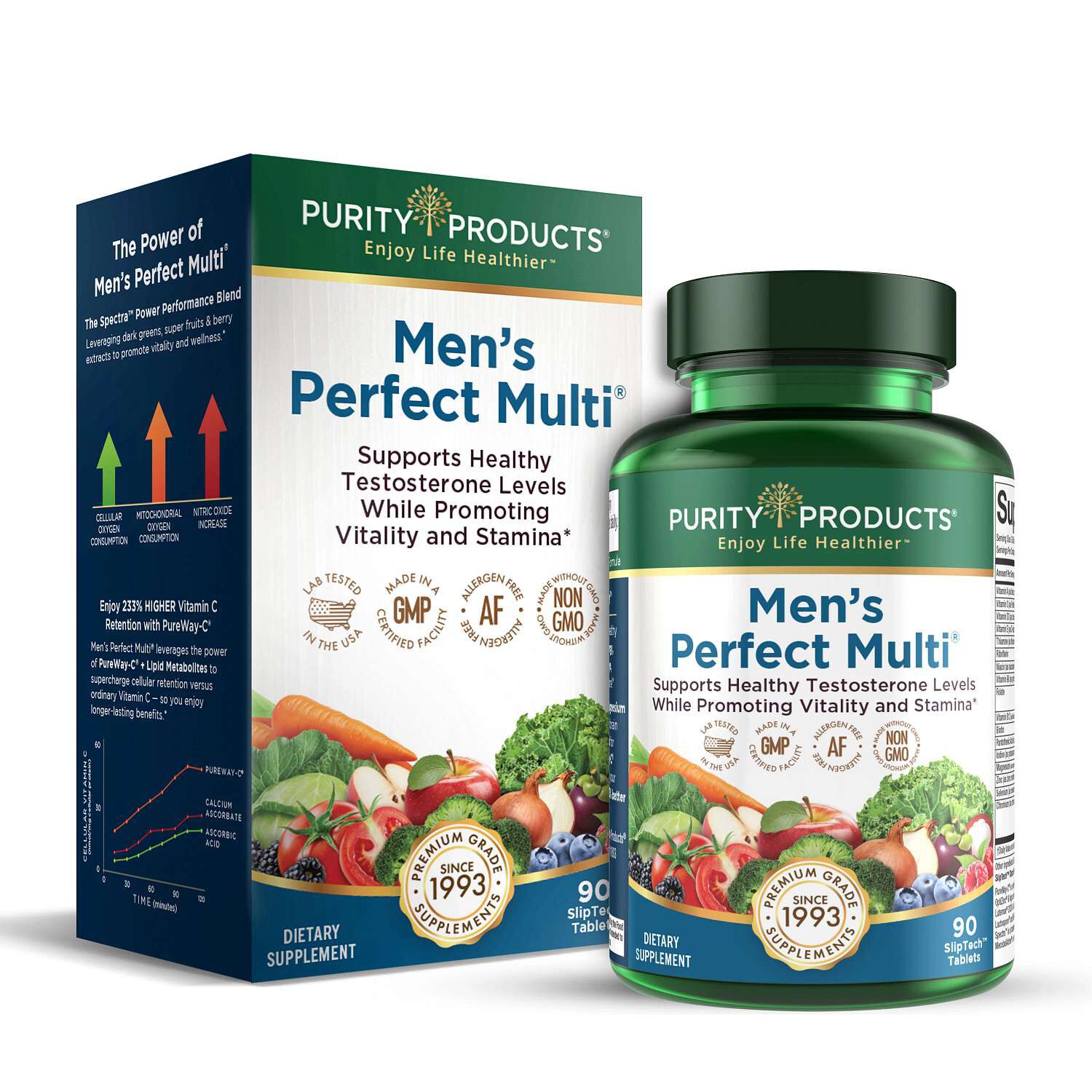
Vitamins with saw palmetto bring a botanical ingredient into the same category as familiar vitamin and mineral formulas. Saw palmetto, botanically known as Serenoa repens, is a small palm native to the southeastern United States. Its berries are used to make ingredients for dietary supplements, including berry powders and extracts. Although the phrase “vitamins with saw palmetto” is common, saw palmetto itself is not a vitamin or mineral. It is a plant-derived ingredient that may appear alongside nutrients such as vitamin D, B vitamins, zinc, and selenium. These combinations are often formulated for adult men, with the intended audience identified on the package. The distinction between a multivitamin containing saw palmetto and a botanical supplement containing a few added nutrients matters: the two can have quite different ingredient lists, serving sizes, and nutritional profiles. A multivitamin typically brings together a broader range of vitamins and minerals, while a more focused blend centers on a smaller group of ingredients. Neither description alone tells the whole story of what is inside the bottle. For someone comparing options for an established daily routine, the Supplement Facts panel offers a more useful starting point than a prominent ingredient name on the front. It shows which nutrients are included, their amounts per serving, and the quantity of saw palmetto when separately disclosed. Some formulas also contain pumpkin seed ingredients or lycopene, a carotenoid found in tomatoes and other foods. Those additions create different combinations rather than interchangeable versions of the same formula. A person looking for a broad vitamin and mineral assortment may have different preferences from someone specifically interested in a botanical-centered blend. Browsing this category is therefore as much about understanding the overall composition as it is about finding saw palmetto on the label. The most meaningful comparisons connect the ingredient list, the intended user, and the practical details of the serving format.
The form of saw palmetto is another useful point of comparison. A label may identify berry powder, berry extract, or an extract described by its fatty acid content. These terms describe different ingredient preparations, so matching milligram amounts do not necessarily mean matching compositions. When an extract is described as standardized, the label refers to a specified amount or proportion of particular constituents; that description is not, by itself, evidence of a particular result. Some labels disclose saw palmetto separately, while others place it within a botanical blend whose combined weight is listed. That difference affects how closely a shopper can compare the amount of each ingredient. The surrounding nutrients deserve the same attention. Zinc and selenium are minerals, vitamin D is a vitamin, and lycopene is a carotenoid; seeing them together does not make them the same kind of ingredient. Shoppers interested in that particular combination can also explore Men's Vitamins With Lycopene and Saw Palmetto to compare the category’s formulation styles. Beyond the featured ingredients, the other ingredients list describes components used to create the finished tablet, capsule, or softgel. Depending on the format, these can include capsule-shell materials, oils, coatings, colors, and ingredients that help hold a tablet together. Gelatin and plant-derived capsule materials are not interchangeable for shoppers with particular dietary preferences, and a botanical ingredient does not automatically make the finished supplement suitable for a vegetarian routine. A capsule shell is only one part of that assessment; the rest of the formula matters, too. Clearly stated dietary attributes and detailed ingredient disclosures offer more context than assumptions based on the appearance of the bottle. Likewise, any independent testing statement is worth reading for its stated scope, whether it addresses ingredient identity, composition, or another defined attribute. A testing reference describes a verification process, not an expected personal outcome. These details give shoppers a clearer basis for comparing formulas without relying on the prominence of a front-label phrase.
Everyday fit also comes down to details that are easy to overlook while browsing. Tablets, capsules, and softgels have different textures, dimensions, and ingredient requirements, and individual preferences often shape which format feels practical. A person with a compact breakfast setup and limited cabinet space may pay close attention to bottle dimensions and the number of units in a labeled serving. Someone who regularly packs an overnight bag may be more interested in a secure closure and a container that keeps the original ingredient information close at hand. Serving size is especially important when comparing bottles: a count of capsules or tablets is not the same as a count of servings. The amount shown in the Supplement Facts panel generally corresponds to the stated serving, which may consist of more than one unit. Reading those two details together makes the package easier to understand without assuming that every formula follows the same pattern. For a supplement joining an existing assortment, a side-by-side look at labels also reveals repeated nutrients and botanicals; a familiar ingredient can appear in more than one type of formula. Care and storage are part of the product’s practical fit as well. Unlike a reusable accessory, a vitamin formula has a dated shelf life and storage conditions specified on its packaging. A tightly closed original container, stored according to its label, preserves access to the lot information, date marking, and directions. A steamy bathroom shelf, a sunny windowsill, and a car console can expose a bottle to conditions different from those specified by the manufacturer. During the cooler months, the same attention to storage remains relevant when indoor heating and travel change where everyday items are kept. Clear labeling, a manageable serving format, transparent ingredient amounts, and packaging that suits the household routine are concrete features to compare. Vitamins with saw palmetto encompass different approaches to combining nutrients and botanicals, making the full label—not simply the presence of one ingredient—the clearest description of each formula.
Best Sellers
-
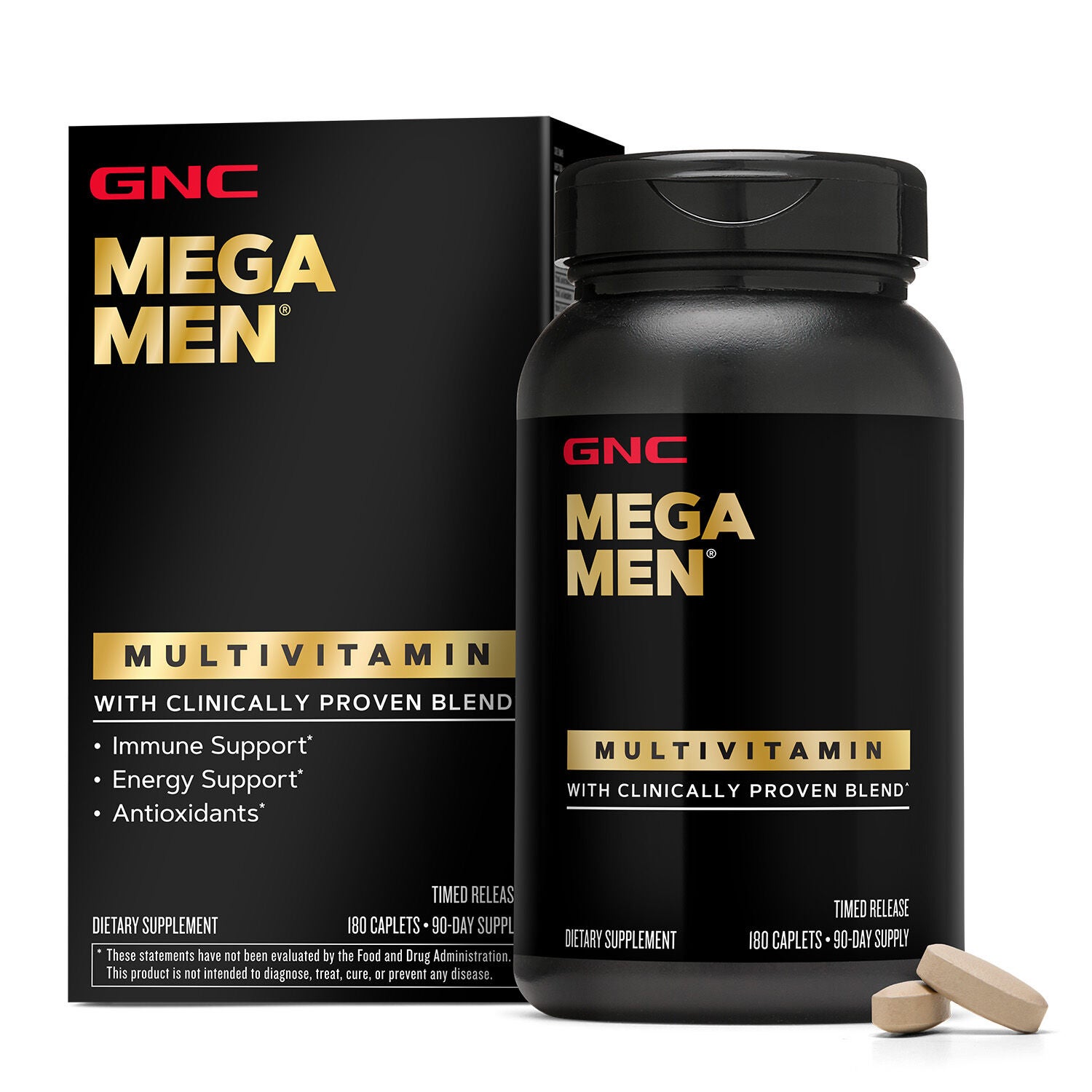 GNC Mega Men
 -
GNC Mega Men
-
GNC Mega Men
-
 GNC Mega Men
