





Men's Vitamins With Lycopene And Saw Palmetto
(0 Results)
Men’s vitamins with lycopene and saw palmetto could be a convenient addition to your daily routine, offering a blend of ingredients tailored for men’s unique wellness goals. These formulas may be selected by those seeking support for their overall health and well-being. Explore options that combine carefully chosen vitamins and herbal extracts, including lycopene and saw palmetto, designed to fit a variety of lifestyles and preferences.


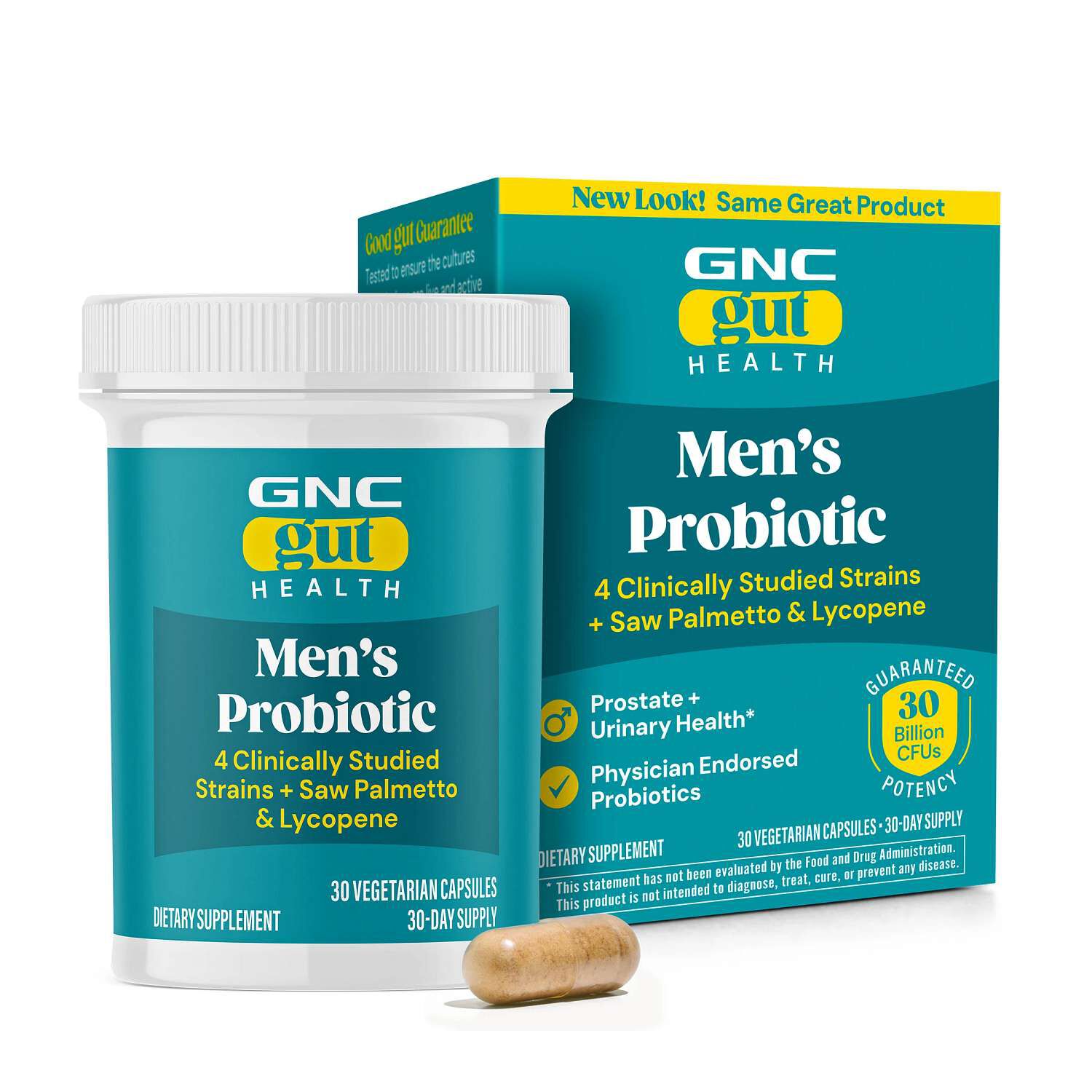
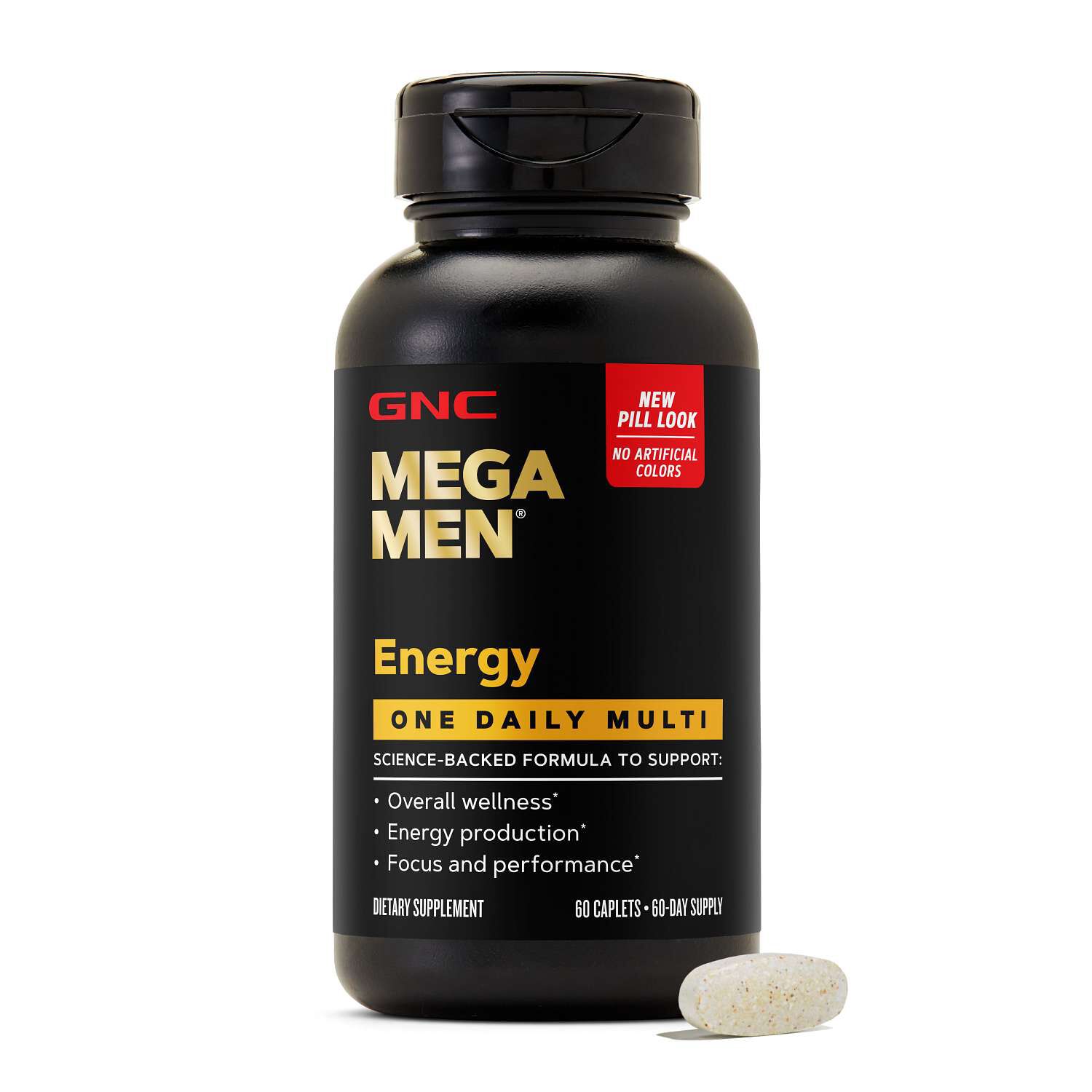

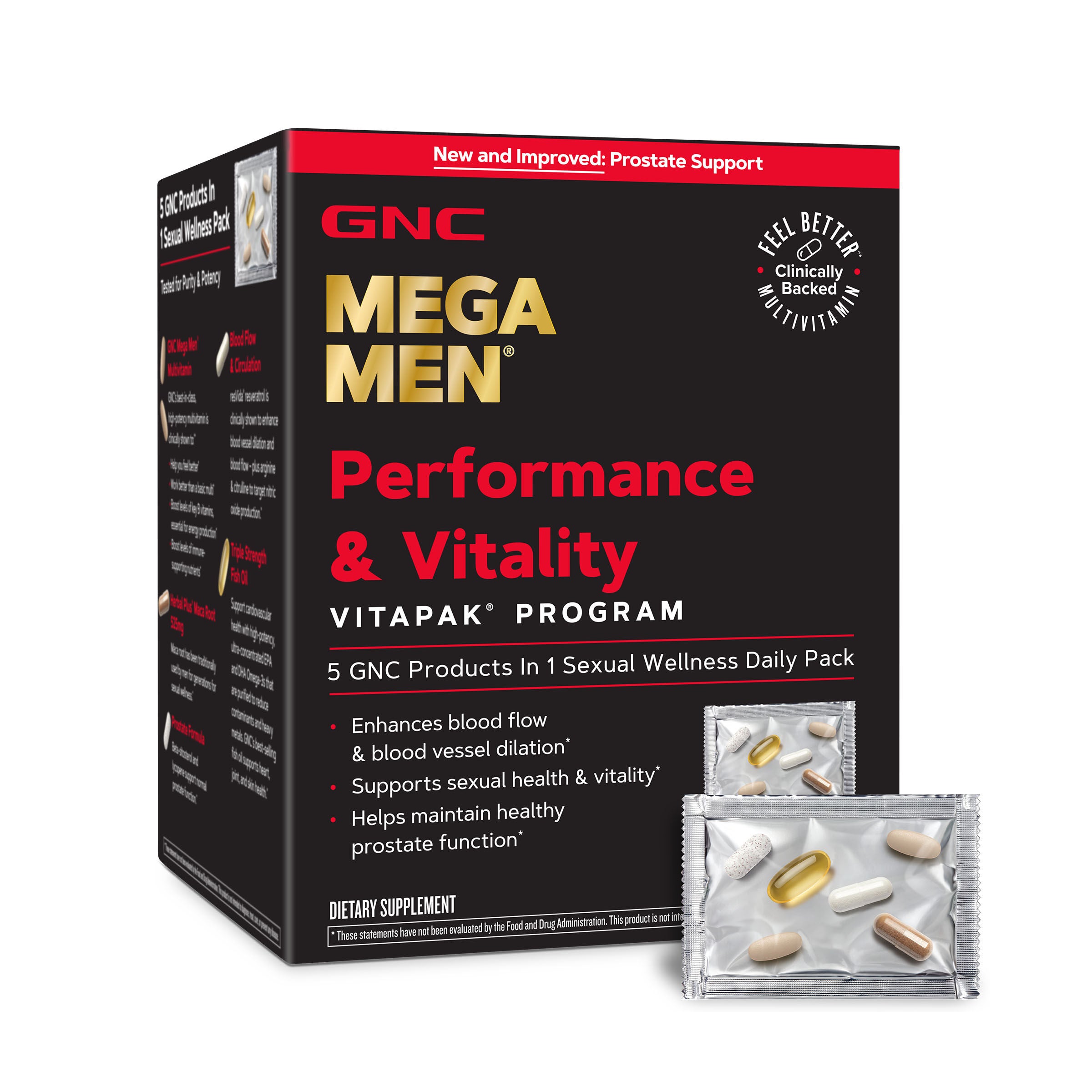


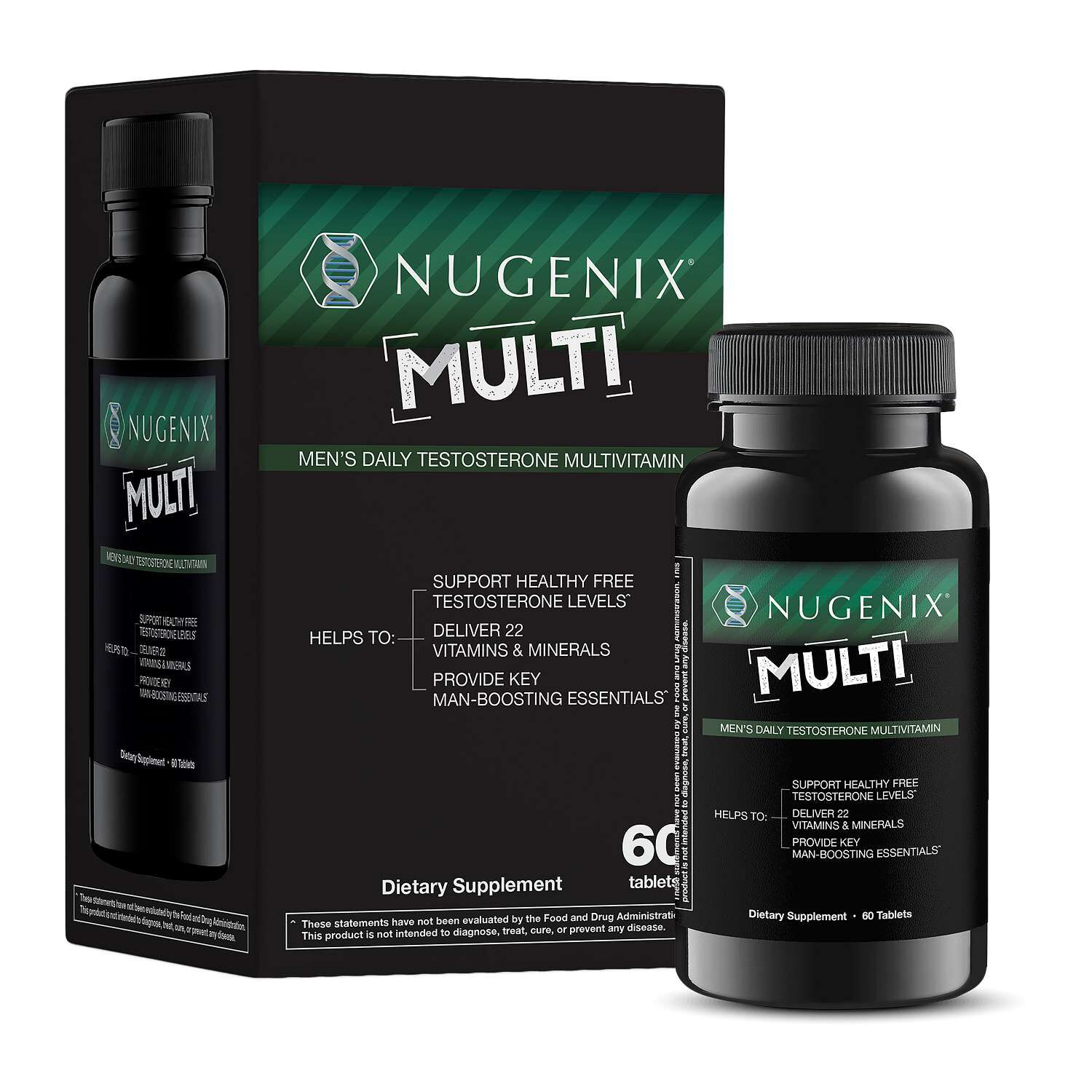
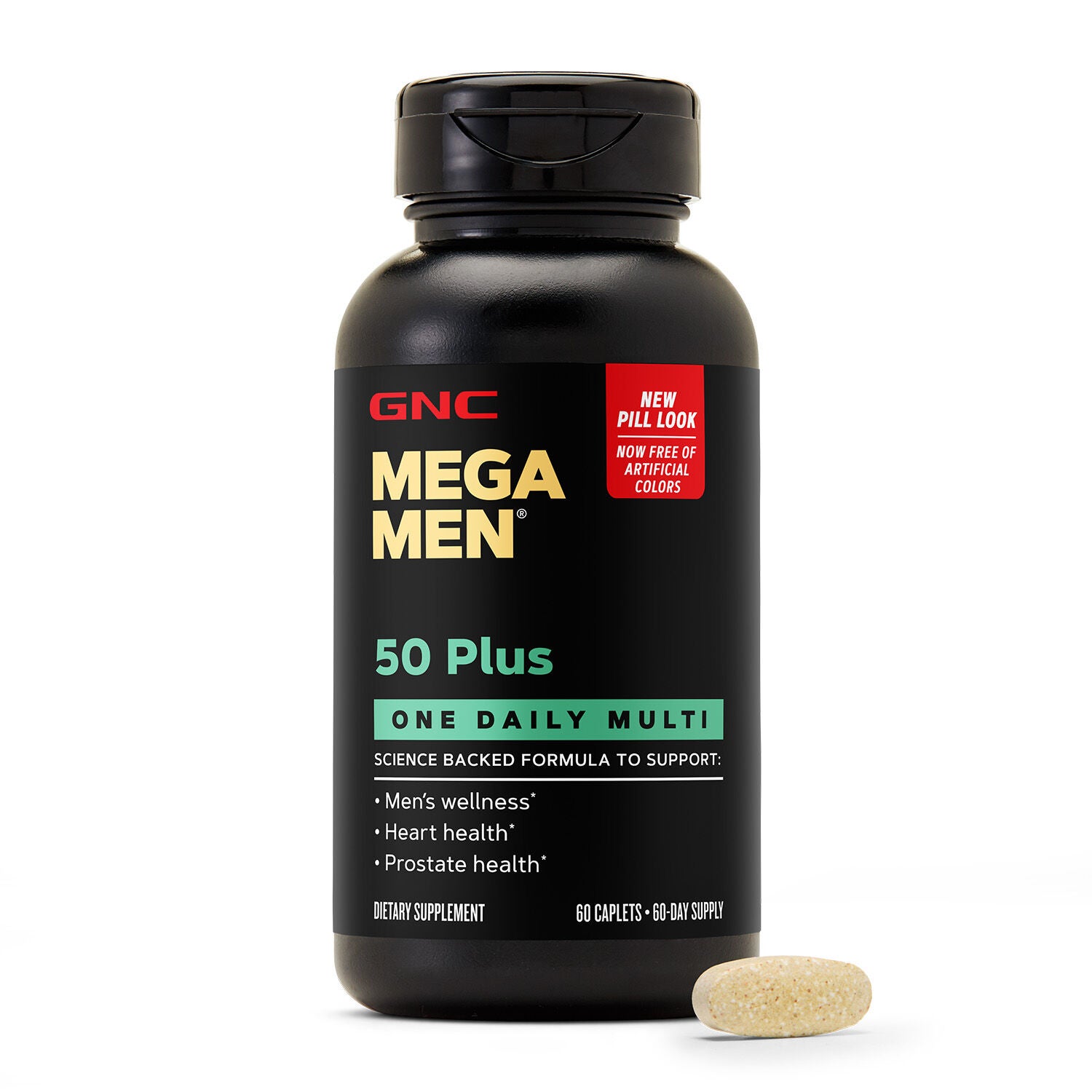

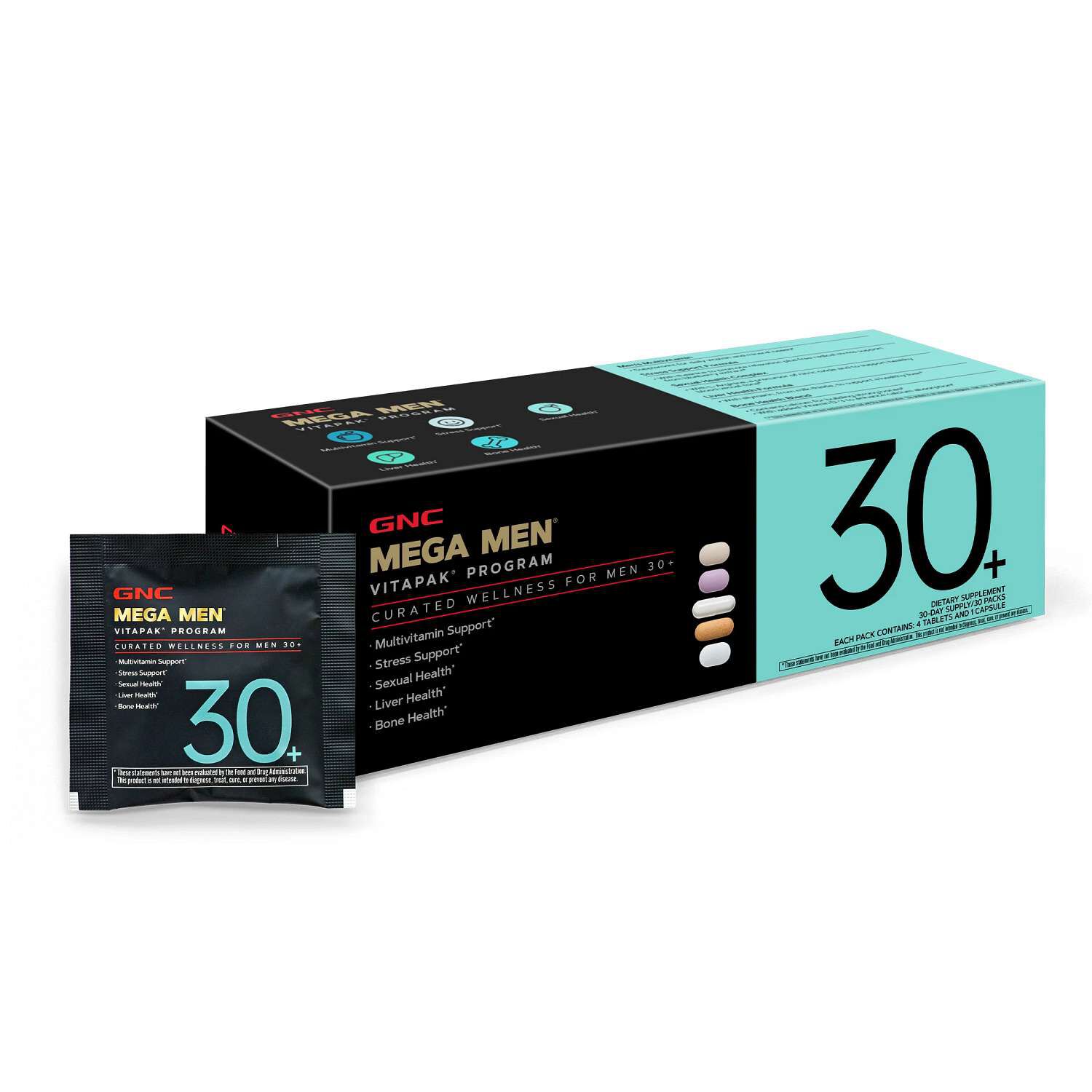


Men's vitamins with lycopene and saw palmetto are dietary supplements that typically combine a vitamin and mineral blend with two plant-derived ingredients. Lycopene is a carotenoid pigment found in tomatoes, watermelon, pink grapefruit, and certain other foods. Saw palmetto is a botanical ingredient obtained from the fruit of Serenoa repens, a small palm. Although these ingredients often appear together in formulas intended for adult men, they are different substances with different ingredient descriptions. Lycopene is not itself a vitamin, and saw palmetto is not a mineral. Their inclusion adds another dimension to a men's multivitamin formula, alongside nutrients such as vitamin D, vitamin B12, zinc, or selenium, depending on the formulation. The category name identifies the pairing, but it does not describe every ingredient in the bottle or establish how much of either ingredient a serving contains. That distinction matters when comparing a straightforward multivitamin with a formula containing a longer list of botanicals and other ingredients. The Supplement Facts panel provides the clearest picture of what each serving contains. Lycopene and saw palmetto may appear as individually listed ingredients or within a blend, so the detail provided on the label deserves attention. A separately stated amount is different from a blend weight that covers several ingredients together. Saw palmetto descriptions may also distinguish berry powder from an extract, while a lycopene listing may identify its source. These details describe the formulation rather than establish that one option will produce a particular result. Shoppers looking for men's multivitamins with lycopene and saw palmetto can use this ingredient context to understand what connects the category and what separates individual formulas. The most useful comparison considers the full ingredient list, the stated serving size, and the format together, rather than treating the presence of two familiar names as the entire story.
The physical format is another meaningful part of the comparison, especially for a supplement intended to become part of an everyday routine. Tablets, capsules, and softgels differ in construction, texture, and the ingredients used to make them. Tablets contain compressed ingredients and may have a coating; capsules enclose ingredients in a shell; softgels generally hold a liquid or oil-based preparation inside a flexible shell. Not every formula comes in every format, and the ingredient pairing alone does not indicate the shape or dimensions of a serving. A person who prefers a compact capsule may approach the category differently from someone accustomed to tablets. Serving size adds another practical distinction: one serving may consist of one unit or several, and the number printed on the front of a bottle is not necessarily the number of daily servings inside. Reading the serving-size line alongside the amount-per-serving column makes comparisons more meaningful. Units also deserve a careful look, since vitamins and other ingredients may be listed in milligrams or micrograms. Percent Daily Value offers a separate reference for nutrients with established Daily Values, while botanical ingredients may not have that same reference. The Other Ingredients section describes components used in the finished supplement, such as capsule materials, coatings, oils, or coloring ingredients. For shoppers with dietary preferences, this section matters as much as the highlighted ingredients. A capsule shell may contain gelatin or use a plant-derived material, and those distinctions should come from the actual label rather than an assumption about the category. Someone keeping a bottle beside a breakfast bowl may also value different packaging details than someone packing a bag for overnight travel. Bottle dimensions, closure design, and the serving directions are practical considerations, even though they say nothing by themselves about the formula's effects. Together, these details make the comparison more concrete than a front-label ingredient callout alone.
Everyday use also gives men's vitamins with lycopene and saw palmetto a context beyond the ingredient panel. A familiar routine might include breakfast at home, a commute, and lunch packed the night before; another might involve frequent travel or an irregular work schedule. The labeled directions provide the reference for how a particular supplement is intended to be used, including whether food is specified and how many tablets, capsules, or softgels make up a serving. A formula's fit with that routine is a practical consideration, not a reason to assume a larger serving or a longer ingredient list is preferable. A meaningful comparison can also include the labels of other supplements already in the household, since products with different names may contain some of the same vitamins and minerals. Storage is part of caring for the purchase as well. The bottle's storage instructions and expiration date provide the relevant details, while keeping the original packaging preserves access to the ingredient list, directions, and other label information. A bathroom shelf beside a steamy shower or a bag left in a parked car may not match the storage conditions printed on the container. Packaging intended for a countertop routine may also be less convenient for travel than expected, particularly when a serving includes several units. For shoppers comparing a broader ingredient category, Men's Vitamins With Lycopene provides a related point of reference; the individual label remains the place to confirm whether saw palmetto is included. Dietary supplements are intended to complement food rather than replace meals or a varied eating pattern. Tomatoes in a sandwich, a bowl of fruit, and other everyday foods remain part of that larger nutrition picture. Within this category, the defining combination is lycopene and saw palmetto, but the details that shape a purchase extend to nutrient amounts, botanical descriptions, capsule materials, serving size, packaging, and intended use. Reading those details together keeps the focus on the actual formulation and its place in an adult men's nutrition routine.
Best Sellers
-
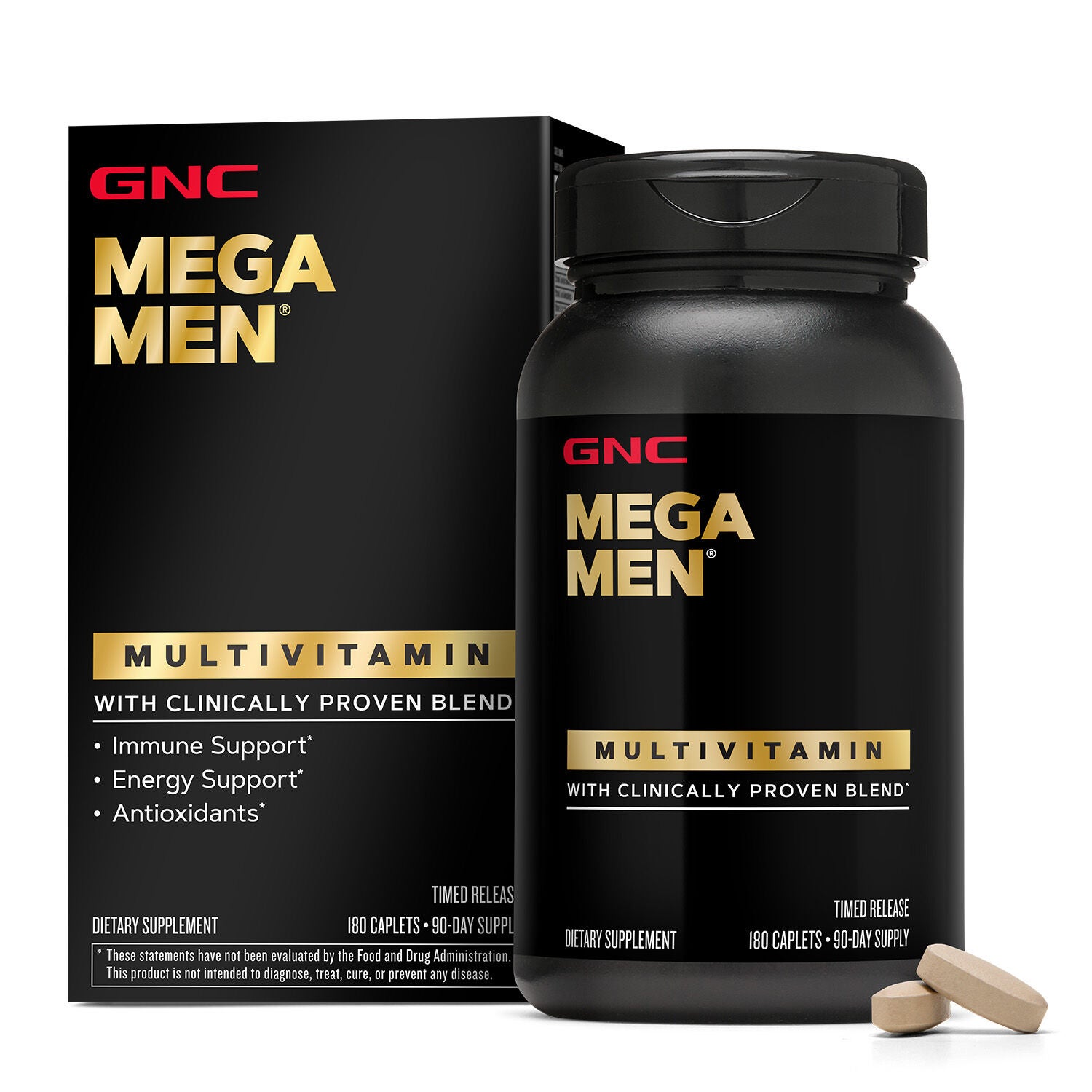 GNC Mega Men
-
 GNC Mega Men
-
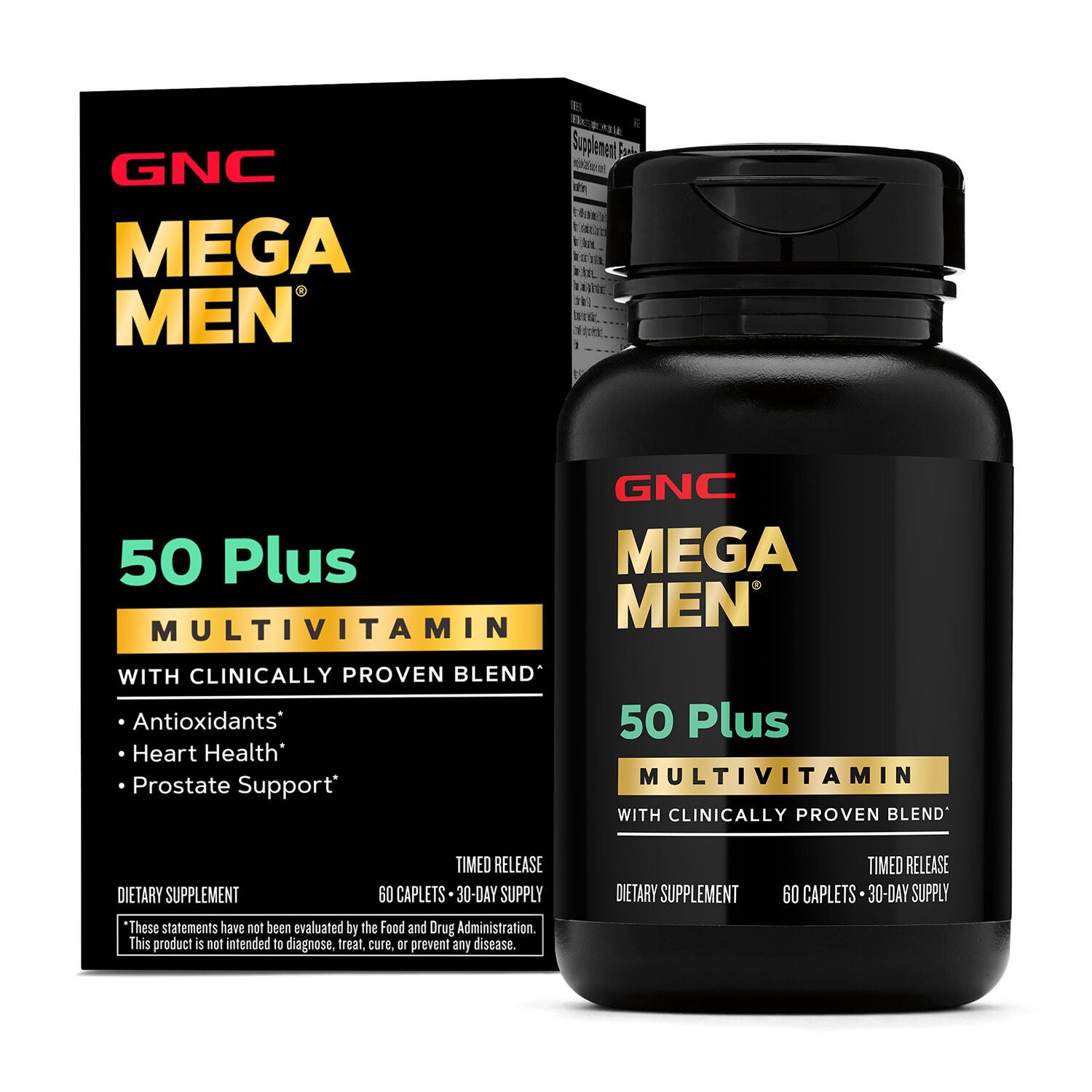 GNC Mega Men
-
 GNC Mega Men
Related Pages

Top Collections
- GLP 1 Support For Adults
- Supplements For Yoga Joint Flexibility
- Supplements For Balance
- Joint Mobility Supplement Packs
- Zinc Supplements | Top Brands at Great Prices | GNC
- Capsule Supplements For Energy And Stamina
- Supplements For Anxiety Relief Support
- Chronic Fatigue Supplements
- Zinc Supplements For Men
- Iron Supplements