Watermelon Amino Acids Supplements
(0 Results)
Bursting with the refreshing taste of watermelon, amino acids may offer a delightful way to support your fitness journey. These essential building blocks of protein could play a crucial role in muscle recovery and endurance, making them a popular choice among athletes and fitness enthusiasts. Whether you're looking to enhance your workout performance or simply enjoy a tasty supplement, watermelon-flavored amino acids might be the perfect addition to your daily regimen. Explore the potential benefits and experience the invigorating flavor that could help you reach your health and wellness goals.
-
-
 459$24.99
 -
-
-
-

-
-

-

-

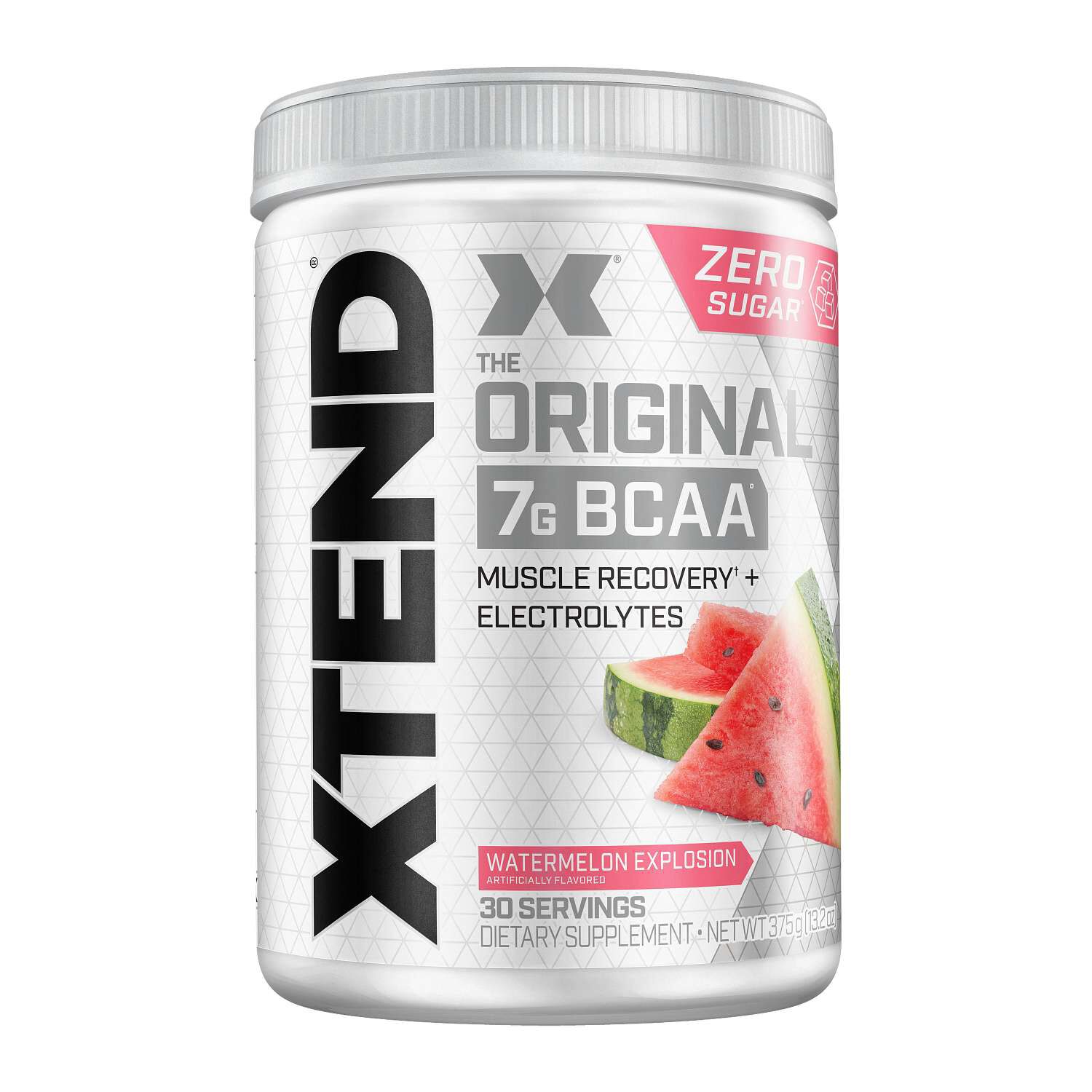
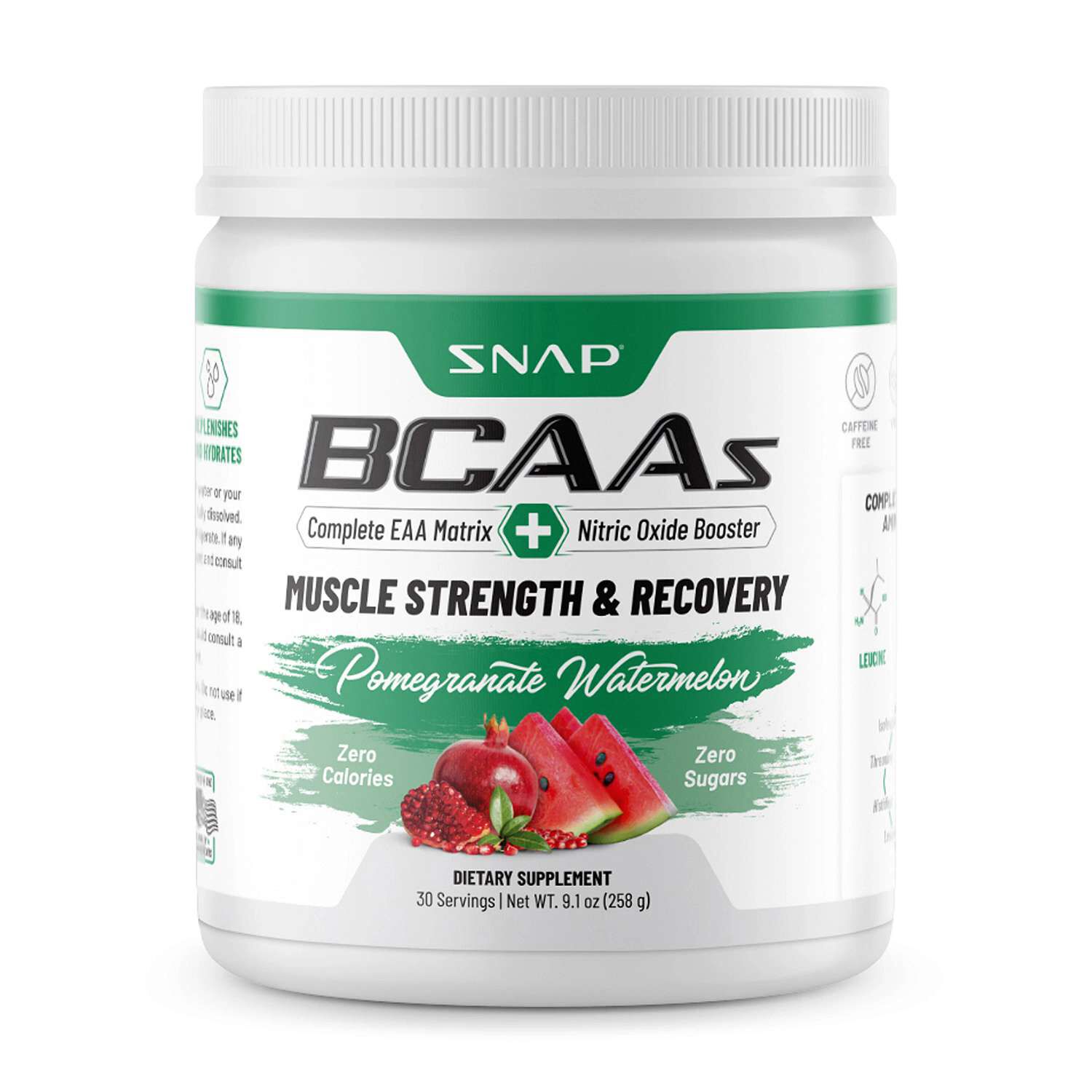
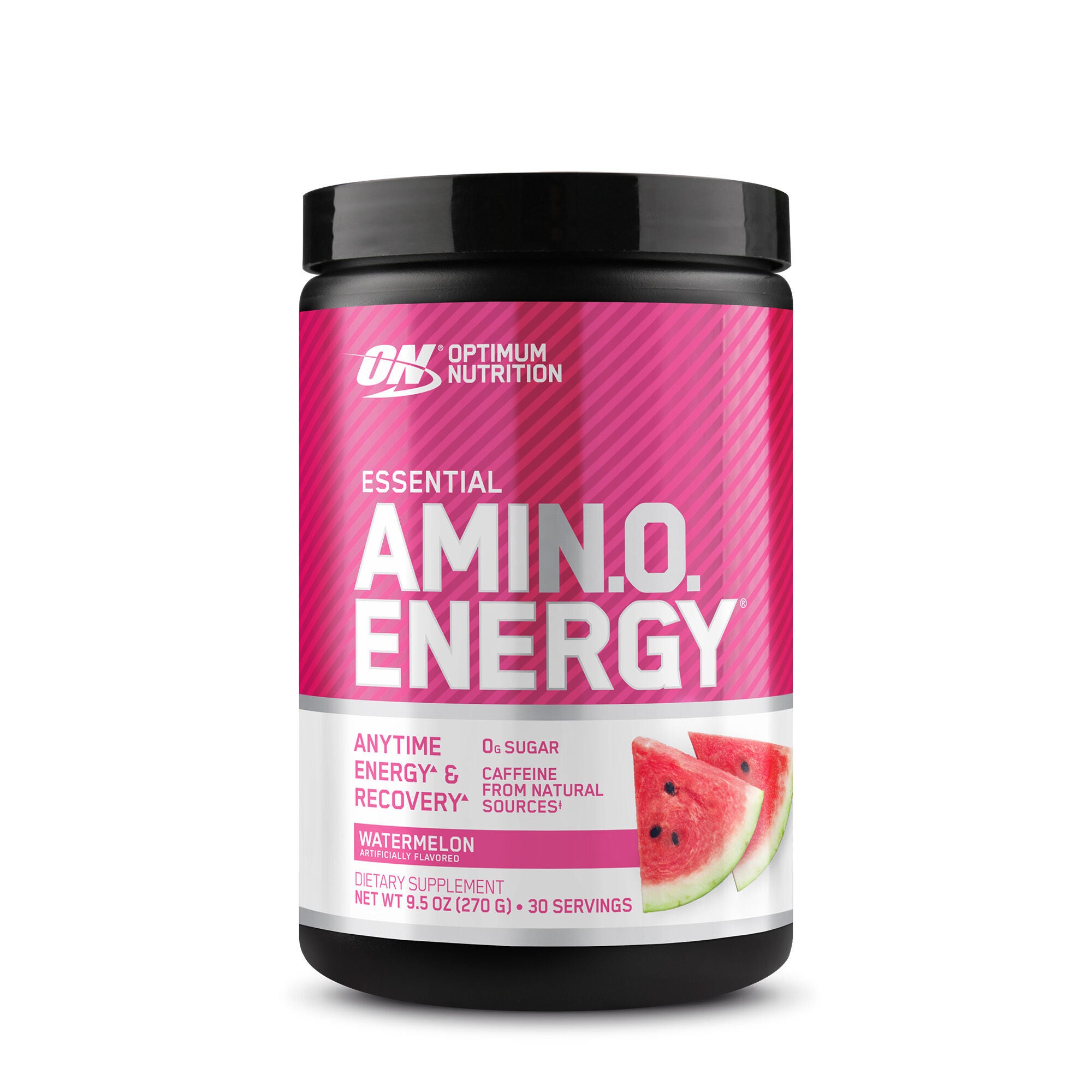
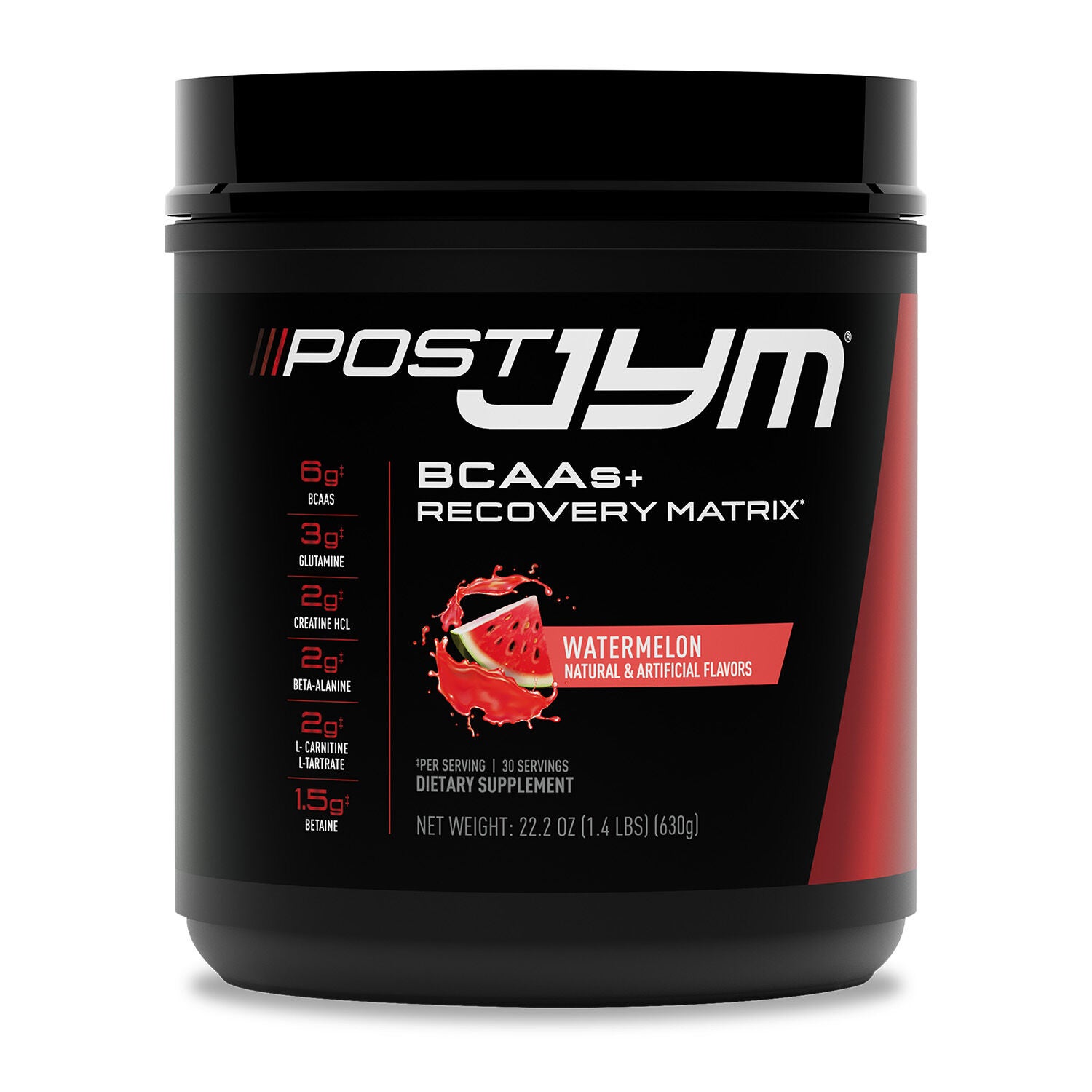
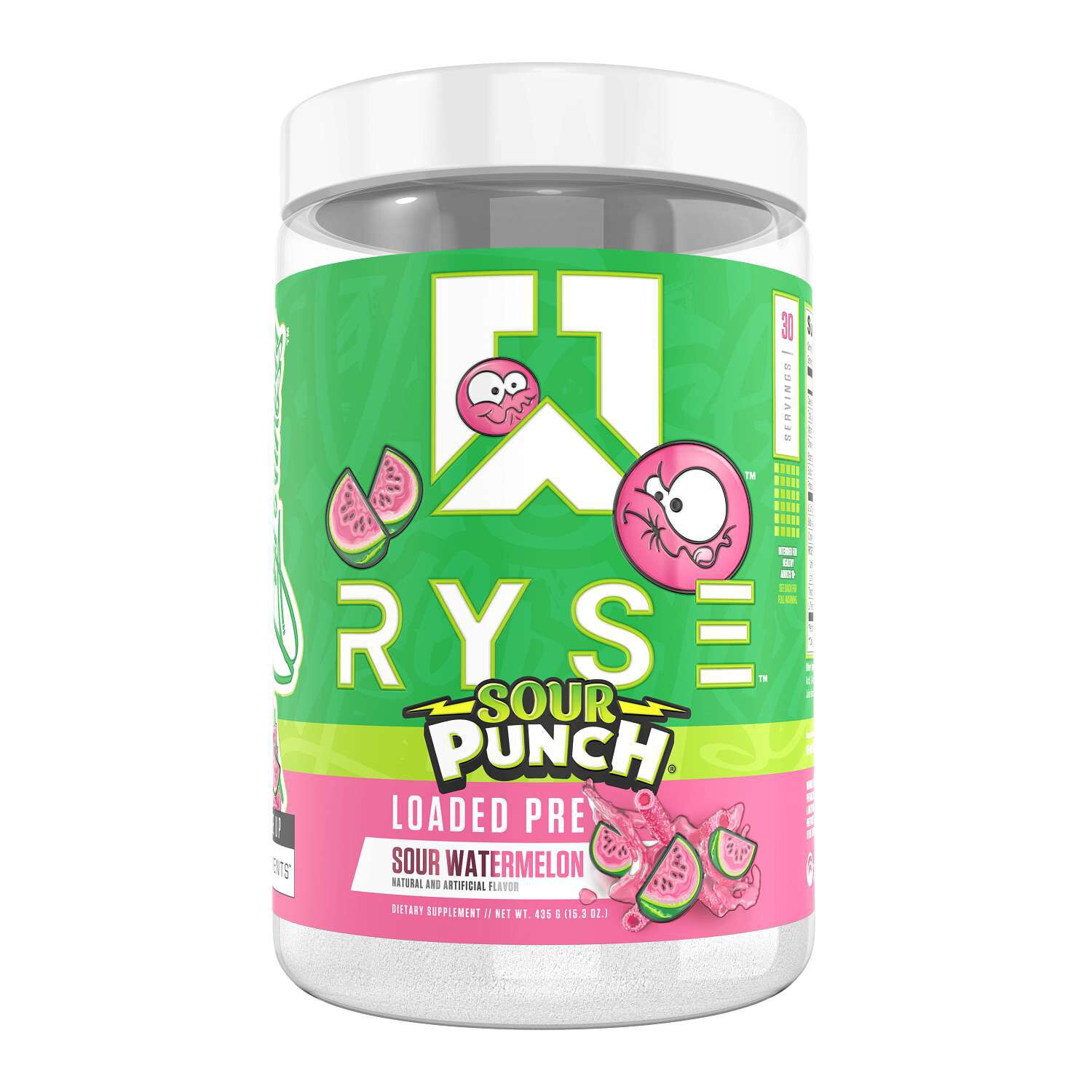
Watermelon amino acid supplements bring a familiar fruit flavor to a category often associated with training and post-workout routines. Usually mixed with water, these supplements pair amino acids with flavoring ingredients in a drink format that fits alongside an active lifestyle. Amino acids are the building blocks of proteins, including proteins found in muscle tissue. Supplemental amino acids may support muscle recovery after exercise, though the experience can vary with the formula, eating habits, and training routine. The watermelon flavor describes the taste rather than the source of the amino acids; a watermelon-flavored powder does not necessarily contain watermelon fruit or juice. Flavor profiles can range from a mellow, melon-like sweetness to a tart, candy-inspired finish, depending on the sweeteners and flavoring ingredients used. That distinction matters for someone who wants a drink to sip through a strength session versus someone who prefers a smaller serving after a workout. Within this category, BCAA stands for branched-chain amino acids: leucine, isoleucine, and valine. Some formulas focus on these three amino acids, while others contain a broader blend. The amount of powder in a scoop is not the same as the amount of amino acids in that scoop, since flavorings and other ingredients also contribute to serving weight. Comparing the stated amino acid quantity per serving offers a more useful view than comparing scoop size alone. Watermelon amino acid powders are relevant to adults who lift weights, participate in recreational sports, attend fitness classes, or simply prefer a flavored supplement drink as part of their exercise routine. They are not a substitute for varied meals, ordinary drinking water, or time between demanding sessions. Their appeal is largely in the combination of format, flavor, and formula: a measured serving, a shaker bottle, and a taste that may make the routine more enjoyable. The most meaningful differences appear on the label, beyond the flavor name on the front.
Two watermelon amino acid supplements can have similar packaging yet serve different preferences. One may center on BCAAs alone, while another may combine a wider amino acid blend with electrolytes, caffeine, or other ingredients. Sodium, potassium, and magnesium are examples of electrolytes that can appear in these formulas. An electrolyte-containing option may support hydration during exercise, but the actual ingredients and amounts deserve attention rather than an assumption based on a sports-oriented name. Caffeine is another important distinction. Its presence is separate from the amino acid content, and the amount per serving can vary. Someone choosing a drink for an evening gym session may prefer a formula without caffeine, while someone considering a caffeinated option may want to account for coffee and other caffeinated drinks already in the routine. Sweeteners, sugar content, colors, and flavoring sources also distinguish one blend from another. A watermelon label alone does not indicate whether a formula contains sugar, uses plant-derived ingredients, or matches a particular dietary preference. Ingredient lists and stated dietary attributes provide that detail. For shoppers with food sensitivities or ingredient restrictions, allergen statements and manufacturing disclosures are relevant parts of the comparison. Transparency matters, too: individually listed amino acid amounts provide a different degree of detail than a blend that lists only a combined weight. A stated BCAA ratio describes the relationship among leucine, isoleucine, and valine, not the quantity of every ingredient in the serving. Comparing formulas on the same serving basis helps keep those distinctions clear. Shoppers interested in the broader post-exercise category can also explore Watermelon Workout Recovery Supplements for another way to browse this flavor theme. Across related categories, the intended use on the label remains more informative than color, container size, or a dramatic flavor description. A straightforward formula and a longer ingredient list offer different options; neither length alone establishes which one suits a particular routine.
Everyday practicality can matter as much as the ingredient panel when choosing a watermelon amino acid supplement. A tub kept beside a shaker at home suits a different setup than individually portioned packets carried in a gym bag, where that format is offered. Container dimensions, closure style, serving count, and the need for a separate measuring scoop are useful details for someone working with a small kitchen shelf or a crowded locker. For powders, the label’s mixing directions establish the intended serving size and water amount; one scoop should not be assumed to represent the same quantity across formulas. The recommended dilution also provides a starting point for understanding the intended flavor intensity. A concentrated, candy-like taste and a lighter melon character can feel quite different over the course of a workout. Texture is another consideration. Some powders may mix differently with a spoon than with a shaker, and a little foam or settling can depend on the ingredients and preparation method. A securely closing bottle with enough room for mixing may make preparation more convenient, especially when carrying the drink between home, work, and the gym. Following the container’s storage directions, keeping the closure secure, and using a clean, dry scoop may help limit unwanted moisture in the powder. Cleaning the bottle according to its care instructions is part of keeping the routine practical, particularly around lids, seals, and mixing inserts. For someone who trains before work, the relevant details might be a clearly measured serving and a container that fits neatly beside breakfast supplies. For someone heading to a recreational practice, portability and a preferred flavor may matter more. Anyone choosing a supplement as a gift should already know the recipient’s ingredient preferences and established routine, rather than selecting by flavor alone. Watermelon amino acid supplements offer a distinct taste within a varied category, but the strongest basis for comparison remains concrete: amino acid composition, serving information, optional ingredients, packaging, and how the product’s labeled use fits the person who will use it.