

Whey Protein Powders For Fall Recipes
(0 Results)
Embrace the flavors of the season with whey protein powders for fall recipes. Whether you’re blending up a pumpkin spice smoothie, baking wholesome muffins, or stirring protein into your morning oats, whey protein powders could add a satisfying boost to your favorite autumn-inspired creations. Explore options that might complement everything from cozy breakfasts to post-workout treats, and discover new ways to enjoy nourishing ingredients all season long.


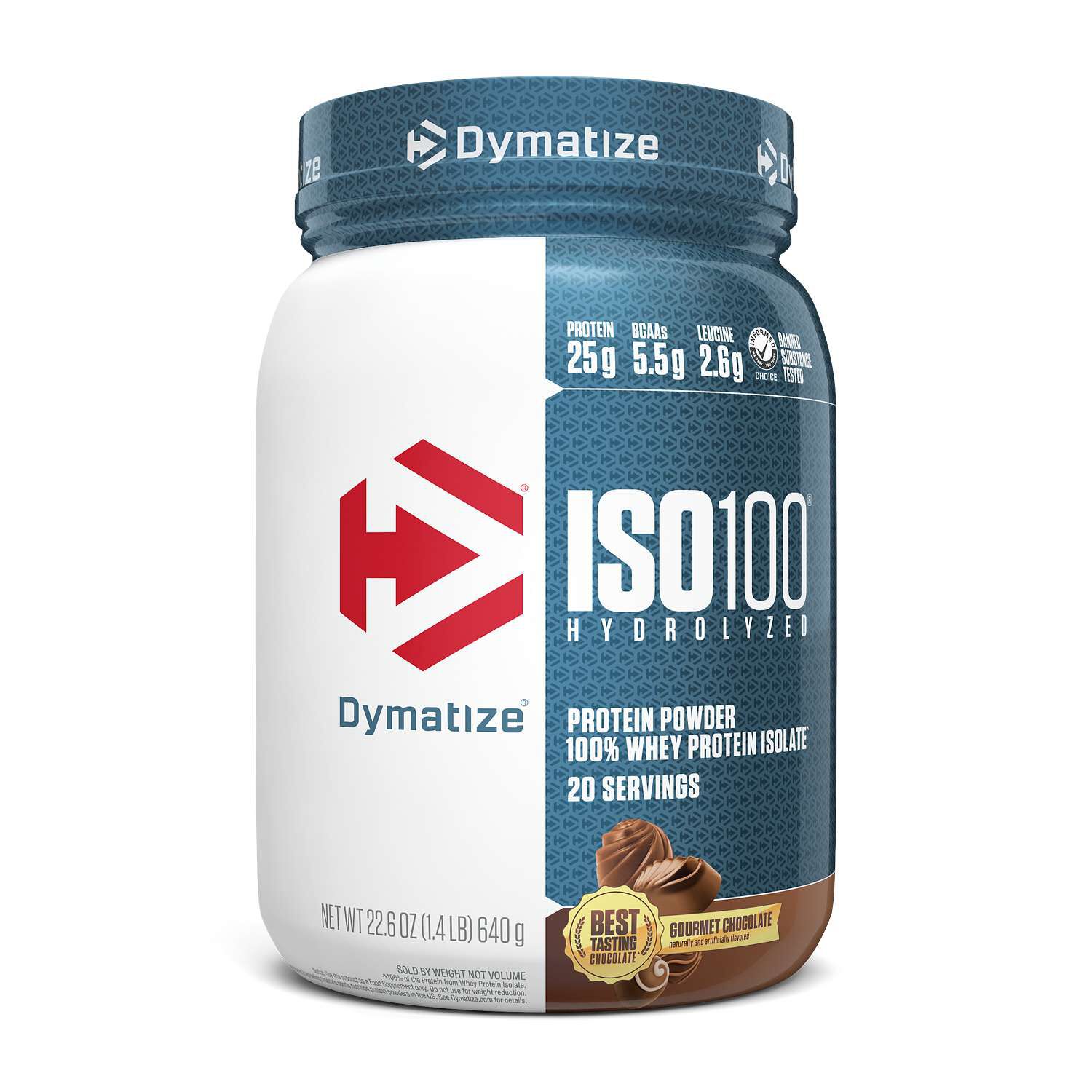


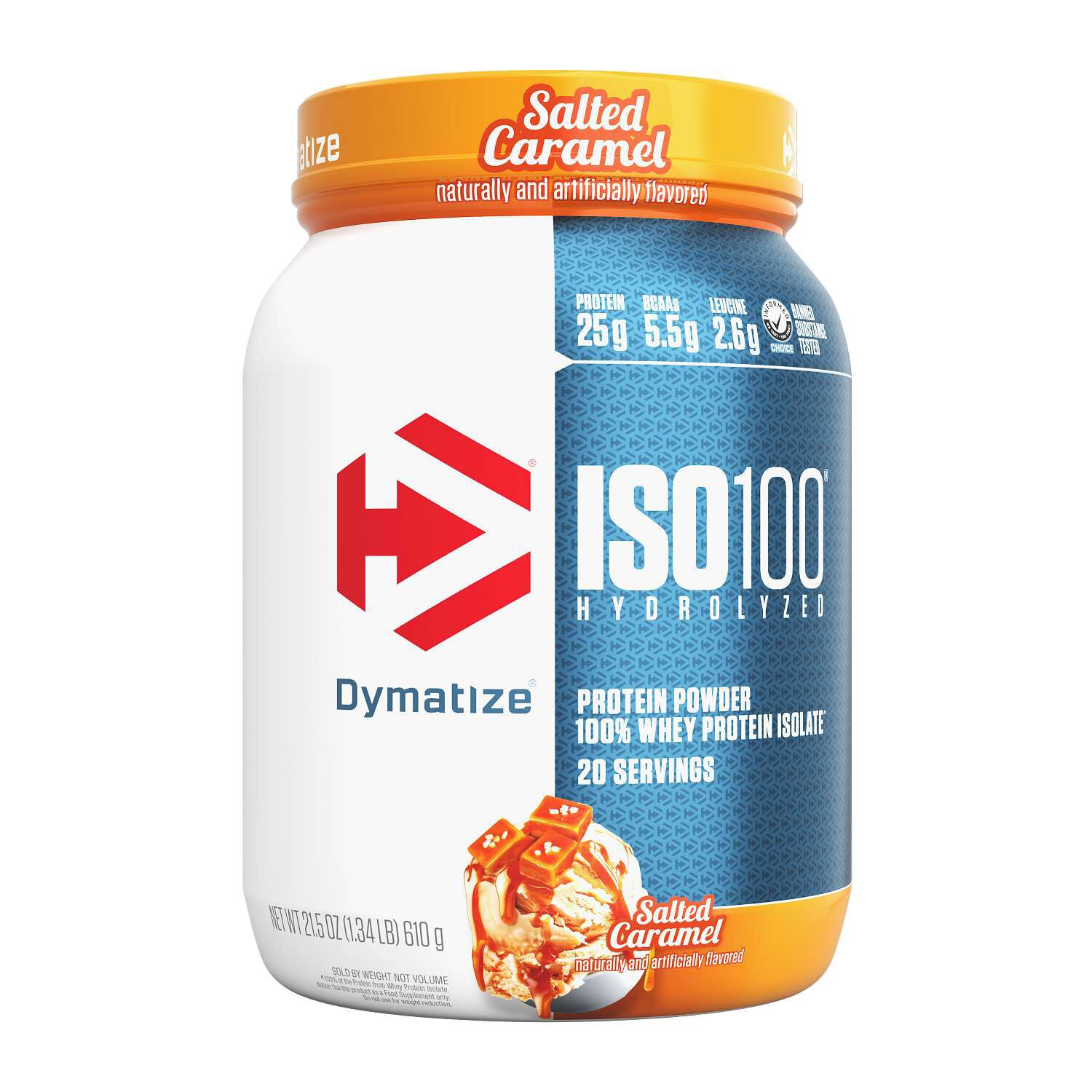
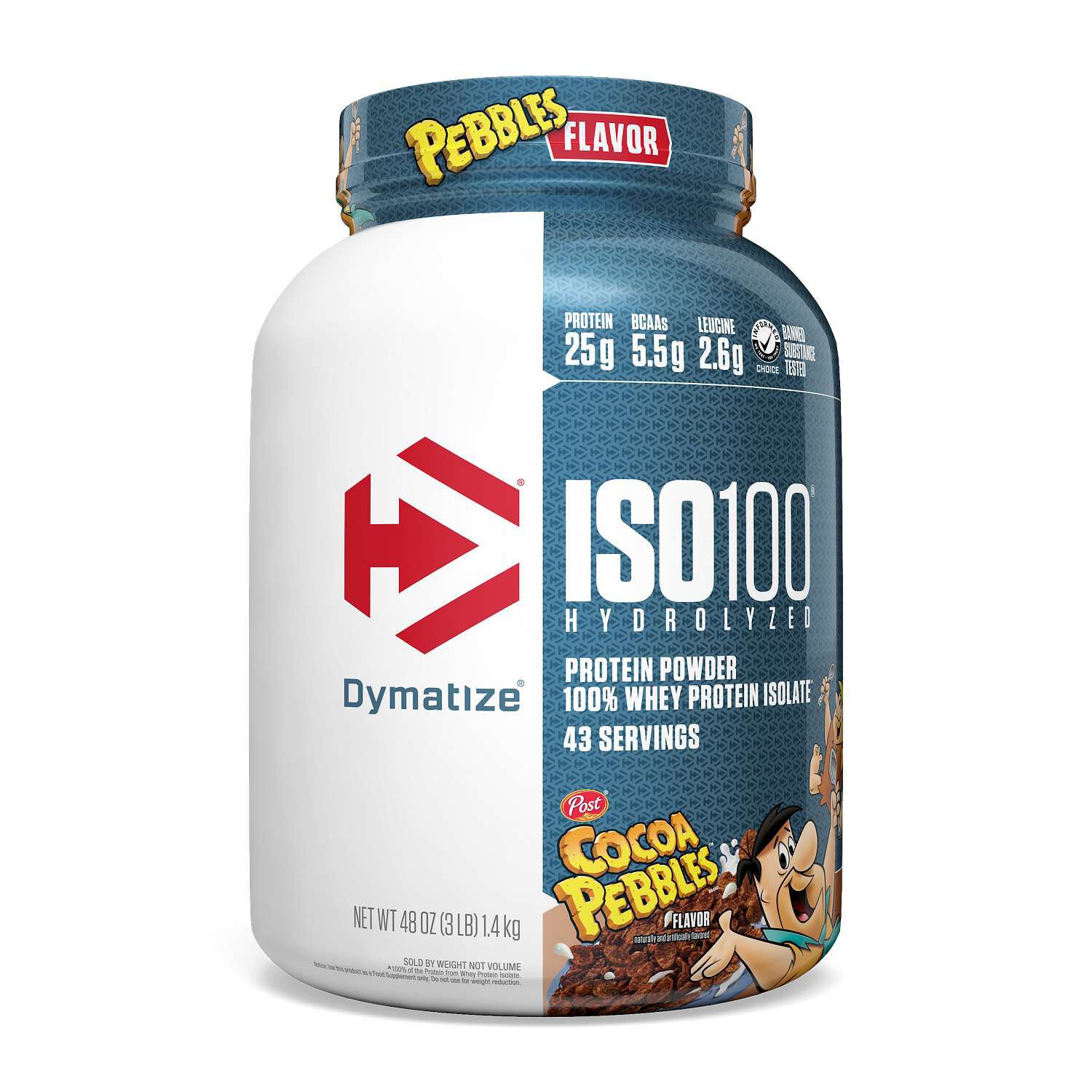


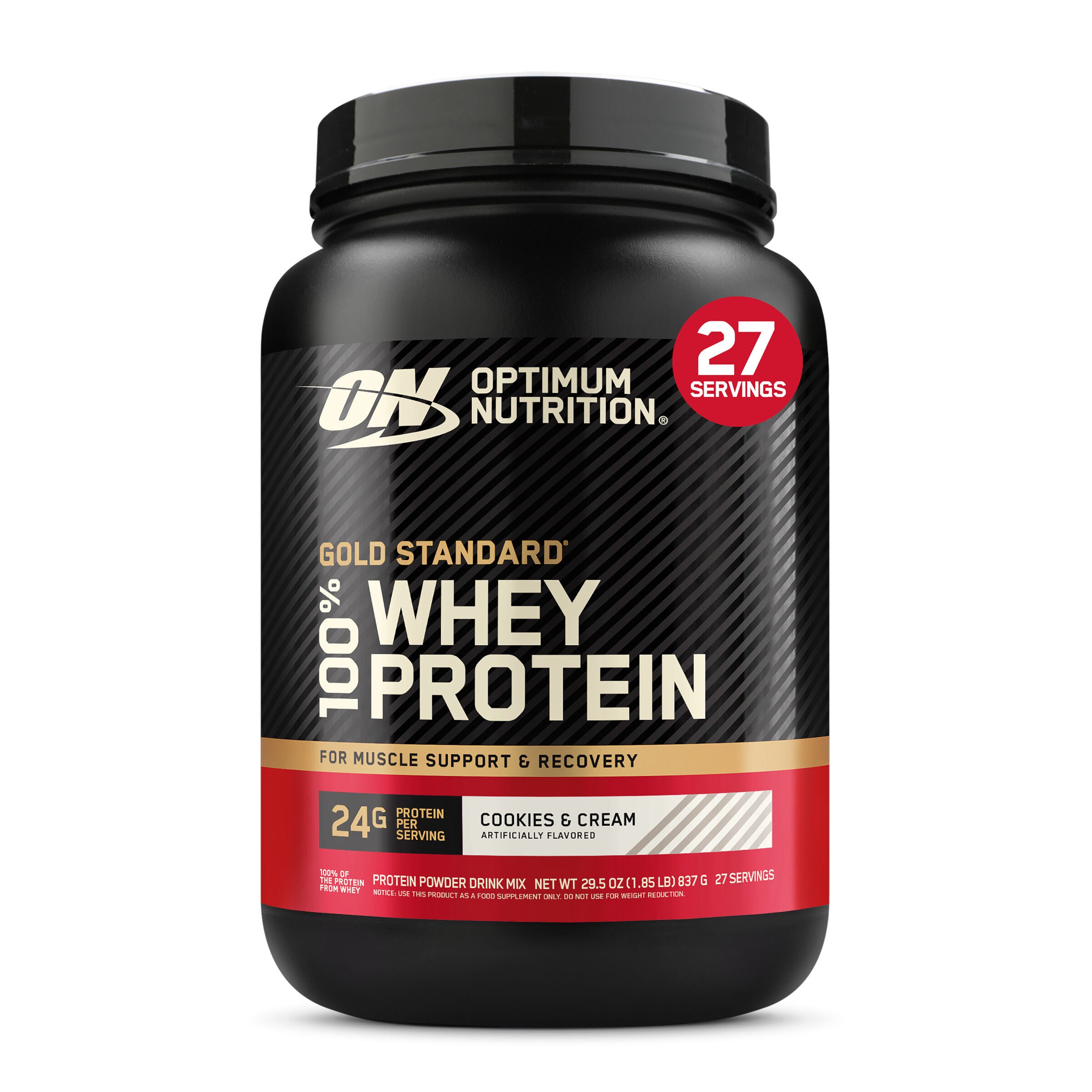


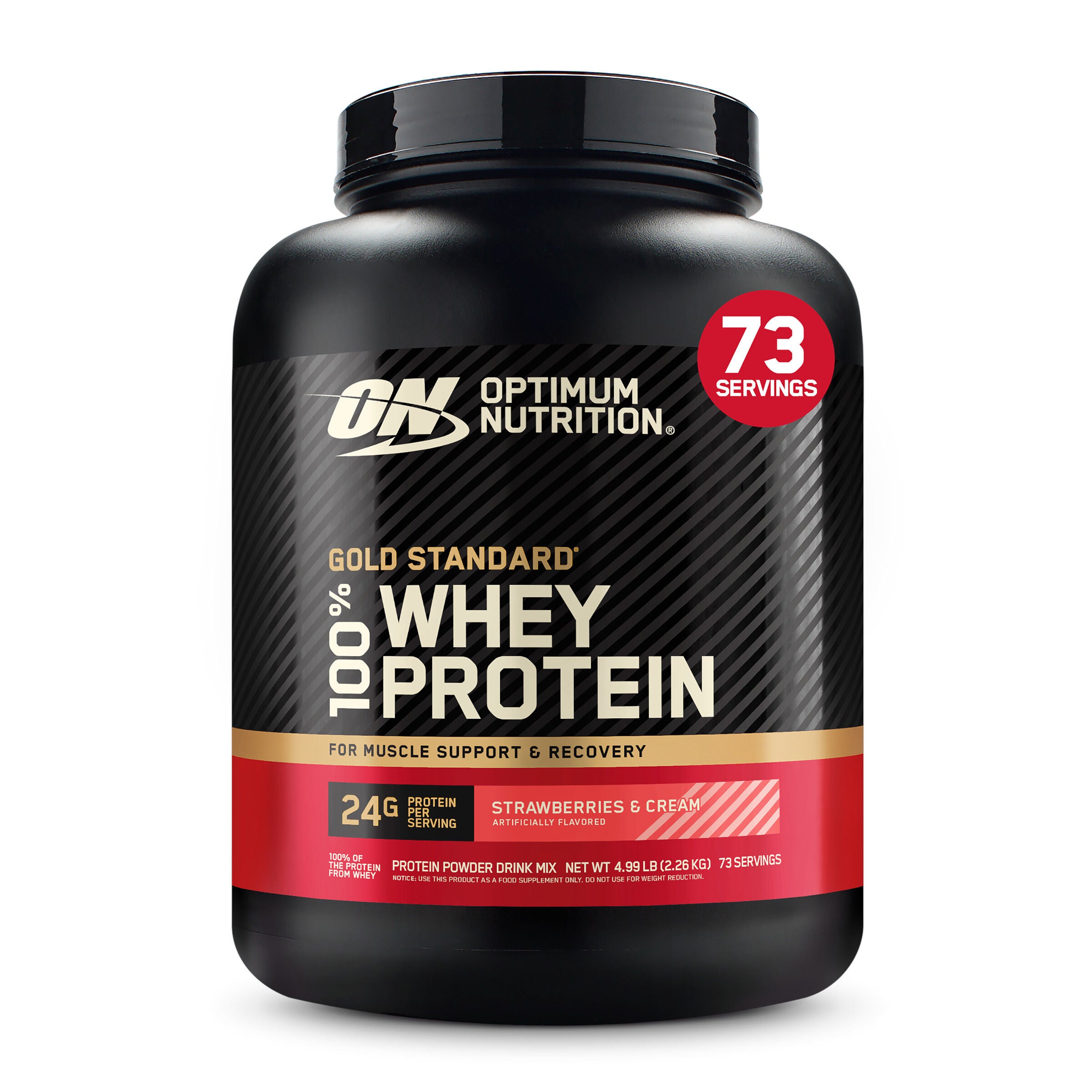

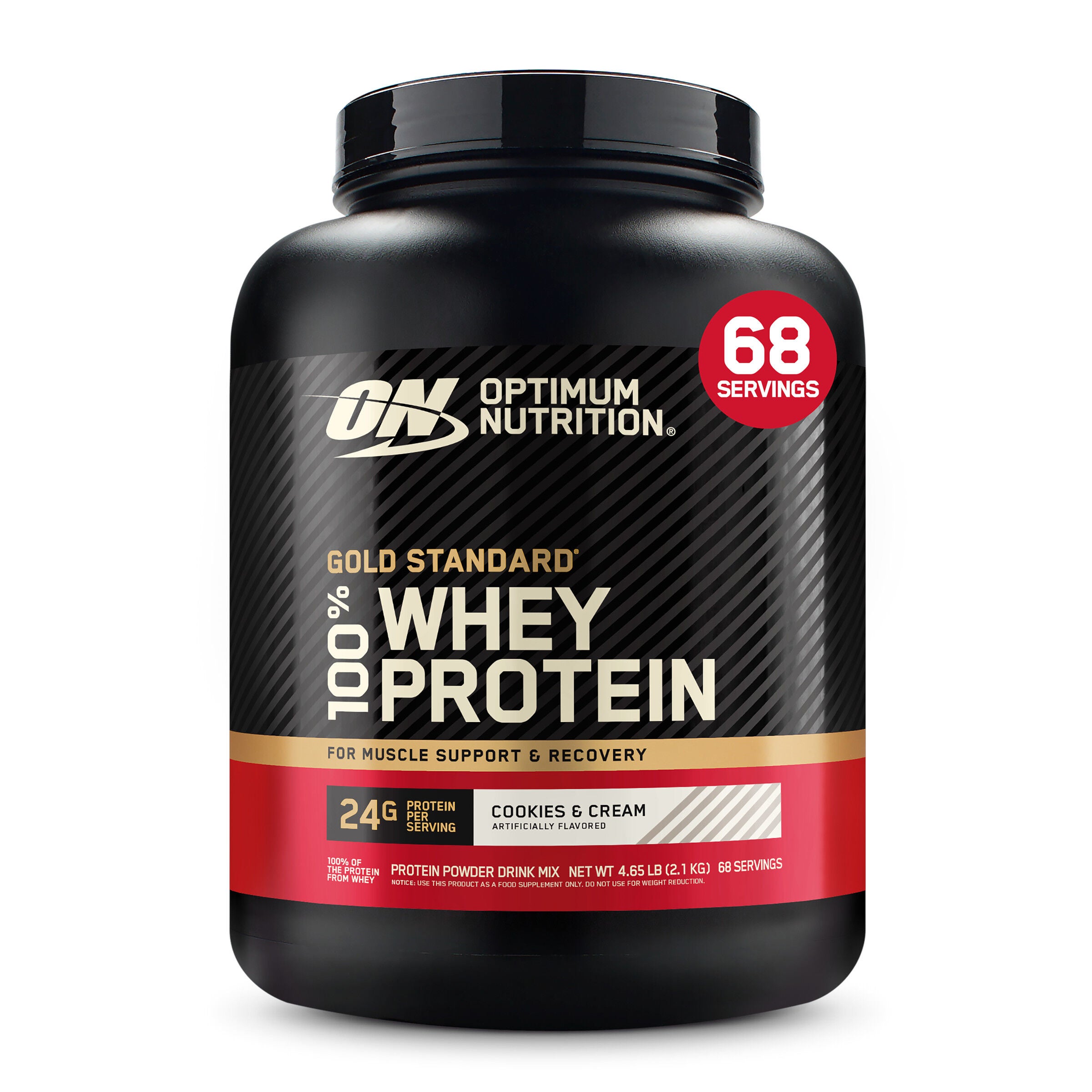

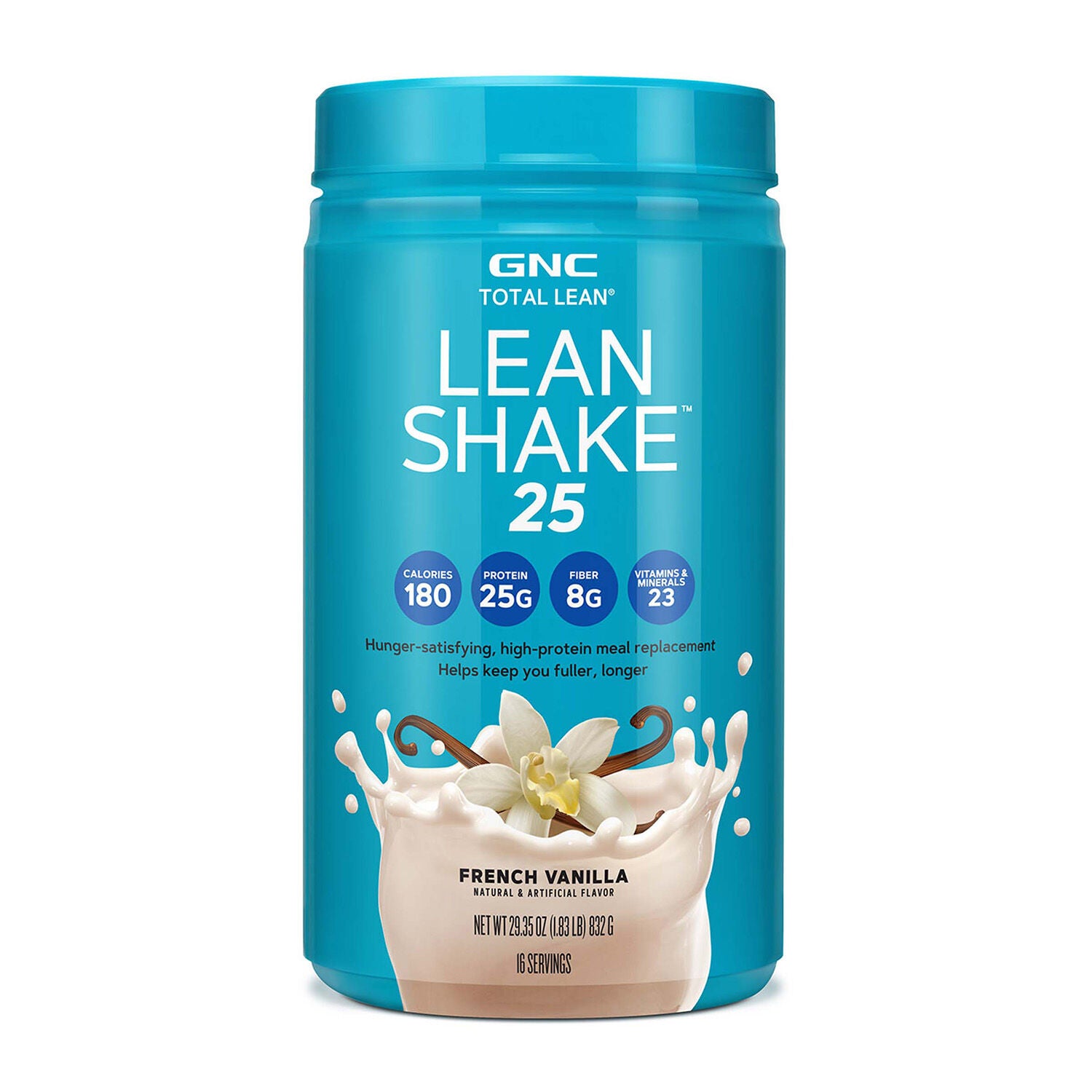

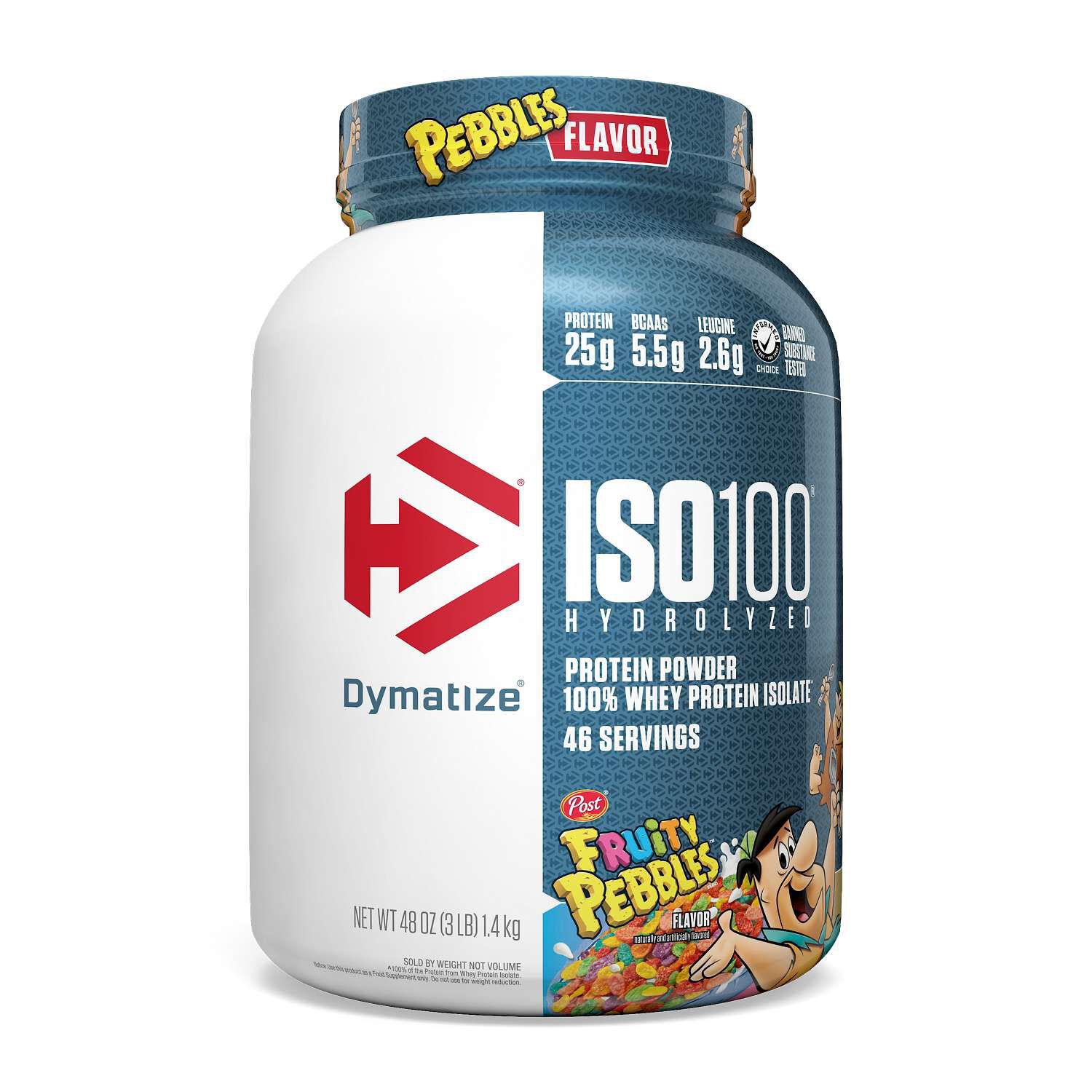
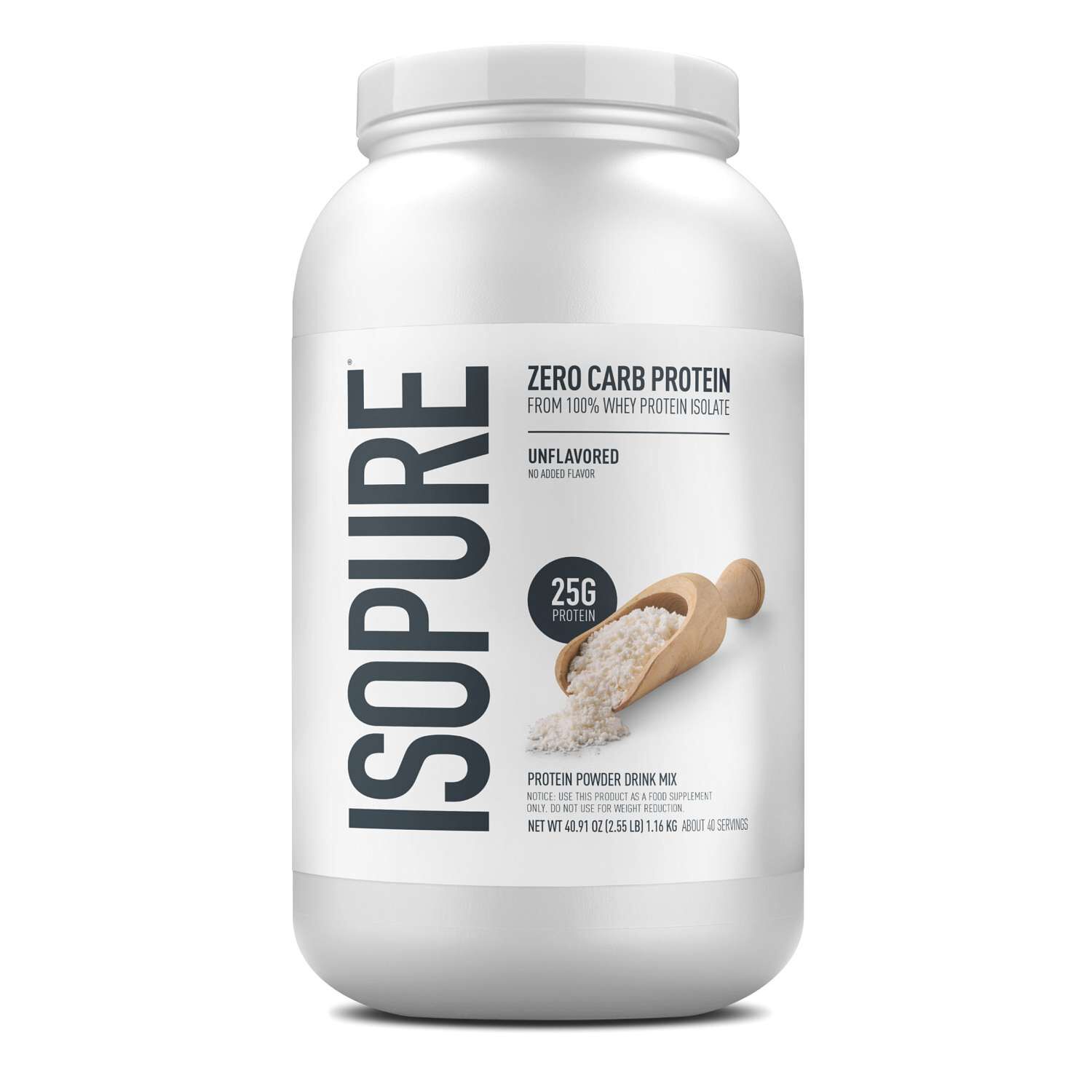
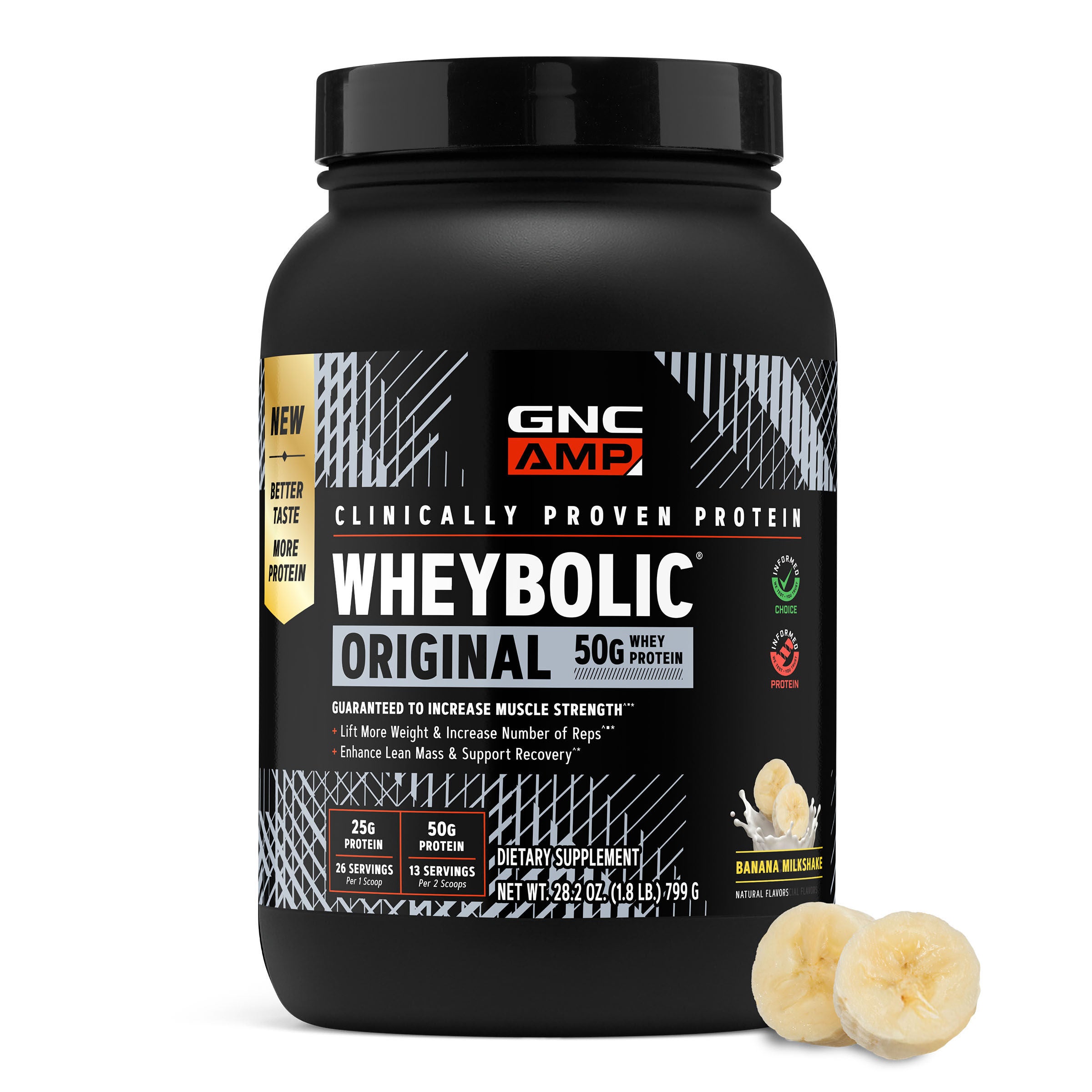
Whey protein powders for fall recipes bring a familiar supplement format into a kitchen filled with pumpkin, apples, toasted oats, and warm spices. Made from milk, whey protein comes in several forms and flavor profiles, giving shoppers different options for shakes, oatmeal, pancakes, and baked goods during the cooler months. Vanilla is a versatile starting point for recipes that feature cinnamon, nutmeg, ginger, or cloves, while chocolate pairs naturally with cocoa, banana, and nut butter. Caramel-inspired flavors are another consideration for apple-based blends and oat bowls, particularly when the other ingredients have a mild taste. For pumpkin recipes, the choice often comes down to whether the powder supplies the spice notes or leaves room for a separate blend of seasonings. Plain pumpkin puree and sweetened pumpkin pie filling have different ingredient profiles, so the distinction matters when choosing a complementary powder. An unflavored option may suit cooks who prefer to adjust sweetness and seasoning themselves, although unflavored does not necessarily mean the powder has no noticeable taste. Whey often has a dairy character that may be more apparent in a simple drink than in a recipe with cocoa or roasted pumpkin. That makes the intended use an important part of the shopping decision: a powder chosen for an apple cinnamon smoothie has a different role from one intended for a batch of pumpkin oat muffins. A smaller ingredient list may appeal to someone seeking a straightforward addition to breakfast, while another shopper might prioritize a dessert-inspired flavor for afternoon shakes. Across these uses, the most useful comparison is between the powder’s flavor, its labeled serving size, and the ingredients already planned for the recipe. A cinnamon-forward blend, for example, may complement a lightly seasoned batter but could overwhelm a delicate pear smoothie. The goal is a powder that fits the foods already enjoyed at home, whether that means a cold breakfast blended before work or a warm bowl of oats on a quiet weekend.
Beyond flavor, whey protein concentrate, whey protein isolate, and blends offer different compositions worth comparing on the label. Isolate generally contains a higher proportion of protein by weight and less lactose and fat than concentrate, although the exact amounts vary by formula. Blends combine protein sources or forms, so the ingredient list provides more detail than the front label alone. All whey is milk-derived; an isolate is not a substitute for a product made without milk. Shoppers with dietary restrictions can compare allergen statements alongside ingredients such as sweeteners, lecithin, and thickening agents. Those details also matter in the kitchen. Added gums may contribute a thicker consistency to a blended drink, while sweeteners may affect how much sweetness comes through after a powder is mixed with ripe fruit or flavored milk. Protein grams per serving are another useful point of comparison, but scoop sizes differ, making the listed serving weight important when assessing two powders. For baking, whey is not an equal replacement for flour: it lacks the starch structure that flour contributes, and its behavior changes with moisture, heat, and the other ingredients in the mixture. A powder that blends smoothly into a shake may produce a firmer or drier result in a muffin batter, especially when the recipe was not developed with protein powder in mind. Pumpkin puree, applesauce, yogurt, eggs, and oats each play their own part in a recipe’s texture, so a tested formula offers a more reliable starting point than swapping ingredients by volume. Warm preparations deserve similar attention. Direct exposure to very hot liquid may cause clumping, while mixing the powder into a small amount of cool liquid first may make it easier to incorporate into warm oats. Directions on the container remain useful for serving amounts and preparation, even when the finished dish looks quite different from a standard shake. These practical differences help distinguish a powder intended mainly for drinks from one that also suits a household’s baking routine.
Everyday use gives those label details a clearer purpose. Someone who keeps apples, rolled oats, and cinnamon on hand might gravitate toward vanilla whey for a smoothie with milk and chopped fruit, with the final texture depending on the blender and the apple variety. A household that regularly makes pumpkin pancakes might prefer a gently flavored powder that leaves the pumpkin and spices at the center of the meal. Chocolate whey may suit a thicker spoonable blend with banana and peanut butter, while an unflavored powder may offer more flexibility across recipes with different sweetness profiles. For weekend tables that move between pancakes, waffles, and blended drinks, Whey Protein Powders For Brunch Recipes offers a closely related way to browse around those breakfast occasions. Package size and storage also deserve consideration, particularly for shoppers who use powder occasionally rather than every day. A container that fits comfortably in a pantry and closes securely is easier to work into an established kitchen setup. Storage directions typically call for a cool, dry place, with the lid closed between uses and a dry scoop kept away from steam or wet utensils. A shelf beside the stove may be convenient during baking, but heat and moisture make it a less suitable spot than a dry cupboard. Checking the date and keeping the original label accessible preserves serving and ingredient information for later recipes. For anyone sharing a batch of muffins or a pitcher of smoothies, that label also makes it easier to communicate what went into the food. As a gift, whey protein powder is most appropriate for someone whose preferred flavors and dietary preferences are already known, perhaps alongside a mixing cup or a favorite baking pan. Whether the purchase is for a regular gymgoer, a home baker, or someone who enjoys a substantial breakfast, the strongest match comes from practical details rather than a seasonal flavor name alone. Taste, ingredient composition, mixing behavior, and the recipes already in rotation all help shape a choice that feels at home through fall and into the colder days ahead.