Whey Protein Powders For Brunch Recipes
(0 Results)
Elevate your late-morning meals with whey protein powders for brunch recipes. Whether blending into pancakes, stirring into oatmeal, or mixing into smoothies, these versatile options might add a boost to your favorite dishes. From sweet to savory creations, whey protein powders for brunch recipes could help you craft satisfying meals that fit your lifestyle and taste preferences. Explore new ways to enjoy brunch with delicious, protein-packed possibilities.


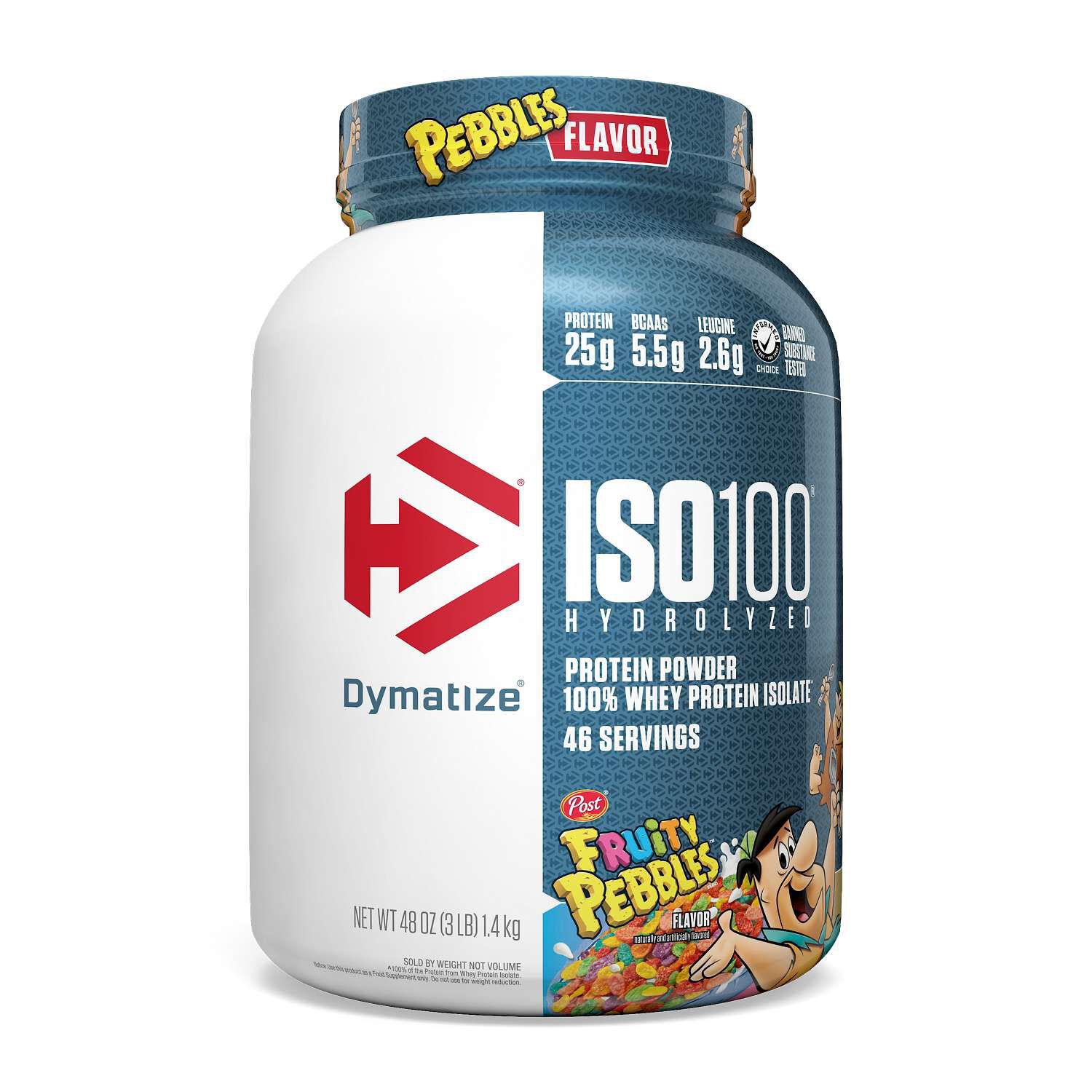
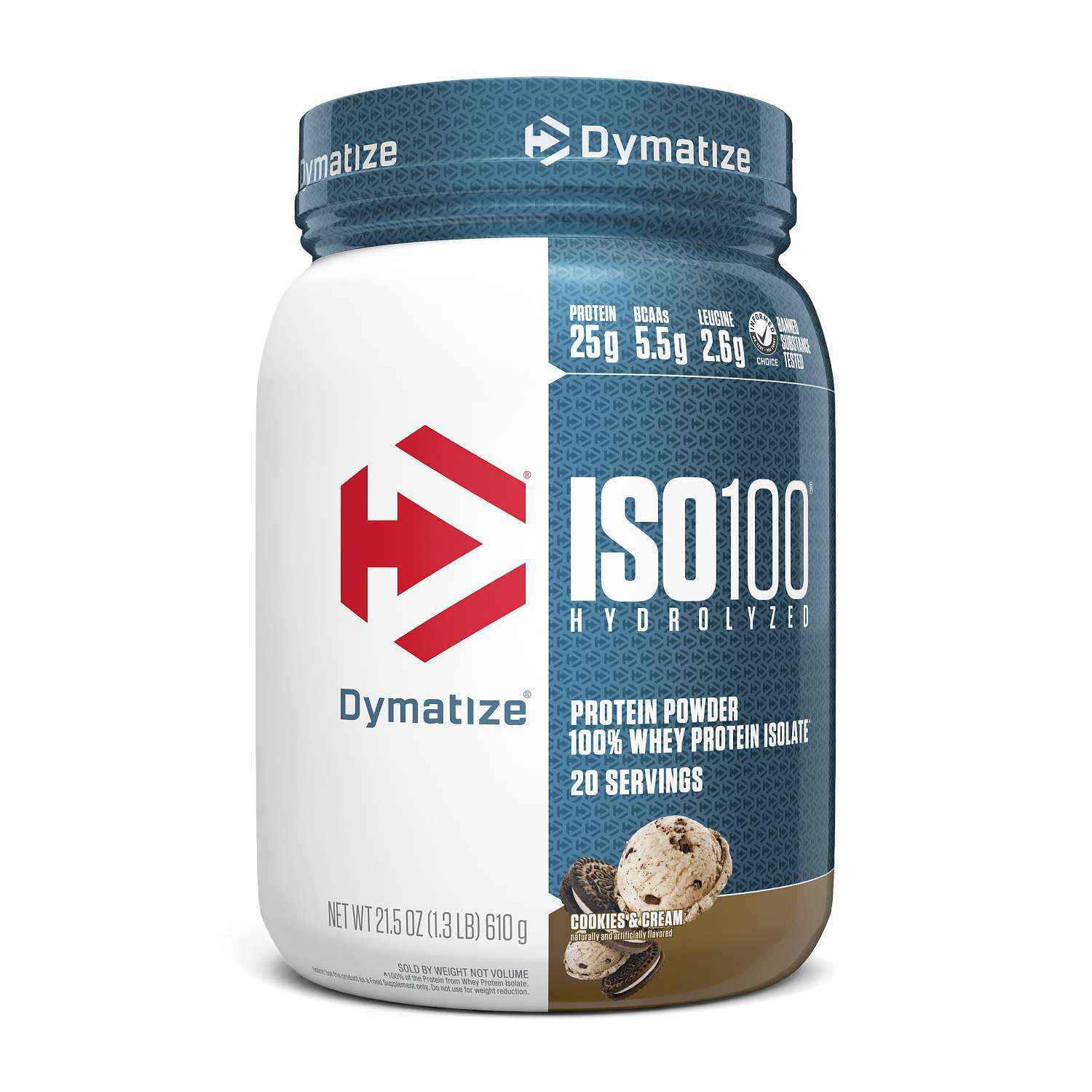
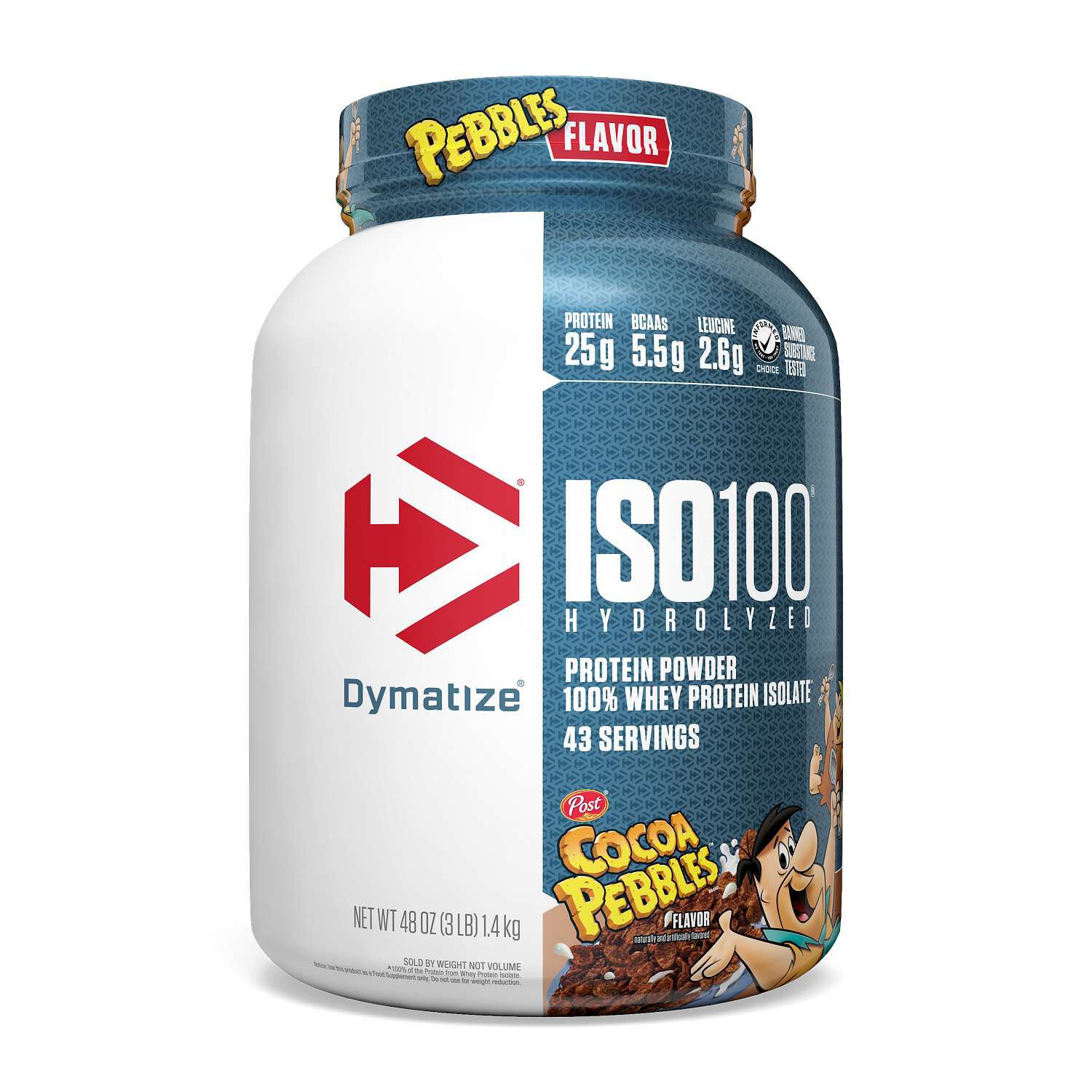


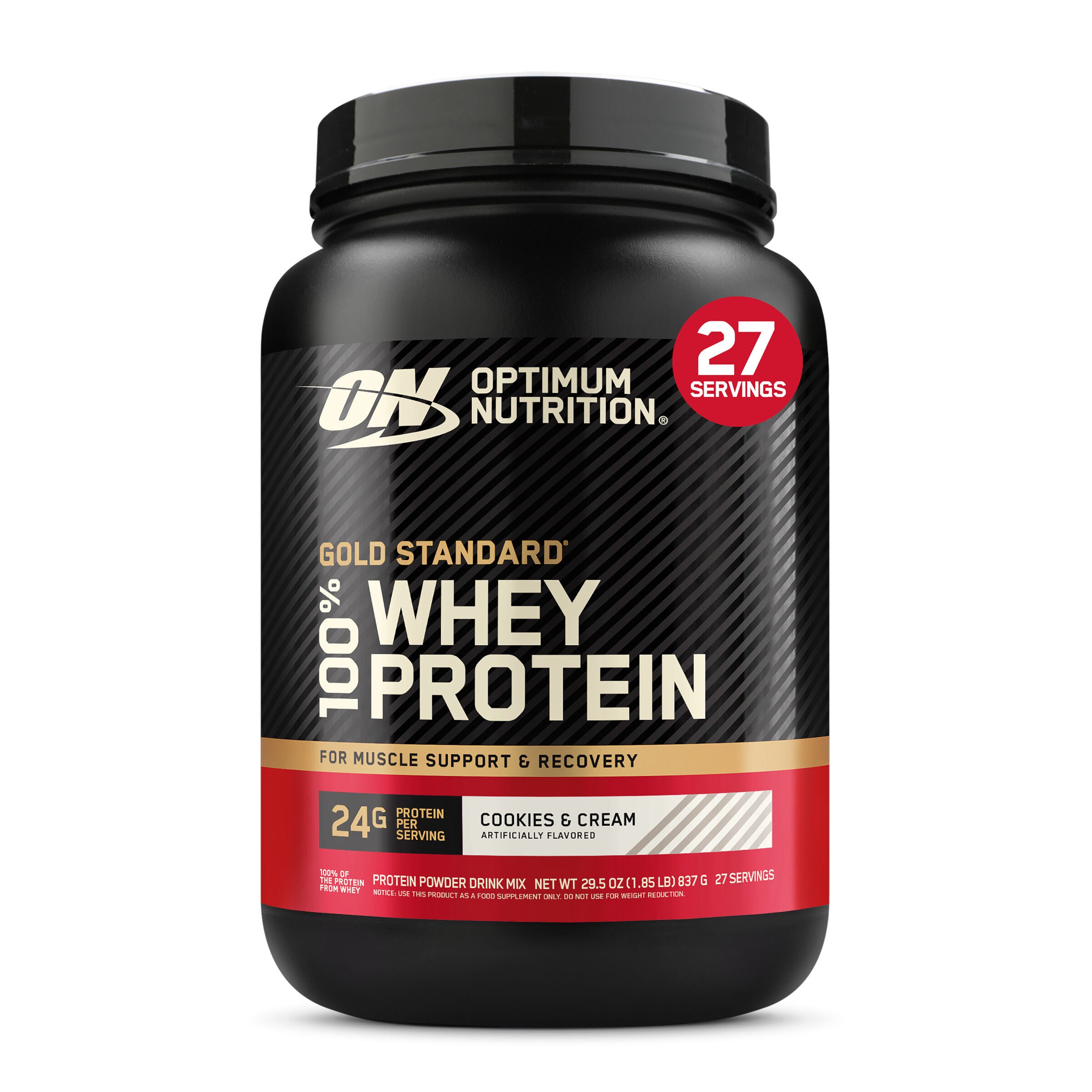


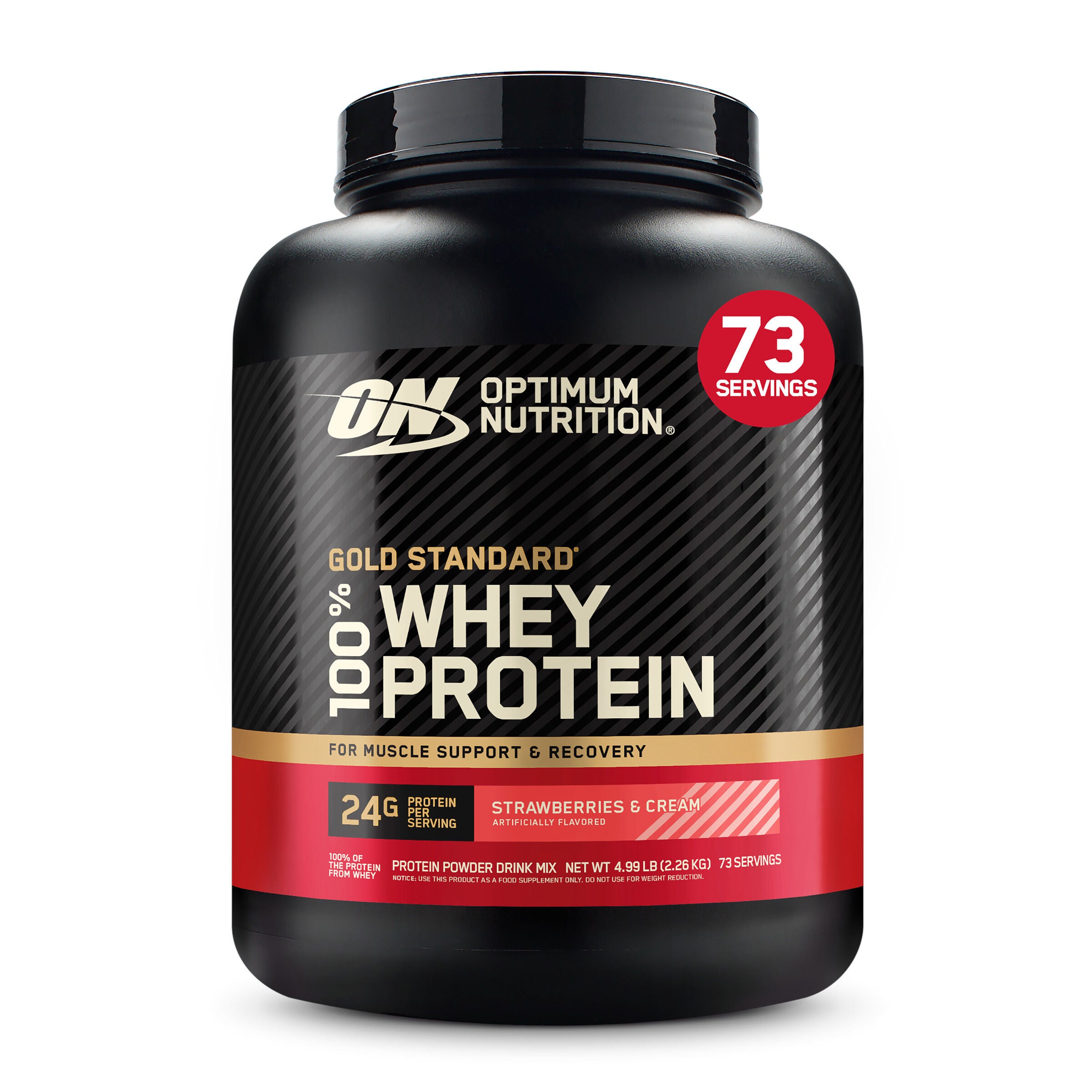
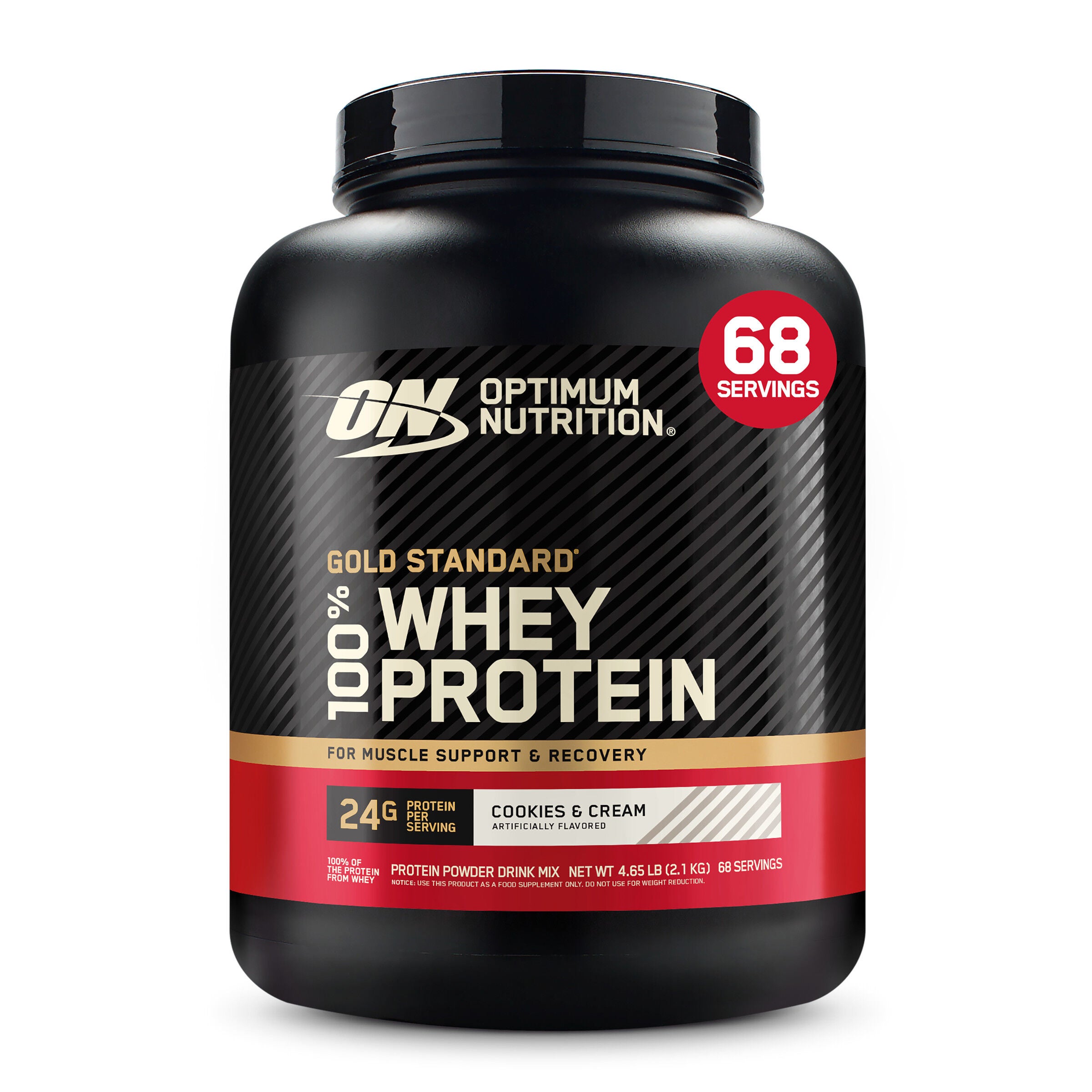
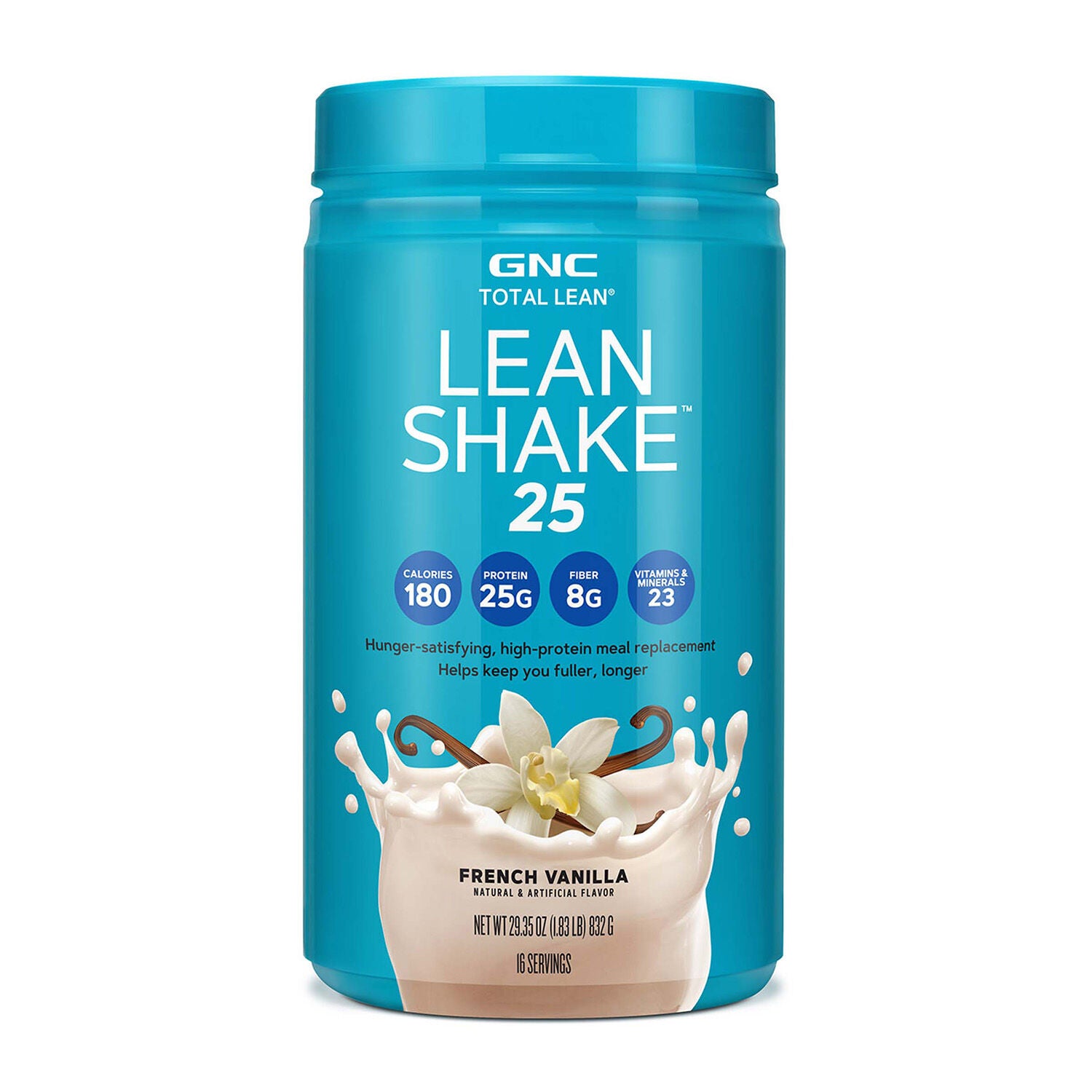


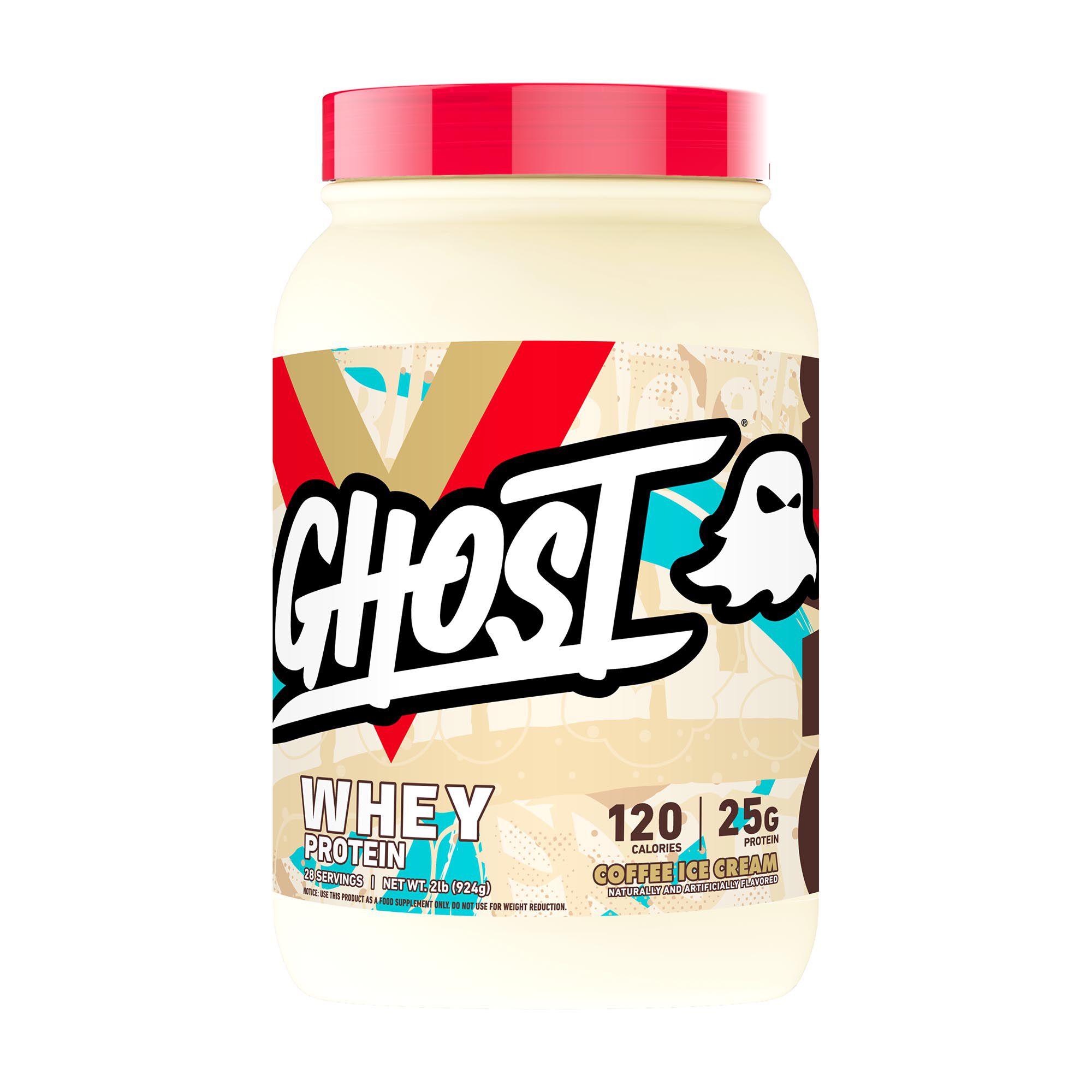

Whey protein powders for brunch recipes bring a familiar shake ingredient into the world of pancake batters, yogurt bowls, baked oats, and coffeehouse-style smoothies. Whey is a milk-derived protein, and powders made with it come in several forms, flavors, and ingredient combinations. For brunch, the most useful distinctions often involve taste, sweetness, texture, and how the powder fits the rest of a recipe. Vanilla whey may complement ricotta pancakes, berry parfaits, or a French toast bake with cinnamon and sliced pears. Chocolate varieties may suit cocoa waffles, banana muffins, or blended drinks with chilled coffee. Unflavored whey may be a better match for savory dishes, although unflavored does not necessarily mean tasteless: a mild dairy note can still be part of its character. These powders are worth considering for home cooks who already enjoy whey in shakes, busy households planning a leisurely breakfast, and hosts putting together a table with both sweet and savory choices. A brunch spread might include warm oatmeal cups beside fresh fruit, a pitcher of smoothies, and small bowls of yogurt with toasted oats. The powder’s intended role matters more than choosing one flavor for every dish. A vanilla option used in a banana smoothie may contribute enough sweetness that the other ingredients deserve a closer look, while an unflavored powder may leave more room for herbs, vegetables, and cheese in an egg-based bake. Sweetness varies across formulas, including those with similar flavor names, so the ingredient list offers useful context beyond the front label. Cinnamon, cocoa, ripe fruit, and coffee each have distinct personalities of their own. A powder chosen with those ingredients in mind may feel more at home in a brunch recipe than one selected only for its shake flavor. For a household that alternates between baked breakfasts and chilled bowls, versatility might matter most; for someone devoted to chocolate waffles on a quiet weekend, a more pronounced flavor might be welcome.
Comparing whey protein concentrate, whey protein isolate, and blends is another part of choosing a powder for brunch. Concentrate generally retains more of the milk’s lactose and fat than isolate, while blends combine protein sources or forms in proportions that vary by formula. Those categories do not tell the whole story about a finished powder’s sweetness, consistency, or performance in batter. The Nutrition Facts panel and ingredient list provide more specific information, including protein per serving, carbohydrates, sugars, fat, sweeteners, and added ingredients. Whey comes from milk, so it is not a vegan ingredient; allergen statements also matter when brunch involves guests with different dietary requirements. An isolate designation alone does not establish suitability for someone avoiding milk ingredients. For cooking, scoop size deserves attention because serving weights differ among powders. A recipe developed with a particular amount by weight may be easier to compare with a package label than one that simply calls for a scoop. Protein per serving in the finished dish also depends on the amount used, the other ingredients, and how many portions the recipe makes. A batch of pancakes shared among several people is different from a smoothie made for one. Texture is just as relevant as the nutrition panel. Whey powder is not a direct substitute for flour, and replacing a large share of flour with it may produce a denser or drier result. Recipes written specifically for protein powder provide a more useful starting point than assuming any favorite batter will behave the same way. Eggs, oats, ricotta, yogurt, and fruit purées all contribute their own moisture and structure. Depending on the formula and proportions, whey may change how that mixture thickens, browns, or sets. A powder that mixes smoothly into a cold drink may behave differently in a hot waffle iron, which makes intended use an important consideration alongside flavor. Mixing directions on the package can provide additional context, though directions for a shake do not necessarily describe suitability for baking.
The best fit for a brunch routine also depends on preparation style, package size, and storage habits. For mornings centered on chilled dishes, vanilla or chocolate whey may work in yogurt mixtures, overnight oats, and smoothies with fruit or nut butter. Some formulas may thicken as they stand, making the intended serving texture an important part of the choice. A spoonable parfait with berries calls for a different consistency than a drink poured into tall glasses alongside breakfast sandwiches. For warm dishes, gentle flavors may be more adaptable across oat bakes, pancakes, and muffins, while stronger dessert-inspired flavors may become a more noticeable part of the finished recipe. Unflavored whey may suit certain savory batters or egg mixtures, but results depend on the recipe, and hot mixtures may turn grainy when powder is added without enough dispersion. Recipe-tested uses are especially valuable when cooking for company, where familiar texture matters as much as the ingredients on the label. During the cooler months, brunch often leans toward baked apples, pumpkin, toasted pecans, and warming spices. For related flavor pairings beyond the brunch table, Whey Protein Powders For Fall Recipes offers another seasonal collection to explore. Practical details matter between those weekend meals, too. A securely closed container, dry measuring utensils, and storage according to the package directions are important parts of keeping powder protected from moisture. The printed date and any instructions after opening deserve attention, particularly when a container is used occasionally rather than daily. A smaller package may fit someone experimenting with protein pancakes, while a larger format may make sense for a household that regularly prepares whey-based smoothies and breakfast bowls. As a gift for an enthusiastic brunch cook, whey powder is a more personal choice than a mixing bowl or serving platter; familiarity with the recipient’s flavor preferences and dietary requirements matters. Whether the occasion is a relaxed family breakfast or a gathering around a crowded kitchen counter, a thoughtfully chosen powder may fit into dishes people already enjoy without making every plate taste alike.