Whey Protein Powders For Dessert Cravings
(0 Results)
Craving something sweet while supporting your wellness journey? Whey protein powders for dessert cravings offer a delicious way to help satisfy your sweet tooth, all while fitting into your active lifestyle. With a variety of indulgent flavors inspired by classic desserts, these options could make it easier to enjoy a treat any time of day. Explore how whey protein powders for dessert cravings may help you stay on track with your nutrition goals without sacrificing taste.
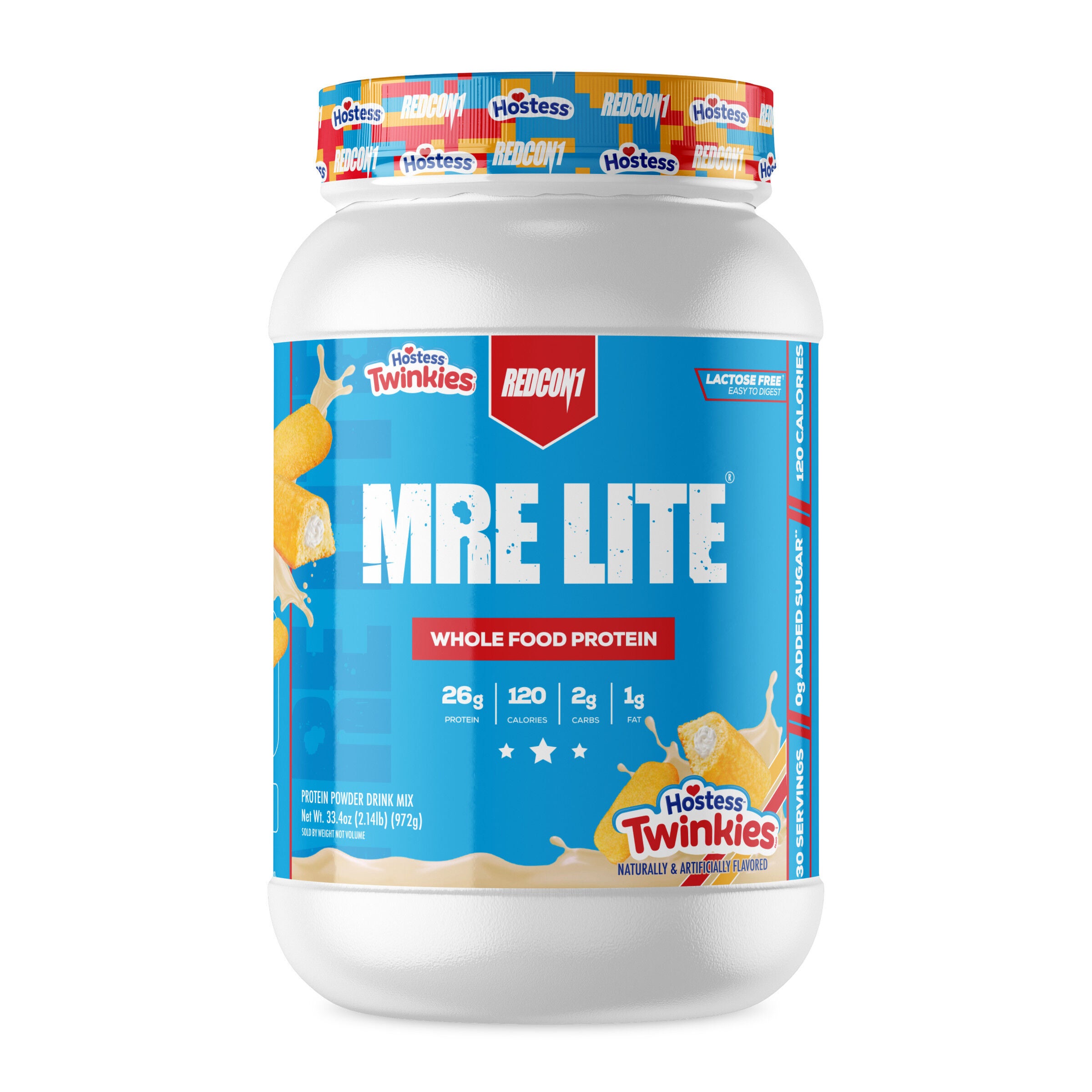
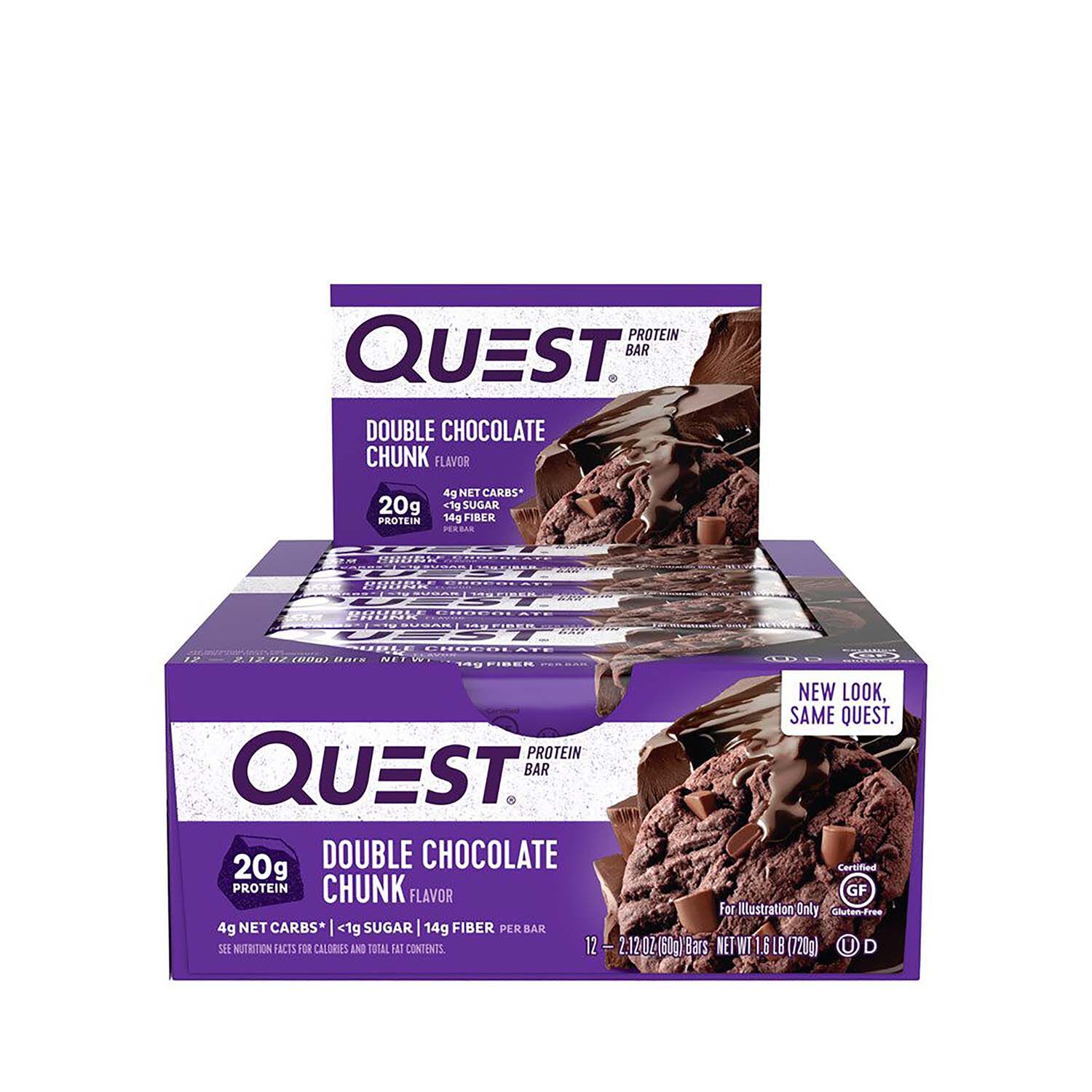

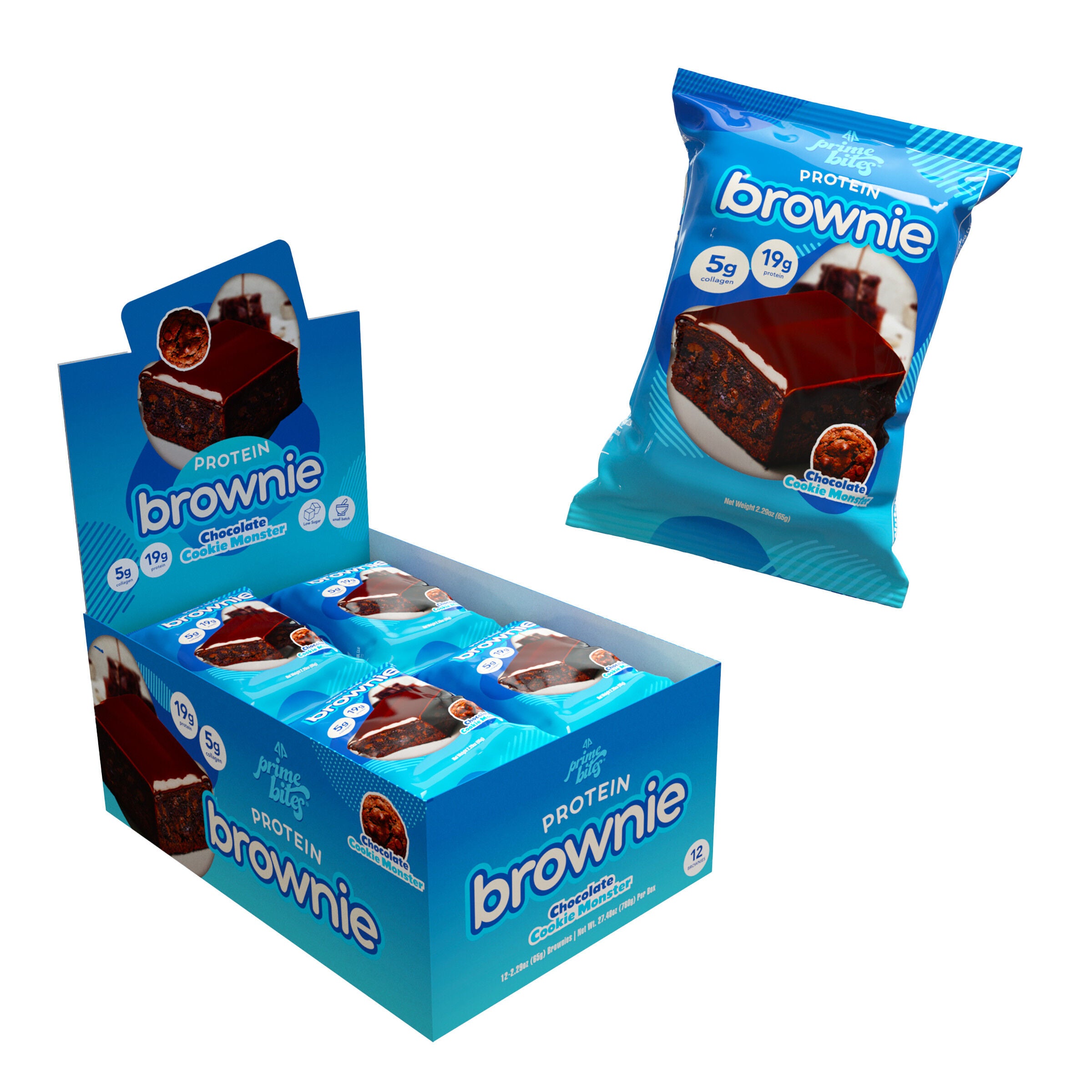
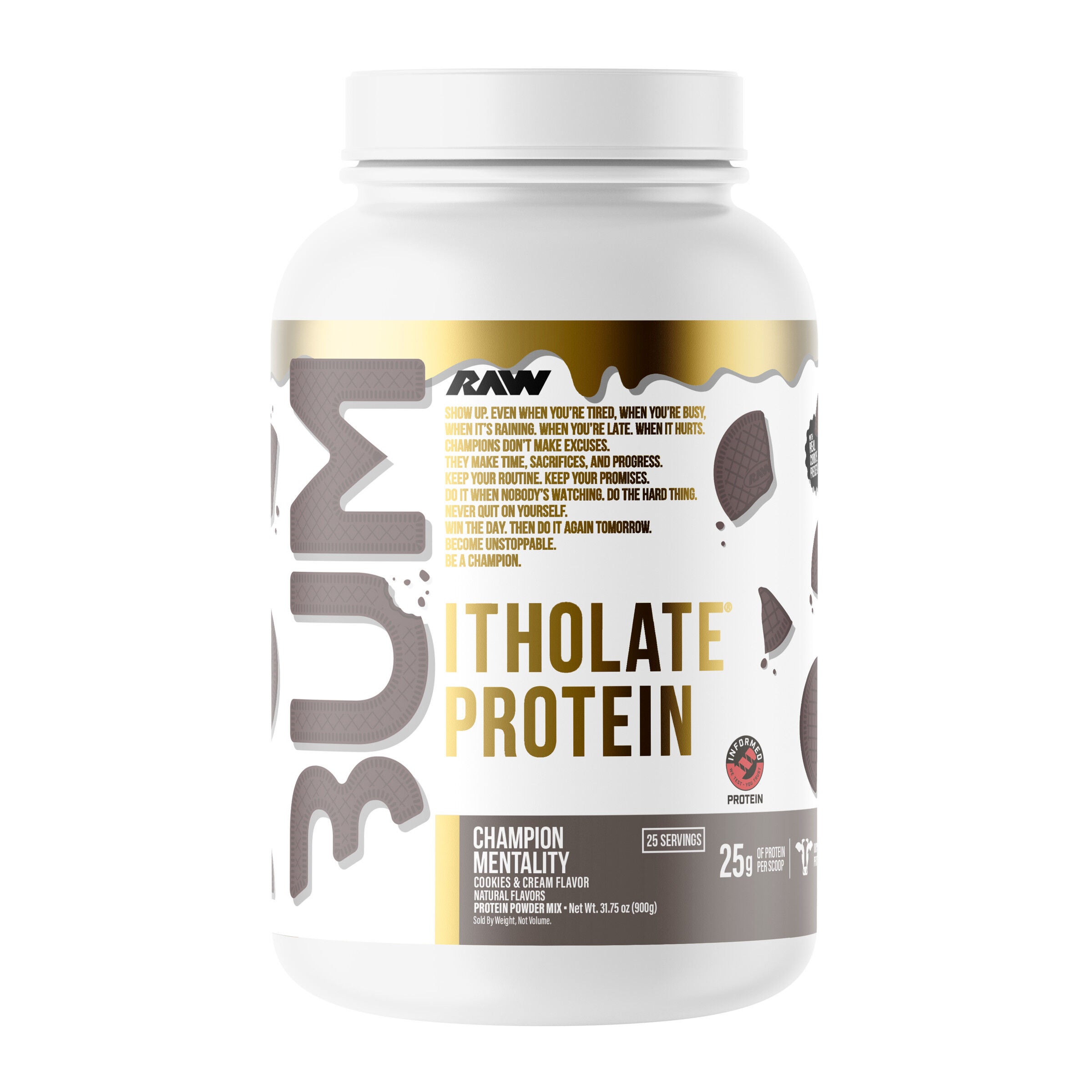


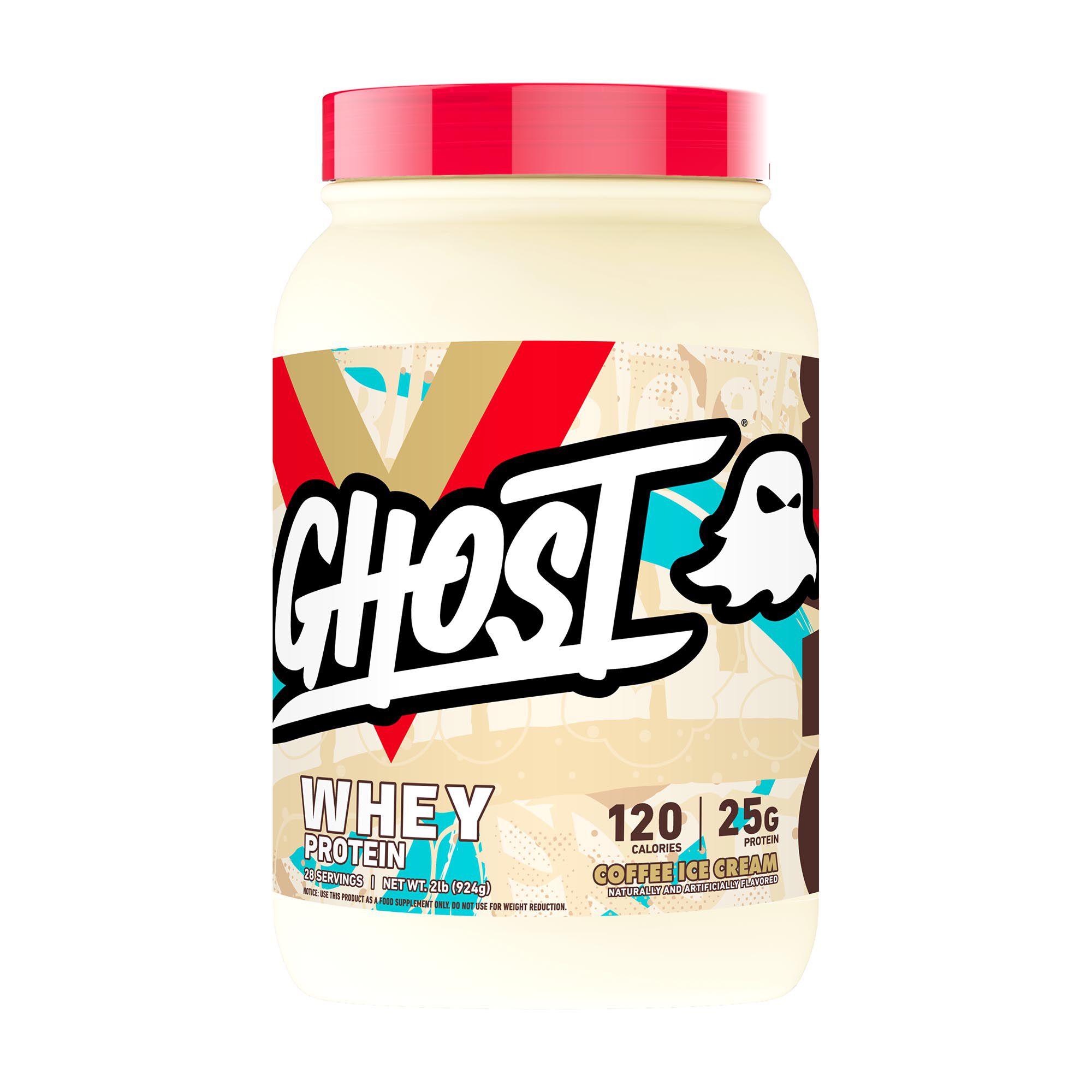


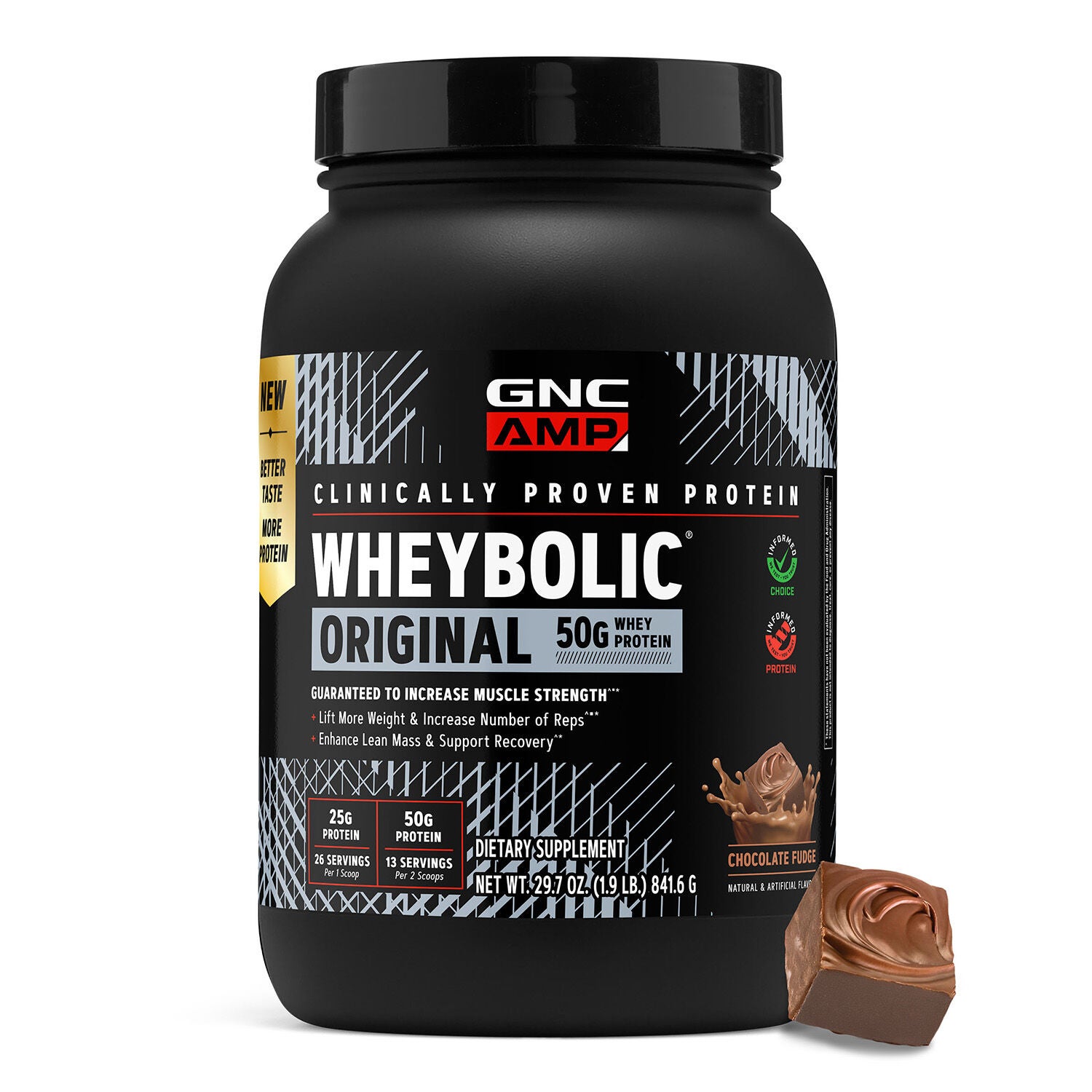
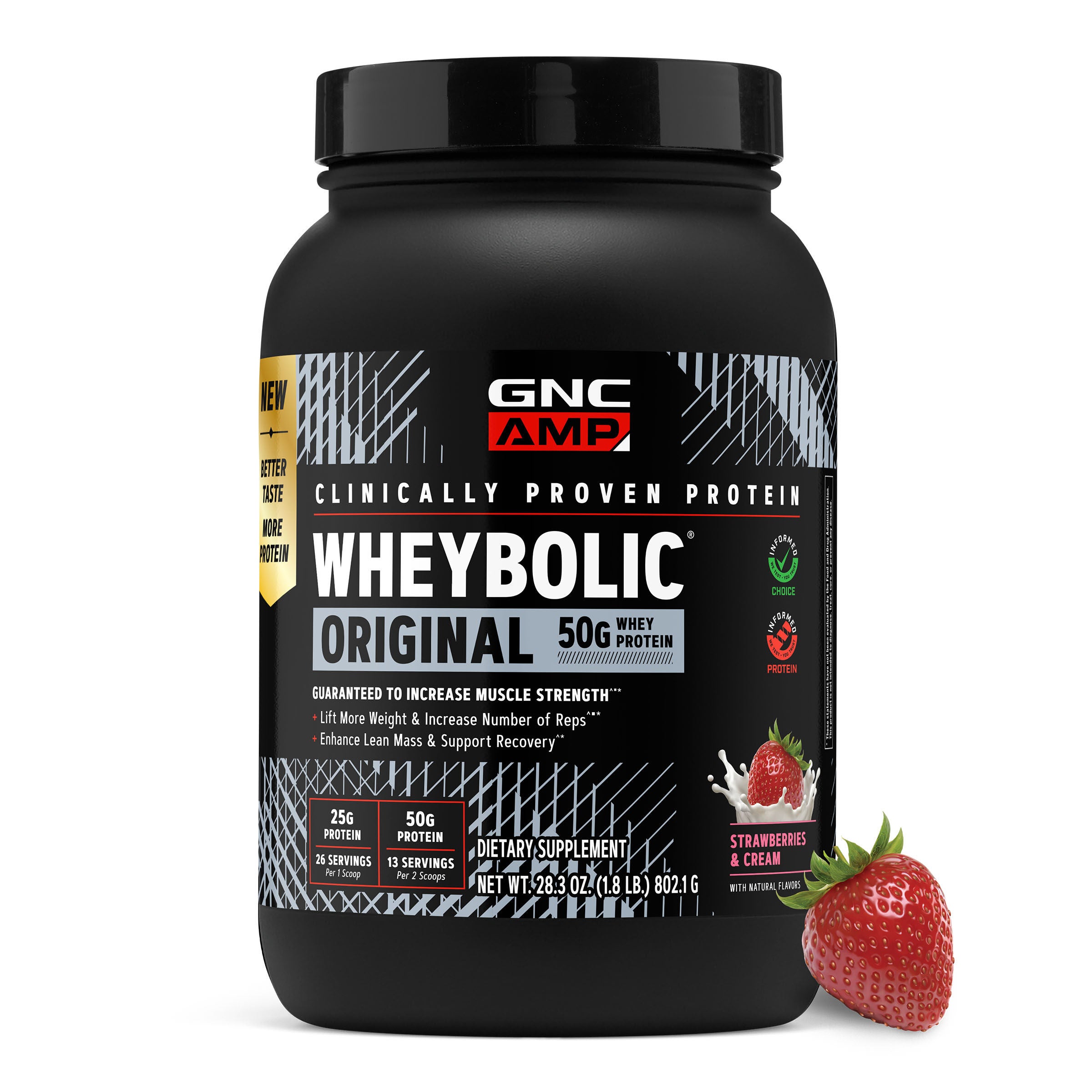
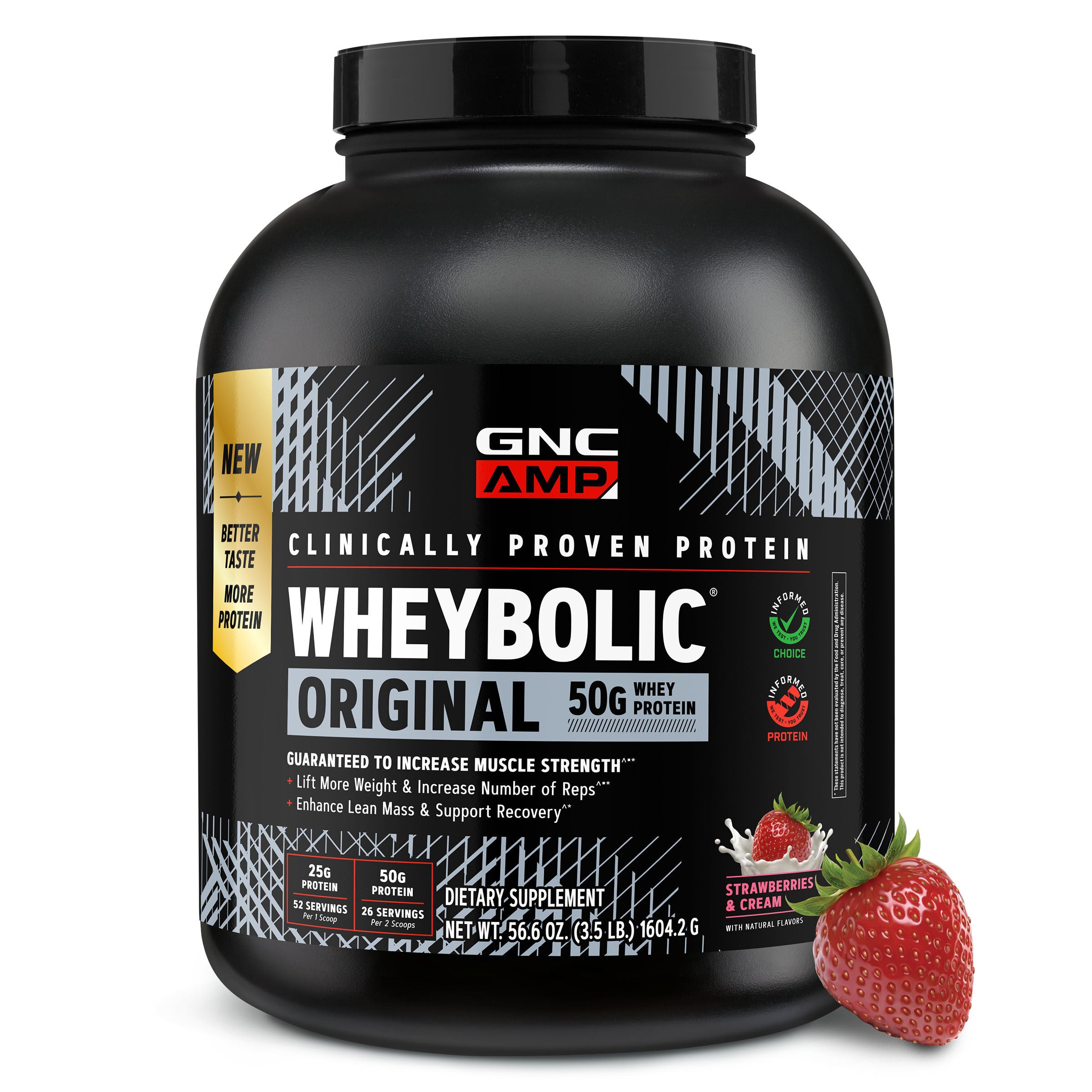

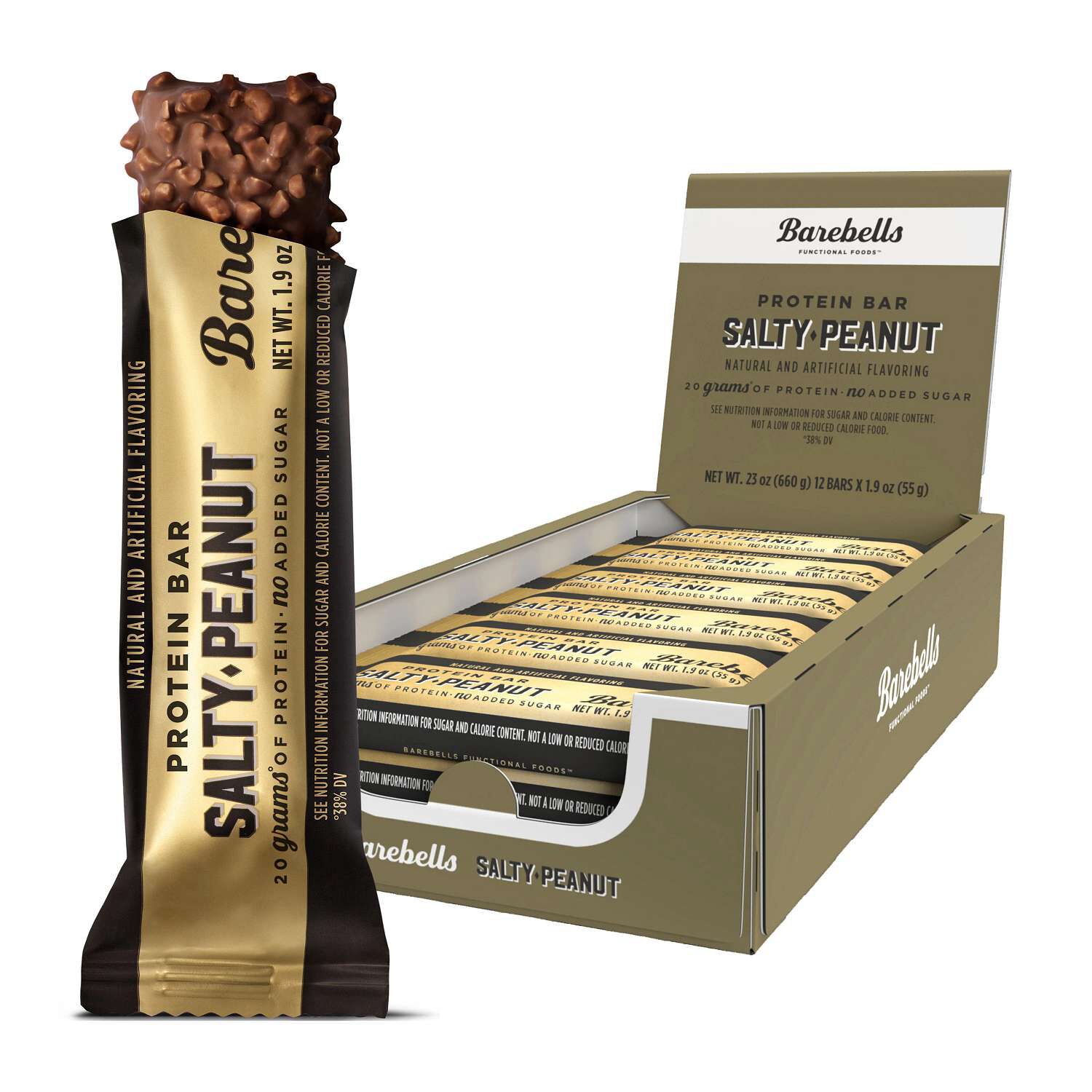

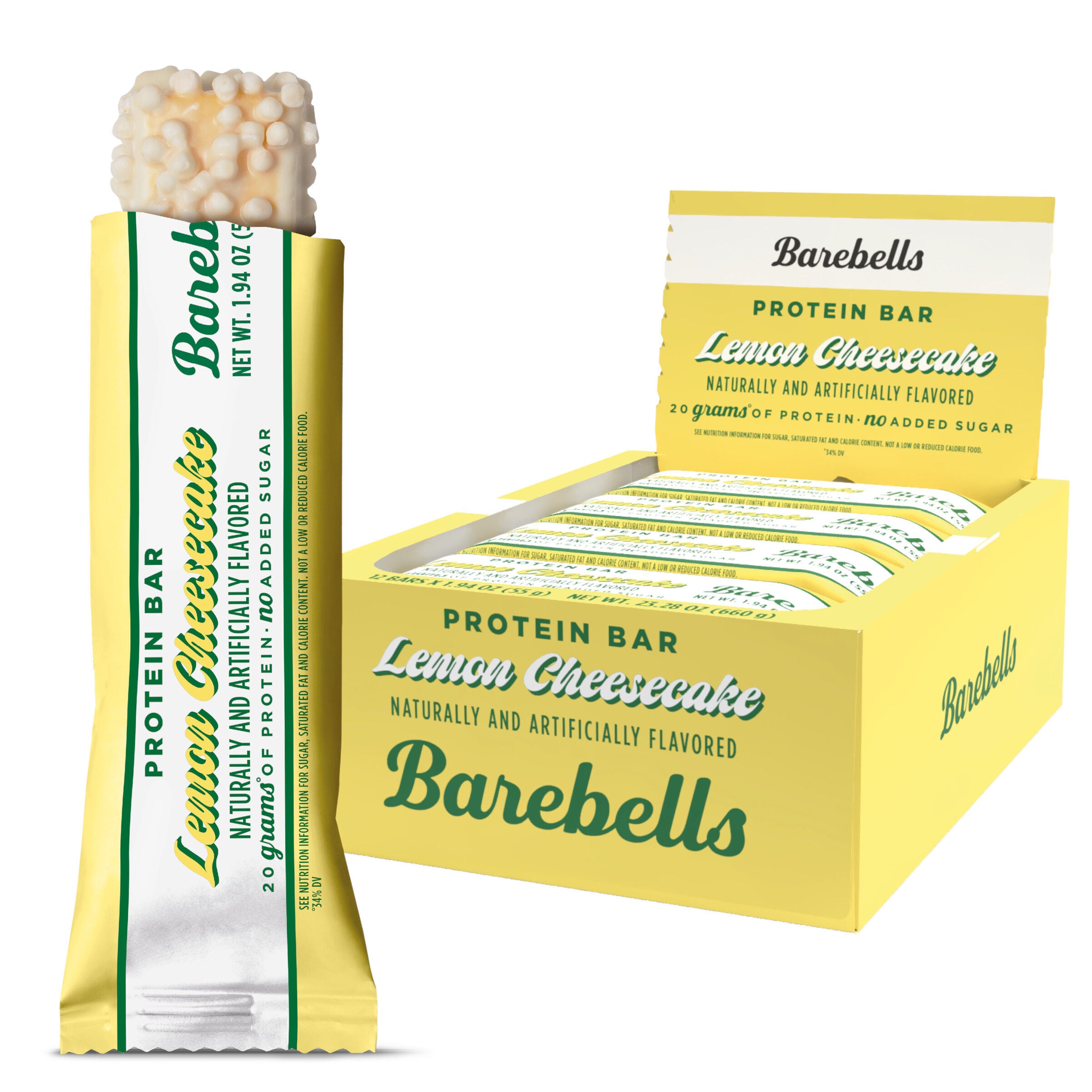

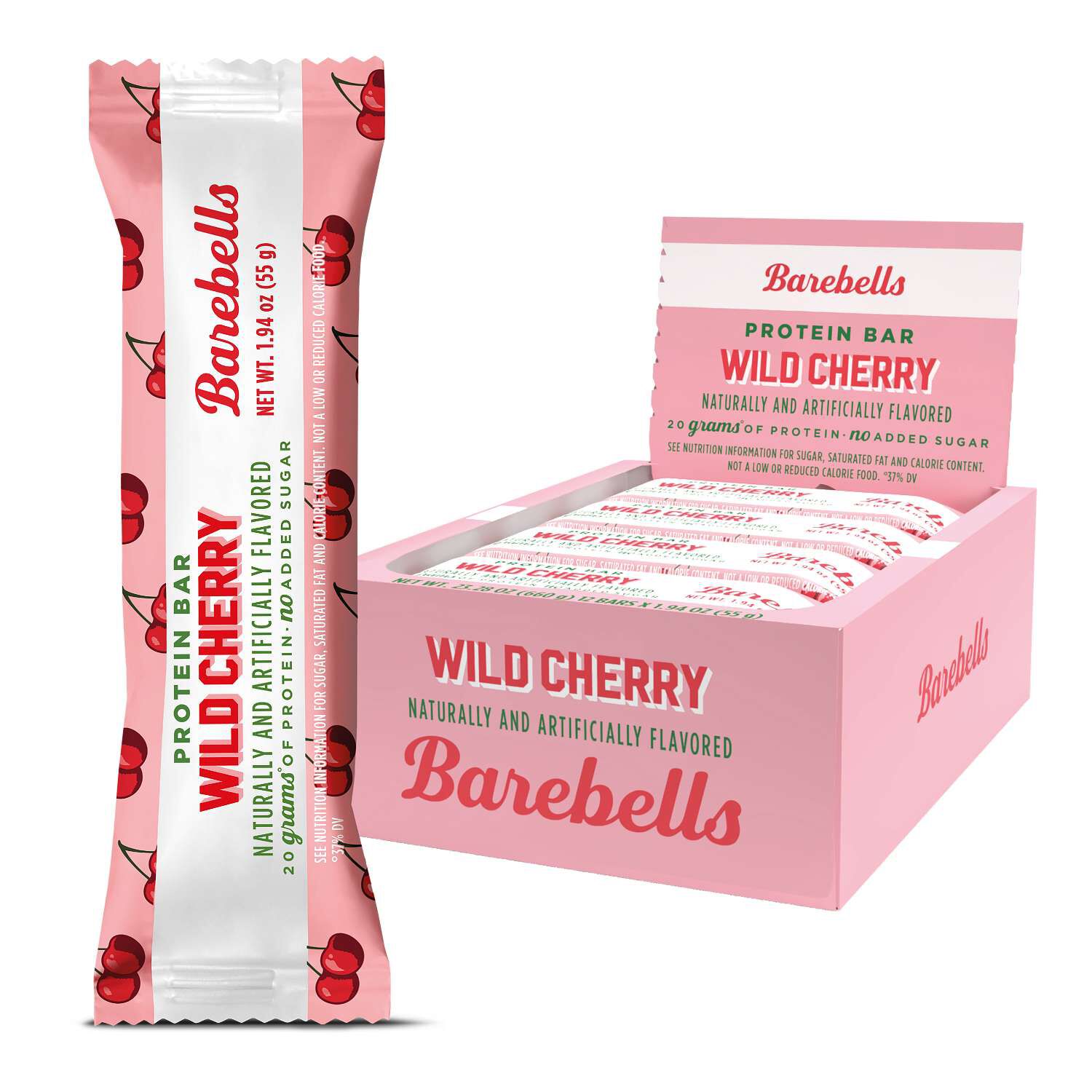

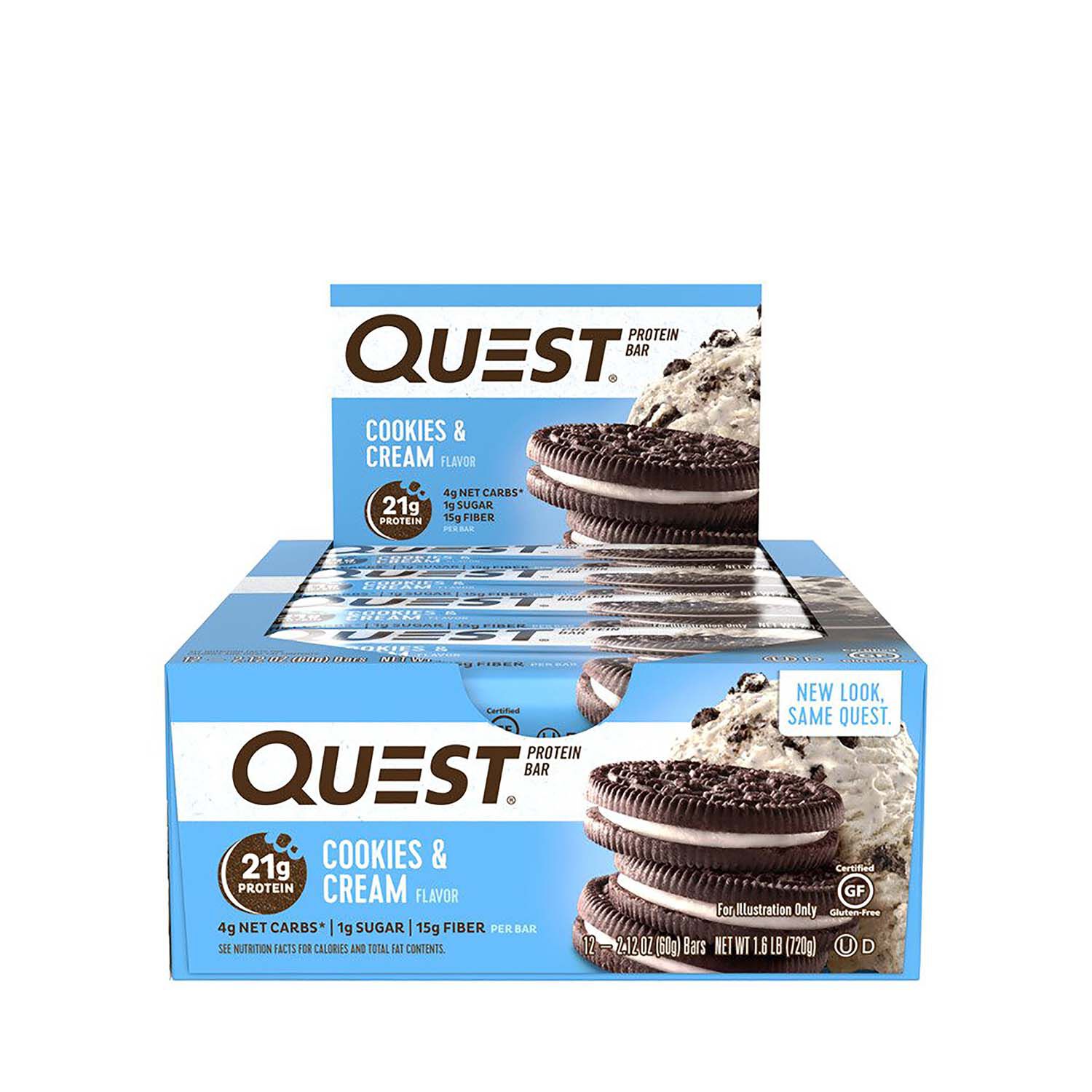
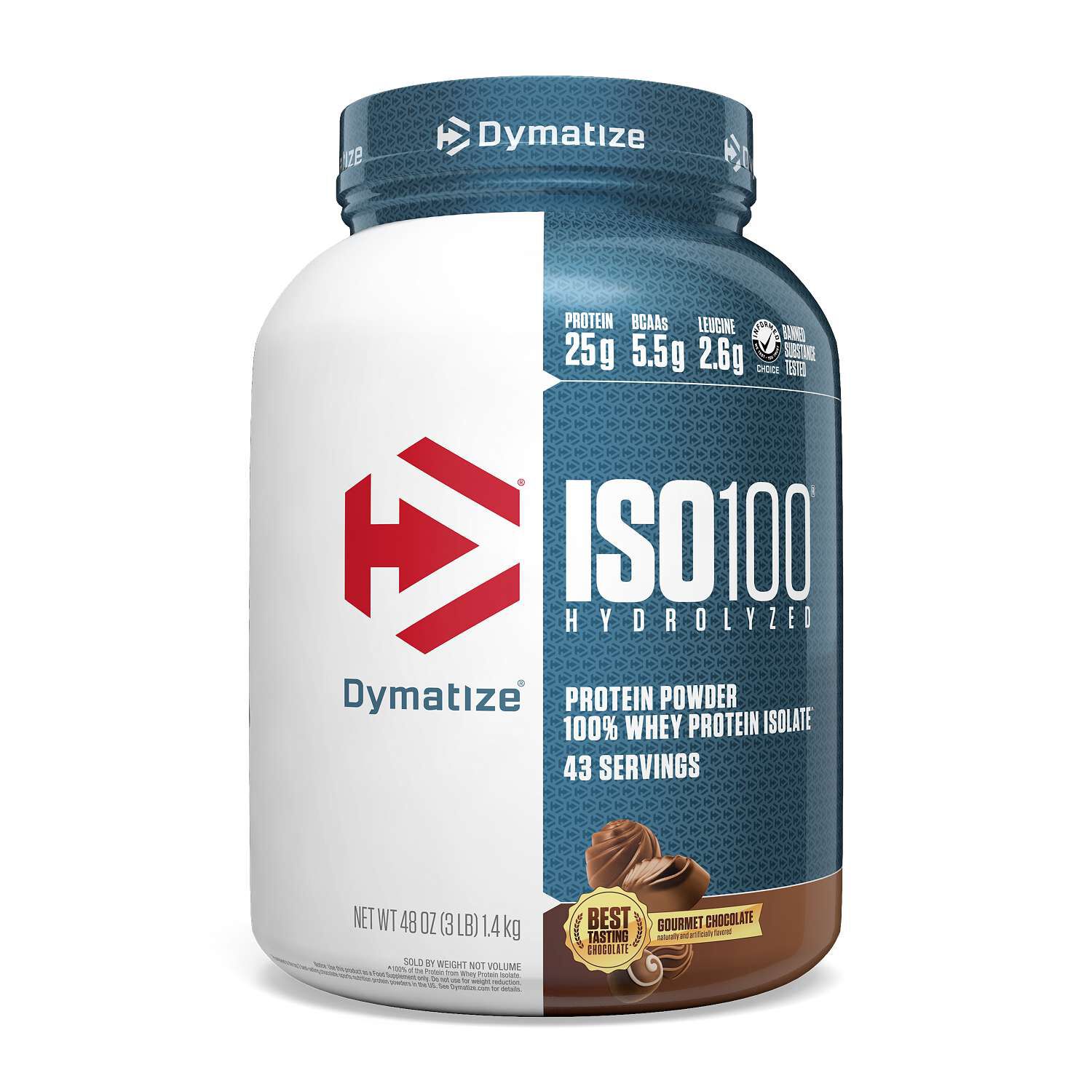
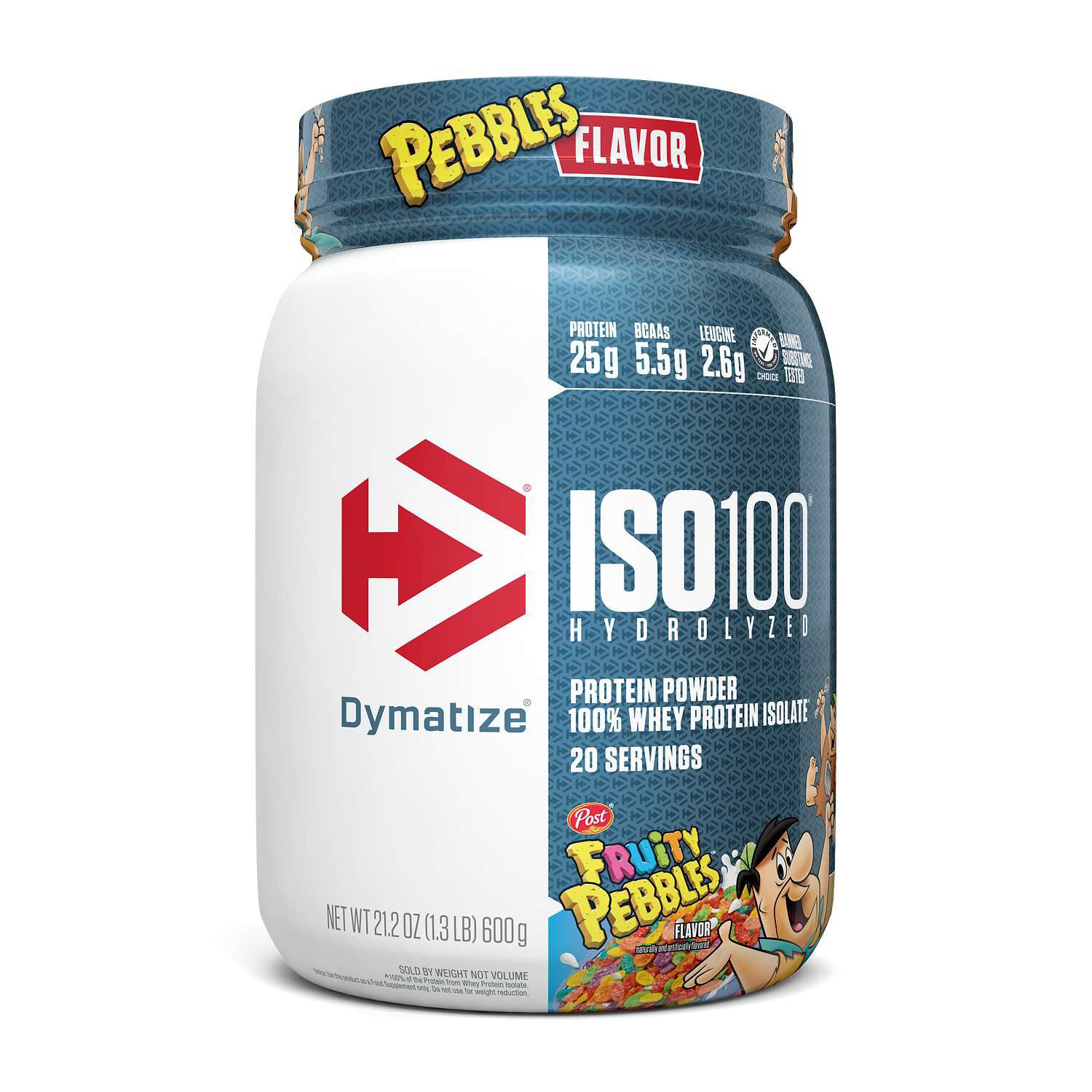
Whey protein powders for dessert cravings bring familiar sweet flavors to a category often associated with a simple shaker bottle. Chocolate brownie, vanilla frosting, cinnamon pastry, salted caramel, and cookies-and-cream profiles take inspiration from the bakery counter and ice cream shop, with different approaches to sweetness, aroma, and texture. For someone who enjoys a dessert-like finish to an afternoon snack or an evening shake, these powders may offer a convenient way to pair a favorite flavor with dietary protein. Whey is a milk-derived protein, and dessert-inspired varieties combine that base with ingredients such as cocoa, flavorings, sweeteners, and, in some formulas, small cookie or chocolate pieces. The result varies considerably by formula: one chocolate powder might lean toward dark cocoa, while another might taste more like milk chocolate frosting. Vanilla can range from a lighter, straightforward flavor to a richer custard-style profile. Cinnamon and caramel varieties often emphasize warm, toasted notes that suit the cooler months without being limited to a particular season. Choosing among them is as much about the dessert experience as the flavor name. Someone drawn to brownies may prefer a cocoa-forward profile, while a fan of soft-serve vanilla may enjoy a smoother, milkier character. Powders with mix-ins bring another consideration, since small pieces can remain noticeable even after the powder itself has blended. A smooth formula may be a better match for someone who wants a uniform shake, whereas a textured variety may appeal to someone who likes a little contrast in each spoonful. Dessert-inspired whey does not have to imitate an entire slice of cake to be enjoyable; sometimes a subtle vanilla aroma or a cocoa finish is enough to make a familiar snack feel different. These flavor options may suit active adults, regular gymgoers, and anyone who already uses protein powder and prefers sweet rather than neutral flavors. They also leave room for personal taste, from a lightly flavored milk-based drink to a thick, spoonable yogurt mixture.
Beyond flavor, the ingredient list and nutrition panel offer useful context for comparing dessert-flavored whey protein powders. Whey concentrate, whey isolate, and blends of the two are common protein bases. Isolate generally undergoes additional filtration and often contains less lactose and fat than concentrate, although the finished formula matters more than the ingredient name alone. Added cookie pieces, cocoa, powdered dairy ingredients, and other components can change the nutritional profile and texture. Protein per serving, serving size, carbohydrates, sugars, fat, and the listed mixing directions are practical details to compare side by side. A larger scoop does not necessarily mean a more concentrated protein formula, and similarly named flavors do not necessarily have similar ingredients. Sweeteners deserve attention, too. Some powders contain sugar, some use other sweeteners, and some combine several sources of sweetness. Personal preference plays a large part in whether a flavor tastes balanced, especially when the powder is mixed with an already sweet beverage or snack. Milk-derived ingredients are part of whey protein, and dessert-style additions can introduce ingredients such as wheat, soy, peanuts, or tree nuts. Package ingredient and allergen statements provide the relevant details for individual dietary preferences and restrictions. Texture is another meaningful distinction that a flavor name alone cannot explain. Formulas containing thickeners may create a denser drink, while others mix into a lighter consistency. Cocoa can contribute a slightly different mouthfeel than a plain vanilla base, and cookie pieces are intended to retain some texture rather than disappear entirely. For someone carrying a shaker to work, easy mixing and a flavor that tastes pleasant with water may matter most. For someone blending an evening snack at home, a powder that pairs well with milk, yogurt, or frozen fruit may be more appealing. The most suitable choice depends on the intended use, the preferred sweetness, and how much preparation fits comfortably into an ordinary day.
Dessert-inspired whey protein powders also have a place beyond shakes, particularly in foods that already have a creamy or spoonable texture. Chocolate whey paired with plain yogurt may create a tangy, cocoa-rich snack, while vanilla whey with oats may bring a softer, bakery-style note to breakfast. A cinnamon-flavored powder may complement an oat mixture with apple pieces, and caramel flavors may pair well with a milk-based blend and a small pinch of salt. The base makes a noticeable difference: water generally gives the flavor less richness, dairy milk contributes its own protein and creamy character, and plant-based beverages vary in sweetness, thickness, and ingredients. A chocolate powder mixed with an unsweetened beverage can taste quite different from the same powder blended with a sweetened vanilla beverage. Those drawn specifically to cocoa-forward flavors can also explore Chocolate Protein Desserts for related dessert-inspired options. For thicker preparations, the balance of powder and liquid matters as much as the flavor pairing. Too little moisture can leave a mixture dense or powdery, while more liquid produces a looser consistency. Resting time can also change the texture of preparations containing oats or thickening ingredients. Baking introduces a different set of considerations because whey protein does not behave like flour; recipes developed for protein powder account for differences in moisture and structure. A powder that works well in a shake may not produce the same result when substituted into a favorite cookie recipe. Everyday care is simpler: a securely closed container, a dry scoop, and storage according to the package directions help keep moisture away from the powder. Package dates and handling instructions remain relevant whether the container lives in a kitchen cabinet or travels occasionally in a gym bag. Ultimately, these powders offer a range of dessert-inspired flavors rather than a single kind of sweet snack. A smooth chocolate shake after a workout, vanilla stirred into a breakfast bowl, or a cinnamon-scented afternoon snack each calls for a slightly different balance of flavor, texture, and convenience. Matching those details to familiar routines may make a dessert-flavored whey powder a more enjoyable part of everyday eating.