Winter Energy Supplements
(0 Results)
Winter energy supplements could be the perfect solution to help maintain vitality during the colder months. As temperatures drop and daylight hours shorten, it’s common to experience a dip in energy and motivation. These supplements may offer support for those looking to stay active, focused, and energized throughout the winter season. Explore a range of options that might help you power through winter with vigor and enthusiasm.
-
-

-

-
-

-

-
-
-

-

-

-
 Portions Master$24.99
 -
-

-

-

-

-

-
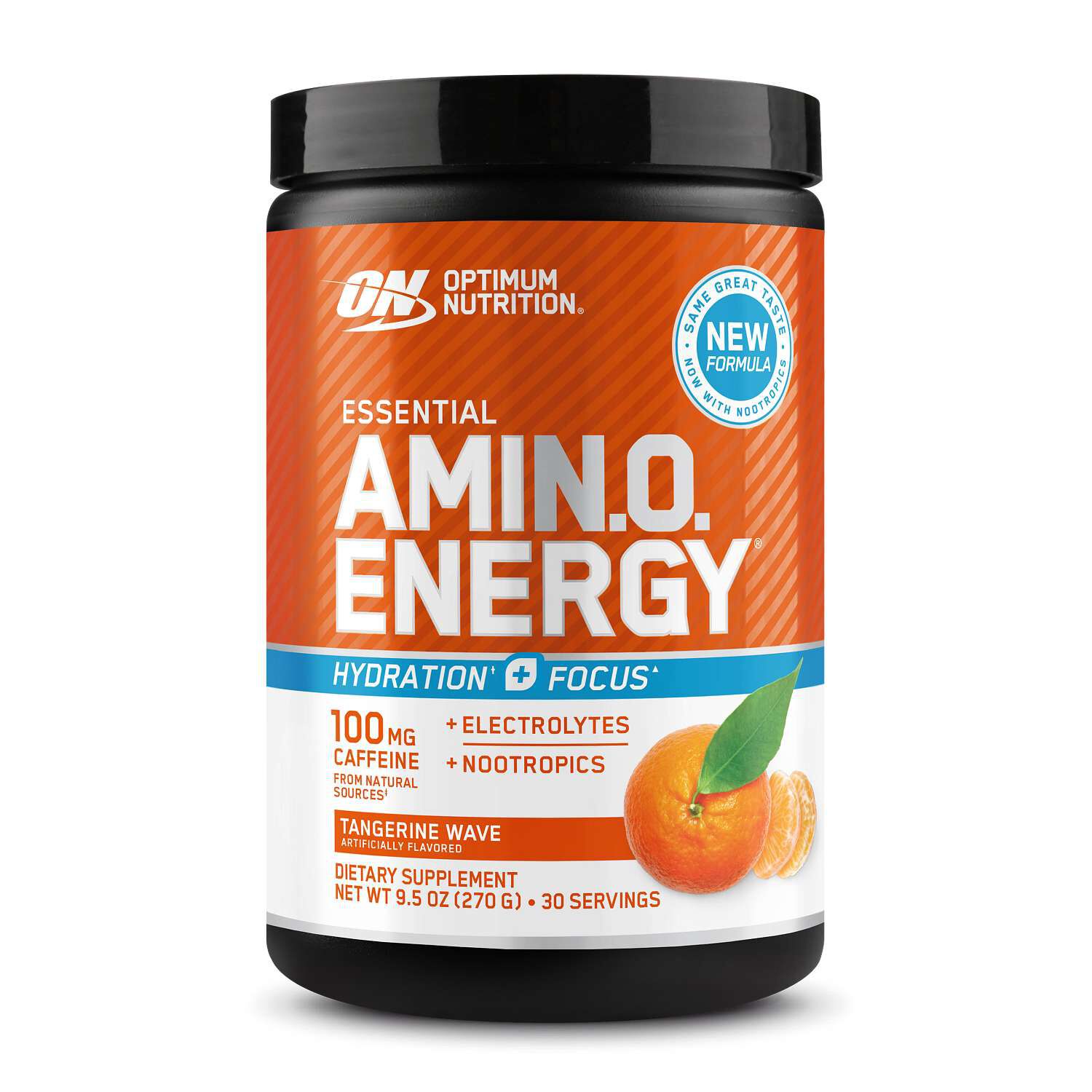
-
 Optimum Nutrition459$24.99
 -

-

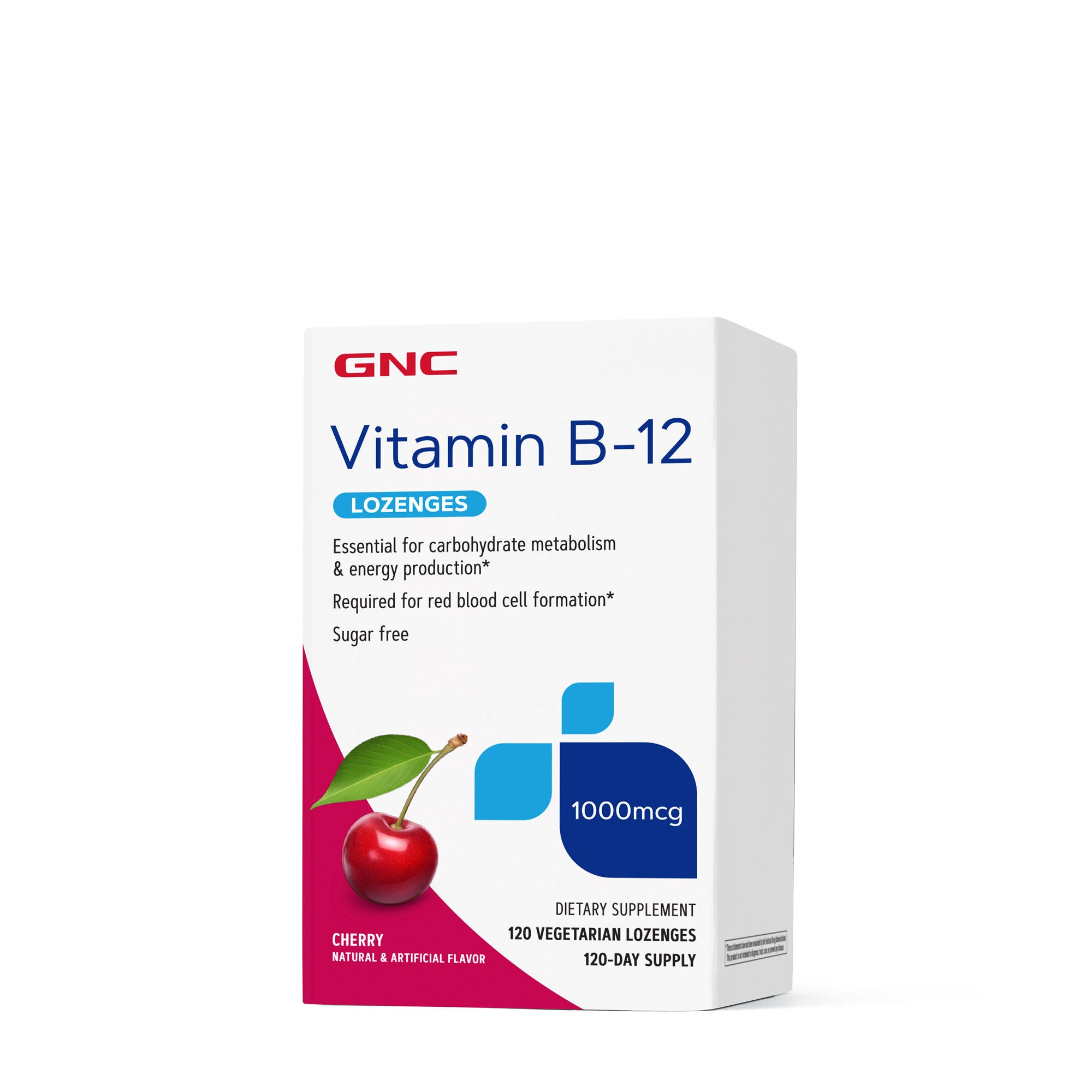
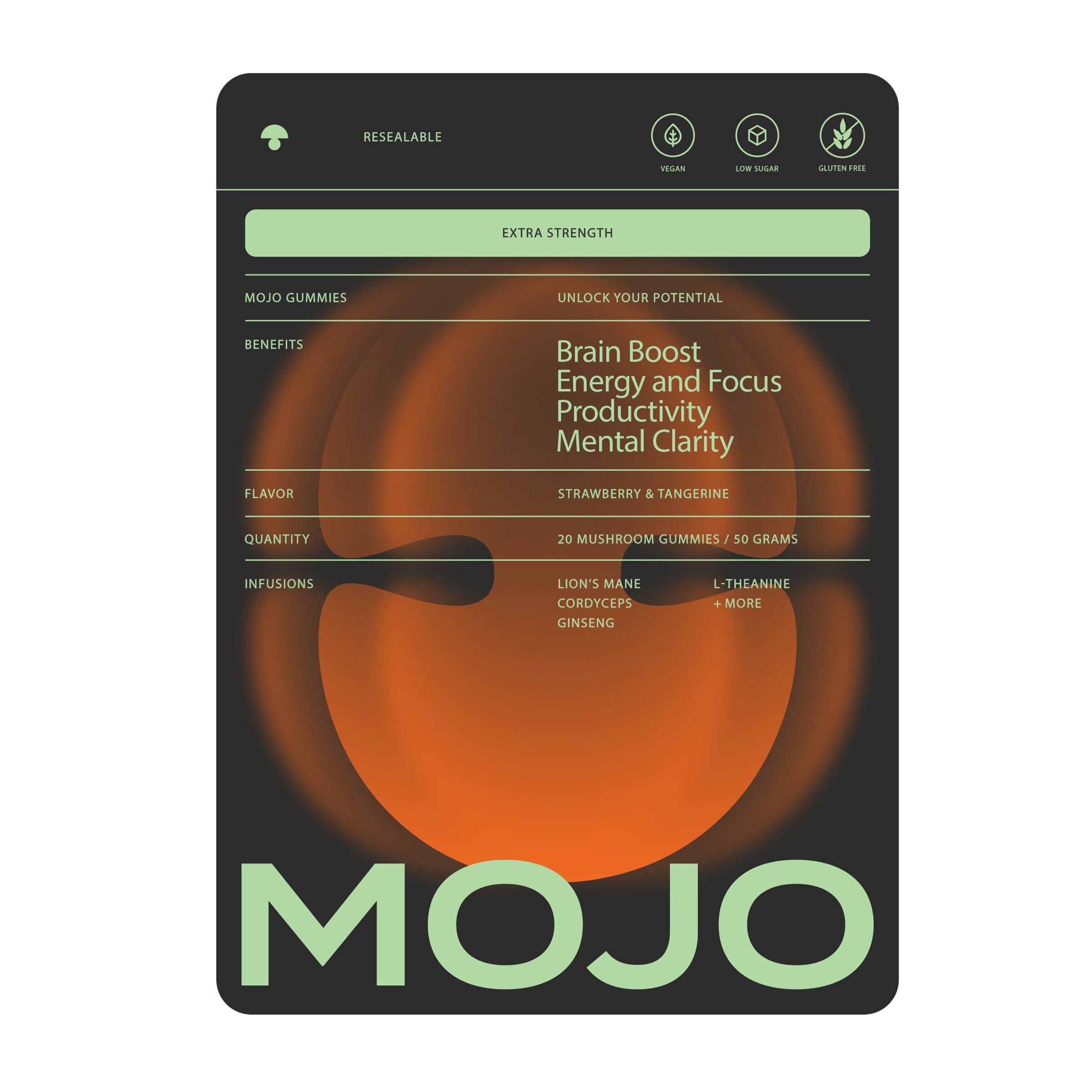
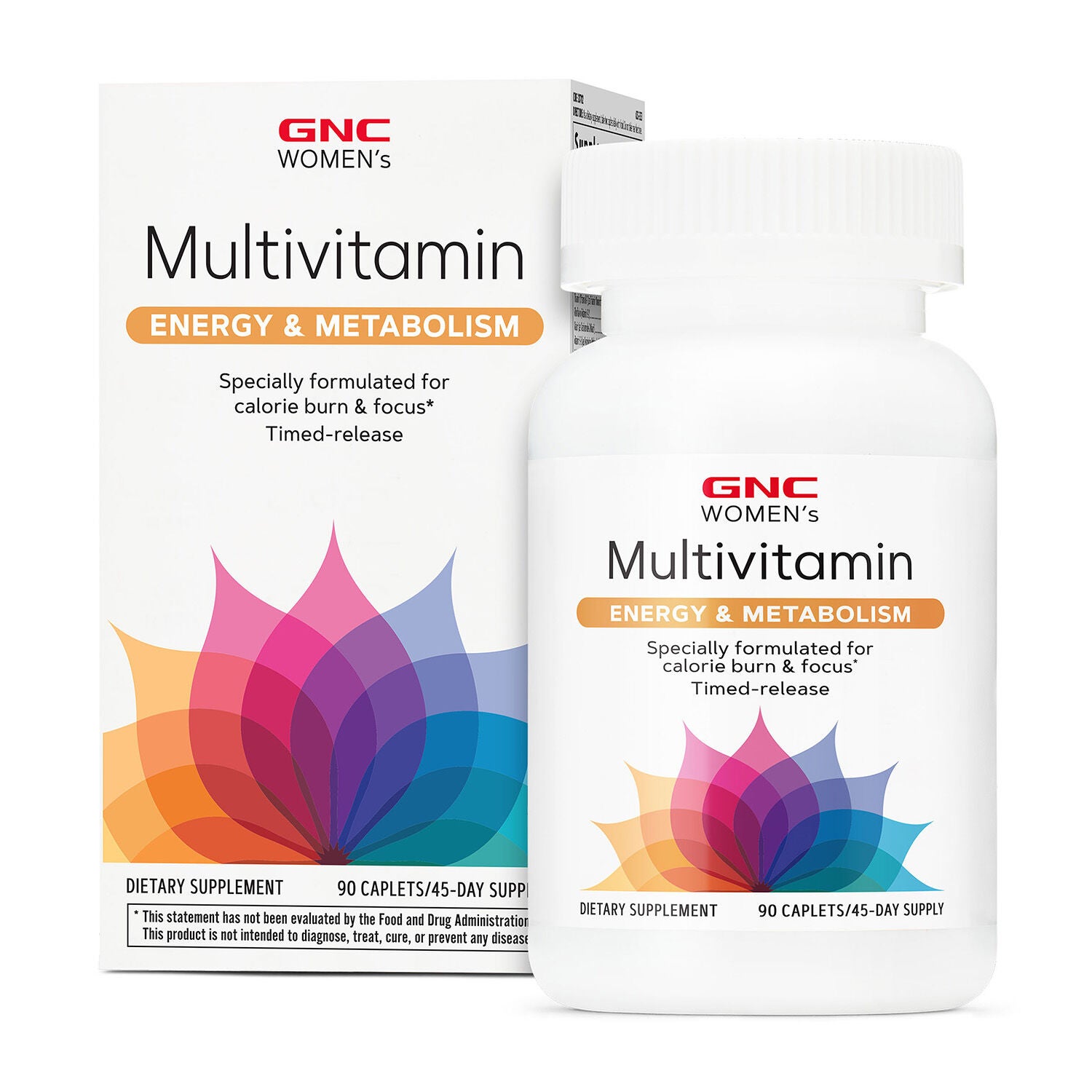
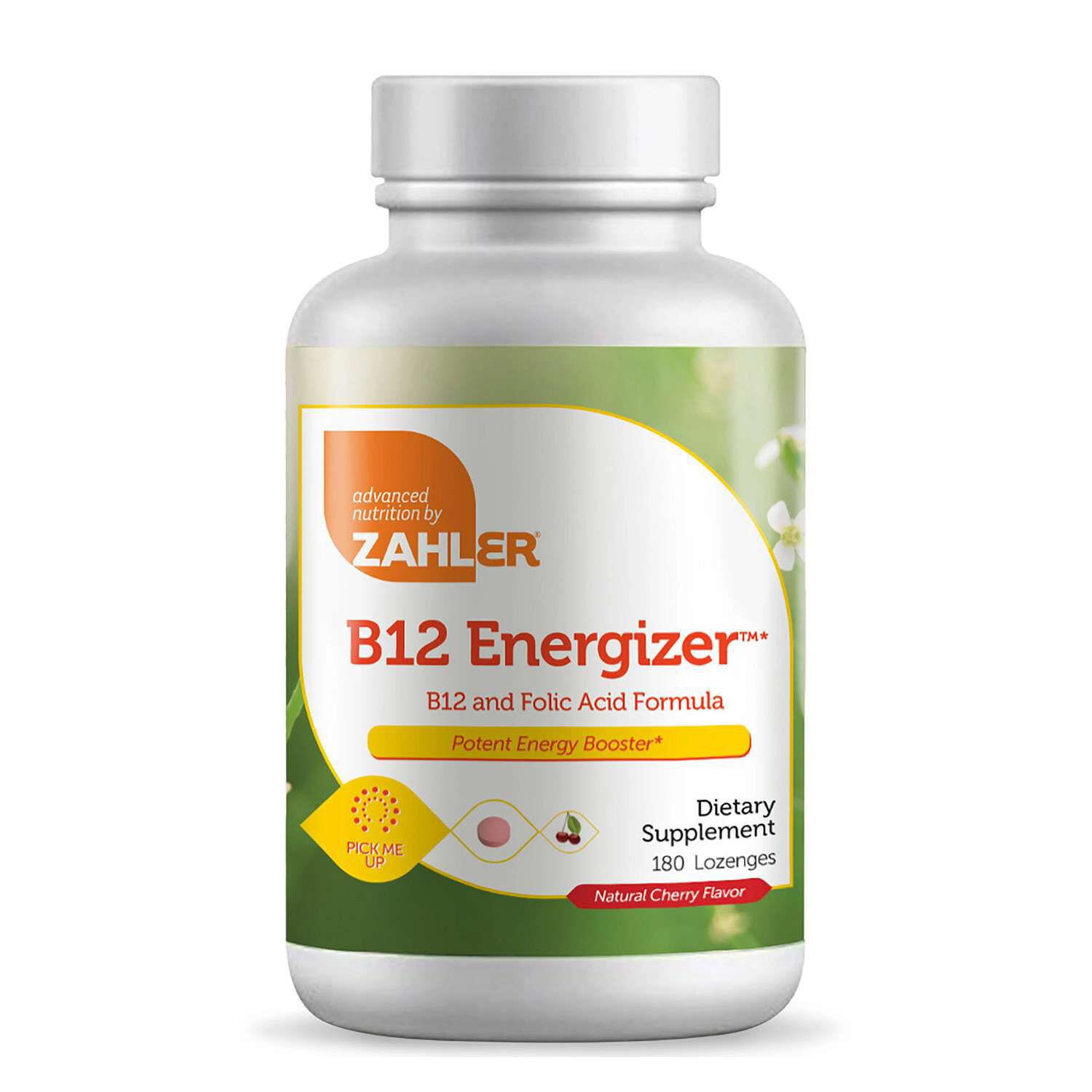
Winter energy supplements are nutritional products often considered alongside busy cold-weather routines, from early commutes in the dark to afternoon errands and indoor workouts. The category can include vitamins, minerals, and formulas with caffeine, but these ingredients have different intended uses. B-complex supplements contain a combination of B vitamins, which may support the body’s normal process of using energy from food. Vitamin B6 and vitamin B12 are common ingredients in this category, whether included together or within a broader vitamin formula. Vitamin D also comes up in winter supplement shopping, when shorter days and indoor schedules can mean fewer opportunities to spend time outside. Its presence in a formula does not make that product equivalent to a stimulant-based energy supplement. Magnesium may support normal energy metabolism, while iron is another mineral that appears in some nutritional formulas. Neither ingredient belongs in every shopping basket simply because a product has a seasonal name. The ingredient list, serving amount, and stated purpose offer more useful distinctions. Caffeine-containing supplements represent a different approach and may support alertness rather than provide vitamins or minerals. Someone comparing options for a morning routine may therefore be looking for something quite different from a person interested in everyday nutritional intake. Winter energy supplements may fit alongside balanced meals, sleep, and regular movement rather than serve as substitutes for those routines. A breakfast eaten before a frosty commute, a packed lunch for a long workday, and a consistent evening schedule remain useful context for understanding where a supplement might fit. The most informative comparison begins with what the formula contains, not how energetic its packaging looks. A vitamin-focused product, a mineral formula, and a caffeine-containing blend may share a category name while differing considerably in composition, serving directions, and intended use. Reading those details helps put seasonal language into practical perspective without assuming that every option is designed for the same person or the same part of the day.
Format is another useful distinction when comparing winter energy supplements. Capsules and tablets may appeal to adults who prefer a measured serving without mixing a drink, while powders involve a scoop, a liquid, and a little preparation time. Gummies and chewable formats offer a different texture and flavor experience, with serving sizes that may include more than one piece. For a person leaving home before sunrise, the practical difference between taking a tablet with breakfast and preparing a powdered drink may matter more than the appearance of the container. Capsule shells can contain gelatin or plant-derived materials, and flavored formats can include sweeteners, colors, or ingredients that do not match every dietary preference. Vegetarian preferences, ingredient sensitivities, and personal taste are reasons to read beyond the front label. The Supplement Facts panel identifies serving size and ingredient amounts, while the other-ingredients list provides details about the surrounding formula. A bottle’s capsule count is not necessarily its serving count, just as a powder’s container size does not explain how many scoops make up a serving. Comparing amounts per labeled serving creates a clearer picture than comparing package sizes alone. For formulas containing caffeine, coffee, tea, and other caffeinated beverages already woven into the day are relevant context when reviewing the label. Some blends combine several ingredient categories, so a name centered on vitamins does not replace a careful look at the full ingredient list. Care and storage matter, too. Follow the package’s storage directions, close containers securely, and pay attention to the printed date. A dry cabinet away from a steamy bathroom or a warm kitchen appliance is a different storage environment from a bag left in a car through repeated temperature changes. Powders also involve keeping the measuring utensil dry and the lid properly closed. Packaging condition, readable directions, and an intact seal are practical quality considerations. Unlike winter clothing or outdoor equipment, a supplement is not chosen for ruggedness; its packaging and storage requirements are the more relevant considerations for everyday handling.
The best fit for a winter energy supplement depends on the routine surrounding it as much as the format itself. An adult with a desk-based workday might value a straightforward serving taken according to the label, while someone commuting between home, work, and an evening class may care more about portability and preparation. A regular gym visitor might already have several nutrition products in a cupboard, making overlapping ingredients an important part of comparison. Someone following a plant-based eating pattern may pay closer attention to capsule materials and nutrient composition, while a person who dislikes strongly flavored drinks may prefer an unflavored format or a tablet. These are practical differences, not signs that one type of supplement is universally better. Winter routines also vary: a snowy weekend spent indoors has a different rhythm from a packed weekday with an early departure and a late return. Intended use and serving directions provide a steadier basis for choosing than the expectation that one formula might suit every schedule. If supplements are being considered as a gift, knowing the recipient’s established preferences is more useful than guessing from a seasonal theme. Familiar formats, dietary choices, and the recipient’s own interest in nutritional products all matter, particularly for something intended to become part of a personal routine. Shoppers exploring adjacent seasonal categories can also browse Winter Weight Loss Supplements, while keeping the different intended uses of each category in mind. A shared winter theme does not mean the formulas are interchangeable. For energy-focused shopping, return to the fundamentals: the nutrient or ingredient category, the amount per serving, the preparation involved, and the directions printed on the package. Those details make comparisons more concrete, whether the setting is a quiet breakfast before the commute, a carefully packed work bag, or a kitchen shelf organized around everyday habits.