





Winter Weight Loss Supplements
(0 Results)
Winter weight loss supplements could be a supportive addition to your seasonal wellness routine, especially when colder weather makes it challenging to stay active. With shorter days and lower temperatures, many people look for new ways to help maintain their fitness goals throughout the winter months. Explore a variety of winter weight loss supplements that may complement your balanced diet and regular exercise, helping you stay motivated all season long.
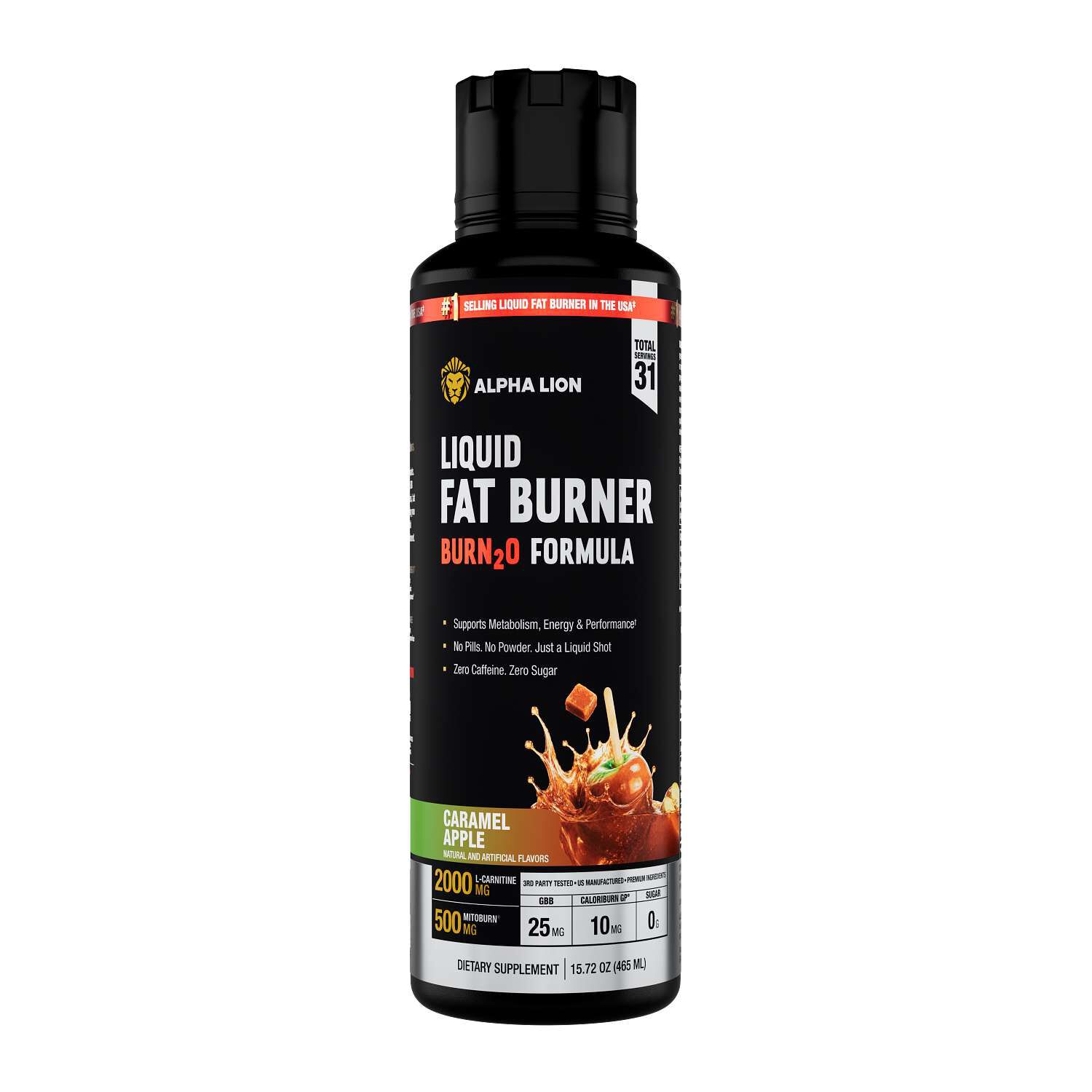
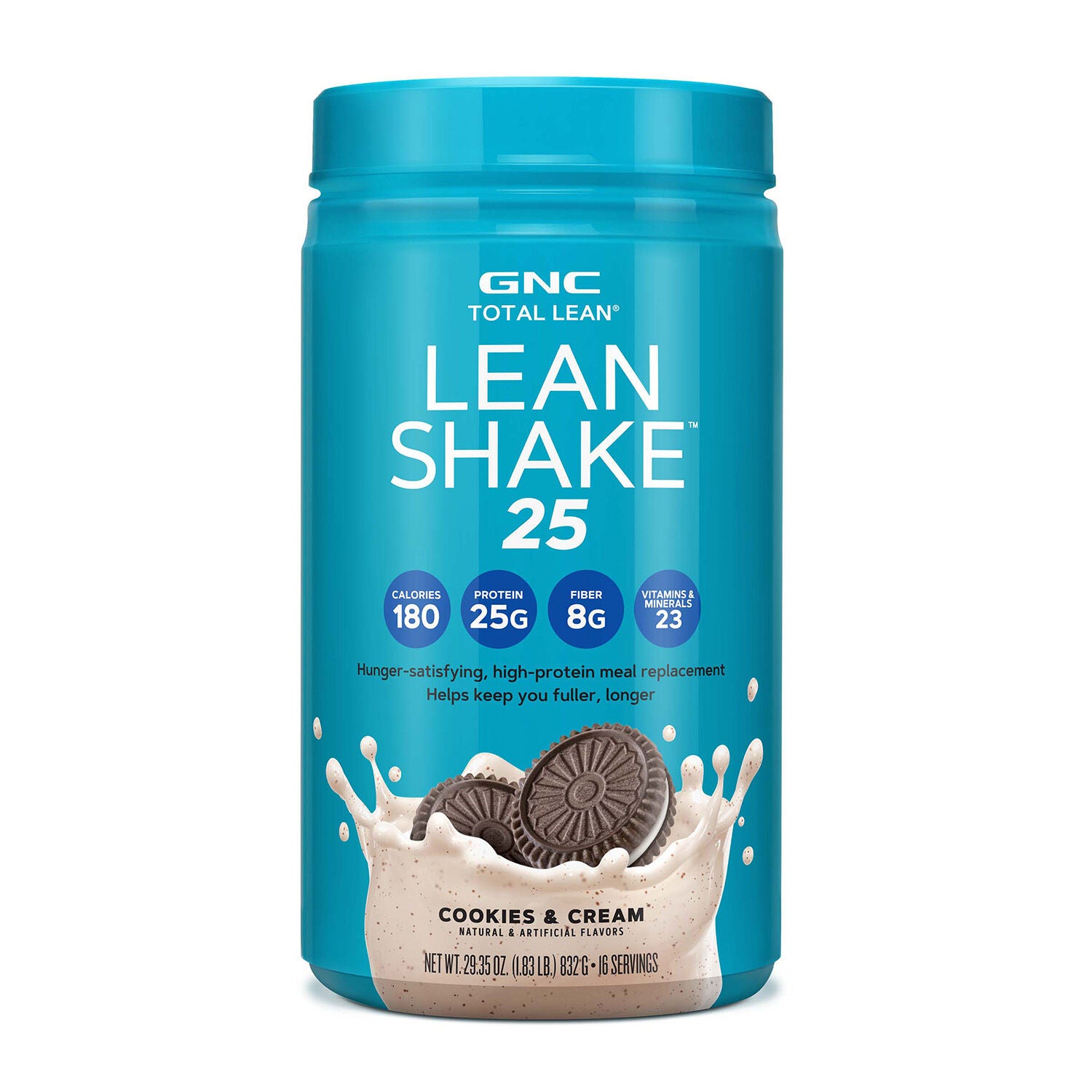
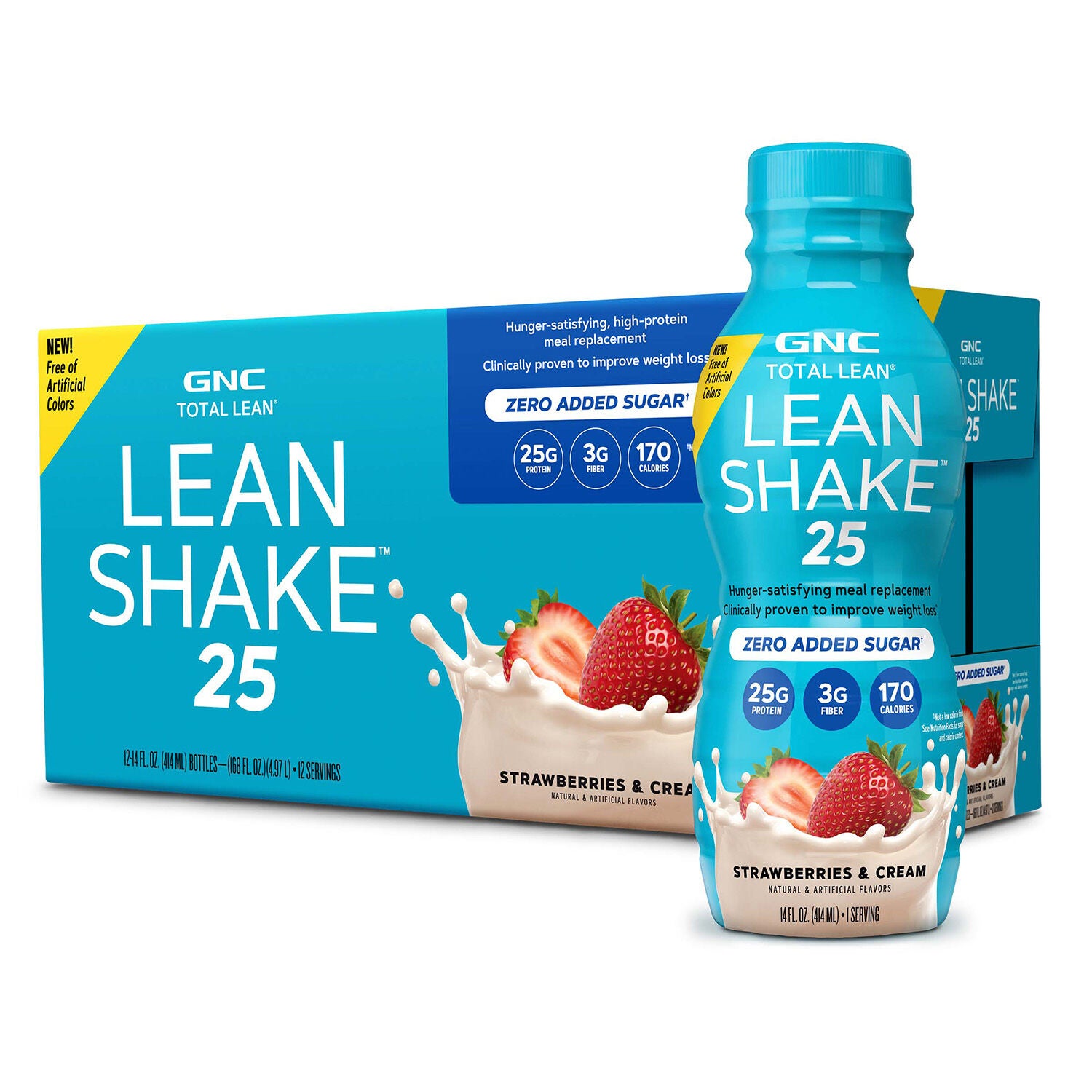
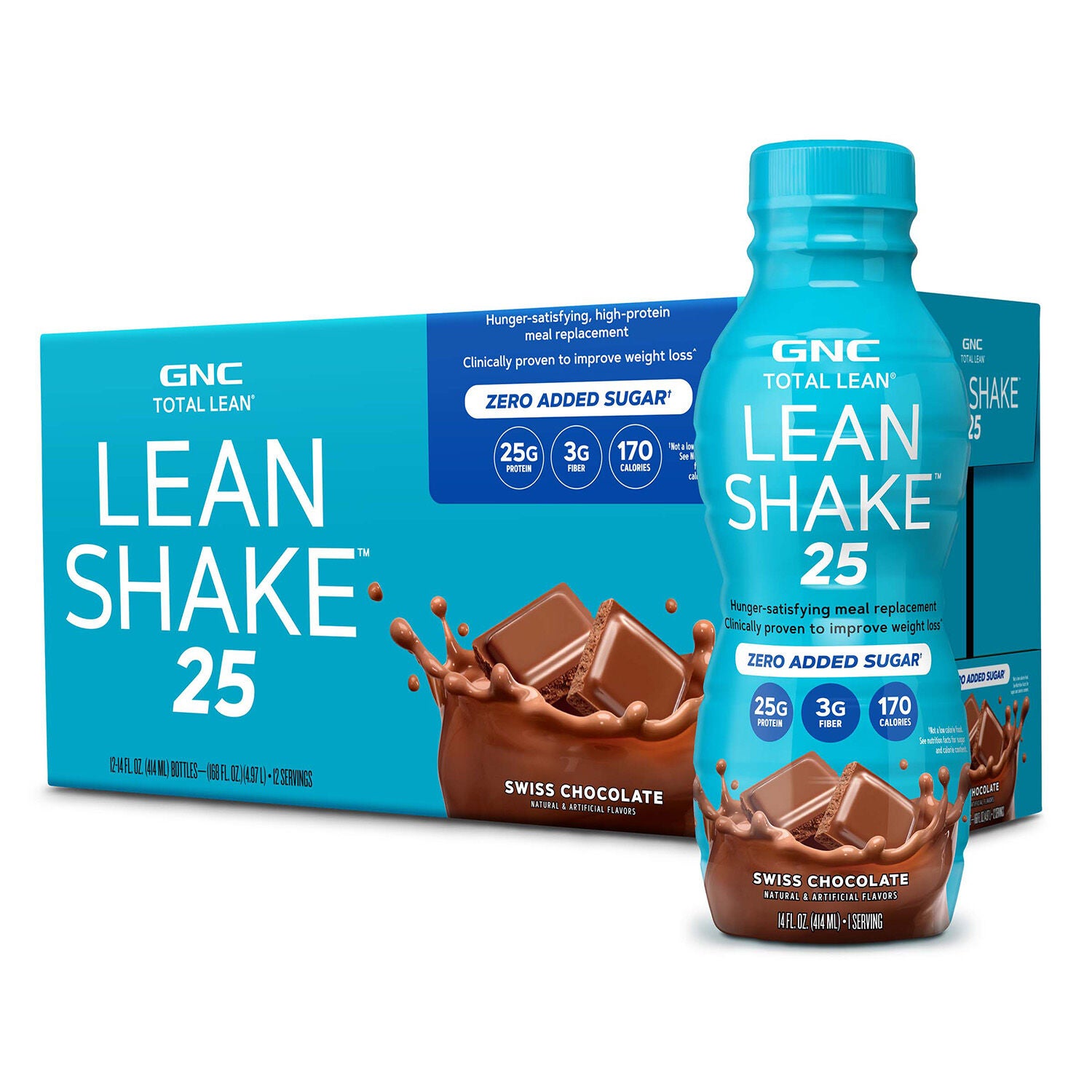
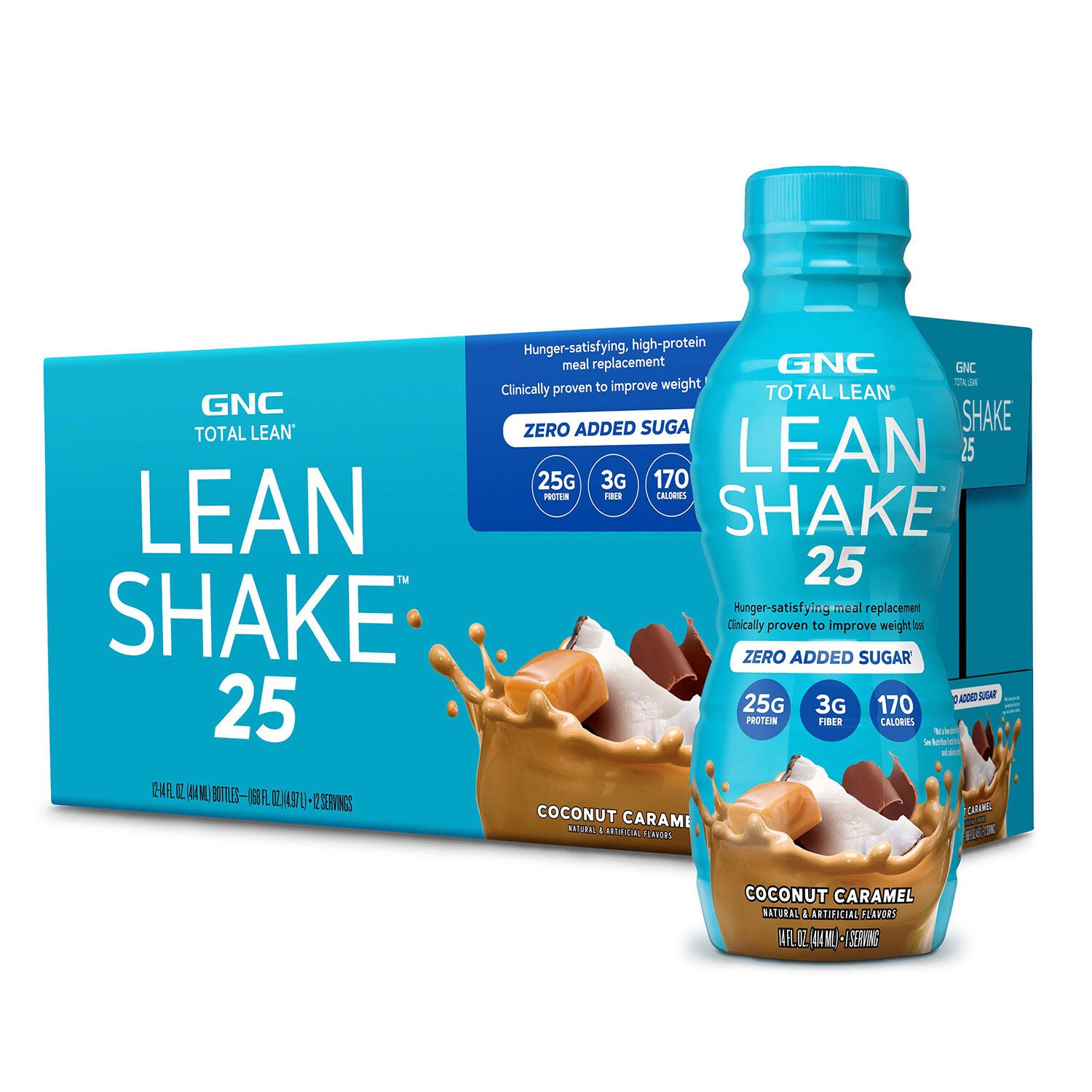
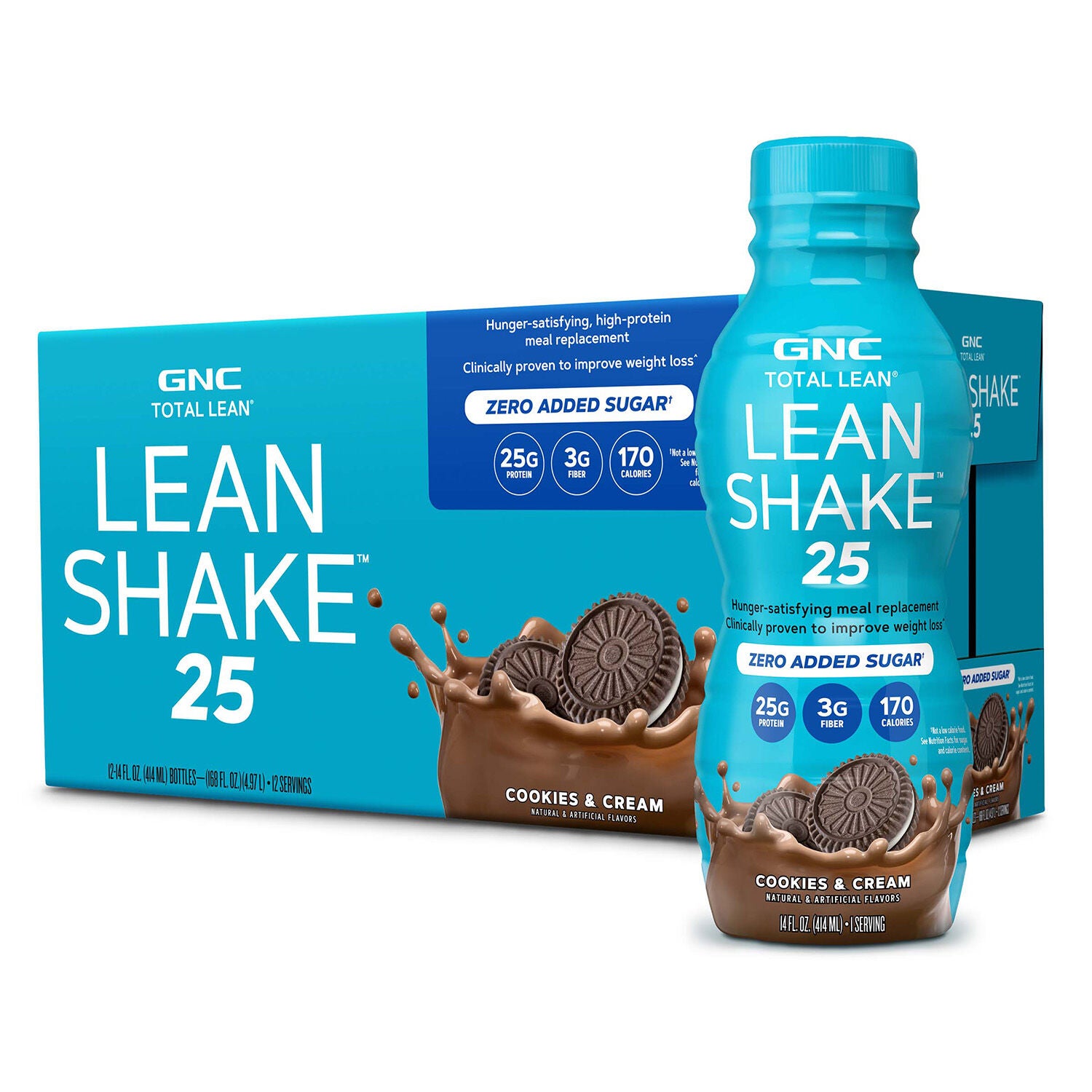

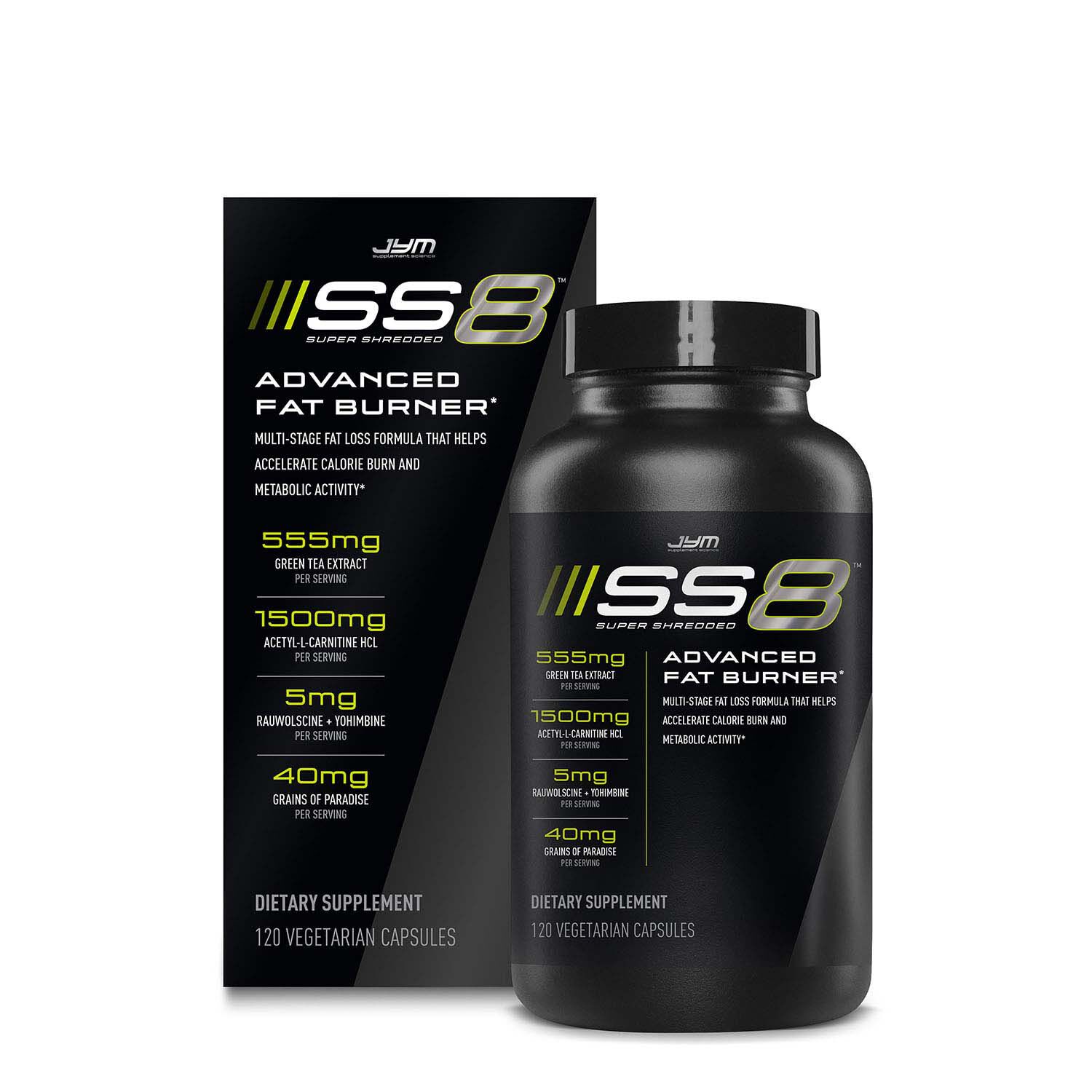
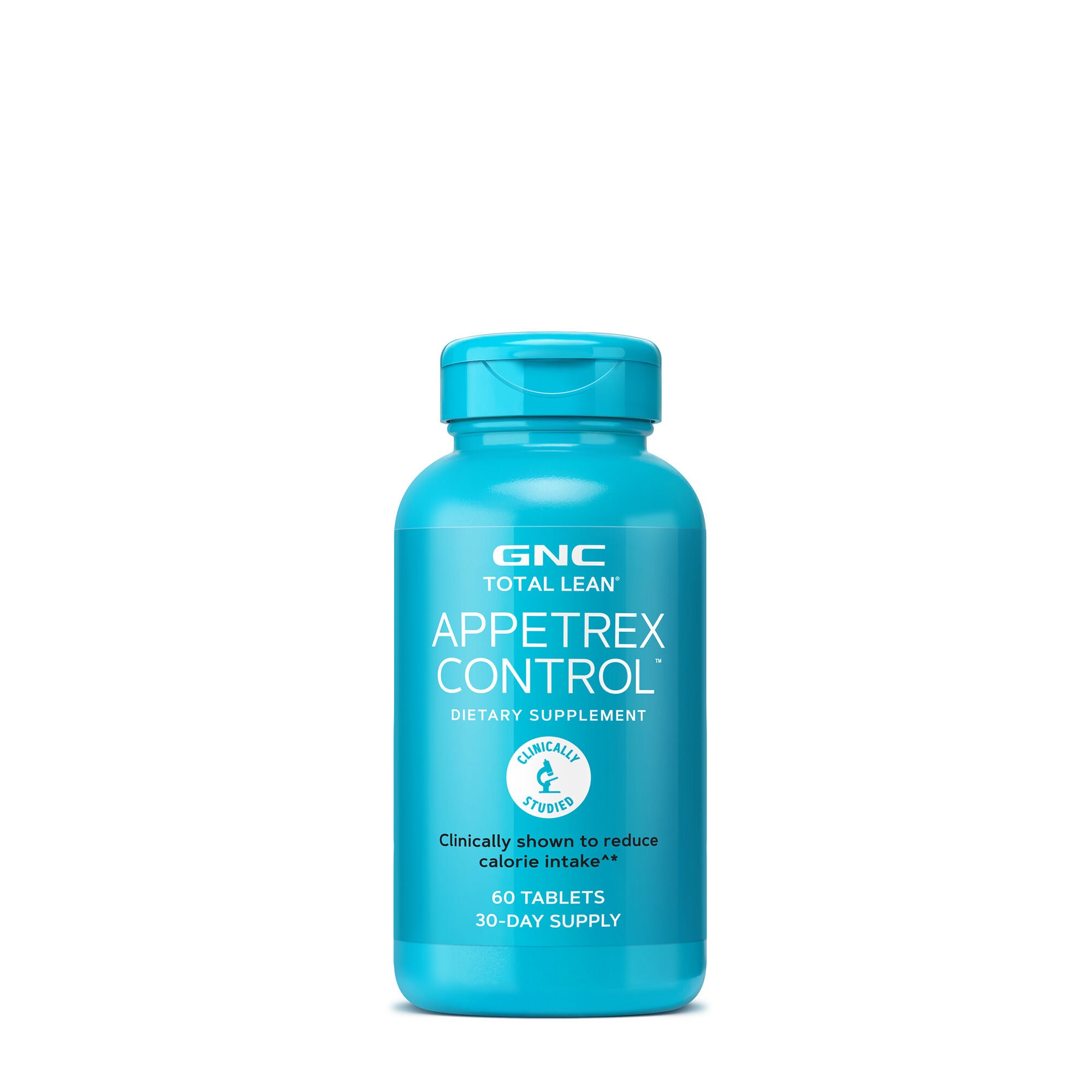

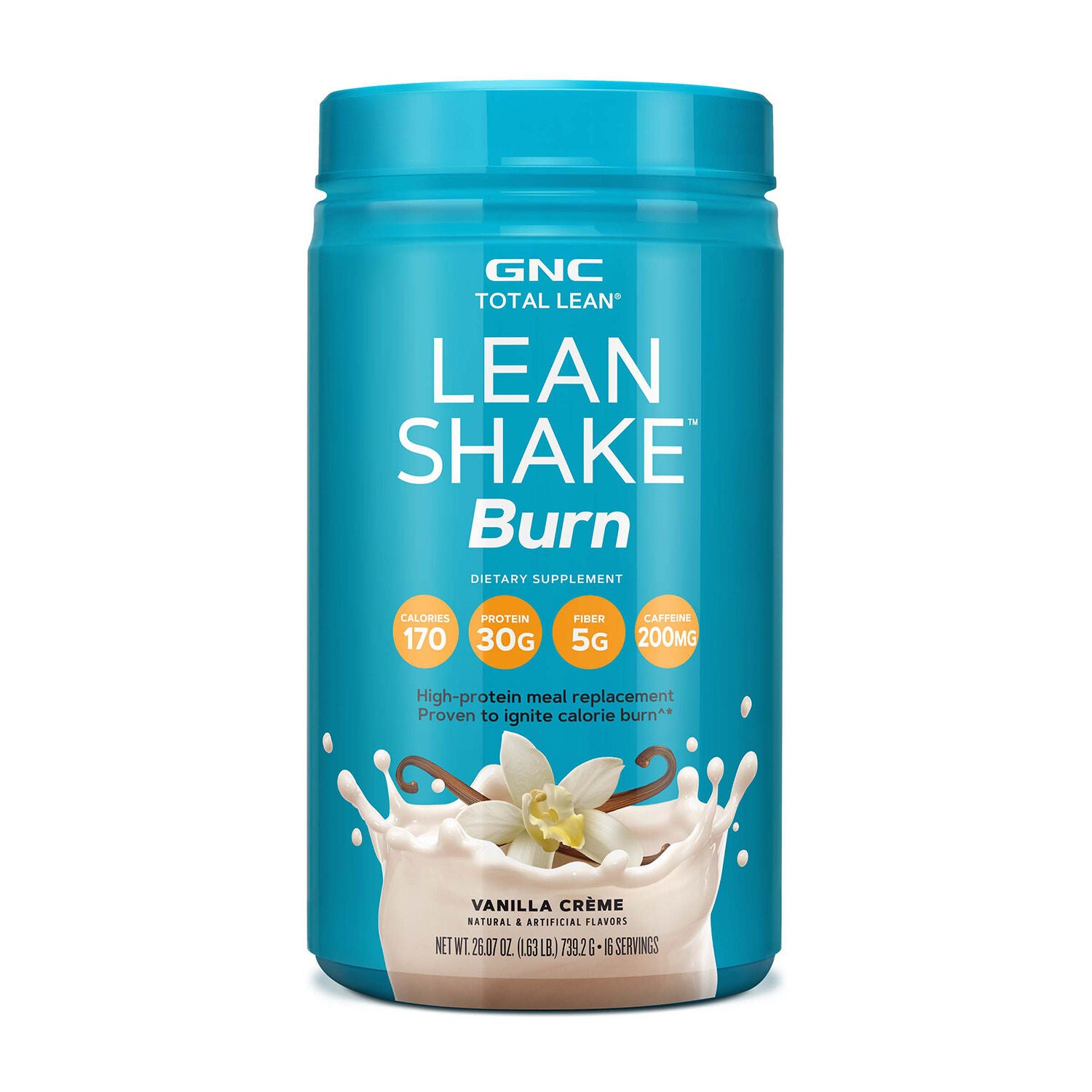

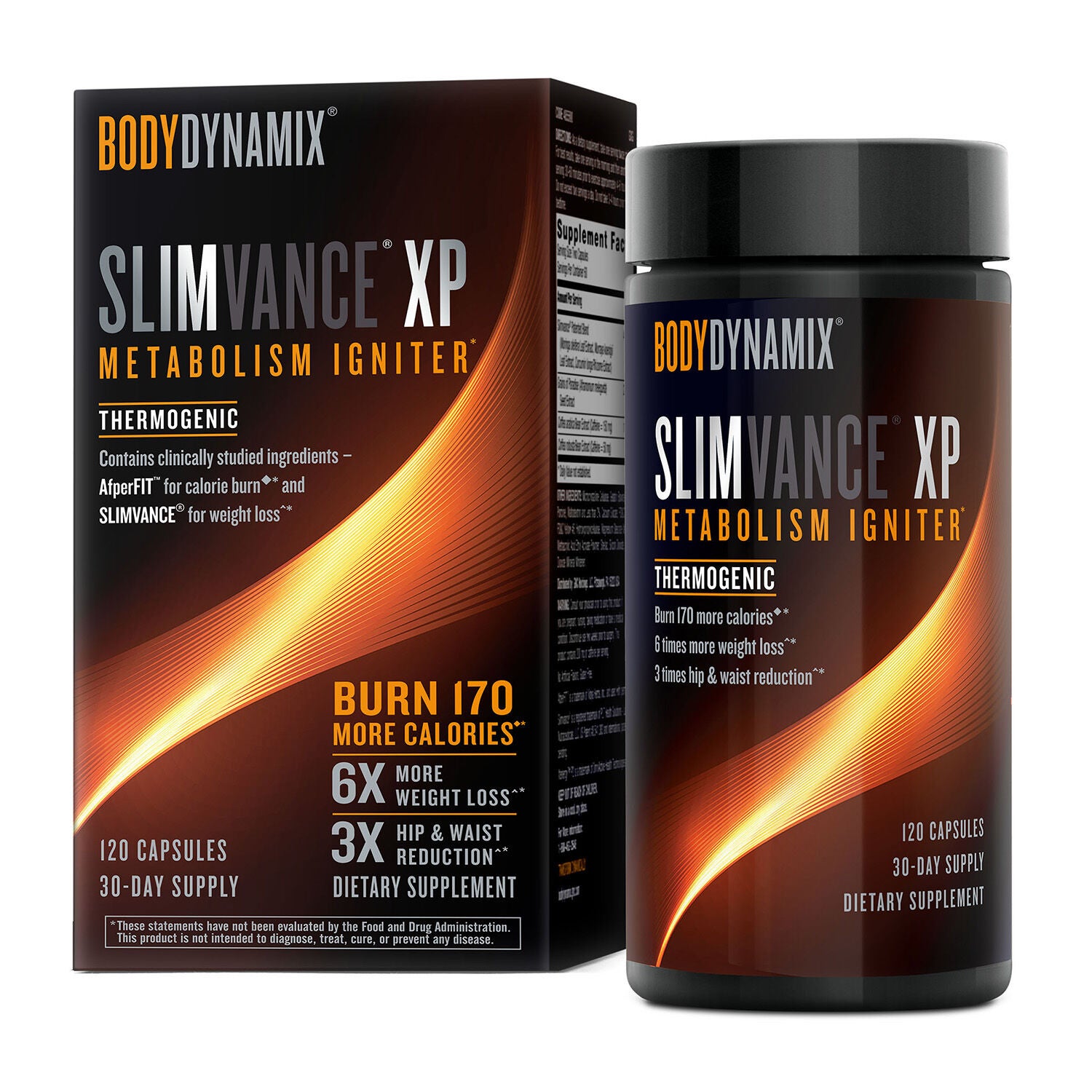
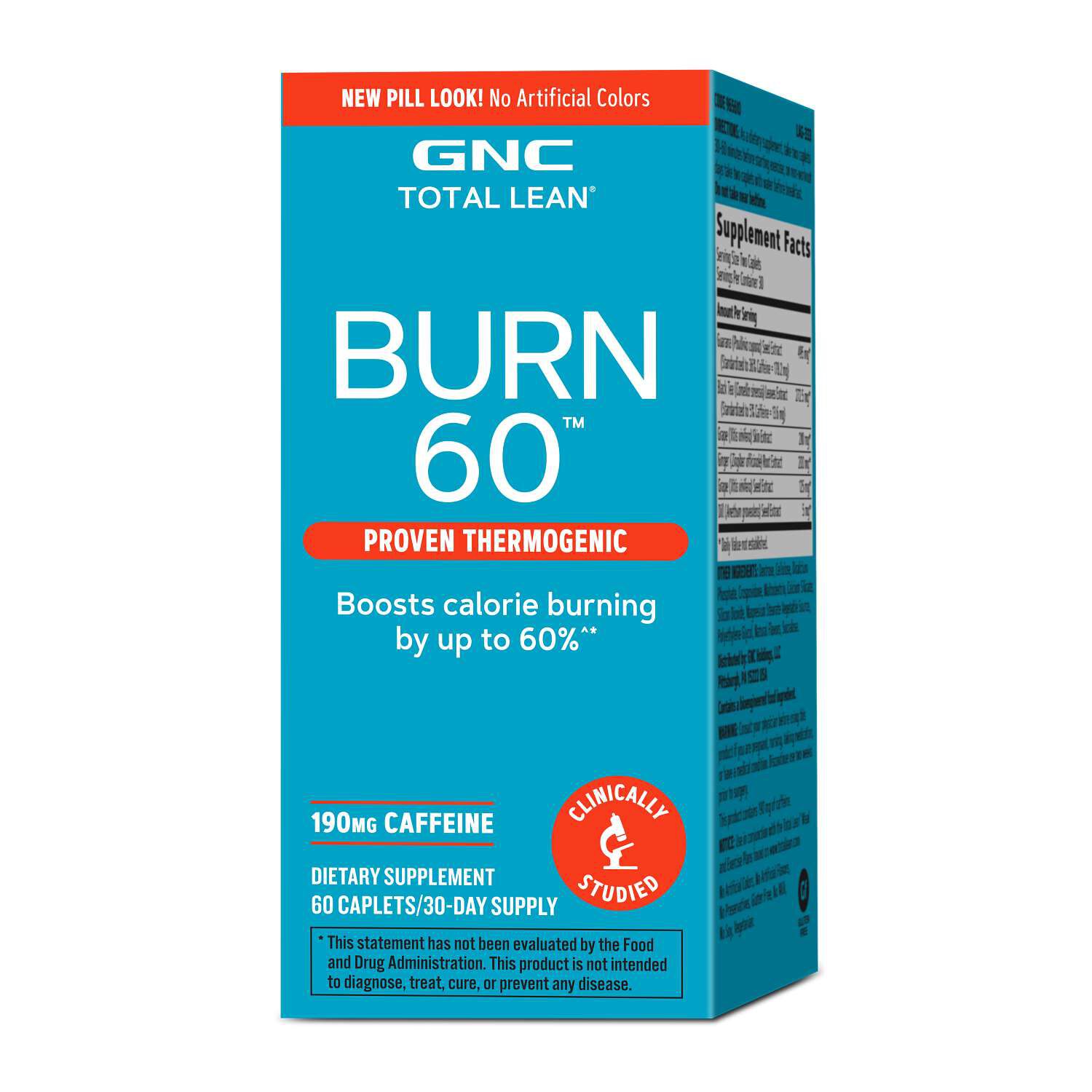


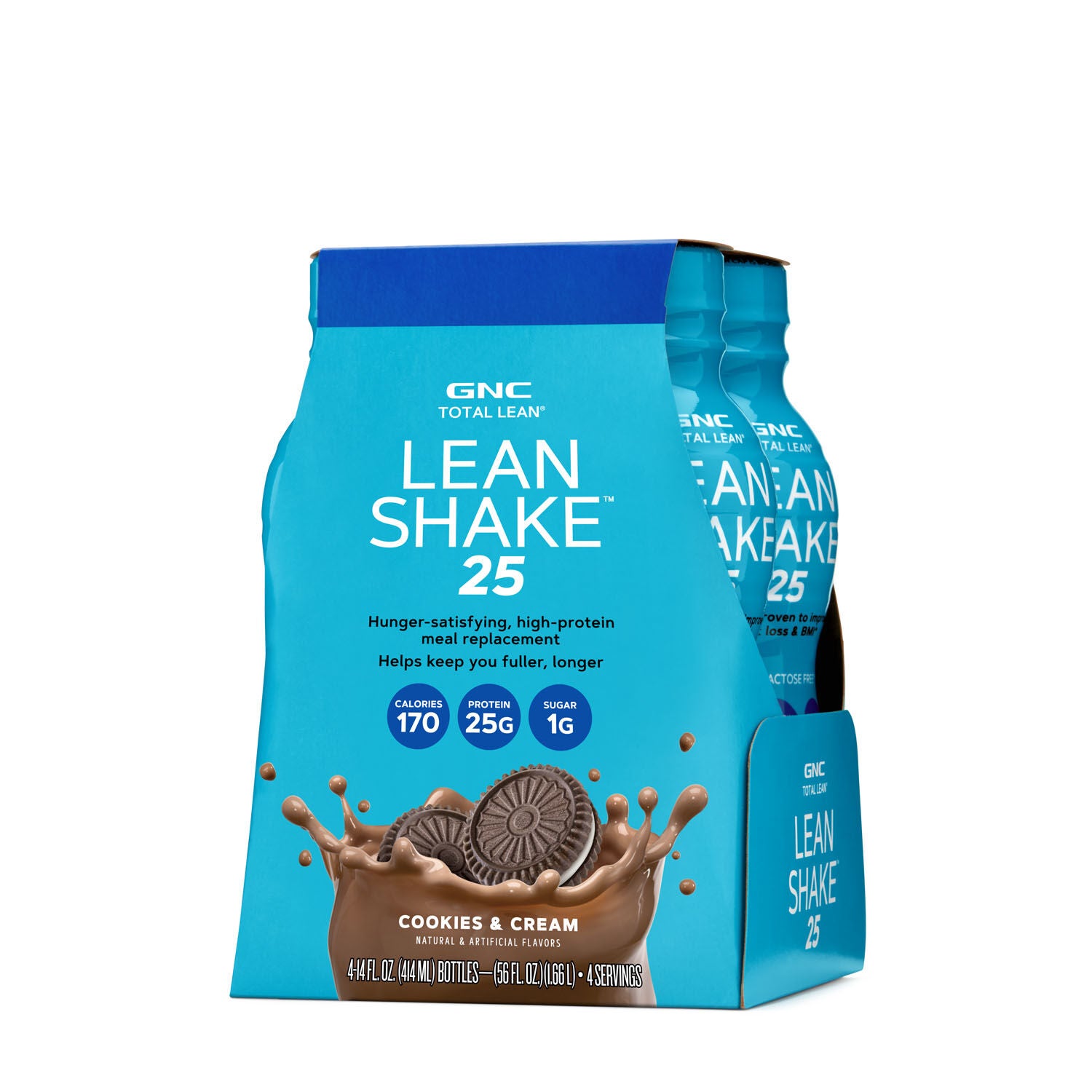
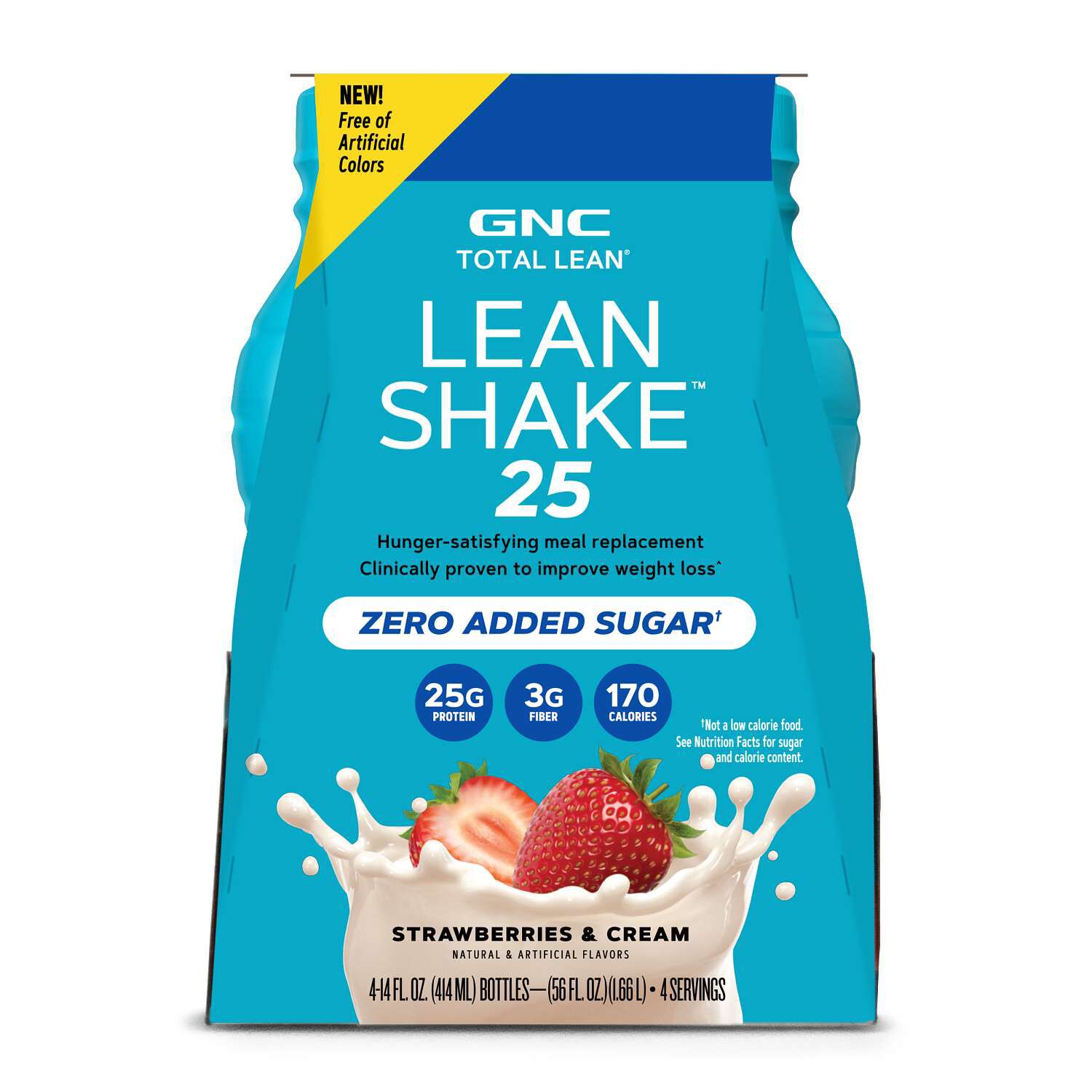
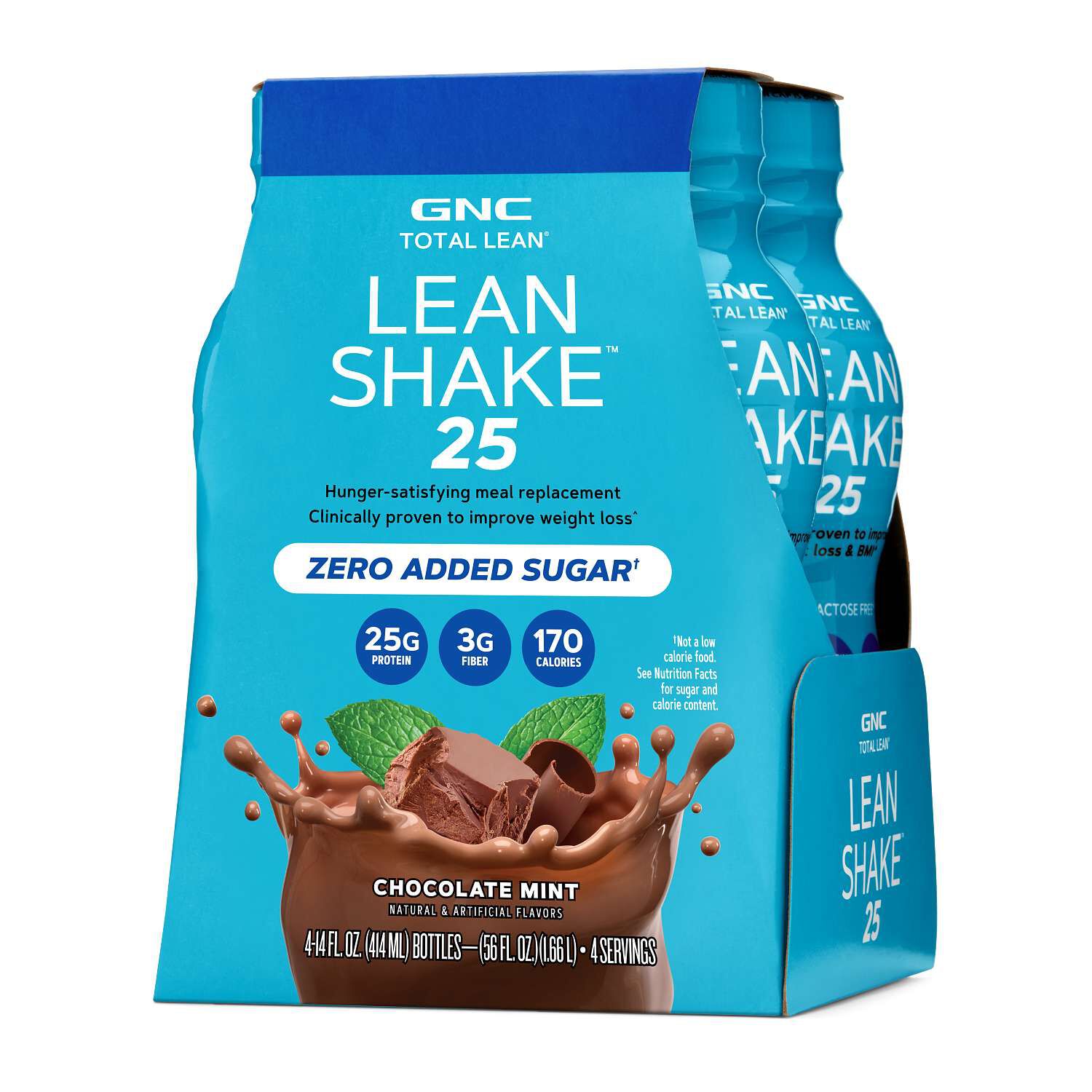
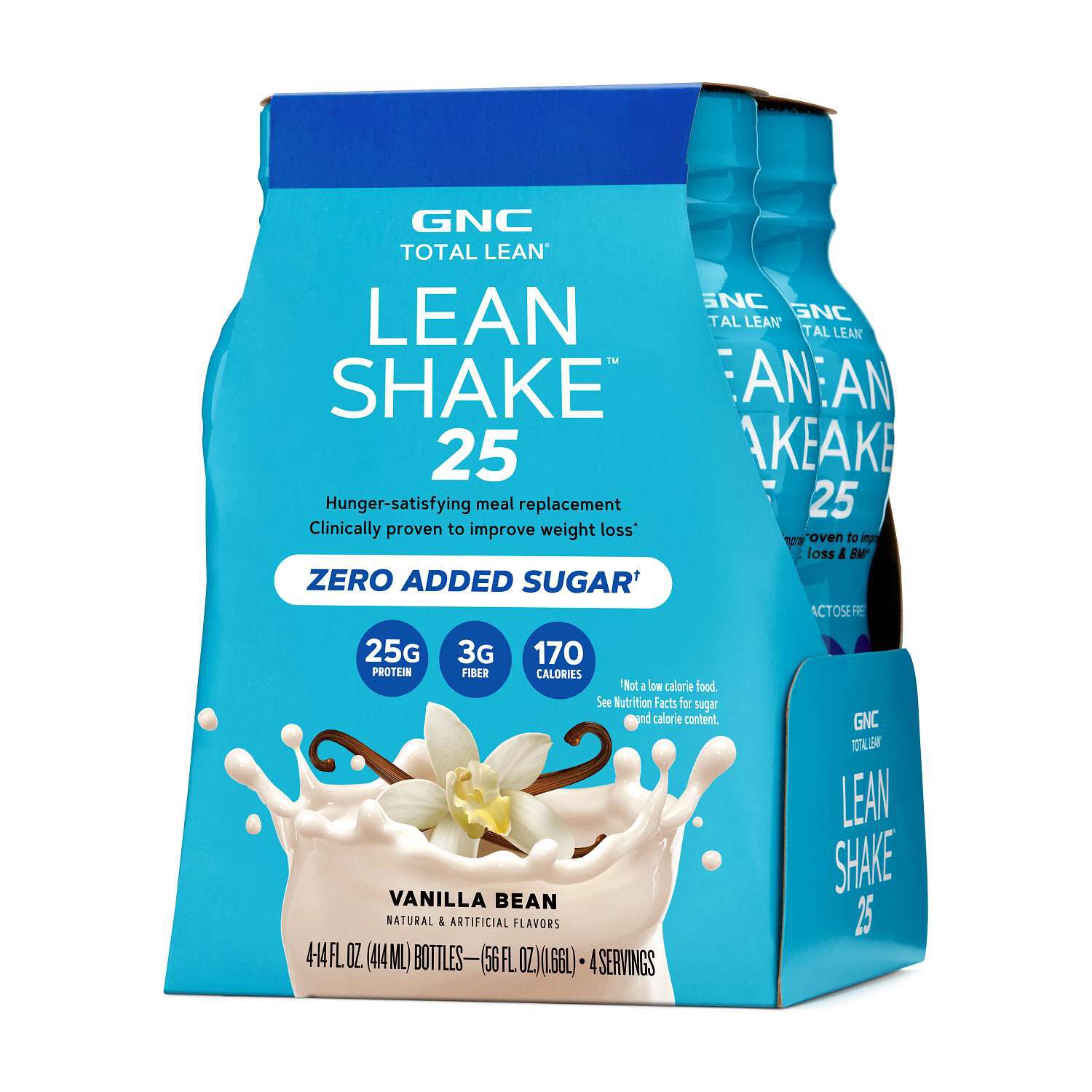
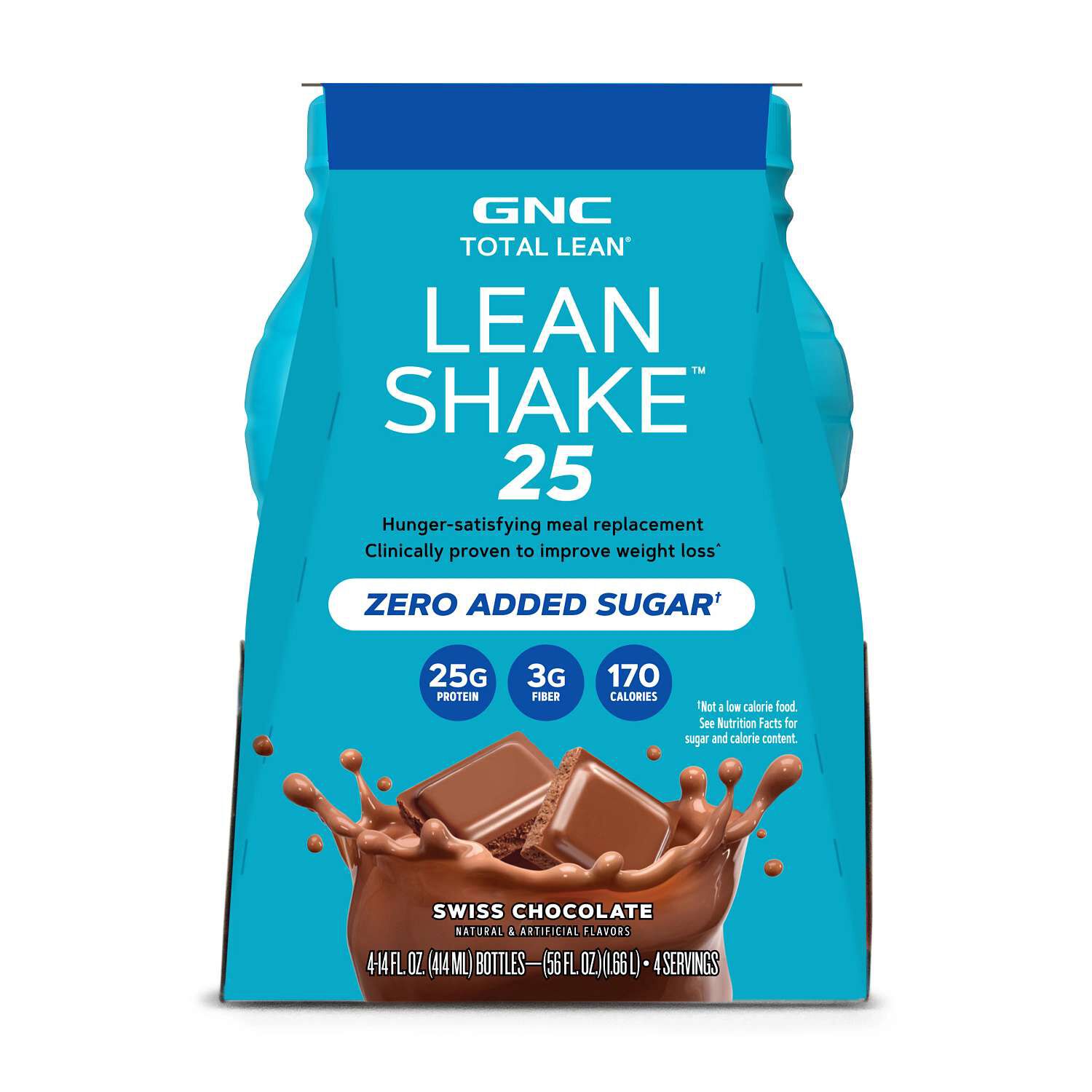

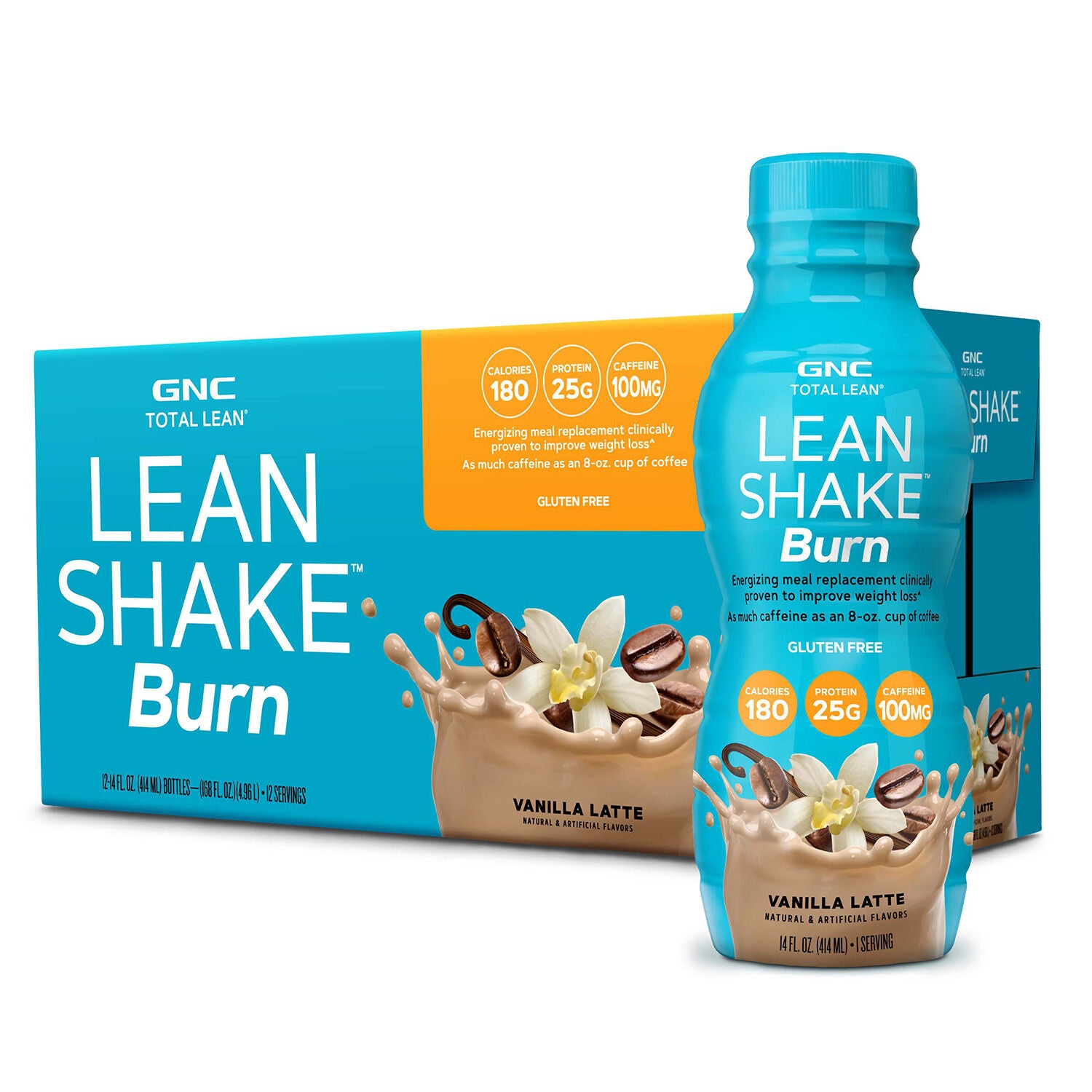
Winter weight loss supplements are products intended for adults exploring nutritional support alongside eating habits, movement, and personal weight management goals during the cooler months. The category can include protein powders, fiber supplements, and formulas marketed specifically for weight management, but these options differ in their ingredients, intended use, and preparation. A protein powder is not interchangeable with a fiber supplement, and a vitamin does not become a weight loss product simply because it is associated with winter nutrition. The most useful distinction is what each formula contributes to a daily routine rather than how strongly its packaging emphasizes the season. Protein powders may support fullness and muscle maintenance as part of an eating and exercise routine, while some fiber supplements may support fullness. Neither effect establishes how much weight someone might lose. Vitamins and minerals belong to a broader nutrition conversation; their presence in a formula is not evidence of a direct effect on body weight. Shorter daylight hours, more evenings indoors, and a calendar crowded with gatherings can change when meals and workouts happen, making convenience a meaningful consideration. For an adult heading to an indoor workout after work, a powder mixed according to its directions may offer a practical way to include protein when the next meal is still a while away. Someone who prefers a sit-down breakfast may find a powder suitable for stirring into oatmeal more appealing than a separate drink, provided that use matches the label. These are differences in everyday fit, not reasons to expect a particular result. Winter weight management supplements make the most sense as optional additions to a broader routine, rather than replacements for varied meals or regular movement. Research on an ingredient also does not automatically establish the performance of every blend containing it. Ingredient amounts, the finished formula, and the context in which it is used all matter when comparing products with similar descriptions.
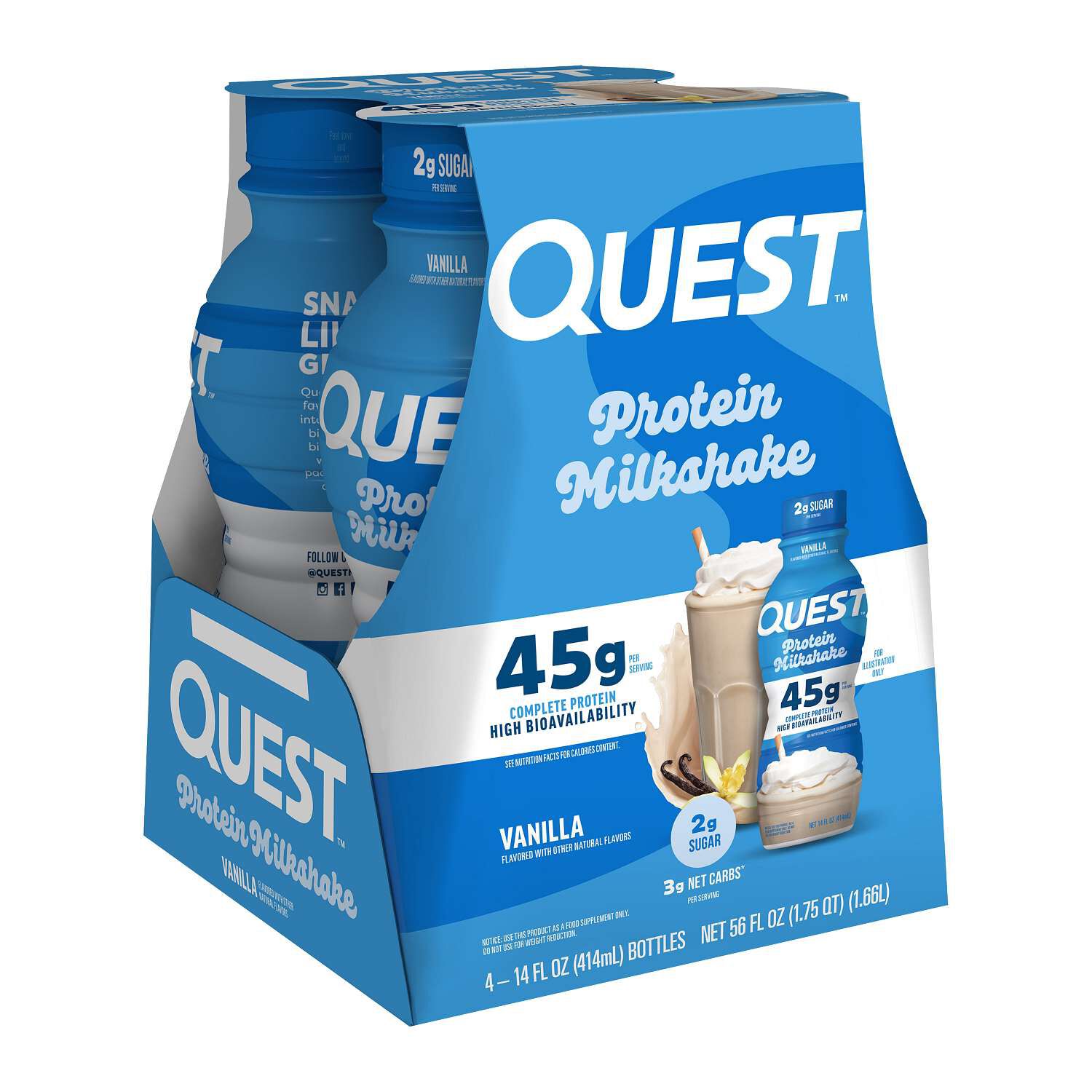
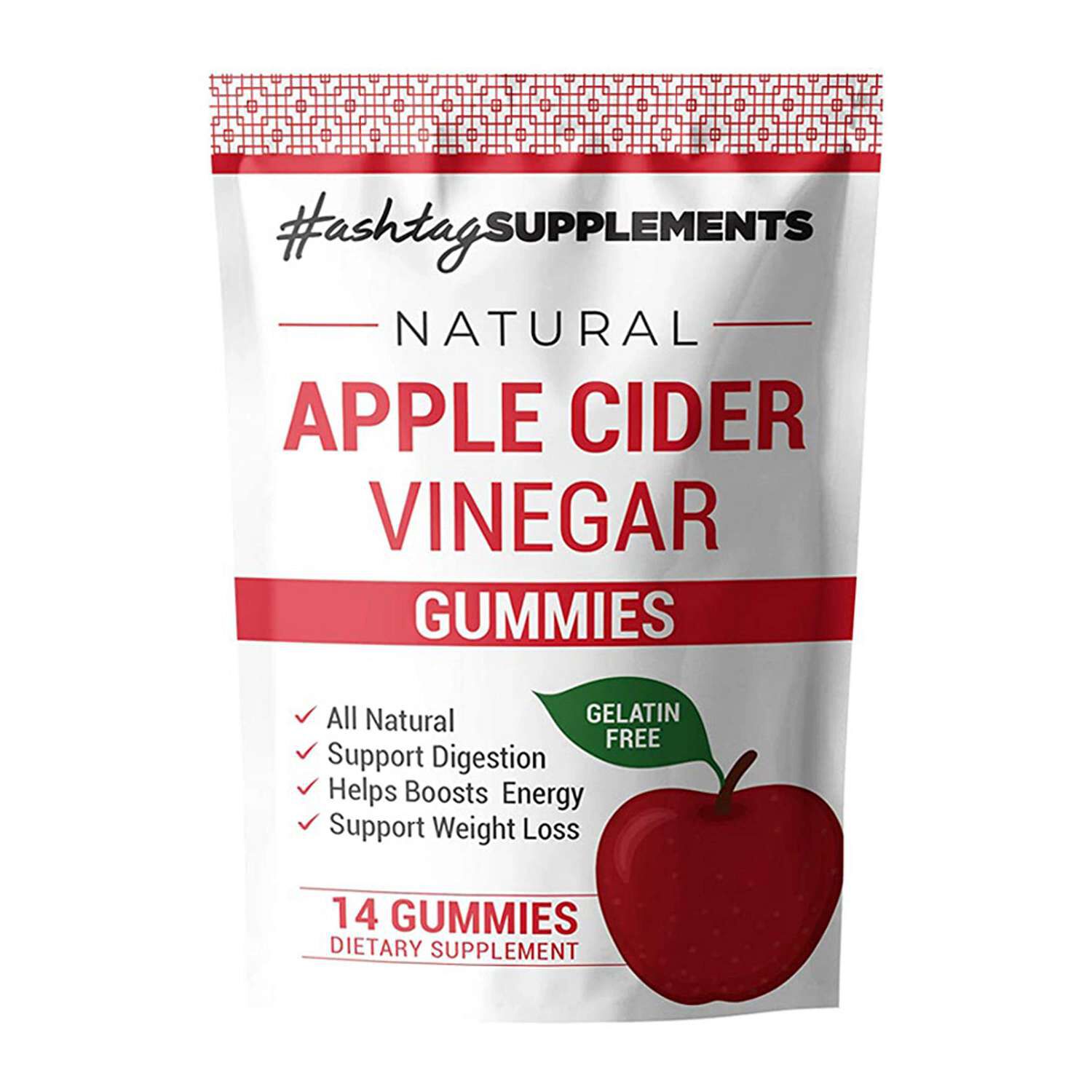
The ingredient panel and nutrition information offer a more useful basis for comparison than seasonal imagery. For protein powders, common sources include whey, casein, pea, and soy, with differences in flavor, texture, and suitability for dietary preferences. Milk-derived and plant-derived powders can have noticeably different consistencies, especially when mixed with water rather than milk or a plant-based beverage. A smooth vanilla powder may suit someone who enjoys familiar breakfast flavors, while an unflavored option may be a better match for someone who prefers less sweetness. The amount of protein per serving, calories, added sugars, and serving size provide context beyond the flavor name. The liquid and other ingredients used in a shake contribute their own nutrition, so the prepared drink can differ from the powder alone. Fiber supplements deserve the same close attention to their source, amount per serving, and mixing directions. Some have a texture that thickens after mixing; others are designed for a different preparation method. Capsules, tablets, gummies, and powders also create different routines. A capsule format involves no mixing, while a powder requires a suitable container and the amount of liquid specified on the label. Gummies have their own serving instructions and ingredient profiles rather than being interchangeable with capsules by count. For formulas containing caffeine, the stated amount per serving is an important distinction, particularly for shoppers whose day already includes coffee or tea. Botanical blends can vary substantially, and a longer ingredient list is not, by itself, evidence of a better match. Clear ingredient quantities, readable directions, allergen statements, and plainly described intended use are useful details across the category. Independent testing information, when provided, can offer additional context about product quality, but it is separate from evidence about weight management results. For shoppers with ingredient preferences, reading the full label is more informative than relying on a front-panel phrase or a familiar flavor.
Practical details often determine whether a supplement fits comfortably into life during the cooler months. A large powder container may suit a kitchen counter routine, while individually packaged servings may be easier to carry between home, work, and a gym bag. Container dimensions, closure design, and serving utensils are worth considering when storage space is limited or breakfast happens in a shared office kitchen. With powders, mixability matters: a product intended for a shaker bottle may suit a quick morning departure, whereas another preparation may involve a blender and more cleanup. Warm drinks and oatmeal can be appealing when the weather turns cooler, but compatibility with heat depends on the formula and its directions. A flavor that sounds appealing for an occasional dessert-style shake may feel different as part of a regular breakfast, so sweetness, aroma, and texture deserve as much attention as format. Care and storage matter, too. Packaging directions specify suitable conditions, and a tightly closed container, a dry serving utensil, and attention to the printed date are practical considerations for pantry storage. A supplement left in a damp gym bag or beside a steamy cooking area may not be stored as intended. When comparing package sizes, servings per container offer a clearer picture of routine fit than the physical size of the tub. Personal preferences can also shift with the season: a chilled shake after an indoor cycling session may remain appealing, while breakfast at home may call for a different preparation. The broader considerations carry into warmer weather, and Summer Body Weight Management Supplements provides a related category for browsing beyond the cooler months. Seasonal names can organize a shopping experience, but the calendar alone does not determine which ingredients suit a person's preferences. Across winter weight loss supplements, the meaningful comparisons remain the formula, serving instructions, nutrition information, preparation, and intended use. A thoughtfully chosen format may make a nutrition routine easier to maintain, while expectations about body weight should remain separate from flavor appeal, packaging, and seasonal positioning.
Best Sellers


Related Pages

Top Collections
- Daily Collagen Supplements | Top Brands & Deals | GNC
- Natural Collagen Supplements | Top Brands & Deals | GNC
- Top Rated Collagen | Shop Customer Favorites | GNC
- Cortisol Supplements
- Vitamins For Hair Loss
- Spirulina Tablets
- NAD+ Supplement Tablets
- Peptide Supplements
- Best Brand of Magnesium Glycinate
- Vitamins That Help Support Weight Gain