





Women's Vitamins For Hair And Nail Health Over 50
(0 Results)
Women’s vitamins for hair and nail health over 50 are thoughtfully formulated to support your wellness goals as you embrace this vibrant stage of life. With age, nutritional needs can change, and choosing the right supplements may help you maintain confidence in your daily routine. Explore a variety of options designed to fit your lifestyle and discover how women’s vitamins for hair and nail health over 50 could become a valuable part of your self-care regimen.

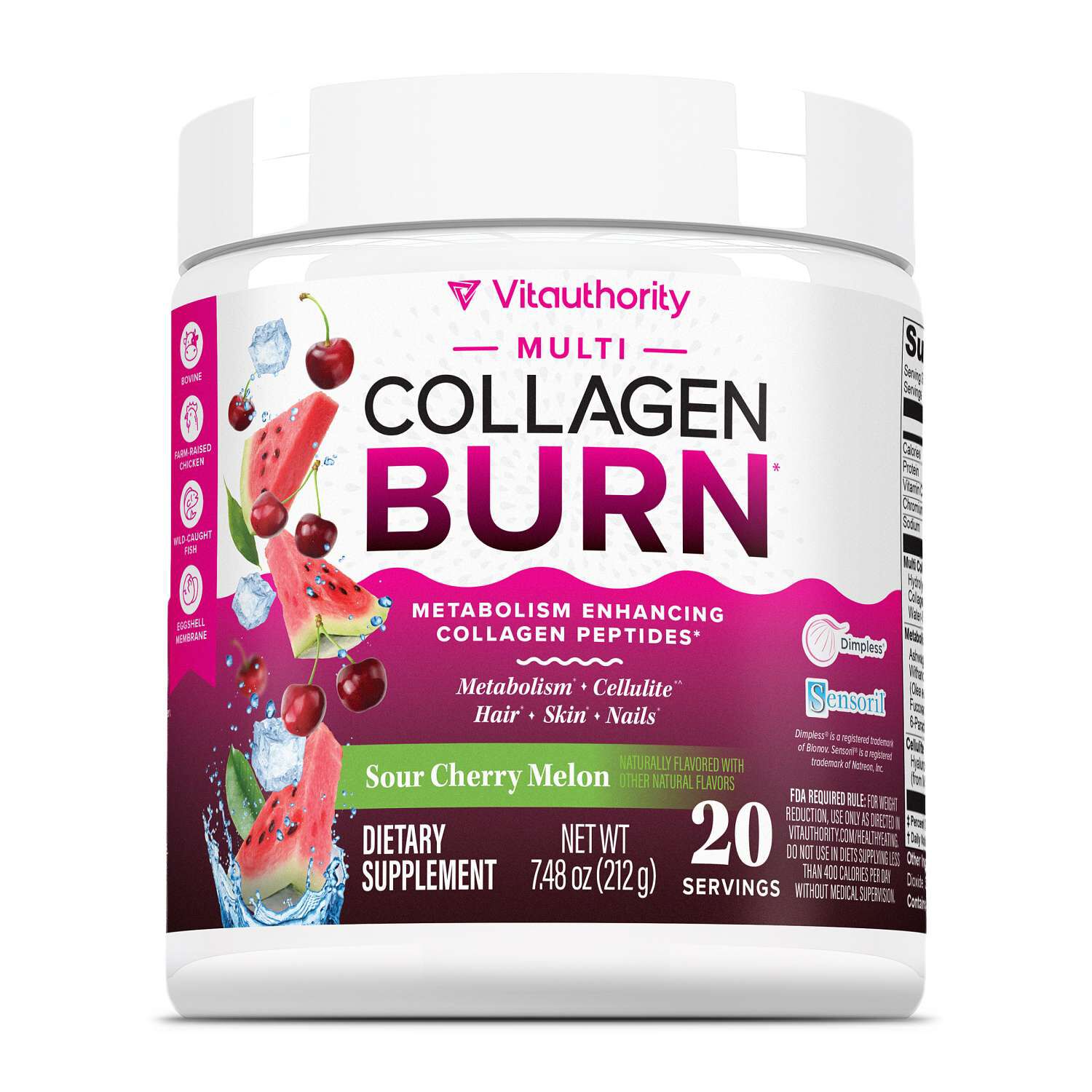
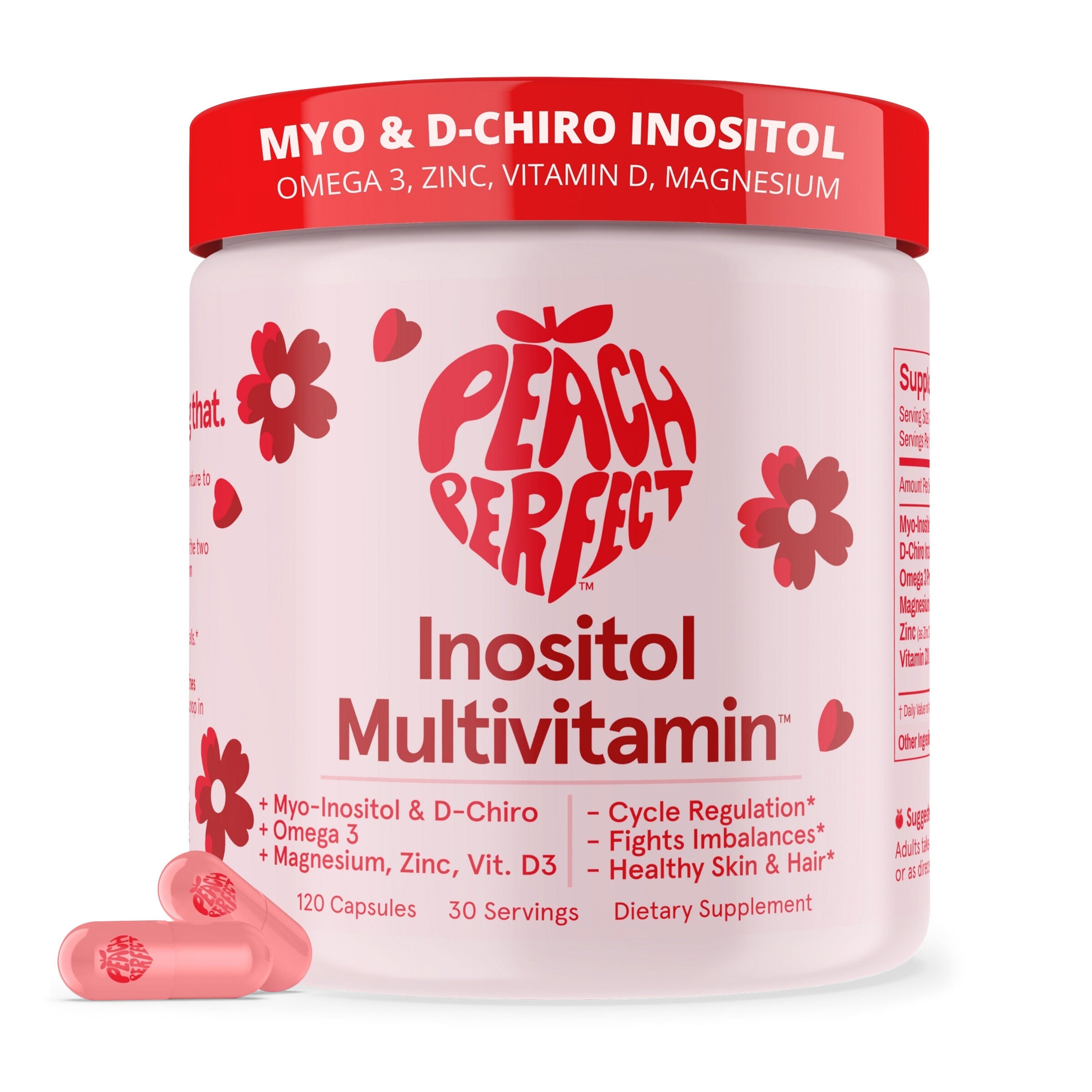
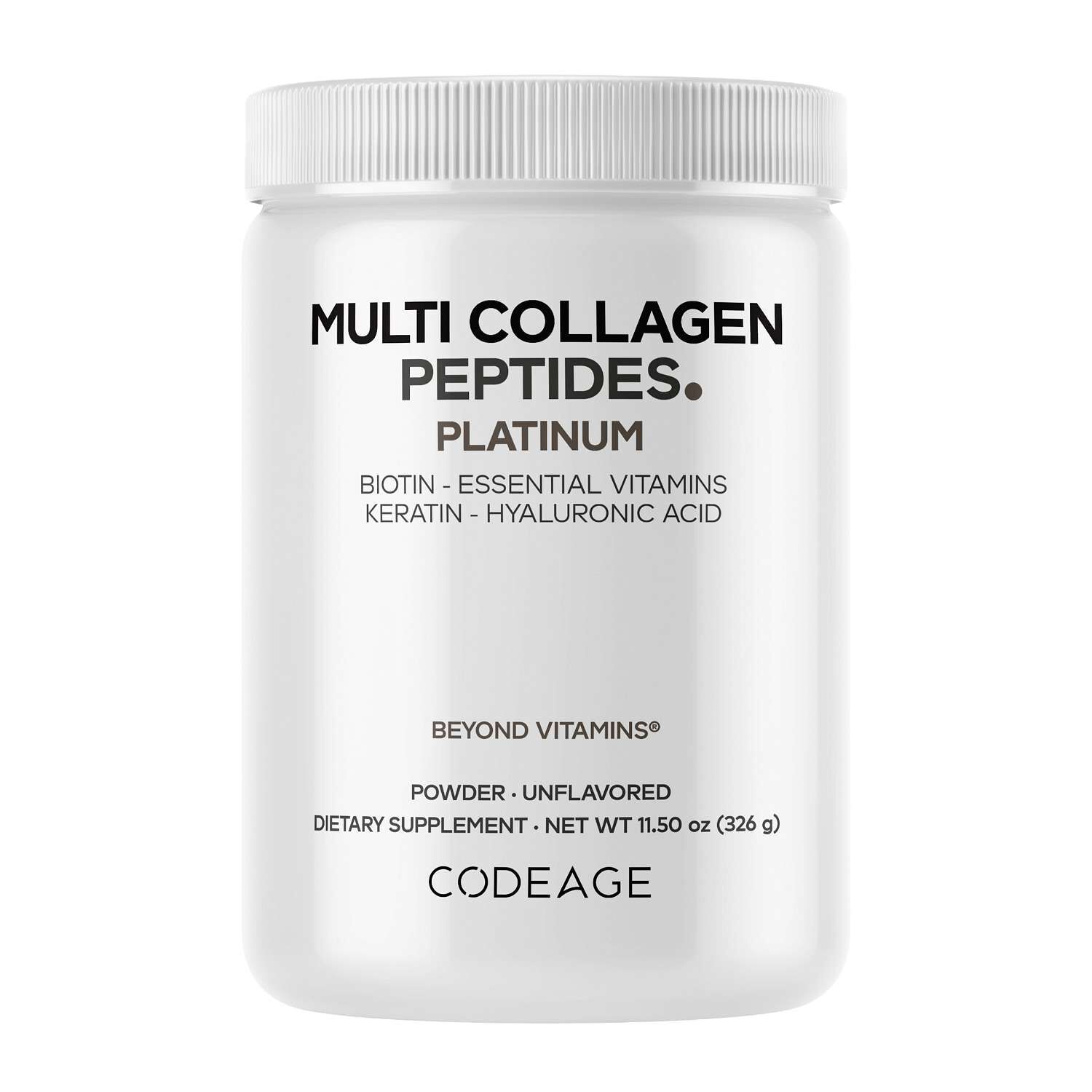
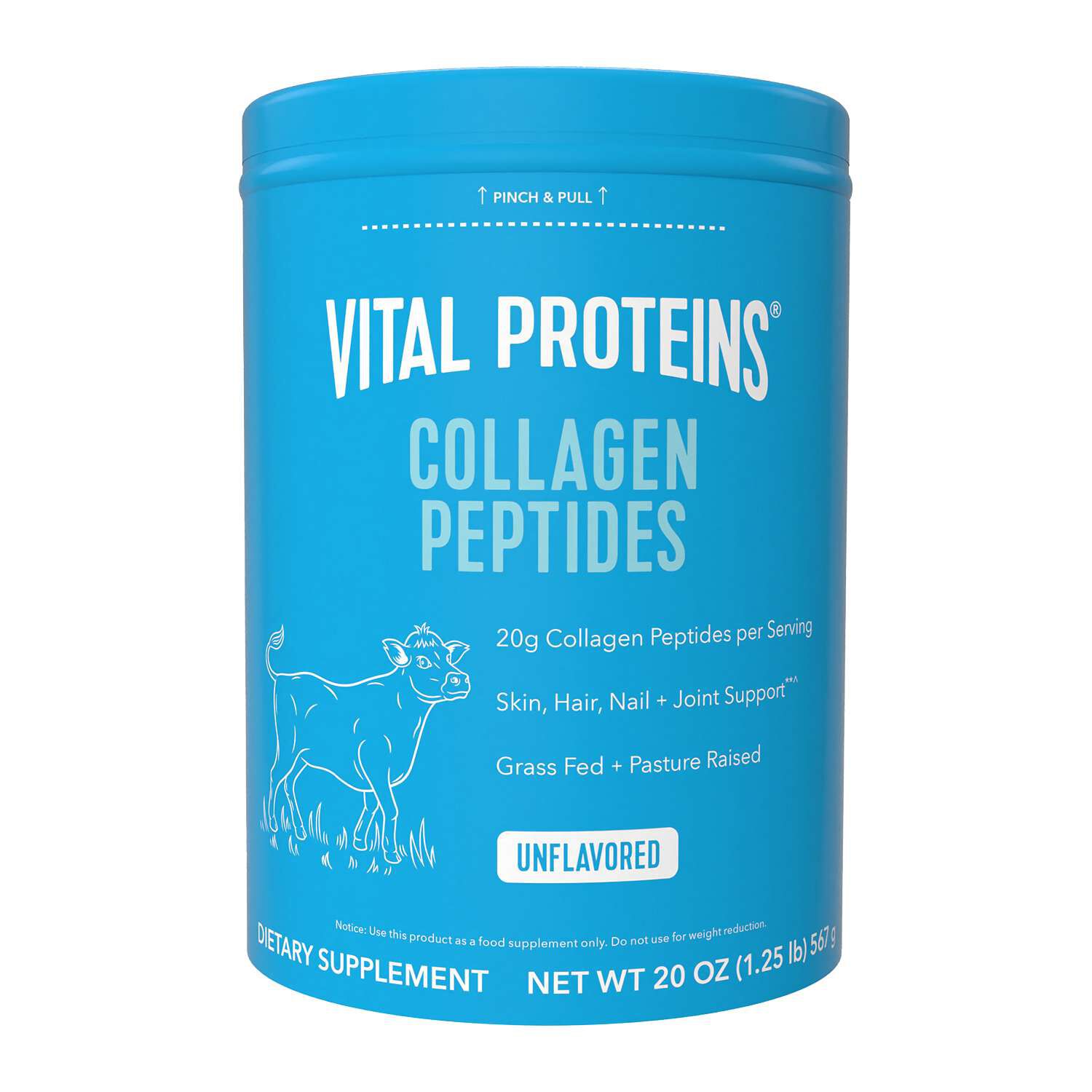

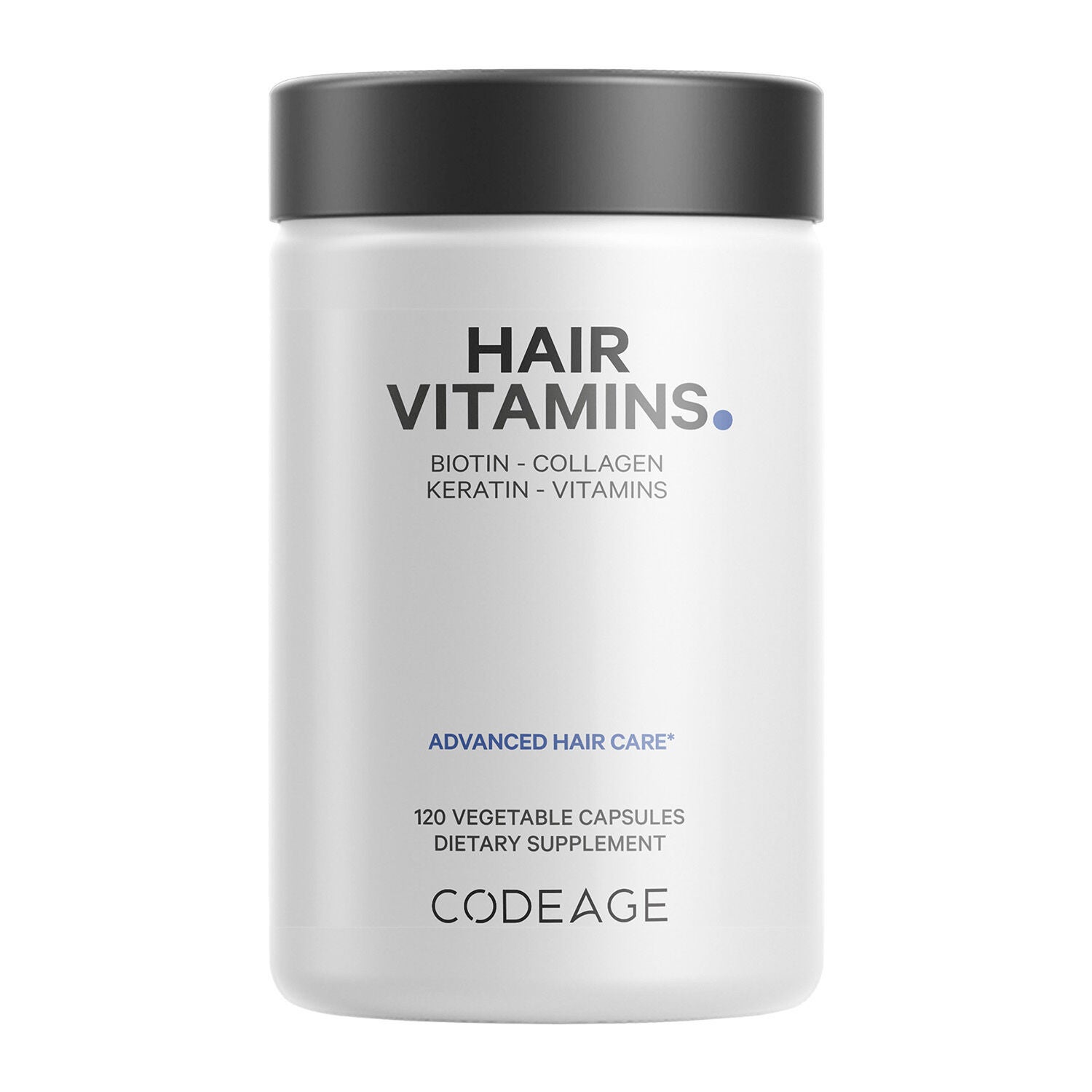
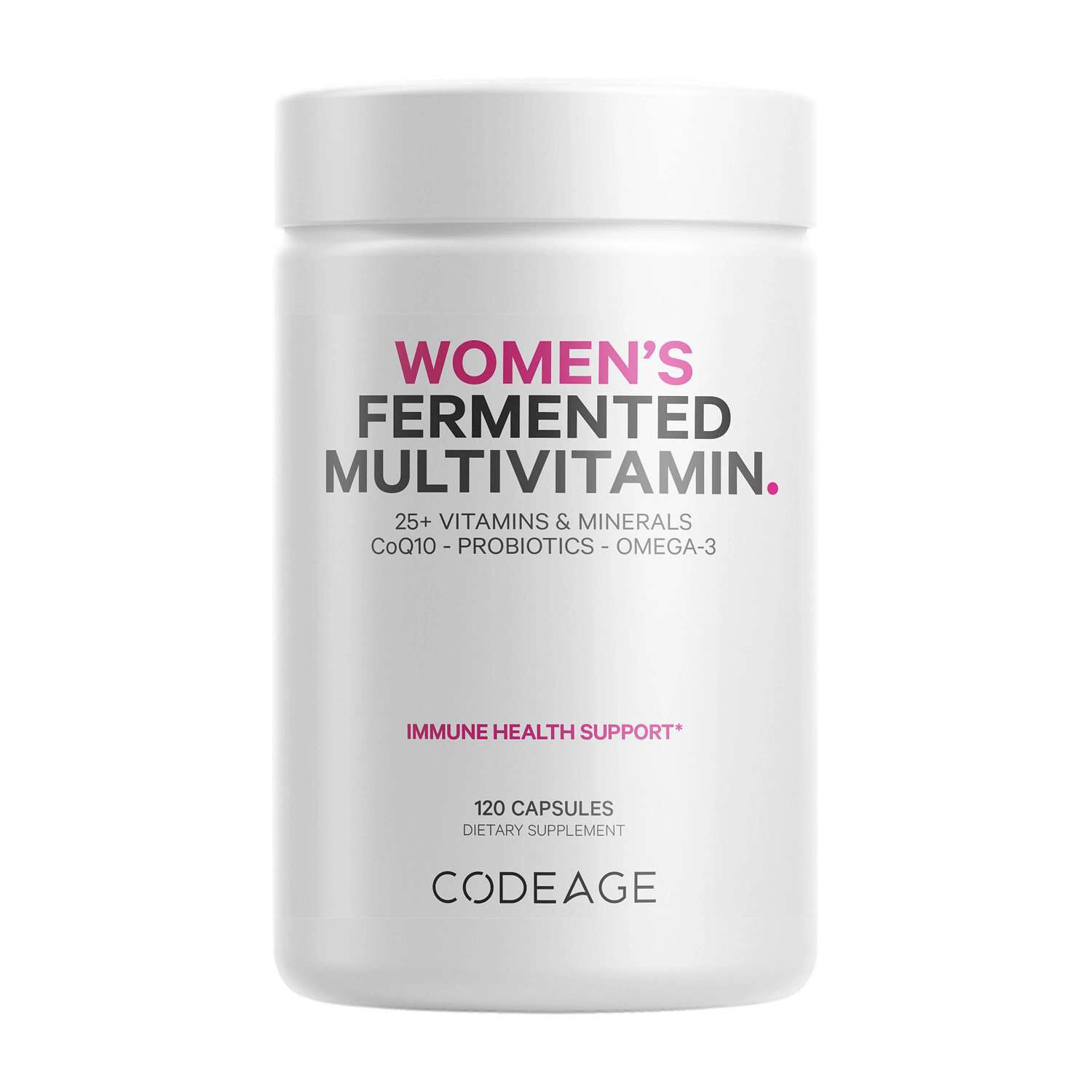
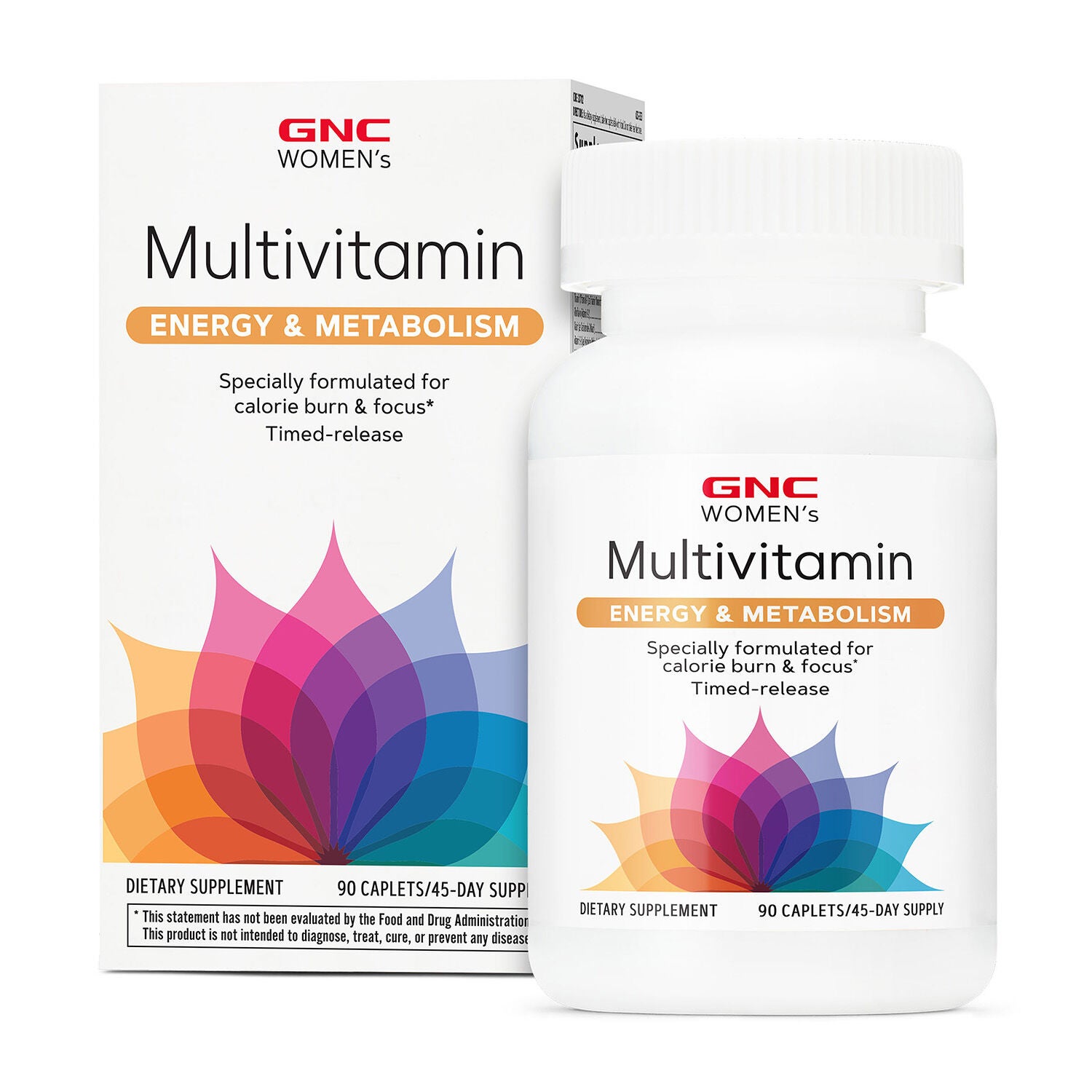

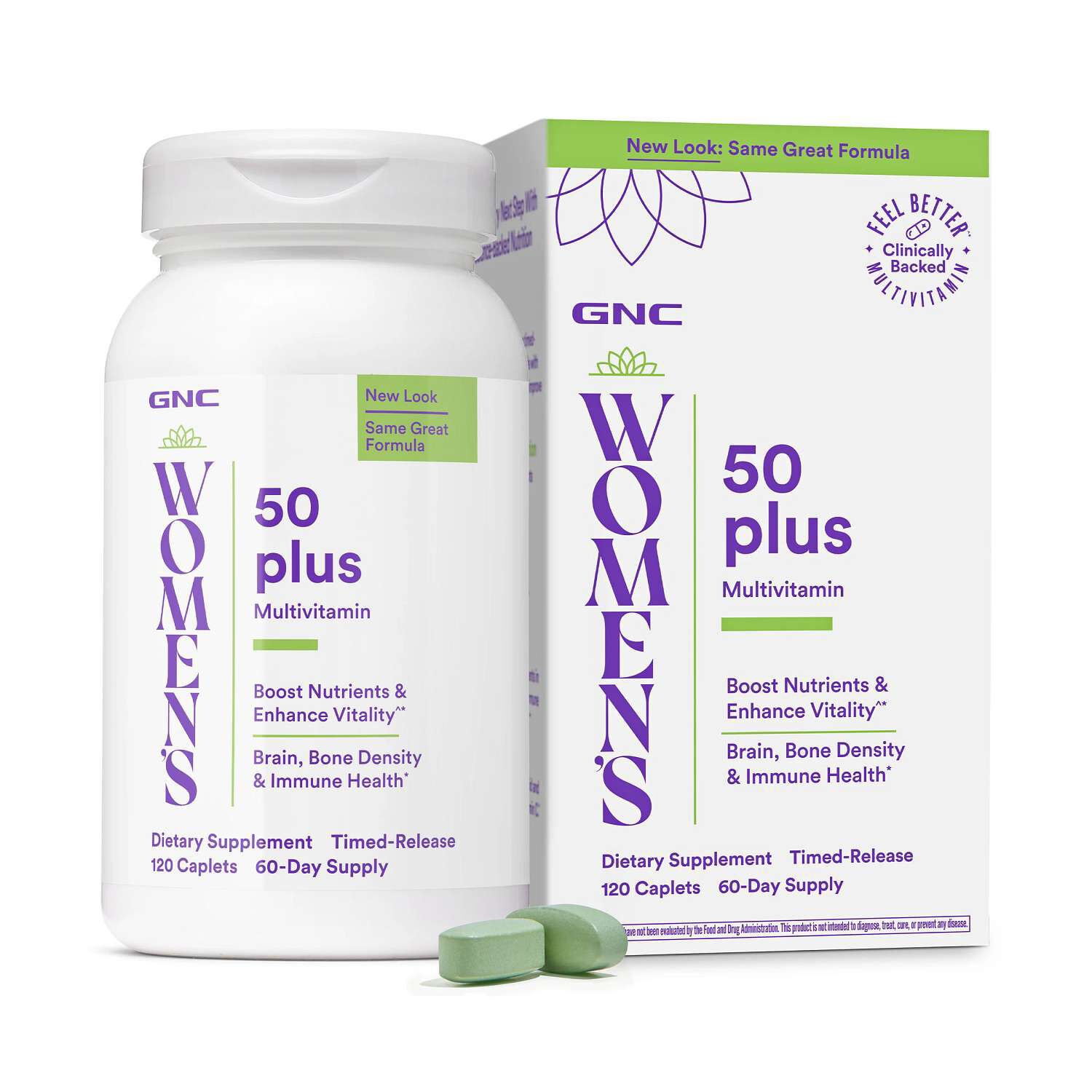
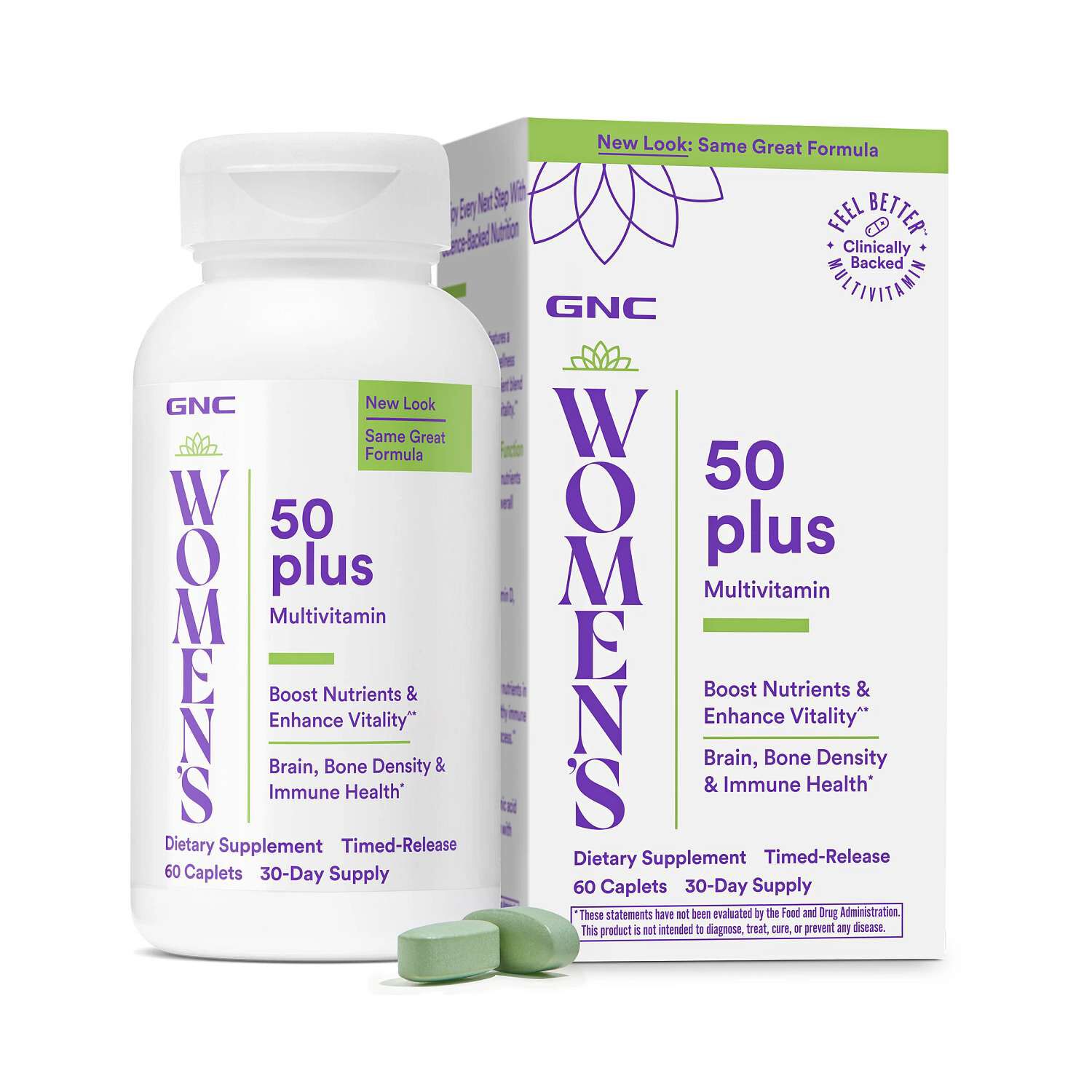
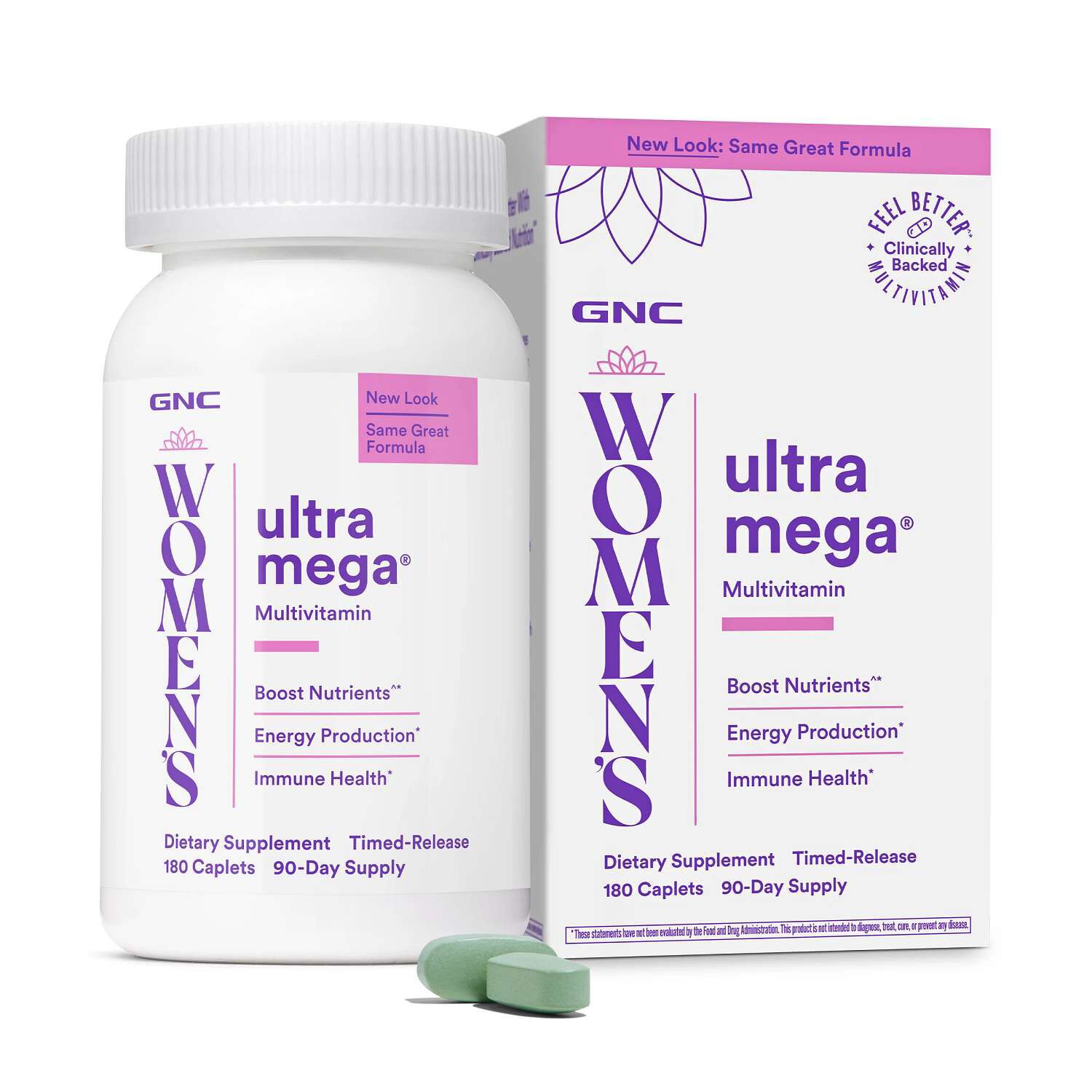
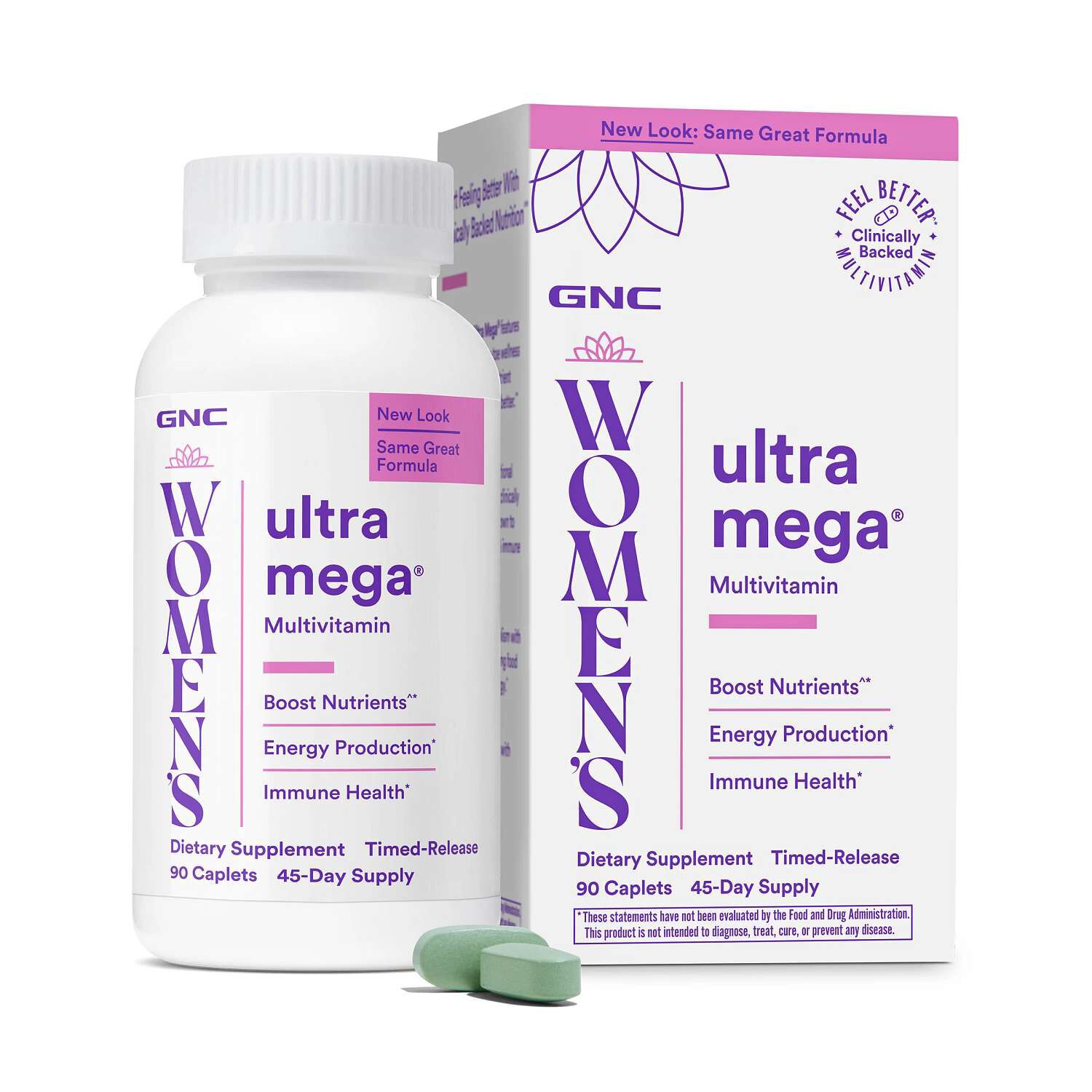
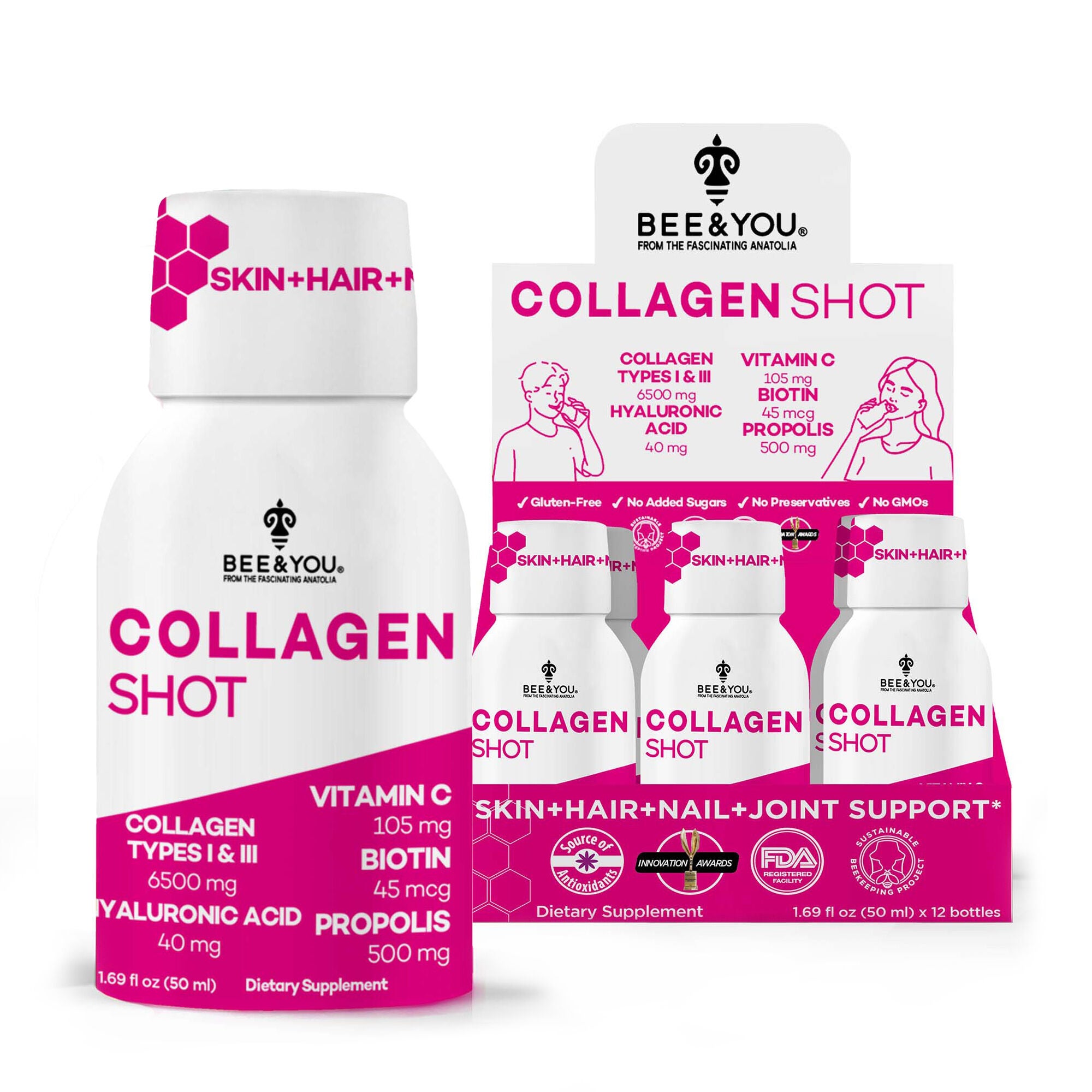

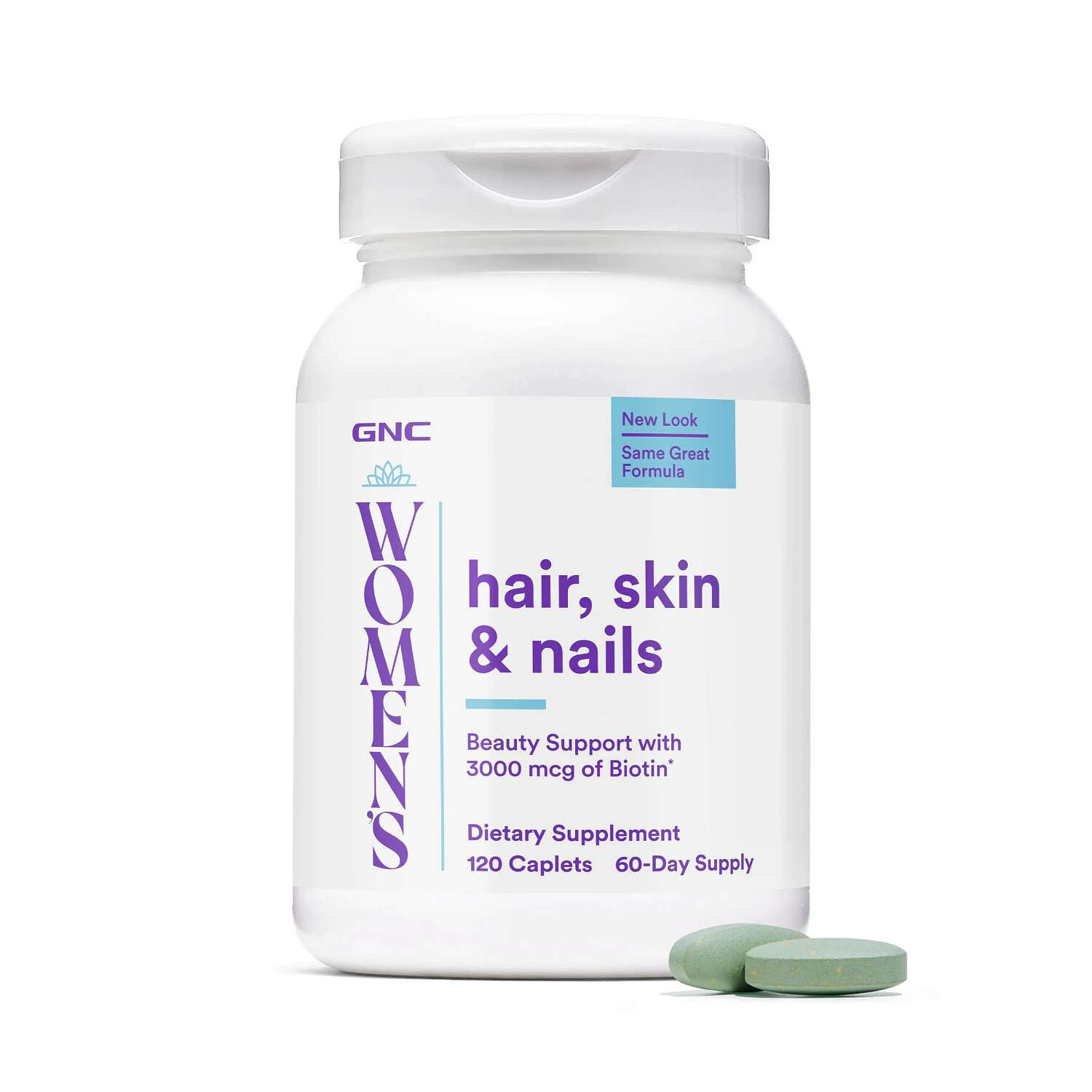
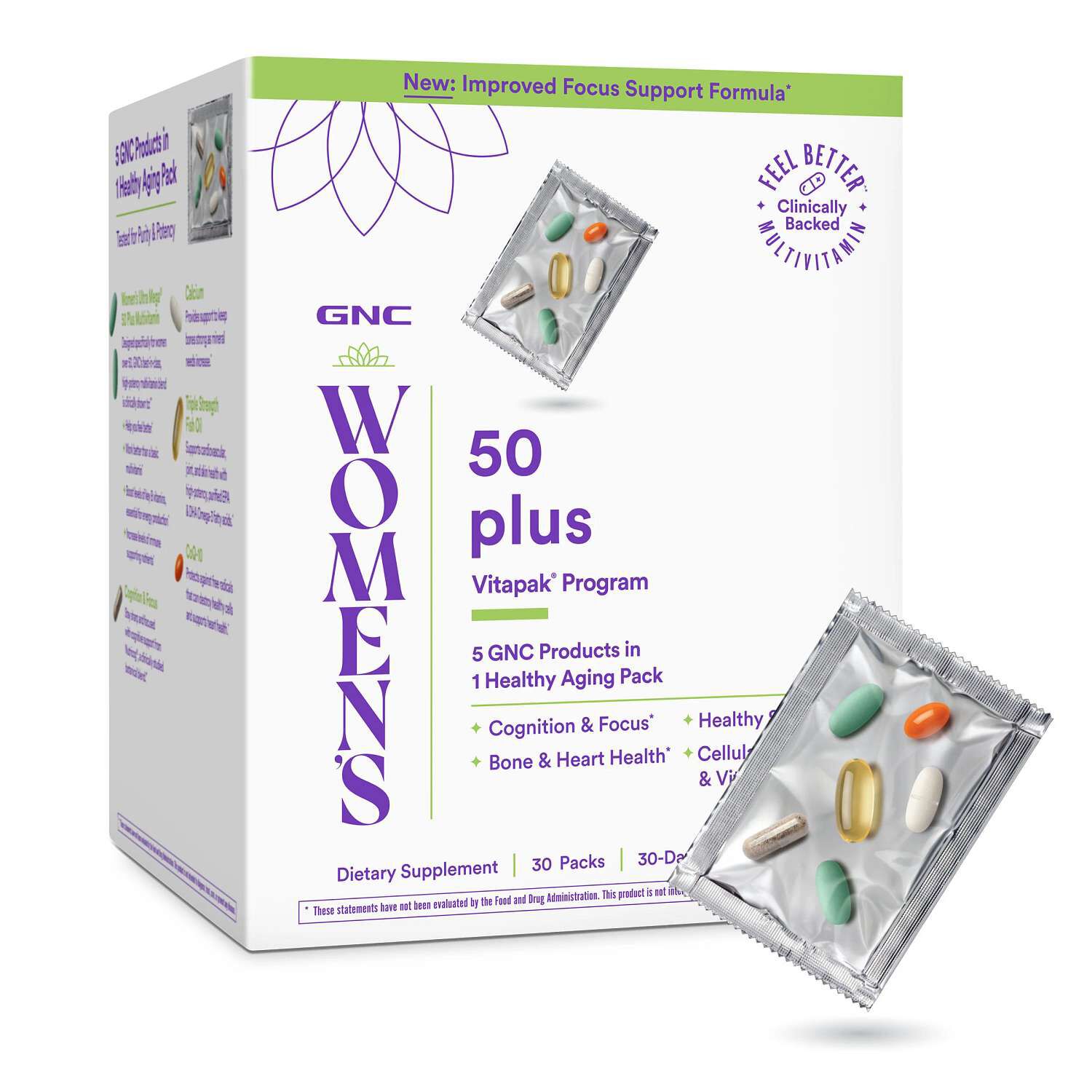

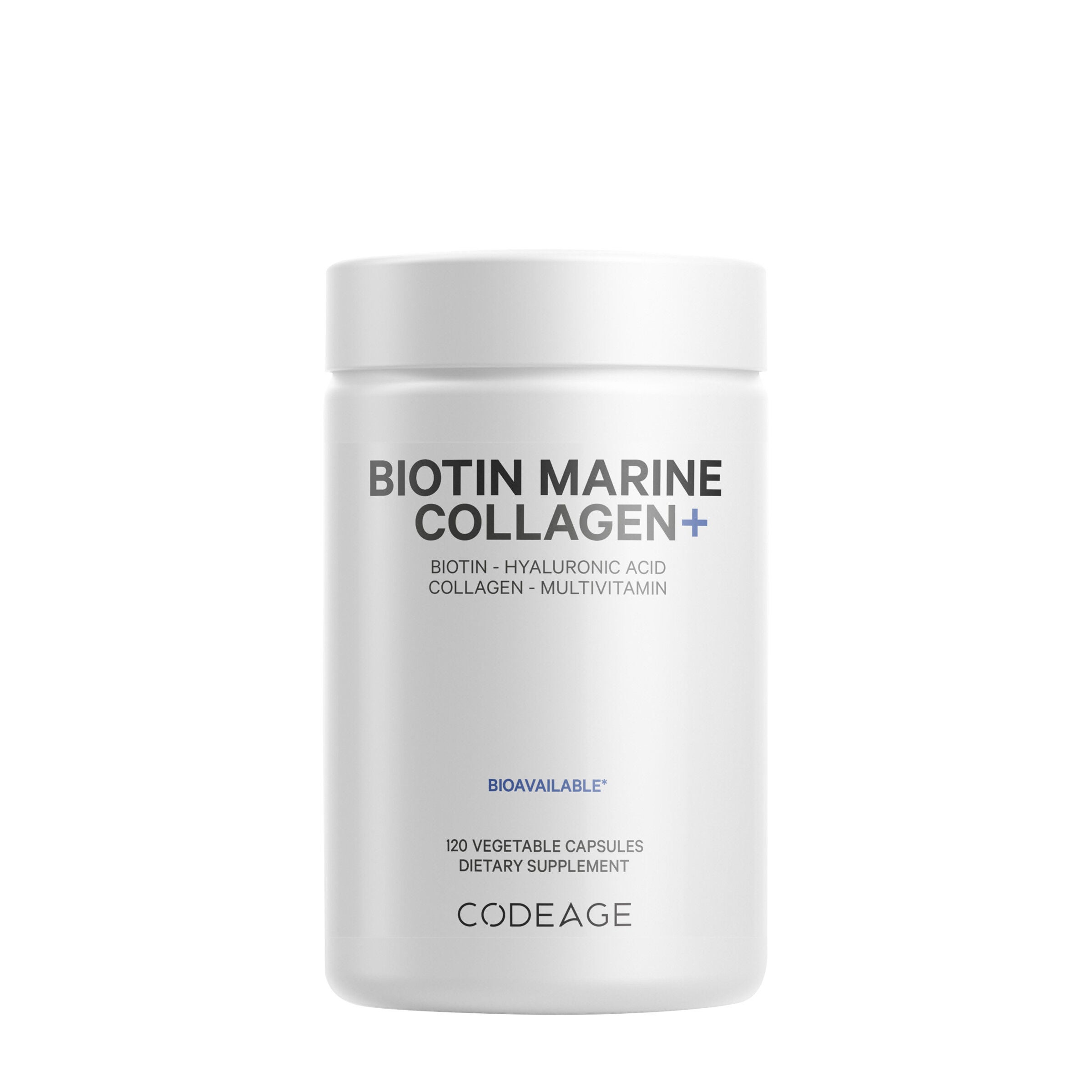
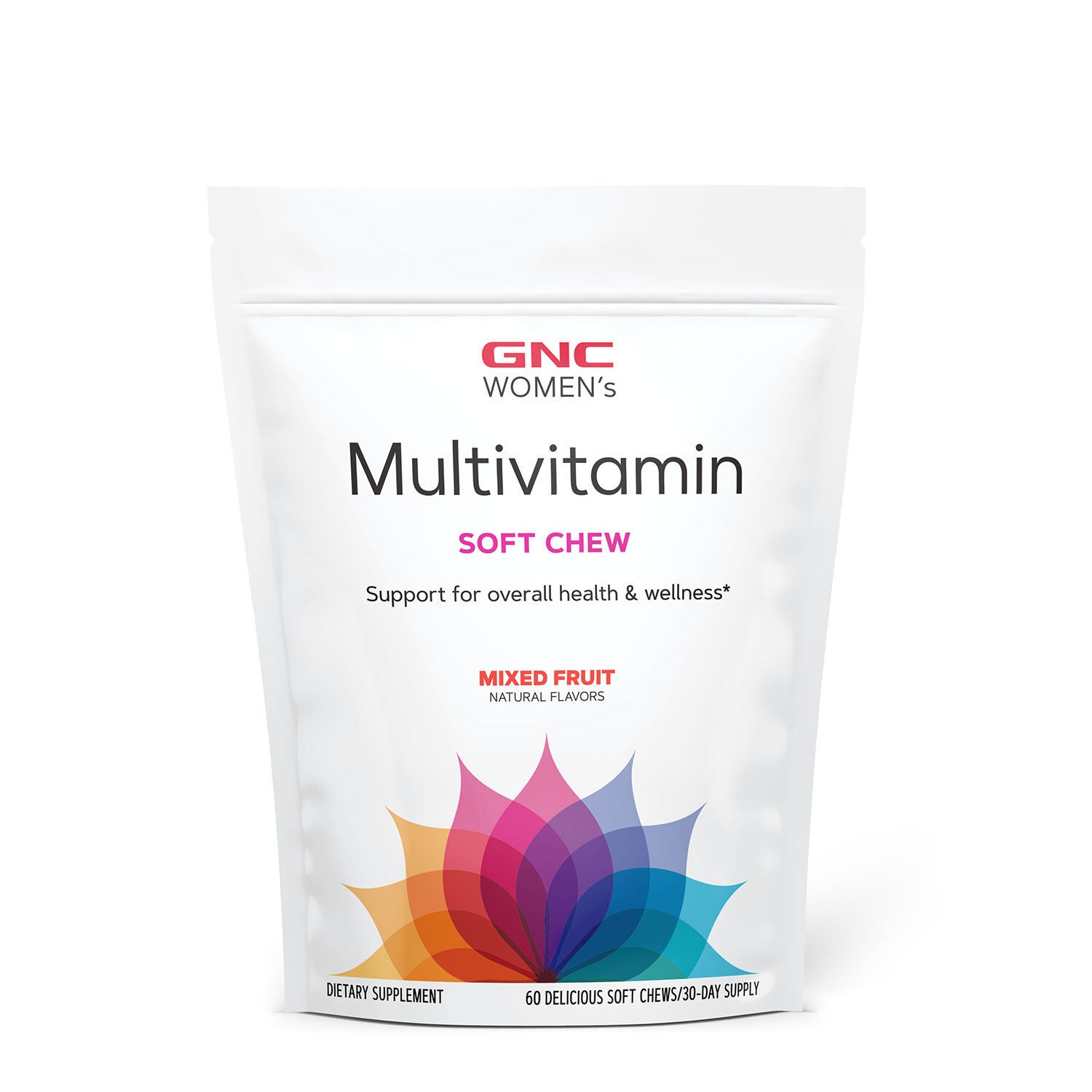


Women’s vitamins for hair and nail health over 50 bring together beauty-focused nutrients in formats that suit different routines, ingredient preferences, and approaches to everyday nutrition. For women in their 50s, 60s, and beyond, these supplements may support healthy-looking hair and nails alongside varied meals and regular personal care. The category includes targeted vitamin formulas, combinations of vitamins and minerals, and supplements that pair these nutrients with collagen or other ingredients. Those distinctions matter: a collagen powder is not necessarily a multivitamin, and a hair and nail formula does not automatically provide the same nutrient assortment as an age-focused women’s supplement. Biotin, also called vitamin B7, is a familiar ingredient in this category, while vitamin C, vitamin D, zinc, and selenium may also appear on ingredient panels. Biotin is a vitamin; zinc and selenium are minerals; collagen is a protein. Understanding those basic differences makes comparisons more meaningful than relying on a large number printed on the front of a bottle. Hair and nails contain keratin, a structural protein, but a supplement featuring beauty-related ingredients should not be confused with a topical conditioning treatment or a nail coating. These products are intended for nutritional use, rather than for changing the appearance of a manicure or hairstyle on contact. Women over 50 may be drawn to the category when refining an established beauty routine, simplifying a crowded supplement shelf, or looking for a format that better matches their preferences. Age labeling provides context about a formula’s intended audience, but it does not make every formula interchangeable. The ingredient list, serving size, and nutrient amounts offer a clearer picture of what each option contains. A useful comparison begins with those details and the distinction between a targeted beauty supplement and a broader daily formula. Attractive packaging and familiar ingredient names can draw attention, but the label provides the substance behind the presentation.
Format is another meaningful part of choosing hair and nail supplements for women over 50. Capsules, tablets, softgels, gummies, and powders offer different experiences, even when their labels feature some of the same nutrients. A bottle of capsules may suit someone who prefers an unflavored option with little preparation, while a chewable format may appeal to someone who enjoys a defined flavor and texture. Gummies can contain added sugars, sweeteners, colors, and gelling ingredients, so their ingredient panels deserve the same attention as their nutrient listings. Serving size also varies: one serving may consist of more than one gummy, capsule, or tablet. That detail affects both the daily routine described on the label and the number of servings in the package. Powders introduce another set of considerations, including scoop size, flavor, mixing directions, and whether a separate beverage or food preparation is involved. An unflavored powder is not necessarily without a noticeable taste or texture, particularly in a lightly flavored drink. Collagen powders may appeal to shoppers who prefer a mix-in format, although collagen content alone does not establish that a powder contains biotin or other vitamins. Ingredient sources can be equally important. Collagen commonly comes from animal sources, and capsule shells or gummy bases may contain gelatin; other formulas use different capsule materials or pectin. Dietary preferences therefore call for attention to the whole ingredient panel, not just the featured nutrient. Allergen statements and any listed certifications add further context without replacing the ingredient details. For someone who keeps a small organizer beside a breakfast setting, serving count and container size may matter most. For someone who prefers mixing a supplement into a drink, flavor compatibility and preparation may be more relevant. These everyday distinctions give the category practical shape, making it easier to compare supplements by how they fit a routine rather than by appearance alone. Texture, preparation, and ingredient source are meaningful features even when the intended use sounds similar.
A thoughtful comparison also considers how a targeted hair and nail supplement relates to other products in an established routine. Two formulas with different names may contain several of the same vitamins and minerals, while two bottles with similar beauty language may have quite different ingredient profiles. The Supplement Facts panel identifies nutrient amounts per serving and, where applicable, the percentage of Daily Value. Those percentages describe label reference values, not a prediction of visible changes in hair or nails. Higher numbers alone do not establish that one formula is a better match than another. Likewise, the presence of biotin, collagen, or a botanical blend does not establish a particular result or timetable. Hair texture, styling habits, nail care, food choices, and individual preferences all shape what someone wants from a beauty routine, and nutritional supplements are only one part of that picture. A woman who wears her nails short for gardening may have different cosmetic priorities from someone who enjoys a polished manicure, just as someone with a cropped haircut may approach daily hair care differently from someone with shoulder-length curls. The supplement comparison still comes back to composition, intended use, and a manageable format. For shoppers also exploring broader age-focused nutrition, Multivitamins For Active Women Over 50 offers a related category to consider alongside targeted beauty formulas, with attention to the differences and overlap shown on their labels. Packaging and care deserve consideration as well: closure style, label readability, expiration information, and manufacturer storage directions are practical details for a product used repeatedly. Unlike a cosmetic accessory, a supplement is a consumable product, so package size is best understood through servings rather than bottle dimensions. Clear labeling, an appropriate ingredient profile, and a preferred texture or format provide tangible points of comparison. Together, those details help define women’s hair and nail vitamins over 50 as nutritional options that may complement a personal care routine without setting a fixed expectation for appearance.
Best Sellers
Related Pages
Top Collections
- Daily Collagen Supplements | Top Brands & Deals | GNC
- Cortisol Supplements
- Top Rated Collagen | Shop Customer Favorites | GNC
- NAD+ Supplement Tablets
- Vitamins For Hair Loss
- Peptide Supplements
- Best Brand of Magnesium Glycinate
- Protein Powders For Muscle Growth Support
- Vitamins That Help Support Weight Gain
- Peptide Supplements for Muscle Growth