





Multivitamin Caplets For Women Over 50
(0 Results)
Multivitamin caplets for women over 50 are designed for those who want to support their wellness journey as they age. With a wide range of options available, these caplets may offer a convenient way to help fill nutritional gaps that can occur over time. Explore multivitamin caplets for women over 50 and discover selections that could fit seamlessly into your daily routine.
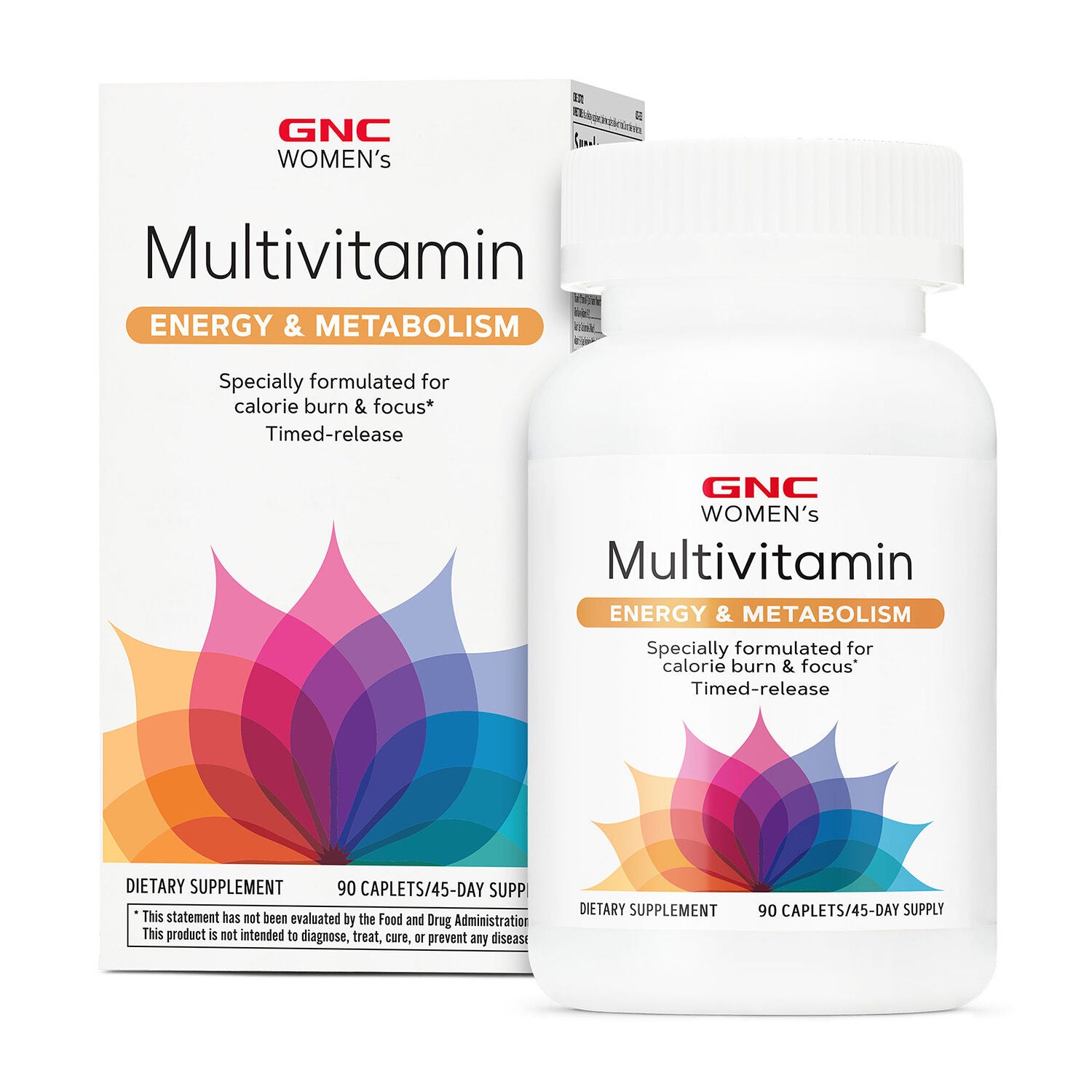

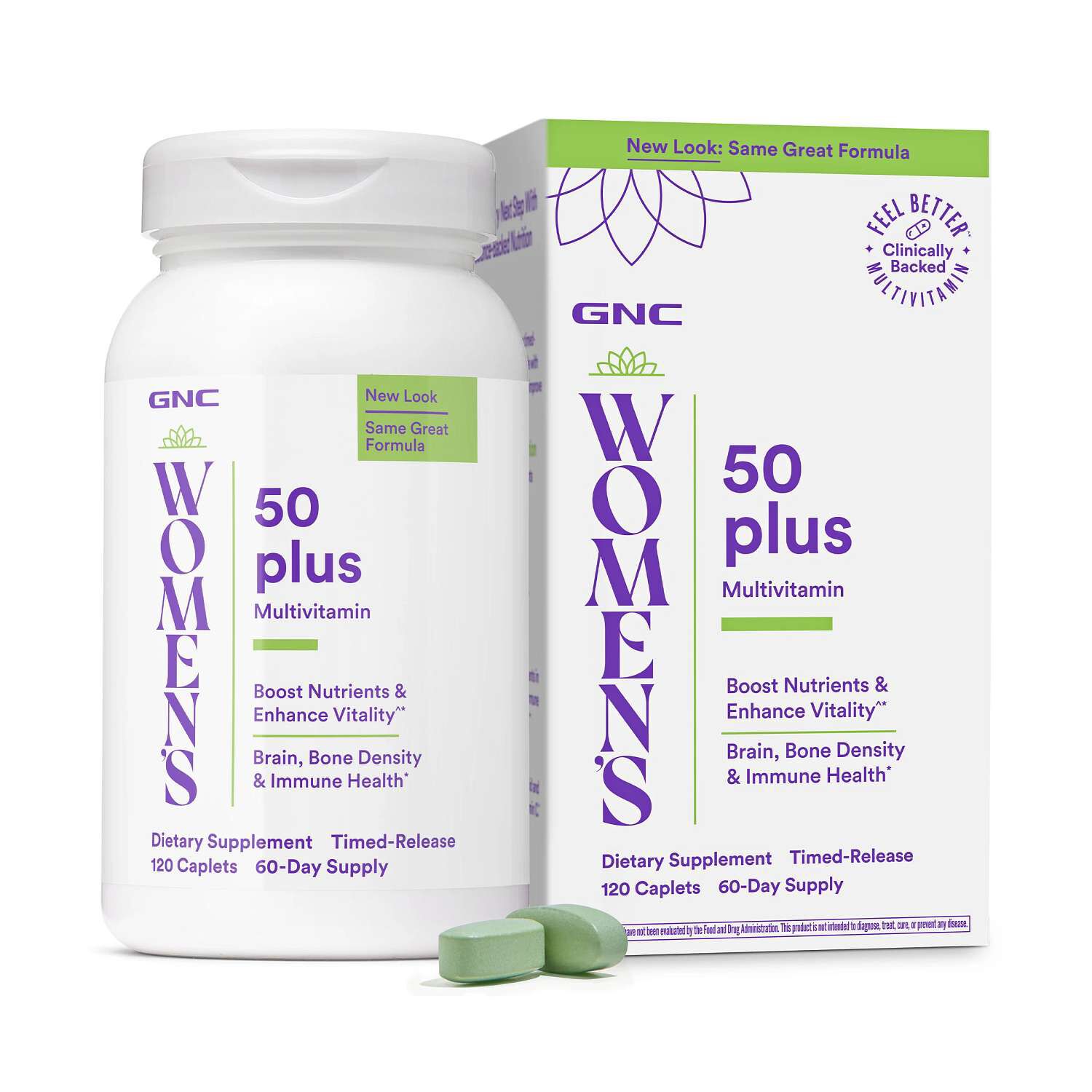
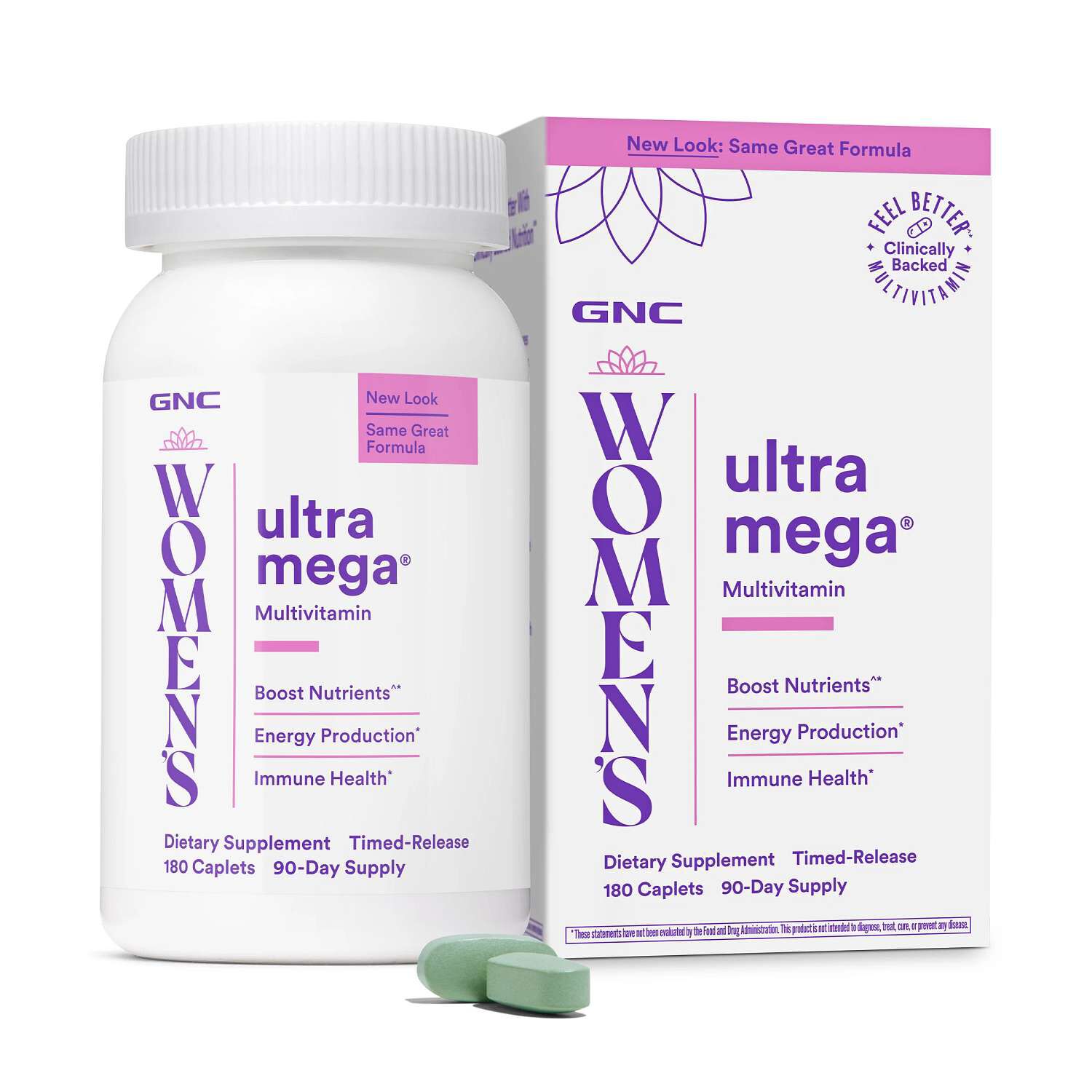
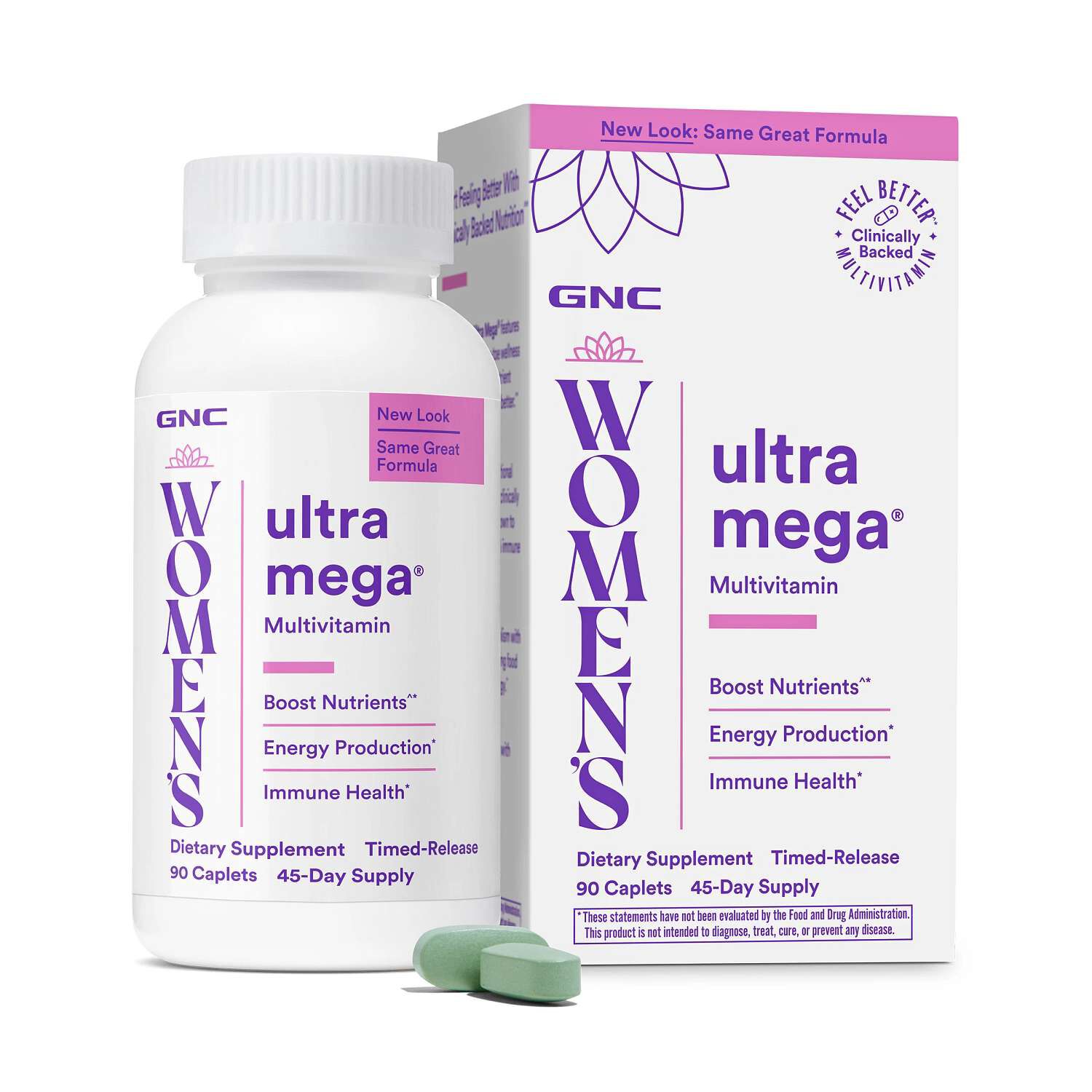
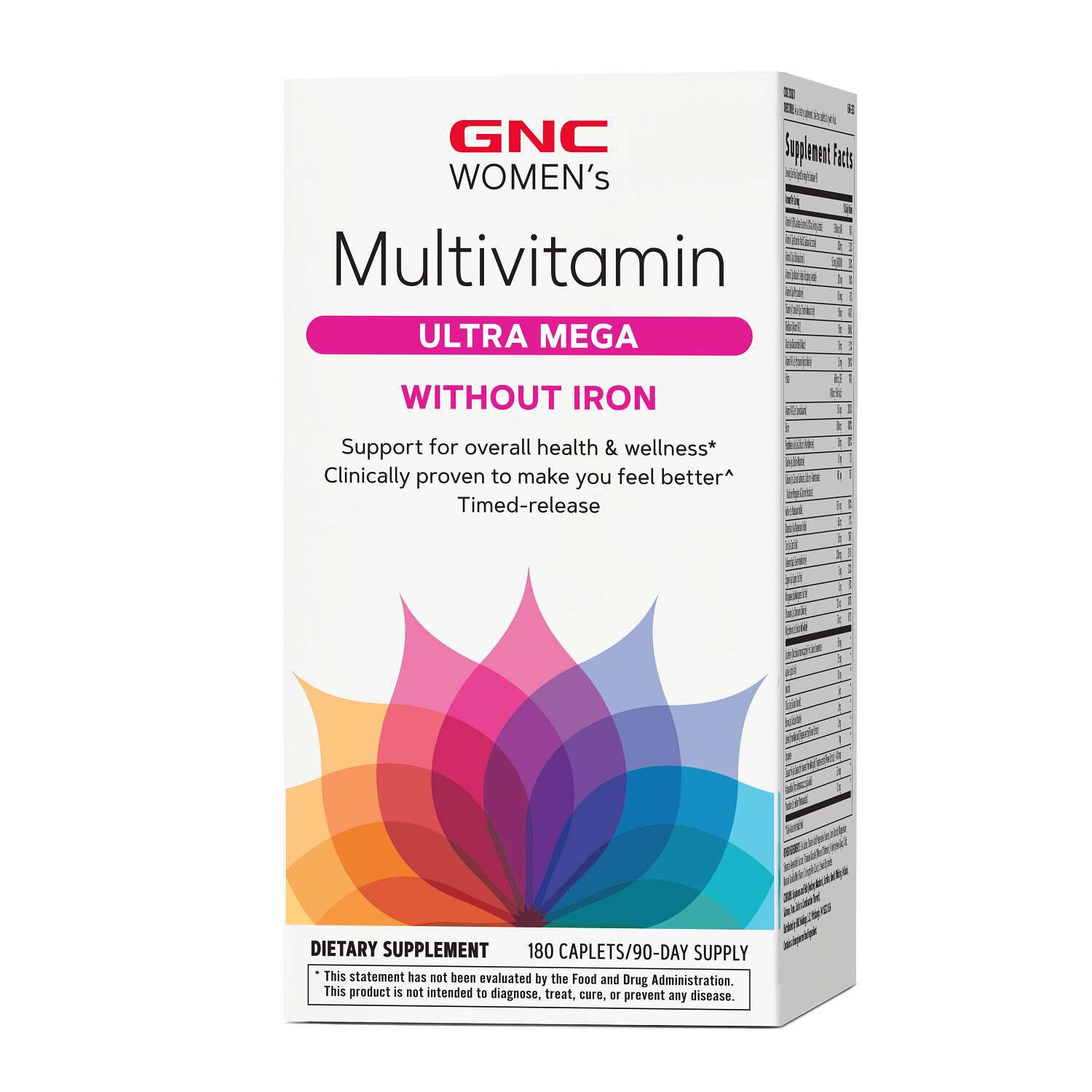

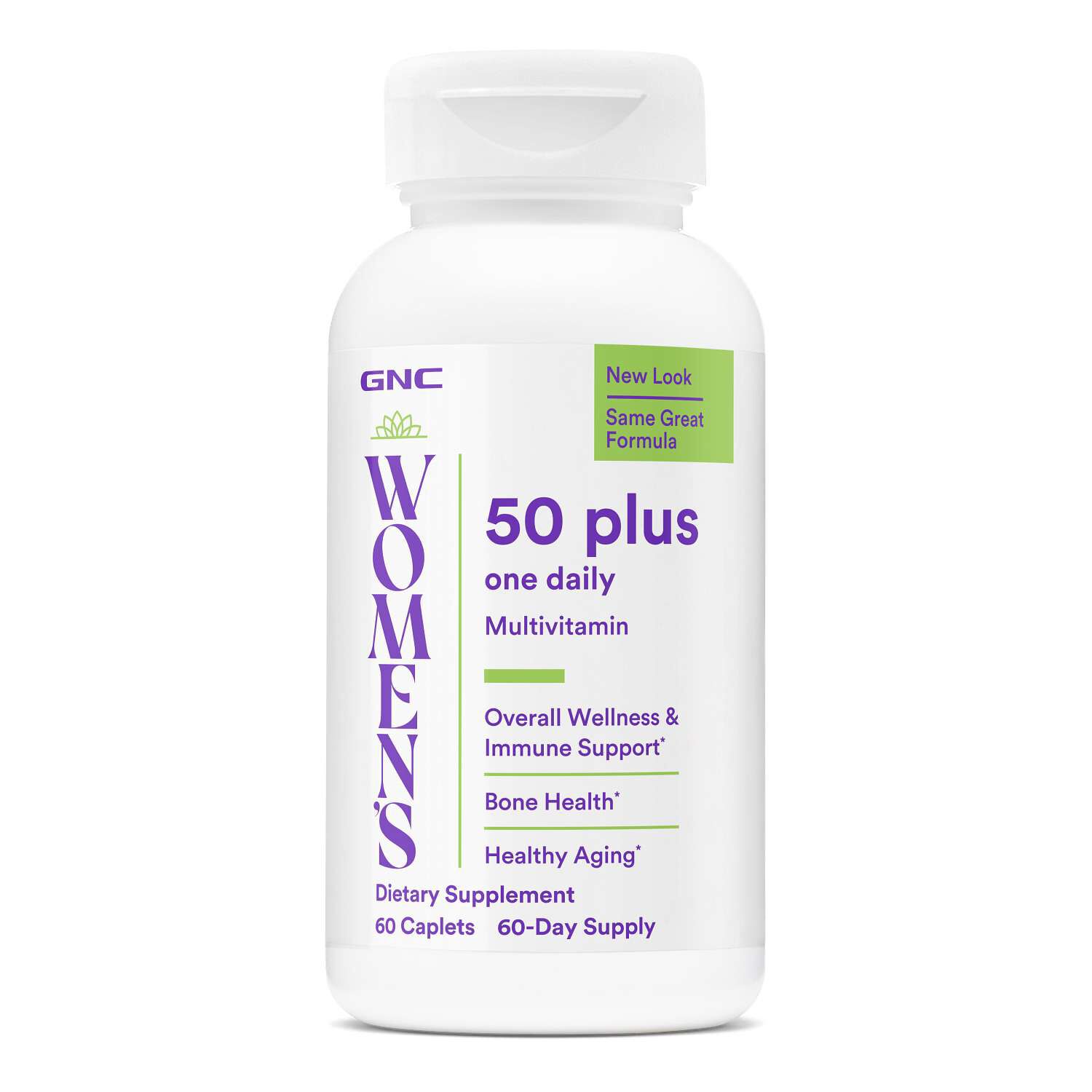

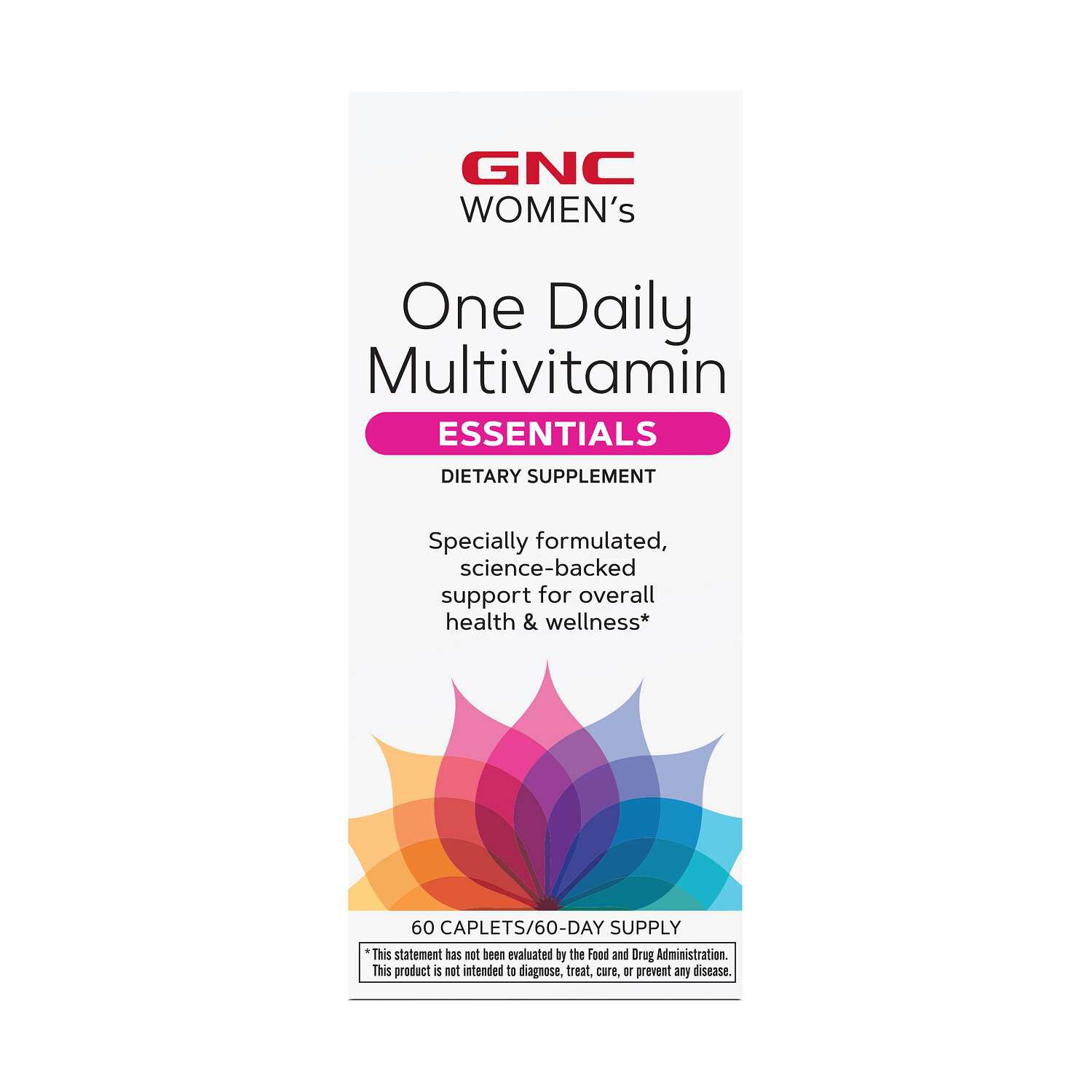
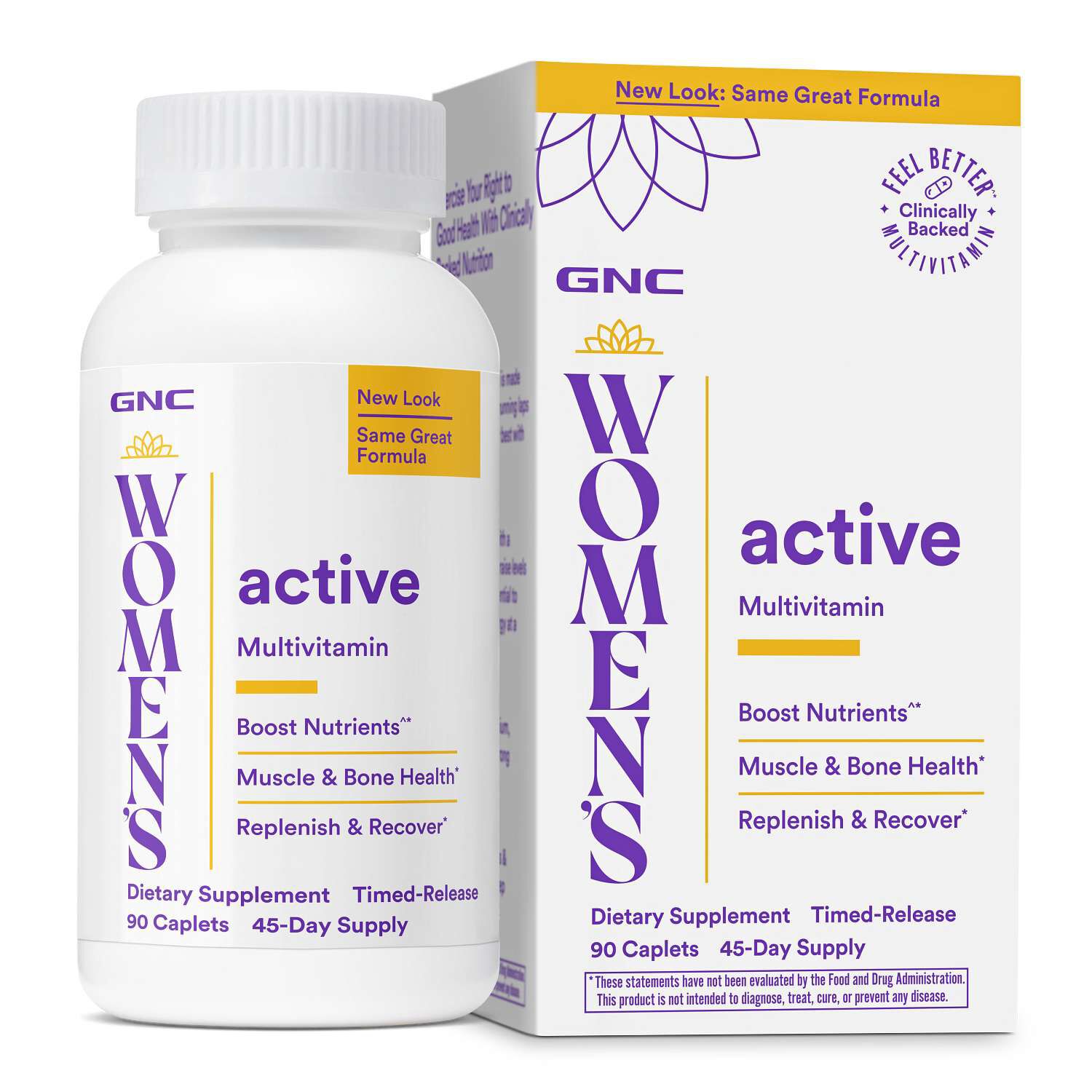
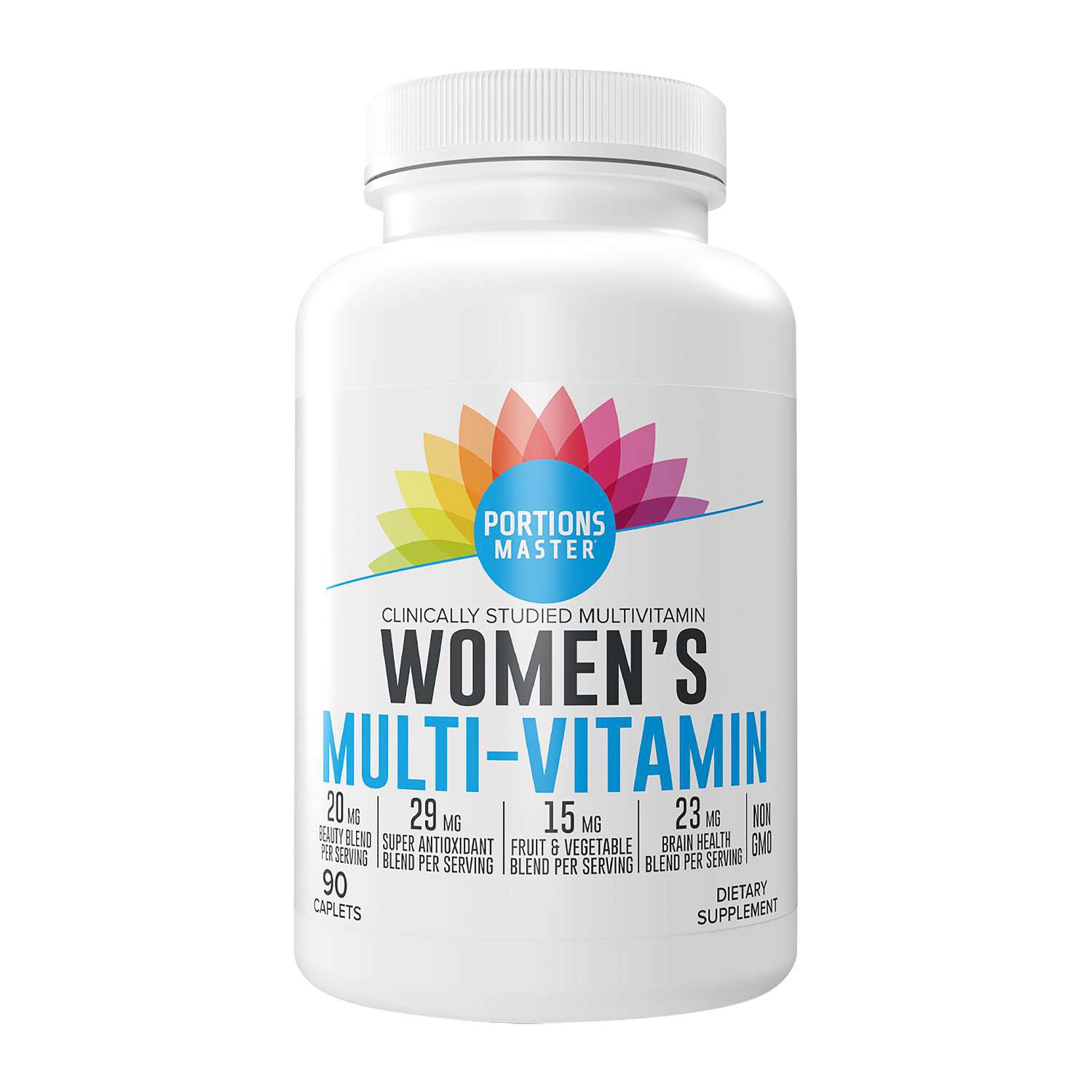
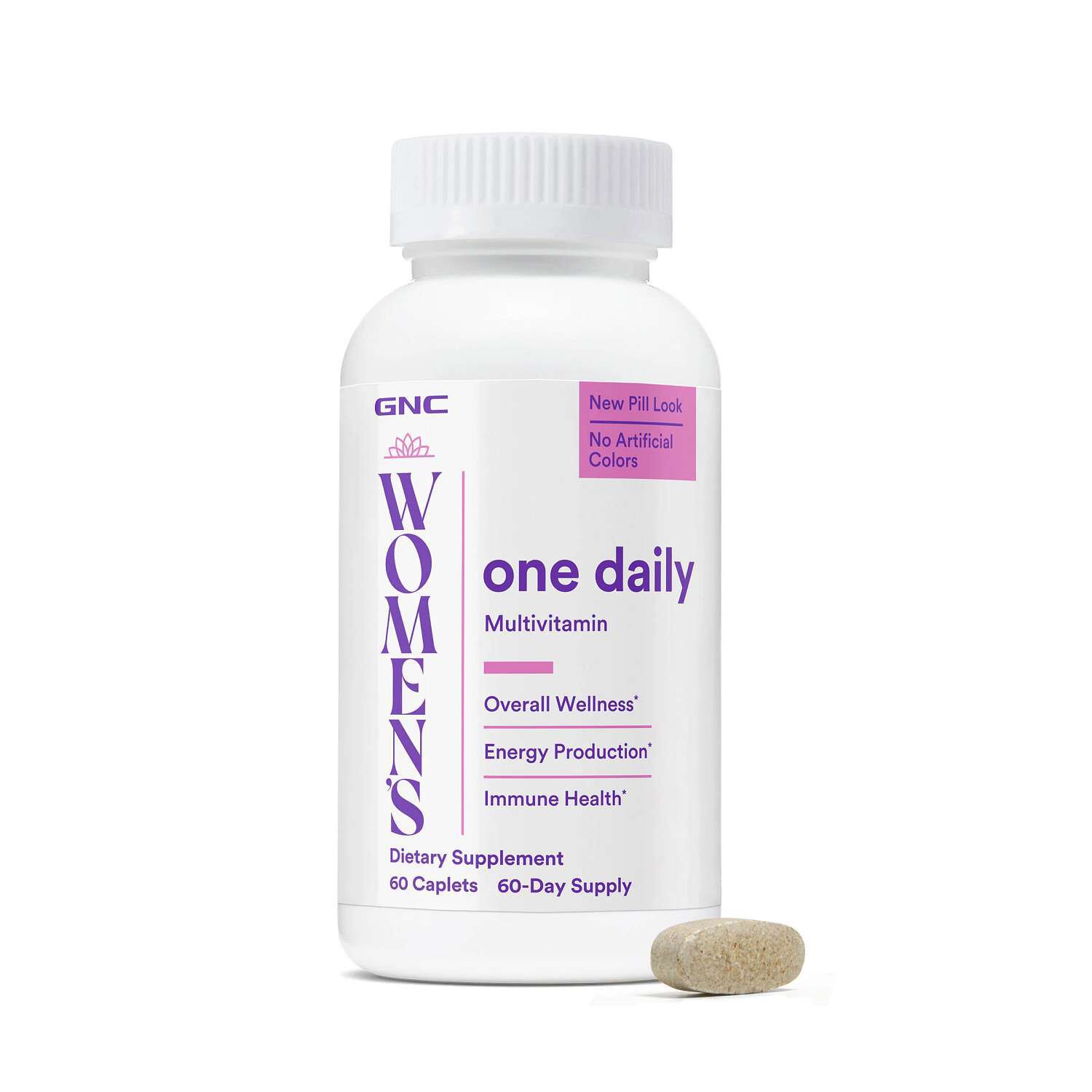
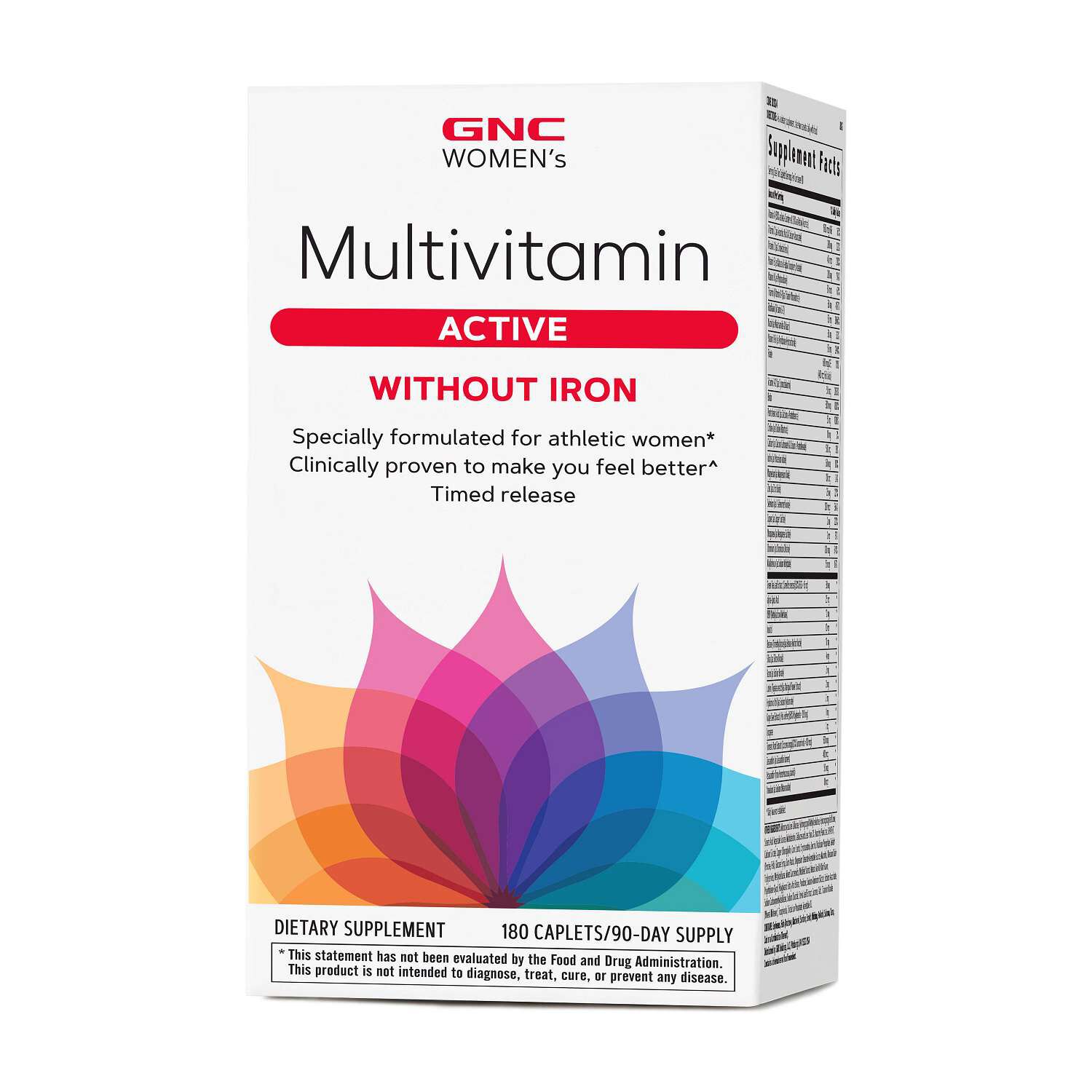
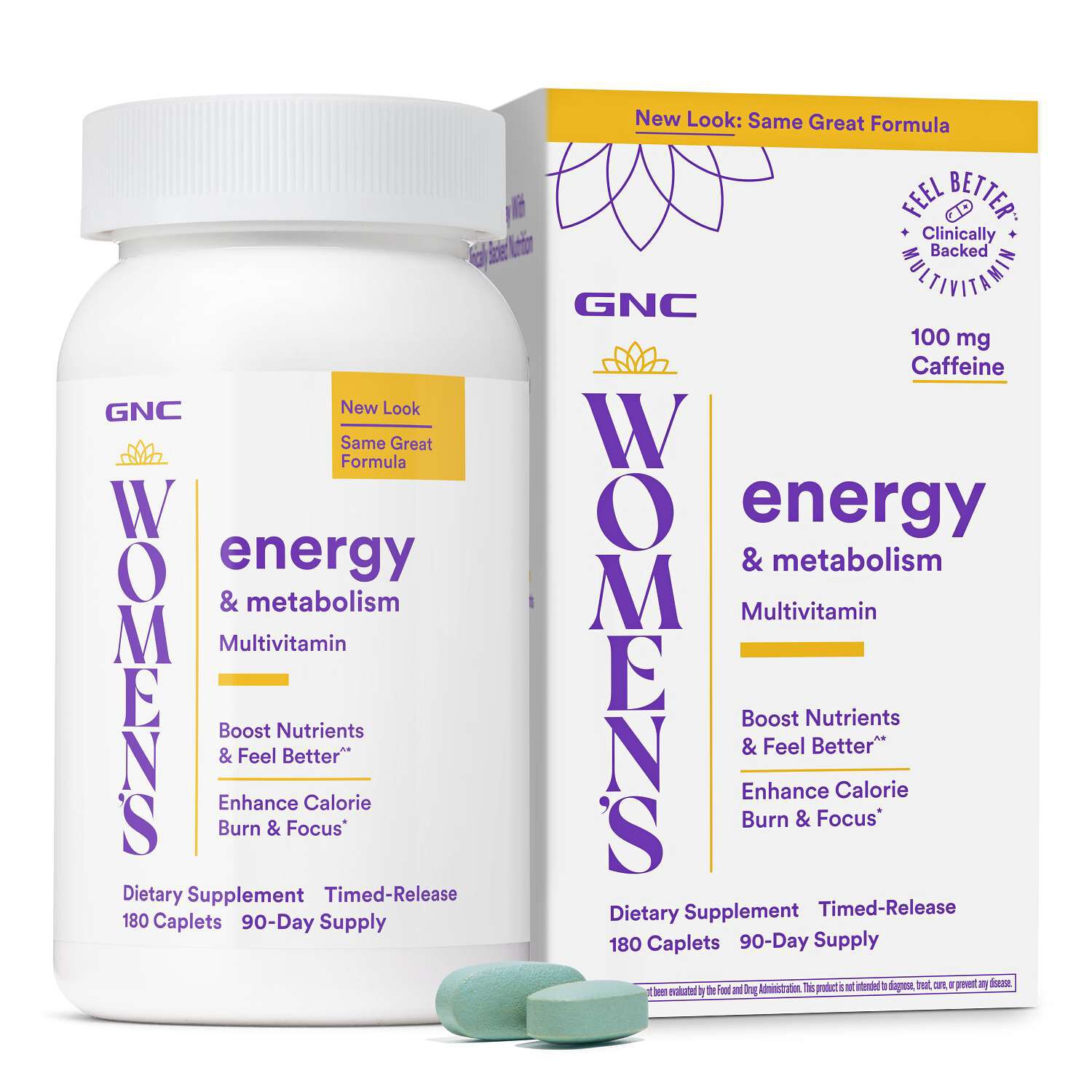
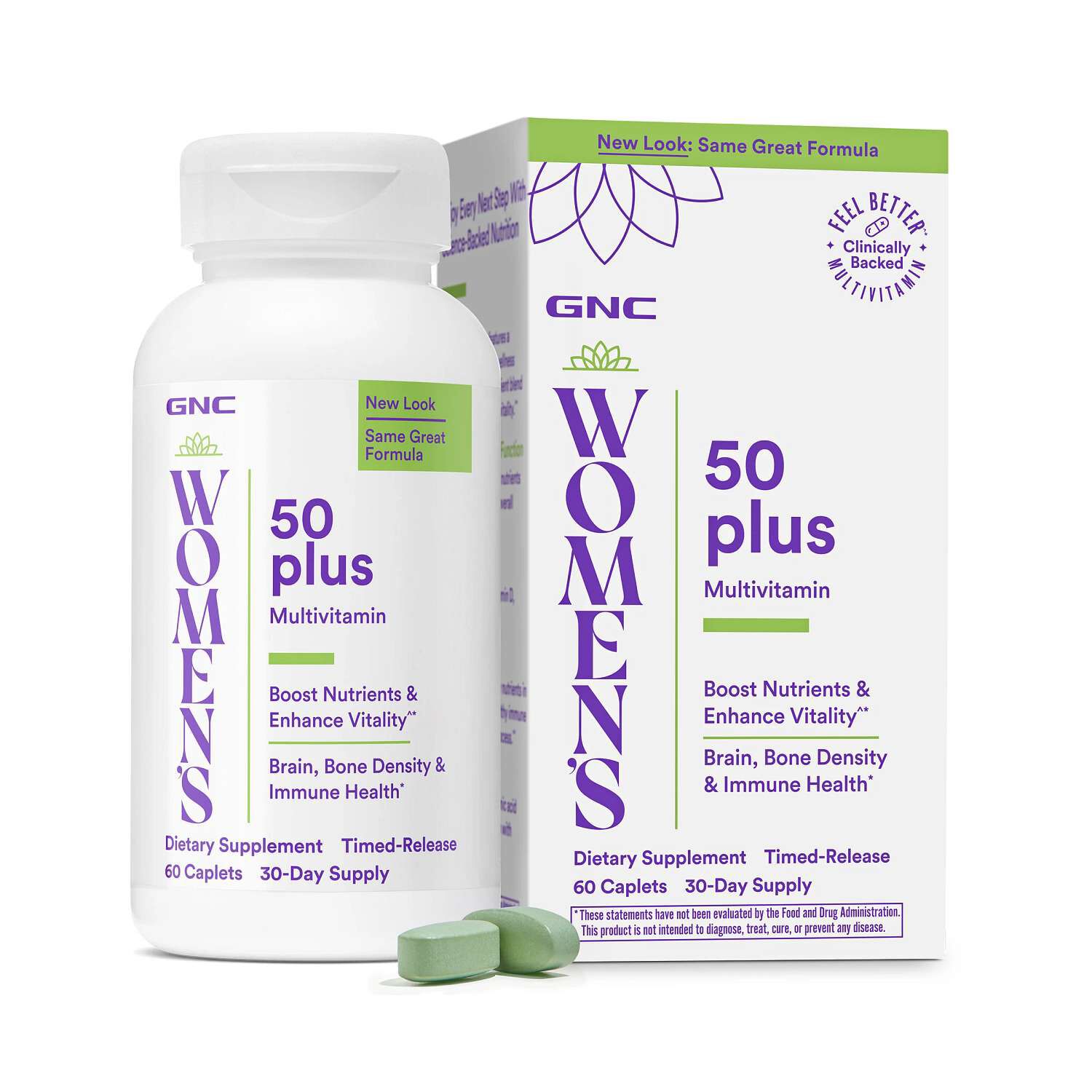
Multivitamin caplets for women over 50 combine a range of vitamins and minerals in a solid, oblong tablet intended for an age-focused supplement routine. The caplet format is distinct from a capsule, which typically has an outer shell surrounding powdered or liquid ingredients. Caplets are compressed tablets, sometimes finished with a coating, and their size, shape, and texture vary by formula. The 50+ designation identifies the intended audience, but it does not mean every formula contains the same nutrients or amounts. Compared with some multivitamins intended for younger women, formulas labeled for women over 50 often contain less iron or omit it. Vitamin B12, vitamin D, calcium, vitamin C, vitamin E, zinc, and selenium are among the nutrients shoppers may encounter, although the combination differs from one formula to another. These differences make the Supplement Facts panel more useful than a broad age label alone. A formula containing calcium, for example, can have a very different amount from another formula with calcium named on the front of the bottle. The same is true of vitamin D and B12. Some caplets contain vitamins and minerals only, while others also include botanical ingredients or additional compounds. Those additions are separate characteristics to compare, not a standard feature of every women’s multivitamin. Women over 50 also represent a wide range of eating patterns, preferences, and life stages; the age category does not describe one identical nutritional profile. Someone who regularly eats fish, eggs, and dairy has a different food pattern from someone whose meals center on beans, grains, vegetables, and plant-based alternatives. Multivitamins are intended to supplement food choices rather than stand in for meals or the variety of components found in food. Within this category, the most meaningful distinctions are the nutrient selection, amounts per serving, physical format, and ingredient details—not simply the number of nutrients listed on the package.
Reading a multivitamin label starts with the serving size, because the nutrient amounts shown apply to that serving rather than necessarily to one caplet. One formula may provide its listed serving in a single caplet, while another may use two or more. That distinction also explains why two bottles with the same caplet count can contain different numbers of servings. Nutrients appear in units such as milligrams and micrograms, alongside a percent Daily Value where one has been established. The percent Daily Value is a standardized labeling reference, not a personalized assessment for a particular woman or an age-specific measurement. Ingredient forms add another layer of detail: vitamin D may appear as D2 or D3, vitamin B12 may be listed as cyanocobalamin or methylcobalamin, and folate information may include both the nutrient amount and its source. Different forms are worth identifying without assuming that one label term establishes a better choice for everyone. Calcium and magnesium also take up physical space in a tablet, so a broad multivitamin and a single-mineral supplement can differ substantially in composition and dimensions. Beyond the vitamins and minerals, the other ingredients list describes materials used to hold the caplet together, shape it, or form its coating. Plant-derived cellulose, binding ingredients, and coating materials may appear there. A coating may create a smoother surface, but it does not establish the caplet’s dimensions; an oblong shape is not automatically small. Package descriptions and any published measurements are more informative than a photograph alone. Dietary preferences deserve the same close reading. A caplet’s solid appearance does not establish whether its ingredients are suitable for a vegetarian eating pattern. Ingredient statements, allergen information, and clearly stated dietary attributes provide more specific information. For shoppers comparing several formulas, separating these details into nutrient composition, serving size, and caplet characteristics may make the differences easier to follow.
Everyday practicality matters alongside the label details. A woman looking for multivitamin caplets for women over 50 may prefer a familiar tablet format without the flavor or chewy texture associated with gummies, while another may be comparing caplets with capsules or powders. That is a format preference rather than a reason to assume the products are interchangeable. Caplets can differ in length, thickness, surface finish, and the number included in a serving, even when the bottles share similar age-focused wording. For a routine that includes meals at home, workday lunches, or occasional travel, the package directions remain the reference for intended use and storage. Original packaging keeps the ingredient information, serving directions, lot information, and expiration date together. A dry cupboard away from a stovetop or a sunlit windowsill is a different storage environment from a steamy bathroom, and the bottle’s storage instructions identify the conditions intended for that formula. A tightly closed container may help limit exposure to moisture when stored as directed. Product appearance alone is not a reliable measure of suitability after storage outside the stated conditions or beyond the labeled date. Nutrient emphasis is another useful way to distinguish formulas that otherwise look similar. Shoppers interested in the B-vitamin portion of this category can also compare Multivitamins With B Vitamins For Women Over 50, paying attention to which B vitamins are included and their amounts per serving. B1, B2, niacin, B6, folate, B12, biotin, and pantothenic acid can appear together, but their proportions vary. A formula’s emphasis on B vitamins does not describe its iron content, calcium amount, coating ingredients, or dietary attributes. Those remain separate label details. Taken together, the intended age group, nutrient composition, caplet format, and packaging information provide a concrete basis for comparing women’s 50+ multivitamins without treating every similarly labeled bottle as the same product.
Best Sellers
Related Pages

Top Collections
- Supplements For Yoga Joint Flexibility
- GLP 1 Support For Adults
- Joint Mobility Supplement Packs
- Chronic Fatigue Supplements
- Adult Mobility Supplements
- Supplements For Balance
- Supplements For Anxiety Relief Support
- Capsule Supplements For Energy And Stamina
- Zinc Supplements | Top Brands at Great Prices | GNC
- Anti Aging Supplements For Women