Workout Supplements For Gym Lovers
(0 Results)
Workout supplements for gym lovers are designed to support your fitness journey, whether you’re powering through an intense training session or looking to optimize your post-workout routine. Explore a range of options that may complement your goals and help you get the most out of every gym visit. With choices that fit different lifestyles and preferences, finding the right workout supplements for gym lovers could be the boost you need to take your performance to the next level.

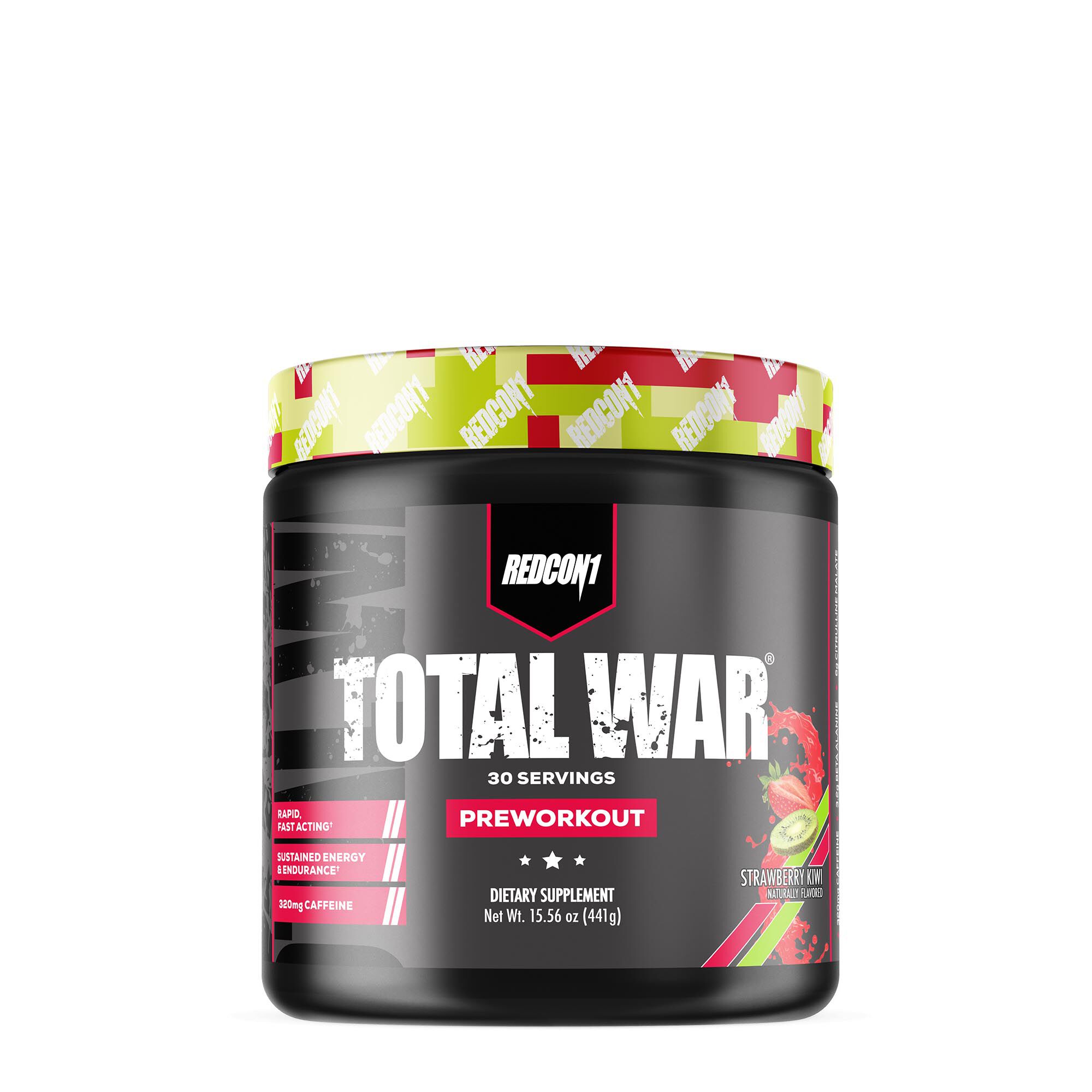
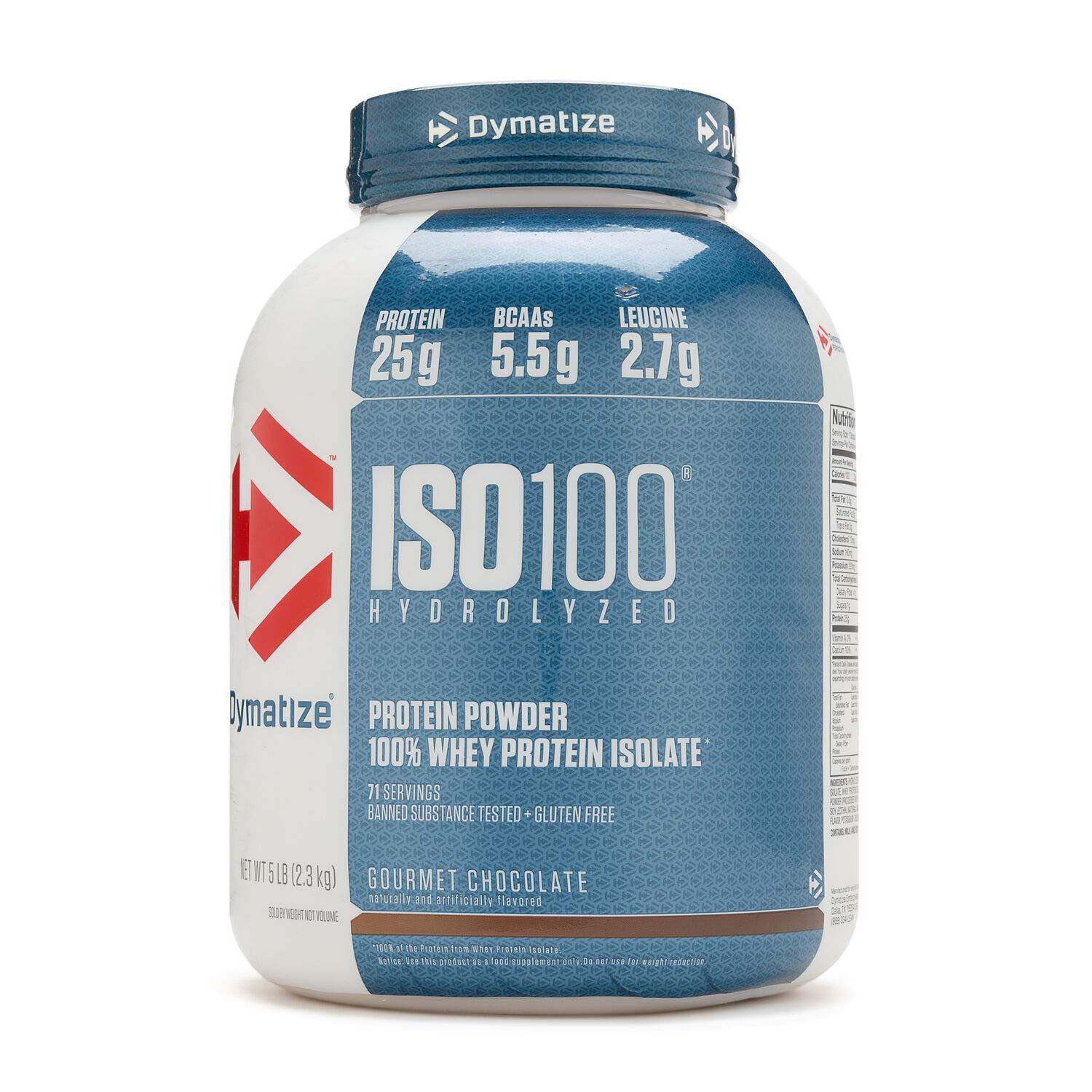





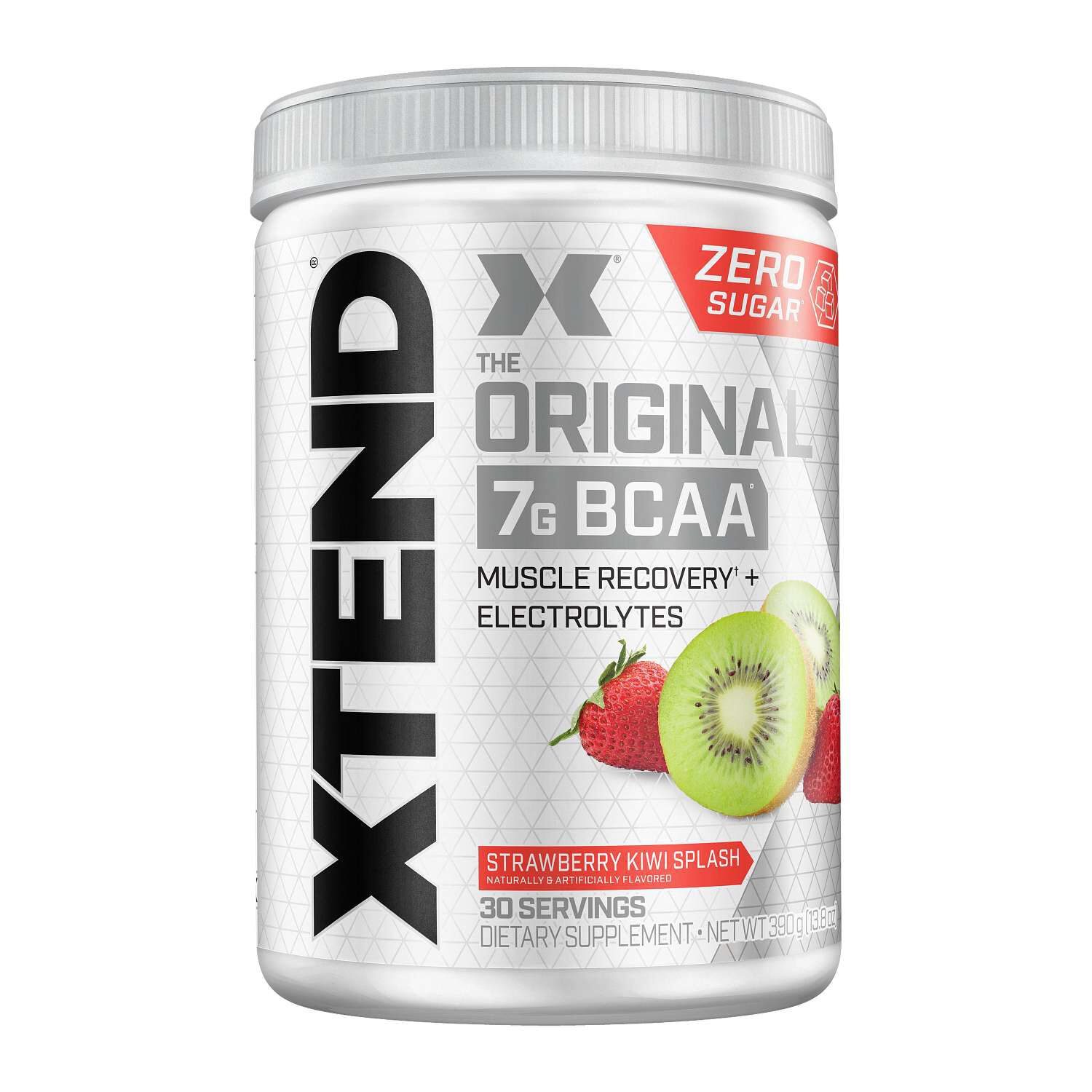
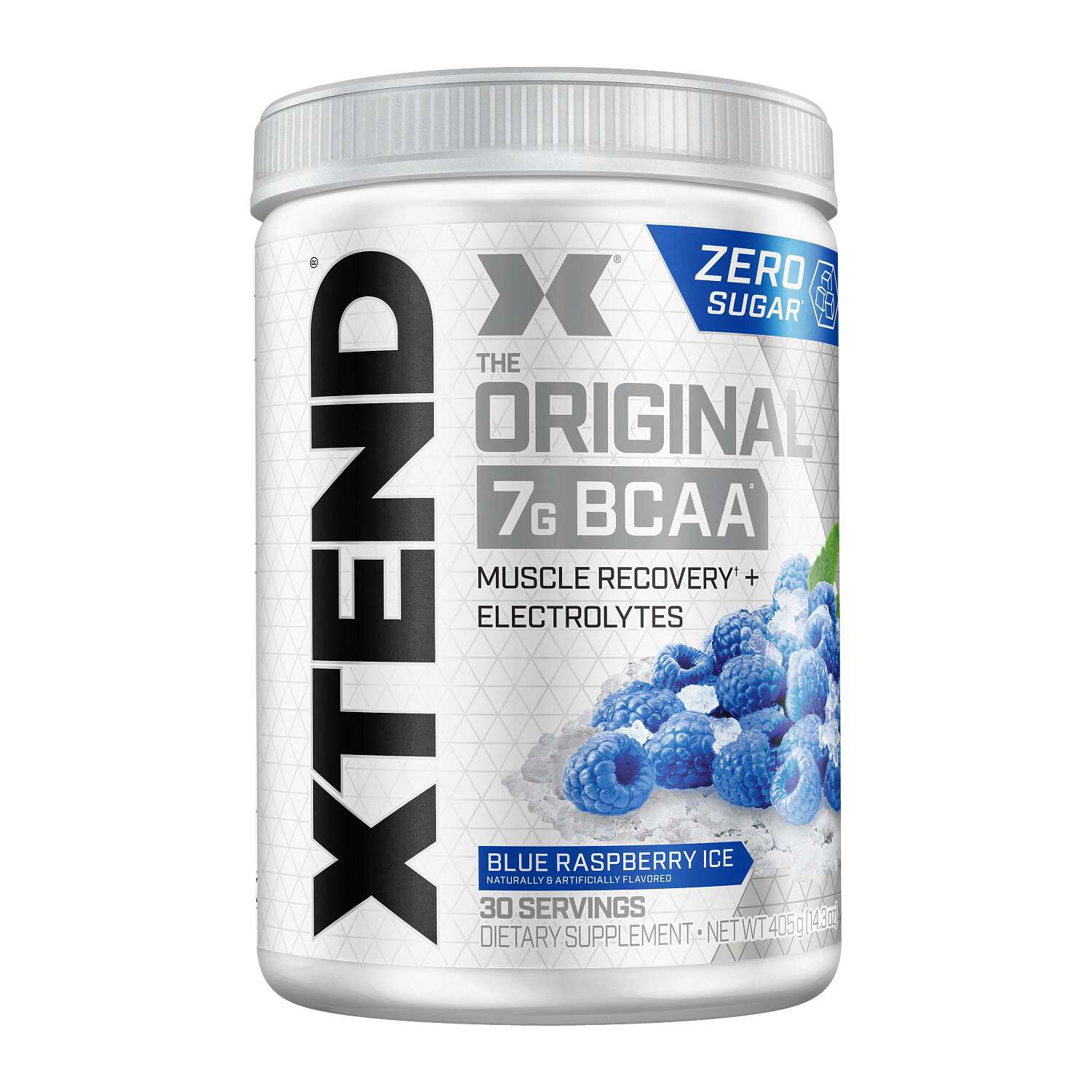
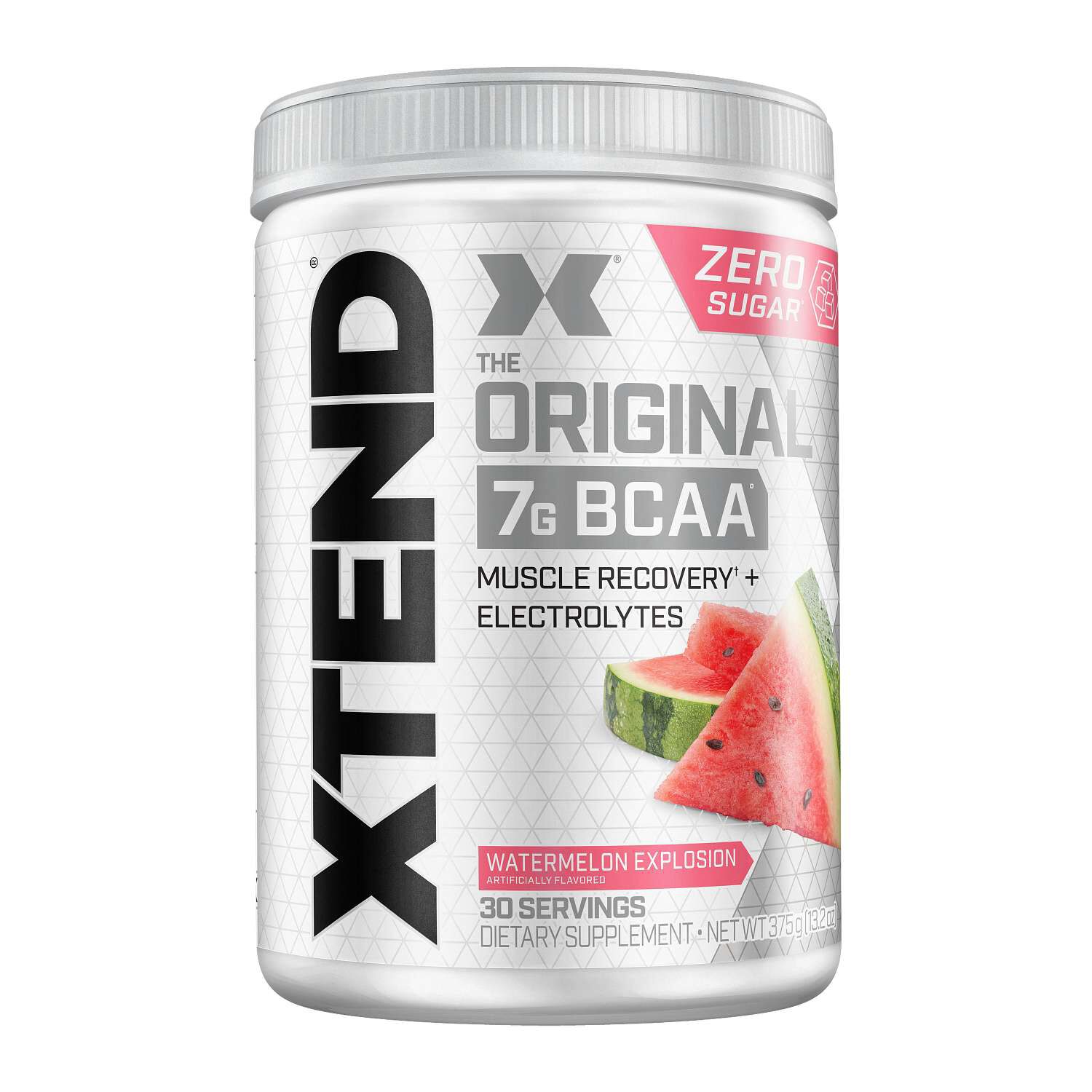

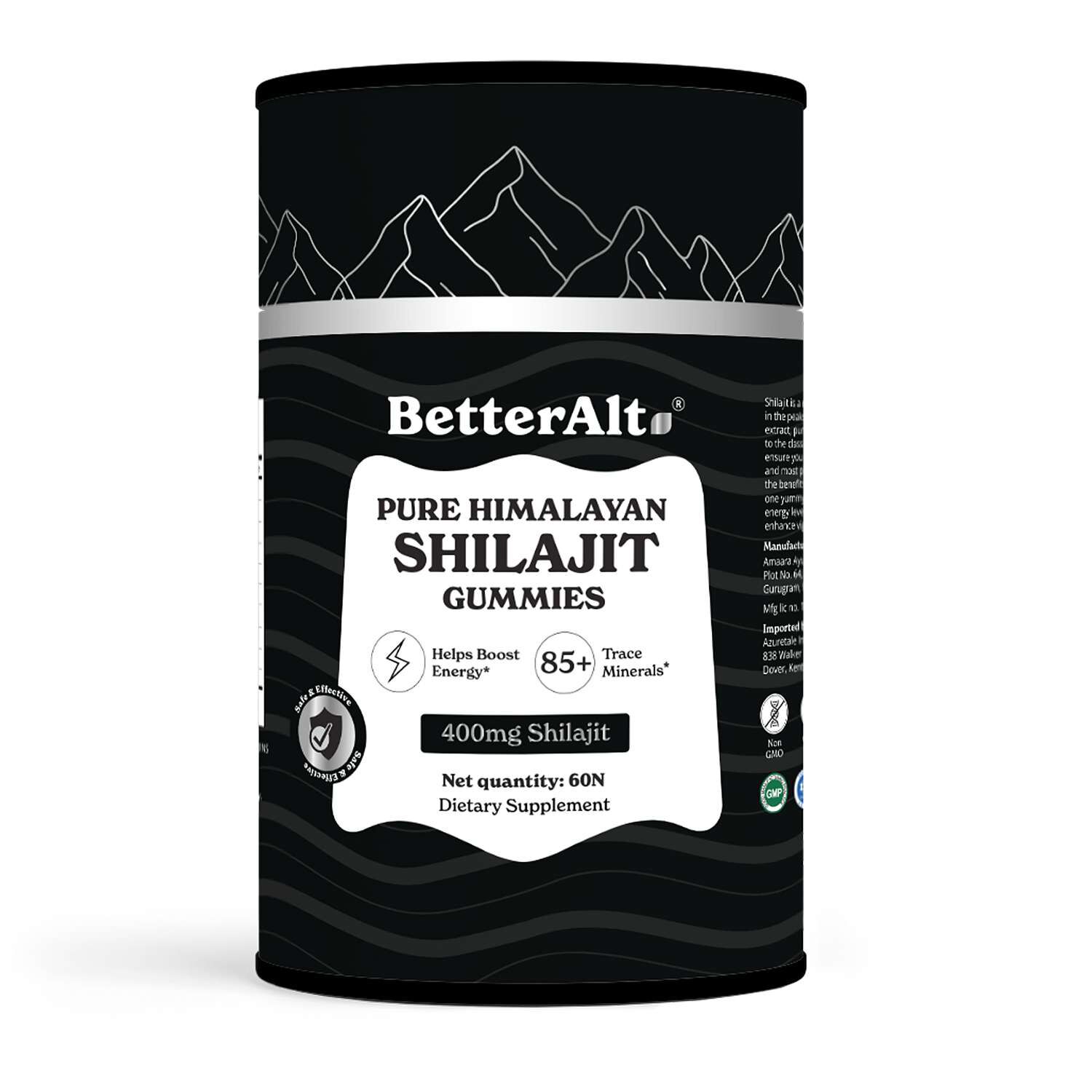

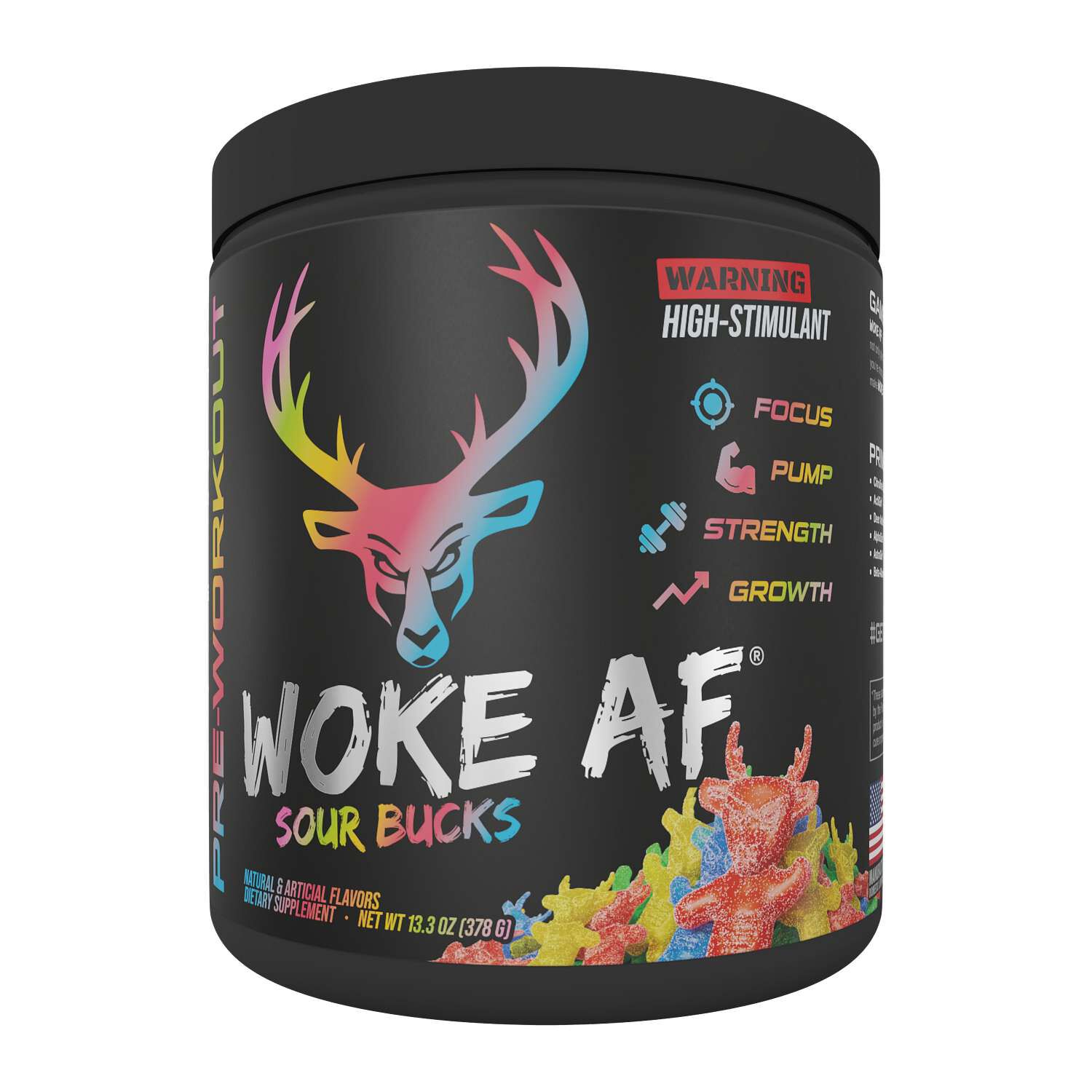
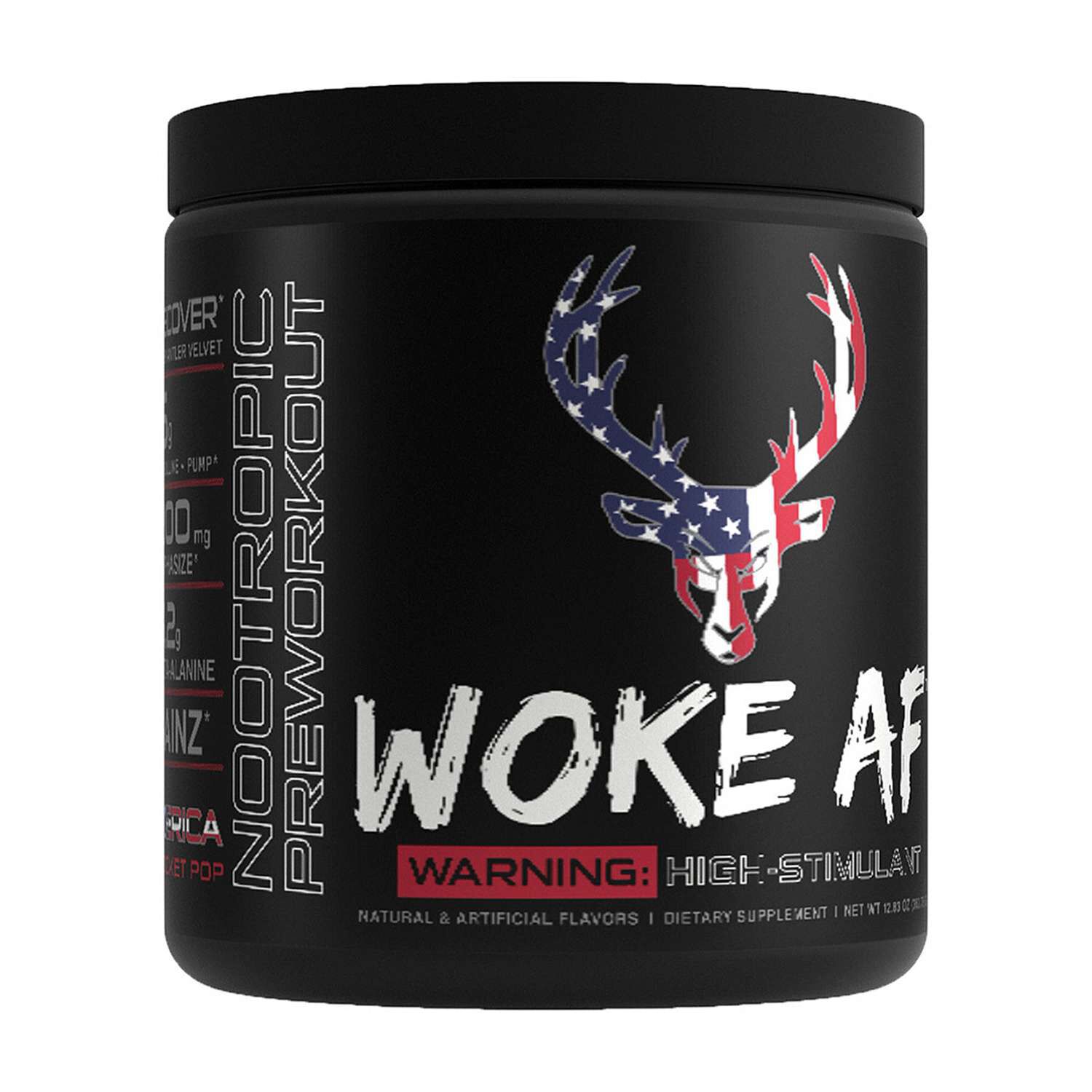
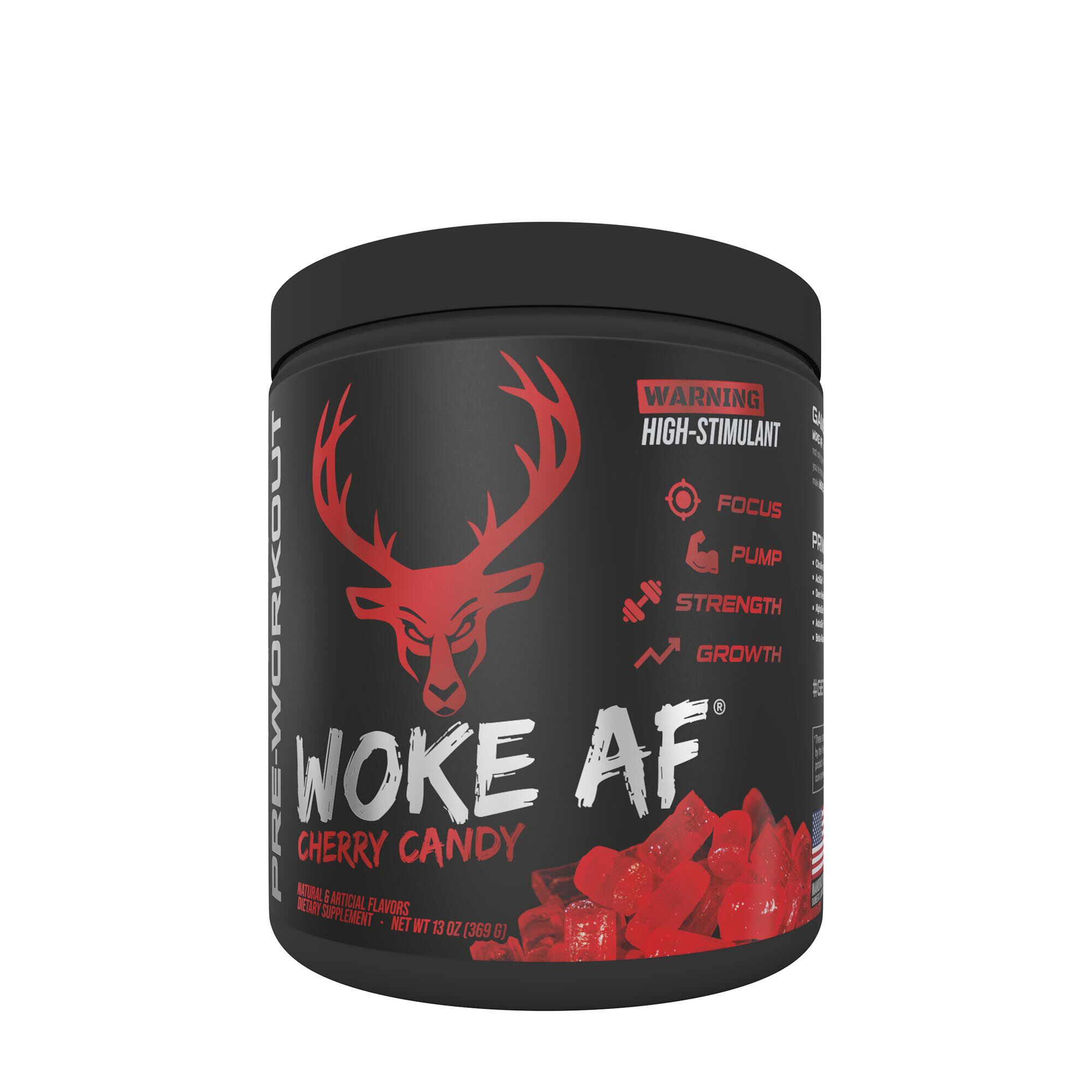

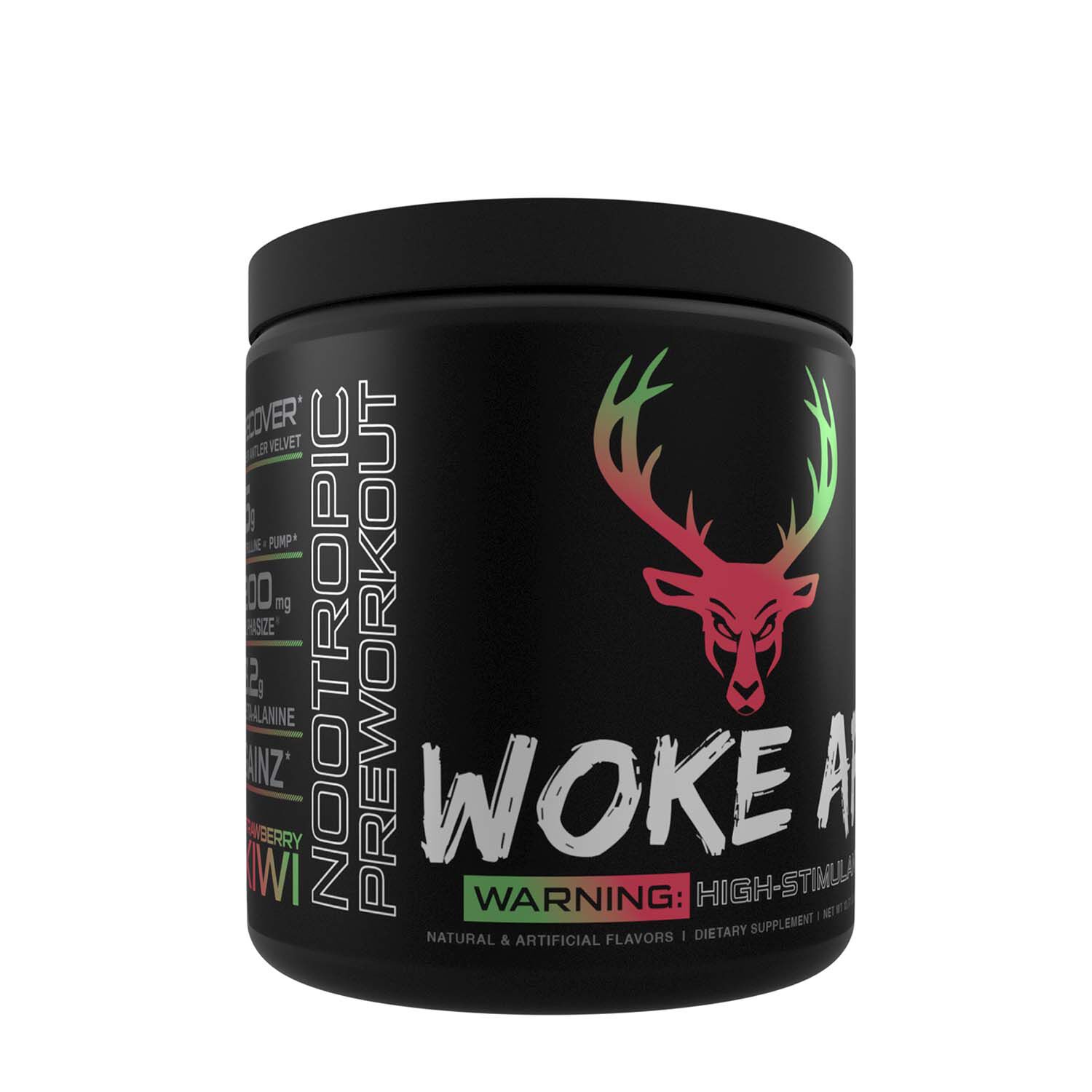
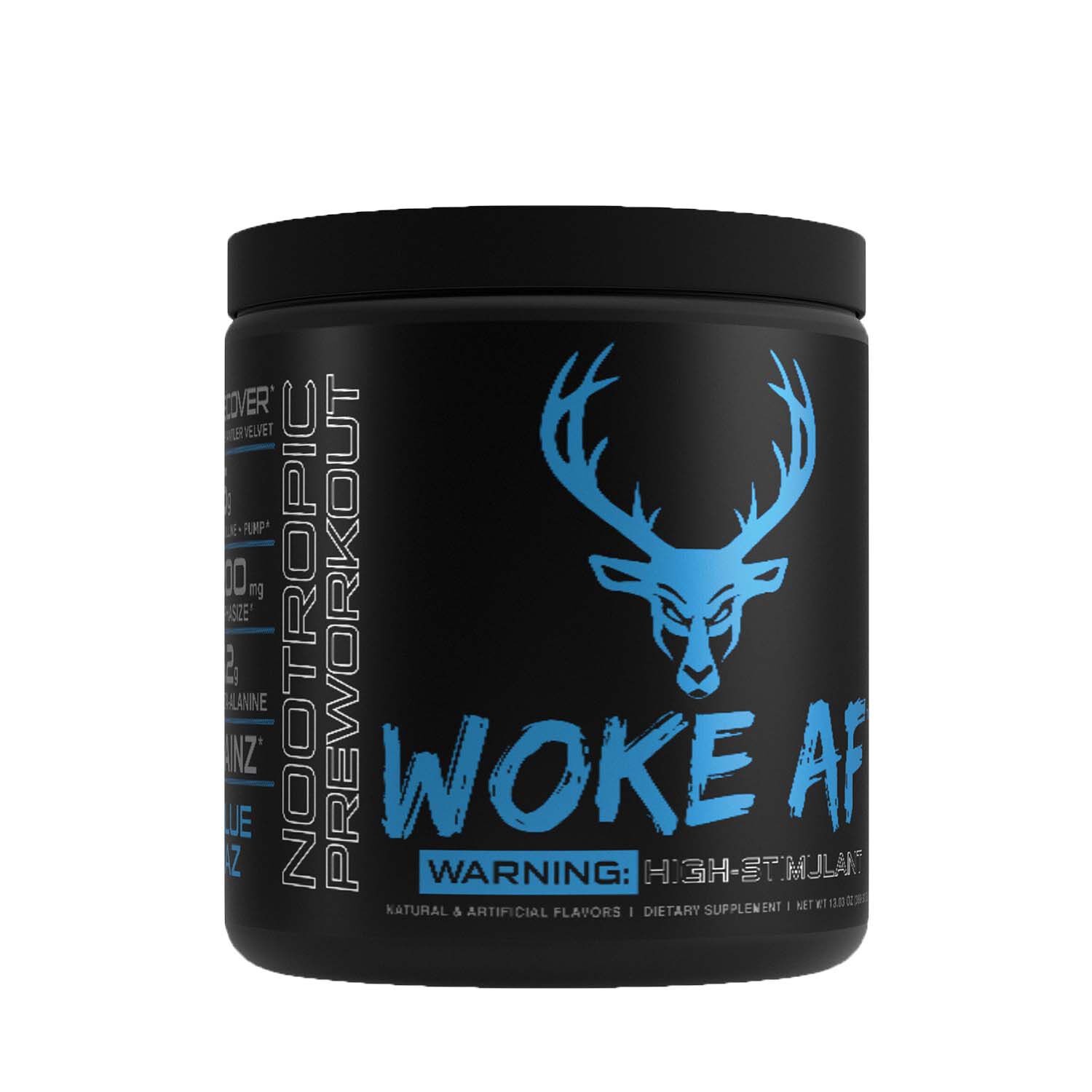

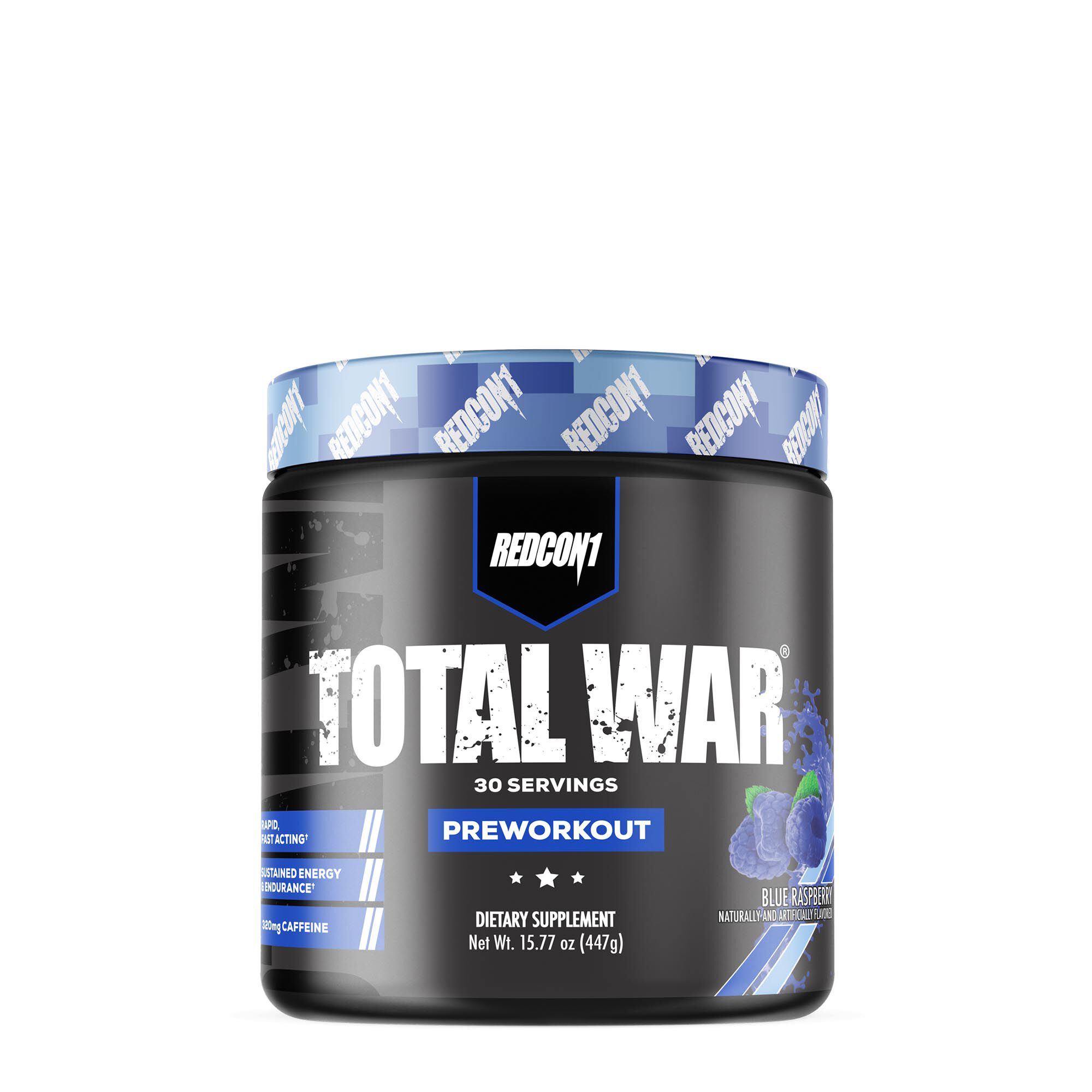
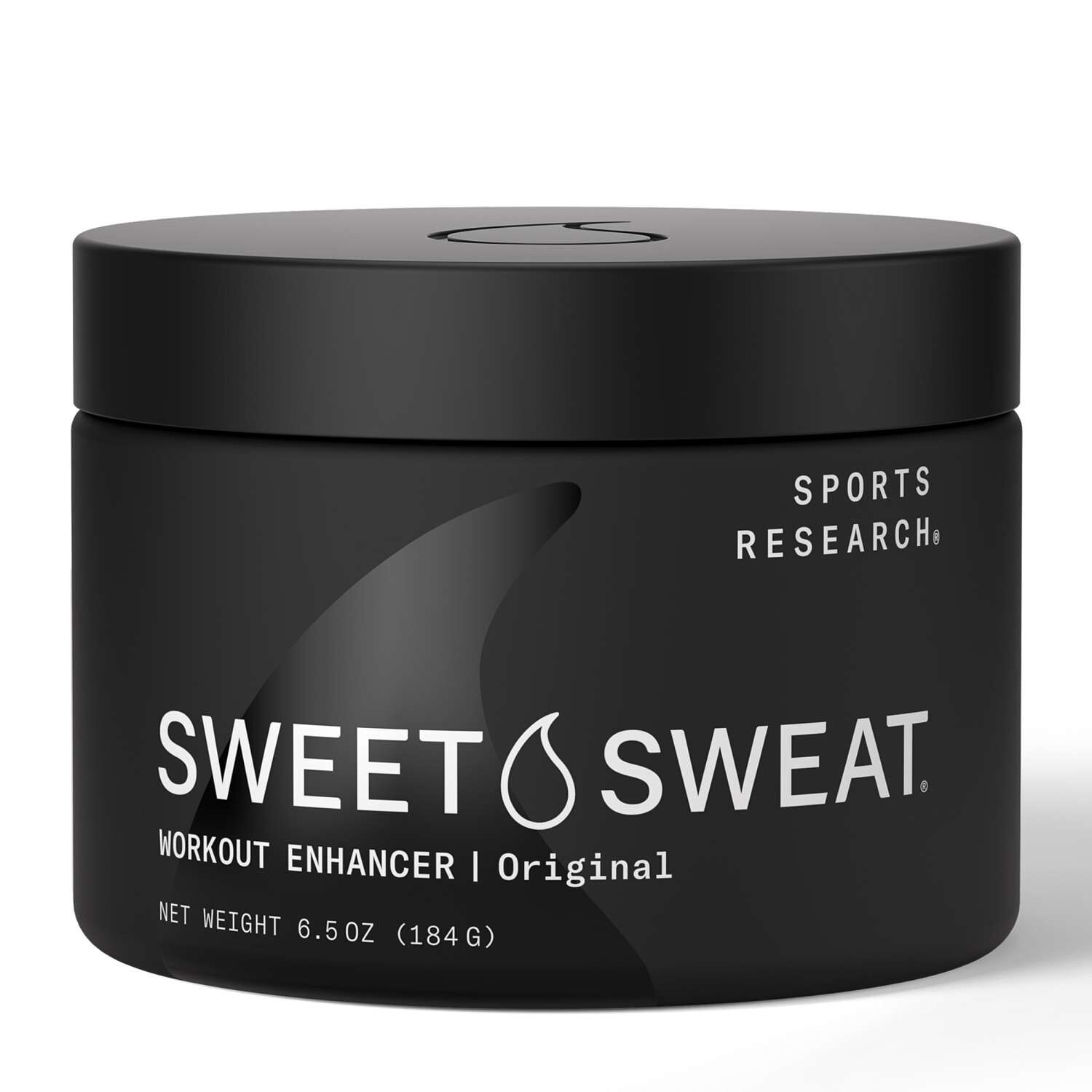
Workout supplements for gym lovers include protein powders, creatine, pre-workout blends, amino acid formulas, and electrolyte mixes, with different formats suited to different training routines. Protein powder may help supplement daily protein intake, creatine monohydrate may support performance during repeated bouts of high-intensity exercise, and caffeine-containing formulas may support alertness during a workout. These categories serve different purposes rather than acting as interchangeable options. Someone spending an hour on the weight room floor may be shopping with different priorities than a person alternating indoor cycling with short resistance sessions. The setting matters, too: an early commute, a crowded locker room, and a late evening training appointment each create different preferences for preparation and portability. Powdered formats typically involve mixing with a beverage, while ready-to-drink formats require less preparation. Individual packets tuck neatly into a gym bag, while a larger container may suit a kitchen counter or a dedicated shelf at home. Beyond format, useful comparisons include the serving size, ingredient list, caffeine content where applicable, and the amount of each listed ingredient per serving. A long ingredient list does not, by itself, explain how a formula fits a particular routine. Clearly stated ingredient amounts make the differences between options easier to understand. Flavor also deserves attention, especially for something intended for regular use: a rich chocolate shake offers a different drinking experience from a lightly flavored fruit beverage between sets. Texture, sweetness, and mixing directions are practical details that can matter just as much as the category name. Workout supplements are additions to an eating and training routine, not substitutes for meals, water, sleep, or consistent practice. For gym regulars and adults building a new exercise habit alike, the most relevant choice is one with an intended use that matches the actual schedule, dietary preferences, and training style—not simply the most elaborate formula.
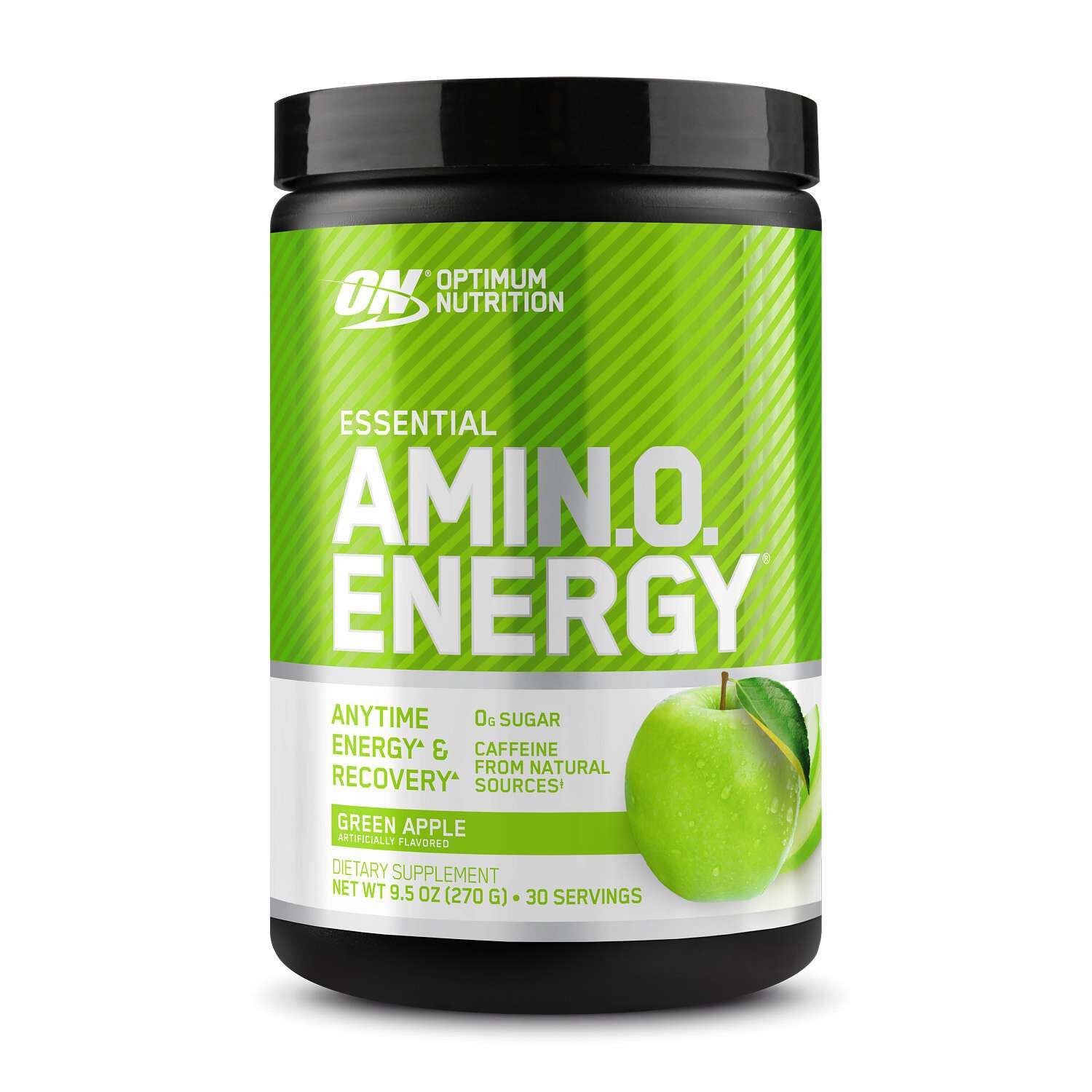
Protein powders are a familiar part of sports nutrition because they offer a measured serving of protein in a format that can fit around meals. They may support muscle maintenance and growth alongside resistance training and adequate overall nutrition. Whey and casein come from milk, while plant-based options may use ingredients such as pea, soy, or rice protein. The protein source, allergen statement, grams of protein per serving, and accompanying carbohydrate and fat content all help distinguish one formula from another. A powder intended for a simple shake mixed with water may have a different texture and flavor profile from one blended with milk, oats, and fruit. Some formulas include several protein sources; others keep the ingredient list relatively short. Unflavored options may be worth considering for shoppers who prefer to mix protein into foods or choose their own flavor combinations. Creatine belongs to a separate category and is not a replacement for protein. Creatine monohydrate may support strength and power during repeated, short bursts of effort, making it relevant to shopping for resistance training and other high-intensity workouts. Single-ingredient creatine powders allow a straightforward ingredient comparison, while blended formulas require a closer look at everything included in a serving. Pre-workout supplements vary more widely: some contain caffeine, some do not, and their ingredient combinations can differ considerably. Caffeine may support alertness and exercise performance, but a caffeine-containing formula may not suit every adult or every workout time. For someone heading to the gym after dinner, caffeine content is a particularly relevant label detail. Coffee, tea, and other caffeinated beverages also belong in that picture. Amino acid supplements may appeal to shoppers comparing targeted sports nutrition formats, although their relevance depends on the protein already present in everyday meals and other supplements. Across these categories, intended use and transparent labeling offer a more meaningful basis for comparison than dramatic packaging or an unusually long list of ingredients.
Electrolyte mixes and carbohydrate-containing workout beverages bring another set of considerations, particularly for longer sessions or workouts involving substantial sweating. Electrolyte formulas may support hydration by supplying minerals such as sodium and potassium, while carbohydrate-containing options may provide fuel for sustained activity. A brief strength session and a long indoor endurance workout do not necessarily call for the same beverage. The amount of sodium, presence of carbohydrates, flavor intensity, and mixing volume can help shoppers distinguish between formulas intended for different situations. A lightly flavored drink in a large bottle has a different place in a routine than a thicker shake enjoyed after leaving the gym. Everyday handling matters as well. Package seals, storage directions, and expiration dates are relevant to powders, capsules, and prepared beverages; a tightly closed container stored according to its label is better suited to regular use than an open tub left in a damp locker room. Dry scoops and clean mixing bottles are useful parts of that routine, and prepared drinks have their own storage requirements. For frequent commuters, packaging that closes securely and fits upright in a bag may be especially convenient. During the cooler months, when workouts may shift between a fitness center and a spare room, Home Workout Supplements offers a related category for an at-home training setting. The same considerations still apply: intended use, ingredient transparency, dietary compatibility, and a format that fits the space. Workout supplements can also be a thoughtful gift for an adult gym enthusiast when the recipient’s preferences are already known. Familiar flavors, preferred protein sources, and established caffeine preferences matter more than choosing an unfamiliar formula for its packaging. For someone with a well-established routine, a gift that respects those habits may feel more personal than an assortment of unrelated categories. Whether the purchase is for a training partner or personal use, clear labeling and practical preparation details help connect the shopping decision to everyday gym life.